



α-synuclein
α-Syn
α-Synuclein is an abundant neuronal protein that is highly enriched in presynaptic nerve terminals. α-synuclein regulates synaptic vesicle trafficking and subsequent neurotransmitter release. Genetics and neuropathology studies link α-synuclein to Parkinson's disease (PD) and other neurodegenerative disorders. Accumulation of misfolded oligomers and larger aggregates of α-synuclein defines multiple neurodegenerative diseases called synucleinopathies, but the mechanisms by which α-synuclein acts in neurodegeneration are unknown.
α-synuclein Isoform Specific Products
All Product Categories
-
α-synuclein Inhibitors
(117)
View all products
-
α-synuclein Antagonists
(2)
View all products
-
α-synuclein Activator
(1)
View all products
-
α-synuclein Modulators
(2)
View all products
-
α-synuclein Inducers
(2)
View all products
-
α-synuclein Degraders
(11)
View all products
-
α-synuclein Control
(1)
View all products
-
α-synuclein Ligands
(6)
View all products
-
α-synuclein Related Products (156)
Related Products (156)

-
α-synuclein Isoform Comparison
-
Semaglutide
 0 ImagesSemaglutide is a long-acting, selective, competitive GLP-1R agonist that can penetrate the blood-brain barrier. After activating GLP-1R, Semaglutide promotes insulin secretion, inhibits gastric emptying and appetite, and at the same time enhances autophagy, inhibits oxidative stress and apoptosis. Semaglutide also regulates mitochondrial function and lipid metabolism (such as reducing de novo lipogenesis in the liver). Semaglutide has activities such as lowering blood sugar, reducing weight, neuroprotection (such as improving motor function in Parkinson's disease models, reducing α-synuclein aggregation) and improving hepatic steatosis. Semaglutide can be used for the study of neurodegenerative diseases and liver diseases such as type 2 diabetes, obesity, Parkinson's disease, metabolic associated fatty liver disease (MASLD), and cancer.
-
6PPD-Q
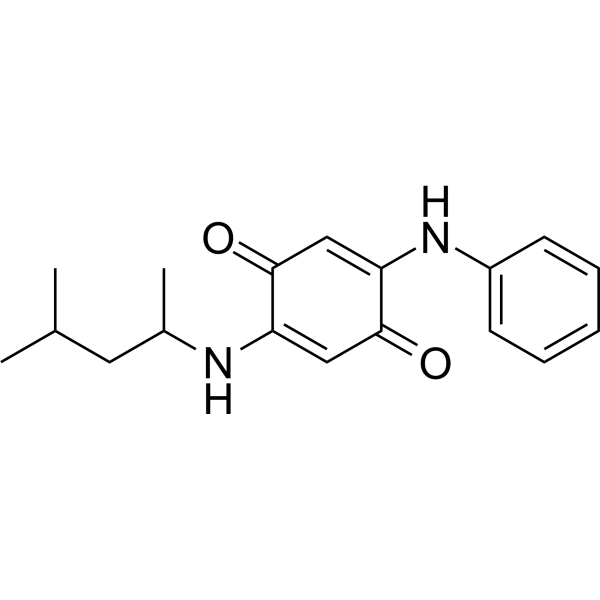 0 ImagesSynonyms: 6PPD-Quinone6PPD-Q (6PPD-Quinone) is an environmental pollutant that can be detected in human urine and is widely present in the environment. 6PPD-Q targets and binds to CNR2, CNR1, AA2AR, LCAT, and TRPA1, with CNR2 exhibiting the highest binding affinity, potentially acting as a CNR2 receptor agonist to activate cannabinoid receptors. 6PPD-Q induces intestinal inflammation and barrier damage by disrupting mitochondrial function, reducing neuronal glycolysis metabolites and TCA cycle intermediates, and exacerbating α-synuclein (α-syn) aggregation. 6PPD-Q is applicable in research on environmental toxicology, neurodegenerative diseases, and inflammation-related disorders.
-
Phen-DC3 Trifluoromethanesulfonate
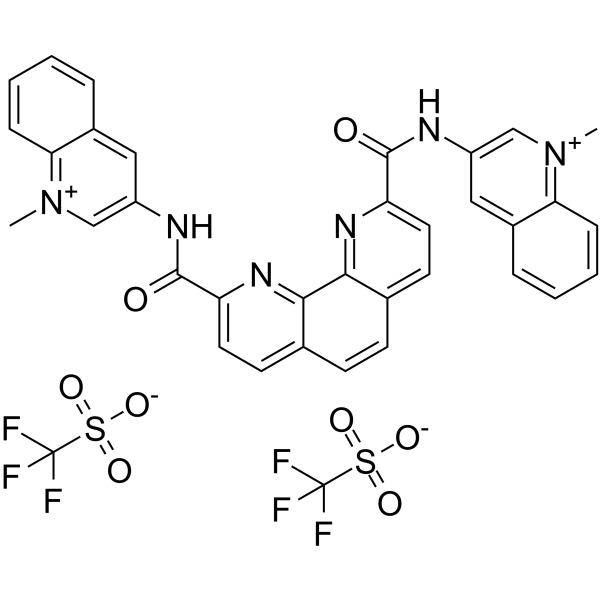 0 ImagesSynonyms: Phen-DC3 TriflatePhen-DC3 Trifluoromethanesulfonate is a bisquinolinium G-quadruplex (G4) ligand. Phen-DC3 Trifluoromethanesulfonate selectively binds to and stabilizes the hybrid quadruplex-duplex hybrid (QDH) derived from the PIM1 promoter. Phen-DC3 Trifluoromethanesulfonate also binds to the c-myc promoter Pu24T G4 via extensive π-stacking, and induces polymerase stalling at α-synuclein DNA and RNA G4 sequences. Phen-DC3 Trifluoromethanesulfonate downregulates LPS (HY-D1056)-induced TNFRSF21, RIPK3 and p-MLKL in VECs, and ameliorates CLP-induced pulmonary vascular leakage in septic rats. Phen-DC3 Trifluoromethanesulfonate can be used in studies related to neurodegenerative diseases and sepsis-associated vascular injury.
-
Semaglutide TFA
 0 ImagesCat. No.: HY-114118APurity: 99.74%Semaglutide TFA is a long-acting, selective, competitive GLP-1R agonist that can penetrate the blood-brain barrier. After activating GLP-1R, Semaglutide TFA promotes insulin secretion, inhibits gastric emptying and appetite, and at the same time enhances autophagy, inhibits oxidative stress and apoptosis. Semaglutide TFA also regulates mitochondrial function and lipid metabolism (such as reducing de novo lipogenesis in the liver). Semaglutide TFA has activities such as lowering blood sugar, reducing weight, neuroprotection (such as improving motor function in Parkinson's disease models, reducing α-synuclein aggregation) and improving hepatic steatosis. Semaglutide TFA can be used for the study of neurodegenerative diseases and liver diseases such as type 2 diabetes, obesity, Parkinson's disease, metabolic associated fatty liver disease (MASLD), and cancer.
-
Semaglutide acetate
 0 ImagesSemaglutide acetate is a long-acting, selective, competitive GLP-1R agonist that can penetrate the blood-brain barrier. After activating GLP-1R, Semaglutide acetate promotes insulin secretion, inhibits gastric emptying and appetite, and at the same time enhances autophagy, inhibits oxidative stress and apoptosis. Semaglutide acetate also regulates mitochondrial function and lipid metabolism (such as reducing de novo lipogenesis in the liver). Semaglutide acetate has activities such as lowering blood sugar, reducing weight, neuroprotection (such as improving motor function in Parkinson's disease models, reducing α-synuclein aggregation) and improving hepatic steatosis. Semaglutide acetate can be used for the study of neurodegenerative diseases and liver diseases such as type 2 diabetes, obesity, Parkinson's disease, metabolic associated fatty liver disease (MASLD), and cancer.
-
Hordenine
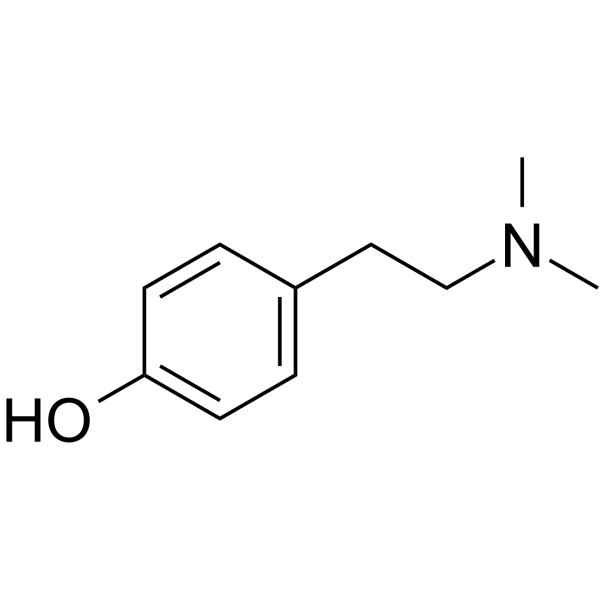 0 ImagesHordenine (Ordenina; Peyocactine) is a multifunctional alkaloid with oral activity and blood-brain barrier penetration. Hordenine inhibits LPS-induced phosphorylation of p38, JNK, ERK1/2, p65, IκB, and AKT, prevents p65 nuclear translocation, and suppresses inflammatory cytokines and mediators. Hordenine promotes M2 macrophage polarization, restores blood-milk barrier integrity, alleviates oxidative stress by reducing ROS and MDA, and attenuates LPS-induced lung injury and pulmonary edema. Hordenine inhibits cAMP production, CREB phosphorylation, and MITF expression, thereby suppressing melanin synthesis in melanocytes and reconstructed epidermis. Hordenine activates the Wnt/β-catenin signaling pathway, promotes dermal papilla cell proliferation and hair shaft elongation, and accelerates hair regeneration. Hordenine activates DRD2, acts as a D3R partial agonist, α2A-AR full agonist, and 5-HT2A-R antagonist, and inhibits SERT and DAT. Hordenine inhibits α-synuclein accumulation and ameliorates motor deficits in Parkinson's disease models. Hordenine limits alcohol intake, reduces relapse drinking behavior, and modulates alcohol-induced conditioned place preference. Hordenine can be used for research on mastitis, skin pigmentation, acute lung injury, foodborne diseases, hair loss, Parkinson's disease, bacterial infections, and alcohol use disorder.
-
PROTAC α-synuclein degrader 5
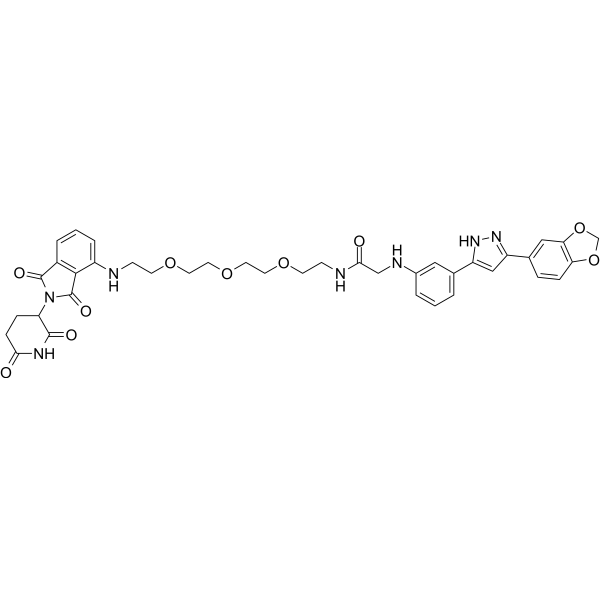 0 ImagesPROTAC α-synuclein degrader 5 is a selective PROTAC degrader targeting α‑synuclein aggregates, with a DC50 of 7.51 μM. PROTAC α-synuclein degrader 5 binds to αSyn aggregates, recruits the CRBN E3 ubiquitin ligase, and mediates the ubiquitination and subsequent degradation of α‑synuclein aggregates. PROTAC α-synuclein degrader 5 activates the autophagy-lysosome pathway. PROTAC α-synuclein degrader 5 reduces ROS levels in neuroblastoma cells, restores mitochondrial membrane potential, rescues cell viability, and decreases LDH release. PROTAC α-synuclein degrader 5 degrades αSyn aggregates in Caenorhabditis elegans and ameliorates oxidative stress. PROTAC α-synuclein degrader 5 is used for the research of synucleinopathies, such as Parkinson's disease.
-
Fast Green FCF
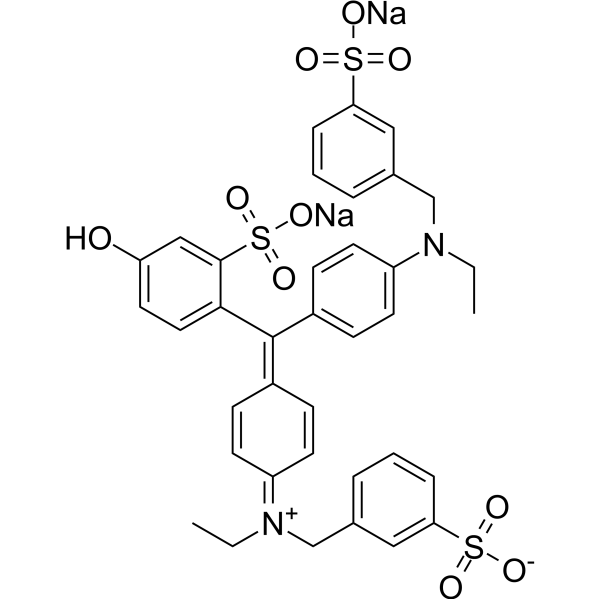 0 ImagesSynonyms: FD&C Green No. 3; Food green 3; C.I. 42053Fast Green FCF is a sea green triarylmethane food dye, with absorption maximum ranging from 622 to 626 nm. Fast Green FCF inhibits α-synuclein aggregation, as well as Aβ and P2X4 receptor, and TLR4/Myd88/NF-κB. Fast Green FCF is widely used as a staining agent like quantitative stain for histones at alkaline pH after acid extraction of DNA, and as a protein stain in electrophoresis. Fast Green FCF improves cognitive impairment, depression, relieves pain allergies, and promotes reproductive function.
-
Prasinezumab
 0 ImagesSynonyms: PRX 002; RG 7935; RO 7046015Prasinezumab (PRX 002) is a humanized IgG1 monoclonal antibody directed against aggregated α-synuclein. Prasinezumab has the potential for Parkinson's disease research.
-
Senkyunolide A
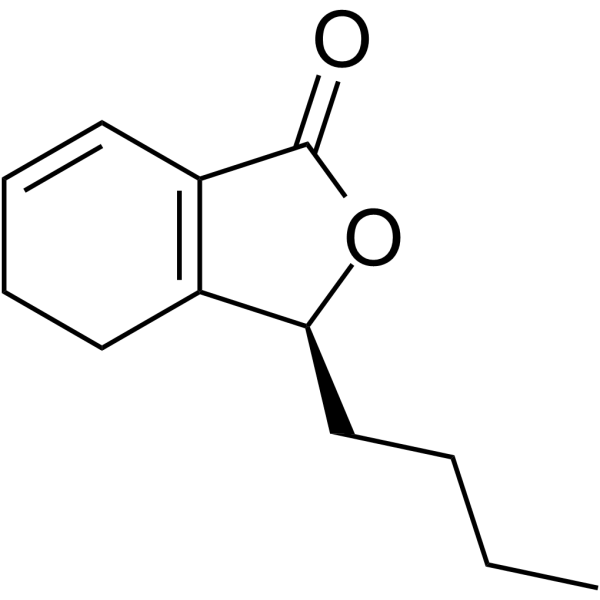 0 ImagesSenkyunolide A is a phthalide, anti-tumor cell proliferation agent with anticancer activity. Senkyunolide A protects neurons from corticosterone (HY-B1618)-induced apoptosis by decreasing protein phosphatase PP2A and α-synuclein phosphorylation and protein level. Senkyunolide A also inhibits osteoarthritis through the NLRP3 signaling pathway and suppresses the expression of CD137, a diagnostic biomarker for atherosclerosis.
-
Beta-asarone
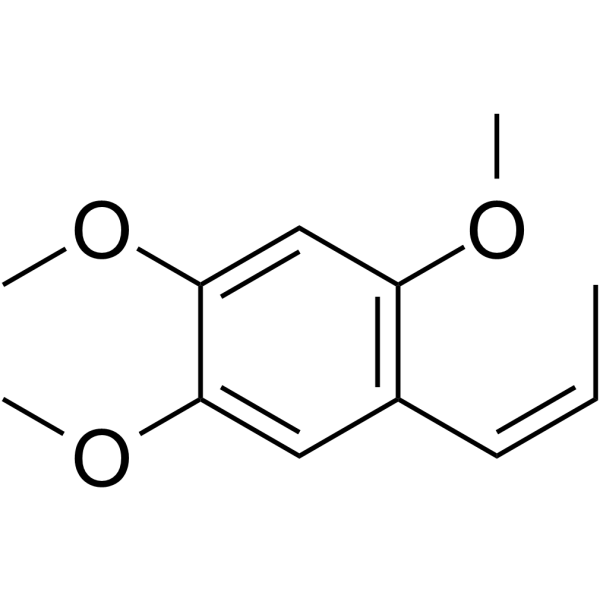 0 ImagesBeta-asarone is an orally active and BBB-penetrable anti-inflammatory agent and neuroprotective agent, which is the major ingredient of Acorus tatarinowii Schott. Beta-asarone can protect nerve cells from apoptosis and autophagy, inhibit expression of α-synuclein, as well as myocardial protection. Beta-asarone can be used in the study of neurological and cardiovascular diseases.
-
PROTAC α-Synuclein/Tau degrader 1
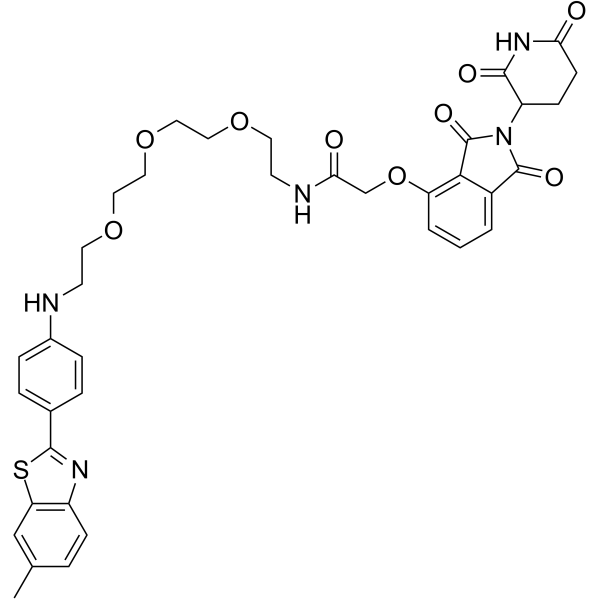 0 ImagesPROTAC α-Synuclein/Tau degrader 1 is a blood-brain barrier-penetrant dual PROTAC degrader of α-synuclein (α-Syn) and tau, with DC50 of 1.57 μM and 4.09 μM, respectively. PROTAC α-Synuclein/Tau degrader 1 binds to α-Syn and tau PFF, with KDs of 0.47 and 2.78 μM, respectively. PROTAC α-Synuclein/Tau degrader 1 exhibits degradation effect mediated by the ubiquitin-proteasome system (UPS). PROTAC α-Synuclein/Tau degrader 6 can be used for the study of Parkinson’s disease (PD) (Pink: α-Synuclein/Tau ligand (HY-151035); Blue: CRBN ligase ligand (HY-14658); Black: Linker (HY-128803)).
-
Buntanetap
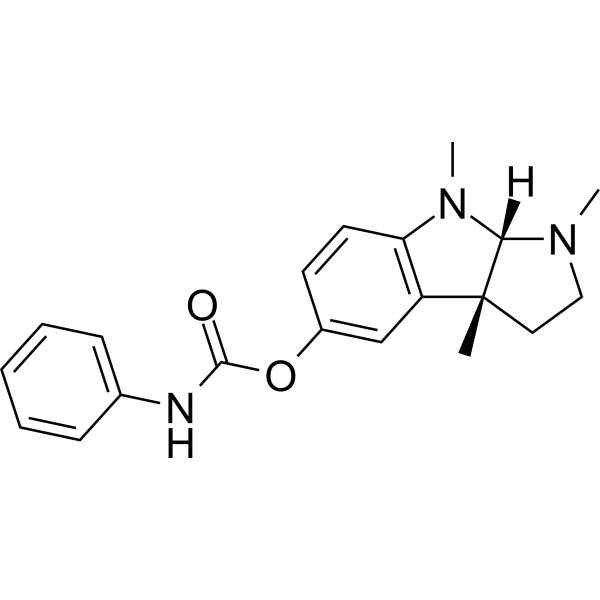 0 ImagesSynonyms: (+)-Phenserine; ANVS401Buntanetap ((+)-Phenserine) is a selective acetylcholinesterase inhibitor. Buntanetap is a multiple neurotoxic protein translation inhibitor with oral activity, including amyloid precursor protein (APP), α-synuclein (αSYN) and huntingtin protein (HTT). Buntanetap reduces the production of β-amyloid precursor protein by blocking its mRNA translation. Buntanetap has anti-inflammatory effects and can be used in the study of Alzheimer's disease and Parkinson's disease.
-
Homogentisic acid
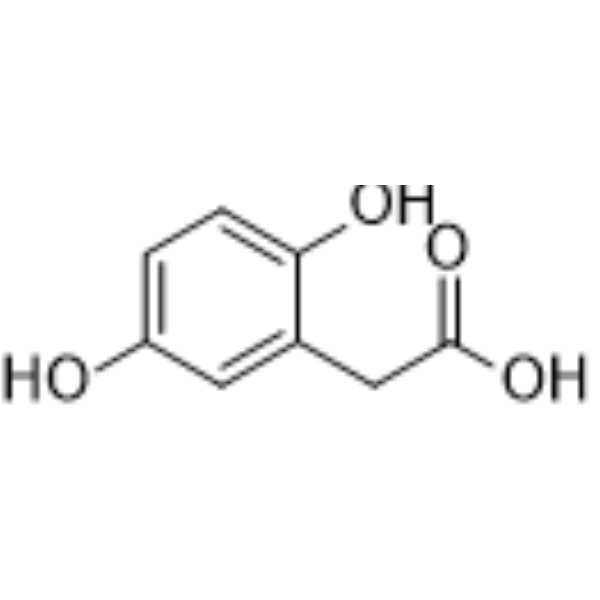 0 ImagesHomogentisic acid is an orally active, blood-brain barrier-permeable amyloidogenic compound that functions as both an amyloid component and a pigment precursor. Accumulation of homogentisic acid downregulates tight junction proteins (such as claudin-5, occludin, ZO-1) and impairs blood-brain barrier integrity. Homogentisic acid and its oxidation product benzoquinone acetic acid not only induce the aggregation and fibrosis of multiple proteins (such as Aβ1-42, α-synuclein, SAA, Transthyretin (TTR), atrial natriuretic peptide), but also trigger oxidative stress, damage to the Wnt/β-catenin pathway, and neurotoxicity, leading to ochronosis pigment deposition and synaptic dysfunction. At specific concentrations, homogentisic acid exerts no cytotoxicity or genotoxicity on human peripheral blood lymphocytes, and even counteracts the genotoxicity induced by Irinotecan (HY-16562). Homogentisic acid serves as an important tool molecule for investigating the mechanisms of diseases including ochronosis, secondary amyloidosis, Alzheimer's disease, and colorectal cancer.
-
Harmol
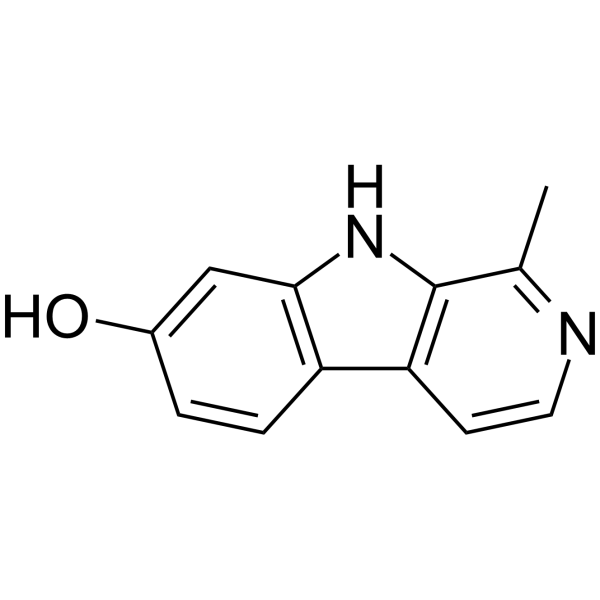 0 ImagesHarmol is an orally active β-carboline alkaloid. Harmol is a TFEB activator and monoamine oxidase inhibitor. Harmol can induce cell mitosis, Autophagy and Apoptosis. Harmol promotes the degradation of α-synuclein by regulating the autophagy-lysosomal pathway. Harmol has anti-tumor, anti-depressant and anti-aging activities. Harmol improves motor impairment in a mouse Parkinson's disease model.
-
Minzasolmin
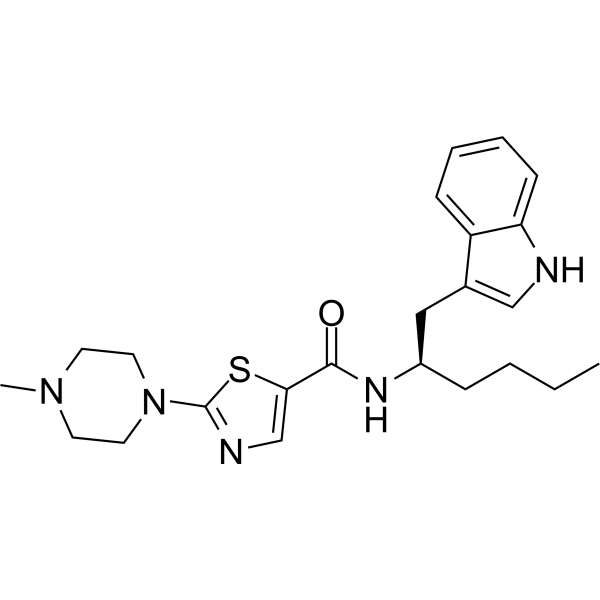 0 ImagesSynonyms: UCB0599; (R)-NPT200-11Minzasolmin (UCB0599; (R)-NPT200-11) is an orally active, blood-brain-permeable α-synuclein (α-Syn) inhibitor that selectively binds to α-Syn misfolded intermediates (such as oligomers) and inhibits aggregation and fibril formation by regulating their conformational stability. Minzasolmin can reduce the generation of pathological oligomers and block neurotoxic signaling, thereby reducing the abnormal accumulation of α-Syn in the brain. Minzasolmin significantly improved motor deficits, reduced neuroinflammatory markers, and α-Syn-related pathological deposition in transgenic mouse models.
-
Cinpanemab
 0 ImagesSynonyms: BIIB054; Anti-Alpha-synuclein Reference Antibody (cinpanemab)Cinpanemab (BIIB054) is a human-derived monoclonal antibody that binds to α-synuclein. Cinpanemab can be used for the research of Parkinson's disease.
-
Dopal
 0 ImagesDopal is a metabolite and aldehyde neurotoxin of Dopamine (HY-B0451). Dopal exhibits cytotoxicity, induces α-synuclein oligomerization and aggregation, and is closely associated with the pathogenesis of Parkinson's disease. Dopal can be used in research related to Parkinson's disease.
-
Semaglutide-13C6,15N TFA
 0 ImagesCat. No.: HY-114118S3Semaglutide-13C6,15N TFA is the 13C- and 15N-labeled Semaglutide TFA (HY-114118A). Semaglutide TFA is a long-acting, selective, competitive GLP-1R agonist that can penetrate the blood-brain barrier. After activating GLP-1R, Semaglutide TFA promotes insulin secretion, inhibits gastric emptying and appetite, and at the same time enhances autophagy, inhibits oxidative stress and apoptosis. Semaglutide TFA also regulates mitochondrial function and lipid metabolism (such as reducing de novo lipogenesis in the liver). Semaglutide TFA has activities such as lowering blood sugar, reducing weight, neuroprotection (such as improving motor function in Parkinson's disease models, reducing α-synuclein aggregation) and improving hepatic steatosis. Semaglutide TFA can be used for the study of neurodegenerative diseases and liver diseases such as type 2 diabetes, obesity, Parkinson's disease, metabolic associated fatty liver disease (MASLD), and cancer.
-
SynuClean-D
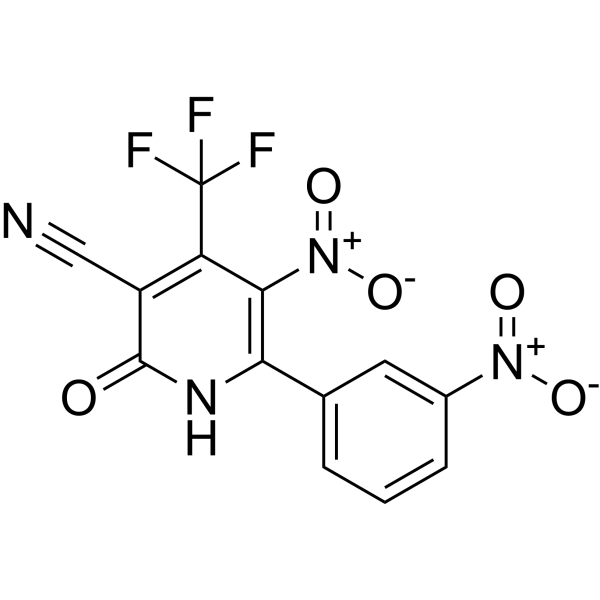 0 ImagesSynonyms: SC-DSynuClean-D (SC-D) is an inhibitor of α-synuclein aggregation, disrupts mature amyloid fibrils, prevents fibril propagation, and abolishes the degeneration of dopaminergic neurons in an animal model of Parkinson’s disease.



