



Glycolysis
-
Glycolysis (16)

- 1
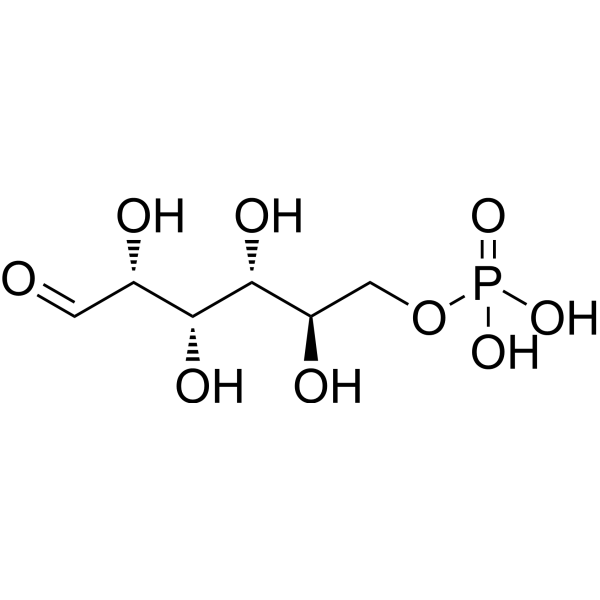
- Formula: C6H13O9P
- Molecular Weight: 260.14
D-Glucose 6-phosphate is a key central node metabolite in glucose metabolism. It serves as the initiating metabolite for glycolysis and the pentose phosphate pathway, as well as a substrate for glycogen synthesis. D-Glucose 6-phosphate acts as a metabolic stress signal, which activates the mTOR pathway to promote protein synthesis, especially when phosphoglucose isomerase (PGI) is inhibited, thereby participating in cardiac remodeling processes. D-Glucose 6-phosphate can be used in research related to non-insulin-dependent diabetes mellitus and heart failure.
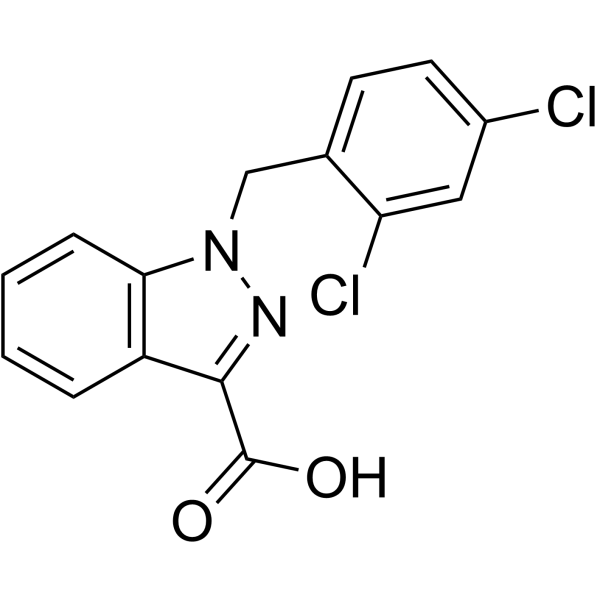
- Formula: C15H10Cl2N2O2
- Molecular Weight: 321.16
Lonidamine (AF-1890) is a hexokinase and mitochondrial pyruvate carrier inhibitor (Ki: 2.5 μM). Lonidamine also inhibits aerobic glycolysis in cancer cells. Lonidamine can be used in the research of mitochondrial metabolism and inflammation, such as pulmonary fibrosis.
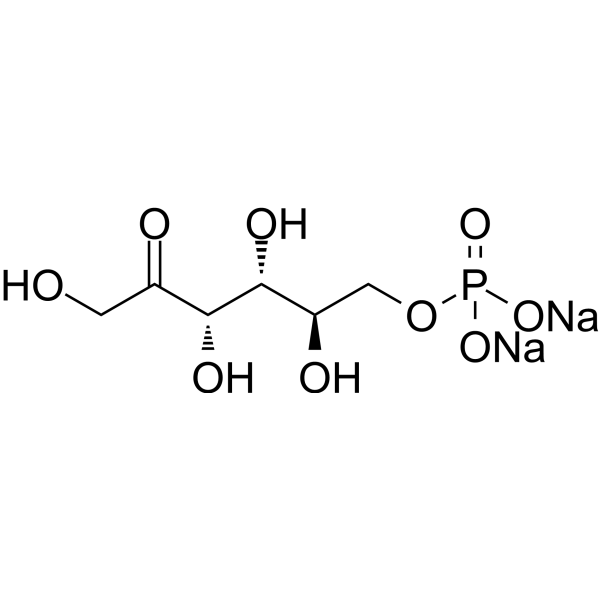
- Formula: C6H11Na2O9P
- Molecular Weight: 304.10
D-Fructose 6-phosphate disodium is an endogenous metabolite. D-Fructose 6-phosphate disodium can be obtained by hydrolysis of Fructose-1,6-bisphosphatase (FBPase). D-Fructose-6-phosphate disodium is a sugar intermediate in the glycolysis pathway and the pentose phosphate pathway. D-Fructose-6-phosphate disodium can be used to detect glucosamine-6-phosphate synthase and TAL activities. D-Fructose 6-phosphate disodium can be used to study Lewy body dementia.
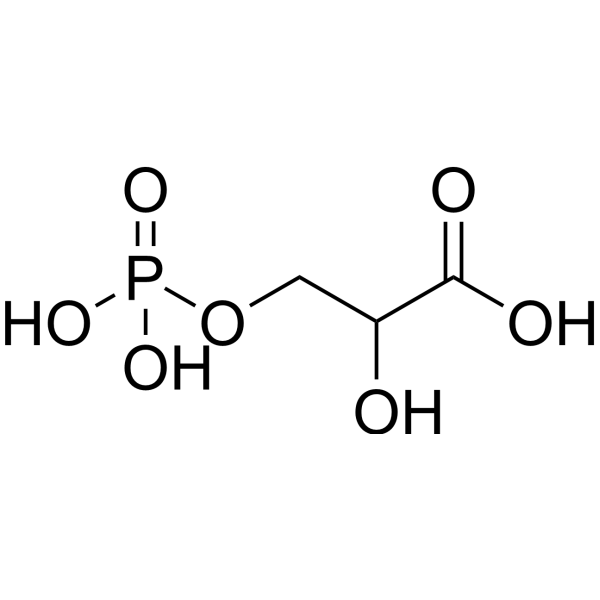
- Formula: C3H7O7P
- Molecular Weight: 186.06
3-Phosphoglyceric acid is a metabolic intermediate in both glycolysis and the Calvin cycle. 3-Phosphoglyceric acid is involved in alveolar macrophage epigenetic regulation.
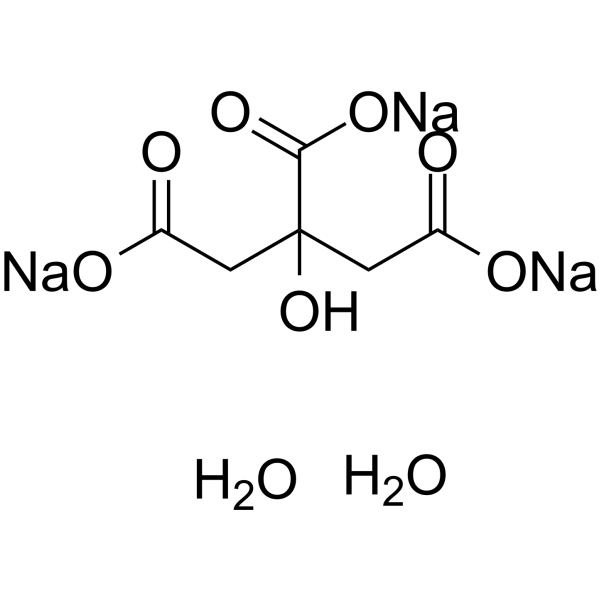
- Formula: C6H9Na3O9
- Molecular Weight: 294.10
Sodium citrate (Trisodium citrate) dihydrate is an orally active natural product that can be found in citrus fruits. Sodium citrate dihydrate can inhibit the proliferation of tumor cells and induce apoptosis. Sodium citrate dihydrate has antibacterial, anti-tumor and antioxidant activities. Sodium citrate dihydrate can be prepared as a cosolvent or buffer.
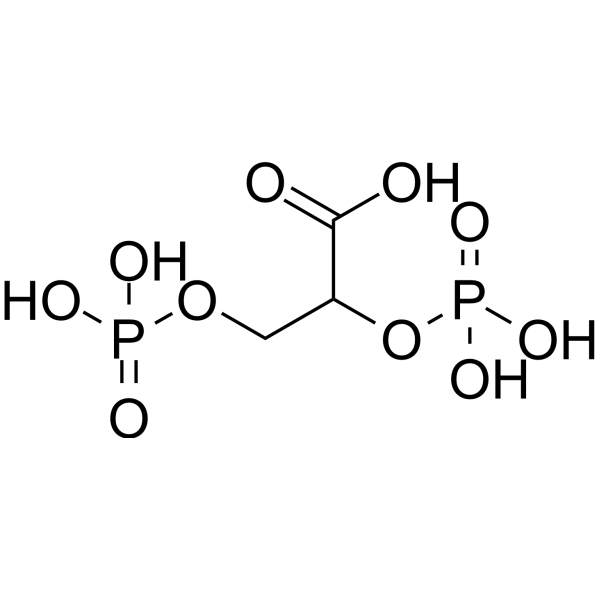
- Formula: C3H8O10P2
- Molecular Weight: 266.04
2,3-Diphosphoglyceric acid (2,3-DPG) is an intermediate metabolite of the 2,3-BPG shunt in erythrocytes, capable of binding to hemoglobin and modulating oxygen affinity. 2,3-Diphosphoglyceric acid stabilizes the deoxyhemoglobin T-state conformation, reduces hemoglobin oxygen affinity, and promotes oxygen release in tissues. 2,3-Diphosphoglyceric acid inhibits the growth of Plasmodium falciparum within erythrocytes without causing hemolysis or a decrease in ATP levels. 2,3-Diphosphoglyceric acid is useful for research related to malaria and Alzheimer's disease.
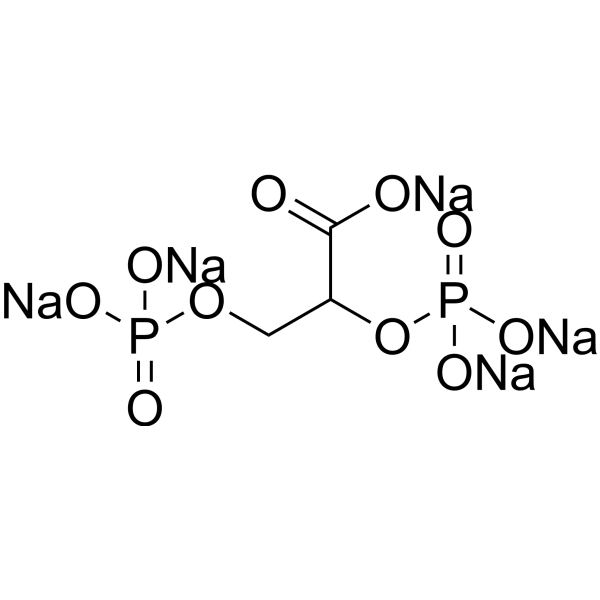
- Formula: C3H3Na5O10P2
- Molecular Weight: 375.95
2,3-Diphosphoglyceric acid (2,3-DPG) pentasodium is an intermediate metabolite of the 2,3-BPG shunt in erythrocytes, capable of binding to hemoglobin and modulating oxygen affinity. 2,3-Diphosphoglyceric acid pentasodium stabilizes the deoxyhemoglobin T-state conformation, reduces hemoglobin oxygen affinity, and promotes oxygen release in tissues. 2,3-Diphosphoglyceric acid pentasodium inhibits the growth of Plasmodium falciparum within erythrocytes without causing hemolysis or a decrease in ATP levels. 2,3-Diphosphoglyceric acid pentasodium is useful for research related to malaria and Alzheimer's disease.
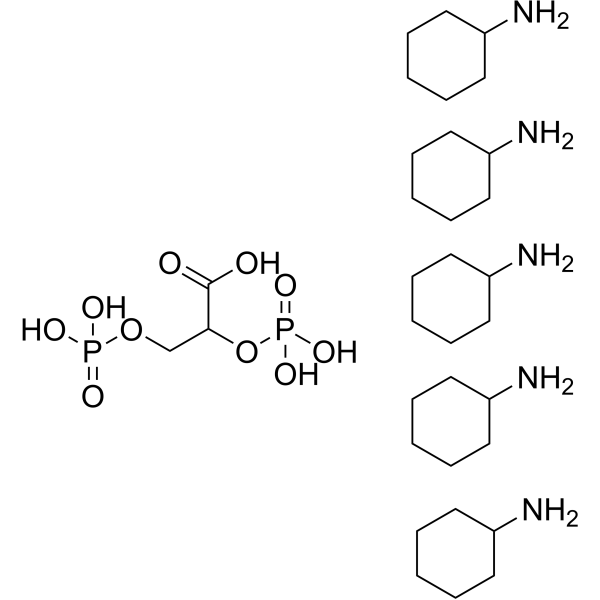
- Formula: C33H73N5O10P2
- Molecular Weight: 761.91
2,3-Diphosphoglyceric acid (2,3-DPG) pentacyclohexylamine is an intermediate metabolite of the 2,3-BPG shunt in erythrocytes, capable of binding to hemoglobin and modulating oxygen affinity. 2,3-Diphosphoglyceric acid pentacyclohexylamine stabilizes the deoxyhemoglobin T-state conformation, reduces hemoglobin oxygen affinity, and promotes oxygen release in tissues. 2,3-Diphosphoglyceric acid pentacyclohexylamine inhibits the growth of Plasmodium falciparum within erythrocytes without causing hemolysis or a decrease in ATP levels. 2,3-Diphosphoglyceric acid pentacyclohexylamine is useful for research related to malaria and Alzheimer's disease.
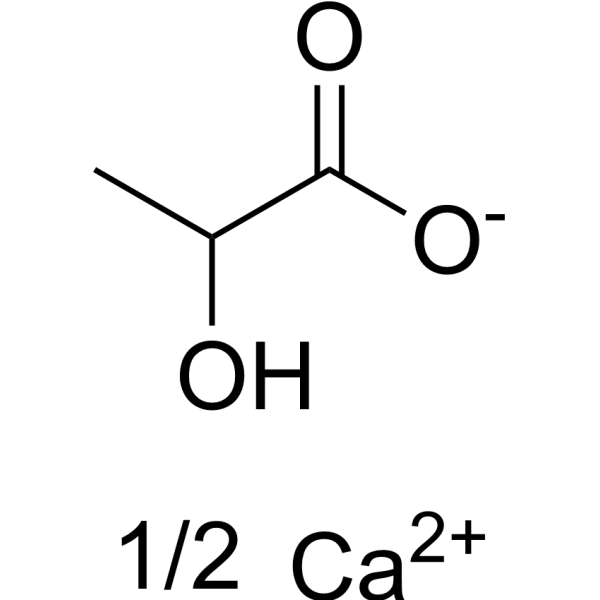
- Formula: C 3H6O3.1/2Ca
- Molecular Weight: 110.12
Lactic acid (DL-Lactic acid) calcium is a hydroxycarboxylic acid receptor 1 (HCAR1) activator and an epigenetic modulator inducing lysine residues lactylation. Lactic acid calcium is a glycolysis end-product, bridging the gap between glycolysis and oxidative phosphorylation. Lactic acid calcium is an oncometabolite and has immune protective role of lactate in anti-tumor immunity. Lactic acid calcium also has antimicrobial activity, which can be used as a food preservative.
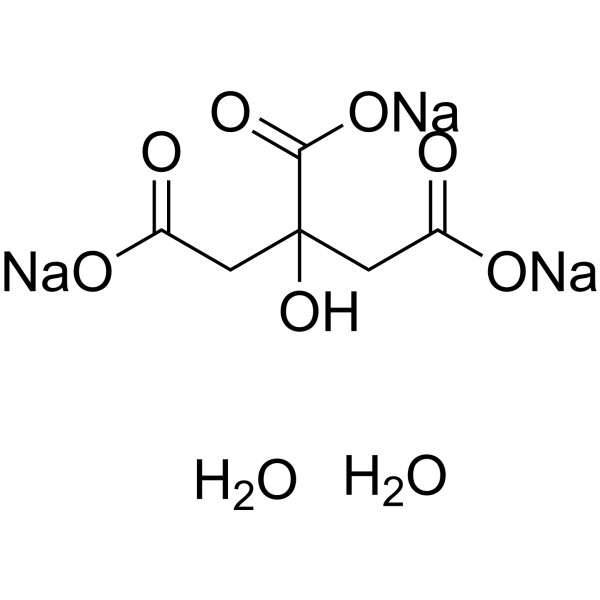
- Formula: C6H9Na3O9
- Molecular Weight: 294.10
Sodium citrate (Trisodium citrate) dihydrate, meets USP testing specifications is an orally active natural product that can be found in citrus fruits. Sodium citrate dihydrate can inhibit the proliferation of tumor cells and induce apoptosis. Sodium citrate dihydrate has antibacterial, anti-tumor and antioxidant activities. Sodium citrate dihydrate can be prepared as a cosolvent or buffer.
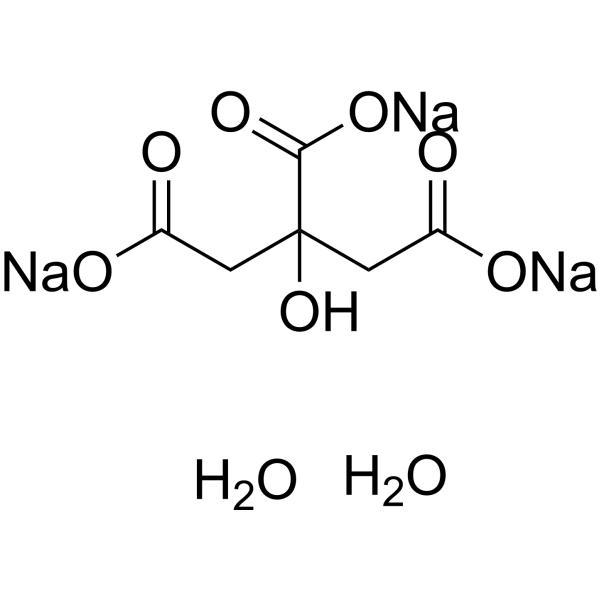
- Formula: C6H9Na3O9
- Molecular Weight: 294.10
Sodium citrate (Trisodium citrate) dihydrate, for molecular biology is an orally active natural product that can be found in citrus fruits. Sodium citrate dihydrate can inhibit the proliferation of tumor cells and induce apoptosis. Sodium citrate dihydrate has antibacterial, anti-tumor and antioxidant activities. Sodium citrate dihydrate can be prepared as a cosolvent or buffer.

- Formula: C6H9Na3O9
- Molecular Weight: 294.10
Sodium citrate (Trisodium citrate) dihydrate (Standard) is the analytical standard of Sodium citrate (dihydrate) (HY-B1610). This product is intended for research and analytical applications. Sodium citrate dihydrate is an orally active natural product that can be found in citrus fruits. Sodium citrate dehydrate can inhibit the proliferation of tumor cells and induce apoptosis. Sodium citrate dehydrate has antibacterial, anti-tumor and antioxidant activities. Sodium citrate dehydrate can be prepared as a cosolvent or buffer.
Phosphofructokinase 1 (PFK1) is a glycolytic enzyme and also an allosteric activation target of fructose-2,6-bisphosphate. PFK1 supports cardiac glycolysis to maintain normal cardiac function and mediates adaptive responses to pressure overload. Upregulated expression and activity of PFK1 are associated with the alleviation of pathological changes induced by pressure overload, including diastolic dysfunction, interstitial fibrosis and myocardial hypertrophy. Inhibition of PFK1 redirects glucose carbon flux to the pentose phosphate pathway. PFK1 promotes proliferation, migration and glycolysis of colorectal cancer cells, reduces apoptosis and decreases their radiosensitivity, and shows higher expression levels in radioresistant tumors. PFK1 can be used in research related to diastolic dysfunction heart failure and colorectal cancer.

Phosphofructokinase,Bacillus stearothermophilus is a glycolytic enzyme and also an allosteric activation target of fructose-2,6-bisphosphate. PFK1 supports cardiac glycolysis to maintain normal cardiac function and mediates adaptive responses to pressure overload. Upregulated expression and activity of PFK1 are associated with the alleviation of pathological changes induced by pressure overload, including diastolic dysfunction, interstitial fibrosis and myocardial hypertrophy. Inhibition of PFK1 redirects glucose carbon flux to the pentose phosphate pathway. PFK1 promotes proliferation, migration and glycolysis of colorectal cancer cells, reduces apoptosis and decreases their radiosensitivity, and shows higher expression levels in radioresistant tumors. PFK1 can be used in research related to diastolic dysfunction heart failure and colorectal cancer.
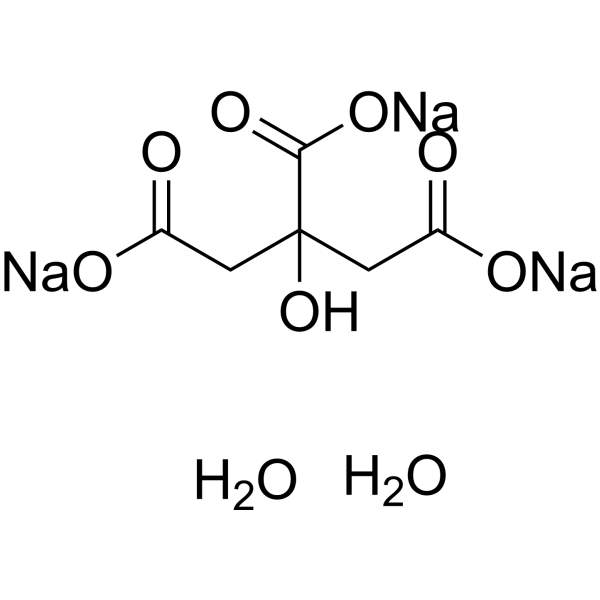
- Formula: C6H9Na3O9
- Molecular Weight: 294.10
Sodium citrate (Trisodium citrate) dihydrate, United States Pharmacopeia (USP) Reference Standard is an orally active natural product that can be found in citrus fruits. Sodium citrate dihydrate can inhibit the proliferation of tumor cells and induce apoptosis. Sodium citrate dihydrate has antibacterial, anti-tumor and antioxidant activities. Sodium citrate dihydrate can be prepared as a cosolvent or buffer.

- Formula: C6H9Na3O9
- Molecular Weight: 294.10
Sodium citrate (Trisodium citrate) dihydrate, meets USP testing specifications (Standard) is the analytical standard of Sodium citrate dihydrate, for molecular biology (HY-B1610I). This product is intended for research and analytical applications. Sodium citrate dihydrate, for molecular biology is an orally active natural product that can be found in citrus fruits. Sodium citrate dihydrate can inhibit the proliferation of tumor cells and induce apoptosis. Sodium citrate dihydrate has antibacterial, anti-tumor and antioxidant activities. Sodium citrate dihydrate can be prepared as a cosolvent or buffer.
- 1



