



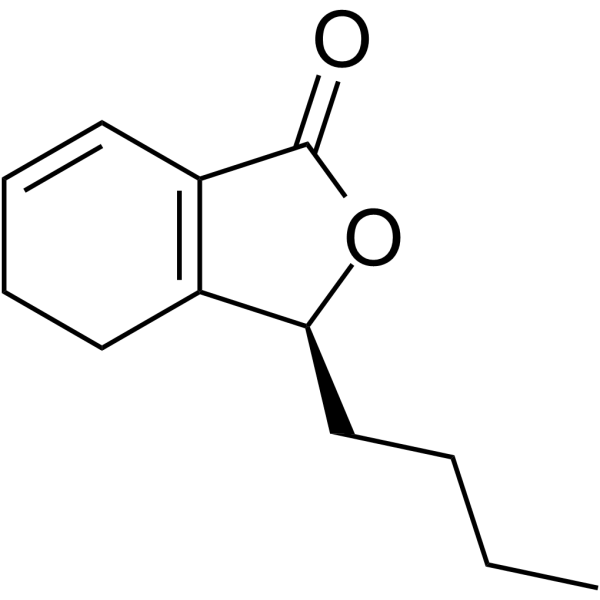
Senkyunolide A
Based on 4 publication(s) in Google Scholar
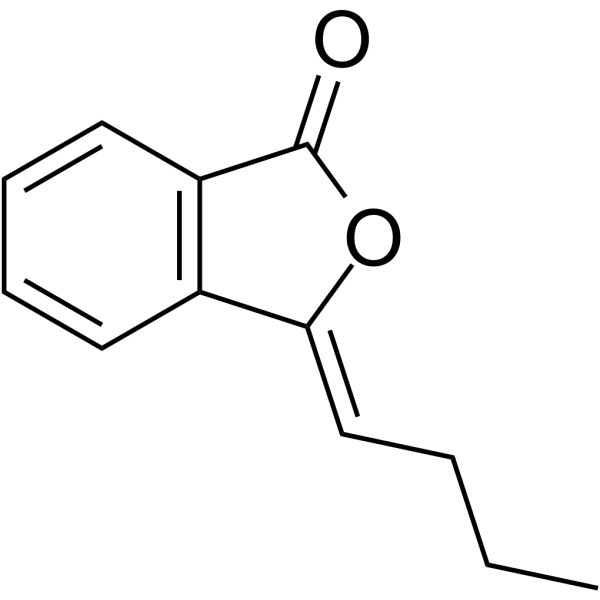
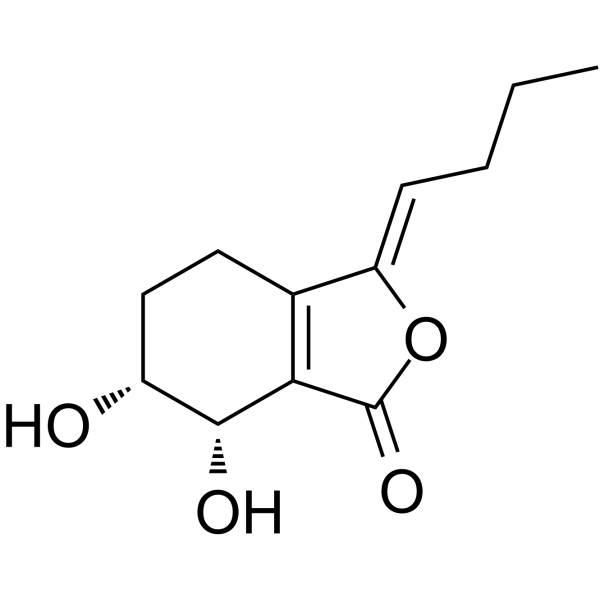
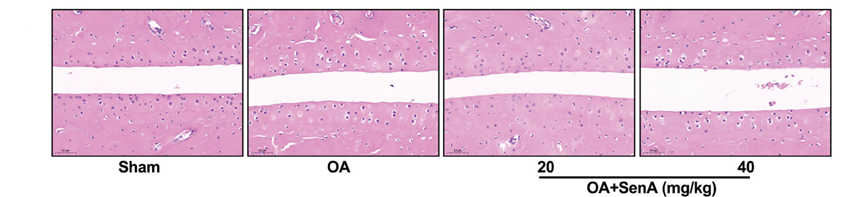
Senkyunolide A is a phthalide, anti-tumor cell proliferation agent with anticancer activity. Senkyunolide A protects neurons from corticosterone (HY-B1618)-induced apoptosis by decreasing protein phosphatase PP2A and α-synuclein phosphorylation and protein level. Senkyunolide A also inhibits osteoarthritis through the NLRP3 signaling pathway and suppresses the expression of CD137, a diagnostic biomarker for atherosclerosis.
Nur für Forschungszwecke. Wir verkaufen nicht an Patienten.
- Reinheit : 99.06%
- CAS. Nr.: 63038-10-8
- Formel: C12H16O2
- Molecular Weight:192.26
-
Speicherung:Shipping with dry ice
-80°C, protect from light, stored under nitrogen

To place orders, for customer services and technical support, please contact: MedChemExpress USA
Tel: 609-228-6898 E-mail: [email protected] [email protected]


-
 Biologische Aktivität
-
Chemical Information
-
Lösungsmittel & Löslichkeit
- Protokoll
- Reinheit & Dokumentation
- Verweise
-
 Help & FAQs



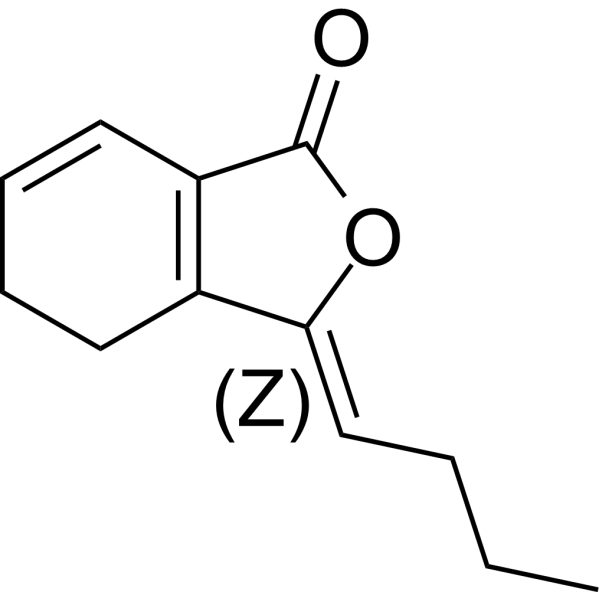
Publications Citing Use of MedChemExpress (MCE) Senkyunolide A
More Customer Validation & Images

-
Cell Proliferation/Viability Assay
-
WB
-
IF
-
Apoptosis Analysis
-
Histological Imaging/Staining
Alle α-synuclein Isoform-spezifische Produkte anzeigen
More

Biologische Aktivität
Beschreibung
IC50 & Target
[4]|
α-synuclein |
In Vitro
Senkyunolide A (0-2.5 μg/mL; 24 h) inhibits the proliferation of HT-29 and CCD-18Co cells with IC50 of 10.4 μM and 20.95 μM, respectively
[1].
Senkyunolide A (100 μM; 6 h) inhibits the high expression of CD137 in TNF-α treated MAECs cells[2].
Senkyunolide A (0.125-0.5 μg/mL; 24-72 h) improves cell viability, decreases apoptosis, LDH release, α-syn expression and PP2P phosphorylation in PC12 cells treated with corticosterone (HY-B1618)[3].
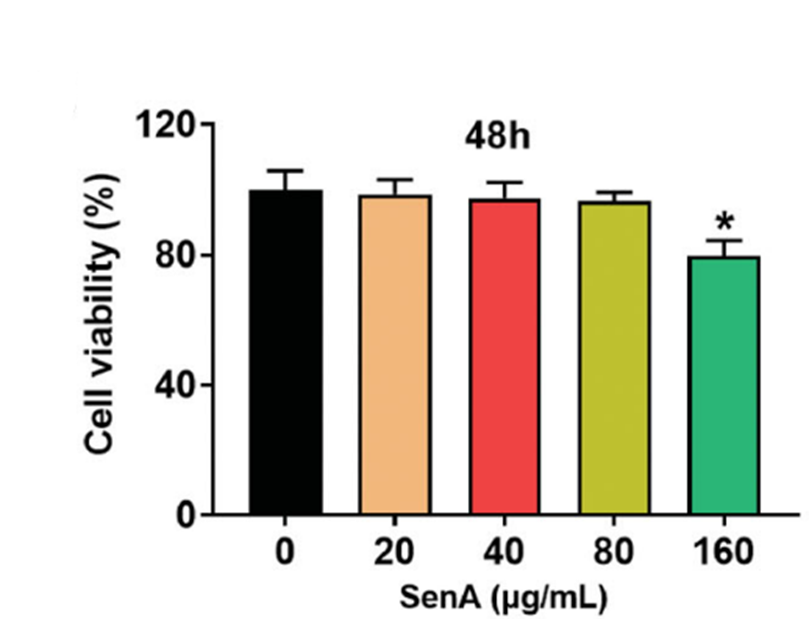
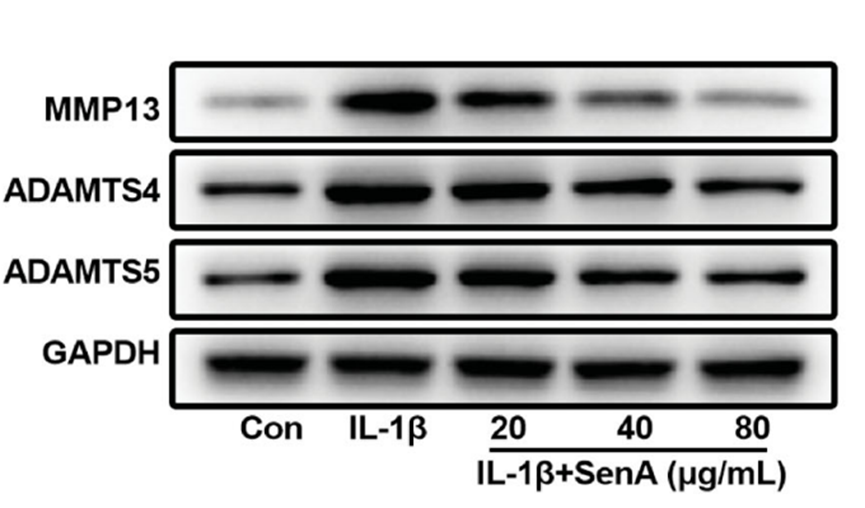
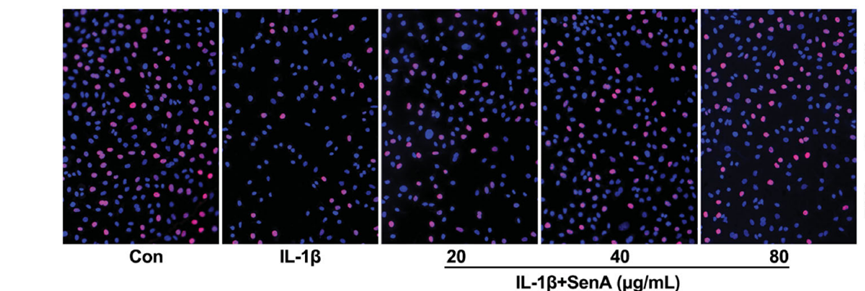
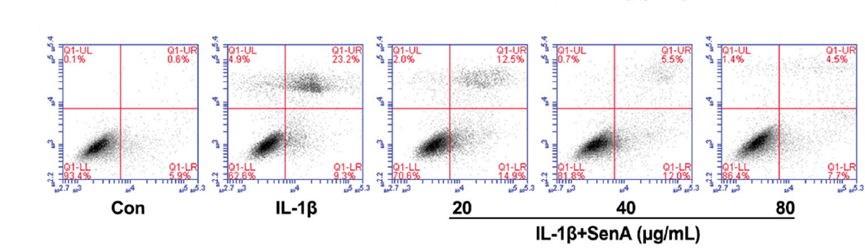
Senkyunolide A (20-80 μg/mL; 48 h) promotes cell proliferation and inhibits cell apoptosis in IL-1β-treated chondrocytes, and inhibits cell inflammation by blocking the NLRP3 signaling pathway[4].
MedChemExpress (MCE) has not independently confirmed the accuracy of these methods. They are for reference only.
-
Cell Line:Chondrocytes
-
Concentration:20, 40 and 80 μg/mL
-
Incubation Time:48 h
-
Result:Decreased the levels of NLRP3, ASC and caspase-1.
Reduced the levels of TNF-a, IL-6 and IL-18.
Parmacokinetics
| Species | Dose | Route | Note | T1/2 | Plasma Concentration | AUC | Vd | Clearance (CL) | Tmax | Bioavailability |
|---|---|---|---|---|---|---|---|---|---|---|
| Rat[5] | 20 mg/kg | i.v. | pure | 0.65 h | 19.67 mg/L | 2.81 mg·h/L | 6.74 L/kg | 7.20 L/h/kg | / | / |
| Rat[5] | 5.8 mg/kg | i.v. | ext | 0.69 h | 4.86 mg/L | 0.95 mg/h/L | 7.12 L/kg | 9.17 L/h/kg | / | / |
| Rat[5] | 50 mg/kg | i.p. | / | 0.67 h | 17.6 mg/L | 5.29 mg/h/L | 9.98 L/kg | 10.92 L/h/kg | 0.04 h | 75.3 % |
In Vivo
Pharmacokinetic Analysis in Rats[5]
| Route | Dose (mg/kg) | Tmax (h) | Cmax (mg/L) | t1/2 (h) | AUC0→∞ (mg/h per liter) | Vd/F (L/kg) | CL/F (L/h per kilogram) | F (%) |
| i.v. | 20 (pure) | / | 19.67 | 0.65 | 2.81 | 6.74 | 7.20 | / |
| i.v. | 7.65 (ext)* | / | 4.86 | 0.69 | 0.95 | 7.12 | 9.17 | / |
| i.p. | 50 | 0.04 | 17.60 | 0.67 | 5.29 | 9.98 | 10.92 | 75.3 |
| i.p. | 100 | 0.04 | 31.01 | 0.99 | 10.65 | 13.78 | 9.72 | 75.8 |
| p.o. | 100 | 0.21 | 1.66 | 0.52 | 1.11 | 68.97 | 94.81 | 7.9 |