



α-synuclein
α-Synuclein is a presynaptic neuronal protein that associates with synaptic vesicle membranes and participates in the regulation of neurotransmitter release, vesicle trafficking, and synaptic vesicle organization[1][2][3]. Mechanistically, α-synuclein binds membrane phospholipids, promotes vesicle clustering, and facilitates processes linked to synaptic vesicle integrity and SNARE-dependent neurotransmission, thereby contributing to normal synaptic function[1][2][4]. Dysregulation of these physiological activities is closely associated with abnormal protein folding, oligomerization, and fibrillization, which disrupt cellular homeostasis and impair pathways including vesicle trafficking, lysosomal function, and mitochondrial integrity[5][6][7]. In disease contexts, α-synuclein is the major constituent of Lewy bodies and represents a central pathogenic factor in Parkinson’s disease and related synucleinopathies, where aggregated species accumulate in vulnerable neuronal populations and contribute to progressive neurodegeneration[6][8][9]. Experimental studies further indicate that abnormal or mutant α-synuclein alters lipid homeostasis and presynaptic trafficking, providing mechanistic links between protein aggregation and neuronal dysfunction[7]. Compared with the related synuclein family members β-synuclein and γ-synuclein, α-synuclein has received particular attention because its aggregation propensity and pathological deposition are directly associated with Lewy body pathology and disease progression[8][9]. For experimental applications, α-synuclein aggregation models, oligomer-based assays, and aggregation-targeting modulators are widely used to investigate pathogenic mechanisms and evaluate potential therapeutic strategies for synucleinopathies[5][10].
References:
- [1]. Sharma M, et al. α-Synuclein in synaptic function and dysfunction. Trends Neurosci. 2023 Feb;46(2):153-166. [Content Brief]
- [2]. Burré J. The Synaptic Function of α-Synuclein. J Parkinsons Dis. 2015;5(4):699-713. doi: 10.3233/JPD-150642. PMID: 26407041; PMCID: PMC4927875. et al. The Synaptic Function of α-Synuclein. J Parkinsons Dis. 2015;5(4):699-713. [Content Brief]
- [3]. Huang M, et al. α-Synuclein: A Multifunctional Player in Exocytosis, Endocytosis, and Vesicle Recycling. Front Neurosci. 2019 Jan 28;13:28. [Content Brief]
- [4]. Treviño M, et al. Synaptic Vesicle Disruption in Parkinson's Disease: Dual Roles of α-Synuclein and Emerging Therapeutic Targets. Brain Sci. 2025 Dec 20;16(1):7. [Content Brief]
- [5]. Xu L, et al. Alpha-Synuclein in Parkinson's Disease: From Pathogenetic Dysfunction to Potential Clinical Application. Parkinsons Dis. 2016;2016:1720621. [Content Brief]
- [6]. Meade RM, et al. Alpha-synuclein structure and Parkinson's disease - lessons and emerging principles. Mol Neurodegener. 2019 Jul 22;14(1):29. [Content Brief]
- [7]. Calabresi P, et al. Advances in understanding the function of alpha-synuclein: implications for Parkinson's disease. Brain. 2023 Sep 1;146(9):3587-3597. [Content Brief]
- [8]. Calabresi P, et al. Alpha-synuclein in Parkinson's disease and other synucleinopathies: from overt neurodegeneration back to early synaptic dysfunction. Cell Death Dis. 2023 Mar 1;14(3):176. [Content Brief]
- [9]. Negi S, et al. The misfolding mystery: α-synuclein and the pathogenesis of Parkinson's disease. Neurochem Int. 2024 Jul;177:105760. [Content Brief]
- [10]. Kalia LV, et al. α-Synuclein oligomers and clinical implications for Parkinson disease. Ann Neurol. 2013 Feb;73(2):155-69. [Content Brief]
-
α-synuclein Related Products (88)
Related Products (88)

-
Semaglutide
 0 ImagesSemaglutide is a long-acting, selective, competitive GLP-1R agonist that can penetrate the blood-brain barrier. After activating GLP-1R, Semaglutide promotes insulin secretion, inhibits gastric emptying and appetite, and at the same time enhances autophagy, inhibits oxidative stress and apoptosis. Semaglutide also regulates mitochondrial function and lipid metabolism (such as reducing de novo lipogenesis in the liver). Semaglutide has activities such as lowering blood sugar, reducing weight, neuroprotection (such as improving motor function in Parkinson's disease models, reducing α-synuclein aggregation) and improving hepatic steatosis. Semaglutide can be used for the study of neurodegenerative diseases and liver diseases such as type 2 diabetes, obesity, Parkinson's disease, metabolic associated fatty liver disease (MASLD), and cancer.
-
Phen-DC3 Trifluoromethanesulfonate
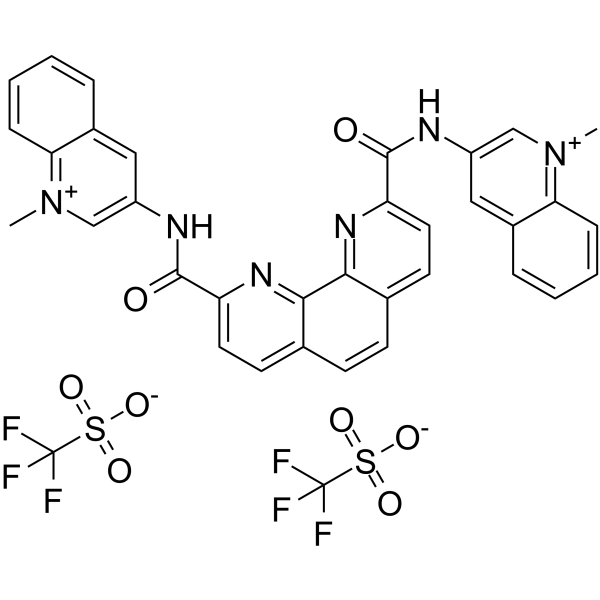 0 ImagesSynonyms: Phen-DC3 TriflatePhen-DC3 Trifluoromethanesulfonate is a bisquinolinium G-quadruplex (G4) ligand. Phen-DC3 Trifluoromethanesulfonate selectively binds to and stabilizes the hybrid quadruplex-duplex hybrid (QDH) derived from the PIM1 promoter. Phen-DC3 Trifluoromethanesulfonate also binds to the c-myc promoter Pu24T G4 via extensive π-stacking, and induces polymerase stalling at α-synuclein DNA and RNA G4 sequences. Phen-DC3 Trifluoromethanesulfonate downregulates LPS (HY-D1056)-induced TNFRSF21, RIPK3 and p-MLKL in VECs, and ameliorates CLP-induced pulmonary vascular leakage in septic rats. Phen-DC3 Trifluoromethanesulfonate can be used in studies related to neurodegenerative diseases and sepsis-associated vascular injury.
-
Semaglutide TFA
 0 ImagesCat. No.: HY-114118APurity: 99.74%Semaglutide TFA is a long-acting, selective, competitive GLP-1R agonist that can penetrate the blood-brain barrier. After activating GLP-1R, Semaglutide TFA promotes insulin secretion, inhibits gastric emptying and appetite, and at the same time enhances autophagy, inhibits oxidative stress and apoptosis. Semaglutide TFA also regulates mitochondrial function and lipid metabolism (such as reducing de novo lipogenesis in the liver). Semaglutide TFA has activities such as lowering blood sugar, reducing weight, neuroprotection (such as improving motor function in Parkinson's disease models, reducing α-synuclein aggregation) and improving hepatic steatosis. Semaglutide TFA can be used for the study of neurodegenerative diseases and liver diseases such as type 2 diabetes, obesity, Parkinson's disease, metabolic associated fatty liver disease (MASLD), and cancer.
-
Semaglutide acetate
 0 ImagesSemaglutide acetate is a long-acting, selective, competitive GLP-1R agonist that can penetrate the blood-brain barrier. After activating GLP-1R, Semaglutide acetate promotes insulin secretion, inhibits gastric emptying and appetite, and at the same time enhances autophagy, inhibits oxidative stress and apoptosis. Semaglutide acetate also regulates mitochondrial function and lipid metabolism (such as reducing de novo lipogenesis in the liver). Semaglutide acetate has activities such as lowering blood sugar, reducing weight, neuroprotection (such as improving motor function in Parkinson's disease models, reducing α-synuclein aggregation) and improving hepatic steatosis. Semaglutide acetate can be used for the study of neurodegenerative diseases and liver diseases such as type 2 diabetes, obesity, Parkinson's disease, metabolic associated fatty liver disease (MASLD), and cancer.
-
Senkyunolide A
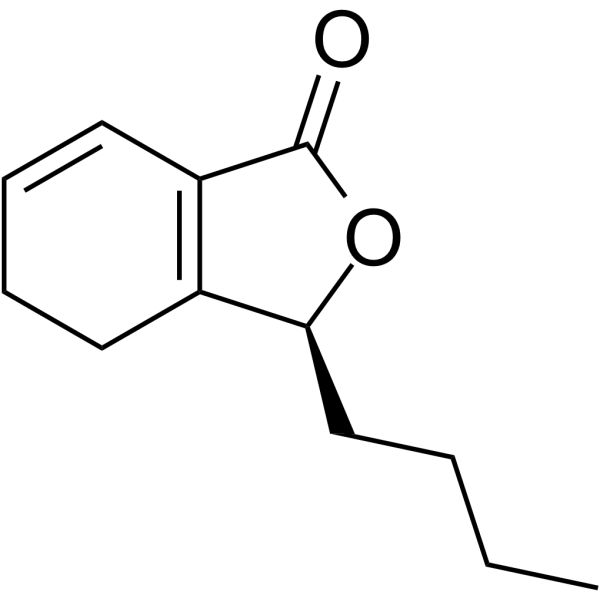 0 ImagesSenkyunolide A is a phthalide, anti-tumor cell proliferation agent with anticancer activity. Senkyunolide A protects neurons from corticosterone (HY-B1618)-induced apoptosis by decreasing protein phosphatase PP2A and α-synuclein phosphorylation and protein level. Senkyunolide A also inhibits osteoarthritis through the NLRP3 signaling pathway and suppresses the expression of CD137, a diagnostic biomarker for atherosclerosis.
-
Beta-asarone
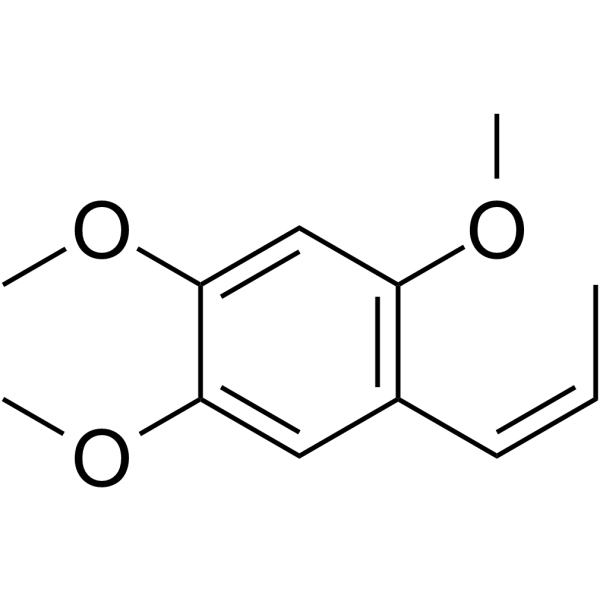 0 ImagesBeta-asarone is an orally active and BBB-penetrable anti-inflammatory agent and neuroprotective agent, which is the major ingredient of Acorus tatarinowii Schott. Beta-asarone can protect nerve cells from apoptosis and autophagy, inhibit expression of α-synuclein, as well as myocardial protection. Beta-asarone can be used in the study of neurological and cardiovascular diseases.
-
PROTAC α-Synuclein/Tau degrader 1
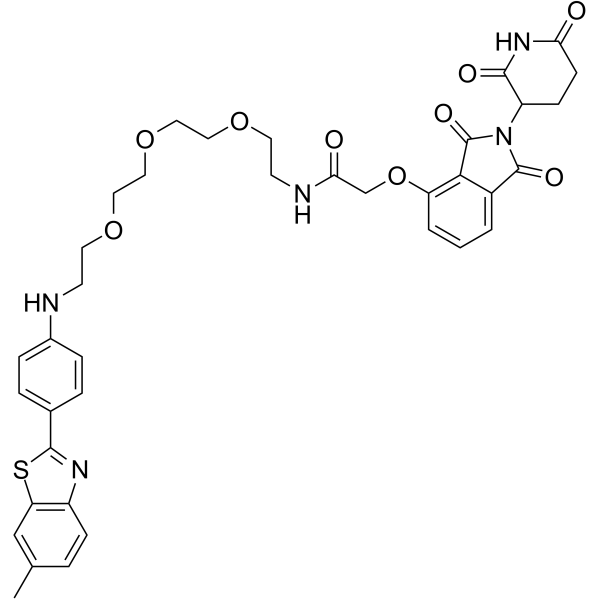 0 ImagesPROTAC α-Synuclein/Tau degrader 1 is a blood-brain barrier-penetrant dual PROTAC degrader of α-synuclein (α-Syn) and tau, with DC50 of 1.57 μM and 4.09 μM, respectively. PROTAC α-Synuclein/Tau degrader 1 binds to α-Syn and tau PFF, with KDs of 0.47 and 2.78 μM, respectively. PROTAC α-Synuclein/Tau degrader 1 exhibits degradation effect mediated by the ubiquitin-proteasome system (UPS). PROTAC α-Synuclein/Tau degrader 6 can be used for the study of Parkinson’s disease (PD) (Pink: α-Synuclein/Tau ligand (HY-151035); Blue: CRBN ligase ligand (HY-14658); Black: Linker (HY-128803)).
-
Buntanetap
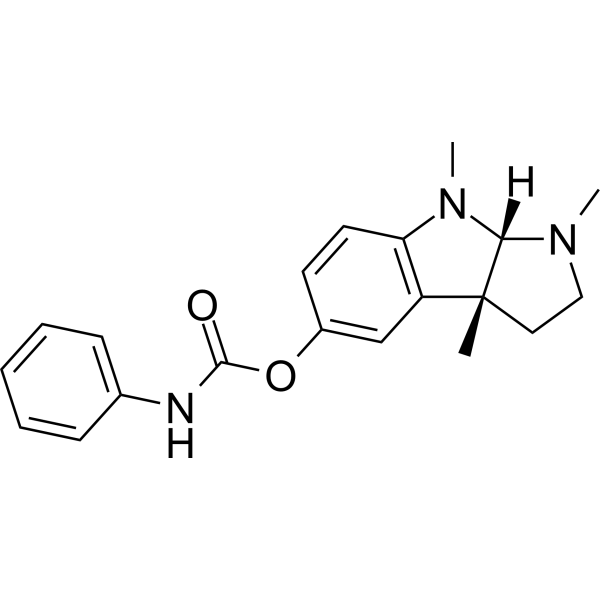 0 ImagesSynonyms: (+)-Phenserine; ANVS401Buntanetap ((+)-Phenserine) is a selective acetylcholinesterase inhibitor. Buntanetap is a multiple neurotoxic protein translation inhibitor with oral activity, including amyloid precursor protein (APP), α-synuclein (αSYN) and huntingtin protein (HTT). Buntanetap reduces the production of β-amyloid precursor protein by blocking its mRNA translation. Buntanetap has anti-inflammatory effects and can be used in the study of Alzheimer's disease and Parkinson's disease.
-
Harmol
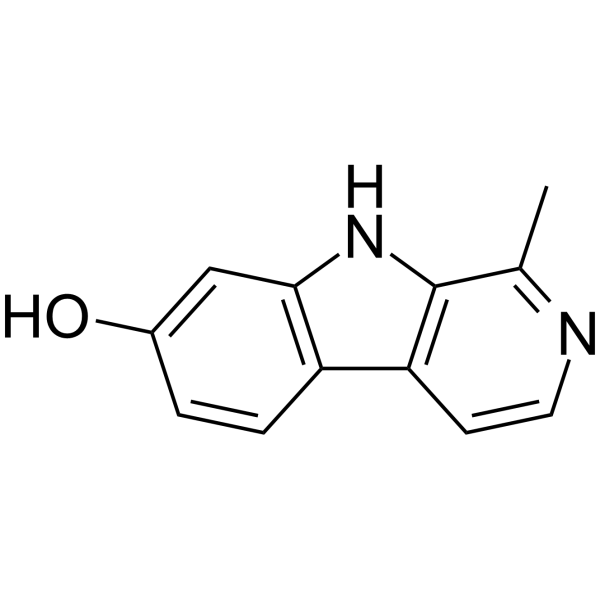 0 ImagesHarmol is an orally active β-carboline alkaloid. Harmol is a TFEB activator and monoamine oxidase inhibitor. Harmol can induce cell mitosis, Autophagy and Apoptosis. Harmol promotes the degradation of α-synuclein by regulating the autophagy-lysosomal pathway. Harmol has anti-tumor, anti-depressant and anti-aging activities. Harmol improves motor impairment in a mouse Parkinson's disease model.
-
Cinpanemab
 0 ImagesSynonyms: BIIB054; Anti-Alpha-synuclein Reference Antibody (cinpanemab)Cinpanemab (BIIB054) is a human-derived monoclonal antibody that binds to α-synuclein. Cinpanemab can be used for the research of Parkinson's disease.
-
Semaglutide-13C6,15N TFA
 0 ImagesCat. No.: HY-114118S3Semaglutide-13C6,15N TFA is the 13C- and 15N-labeled Semaglutide TFA (HY-114118A). Semaglutide TFA is a long-acting, selective, competitive GLP-1R agonist that can penetrate the blood-brain barrier. After activating GLP-1R, Semaglutide TFA promotes insulin secretion, inhibits gastric emptying and appetite, and at the same time enhances autophagy, inhibits oxidative stress and apoptosis. Semaglutide TFA also regulates mitochondrial function and lipid metabolism (such as reducing de novo lipogenesis in the liver). Semaglutide TFA has activities such as lowering blood sugar, reducing weight, neuroprotection (such as improving motor function in Parkinson's disease models, reducing α-synuclein aggregation) and improving hepatic steatosis. Semaglutide TFA can be used for the study of neurodegenerative diseases and liver diseases such as type 2 diabetes, obesity, Parkinson's disease, metabolic associated fatty liver disease (MASLD), and cancer.
-
Semaglutide (crude)
 0 ImagesCat. No.: HY-114118CPCAS No.: 910463-68-2Semaglutide (crude) is the crude form of Semaglutide (HY-114118). Semaglutide is a long-acting, selective, competitive GLP-1R agonist that can penetrate the blood-brain barrier. After activating GLP-1R, Semaglutide promotes insulin secretion, inhibits gastric emptying and appetite, and at the same time enhances Autophagy, inhibits oxidative stress and Apoptosis. Semaglutide also regulates mitochondrial function and lipid metabolism (such as reducing de novo lipogenesis in the liver). Semaglutide has activities such as lowering blood sugar, reducing weight, neuroprotection (such as improving motor function in Parkinson's disease models, reducing α-synuclein aggregation) and improving hepatic steatosis. Semaglutide can be used for the study of neurodegenerative diseases and liver diseases such as type 2 diabetes, obesity, Parkinson's disease, metabolic associated fatty liver disease (MASLD), and cancer.
-
α-Synuclein (61-95) (human) TFA
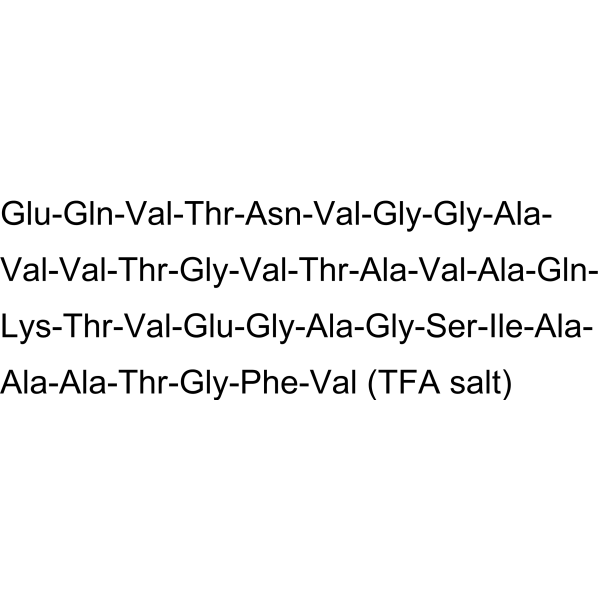 0 ImagesCat. No.: HY-P4704Aα-Synuclein (61-95) (human) TFA is the hydrophobic core region of α-synuclein, and induces neuronal cell death. α-Synuclein (61-95) (human) TFA can be used for research of neurodegenerative diseases, including Alzheimer’s disease (AD) and Parkinson’s disease (PD).
-
PROTAC α-synuclein degrader 3
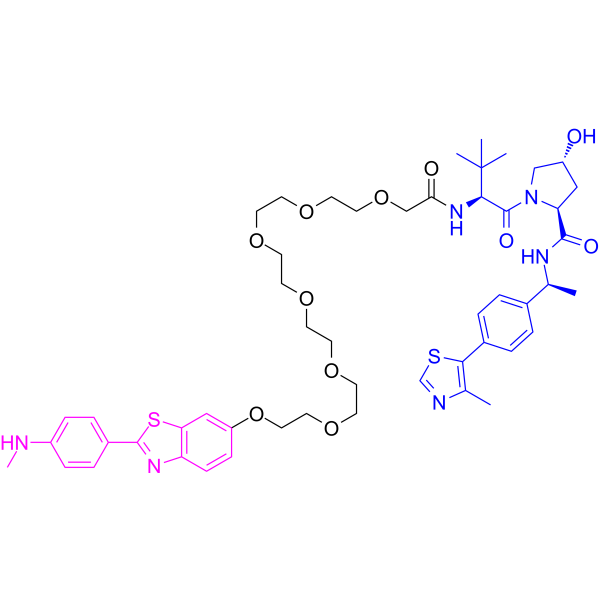 0 ImagesPROTAC α-synuclein degrader 3 is a selective α-Synuclein PROTAC degrader. PROTAC α-synuclein degrader 3 promotes ubiquitination and degradation of α-Synuclein. PROTAC α-synuclein degrader 3 can be used in research related to Parkinson's disease and Alzheimer's disease.
-
Pittsburgh Compound B
 0 ImagesSynonyms: PiB; 6-OH-BTA-1Pittsburgh Compound B (PiB) is a blood-brain barrier-permeable, specific Aβ deposition PET tracer that binds to Aβ(1-40) fibrils with a Ki value of 678.4 nM. Through click chemical modification (a clickable Pittsburgh Compound B derivative is prepared by introducing a PEG3 linker and an alkynyl group at the 6-hydroxy site of Pittsburgh Compound B, followed by covalent conjugation with azide-labeled fluorescent dyes or affinity tags via copper-catalyzed azide-alkyne cycloaddition (CuAAC)), Pittsburgh Compound B and its conjugates can be used for fluorescence imaging, ultrastructural studies, and enrichment and characterization of Aβ complexes. Pittsburgh Compound B is applicable to Alzheimer's disease research.
-
NAB2
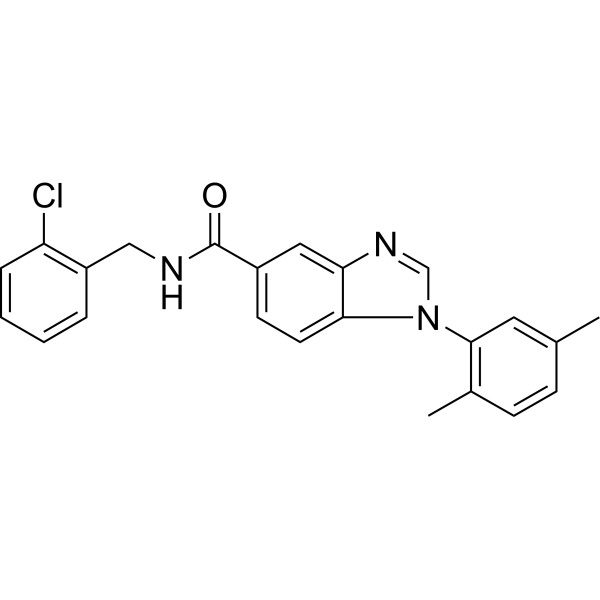 0 ImagesNAB2 is a neuroprotectant that targets the small GTPase Rab1a. NAB2 selectively binds to the GDP-bound form of Rab1a and protects multiple cell types from α-synuclein toxicity by increasing Rab1a expression. Rab1a regulates ER-to-Golgi trafficking and mediates endosomal trafficking events of the E3 ubiquitin ligase Rsp5/Nedd4. NAB2 stimulates ubiquitination of related proteins in a Nedd4-dependent manner and rescues α-synuclein-associated trafficking defects associated with early-onset Parkinson's disease.
-
KMS99220
 0 ImagesKMS99220 is an orally active, blood-brain barrier-permeable activator of the Nrf2 inhibitory protein Keap-1. KMS99220 enhances the activity of AMPK, activates the Nrf2 signaling pathway, and reduces the phosphorylation of IκB, nuclear translocation of NFκB, as well as the phosphorylation levels of JNK, IKK and p38 MAPK via HO-1. KMS99220 binds to Keap1 to trigger the nuclear translocation of Nrf2, induces the expression of HO-1, NQO1, GCLC, GCLM and proteasome subunits; enhances proteasomal enzymatic activity; inhibits iNOS expression, nitric oxide production and IL-1β generation; attenuates microglial activation; reduces α-synuclein aggregation; and prevents dopaminergic neuron degeneration and motor dysfunction. KMS99220 prevents the degeneration of dopaminergic neurons in the substantia nigra, induces the expression of Nrf2 downstream target genes, and effectively ameliorates associated motor dysfunction in a mouse model of Parkinson's disease. KMS99220 is applicable to research related to Parkinson's disease.
-
Semaglutide-d8
 0 ImagesCat. No.: HY-114118SPurity: 99.88%Semaglutide-d8 is the deuterium labeled Semaglutide (HY-114118). Semaglutide is a long-acting, selective, competitive GLP-1R agonist that can penetrate the blood-brain barrier. After activating GLP-1R, Semaglutide promotes insulin secretion, inhibits gastric emptying and appetite, and at the same time enhances autophagy, inhibits oxidative stress and apoptosis. Semaglutide also regulates mitochondrial function and lipid metabolism (such as reducing de novo lipogenesis in the liver). Semaglutide has activities such as lowering blood sugar, reducing weight, neuroprotection (such as improving motor function in Parkinson's disease models, reducing α-synuclein aggregation) and improving hepatic steatosis. Semaglutide can be used for the study of neurodegenerative diseases and liver diseases such as type 2 diabetes, obesity, Parkinson's disease, metabolic associated fatty liver disease (MASLD), and cancer.
-
NCGC 607
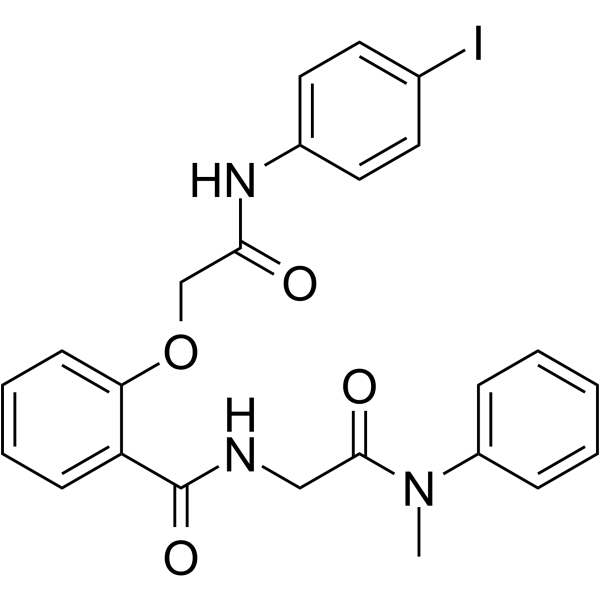 0 ImagesNCGC 607 is a noninhibitory small-molecule chaperone of glucocerebrosidase (GCase). NCGC 607 can increase GCase activity, reduce α-synuclein levels, and decrease glycolipid levels. NCGC 607 can be used in the research of Gaucher disease and Parkinson's disease.
-
1-Aminoindan
 0 ImagesSynonyms: 1-Indanamine; 2,3-Dihydro-1H-inden-1-amine1-Aminoindan (1-Indanamine; 2,3-Dihydro-1H-inden-1-amine) is an α-synuclein (α-synuclein) binder. By binding to α-synuclein, 1-Aminoindan promotes the formation of its neuroprotective "cyclic" conformation, thereby reducing the misfolding and aggregation of α-synuclein. 1-Aminoindan is a metabolite of Rasagiline (HY-14605A). 1-Aminoindan can be used in research related to Parkinson's disease.



