



α-synuclein Aggregation
α-synuclein is a presynaptic neuronal protein linked to nerve-terminal function and membrane remodeling[1]. It regulates mature synapses by maintaining distinct synaptic vesicle pools, and it supports neurotransmitter release through synaptic vesicle binding, vesicle clustering, and SNARE-complex assembly[2][3]. Mechanistically, lipid surfaces shift α-synuclein from an intrinsically disordered state toward membrane-bound helical conformations, while partially folded, oligomeric, fibrillar, and amorphous states define aggregation pathways[4]. In disease models, misfolded α-synuclein accumulates in Lewy bodies and Lewy neurites, which characterize Parkinson’s disease and related synucleinopathies[4][5]. Compared with related isoforms, β-synuclein and γ-synuclein show reduced synaptic vesicle affinity and can reduce α-synuclein vesicle binding through heteromerization[3]. β-synuclein also inhibits α- and γ-synuclein fibrillation at high molar ratios, whereas α-synuclein shows the strongest aggregation propensity among human synucleins[6]. For experimental applications, biologically representative vesicle mimics and lipid-coated nanoparticles help analyze α-synuclein membrane binding under controlled size, rigidity, and lipid-composition conditions[7].
References:
- [1]. Bendor JT, et al. The function of α-synuclein. Neuron. 2013 Sep 18;79(6):1044-66. [Content Brief]
- [2]. Murphy DD, et al. Synucleins are developmentally expressed, and alpha-synuclein regulates the size of the presynaptic vesicular pool in primary hippocampal neurons. J Neurosci. 2000 May 1;20(9):3214-20. [Content Brief]
- [3]. Carnazza KE, et al. Synaptic vesicle binding of α-synuclein is modulated by β- and γ-synucleins. Cell Rep. 2022 Apr 12;39(2):110675. [Content Brief]
- [4]. Uversky VN, et al. Biophysics of Parkinson's disease: structure and aggregation of alpha-synuclein. Curr Protein Pept Sci. 2009 Oct;10(5):483-99. [Content Brief]
- [5]. Burré J. The Synaptic Function of α-Synuclein. J Parkinsons Dis. 2015;5(4):699-713. doi: 10.3233/JPD-150642. PMID: 26407041; PMCID: PMC4927875. et al. The Synaptic Function of α-Synuclein. J Parkinsons Dis. 2015;5(4):699-713. [Content Brief]
- [6]. Jain MK, et al. Comparative Analysis of the Conformation, Aggregation, Interaction, and Fibril Morphologies of Human α-, β-, and γ-Synuclein Proteins. Biochemistry. 2018 Jul 3;57(26):3830-3848. [Content Brief]
- [7]. McClain SM, et al. Biologically Representative Lipid-Coated Gold Nanoparticles and Phospholipid Vesicles for the Study of Alpha-Synuclein/Membrane Interactions. ACS Nano. 2023 Oct 24;17(20):20387-20401. [Content Brief]
All Product Categories
-
α-synuclein Aggregation Inhibitors
(47)
View all products
-
α-synuclein Aggregation Antagonist
(1)
View all products
-
α-synuclein Aggregation Modulator
(1)
View all products
-
α-synuclein Aggregation Degrader
(1)
View all products
-
α-synuclein Aggregation Control
(1)
View all products
-
α-synuclein Aggregation Ligands
(2)
View all products
-
α-synuclein Aggregation Related Products (53)
Related Products (53)

-
6PPD-Q
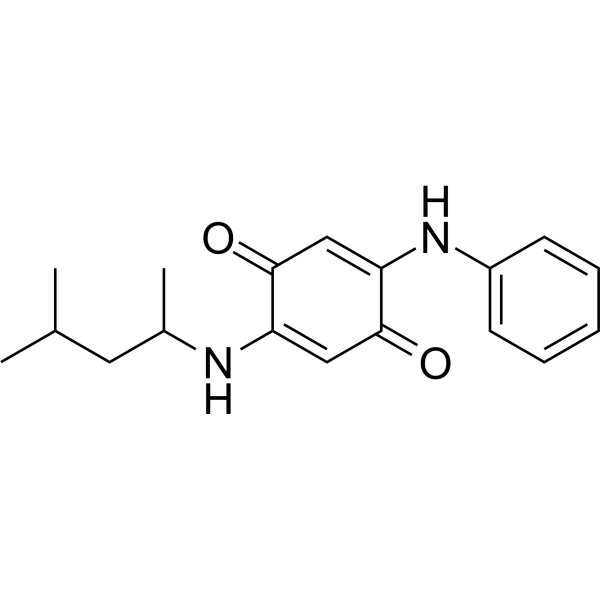 0 ImagesSynonyms: 6PPD-Quinone6PPD-Q (6PPD-Quinone) is an environmental pollutant that can be detected in human urine and is widely present in the environment. 6PPD-Q targets and binds to CNR2, CNR1, AA2AR, LCAT, and TRPA1, with CNR2 exhibiting the highest binding affinity, potentially acting as a CNR2 receptor agonist to activate cannabinoid receptors. 6PPD-Q induces intestinal inflammation and barrier damage by disrupting mitochondrial function, reducing neuronal glycolysis metabolites and TCA cycle intermediates, and exacerbating α-synuclein (α-syn) aggregation. 6PPD-Q is applicable in research on environmental toxicology, neurodegenerative diseases, and inflammation-related disorders.
-
Fast Green FCF
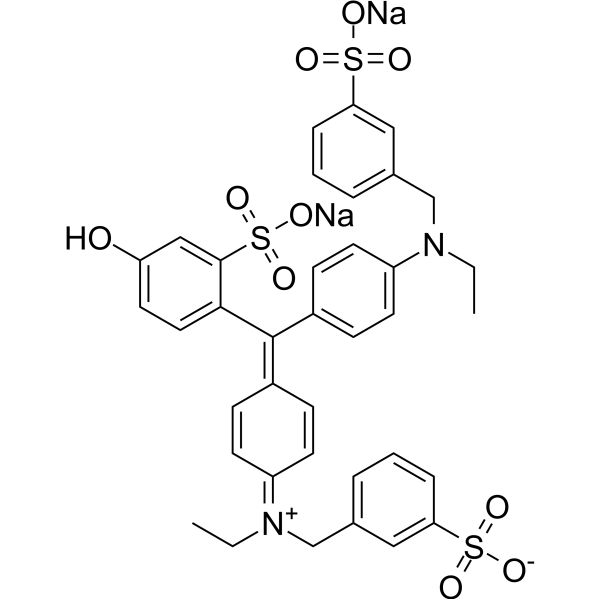 0 ImagesSynonyms: FD&C Green No. 3; Food green 3; C.I. 42053Fast Green FCF is a sea green triarylmethane food dye, with absorption maximum ranging from 622 to 626 nm. Fast Green FCF inhibits α-synuclein aggregation, as well as Aβ and P2X4 receptor, and TLR4/Myd88/NF-κB. Fast Green FCF is widely used as a staining agent like quantitative stain for histones at alkaline pH after acid extraction of DNA, and as a protein stain in electrophoresis. Fast Green FCF improves cognitive impairment, depression, relieves pain allergies, and promotes reproductive function.
-
Prasinezumab
 0 ImagesSynonyms: PRX 002; RG 7935; RO 7046015Prasinezumab (PRX 002) is a humanized IgG1 monoclonal antibody directed against aggregated α-synuclein. Prasinezumab has the potential for Parkinson's disease research.
-
Minzasolmin
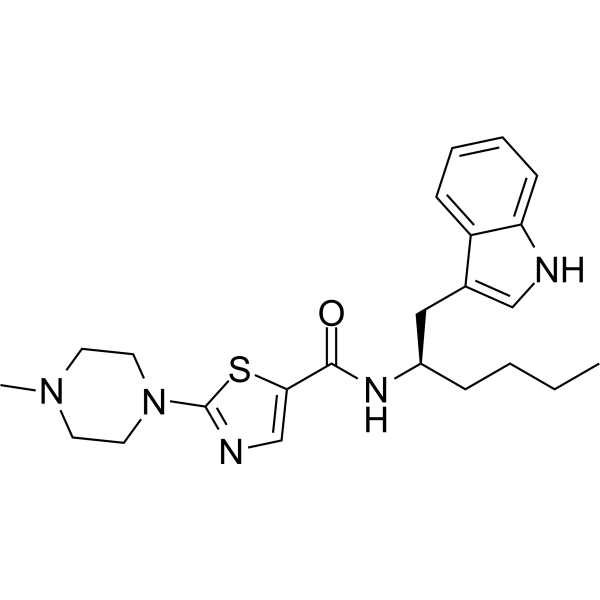 0 ImagesSynonyms: UCB0599; (R)-NPT200-11Minzasolmin (UCB0599; (R)-NPT200-11) is an orally active, blood-brain-permeable α-synuclein (α-Syn) inhibitor that selectively binds to α-Syn misfolded intermediates (such as oligomers) and inhibits aggregation and fibril formation by regulating their conformational stability. Minzasolmin can reduce the generation of pathological oligomers and block neurotoxic signaling, thereby reducing the abnormal accumulation of α-Syn in the brain. Minzasolmin significantly improved motor deficits, reduced neuroinflammatory markers, and α-Syn-related pathological deposition in transgenic mouse models.
-
Dopal
 0 ImagesDopal is a metabolite and aldehyde neurotoxin of Dopamine (HY-B0451). Dopal exhibits cytotoxicity, induces α-synuclein oligomerization and aggregation, and is closely associated with the pathogenesis of Parkinson's disease. Dopal can be used in research related to Parkinson's disease.
-
PROTAC α-synuclein degrader 5
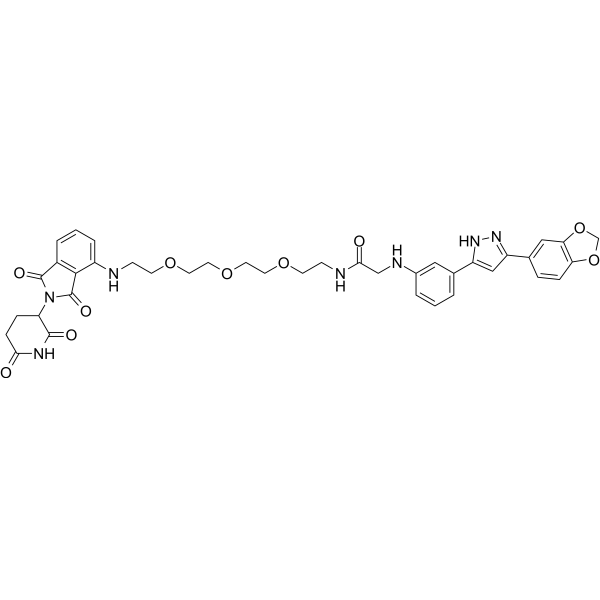 0 ImagesPROTAC α-synuclein degrader 5 is a selective PROTAC degrader targeting α‑synuclein aggregates, with a DC50 of 7.51 μM. PROTAC α-synuclein degrader 5 binds to αSyn aggregates, recruits the CRBN E3 ubiquitin ligase, and mediates the ubiquitination and subsequent degradation of α‑synuclein aggregates. PROTAC α-synuclein degrader 5 activates the autophagy-lysosome pathway. PROTAC α-synuclein degrader 5 reduces ROS levels in neuroblastoma cells, restores mitochondrial membrane potential, rescues cell viability, and decreases LDH release. PROTAC α-synuclein degrader 5 degrades αSyn aggregates in Caenorhabditis elegans and ameliorates oxidative stress. PROTAC α-synuclein degrader 5 is used for the research of synucleinopathies, such as Parkinson's disease.
-
MODAG-005
 0 ImagesMODAG-005 is a blood-brain barrier-permeable PET probe precursor for α-synuclein (α‑Syn) aggregates, with a Ki value of 0.4 nM and a Kd value of 0.2 nM. MODAG-005 specifically binds to high-affinity sites within the tubular cavity of α-synuclein fibrils, and exhibits selectivity over tau protein fibrils and β-amyloid (A1-42) fibrils. MODAG-005 is applicable to the research of multiple system atrophy and Parkinson's disease.
-
SynuClean-D
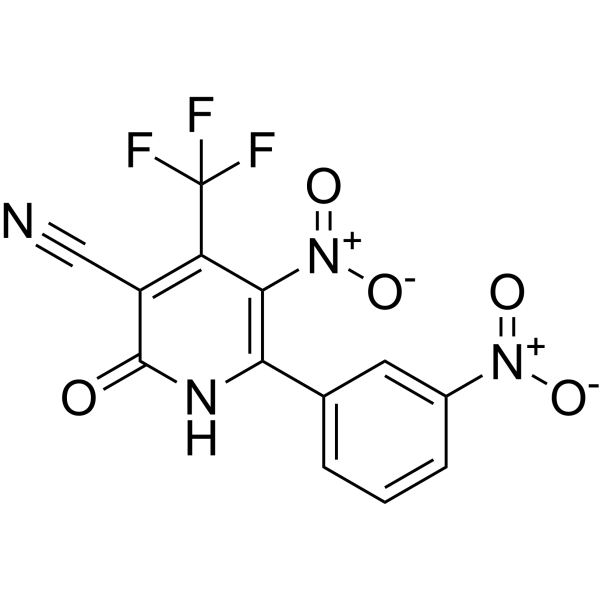 0 ImagesSynonyms: SC-DSynuClean-D (SC-D) is an inhibitor of α-synuclein aggregation, disrupts mature amyloid fibrils, prevents fibril propagation, and abolishes the degeneration of dopaminergic neurons in an animal model of Parkinson’s disease.
-
Cuminaldehyde
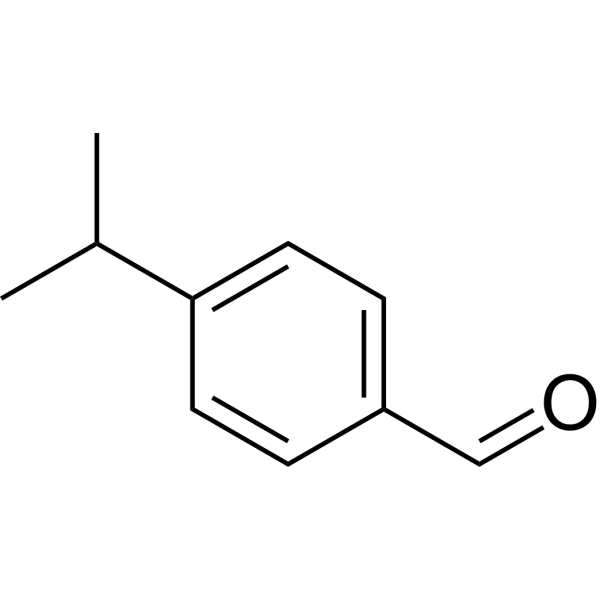 0 ImagesCuminaldehyde is the main component of Cuminum cyminum and has multiple biological activities, including anti-inflammatory, anti-cancer, anti-diabetic, anti-injury, anti-neuropathy and antibacterial effects. Cuminaldehyde is an inhibitor of aldose reductase (IC50= 0.00085 mg/mL), α-glucosidase (IC50=0.5 mg/mL) and lipoxygenase (IC50=1370 μM). Cuminaldehyde also inhibits the fibrillation of α-synuclein and prevents its aggregation. Cuminaldehyde has potential application value in the research of neurodegenerative diseases, cancer, diabetes and neuropathic pain diseases.
-
α-Synuclein aggregate binder 1
 0 Imagesα-Synuclein aggregate binder 1 (Compound C05-05) is a specific binder for α-synuclein aggregates and can inhibit α-synuclein aggregation. α-Synuclein aggregate binder 1 can be used as a fluorescent probe (excitation wavelength 900 nm, detection wavelength 500-550 nm) for optical imaging, and can also inhibit α-synuclein fibril formation by blocking the aggregation process. α-Synuclein aggregate binder 1 can be used for positron emission tomography (PET) imaging after being labeled with 18F. α-Synuclein aggregate binder 1 can be used for visual diagnosis of brain lesions and mechanism research of neurodegenerative diseases such as Parkinson's disease and Lewy body dementia.
-
PBT434 mesylate
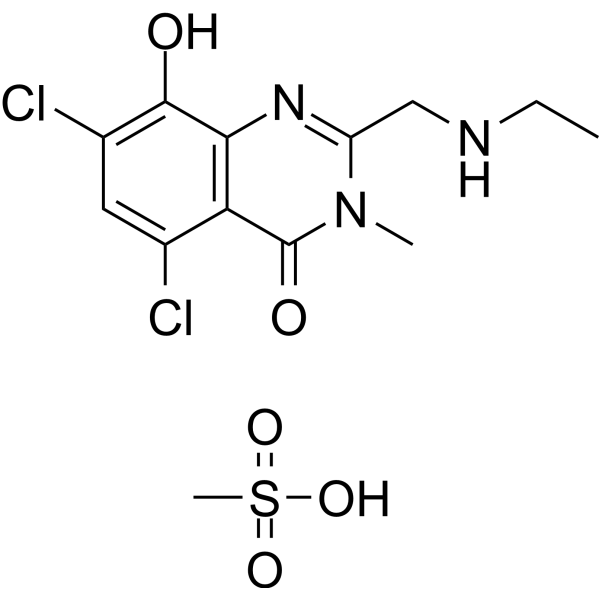 0 ImagesSynonyms: ATH434 mesylatePBT434 methanesulfonate is a potent, orally active and cross the blood-brain barrier α-synuclein aggregation inhibitor. PBT434 methanesulfonate can be used as a iron chelator and modulates transcellular iron trafficking. PBT434 methanesulfonate inhibits iron-mediated redox activity and iron-mediated aggregation of α-synuclein. PBT434 methanesulfonate prevents the loss of substantia nigra pars compacta neurons (SNpc). PBT434 methanesulfonate has the potential for the research of Parkinson’s disease (PD).
-
Corynoxine B
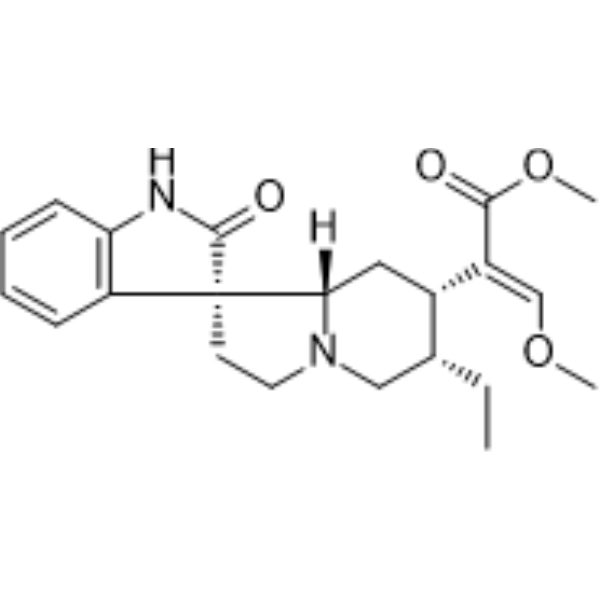 0 ImagesCorynoxine B is an alkaloid-based autophagy inducer and α-synuclein aggregation inhibitor that ameliorates Mn-induced dysregulation of autophagy and enhances α-synuclein (α-syn) clearance in Parkinson's disease mice.
-
(Rac)-Minzasolmin
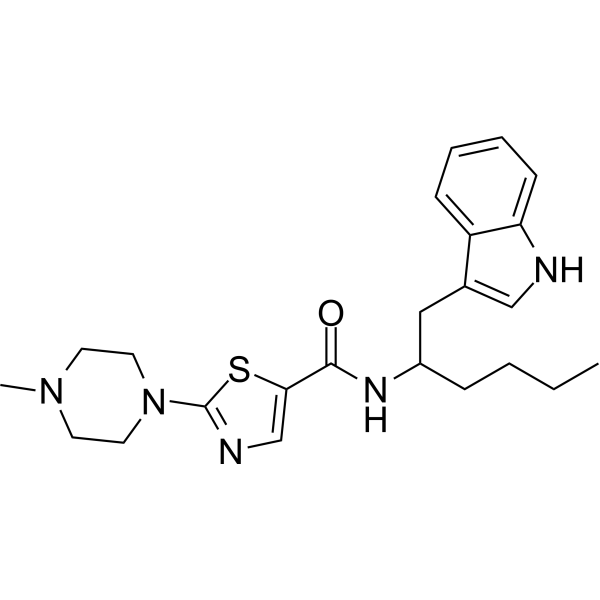 0 ImagesSynonyms: (Rac)-UCB0599; NPT200-11(Rac)-Minzasolmin ((Rac)-UCB0599; NPT200-11) is a blood-brain barrier penetrated alpha-synuclein (ASYN) misfolding inhibitor. (Rac)-Minzasolmin acts on the early stage of ASYN aggregation process, by replacing the membrane-bound oligomers ASYN, allowing them to revert to the monomeric form, while preventing pathological aggregation. (Rac)-Minzasolmin effectively improves the ASYN deposition in the retina and the neuro-pathological indicators in two α-synuclein transgenic mouse models. (Rac)-Minzasolmin can be used for the studies of Parkinson's disease (PD) and dementia with Lewy bodies (DLB).
-
PQQ-trimethylester
 0 ImagesCat. No.: HY-160831CAS No.: 74447-88-4Synonyms: PQQ-TMEPQQ-trimethylester (PQQ-TME) is a synthetic compound that is a trimethylester derivative of pyrroloquinoline quinone (PQQ). PQQ-trimethylester has twice the blood-brain barrier permeability of PQQ (HY-100196) in vitro. In addition, PQQ-trimethylester shows strong inhibitory activity against α-synuclein, amyloid β1-42 (Aβ1-42) and prion protein fibrillation. PQQ-trimethylester can be used in the study of neurodegenerative diseases.
-
(S)-Minzasolmin
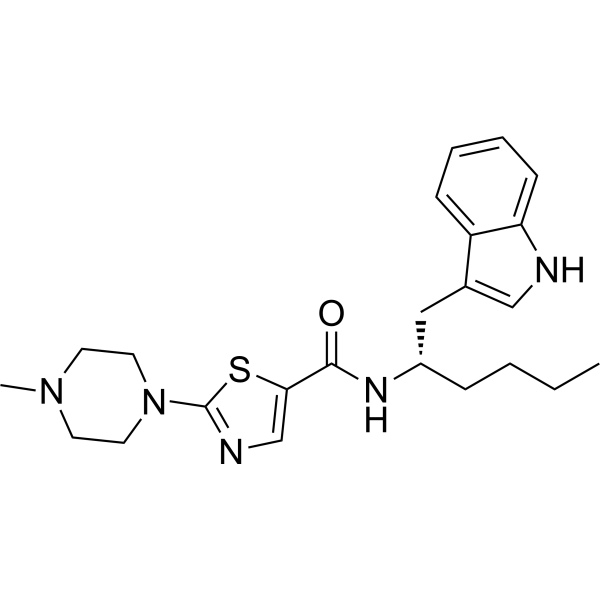 0 ImagesSynonyms: (S)-UCB0599; (S)-NPT200-11(S)-Minzasolmin is an isomer of minzasolmin (HY-145580), an inhibitor of α-synuclein oligomerization.
-
PBT434
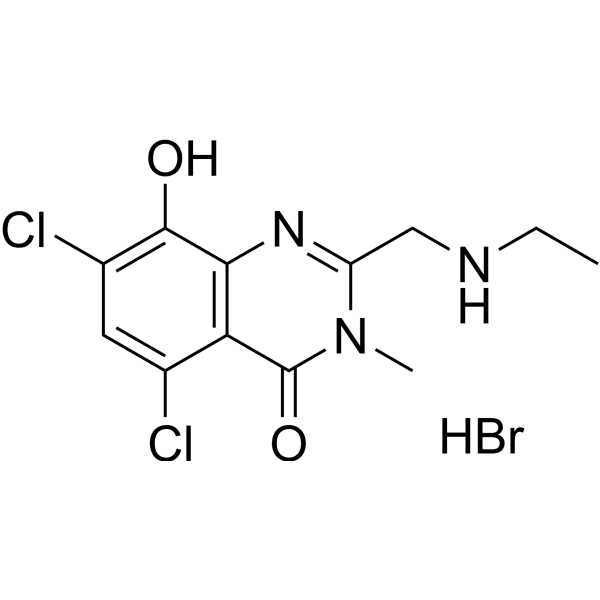 0 ImagesSynonyms: ATH434PBT434 is a potent, orally active and cross the blood-brain barrier α-synuclein aggregation inhibitor. PBT434 can be used as a iron chelator and modulates transcellular iron trafficking. PBT434 inhibits iron-mediated redox activity and iron-mediated aggregation of α-synuclein. PBT434 prevents the loss of substantia nigra pars compacta neurons (SNpc). PBT434 has the potential for the research of Parkinson’s disease (PD).
-
α-Synuclein inhibitor 10
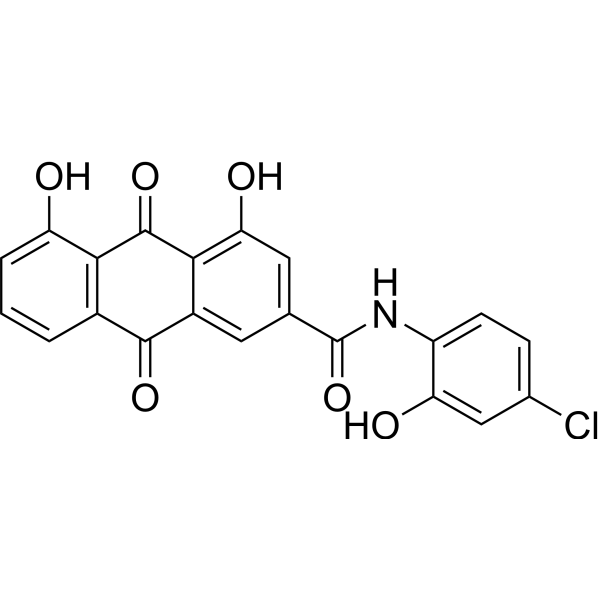 0 Imagesα-Synuclein inhibitor 10 (compound a8) inhibits the activity of α-Syn aggregation with low IC50 value (1.08 μM). α-Synuclein inhibitor 10 exhibits good binding affinity to α-Syn residues. α-Synuclein inhibitor 10 can be used in the research of Parkinson's disease (PD).
-
α-Synuclein inhibitor 11
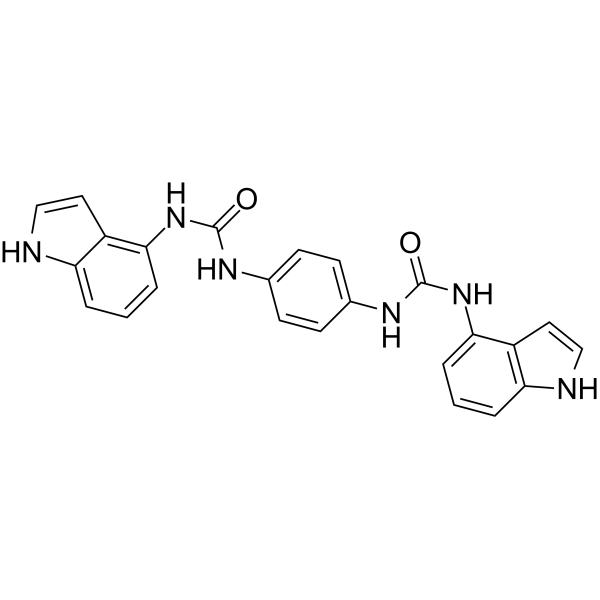 0 Imagesα-Synuclein inhibitor 11 (compound 1) is a selective α-synuclein (α-syn) oligomer formation inhibitor. α-Synuclein inhibitor 11 does not inhibits tau 4R (isoforms 0N4R, 2N4R) or p-tau (isoform 1N4R). α-Synuclein inhibitor 11 can be used for Parkinson's disease (PD) research.
-
Cuminaldehyde (Standard)
 0 ImagesCuminaldehyde Standard is the analytical standard of Cuminaldehyde. This product is intended for research and analytical applications. Cuminaldehyde is the main component of Cuminum cyminum and has multiple biological activities, including anti-inflammatory, anti-cancer, anti-diabetic, anti-injury, anti-neuropathy and antibacterial effects. Cuminaldehyde is an inhibitor of aldose reductase (IC50= 0.00085 mg/mL) and α-glucosidase (IC50=0.5 mg/mL). Cuminaldehyde also inhibits the fibrillation of α-synuclein and prevents its aggregation Cuminaldehyde can induce apoptosis in colon adenocarcinoma cells by targeting topoisomerase I and II. In addition, Cuminaldehyde also exerts anti-inflammatory activity by inhibiting lipoxygenase. Cuminaldehyde has a strong inhibitory effect on the growth of Aspergillus flavus and the biosynthesis of aflatoxin B1 (AFB1). Cuminaldehyde can exert anti-injury and anti-neuropathy effects by participating in opioid receptors, L-arginine/NO/cGMP pathways and anti-inflammatory effects. Cuminaldehyde has potential application value in the research of neurodegenerative diseases, cancer, diabetes and neuropathic pain diseases.
-
LETC
 0 ImagesLETC is an orally active α-synuclein (α-Syn) aggregation inhibitor with an EC50 of 66 nM in transfected DH60.21 neuroblastoma cells. LETC can cross the blood-brain barrier. LETC can be used for the study of synucleinopathies.



