



Lower Respiratory Inflammation
-
Lower Respiratory Inflammation (119)

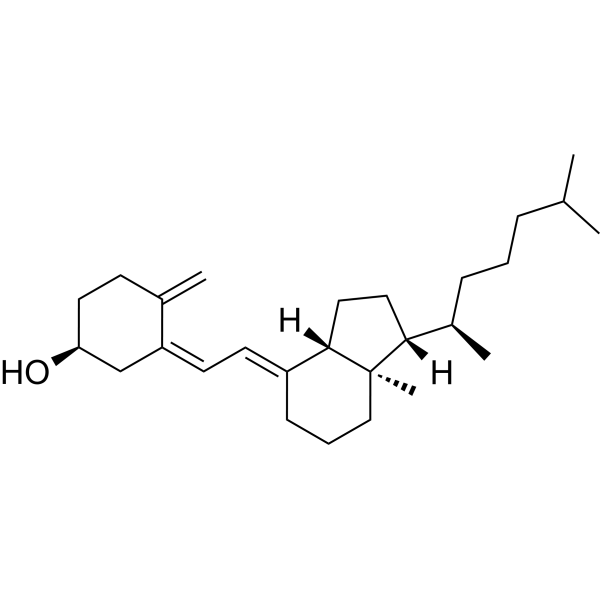
- Formula: C27H44O
- Molecular Weight: 384.64
Vitamin D3 (Cholecalciferol; Colecalciferol) is a naturally occuring form of vitamin D. Vitamin D3 induces cell differentiation and prevents proliferation of cancer cells.
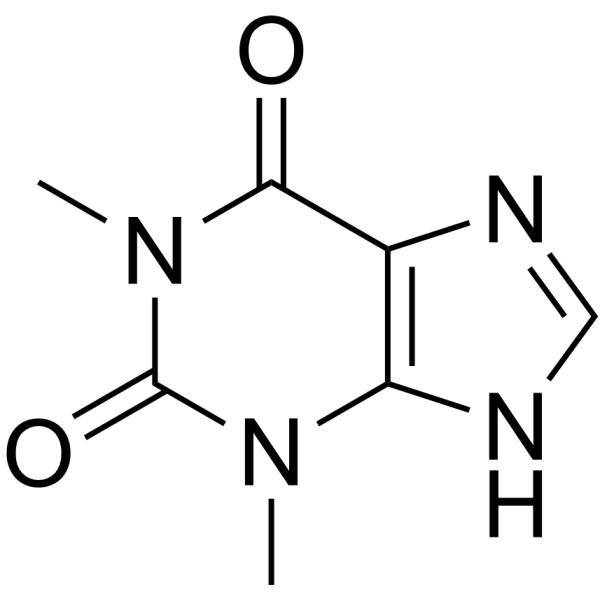
- Formula: C7H8N4O2
- Molecular Weight: 180.17
Theophylline (1,3-Dimethylxanthine) is a potent phosphodiesterase (PDE) inhibitor, adenosine receptor antagonist, and histone deacetylase (HDAC) activator. Theophylline (1,3-Dimethylxanthine) inhibits PDE3 activity to relax airway smooth muscle. Theophylline (1,3-Dimethylxanthine) has anti-inflammatory activity by increase IL-10 and inhibit NF-κB into the nucleus. Theophylline (1,3-Dimethylxanthine) induces apoptosis. Theophylline (1,3-Dimethylxanthine) can be used for asthma and chronic obstructive pulmonary disease (COPD) research.
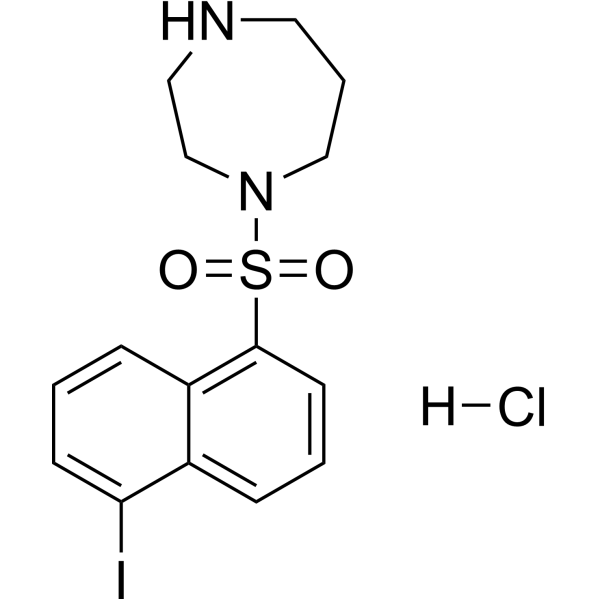
- Formula: C15H18ClIN2O2S
- Molecular Weight: 452.74
ML-7 hydrochloride is a selective and highly specific myosin light chain kinase (MLCK) inhibitor that acts as a trabecular meshwork (TM) relaxant. ML-7 hydrochloride enhances Quinocetone (HY-123581)-induced phosphorylation of ERK, p38 MAPK and JNK, attenuates Akt activation, and promotes apoptosis of hepatocellular carcinoma cells. ML-7 hydrochloride reduces Th2 cytokine secretion by inhibiting MLCK, while alleviating smooth muscle hyperplasia and collagen deposition. As a non-antibiotic adjuvant, ML-7 hydrochloride restores the sensitivity of drug-resistant bacteria to Tigecycline (HY-B0117). ML-7 hydrochloride can be used in research related to glaucoma, hepatocellular carcinoma, asthma, and Klebsiella pneumoniae infection.
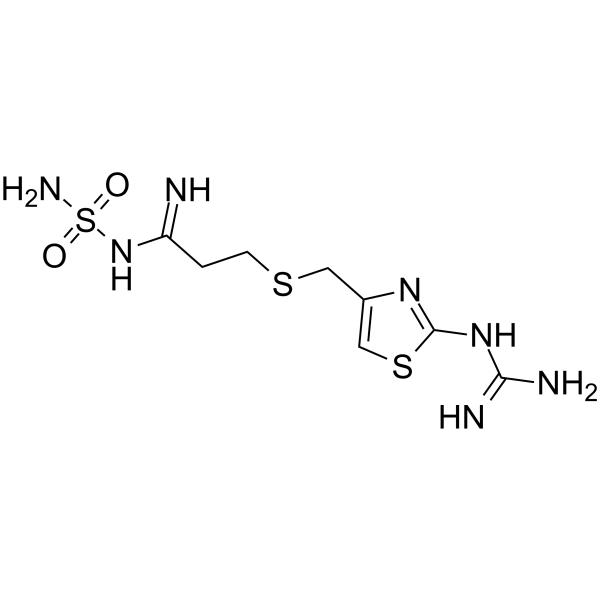
- Formula: C8H15N7O2S3
- Molecular Weight: 337.45
Famotidine (MK-208) is an orally active and highly selective histamine H2 receptor antagonist. It inhibits gastric acid secretion by blocking the Gs signaling pathway, and regulates intracellular cAMP and ERK pathways. Famotidine inhibits TLR3-mediated inflammatory pathways, and reduces the expression of various inflammatory mediators and interferon-related genes. Famotidine scavenges DPPH and nitric oxide free radicals, alleviates oxidative stress damage in gastric tissue, inhibits proMMP-9, improves vascular endothelial permeability, and restores the normal physiological functions of neutrophils and eosinophils. Famotidine crosses intestinal epithelial cells via facilitated diffusion and passive diffusion, blocks paracellular cation transport, and increases intestinal transepithelial electrical resistance. Famotidine reduces serum levels of transaminases and alkaline phosphatase, exerts analgesic effects and gastric protective effects simultaneously. Famotidine can be used in studies related to COVID-19, liver injury and acute gastric ulcer.
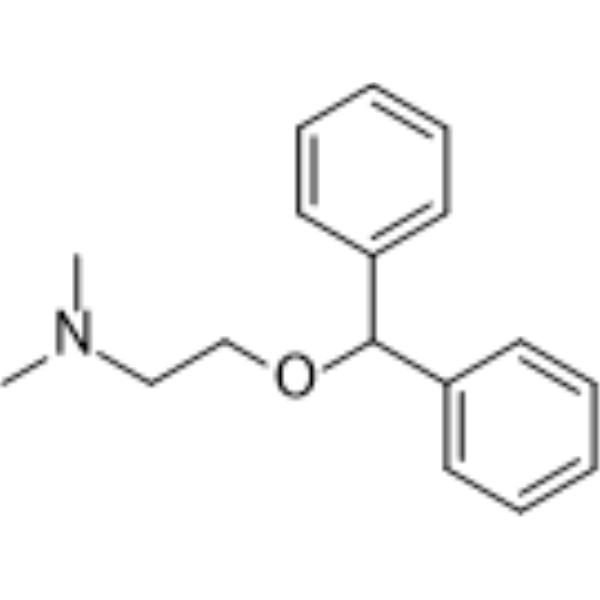
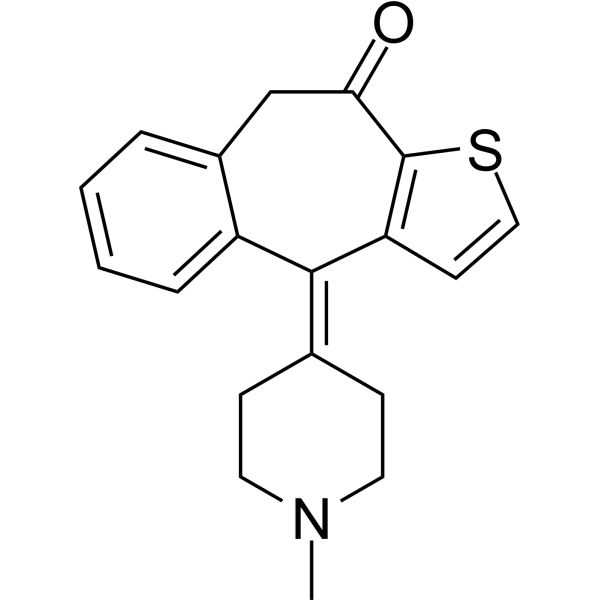
- Formula: C19H19NOS
- Molecular Weight: 309.43
Ketotifen (HC 20-511) is an orally active second-generation noncompetitive histamine 1 (H1) receptor blocker and mast cell stabilizer. Ketotifen can block 6-phosphogluconate dehydrogenase (PGD) in vitro. Ketotifen also has antiviral activity against SARS-CoV-2 and Influenza virus. Ketotifen can be used to the research of autoimmune encephalomyelitis (EAE) and asthma attack prevention.
- Molecular Weight: 146.08 kDa
Benralizumab (anti-IL5RA) (MEDI-563 (anti-IL5RA); BIW-8405 (anti-IL5RA)) is an interleukin-5 receptor α (IL-5Rα)-directed cytolytic monoclonal antibody that induces direct, rapid and nearly complete depletion of eosinophils via enhanced antibody-dependent cell-mediated cytotoxicity. Benralizumab can be used for severe eosinophilic asthma study .

- Molecular Weight: 146.06 kDa
Benralizumab (MEDI-563) is an interleukin-5 receptor α (IL-5Rα)-directed cytolytic monoclonal antibody that induces direct, rapid and nearly complete depletion of eosinophils via enhanced antibody-dependent cell-mediated cytotoxicity. Benralizumab can be used for severe eosinophilic asthma.

- Molecular Weight: 146.5 kDa
Quilizumab (Anti-Human IGHE Recombinant Antibody; 47H4; MEMP1972A) is a monoclonal antibody that targets FcγRIIIa and the M1 prime segment of human membrane-bound IgE. Quilizumab has enhanced FcγRIIIa binding affinity and activity against IgE class-switched B cells, and reduces serum IgE levels by inducing antibody-dependent cell-mediated cytotoxicity and apoptosis through cross-linking of membrane-bound IgE receptors. Quilizumab depletes IgE-producing cells; it also directly binds the membrane-bound M1 prime domain on IgE class-switched cells to inhibit IgE production. Quilizumab is used in research on allergic asthma and allergic diseases (asthma, allergic rhinitis).
- Molecular Weight: 150 kDa
Anti-Mouse IL-23 p19 Antibody (G23-8) is a rat-derived anti-mouse IL-23 p19 IgG1 monoclonal antibody. Anti-Mouse IL-23 p19 Antibody (G23-8) alleviates inflammation by restoring CLDN8 expression. Anti-Mouse IL-23 p19 Antibody (G23-8) can be used for research on inflammation conditions such as colitis and asthma.
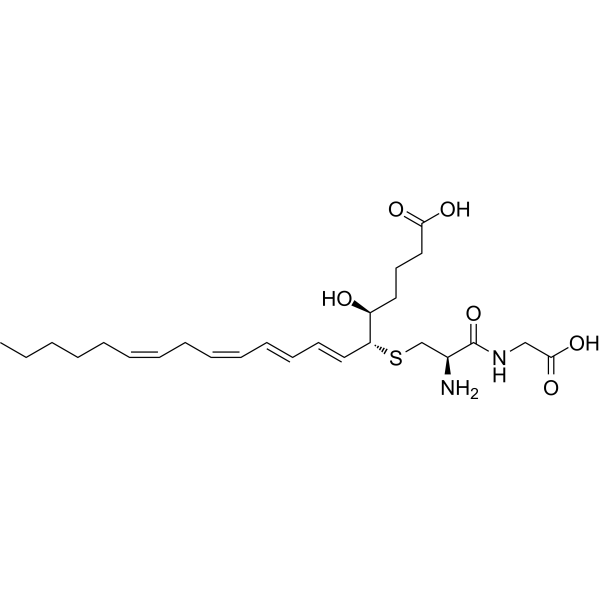
- Formula: C25H40N2O6S
- Molecular Weight: 496.66
Leukotriene D4 is a potent bronchoconstrictor. Leukotriene D4 has the potential for the research of asthma. Leukotriene D4 induces edema and increases capillary permeability.

- Molecular Weight: 144 kDa
Verekitug (ASP-7266; TRAB-1; UPB-101) is a human monoclonal antibody targeting the thymic stromal lymphopoietin receptor (TSLPR), with a mean half-life of approximately 20 days. At doses of Verekitug ≥100 mg, complete and sustained TSLPR-specific occupancy is achieved, and the antibody does not bind to IL-7Rα. By inhibiting TSLP-driven inflammatory responses, Verekitug blocks TSLP-induced cell proliferation and TARC expression, while reducing fractional exhaled NO levels, blood eosinophil counts, and levels of IL-5 and IgE. Verekitug significantly improves scores for nasal polyps, nasal congestion and olfactory dysfunction, with favorable safety and good tolerability; potential adverse reactions include headache, upper respiratory tract infection, sinusitis and nasopharyngitis. Verekitug is used in relevant studies on asthma, chronic rhinosinusitis with nasal polyps and chronic obstructive pulmonary disease.

- Molecular Weight: 144.14 kDa
Tralokinumab (CAT354) is a humanized IgG4 monoclonal antibody that specifically binds to and neutralizes IL-13. Tralokinumab can be used in the research of diseases such as asthma, atopic dermatitis, and pulmonary fibrosis.

- Molecular Weight: 69.702 kDa
Lunsekimig (SAR443765) is a nanobody composed of 5 VH domains that targets both TSLP and IL-13. Lunsekimig blocks the functional effects of TSLP and IL-13, inhibits related inflammatory signals, and improves lung function associated with type 2 inflammation. Lunsekimig can be used in research on asthma and type 2 inflammation.
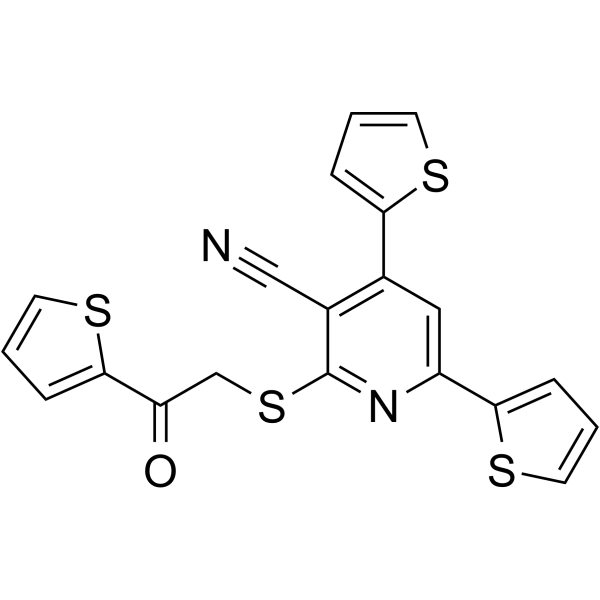
- Formula: C20H12N2OS4
- Molecular Weight: 424.58
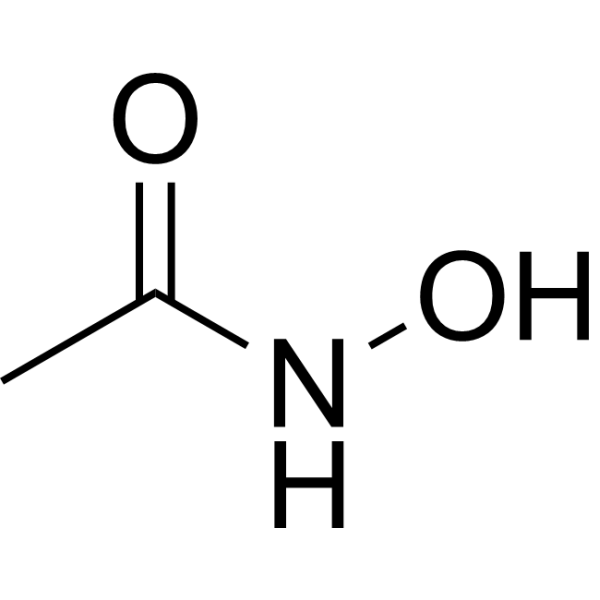
- Formula: C2H5NO2
- Molecular Weight: 75.07
Acetohydroxamic acid is the inhibitor for bacterial and plant urease that can be used for chronic urinary tract infections. Acetohydroxamic acid selectively inhibits arachidonic acid 5-lipoxygenase that is useful in the research of asthma. Acetohydroxamic acid inhibits the formation of advanced glycation end products, and reduces oxidative stress and inflammatory responses. Acetohydroxamic acid exhibits antiviral activity against HIV.
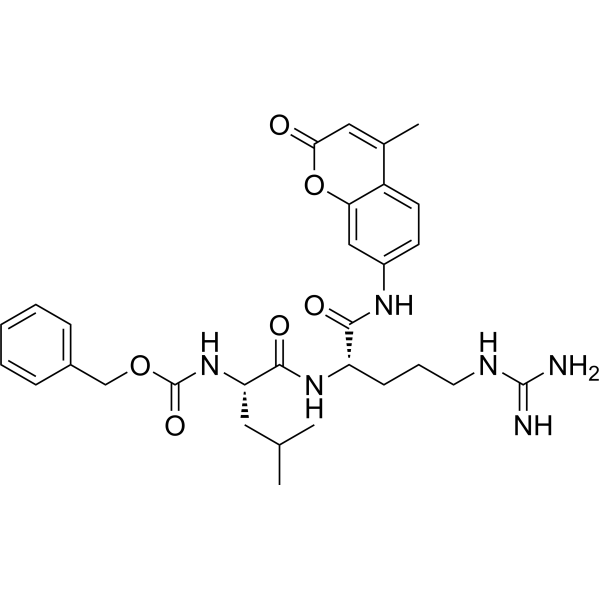
- Formula: C30H38N6O6
- Molecular Weight: 578.66
Z-Leu-Arg-AMC is a fluorogenic peptide substrate for cysteine proteases (e.g., Cathepsin) (Ex=350 nm,Em=460 nm). Z-Leu-Arg-AMC is preferentially cleaved by Cathepsin K and S under weakly acidic conditions, while its hydrolysis relies on residual Cathepsin S activity at neutral pH. Z-Leu-Arg-AMC serves as a substrate for recombinant Sphenophorus levis Cathepsin L, falcipain-2, falcipain-3, berghepain-2, knowlepain-2, vivapain-2, as well as falcipain-2 chimeras and constructs. It enables quantitative detection of cysteine protease activity in human inflammatory bronchoalveolar lavage fluid via fluorescence generation. Z-Leu-Arg-AMC can be used in research related to pulmonary inflammatory diseases and malaria.
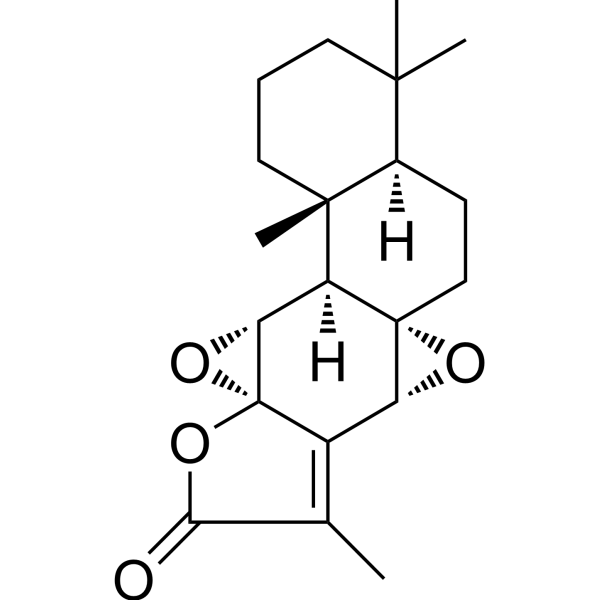
- Formula: C20H26O4
- Molecular Weight: 330.42
Jolkinolide B is a bioactive diterpene isolated from the roots of Euphorbia fischeriana Steud with oral activity. Jolkinolide B downregulates XIAP, cIAP1, cIAP2, and phosphorylated Akt, upregulates Smac, activates caspase-3 and caspase-9, and inhibits NF-κB, TGFβ/smad3 and JAK/STAT3 pathways. Jolkinolide B exerts comprehensive biological effects including inducing cancer cell apoptosis, suppressing inflammatory responses, improving lung function, alleviating hepatic steatosis and eliminating intracellular Mycobacterium tuberculosis. Jolkinolide B can be used for the research of leukemia, histiocytic lymphoma, asthma, metabolic dysfunction-associated steatotic liver disease and tuberculosis.
- Molecular Weight: 150 kDa
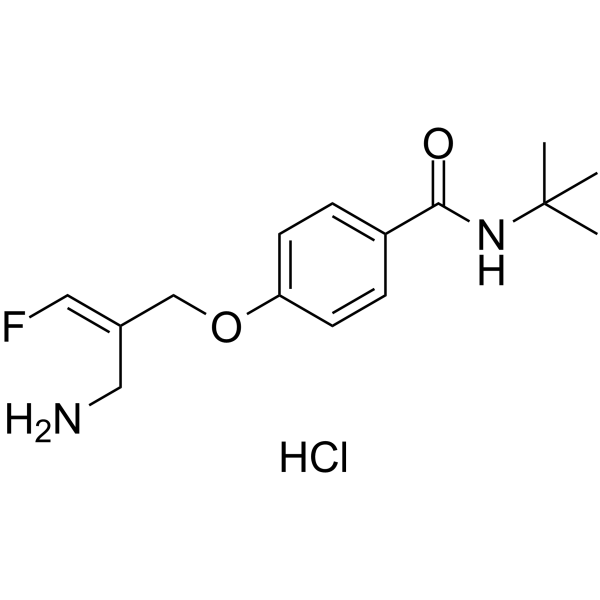
- Formula: C15H22ClFN2O2
- Molecular Weight: 316.80
PXS-4728A is an orally active, selective VAP-1/SSAO inhibitor with an IC50 of 5 nM and a Ki of 175 nM. PXS-4728A inhibits the expression of MMP-9. It reduces cell rolling, adhesion and migration, decreases cell infiltration levels, pro-inflammatory cytokines, chemokines and collagen deposition, and improves pulmonary function. PXS-4728A reduces the formation and progression of atherosclerotic plaques, and decreases blood lipid and blood glucose levels as well as body weight gain. PXS-4728A can be used in research related to chronic obstructive pulmonary disease, cystic fibrosis, acute pulmonary inflammation, acute lung injury, bronchiolitis obliterans syndrome, rhinovirus-exacerbated asthma, sepsis, Klebsiella pneumoniae pulmonary infection and atherosclerosis.



