



STAT1
Signal transducer and activator of transcription 1 (STAT1) is a critical transcription factor that mediates cellular responses to interferons and cytokines by undergoing tyrosine phosphorylation, dimerization, and nuclear translocation to regulate target gene expression[1][2]. Mechanistically, STAT1 modulates the JAK/STAT signaling pathway, influencing immune regulation, apoptosis, and inflammation, and it can inhibit the Ras-MAPK pathway and Rho GTPase expression, thereby controlling cell proliferation and adhesion[3]. STAT1 exists as functionally distinct α and β isoforms, which differ in transcriptional activity and protein stability; STAT1β specifically enhances tumor immune surveillance by promoting CD8+ T-cell infiltration and suppressing M2 macrophage polarization in ovarian cancer[4]. In disease models, aberrant STAT1 activation contributes to epithelial ovarian cancer progression, airway inflammation, and spinal cord injury, while targeted inhibition of STAT1 reduces apoptosis and inflammatory responses[5][6][7]. Compared with other STAT family members, STAT1 exhibits unique regulatory interactions, such as selective inhibition by PIAS1 and differential phosphorylation at Y701 and S727, which modulate both canonical and non-canonical pathways[1][3]. Small-molecule inhibitors and agonists, including fostamatinib, MK256, and 15dPGJ2, have been shown to modulate STAT1 activity in vitro and in vivo, offering tools for experimental intervention and potential therapeutic applications[8][9][2]. These findings position STAT1 as a key regulator of immune and stress responses, distinct from related isoforms, and a targetable node for experimental and clinical studies.
Verweise:
- [1]. Tian X, et al. Physical interaction of STAT1 isoforms with TGF-β receptors leads to functional crosstalk between two signaling pathways in epithelial ovarian cancer. J Exp Clin Cancer Res. 2018 May 11;37(1):103. [Content Brief]
- [2]. Huang XP, et al. miR-135a inhibits airway inflammatory response in asthmatic mice via regulating JAK/STAT signaling pathway. Braz J Med Biol Res. 2021 Jan 15;54(3):e10023. [Content Brief]
- [3]. Lan N, et al. STAT1β modulates the tumor immune microenvironment to improve prognosis in ovarian cancer: a comprehensive study of transcriptional and protein expression differences. J Ovarian Res. 2025 Aug 23;18(1):192. [Content Brief]
- [4]. Liu B, et al. Inhibition of Stat1-mediated gene activation by PIAS1. Proc Natl Acad Sci U S A. 1998 Sep 1;95(18):10626-31. [Content Brief]
- [5]. Guo R, et al. Fostamatinib, a Spleen Tyrosine Kinase Inhibitor, Exerts Anti-Inflammatory Activity via Inhibiting STAT1/3 Signaling Pathways. J Inflamm Res. 2024 Nov 25;17:9757-9771. [Content Brief]
- [6]. Lee JC, et al. MK256 is a novel CDK8 inhibitor with potent antitumor activity in AML through downregulation of the STAT pathway. Oncotarget. 2022 Nov 2;13:1217-1236. [Content Brief]
- [7]. Wu YX, et al. STAT1 inhibitor alleviates spinal cord injury by decreasing apoptosis. Genet Mol Res. 2016 Mar 28;15(1). [Content Brief]
- [8]. Wang S, et al. Stat1 is an inhibitor of Ras-MAPK signaling and Rho small GTPase expression with implications in the transcriptional signature of Ras transformed cells. Cell Cycle. 2009 Jul 1;8(13):2070-9. [Content Brief]
- [9]. Chen CW, et al. Inhibition of IFN-gamma-mediated inducible nitric oxide synthase induction by the peroxisome proliferator-activated receptor gamma agonist, 15-deoxy-delta 12,14-prostaglandin J2, involves inhibition of the upstream Janus kinase/STAT1 signaling pathway. J Immunol. 2003 Jul 15;171(2):979-88. [Content Brief]
-
STAT1 Verwandte Produkte (64)
Verwandte Produkte (64)

-
Antibodies (6)
-
Tofacitinib
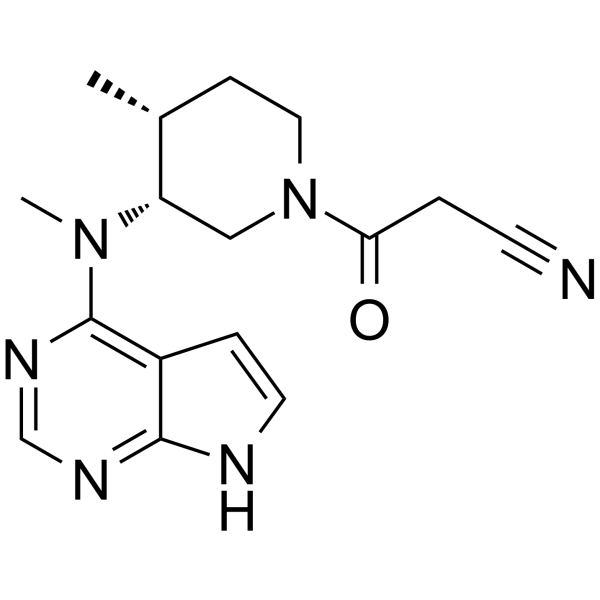 0 ImagesSynonyms: Tasocitinib; CP-690550Tofacitinib (Tasocitinib) is an orally active, blood-brain barrier permeable selective inhibitor of JAK1/JAK3. Tofacitinib blocks the JAK-STAT/NF-κB signaling pathway, inhibits cytokine signal transduction, phosphorylation of STAT1/STAT5, and suppresses innate and adaptive immune responses. Tofacitinib can be used in research related to major depressive disorder, rheumatoid arthritis, pulmonary diseases, systemic lupus erythematosus, and immune-mediated liver injury.
-
Deucravacitinib
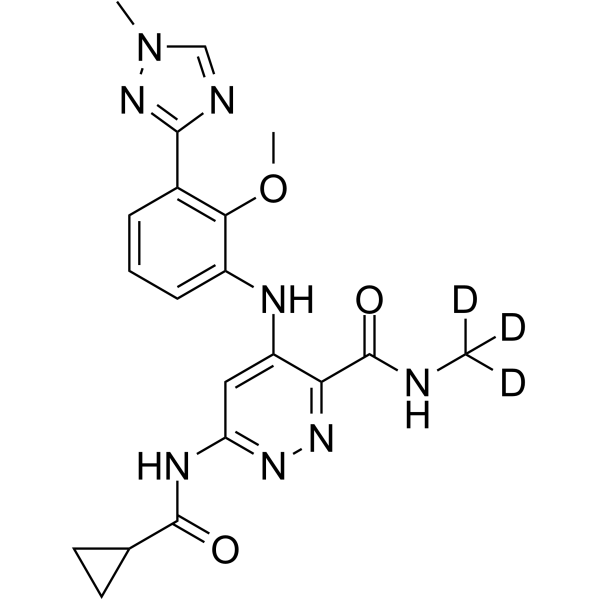 0 ImagesSynonyms: BMS-986165Deucravacitinib (BMS-986165) is an orally active allosteric inhibitor of tyrosine kinase 2 (TYK2), with an IC50 of 0.2 nM and a Ki of 0.02 nM against the JH2 domain of TYK2, and it exhibits selectivity over other JAK subtypes and most of the kinome. Deucravacitinib blocks IL-23, IL-12, p-STAT1/3 and Type I IFN signaling, and inhibits Th17/Th1-mediated psoriasis inflammation. Deucravacitinib can be used in research related to moderate-to-severe plaque psoriasis, inflammatory bowel disease and systemic lupus erythematosus.
-
C188-9
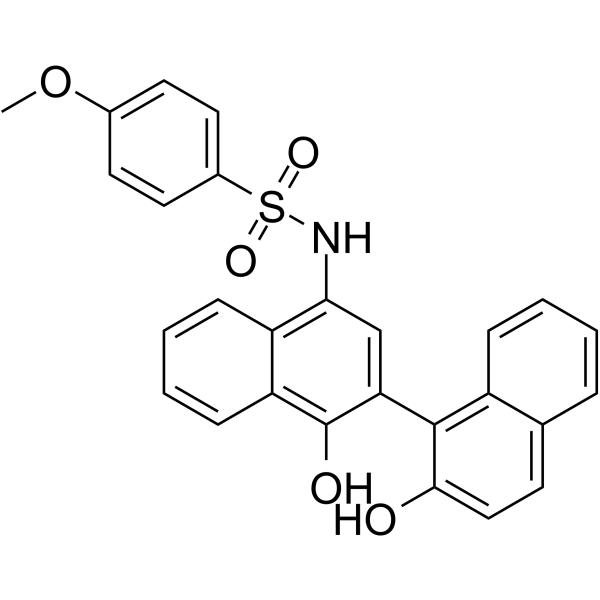 0 ImagesSynonyms: TTI-101C188-9 (TTI-101) is a STAT3 inhibitor with a Kd value of 4.7 nM. C188-9 targets the SH2 domain of STAT3, blocks the processes of STAT3 ligand binding, receptor recruitment, homodimerization and phosphorylation, and regulates STAT3-mediated genes associated with tumorigenesis and radioresistance. C188-9 regulates STAT1-mediated genes related to radioresistance and reduces the activation level of STAT1. C188-9 downregulates the expression of DNMT1, enhances DAC-induced demethylation and re-expression of RASSF1A, and simultaneously potentiates the anti-tumor effect of DAC on pancreatic cancer cells. C188-9 inhibits both anchorage-dependent and anchorage-independent growth of cancer cells, induces Apoptosis, blocks the growth of tumor xenografts, and suppresses muscle atrophy. C188-9 maintains muscle mass, increases body weight and improves grip strength in tumor-bearing mice. C188-9 can be used in research related to head and neck squamous cell carcinoma, pancreatic cancer, sepsis-related skeletal muscle wasting, non-small cell lung cancer, acute myeloid leukemia and cancer cachexia.
-
Tofacitinib citrate
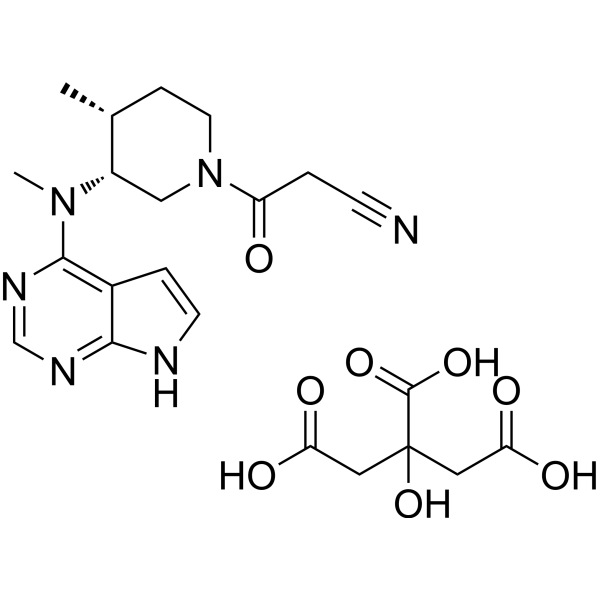 0 ImagesSynonyms: Tasocitinib citrate; CP-690550 citrateTofacitinib citrate (Tasocitinib citrate) is an orally active, blood-brain barrier permeable selective inhibitor of JAK1/JAK3. Tofacitinib citrate blocks the JAK-STAT/NF-κB signaling pathway, inhibits cytokine signal transduction, phosphorylation of STAT1/STAT5, and suppresses innate and adaptive immune responses. Tofacitinib citrate can be used in research related to major depressive disorder, rheumatoid arthritis, pulmonary diseases, systemic lupus erythematosus, and immune-mediated liver injury.
-
Lonafarnib
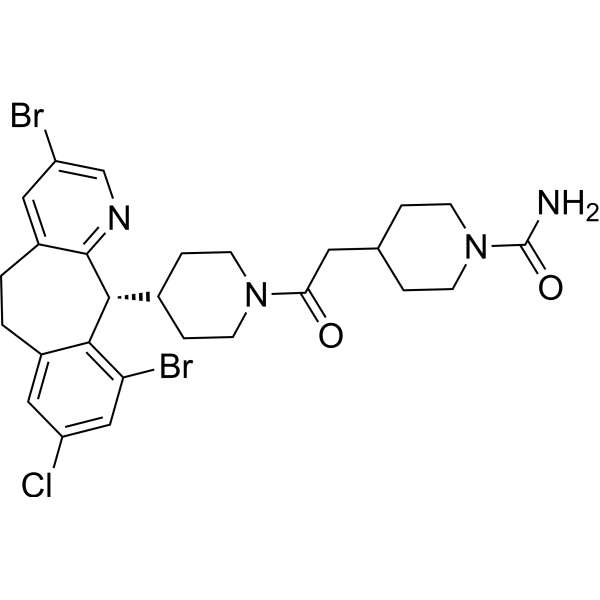 0 ImagesSynonyms: Sch66336Lonafarnib (Sch66336) is an orally active, blood-brain barrier penetrant farnesyltransferase (FPTase) inhibitor. Lonafarnib increases the phosphorylation levels of Akt, CaMKII and CREB, upregulates BDNF expression in the hippocampus, elevates the content of α7nAChR on cell membranes, and blocks the isoprenylation of H-Ras. Lonafarnib repairs synapses and reverses spatial memory deficits in Aβ1-42 model mice. Lonafarnib inhibits RSV fusion and replication, and alleviates virus-induced lung injury. Lonafarnib activates the lysosomal and autophagic pathways, and reduces the phosphorylation and aggregation of tau. Lonafarnib acts synergistically with Sorafenib (HY-10201) to promote apoptosis, and inhibits the proliferation and invasion of melanoma cells. Lonafarnib inhibits the farnesylation of progerin, repairs nuclear membrane defects, and activates the cGAS-STING-STAT1 signaling pathway. Lonafarnib can be used in research related to diseases including Alzheimer's disease, viral infections, melanoma, and progeria.
-
Itacitinib
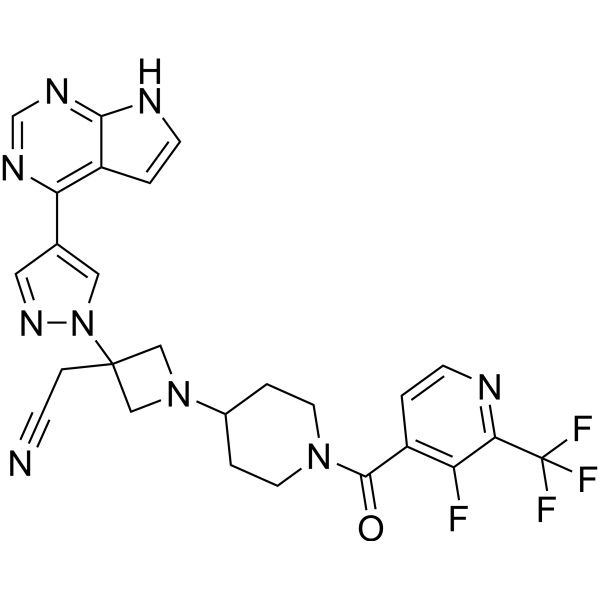 0 ImagesSynonyms: INCB039110Itacitinib (INCB039110) is an orally active selective inhibitor of JAK1 with an IC50 value of 2 nM for human JAK1. Itacitinib inhibits IFN-γ-mediated phosphorylation of STAT1 and downstream pro-inflammatory signaling pathways. Itacitinib reduces the frequency and number of splenic neutrophils in mouse models, downregulates the levels of pro-inflammatory cytokines and chemokines, and inhibits pro-inflammatory gene expression pathways. Itacitinib improves survival rate and clinical scores in mouse models of hemophagocytic lymphohistiocytosis (HLH), and also suppresses metastasis in NSCLC models with high Rab1A expression. Itacitinib can be used for research on hemophagocytic lymphohistiocytosis and non-small cell lung cancer.

-
Anti-Mouse NK1.1 Antibody (PK136)
 0 ImagesArt. -Nr.: HY-P99143Reinheit: 98.57%Anti-Mouse NK1.1 Antibody (PK136) is an anti-mouse NK1.1 IgG2a monoclonal antibody. Anti-Mouse NK1.1 Antibody (PK136) can deplete natural killer (NK) cells. Anti-Mouse NK1.1 Antibody (PK136) inhibits the JAK-STAT and NF-κB signaling pathways. Anti-Mouse NK1.1 Antibody (PK136) can be used for research on inflammation conditions such as non-alcoholic steatohepatitis (NASH).
-
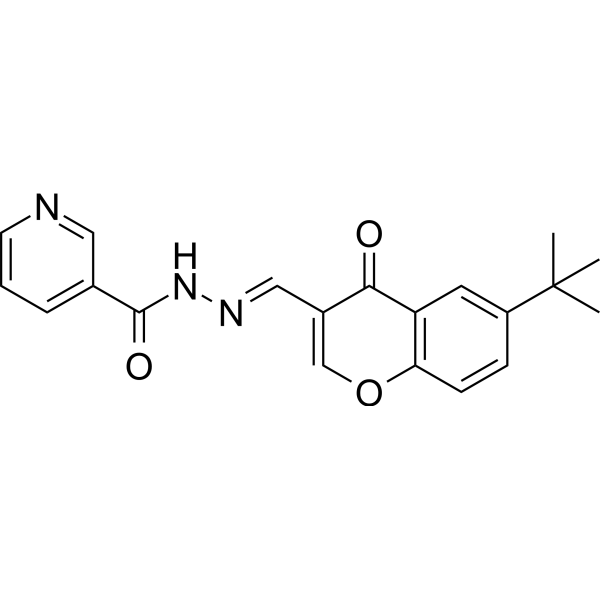
STAT4-IN-1
 0 ImagesArt. -Nr.: HY-173236Reinheit: 99.17%STAT4-IN-1 is an inhibitor of STAT4 with a Ki of 0.35 μM. STAT4-IN-1 is expected to be used in the research of autoimmune diseases, including inflammatory bowel disease, multiple sclerosis, rheumatoid arthritis, and diabetes.
-
BCI-137
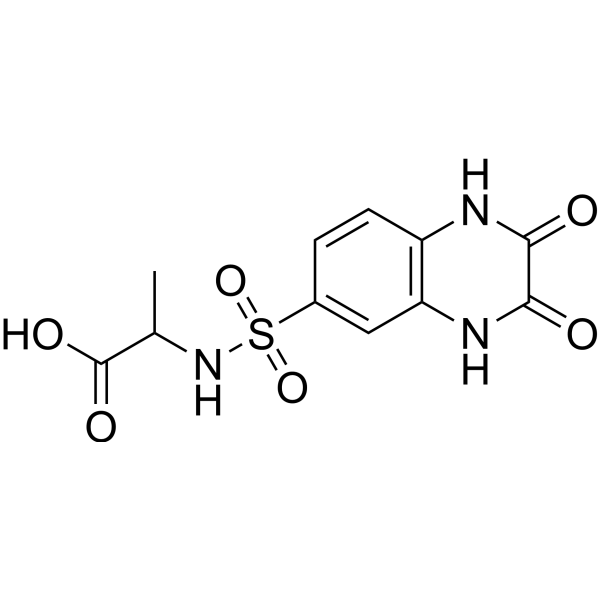 0 ImagesBCI-137 is a Argonaute 2 (AGO2) inhibitor. By inhibiting AGO2 function, reducing PTPN6/SHP-1 protein levels and enhancing STAT1 phosphorylation, BCI-137 restores the sensitivity of tumor cells to IFN-γ. BCI-137 effectively enhances the recruitment, activation and cytotoxicity of CD8+ T cells. BCI-137 exerts a synergistic effect with anti-PD-1 antibodies and significantly reduces tumor volume in preclinical mouse models. BCI-137 exhibits favorable safety profiles and does not cause significant weight loss or death in mice. BCI-137 can be used in research related to bladder cancer, colorectal cancer, melanoma and other related fields.
-
STAT1/3-IN-1
 0 ImagesSTAT1/3-IN-1 is a potent STAT1/3 inhibitor with potent anti-inflammatory effect. STAT1/3-IN-1 inhibits phosphorylation and nuclear translocation of STAT1/3 to modulate microglial inflammation, reduces LPS (HY-D1056)-induced pro-inflammatory cytokines (NO, IL-1β, IL-6, and TNF-α) and inflammatory mediators (iNOS, COX-2). STAT1/3-IN-1 exhibits low toxicity in mice. STAT1/3-IN-1 can be used for the research of neuroinflammation.
-
Sm4
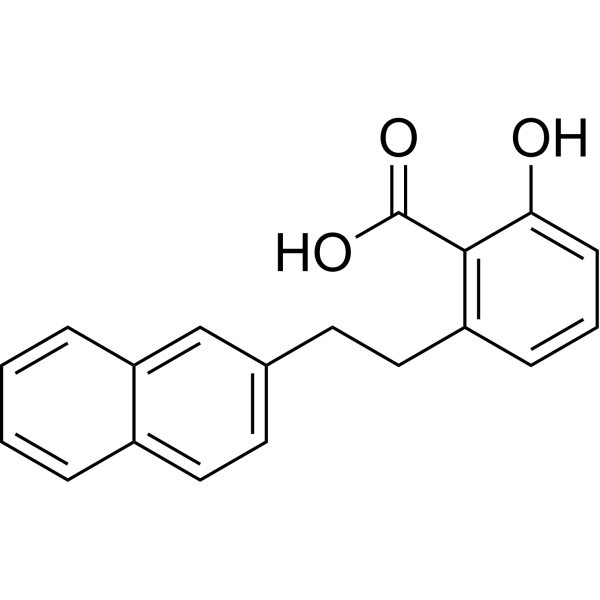 0 ImagesSm4 is a selective and orally active SOX18 inhibitor. Sm4 inhibits SOX18-DNA binding (IC50 = 97.5 μM); Sm4 disrupts the SOX18-RBPJ protein-protein interaction (IC50 = 42.3 μM). Sm4 blocks SOX18 DNA binding, disrupts multiple SOX18 protein-protein interactions with RBPJ, DDX1, DDX17, ILF3, SOX7 and STAT1, modulates SOX18 chromatin binding dynamics. Sm4 exerts anti‑angiogenic and anti‑lymphangiogenic effects, reduces tumor vascular density, triggers vascular defects in zebrafish, prolongs survival in mouse metastatic cancer models. Sm4 can be used for the research of breast cancer.
-
SB02024
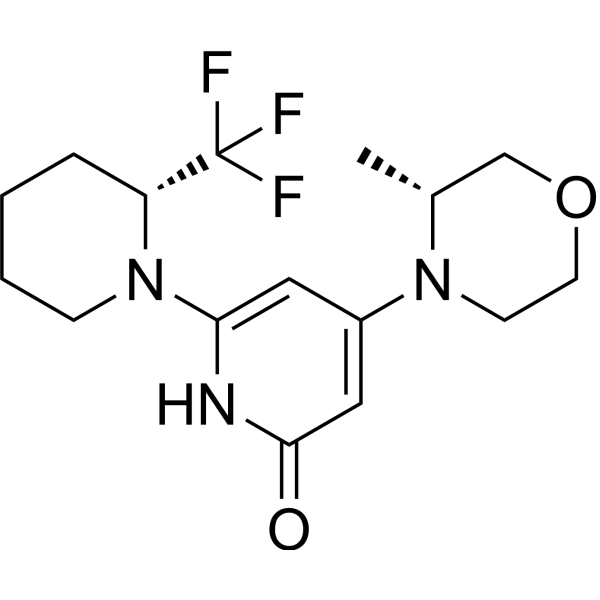 0 ImagesSB02024 is a potent and orally active VPS34 inhibitor. SB02024 inhibits Vps34 kinase activity. SB02024 induces CCL5 and CXCL10 via STAT1/IRF7. SB02024 shows anticancer activity.
-
Anthraquinone-2-carboxylic acid
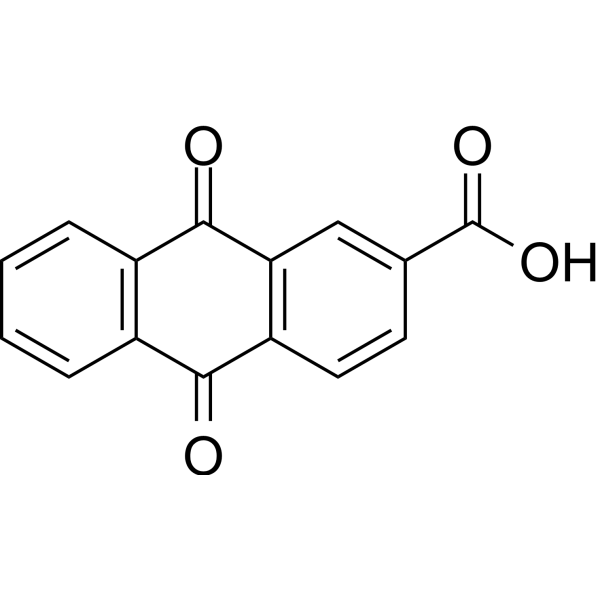 0 ImagesAnthraquinone-2-carboxylic acid is an orally active anthraquinone compound and Antibacterial agent. Anthraquinone-2-carboxylic acid can be isolated from Bajitian. Anthraquinone-2-carboxylic acid inhibits the activation of DPP-IV, COX-2, NF-κB and AP-1. Anthraquinone-2-carboxylic acid blocks IAV-induced activation of the RIG-I/STAT1 pathway, alleviates IAV-mediated weight loss, and protects against lethal IAV infection. Anthraquinone-2-carboxylic acid inhibits the growth of various Staphylococcus strains. It possesses potent anti-inflammatory, immunomodulatory, analgesic and antibacterial activities.\n
-
LL-K8-22
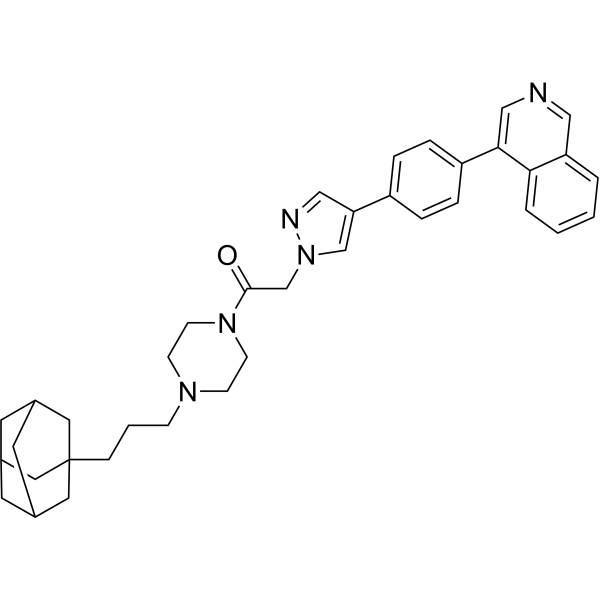 0 ImagesLL-K8-22 is a dual degrader of CDK8 and cyclin C HyT, with DC50 values of 2.52 μM and 2.64 μM, respectively. LL-K8-22 inhibits phosphorylation of STAT1 Ser 727, phosphorylation of the C-terminal domain Ser 2/5 of RNA polymerase II, and phosphorylation of Rb. LL-K8-22 represses E2F- and MYC-driven transcriptional programs and exhibits antiproliferative effects. LL-K8-22 synchronously induces proteasome-dependent selective degradation of CDK8 and cyclin C without degrading CDK19, other CDK family members, or other cyclins. LL-K8-22 can be used in the research of triple-negative breast cancer and colon cancer.
-
SD-436
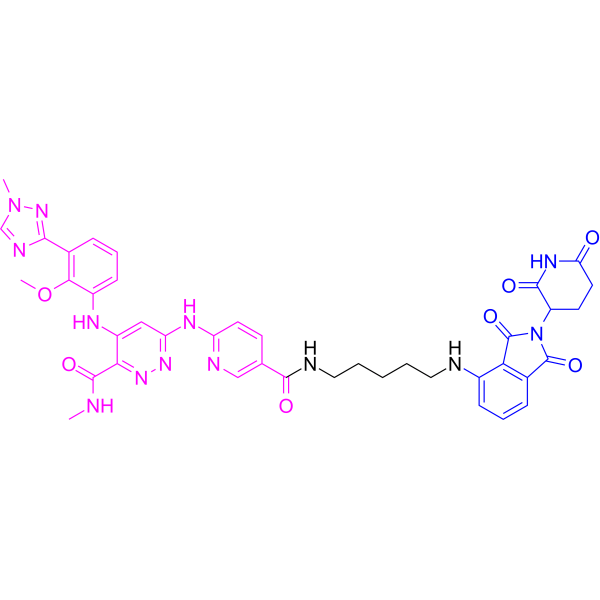
 0 ImagesSD-436 is a highly selective and efficacious STAT3 PROTAC degrader (DC50: 0.5 μM), with IC50 of 19 nM (STAT3), 270 nM (STAT1), 360 nM (STAT4), >10 μM (STAT5) and >10 μM (STAT6). SD-436 promotes ubiquitination and degradation of STAT3, and induces tumor regression. SD-436 can be used for tumor research, such as leukemia and lymphoma.
-
Pheophytin a
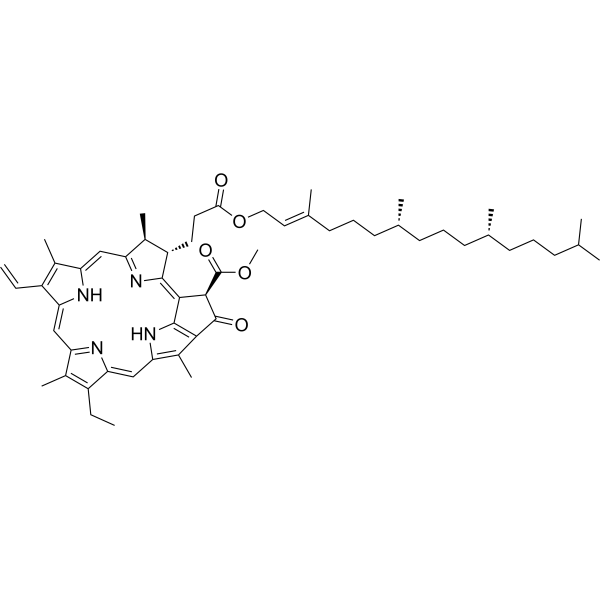 0 ImagesPheophytin a is a multi-target inhibitor, anticancer agent, antioxidant and antiviral agent. Pheophytin a directly binds to and inhibits HCV-NS3/4A protease (IC50=0.89 μM) to block viral replication. Pheophytin a also scavenges free radicals, reduces ferric ions, and exhibits cytotoxic activity against breast cancer cells. Pheophytin a effectively inhibits LPS-induced production of nitric oxide, prostaglandin E2, NOS2 and COX-2, as well as various pro-inflammatory cytokines, by downregulating the transcription levels of inflammatory mediators and blocking the ERK1/2 and STAT-1 pathways. In a low nerve growth factor environment, Pheophytin a also enhances ERK1/2 phosphorylation and synergistically promotes neurite outgrowth through MAPK pathway. Pheophytin a can be used to investigate the pathogenic mechanisms of diseases including chronic hepatitis C, sepsis, breast cancer and Alzheimer's disease.
-
3',4'-Dihydroxyflavone
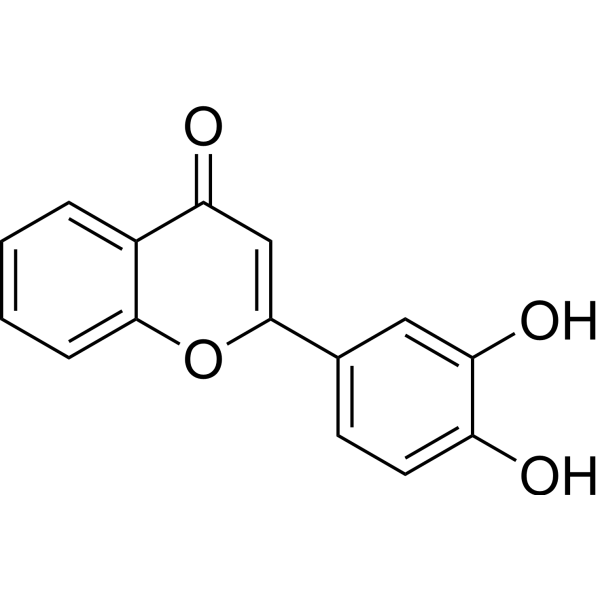 0 Images3',4'-Dihydroxyflavone is an orally active antioxidant. 3',4'-Dihydroxyflavone inhibits the NF-κB, JAK1/STAT1, AP-1, IRF3, and MAPK/MEK/ERK pathways, while activating Nrf2 and reducing Keap1, thereby exerting anti-inflammatory and antioxidant effects. 3',4'-Dihydroxyflavone inhibits NO, PGE2, pro-inflammatory cytokines, and ROS production, upregulates GSH, and activates KATP channels, adenosine A3 receptors, and GABAA receptors. 3',4'-Dihydroxyflavone inhibits PPARγ expression and adipogenic differentiation, induces osteogenic differentiation; it also inhibits 5-lipoxygenase and xanthine oxidase, weakly inhibits PARP1, and scavenges DPPH and superoxide radicals. 3',4'-Dihydroxyflavone can be used for research on peripheral nerve injury, septic shock, obesity, influenza A virus infection, infertility, and diabetic complications.




