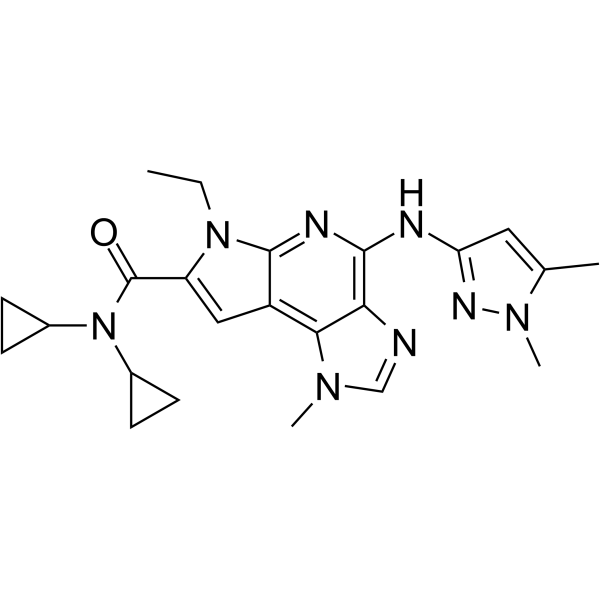
Tyk2
Tyrosine kinase 2 (TYK2) is a non-receptor Janus kinase (JAK) family member essential for cytokine signaling in immune cells[1][2]. Mechanistically, TYK2 mediates signal transduction downstream of interleukin-12 (IL-12), interleukin-23 (IL-23), type I interferons (IFN-α/β), and the IL-10 cytokine family, activating STAT transcription factors and regulating T helper cell differentiation[1][2][3]. Compared with other JAK isoforms, TYK2 exhibits distinct pseudokinase (JH2) and kinase (JH1) domains, enabling selective allosteric modulation without broadly inhibiting JAK1-3[4][2]. Loss-of-function or kinase-inactive mutations in TYK2 lead to impaired IFN and IL-12 signaling, resulting in immune deficiencies and altered antiviral responses in murine and human models[5][6]. In disease contexts, TYK2 is implicated in autoimmune disorders, including psoriasis, inflammatory bowel disease, and systemic lupus erythematosus, via dysregulated IL-23/TH17 and type I interferon pathways[7][8][2][3]. Selective inhibitors targeting the TYK2 JH2 pseudokinase domain, such as deucravacitinib or TAK-279, suppress pathogenic cytokine signaling with high specificity, preserving other JAK-mediated functions and providing therapeutic benefits in preclinical and clinical studies[4][7][2][3]. Experimental applications exploit TYK2-selective inhibition to dissect cytokine-driven immune responses and validate downstream transcriptional and phenotypic effects in immune cell models[9][3]. These compounds demonstrate potent modulation of human T cells, primary immune cells, and murine models of colitis or psoriasis, highlighting their translational relevance[4][7][2].
References:
- [1]. Zhou Y, et al. Novel Small Molecule Tyrosine Kinase 2 Pseudokinase Ligands Block Cytokine-Induced TYK2-Mediated Signaling Pathways. Front Immunol. 2022 May 20;13:884399. [Content Brief]
- [2]. Karjalainen A, et al. Cell-type-specific requirement for TYK2 in murine immune cells under steady state and challenged conditions. Cell Mol Life Sci. 2025 Mar 2;82(1):98. [Content Brief]
- [3]. Kong KF, et al. P143 Efficacy of the oral tyrosine kinase 2 (TYK2) inhibitor TAK-279 in two preclinical mouse models of colitis. J Crohns Colitis. 2024;18(Suppl 1):i441-i442.
- [4]. Strobl B, et al. Tyrosine kinase 2 (TYK2) in cytokine signalling and host immunity. Front Biosci (Landmark Ed). 2011 Jun 1;16(9):3214-32. [Content Brief]
- [5]. Wöss K, et al. TYK2: An Upstream Kinase of STATs in Cancer. Cancers (Basel). 2019 Nov 5;11(11):1728. [Content Brief]
- [6]. Schlapbach C, et al. TYK-ing all the boxes in psoriasis. J Allergy Clin Immunol. 2022 Jun;149(6):1936-1939. [Content Brief]
- [7]. Prchal-Murphy M, et al. TYK2 kinase activity is required for functional type I interferon responses in vivo. PLoS One. 2012;7(6):e39141. [Content Brief]
- [8]. Rane SS, et al. Characterising a Novel Therapeutic Target for Psoriasis, TYK2, Using Functional Genomics. Int J Mol Sci. 2024 Dec 9;25(23):13229. [Content Brief]
- [9]. He X, et al. Selective Tyk2 inhibitors as potential therapeutic agents: a patent review (2015-2018). Expert Opin Ther Pat. 2019 Feb;29(2):137-149. [Content Brief]
-
Tyk2 Related Products (102)
Related Products (102)

-
Ruxolitinib
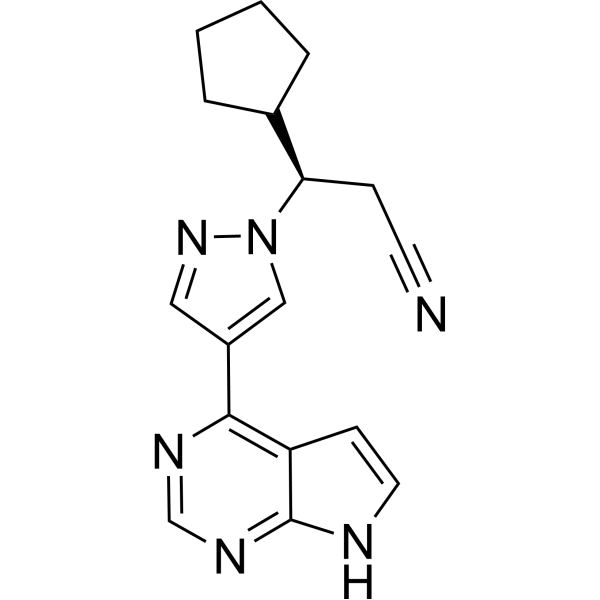 0 ImagesSynonyms: INCB18424
-
Upadacitinib
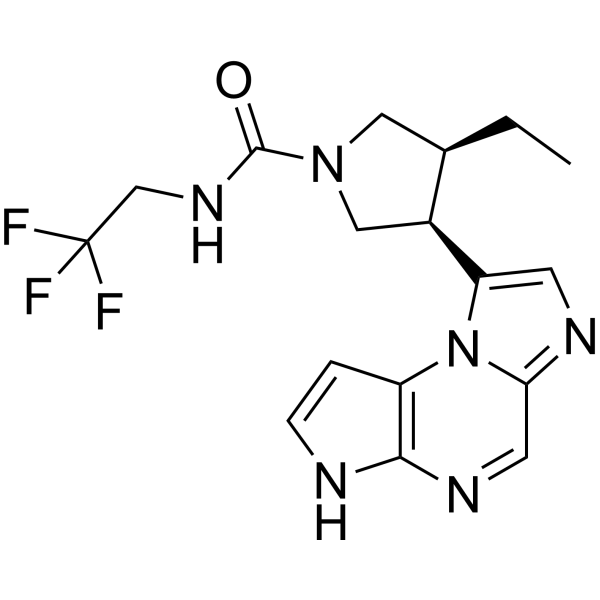 0 ImagesSynonyms: ABT-494Upadacitinib (ABT-494) is a potent, orally active and selective Janus kinase 1 (JAK1) inhibitor (IC50=43 nM). Upadacitinib (ABT-494) displays approximately 74 fold selective for JAK1 over JAK2 (200 nM) in cellular assays dependent on specific, relevant cytokines. Upadacitinib (ABT-494) can be used for several autoimmune disorders research.
-
Baricitinib
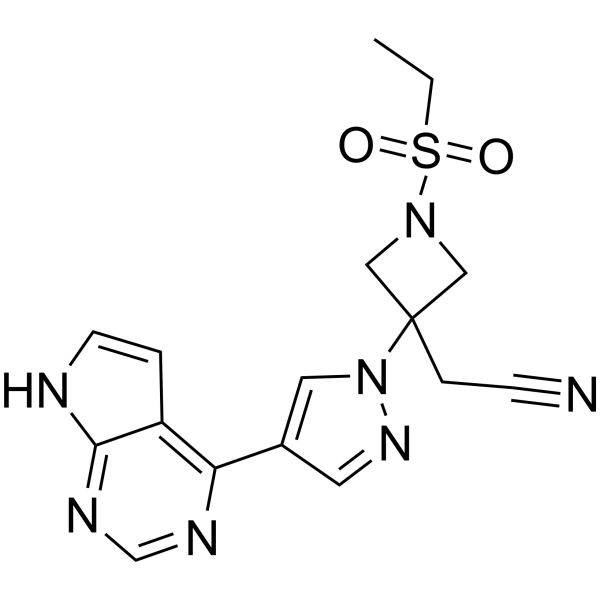 0 ImagesSynonyms: LY3009104; INCB028050
-
Deucravacitinib
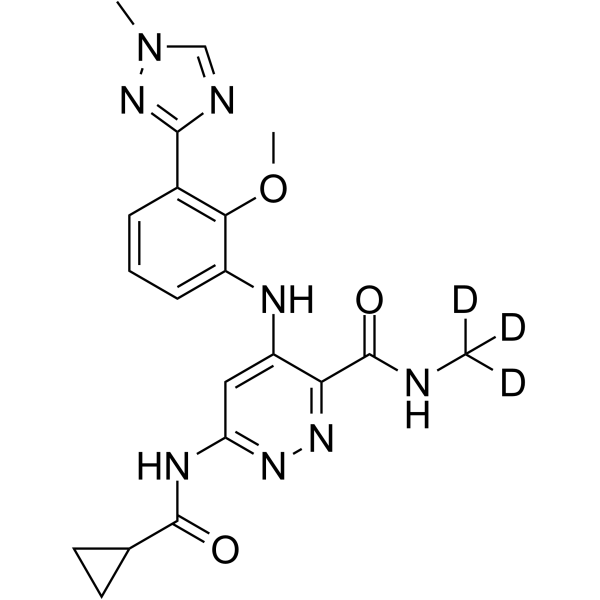 0 ImagesSynonyms: BMS-986165Deucravacitinib (BMS-986165) is an orally active allosteric inhibitor of tyrosine kinase 2 (TYK2), with an IC50 of 0.2 nM and a Ki of 0.02 nM against the JH2 domain of TYK2, and it exhibits selectivity over other JAK subtypes and most of the kinome. Deucravacitinib blocks IL-23, IL-12, p-STAT1/3 and Type I IFN signaling, and inhibits Th17/Th1-mediated psoriasis inflammation. Deucravacitinib can be used in research related to moderate-to-severe plaque psoriasis, inflammatory bowel disease and systemic lupus erythematosus.
-
(R)-9b
 0 Images(R)-9b is an ATP-competitive kinase inhibitor. (R)-9b binds to the ATP-binding site of ACK1/TNK2, inhibiting their kinase activity and autophosphorylation, with a human IC50 of 56 nM. (R)-9b also inhibits JAK2, Tyk2, ALK, c-Src, ABL1, CHK1, FGFR1, LCK, and ROS/ROS1. (R)-9b can be used for research on prostate cancer.
-
Deuruxolitinib
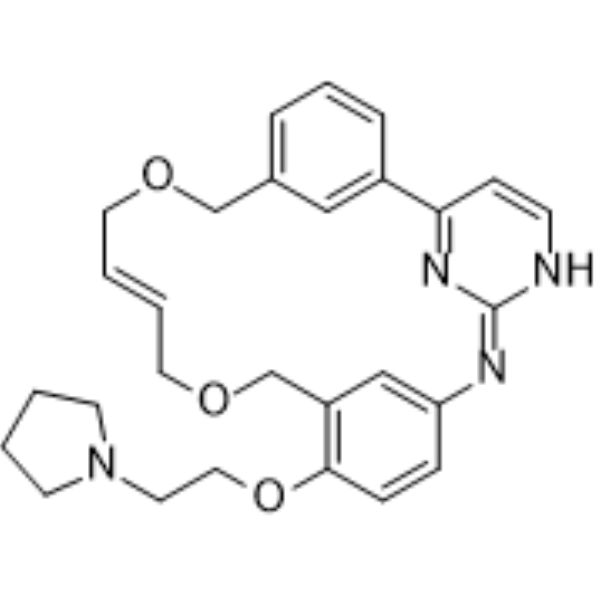
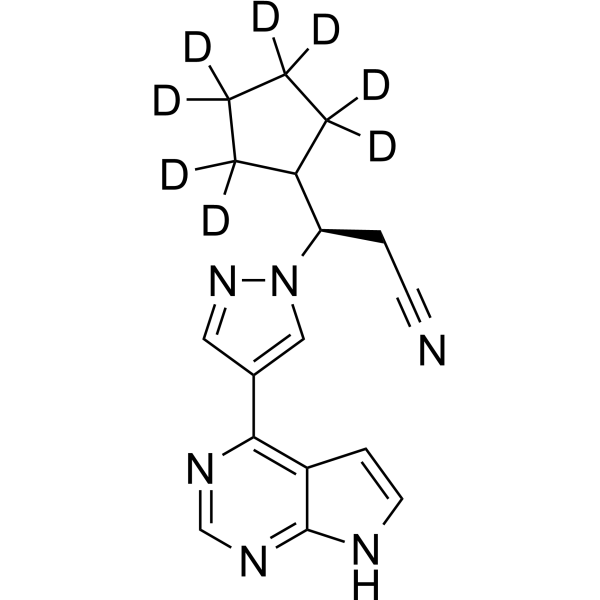 0 ImagesSynonyms: CTP-543; Ruxolitinib-d8; INCB18424-d8Deuruxolitinib (CTP-543; Ruxolitinib-d8) is a deuterated analog of Ruxolitinib (HY-50856) and an orally active, selective inhibitor of JAK1 and JAK2. Deuruxolitinib blocks Janus kinase-mediated cytokine receptor signaling and proinflammatory cytokine gene expression. Deuruxolitinib is primarily metabolized in the liver via CYP2C9. Deuruxolitinib promotes scalp hair regrowth in severe chronic alopecia areata. Deuruxolitinib is used in alopecia areata-related research.
-
Abrocitinib
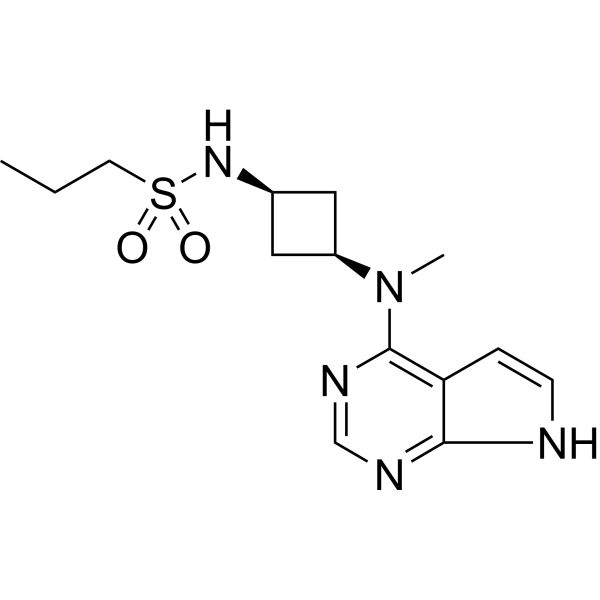 0 ImagesSynonyms: PF-04965842Abrocitinib (PF-04965842) is a potent, orally active and selective JAK1 inhibitor, with IC50s of 29 and 803 nM for JAK1 and JAK2, respectively. Abrocitinib (PF-04965842) exhibits less active effect on TYK2 (IC50, 1.253 μM), and inhibits phosphorylation of STAT1, STAT3 and STAT5 after stimulation. Effective in autoimmune disease.
-
Filgotinib
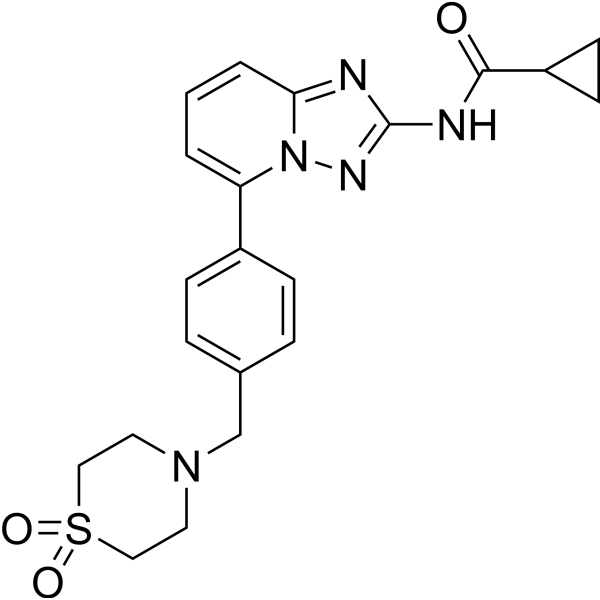 0 ImagesSynonyms: GLPG0634Filgotinib (GLPG0634) is a selective, orally available JAK1 inhibitor with anti-inflammatory and antiviral activities. Filgotinib can effectively inhibit the activities of JAK1, JAK2, JAK3 and TYK2 with IC50 values of 10 nM, 28 nM, 810 nM and 116 nM, respectively. Filgotinib also inhibits HIV-1 driven gene transcription and reduces proliferation of HIV-1 infected cells. Filgotinib can be used in the study of rheumatoid arthritis and inflammatory bowel disease.
-
Baricitinib phosphate
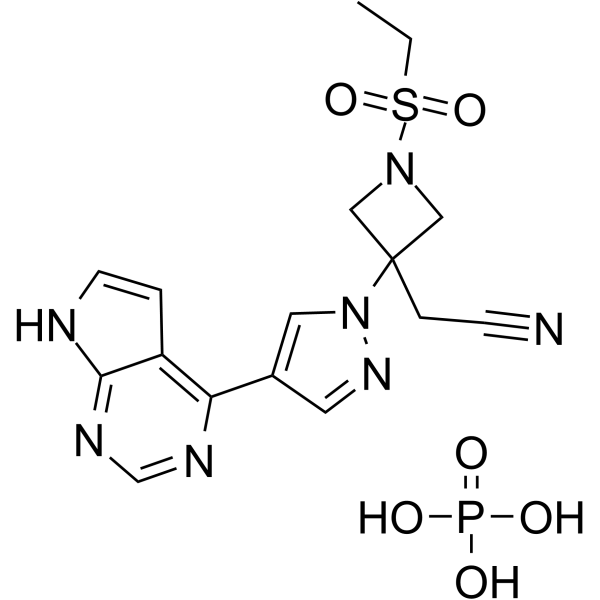 0 ImagesSynonyms: LY3009104 phosphate; INCB028050 phosphate
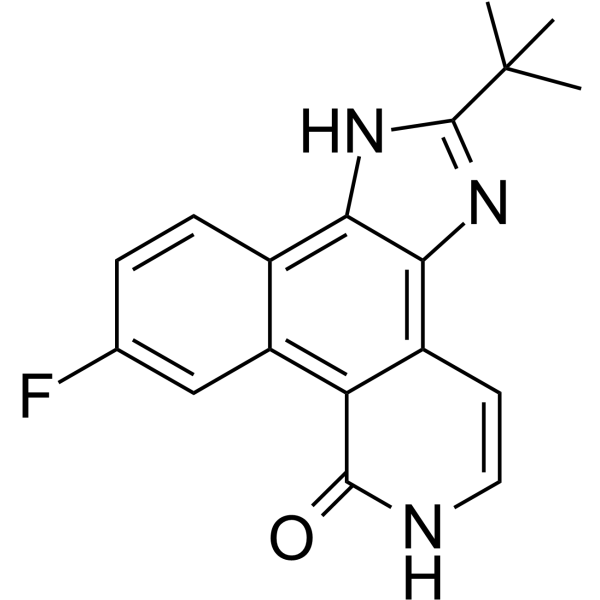
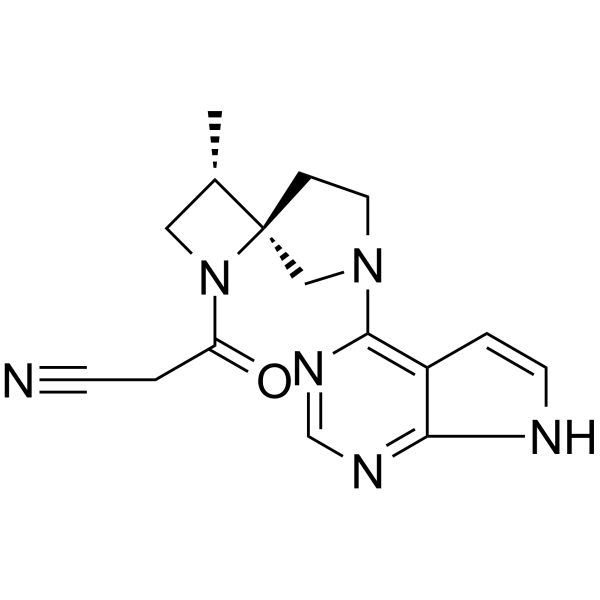
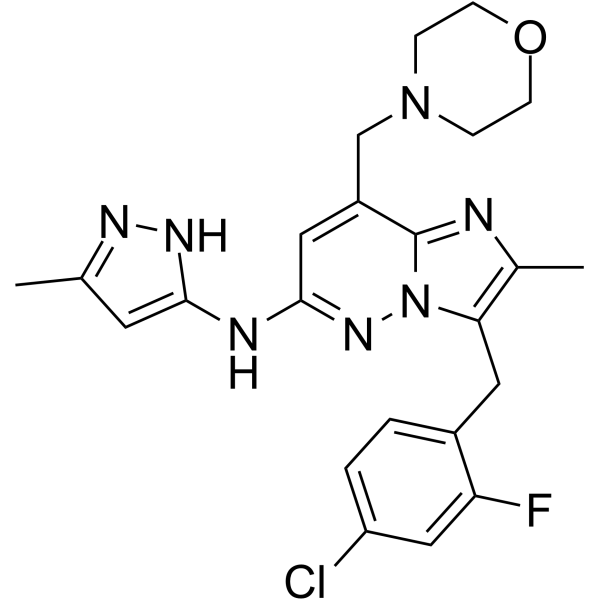
-
Oclacitinib
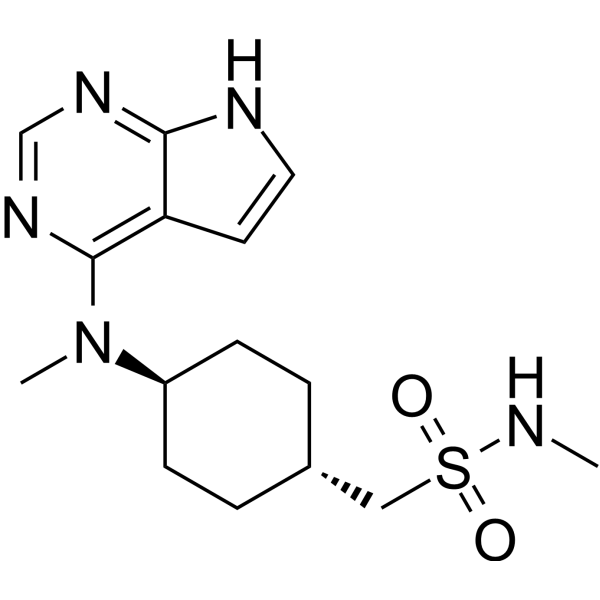 0 ImagesSynonyms: PF-03394197
-
Oclacitinib monomaleate
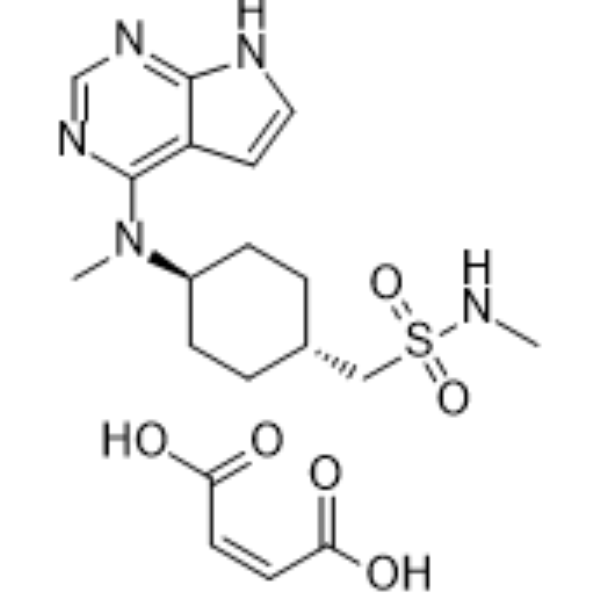 0 ImagesSynonyms: PF-03394197 monomaleate