



STAT5
STAT5 comprises STAT5A and STAT5B, transcription factors that regulate hematopoietic cell proliferation, differentiation, and apoptosis[1]. Mechanistically, STAT5 tyrosine phosphorylation in peripheral T cells is driven by cytokine receptor signaling rather than the T-cell receptor complex[2]. This cytokine-linked pathway supports immune regulation, lymphocyte development, and cell survival programs[3]. In disease contexts, STAT5B deficiency is associated with growth failure, immunodeficiency, and severe pulmonary disease[4]. Compared with STAT5A, STAT5B shows dominant activity in effector and regulatory T-cell responses, with paralog dose explaining much functional specificity[5]. In BCR/ABL leukemia models, STAT5B, but not STAT5A, serves as the major STAT5 isoform driving leukemogenesis[6]. For experimental applications, AC-4-130 directly binds STAT5 and disrupts activation, dimerization, nuclear translocation, and STAT5-dependent transcription in AML models[7]. Pimozide also decreases survival of chronic myelogenous leukemia cells resistant to kinase inhibitors[8].
References:
- [1]. Nosaka T, et al. STAT5 as a molecular regulator of proliferation, differentiation and apoptosis in hematopoietic cells. EMBO J. 1999 Sep 1;18(17):4754-65. [Content Brief]
- [2]. Moriggl R, et al. Stat5 activation is uniquely associated with cytokine signaling in peripheral T cells. Immunity. 1999 Aug;11(2):225-30. [Content Brief]
- [3]. Smith MR, et al. STAT5b: A master regulator of key biological pathways. Front Immunol. 2023 Jan 23;13:1025373. [Content Brief]
- [4]. Nadeau K, et al. STAT5b deficiency: an unsuspected cause of growth failure, immunodeficiency, and severe pulmonary disease. J Pediatr. 2011 May;158(5):701-8. [Content Brief]
- [5]. Villarino A, et al. Signal transducer and activator of transcription 5 (STAT5) paralog dose governs T cell effector and regulatory functions. Elife. 2016 Mar 21;5:e08384. [Content Brief]
- [6]. Kollmann S, et al. Twins with different personalities: STAT5B-but not STAT5A-has a key role in BCR/ABL-induced leukemia. Leukemia. 2019 Jul;33(7):1583-1597. [Content Brief]
- [7]. Wingelhofer B, et al. Pharmacologic inhibition of STAT5 in acute myeloid leukemia. Leukemia. 2018 May;32(5):1135-1146. [Content Brief]
- [8]. Nelson EA, et al. The STAT5 inhibitor pimozide decreases survival of chronic myelogenous leukemia cells resistant to kinase inhibitors. Blood. 2011 Mar 24;117(12):3421-9. [Content Brief]
-
STAT5 관련 제품 (70)
관련 제품 (70)

-
Antibodies (5)
-
ARV-825
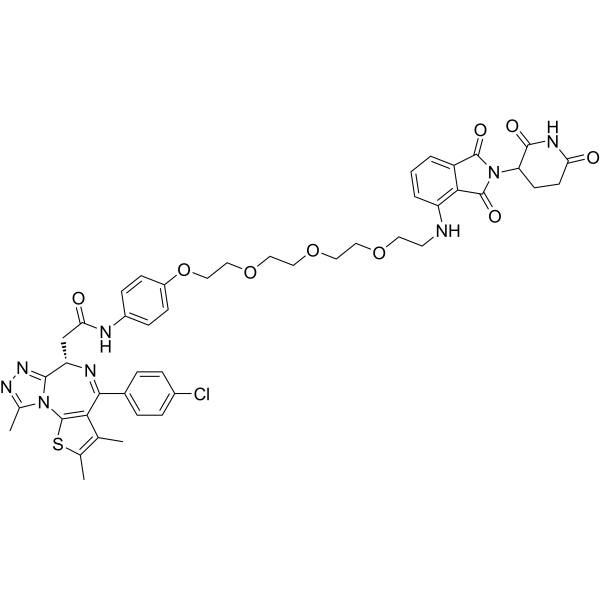 0 ImagesARV-825 is a BET protein PROTAC degrader that recruits cereblon, and it targets BRD2, BRD3, and BRD4 for degradation via the ubiquitin-proteasome pathway. ARV-825 downregulates c-MYC, PLK1, MYCN, CDK4/6, JAK2, pSTAT3/5, PIM1, and Bcl-xL, upregulates p21 and p27, and modulates H3K27Ac-mediated transcription, the G2/M checkpoint, the Wnt/β-catenin pathway, and amino acid transport pathways. ARV-825 induces G1 phase cell cycle arrest, caspase 3/PARP-mediated apoptosis, DNA damage, and reactive oxygen species (ROS) production, reduces mitochondrial respiration, and simultaneously inhibits cell proliferation, clonogenic growth, and cell migration. ARV-825 is used in research on gastric cancer, leukemia, neuroblastoma, and cholangiocarcinoma.
-
Ritlecitinib
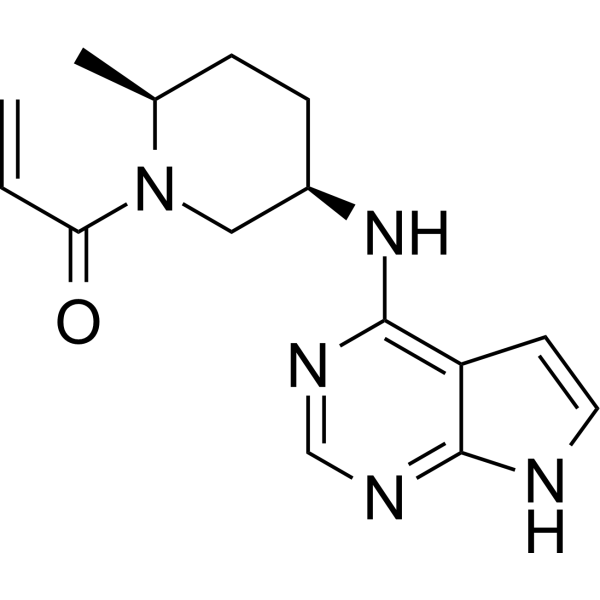 0 ImagesSynonyms: PF-06651600Ritlecitinib (PF-06651600) is a highly selective, orally active, irreversible covalent JAK3 inhibitor (IC50=33 nM) without inhibitory activity towards JAK1, JAK2, and TYK2 (IC50 >10 μ M). Ritlecitinib rapidly inactivates the JAK3 kinase, and blocks signaling and downstream STAT phosphorylation mediated by common gamma chain cytokines such as IL-2 and IL-15. Ritlecitinib can inhibit Th1/Th17 cell differentiation and function, and effectively suppress preclinical animal models such as alopecia areata, adjuvant-induced arthritis (AIA), and experimental autoimmune encephalomyelitis (EAE).
-
Pimozide
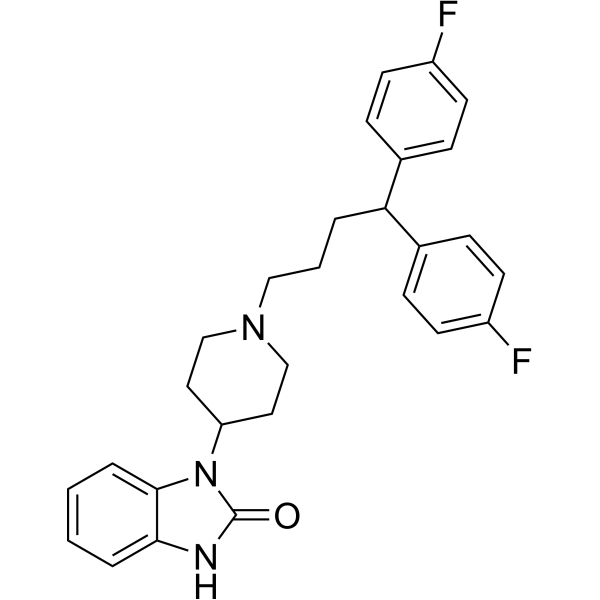 0 ImagesPimozide is a dopamine receptor antagonist, with Kis of 1.4 nM, 2.5 nM and 588 nM for dopamine D2, D3 and D1 receptors, respectively, and also has affinity at α1-adrenoceptor, with a Ki of 39 nM; Pimozide also inhibits STAT3 and STAT5.
-
AK-2292
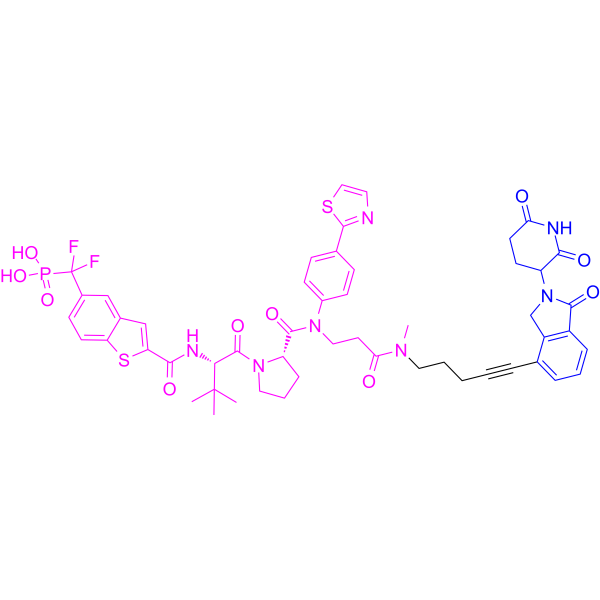 0 ImagesAK-2292 is a potent and selective STAT5 PROTAC degrader, with a DC50 of 0.10 μM. AK-2292 induces degradation of STAT5A/B proteins in vitro and in vivo. AK-2292 can induce tumor regression in acute myeloid leukemia and chronic myeloid leukemia xenograft mouse models. AK-2292 is a click chemistry reagent, it contains an Alkyne group and can undergo copper-catalyzed azide-alkyne cycloaddition (CuAAc) with molecules containing Azide groups.
-
INCA033989
 0 ImagesCat. No.: HY-P991888Purity: 98.12%INCA033989 is a fully human IgG1 monoclonal antibody targeting mutCALR (KD = 1.75 nM for mutCALRdel52; KD = 6.78 nM for mutCALRins5). INCA033989 antagonizes mutCALR-driven signaling and proliferation. INCA033989 selectively inhibits pSTAT3/pSTAT5. INCA033989 prevents thrombocytosis and reduces the expansion of mutCALR-positive cells. INCA033989 is useful for research on myeloproliferative neoplasms .
-
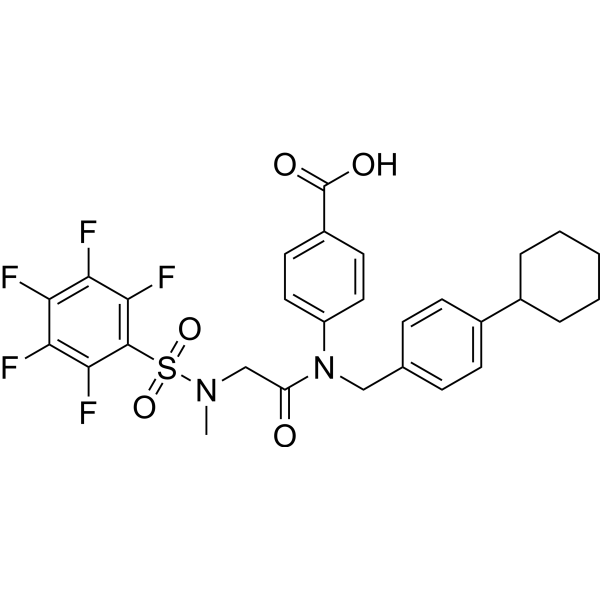
AC-4-130
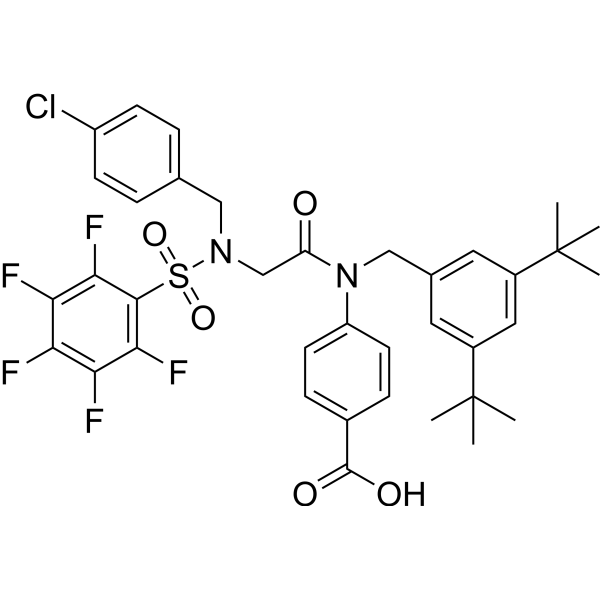 0 ImagesAC-4-130 is a potent STAT5 SH2 domain inhibitor. AC-4-130 directly binds to STAT5 and disrupts STAT5 activation, dimerization, nuclear translocation, and STAT5-dependent gene transcription. AC-4-130 induces cell cycle arrest and apoptosis in FLT3-ITD-driven leukemic cells. AC-4-130 has anti-cancer activity and can efficiently block pathological levels of STAT5 activity in acute myeloid leukemia (AML).
-
AS2863619
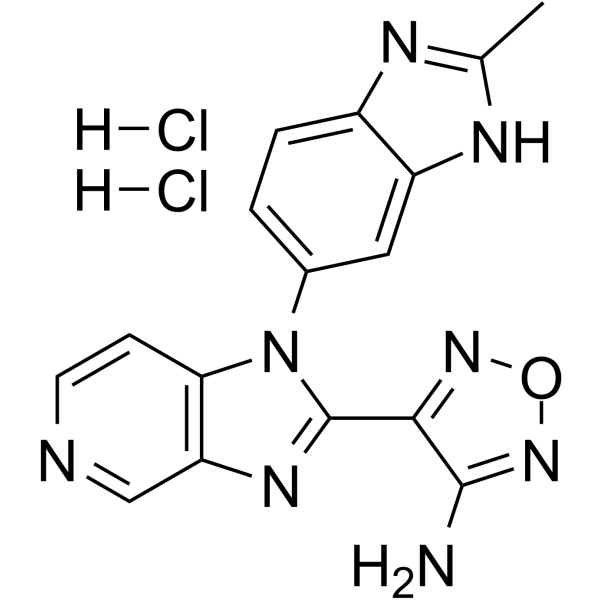 0 ImagesAS2863619 is an orally active CDK8/19 inhibitor that also inhibits BMP2, MDA5 and RIG-I receptors. AS2863619 targets Stat5a-CDK8/19 to promote the differentiation of CD4+ T cells into regulatory T cells and induce FOXP3 expression, thereby restoring immune homeostasis and establishing transplant immune tolerance. AS2863619 also enhances the BMP2/SMAD signaling pathway to promote osteogenic differentiation and inhibit adipogenic differentiation. AS2863619 exerts osteoprotective effects by alleviating inflammation-induced impairment of osteogenic function and inducing neutrophil apoptosis (apoptosis). AS2863619 can be applied to research in related fields such as periodontitis-induced bone defects.
-
STAT4-IN-1
 0 ImagesCat. No.: HY-173236Purity: 99.17%STAT4-IN-1 is an inhibitor of STAT4 with a Ki of 0.35 μM. STAT4-IN-1 is expected to be used in the research of autoimmune diseases, including inflammatory bowel disease, multiple sclerosis, rheumatoid arthritis, and diabetes.
-
BD750
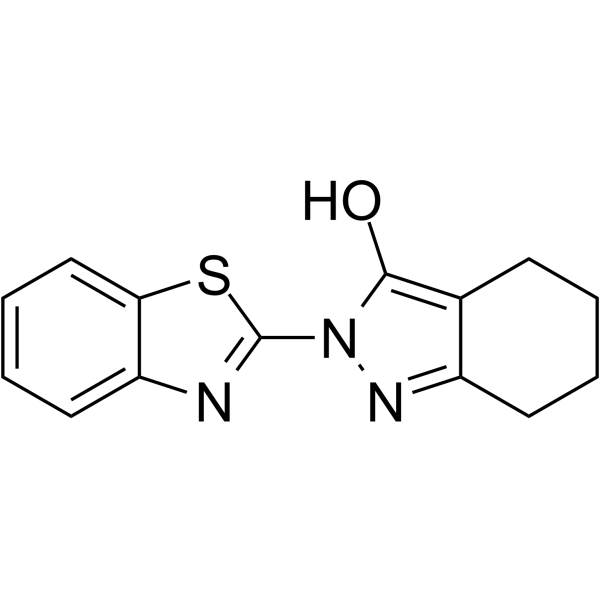 0 ImagesBD750, an effective immunosuppressant and a JAK3/STAT5 inhibitor, inhibits IL-2-induced JAK3/STAT5-dependent T cell proliferation, with IC50 values of 1.5 μM and 1.1 μM in mouse and human T cells, respectively.

-
IST5-002
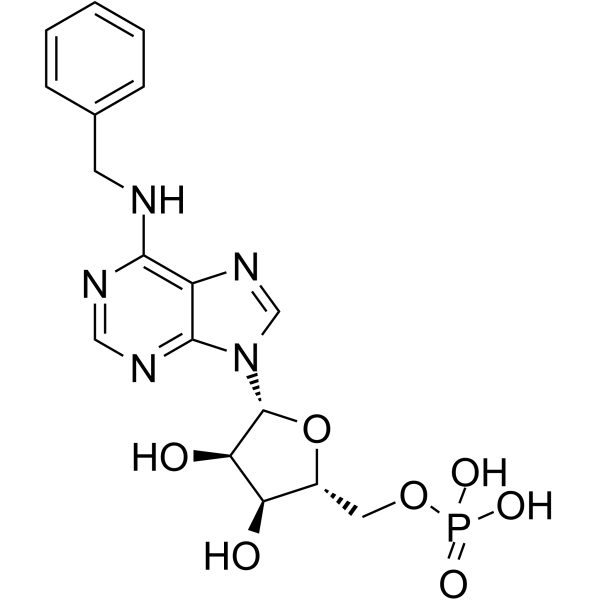 0 ImagesSynonyms: N6-Benzyladenosine-5'-phosphateIST5-002, a potent Stat5a/b inhibitor, selectively inhibits transcriptional activity of Stat5a/b (IC50s: 1.5 μM for Stat5a, 3.5 μM for Stat5b). IST5-002 inducs cell apoptotic and death of prostate cancer cells and chronic myeloid leukemia (CML) cells. IST5-002 can be used in the research of prostate cancer and chronic myeloid leukemia (CML).
-
Stafib-1
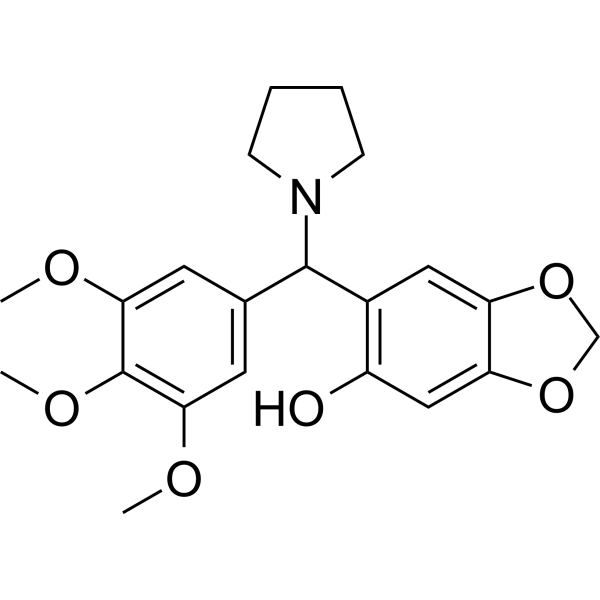
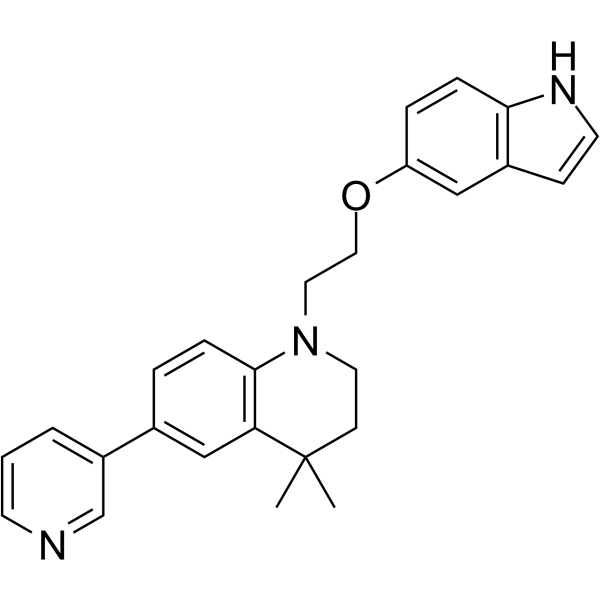
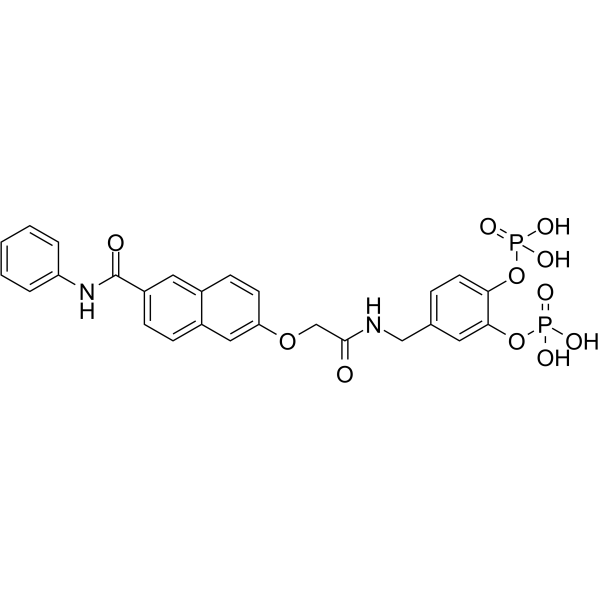 0 ImagesStafib-1 is the first selective inhibitor of the STAT5b SH2 domain, with a Ki of 44 nM and an IC50 of 154 nM.
-
GMB-475
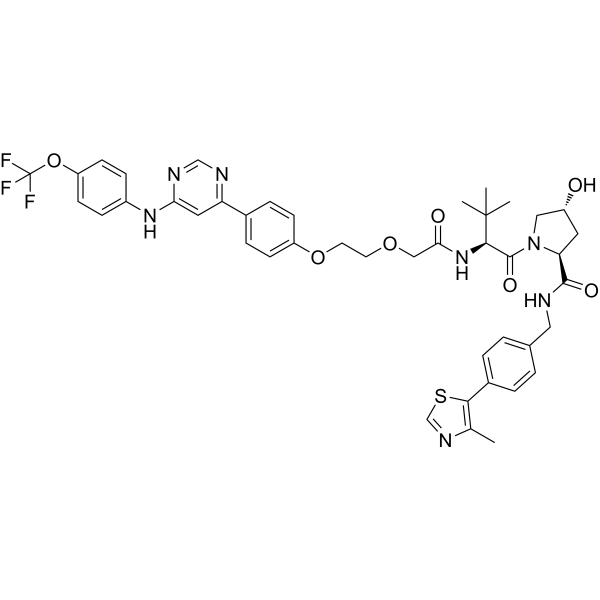 0 ImagesGMB-475 is a potent BCR-ABL1 PROTAC based on Von Hippel-Lindau (VHL). GMB-475 targets the nutmeg pocket of ABL1 in an ectopic manner and degrades BCR-ABL1 protein through the ubiquitin proteasome pathway. GMB-475 inhibits the proliferation of human K562 cells and mouse Ba/F3 cells, and is used for the study of chronic myeloid leukemia.
-
Cenisertib
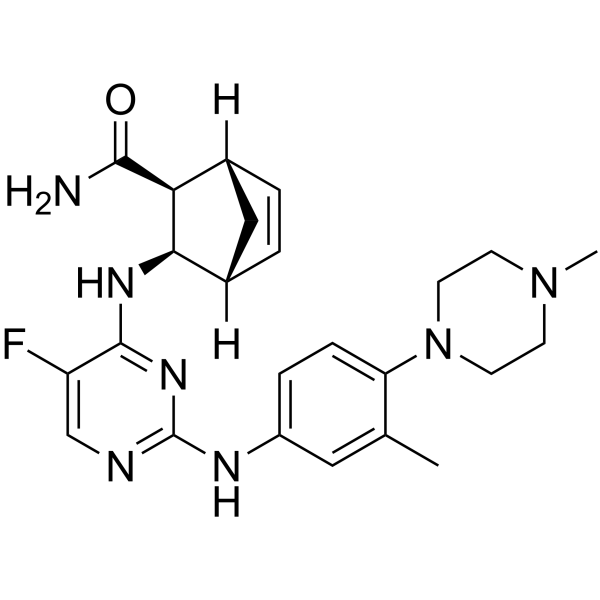 0 ImagesSynonyms: AS-703569; R-763Cenisertib (AS-703569) is an ATP-competitive multi-kinase inhibitor that blocks the activity of Aurora-kinase-A/B, ABL1, AKT, STAT5 and FLT3. Cenisertib induces major growth-inhibitory effects by blocking the activity of several different molecular targets in neoplastic mast cells (MC). Cenisertib inhibits tumor growth in xenograft models of pancreatic, breast, colon, ovarian, and lung tumors and leukemia.




