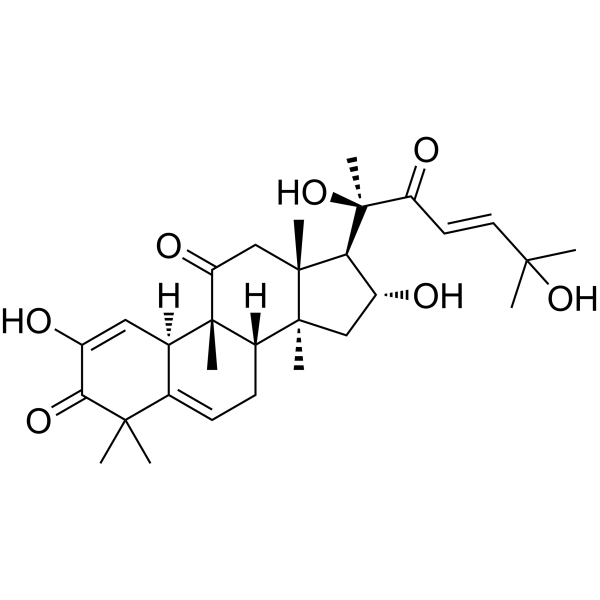
JAK2
JAK2 is a non-receptor tyrosine kinase in the JAK1-JAK2-JAK3-TYK2 family and acts as a cytoplasmic signaling component of cytokine receptors[1]. Mechanistically, cytokine-mediated activation of JAK2 promotes receptor phosphorylation, recruits STAT proteins, and drives STAT phosphorylation-dependent transcriptional signaling[1][2]. This pathway supports cell growth, survival, development, differentiation, hematopoiesis, immune regulation, and homeostasis[2][3]. In disease models, gain-of-function JAK2 V617F in the pseudokinase domain causes constitutive activity and is strongly linked to myeloproliferative neoplasms and leukemias[1][4]. Compared with related isoforms, JAK3 is essential for common γ-chain cytokine receptor signaling in T- and B-cell development, whereas complete mouse deletion of JAK1 or JAK2 is not compatible with life[5][6]. For experimental applications, ruxolitinib is a selective oral JAK1/JAK2 inhibitor, and JAK2-focused compounds support studies of mutant signaling, cytokine responses, splenomegaly, angiogenesis, and inhibitor resistance[7][8][9].
参考文献:
- [1]. Hubbard SR. Mechanistic Insights into Regulation of JAK2 Tyrosine Kinase. Front Endocrinol (Lausanne). 2018 Jan 5;8:361. doi: 10.3389/fendo.2017.00361. PMID: 29379470; PMCID: PMC5770812. et al. Mechanistic Insights into Regulation of JAK2 Tyrosine Kinase. Front Endocrinol (Lausanne). 2018 Jan 5;8:361. [Content Brief]
- [2]. Ihle JN, et al. Jaks and Stats in signaling by the cytokine receptor superfamily. Trends Genet. 1995 Feb;11(2):69-74. [Content Brief]
- [3]. Rawlings JS, et al. The JAK/STAT signaling pathway. J Cell Sci. 2004 Mar 15;117(Pt 8):1281-3. [Content Brief]
- [4]. Gäbler K, et al. JAK2 mutants (e.g., JAK2V617F) and their importance as drug targets in myeloproliferative neoplasms. JAKSTAT. 2013 Jul 1;2(3):e25025. [Content Brief]
- [5]. Suzuki K, et al. Janus kinase 3 (Jak3) is essential for common cytokine receptor gamma chain (gamma(c))-dependent signaling: comparative analysis of gamma(c), Jak3, and gamma(c) and Jak3 double-deficient mice. Int Immunol. 2000 Feb;12(2):123-32. [Content Brief]
- [6]. Ghoreschi K, et al. Janus kinases in immune cell signaling. Immunol Rev. 2009 Mar;228(1):273-87. [Content Brief]
- [7]. Naqvi K, et al. A potential role of ruxolitinib in leukemia. Expert Opin Investig Drugs. 2011 Aug;20(8):1159-66. [Content Brief]
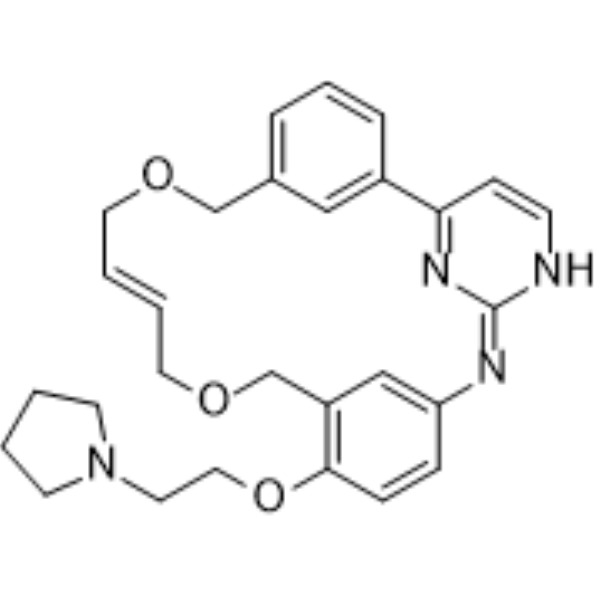
- [8]. Hart S, et al. SB1518, a novel macrocyclic pyrimidine-based JAK2 inhibitor for the treatment of myeloid and lymphoid malignancies. Leukemia. 2011 Nov;25(11):1751-9. [Content Brief]
- [9]. Cheng Z, et al. Angiogenesis in JAK2 V617F positive myeloproliferative neoplasms and ruxolitinib decrease VEGF, HIF-1 enesis in JAK2 V617F positive cells. Leuk Lymphoma. 2018 Jan;59(1):196-203. [Content Brief]
-
JAK2 関連製品 (210)
関連製品 (210)

-
抗体 (3)
-
Ruxolitinib
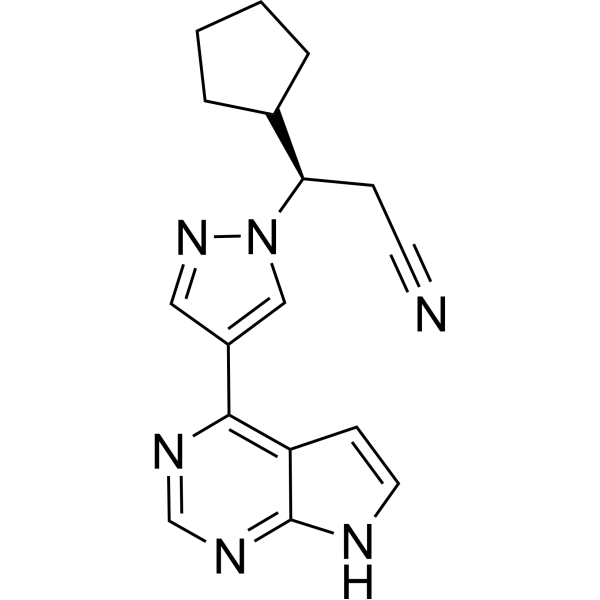 0 Images別名: INCB18424
-
Upadacitinib
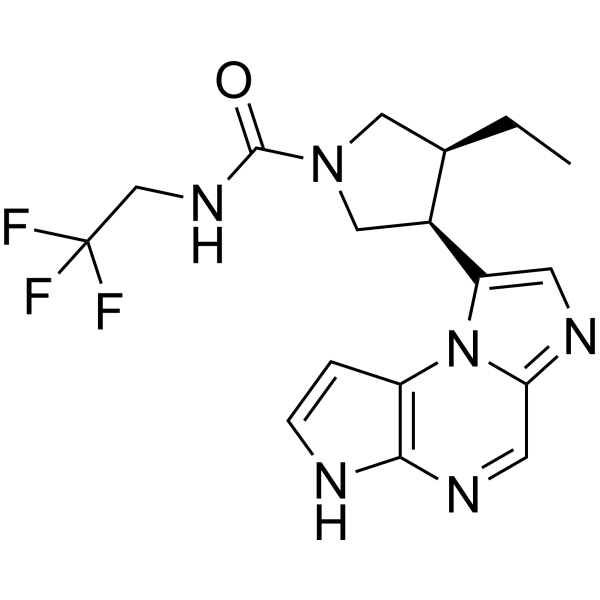 0 Images別名: ABT-494Upadacitinib (ABT-494) is a potent, orally active and selective Janus kinase 1 (JAK1) inhibitor (IC50=43 nM). Upadacitinib (ABT-494) displays approximately 74 fold selective for JAK1 over JAK2 (200 nM) in cellular assays dependent on specific, relevant cytokines. Upadacitinib (ABT-494) can be used for several autoimmune disorders research.
-
Baricitinib
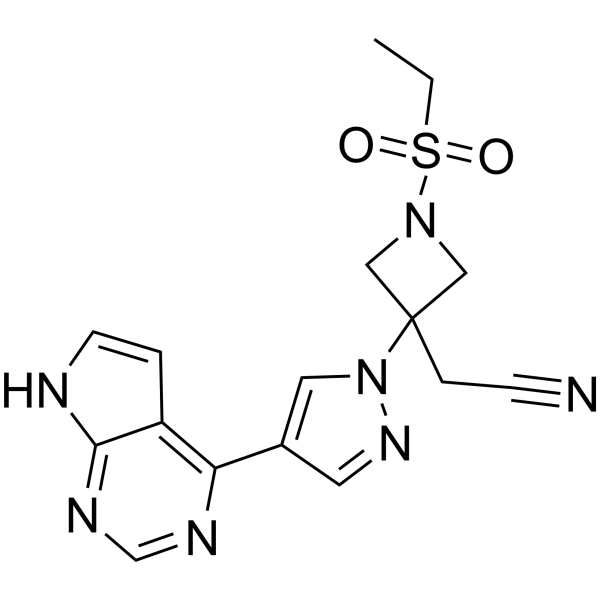 0 Images別名: LY3009104; INCB028050
-
Fedratinib
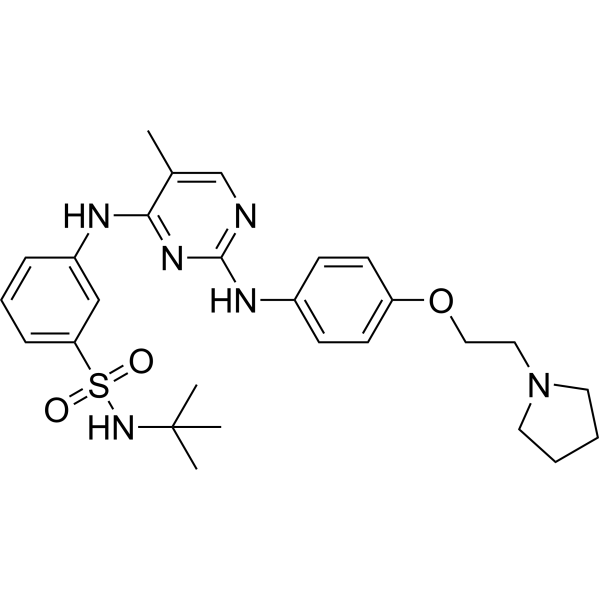 0 Images別名: TG-101348; SAR 302503Fedratinib (TG-101348) is a potent, selective, ATP-competitive and orally active JAK2 inhibitor with IC50s of 3 nM for both JAK2 and JAK2V617F kinase. Fedratinib shows 35- and 334-fold selectivity over JAK1 and JAK3, respectively. Fedratinib induces cancer cell apoptosis and has the potential for myeloproliferative disorders research.
-
ARV-825
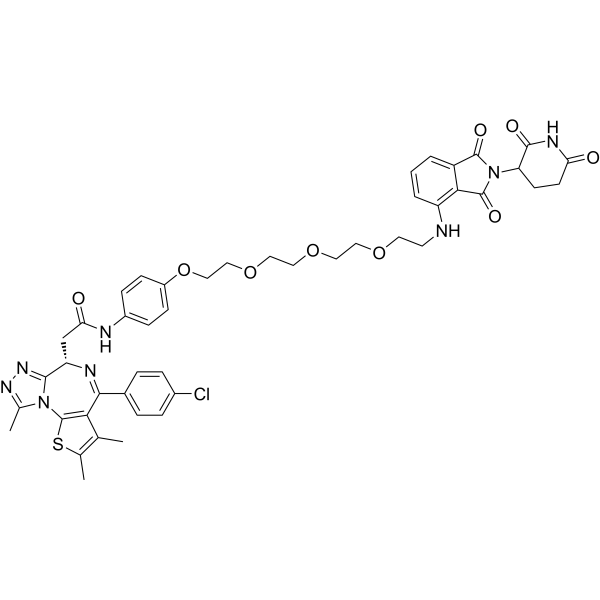 0 ImagesARV-825 is a BET protein PROTAC degrader that recruits cereblon, and it targets BRD2, BRD3, and BRD4 for degradation via the ubiquitin-proteasome pathway. ARV-825 downregulates c-MYC, PLK1, MYCN, CDK4/6, JAK2, pSTAT3/5, PIM1, and Bcl-xL, upregulates p21 and p27, and modulates H3K27Ac-mediated transcription, the G2/M checkpoint, the Wnt/β-catenin pathway, and amino acid transport pathways. ARV-825 induces G1 phase cell cycle arrest, caspase 3/PARP-mediated apoptosis, DNA damage, and reactive oxygen species (ROS) production, reduces mitochondrial respiration, and simultaneously inhibits cell proliferation, clonogenic growth, and cell migration. ARV-825 is used in research on gastric cancer, leukemia, neuroblastoma, and cholangiocarcinoma.
-
Nuvisertib
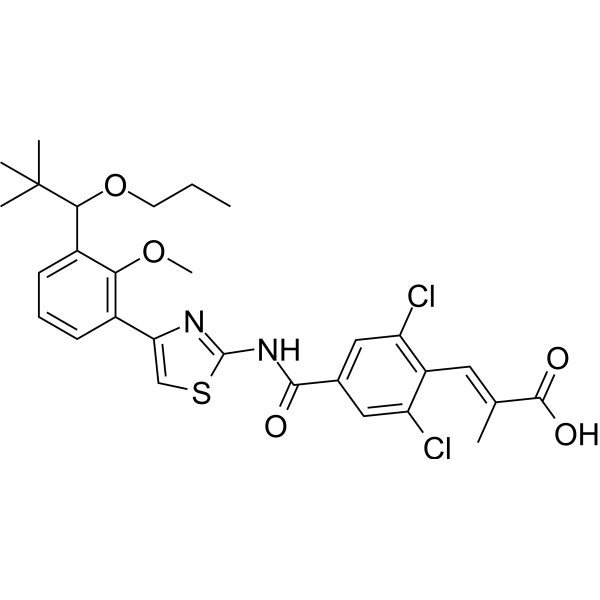
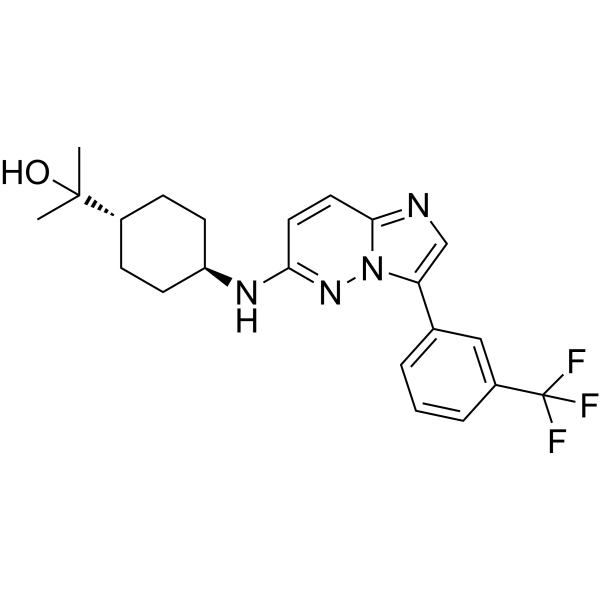 0 Images別名: TP-3654Nuvisertib (TP-3654) is an orally active second-generation pan-PIM kinase inhibitor with Ki values of 5 nM, 239 nM, and 42 nM against PIM-1, PIM-2, and PIM-3, respectively. Nuvisertib inhibits JAK-independent inflammatory and survival signaling pathways, reduces the production of proinflammatory cytokines, restores apoptotic sensitivity, inhibits mTORC1, MYC, and TGF-β signaling pathways, and decreases the expression of fibrosis markers. Nuvisertib selectively impairs the transport function of ABCG2, resensitizes multidrug-resistant cancer cells to cytotoxic drugs, and overcomes JAK2 inhibitor resistance. Nuvisertib can be used in research related to myelofibrosis, renal cell carcinoma, multidrug-resistant cancer, advanced solid tumors, urothelial carcinoma, and prostate adenocarcinoma.
-
Abrocitinib
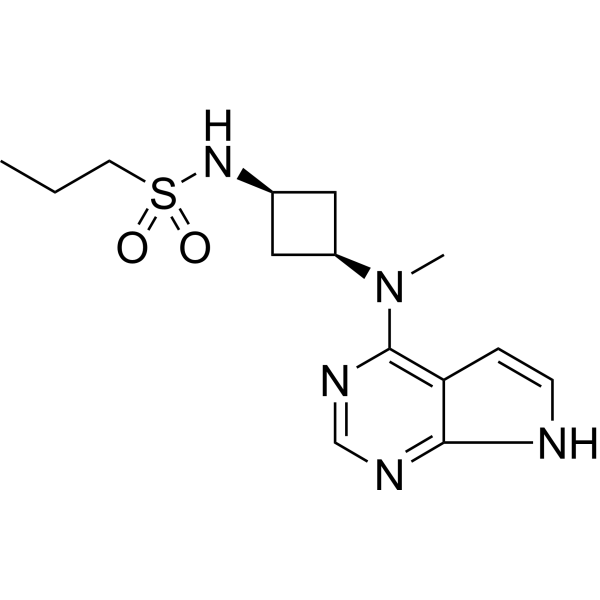 0 Images別名: PF-04965842Abrocitinib (PF-04965842) is a potent, orally active and selective JAK1 inhibitor, with IC50s of 29 and 803 nM for JAK1 and JAK2, respectively. Abrocitinib (PF-04965842) exhibits less active effect on TYK2 (IC50, 1.253 μM), and inhibits phosphorylation of STAT1, STAT3 and STAT5 after stimulation. Effective in autoimmune disease.
-
Filgotinib
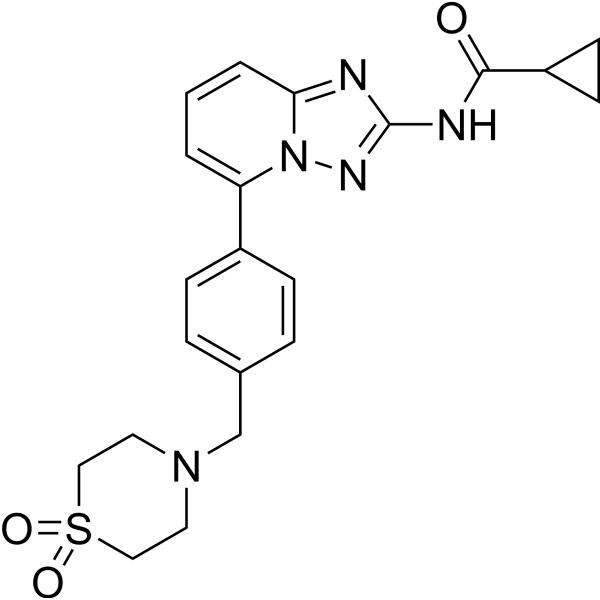 0 Images別名: GLPG0634Filgotinib (GLPG0634) is a selective, orally available JAK1 inhibitor with anti-inflammatory and antiviral activities. Filgotinib can effectively inhibit the activities of JAK1, JAK2, JAK3 and TYK2 with IC50 values of 10 nM, 28 nM, 810 nM and 116 nM, respectively. Filgotinib also inhibits HIV-1 driven gene transcription and reduces proliferation of HIV-1 infected cells. Filgotinib can be used in the study of rheumatoid arthritis and inflammatory bowel disease.
-
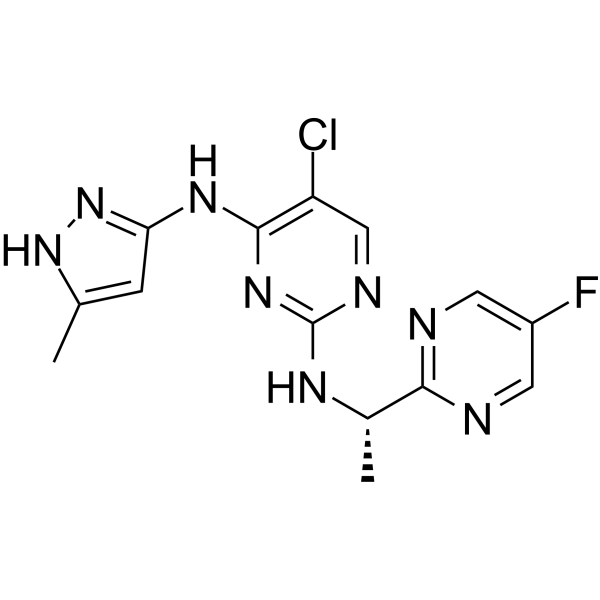
Baricitinib phosphate
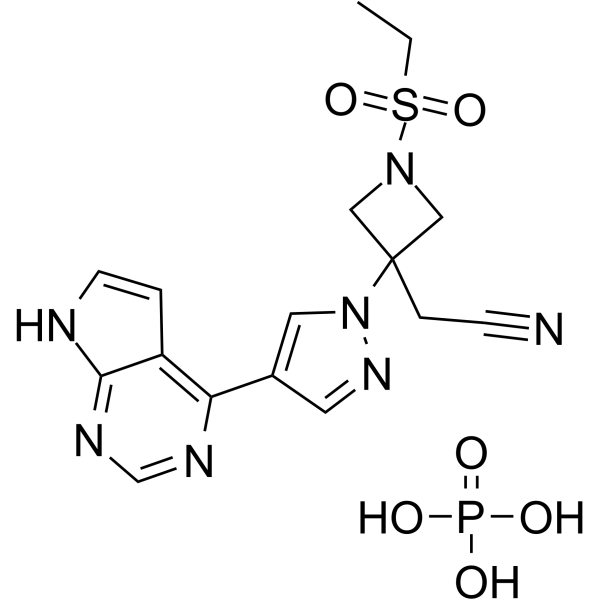 0 Images別名: LY3009104 phosphate; INCB028050 phosphate