



Upadacitinib
Based on 33 publication(s) in Google Scholar
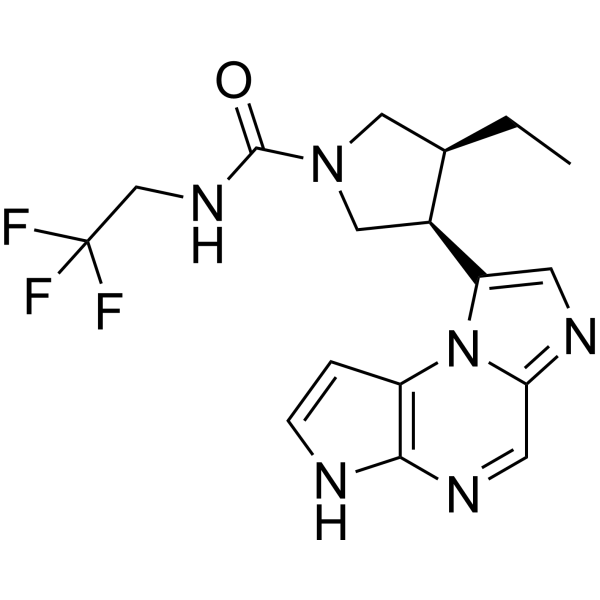
Upadacitinib (ABT-494) is a potent, orally active and selective Janus kinase 1 (JAK1) inhibitor (IC50=43 nM). Upadacitinib (ABT-494) displays approximately 74 fold selective for JAK1 over JAK2 (200 nM) in cellular assays dependent on specific, relevant cytokines. Upadacitinib (ABT-494) can be used for several autoimmune disorders research.
For research use only. We do not sell to patients.
- Purity : 99.98%
- CAS No.: 1310726-60-3
- Formula: C17H19F3N6O
- Molecular Weight:380.37
-
Storage:Powder -20°C, 3 years , 4°C, 2 years ; In solvent -80°C, 2 years , -20°C, 1 year

To place orders, for customer services and technical support, please contact: MedChemExpress USA
Tel: 609-228-6898 E-mail: [email protected] [email protected]


-
 Biological Activity
-
Chemical Information
-
Solvent & Solubility
- Purity & Documentation
- References
-
 Help & FAQs


-
HY-40354
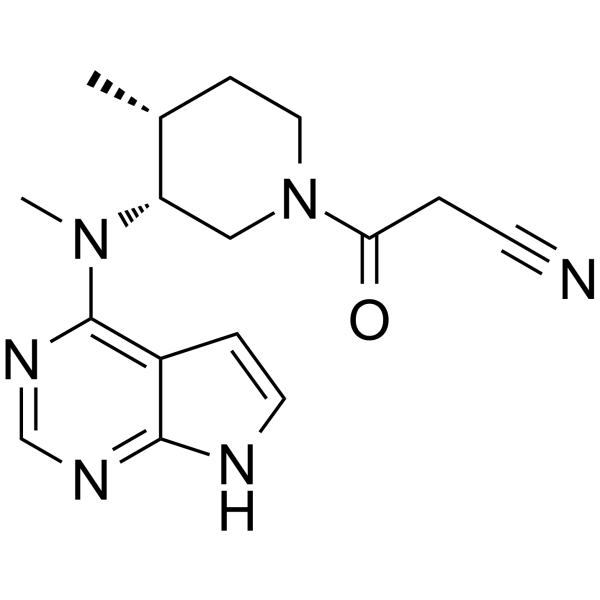
TofacitinibJAK1/JAK3 Inhibitor -
HY-15315
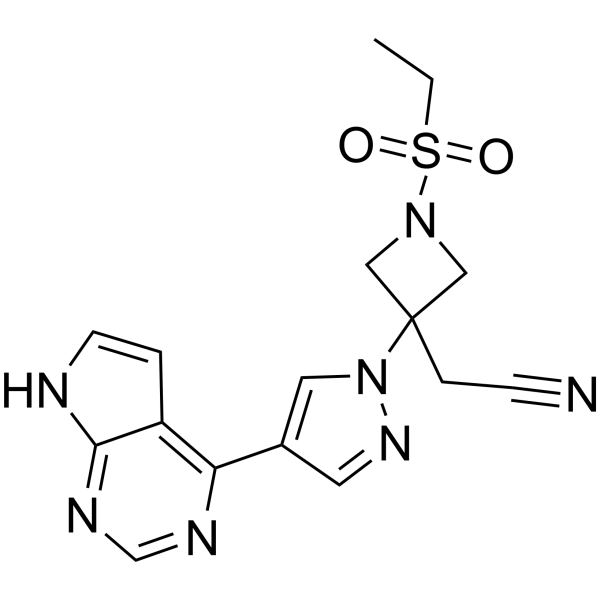
BaricitinibJAK1/2 Inhibitor -
HY-50856
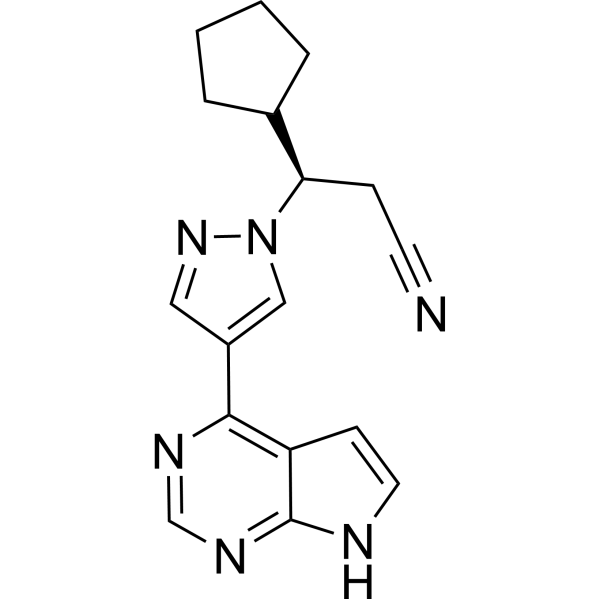
RuxolitinibJAK1/2 Inhibitor -
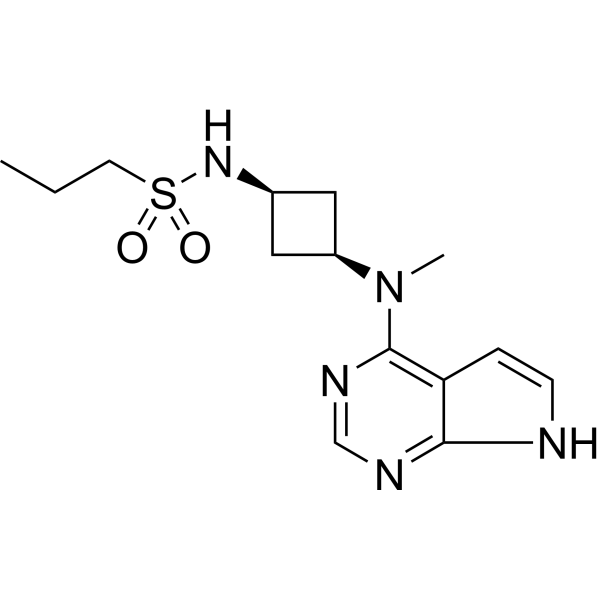
HY-107429
AbrocitinibJAK1 Inhibitor -
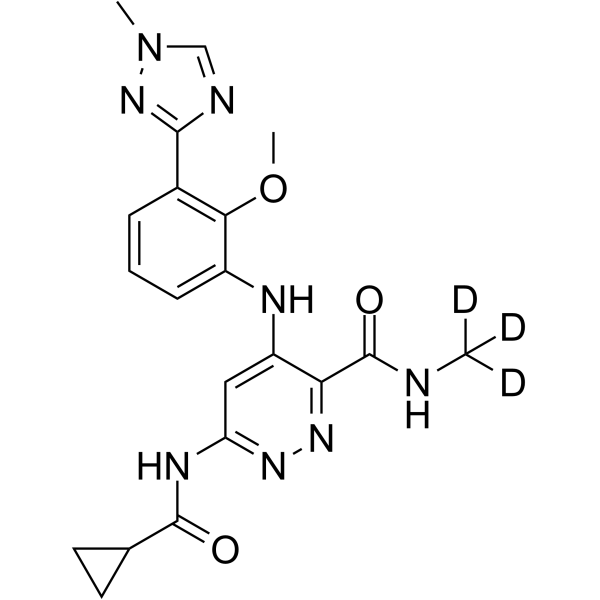
HY-117287
DeucravacitinibTYK2 Inhibitor -
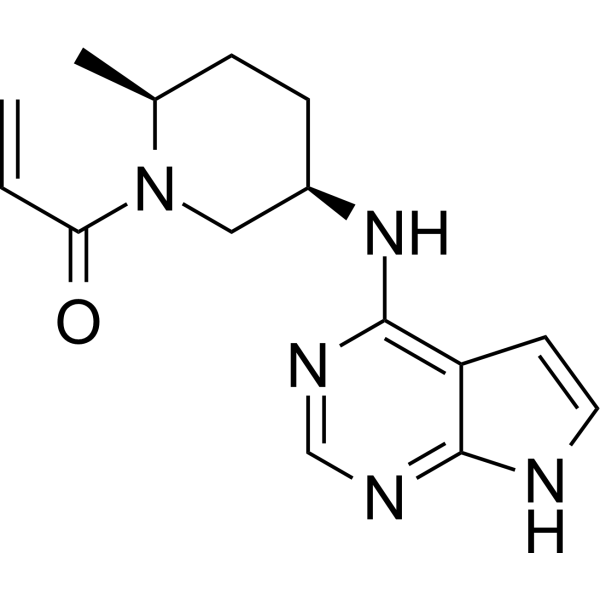
HY-100754
RitlecitinibJAK3 Inhibitor -
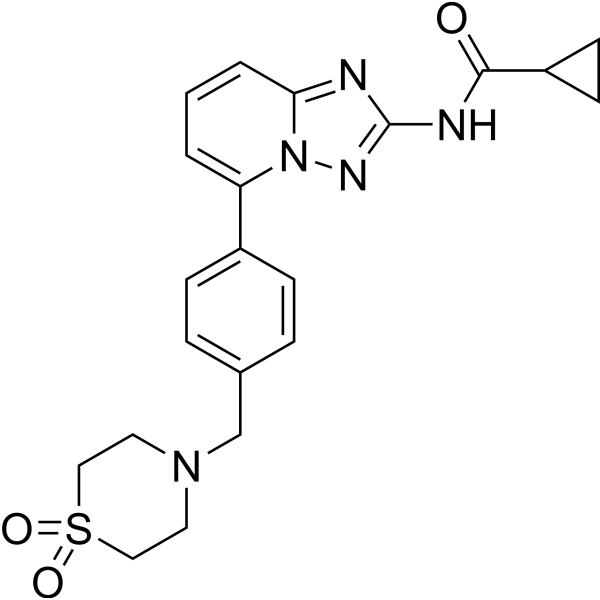
HY-18300
FilgotinibJAK1 Inhibitor -
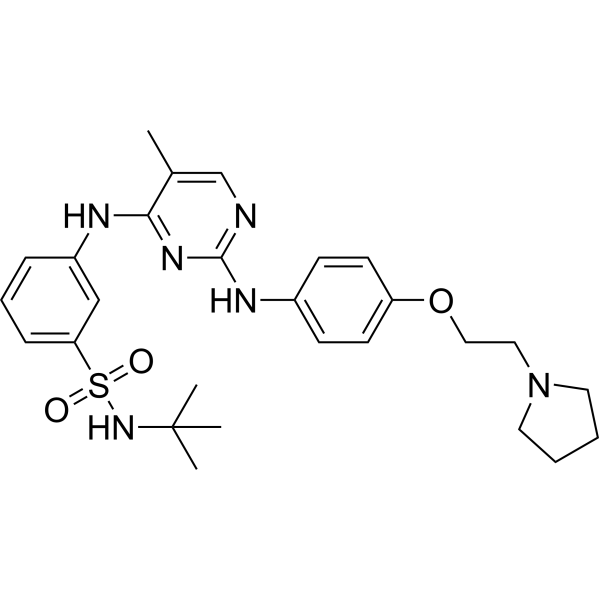
HY-10409
FedratinibJAK2 Inhibitor -
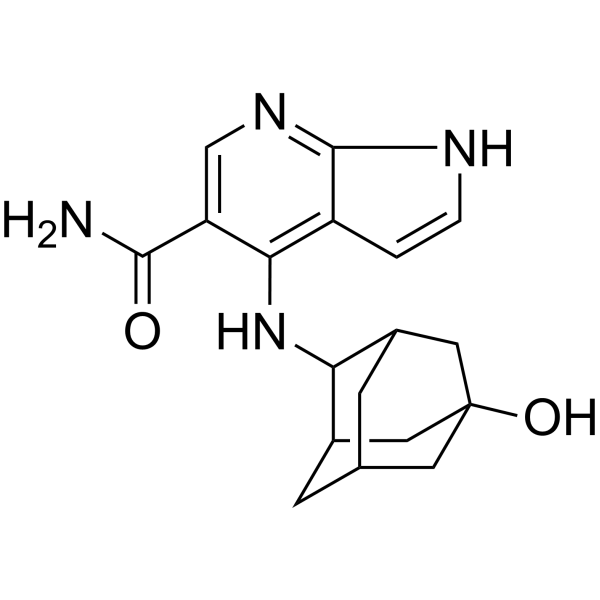
HY-19568
PeficitinibJAK Inhibitor -
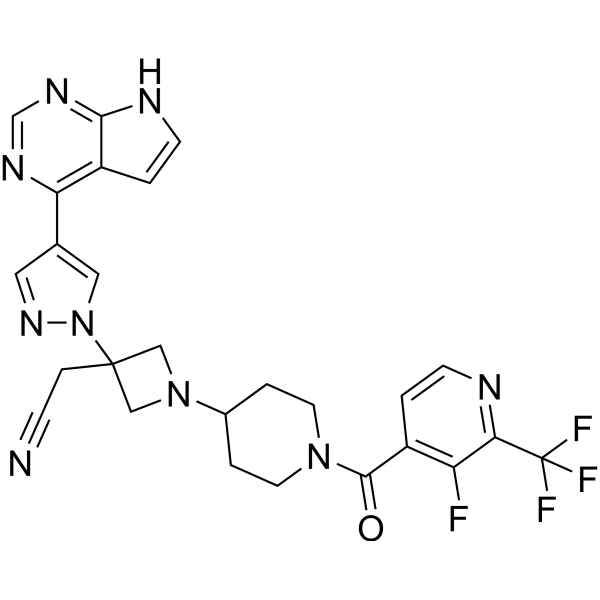
HY-16997
ItacitinibJAK1 Inhibitor -
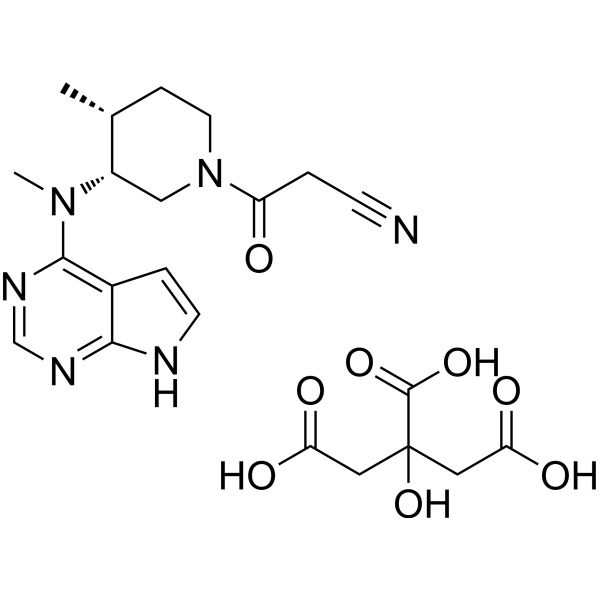
HY-40354A
Tofacitinib citrateJAK1/JAK3 Inhibitor -
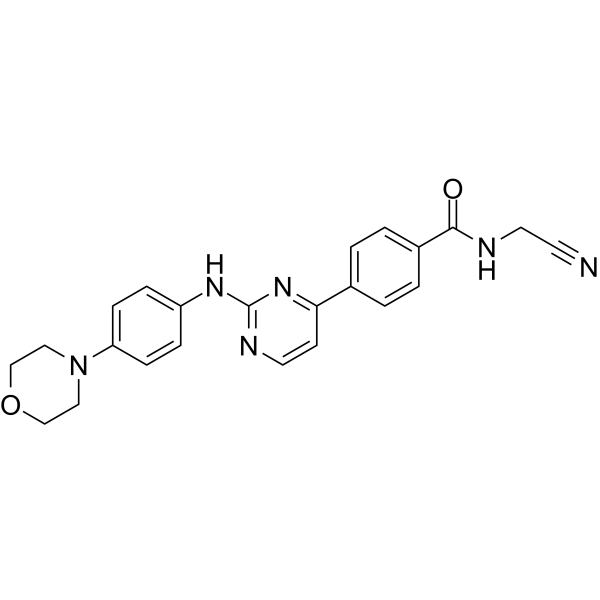
HY-10961
MomelotinibJAK1/2 Inhibitor
Publications Citing Use of MedChemExpress (MCE) Upadacitinib
More- Cell. 2024 Jan 4;187(1):44-61.e17. [Abstract]
- Ann Rheum Dis. 2025 Sep 25:S0003-4967(25)04383-3. [Abstract]
- Ann Rheum Dis. 2021 Jul;80(7):865-875. [Abstract]
- Nat Commun. 2026 Jan 22;17(1):619. [Abstract]
- Nat Commun. 2025 Jul 29;16(1):6972. [Abstract]
- Nat Commun. 2024 Aug 26;15(1):7165. [Abstract]
- J Adv Res. 2025 Mar 31:S2090-1232(25)00218-8. [Abstract]
- J Control Release. 2024 Jun:370:182-194. [Abstract]
- J Immunother Cancer. 2025 May 11;13(5):e010831. [Abstract]
- Oncogene. 2024 Oct;43(41):3062-3077. [Abstract]
- Anal Chem. 2026 Jul 28;98(29):21377-21386.
- Mol Syst Biol. 2024 Jan;20(1):28-55. [Abstract]
- CNS Neurosci Ther. 2026 Mar;32(3):e70814. [Abstract]
- Biochem Pharmacol. 2026 Nov;253(Pt 2):118367.
- Life Sci. 2025 Aug 15:375:123698. [Abstract]
- Life Sci. 2025 Aug 15:375:123744. [Abstract]
- Microchem J. 2026 Aug 7;229:119295.
- Cell Signal. 2025 Jul:131:111706. [Abstract]
- Mol Cell Biochem. 2025 Apr;480(4):2645-2660. [Abstract]
- Dermatol Ther (Heidelb). 2026 Oct 2.
- J Inflamm Res. 2025 Sep 6:18:12295-12309. [Abstract]
- iScience. 2024 Dec 10;28(1):111563. [Abstract]
- ACS Infect Dis. 2023 Dec 8;9(12):2548-2559. [Abstract]
- Biomedicines. 2021 Oct 8;9(10):1413. [Abstract]
- Am J Physiol Heart Circ Physiol. 2026 Sep 1;331(3):H894-H899. [Abstract]
- J Neuropathol Exp Neurol. 2025 Jul 23:nlaf085. [Abstract]
- Mol Biol Rep. 2026 Jul 3;53(1):1088.
- Mol Pharmacol. 2022 Jun;101(6):381-389. [Abstract]
- J Chromatogr B Analyt Technol Biomed Life Sci. 2023 Nov 15:1230:123917. [Abstract]
- bioRxiv. 2026 Apr 23.
- bioRxiv. 2025 February 21.
- Patent. US20240216454A1.
- Harvard University. 2024 May.
 Customer Validation & Images

-
ELISA
-
Cell Proliferation/Viability Assay
-
Flow Cytometry
-
RT-PCR
-
Flow Cytometry


Biological Activity
Description
IC50 & Target
[1]|
JAK1 0.043 μM (IC50) |
JAK2 0.2 μM (IC50) |
JAK3 2.3 μM (IC50) |
Tyk2 4.7 μM (IC50) |
Cellular Effect
|
Cell Line

|
Type | Value | Description | References |
|---|---|---|---|---|
| Sf21 | IC50 |
120 nM
Compound: 6
|
Inhibition of recombinant C-terminal His6-tagged human JAK2 kinase domain (808 to end residues) expressed in baculovirus-infected Sf21 cells in presence of 0.1 mM ATP
Inhibition of recombinant C-terminal His6-tagged human JAK2 kinase domain (808 to end residues) expressed in baculovirus-infected Sf21 cells in presence of 0.1 mM ATP
|
[PMID: 31318208] |
| Sf9 | IC50 |
2304 nM
Compound: 6
|
Inhibition of GST-fused recombinant human JAK3 catalytic domain (811-1103 residues) expressed in Sf9 cells in presence of 0.1 mM ATP
Inhibition of GST-fused recombinant human JAK3 catalytic domain (811-1103 residues) expressed in Sf9 cells in presence of 0.1 mM ATP
|
[PMID: 31318208] |
| Sf9 | IC50 |
47 nM
Compound: 6
|
Inhibition of GST-fused recombinant human JAK1 catalytic domain (845-1142 residues) expressed in Sf9 cells in presence of 0.1 mM ATP
Inhibition of GST-fused recombinant human JAK1 catalytic domain (845-1142 residues) expressed in Sf9 cells in presence of 0.1 mM ATP
|
[PMID: 31318208] |
In Vitro
In biochemical assays, Upadacitinib is 74-fold more selective for JAK-1 than for JAK-2 (which is involved in erythropoiesis) and 58-fold more selective for JAK-1 than for JAK-3 (which is involved in immunosurveillance)[1]. The enhanced selectivity of Upadacitinib for JAK-1 over JAK-2 and JAK-3 may offer an improved benefit–risk profile in patients with RA range[2].
MedChemExpress (MCE) has not independently confirmed the accuracy of these methods. They are for reference only.
In Vivo
MedChemExpress (MCE) has not independently confirmed the accuracy of these methods. They are for reference only.
-
Animal Model:Female Lewis rats (Rat adjuvant-induced arthritis model)[3]
-
Dosage:0.1, 0.3, 1, 3, 10 mg/kg
-
Administration:Oral gavage; twice a day for 10 days
-
Result:Inhibited disease pathology in rat adjuvant induced arthritis.
Clinical Trial
| NCT Number | Sponsor | Condition | Start Date |
Phase
|
|---|---|---|---|---|
| NCT01329991 | Plexxikon| | 2011-05 | PHASE1 |


Chemical Information
-
CAS No. 1310726-60-3
-
Appearance Solid
-
Molecular Weight 380.37
-
Formula C17H19F3N6O
-
Color White to light yellow
-
SMILES
O=C(N1C[C@@H](CC)[C@@H](C2=CN=C3C=NC(NC=C4)=C4N32)C1)NCC(F)(F)F
-
Synonyms
ABT-494
-
Shipping
Room temperature in continental US; may vary elsewhere.
-
Storage
Powder -20°C 3 years 4°C 2 years In solvent -80°C 2 years -20°C 1 year


Publications (33)
-
Journal Impact Factor
-
Most Recent
-
Cell
2024 Jan 4;187(1):44-61.e17. PMID: 38134932
Upadacitinib purchased from MedChemExpress. Usage Cited in: Cell. 2024 Jan 4;187(1):44-61.e17. [Abstract]
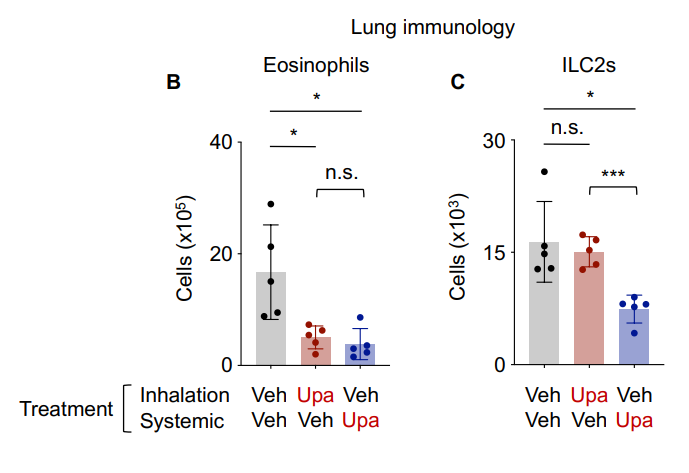
Schematic of vehicle (Veh) or Upadacitinib (Upa) (2.5 mg/kg; administered intranasally; twice daily for four consecutive days) treatment of ALT-induced allergic lung inflammation in WT mice. Flow cytometry of lung tissue from vehicle- or upadacitinib-treated mice challenged with intranasal ALT. Shown are the frequencies of ILC2s and eosinophils.
-
Ann Rheum Dis
Augmentation of immunothrombosis as a key mechanism underlying JAK inhibition associated hypercoagulability in rheumatoid arthritis. [Abstract]2025 Sep 25:S0003-4967(25)04383-3. PMID: 41006174
Upadacitinib purchased from MedChemExpress. Usage Cited in: Ann Rheum Dis. 2025 Sep 25:S0003-4967(25)04383-3. [Abstract]
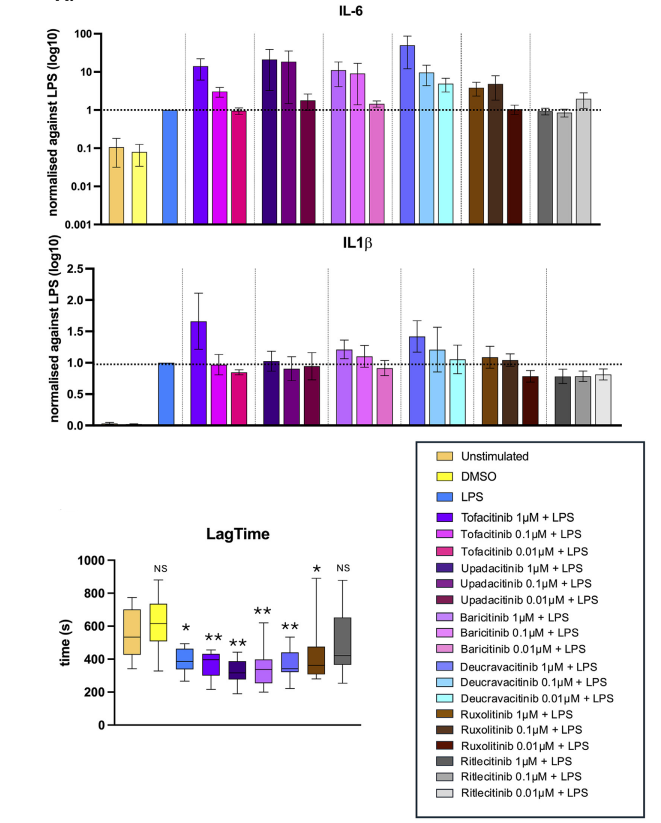
PBLs isolated from healthy participants (n = 6) were pretreated with either vehicle control (0.01% DMSO) or JAK inhibitor Upadacitinib (1 µM, 100 nM, 10 nM) before LPS stimulation. Secreted IL-6 and IL-1β were measured by ELISA 48 hours post-stimulation.
-
Ann Rheum Dis
JAK selectivity and the implications for clinical inhibition of pharmacodynamic cytokine signalling by filgotinib, upadacitinib, tofacitinib and baricitinib. [Abstract]2021 Jul;80(7):865-875. PMID: 33741556 -
Nat Commun
CDK2 inhibitor BLU-222 synergizes with CDK4/6 inhibitors in drug resistant breast cancers through p21/p27 induction. [Abstract]2026 Jan 22;17(1):619. PMID: 41571637 -
Nat Commun
Autocrine interferon poisoning mediates ADAR1-dependent synthetic lethality in BRCA1/2-mutant cancers. [Abstract]2025 Jul 29;16(1):6972. PMID: 40730818
Upadacitinib purchased from MedChemExpress. Usage Cited in: Nat Commun. 2025 Jul 29;16(1):6972. [Abstract]
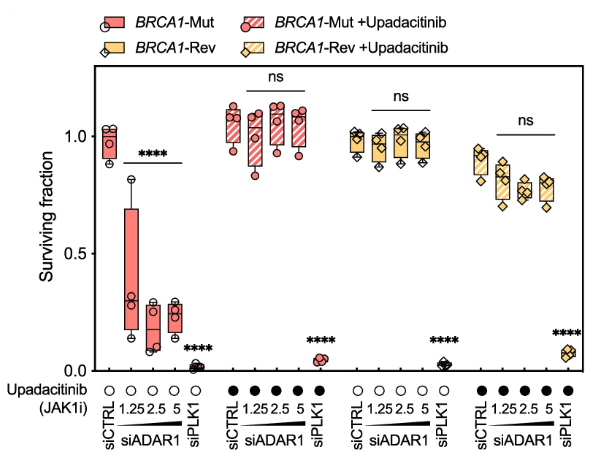
Cell survival of SUM149 BRCA1-Mut and BRCA1-Rev cells transfected with a concentration range (nM) of ADAR1 siRNA in the context of exposure to the JAK/STAT pathway inhibitor Upadacitinib ( 32 µM).
-
Nat Commun
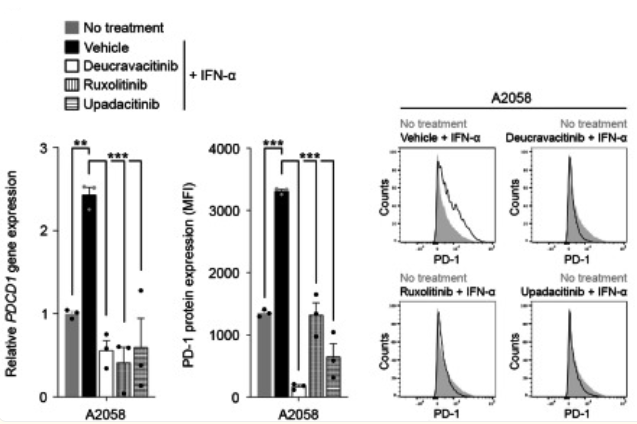
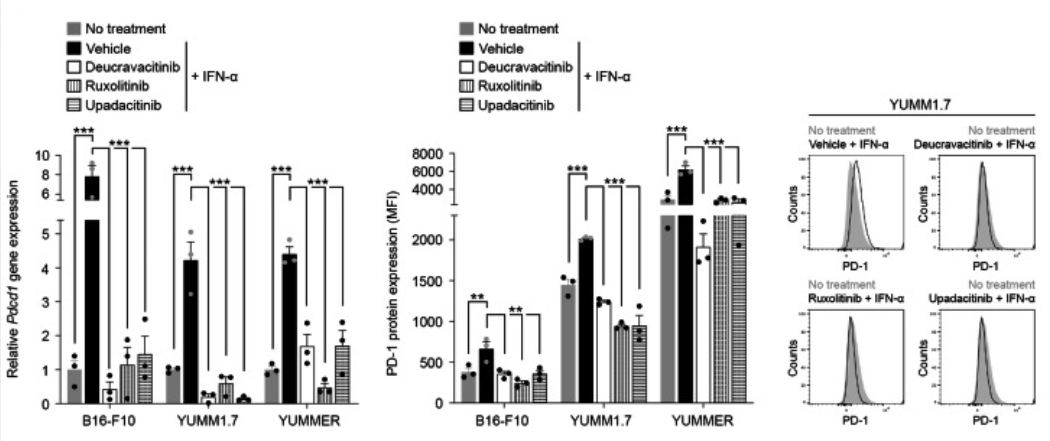
Type I interferon signaling induces melanoma cell-intrinsic PD-1 and its inhibition antagonizes immune checkpoint blockade. [Abstract]2024 Aug 26;15(1):7165. PMID: 39187481
Upadacitinib purchased from MedChemExpress. Usage Cited in: Nat Commun. 2024 Aug 26;15(1):7165. [Abstract]
Human melanoma cells pre-incubated with FDA-approved small molecule inhibitors targeting the type I interferon pathway mediators, TYK2 (Deucravacitinib) or JAK1 (Ruxolitinib or Upadacitinib (1 µM)), compared to no IFN-α treatment controls (gray bars), as determined by RT-qPCR and flow cytometry, respectively.
Upadacitinib purchased from MedChemExpress. Usage Cited in: Nat Commun. 2024 Aug 26;15(1):7165. [Abstract]
Mouse melanoma cells pre-incubated with FDA-approved small molecule inhibitors targeting the type I interferon pathway mediators, TYK2 (Deucravacitinib) or JAK1 (Ruxolitinib or Upadacitinib (1 µM)), compared to no IFN-α treatment controls (gray bars), as determined by RT-qPCR and flow cytometry, respectively.
-
J Adv Res
Metformin attenuates colitis via blocking STAT3 acetylation by reducing acetyl-CoA production. [Abstract]2025 Mar 31:S2090-1232(25)00218-8. PMID: 40174640 -
J Control Release
Can in vitro/in silico tools improve colonic concentration estimations for oral extended-release formulations? A case study with upadacitinib. [Abstract]2024 Jun:370:182-194. PMID: 38641022 -
J Immunother Cancer
Combinatorial treatment with upadacitinib abrogates systemic toxicity of a tumor-targeted IL-2 fusion protein. [Abstract]2025 May 11;13(5):e010831. PMID: 40350206 -
Oncogene
RBM12 drives PD-L1-mediated immune evasion in hepatocellular carcinoma by increasing JAK1 mRNA translation. [Abstract]2024 Oct;43(41):3062-3077. PMID: 39187545 -
-
Mol Syst Biol
Illuminating phenotypic drug responses of sarcoma cells to kinase inhibitors by phosphoproteomics. [Abstract]2024 Jan;20(1):28-55. PMID: 38177929 -
CNS Neurosci Ther
ShenQi DiHuang Decoction (SQDHD) Ameliorates Neuroinflammation and Neuropsychiatric Manifestations in Pristane Induced Lupus Mice via Blocking JAK1-STAT3 Pathway. [Abstract]2026 Mar;32(3):e70814. PMID: 41795136 -
-
Life Sci
OASL activates MAPK to drive psoriatic pathogenesis: Astilbin targeting this axis improves metabolic-inflammation crosstalk. [Abstract]2025 Aug 15:375:123698. PMID: 40360089 -
Life Sci
Glucocorticoid reduces mortality in LPS-induced sepsis mouse model by inhibiting JAK1/STAT3-mediated inflammatory response and restoring tricarboxylic acid cycle. [Abstract]2025 Aug 15:375:123744. PMID: 40408938 -
-
Cell Signal
Paeoniflorin-6'-O-benzene sulfonate inhibits keratinocyte proliferation by restoring GRK2-JAK1 colocalization in mouse model of psoriasis. [Abstract]2025 Jul:131:111706. PMID: 40037425 -
Mol Cell Biochem
Amyloid beta-induced signalling in leptomeningeal cells and its impact on astrocyte response. [Abstract]2025 Apr;480(4):2645-2660. PMID: 39499391 -
-
J Inflamm Res
Downregulation of IFIT3 Relieves the Inflammatory Response in Ulcerative Colitis via Selectively Regulating Macrophage M1 Polarization and the STAT1/2 Signaling Pathway. [Abstract]2025 Sep 6:18:12295-12309. PMID: 40951449 -
iScience
2024 Dec 10;28(1):111563. PMID: 39868044 -
ACS Infect Dis
Treponema pallidum Promotes the Polarization of M2 Subtype Macrophages to M1 Subtype Mediating the Apoptosis and Inhibiting the Angiogenesis of Human Umbilical Vein Endothelial Cells. [Abstract]2023 Dec 8;9(12):2548-2559. PMID: 37983134 -
Biomedicines
Targeting of Janus Kinases Limits Pro-Inflammatory but Also Immunosuppressive Circuits in the Crosstalk between Synovial Fibroblasts and Lymphocytes. [Abstract]2021 Oct 8;9(10):1413. PMID: 34680530 -
Am J Physiol Heart Circ Physiol
Anti-TNF, pan-JAK, and JAK1-selective inhibition differentially alter mechanisms of flow-mediated dilation in human microvessels. [Abstract]2026 Sep 1;331(3):H894-H899. PMID: 42552281 -
J Neuropathol Exp Neurol
Sodium butyrate improves the effects of brain injury in a small-for-gestational-age rat model by activating the JAK1/STAT3 pathway. [Abstract]2025 Jul 23:nlaf085. PMID: 40700463 -
-
Mol Pharmacol
Influence of Tyrosine Kinase Inhibition on Organic Anion Transporting Polypeptide 1B3-Mediated Uptake. [Abstract]2022 Jun;101(6):381-389. PMID: 35383108 -
J Chromatogr B Analyt Technol Biomed Life Sci
Development and validation of a multiplex HPLC-MS/MS assay for the monitoring of JAK inhibitors in patient plasma. [Abstract]2023 Nov 15:1230:123917. PMID: 37956468 -
-
-
-


Solvent & Solubility
In Vitro:
DMSO : 100 mg/mL (262.90 mM; Need ultrasonic; Hygroscopic DMSO has a significant impact on the solubility of product, please use newly opened DMSO)
Please refer to the solubility information to select the appropriate solvent. Once prepared, please aliquot and store the solution to prevent product inactivation from repeated freeze-thaw cycles.
Storage method and period of stock solution: -80°C, 2 years; -20°C, 1 year. When stored at -80°C, please use it within 2 years. When stored at -20°C, please use it within 1 year.
Please refer to the solubility information to select the appropriate solvent. Once prepared, please aliquot and store the solution to prevent product inactivation from repeated freeze-thaw cycles.
Storage method and period of stock solution: -80°C, 2 years; -20°C, 1 year. When stored at -80°C, please use it within 2 years. When stored at -20°C, please use it within 1 year.
Concentration (start) × Volume (start) = Concentration (final) × Volume (final)
In Vivo:
Select the appropriate dissolution method based on your experimental animal and administration route.
- For the following dissolution methods, please ensure to first prepare a clear stock solution using an In Vitro approach and then sequentially add co-solvents:
- To ensure reliable experimental results, the clarified stock solution can be appropriately stored based on storage conditions. As for the working solution for In Vivo experiments, it is recommended to prepare freshly and use it on the same day.
- The percentages shown for the solvents indicate their volumetric ratio in the final prepared solution. If precipitation or phase separation occurs during preparation, heat and/or sonication can be used to aid dissolution.
Add each solvent one by one: 10% DMSO 40% PEG300 5% Tween-80 45% Saline
Solubility: ≥ 1.67 mg/mL (4.39 mM); Clear solution
This protocol yields a clear solution of ≥ 1.67 mg/mL (saturation unknown).
Taking 1 mL working solution as an example, add 100 μL DMSO stock solution (16.7 mg/mL) to 400 μL PEG300, and mix evenly; then add 50 μL Tween-80 and mix evenly; then add 450 μL Saline to adjust the volume to 1 mL.
Preparation of Saline: Dissolve 0.9 g sodium chloride in ddH₂O and dilute to 100 mL to obtain a clear Saline solution.
Add each solvent one by one: 10% DMSO 90% (20% SBE-β-CD in Saline)
Solubility: ≥ 1.67 mg/mL (4.39 mM); Clear solution
This protocol yields a clear solution of ≥ 1.67 mg/mL (saturation unknown).
Taking 1 mL working solution as an example, add 100 μL DMSO stock solution (16.7 mg/mL) to 900 μL 20% SBE-β-CD in Saline, and mix evenly.
Preparation of 20% SBE-β-CD in Saline (4°C, storage for one week): 2 g SBE-β-CD powder is dissolved in 10 mL Saline, completely dissolve until clear.
Add each solvent one by one: 1% DMSO 99% Saline
Solubility: ≥ 0.55 mg/mL (1.45 mM); Clear solution
In Vivo Dissolution Calculator
Please enter the basic information of animal experiments:
-
-
-
-
Recommended: Prepare an additional quantity of animals to account for potential losses during experiments.
Please enter your animal formula composition:
-
%DMSO +
Recommended: Keep the proportion of DMSO in working solution below 2% if your animal is weak.
-
%+
-
+%Tween-80 + +
-
%Saline +
The co-solvents required include: DMSO, . All of co-solvents are available by MedChemExpress (MCE). , Tween 80. All of co-solvents are available by MedChemExpress (MCE).
Working solution concentration: 0.22 mg/mL
Method for preparing stock solution: mg drug dissolved in μL DMSO. Stock solution concentration: mg/mL.
1. Take μL DMSO stock solution;
2. Add μL .
μL , mix evenly;
3. Then add μL Tween 80, mix evenly;
4. Then add μL
Please ensure that the stock solution in the first step is dissolved to a clear state, and add co-solvents in sequence. You can use ultrasonic heating (ultrasonic cleaner, recommended frequency 20-40 kHz), vortexing, etc. to assist dissolution.


Purity & Documentation
-
Data Sheet (280 KB)
-
SDS (393 KB)
- English - EN (393 KB)
- Français - FR (393 KB)
- Deutsch - DE (393 KB)
- Norwegian - NO (393 KB)
- Español - ES (393 KB)
- Swedish - SV (393 KB)
- Italian - IT (393 KB)
- Korean - KR (393 KB)
- Portuguese - PT (393 KB)
-
Handling Instructions (2659 KB)
References
[1]. Nakayamada S, et al. Recent Progress in JAK Inhibitors for the Treatment of Rheumatoid Arthritis. BioDrugs. 2016 Oct;30(5):407-419. [Content Brief]
[3]. Parmentier JM, et al. In vitro and in vivo characterization of the JAK1 selectivity of upadacitinib (ABT-494). BMC Rheumatol. 2018 Aug 28;2:23. [Content Brief]


Complete Stock Solution Preparation Table
Please refer to the solubility information to select the appropriate solvent. Once prepared, please aliquot and store the solution to prevent product inactivation from repeated freeze-thaw cycles.
Storage method and period of stock solution: -80°C, 2 years; -20°C, 1 year. When stored at -80°C, please use it within 2 years. When stored at -20°C, please use it within 1 year.
| Optional Solvent | Concentration Solvent Mass | 1 mg | 5 mg | 10 mg | 25 mg |
|---|---|---|---|---|---|
| DMSO | 1 mM | 2.6290 mL | 13.1451 mL | 26.2902 mL | 65.7255 mL |
| 5 mM | 0.5258 mL | 2.6290 mL | 5.2580 mL | 13.1451 mL | |
| 10 mM | 0.2629 mL | 1.3145 mL | 2.6290 mL | 6.5725 mL | |
| 15 mM | 0.1753 mL | 0.8763 mL | 1.7527 mL | 4.3817 mL | |
| 20 mM | 0.1315 mL | 0.6573 mL | 1.3145 mL | 3.2863 mL | |
| 25 mM | 0.1052 mL | 0.5258 mL | 1.0516 mL | 2.6290 mL | |
| 30 mM | 0.0876 mL | 0.4382 mL | 0.8763 mL | 2.1908 mL | |
| 40 mM | 0.0657 mL | 0.3286 mL | 0.6573 mL | 1.6431 mL | |
| 50 mM | 0.0526 mL | 0.2629 mL | 0.5258 mL | 1.3145 mL | |
| 60 mM | 0.0438 mL | 0.2191 mL | 0.4382 mL | 1.0954 mL | |
| 80 mM | 0.0329 mL | 0.1643 mL | 0.3286 mL | 0.8216 mL | |
| 100 mM | 0.0263 mL | 0.1315 mL | 0.2629 mL | 0.6573 mL |


Upadacitinib Related Classifications
HY-19569 Related Classifications
 Powered by Bioz