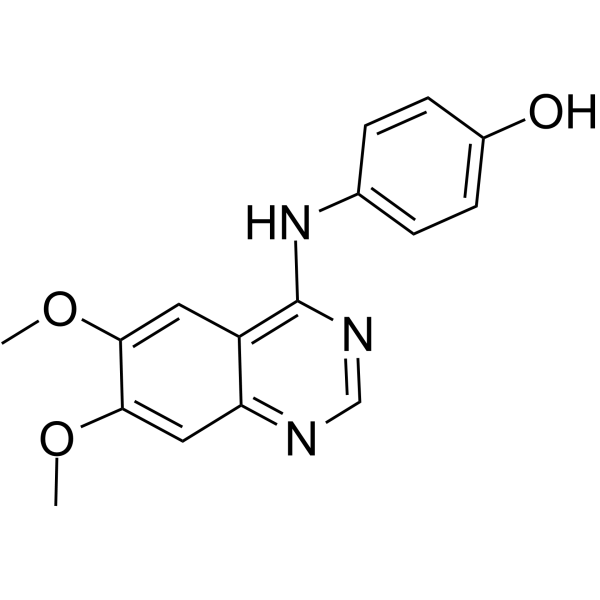
JAK3
Janus kinase 3 (JAK3) is a non-receptor tyrosine kinase of the JAK family that mediates cytokine receptor signaling and transduces extracellular immune signals through the JAK/STAT signaling pathway[1]. JAK3 functions downstream of cytokine receptors and participates in receptor-associated signaling events that regulate immune cell development, activation, and homeostasis through STAT phosphorylation and transcriptional regulation[1][2]. Mechanistically, cytokine-induced receptor dimerization activates JAK proteins, leading to receptor phosphorylation, STAT recruitment, STAT activation, and subsequent regulation of target gene expression involved in immunity and inflammatory responses[2][3]. In disease contexts, dysregulated JAK/STAT signaling is associated with immune-mediated disorders and inflammatory diseases, making JAK family members important therapeutic targets for pathway modulation[2][3]. Compared with the broadly expressed isoforms JAK1, JAK2, and TYK2, JAK3 exhibits a more restricted expression pattern and is primarily produced in hematopoietic and lymphoid cells, providing a key biological distinction among JAK family members[2][3]. This lineage-associated distribution links JAK3 more closely to adaptive immune regulation and supports its relevance in immune system research models[3]. For experimental applications, JAK3 has attracted substantial interest as a drug target because selective inhibition of cytokine-triggered JAK/STAT signaling can modulate immune responses while exploiting the relatively restricted cellular distribution of this isoform[3][4]. Consequently, the development of selective JAK3 inhibitors continues to provide valuable tools for investigating cytokine signaling mechanisms and immune-related disease biology[3][4].
References:
- [1]. Kawamura M, et al. Molecular cloning of L-JAK, a Janus family protein-tyrosine kinase expressed in natural killer cells and activated leukocytes. Proc Natl Acad Sci U S A. 1994 Jul 5;91(14):6374-8. [Content Brief]
- [2]. Hu X, et al. The JAK/STAT signaling pathway: from bench to clinic. Signal Transduct Target Ther. 2021 Nov 26;6(1):402. [Content Brief]
- [3]. Kwon S. Molecular dissection of Janus kinases as drug targets for inflammatory diseases. Front Immunol. 2022 Dec 8;13:1075192. doi: 10.3389/fimmu.2022.1075192. PMID: 36569926; PMCID: PMC9773558. et al. Molecular dissection of Janus kinases as drug targets for inflammatory diseases. Front Immunol. 2022 Dec 8;13:1075192. [Content Brief]
- [4]. Chen C, et al. A highly selective JAK3 inhibitor is developed for treating rheumatoid arthritis by suppressing γc cytokine-related JAK-STAT signal. Sci Adv. 2022 Aug 19;8(33):eabo4363. [Content Brief]
-
JAK3 Related Products (157)
Related Products (157)

-
Ruxolitinib
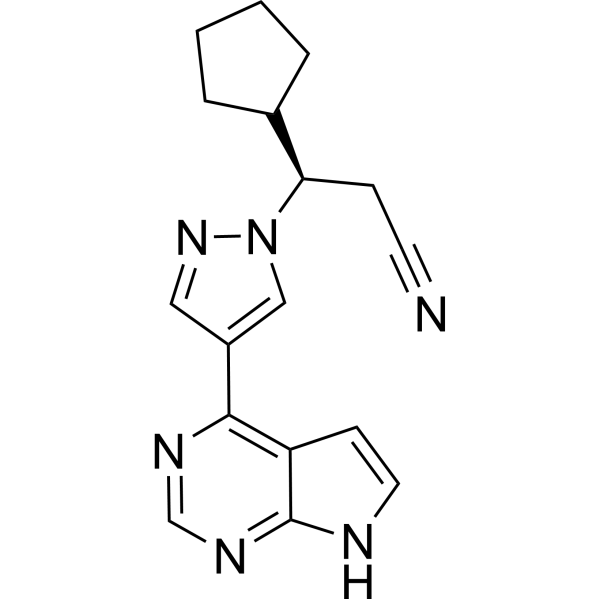 0 ImagesSynonyms: INCB18424
-
Tofacitinib
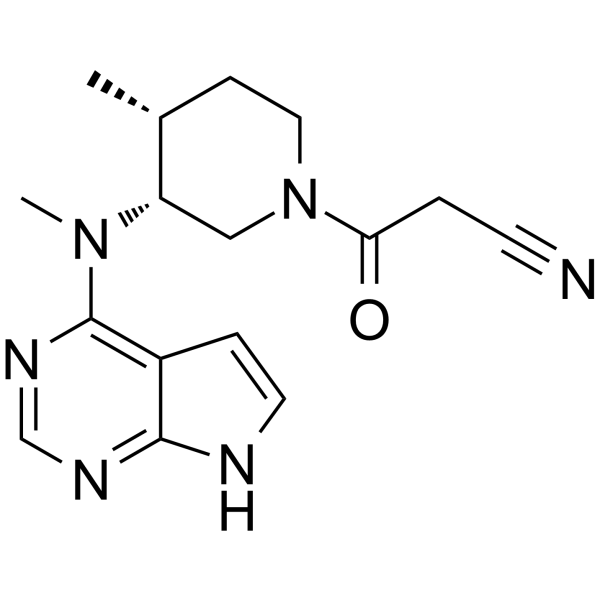 0 ImagesSynonyms: Tasocitinib; CP-690550Tofacitinib (Tasocitinib) is an orally active, blood-brain barrier permeable selective inhibitor of JAK1/JAK3. Tofacitinib blocks the JAK-STAT/NF-κB signaling pathway, inhibits cytokine signal transduction, phosphorylation of STAT1/STAT5, and suppresses innate and adaptive immune responses. Tofacitinib can be used in research related to major depressive disorder, rheumatoid arthritis, pulmonary diseases, systemic lupus erythematosus, and immune-mediated liver injury.
-
Upadacitinib
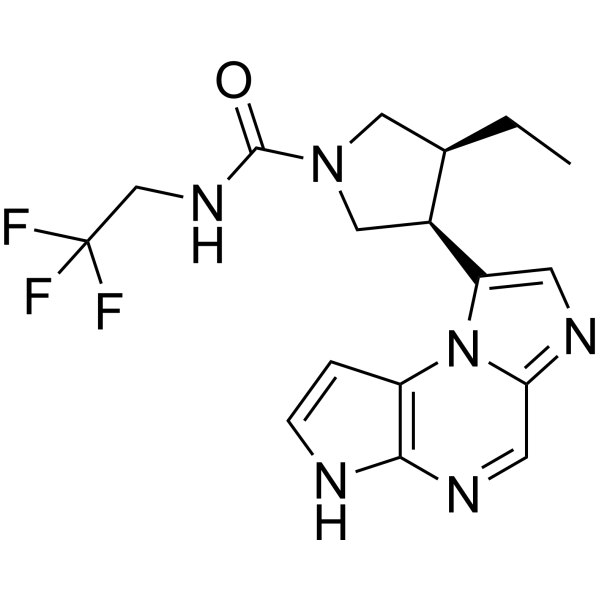 0 ImagesSynonyms: ABT-494Upadacitinib (ABT-494) is a potent, orally active and selective Janus kinase 1 (JAK1) inhibitor (IC50=43 nM). Upadacitinib (ABT-494) displays approximately 74 fold selective for JAK1 over JAK2 (200 nM) in cellular assays dependent on specific, relevant cytokines. Upadacitinib (ABT-494) can be used for several autoimmune disorders research.
-
Baricitinib
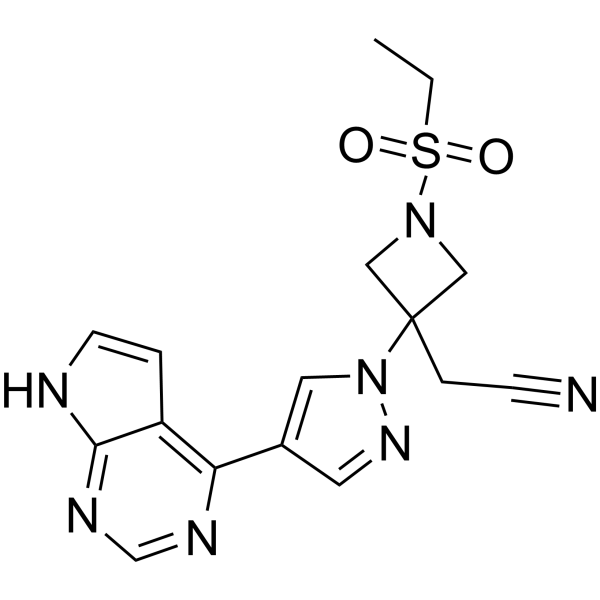 0 ImagesSynonyms: LY3009104; INCB028050
-
Tofacitinib citrate
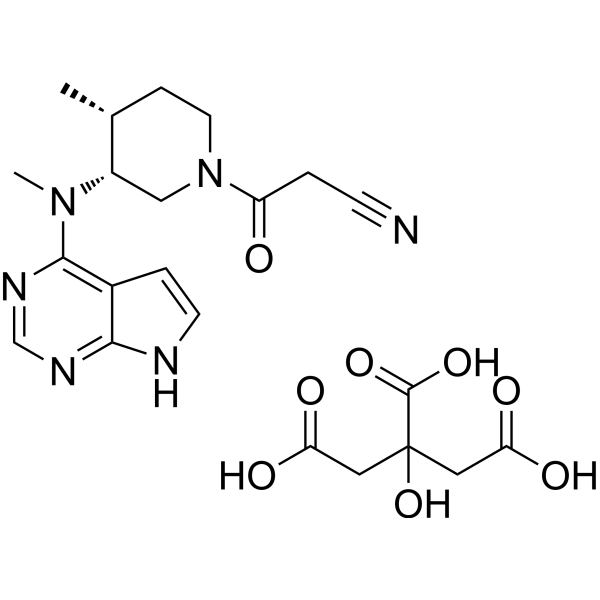 0 ImagesSynonyms: Tasocitinib citrate; CP-690550 citrateTofacitinib citrate (Tasocitinib citrate) is an orally active, blood-brain barrier permeable selective inhibitor of JAK1/JAK3. Tofacitinib citrate blocks the JAK-STAT/NF-κB signaling pathway, inhibits cytokine signal transduction, phosphorylation of STAT1/STAT5, and suppresses innate and adaptive immune responses. Tofacitinib citrate can be used in research related to major depressive disorder, rheumatoid arthritis, pulmonary diseases, systemic lupus erythematosus, and immune-mediated liver injury.
-
Ritlecitinib
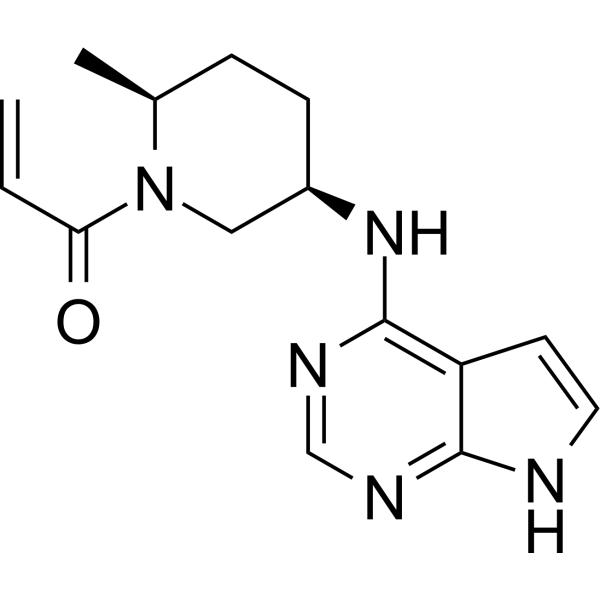 0 ImagesSynonyms: PF-06651600Ritlecitinib (PF-06651600) is a highly selective, orally active, irreversible covalent JAK3 inhibitor (IC50=33 nM) without inhibitory activity towards JAK1, JAK2, and TYK2 (IC50 >10 μ M). Ritlecitinib rapidly inactivates the JAK3 kinase, and blocks signaling and downstream STAT phosphorylation mediated by common gamma chain cytokines such as IL-2 and IL-15. Ritlecitinib can inhibit Th1/Th17 cell differentiation and function, and effectively suppress preclinical animal models such as alopecia areata, adjuvant-induced arthritis (AIA), and experimental autoimmune encephalomyelitis (EAE).
-
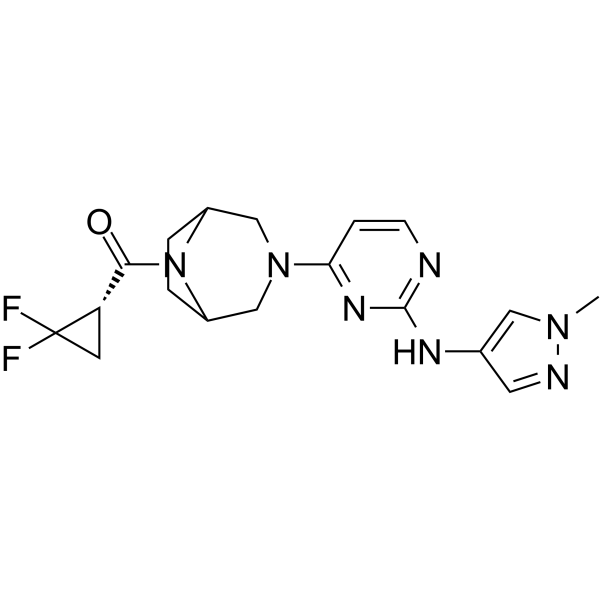
Filgotinib
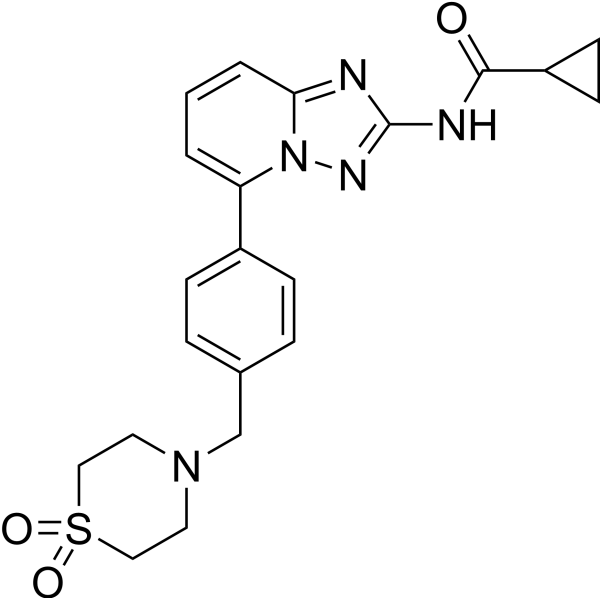 0 ImagesSynonyms: GLPG0634Filgotinib (GLPG0634) is a selective, orally available JAK1 inhibitor with anti-inflammatory and antiviral activities. Filgotinib can effectively inhibit the activities of JAK1, JAK2, JAK3 and TYK2 with IC50 values of 10 nM, 28 nM, 810 nM and 116 nM, respectively. Filgotinib also inhibits HIV-1 driven gene transcription and reduces proliferation of HIV-1 infected cells. Filgotinib can be used in the study of rheumatoid arthritis and inflammatory bowel disease.
-
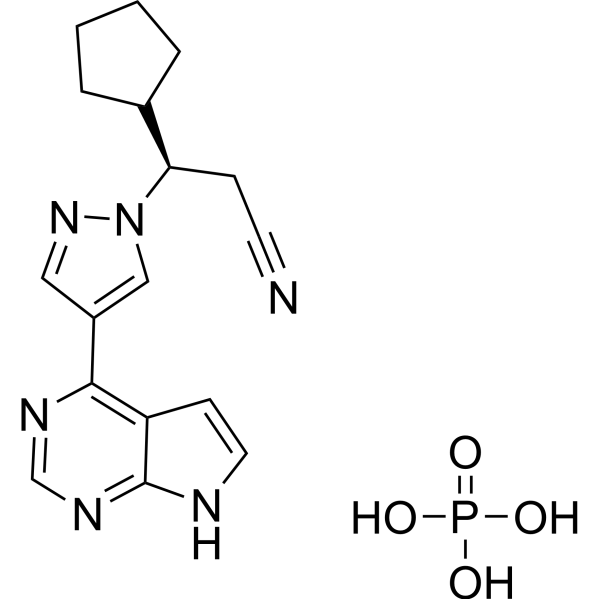
Baricitinib phosphate
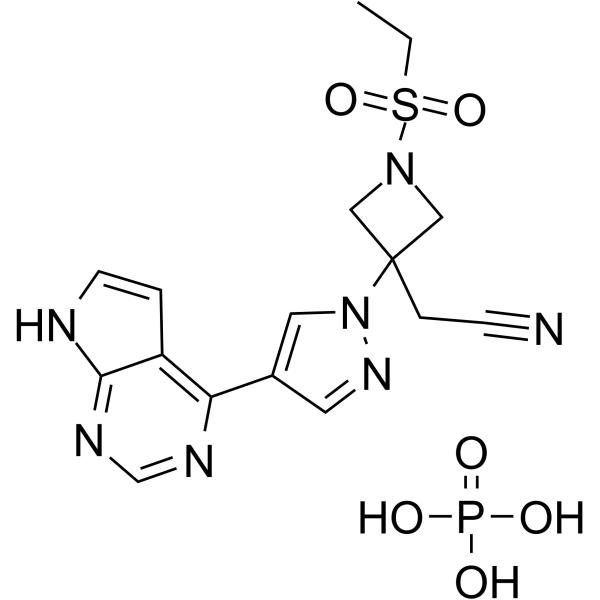 0 ImagesSynonyms: LY3009104 phosphate; INCB028050 phosphate
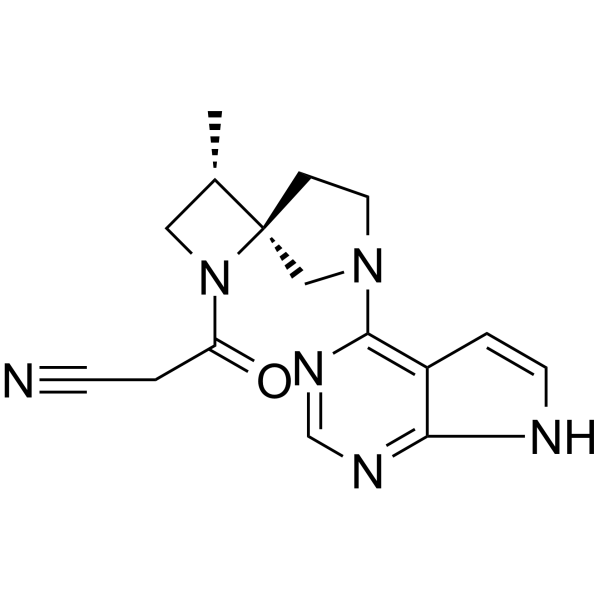
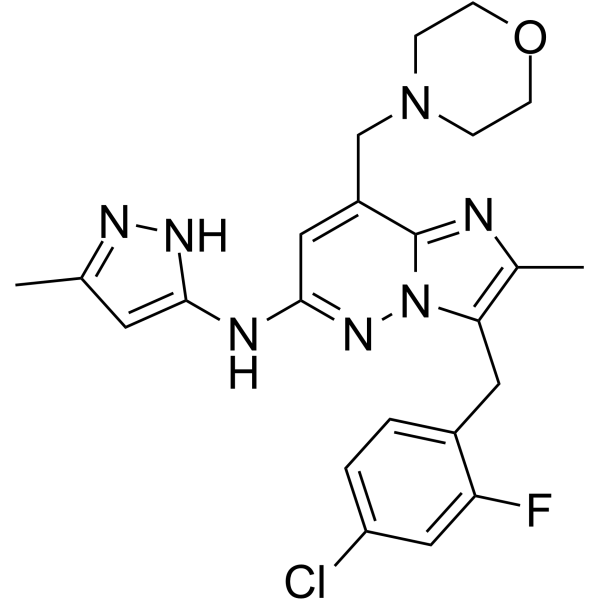
-
BD750
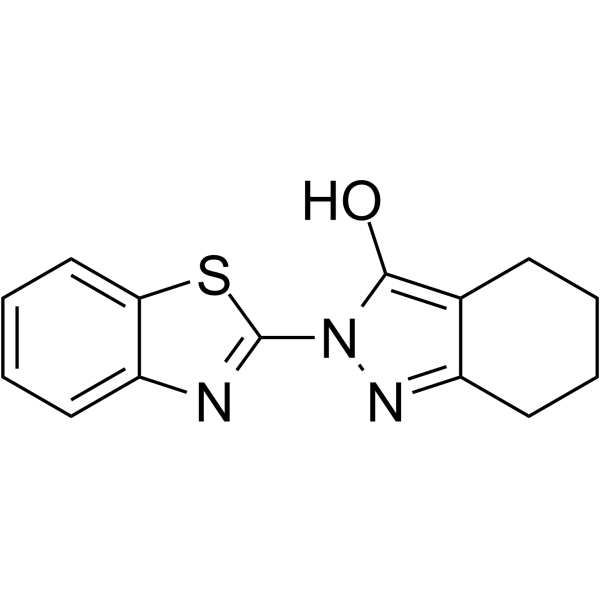 0 ImagesBD750, an effective immunosuppressant and a JAK3/STAT5 inhibitor, inhibits IL-2-induced JAK3/STAT5-dependent T cell proliferation, with IC50 values of 1.5 μM and 1.1 μM in mouse and human T cells, respectively.
-
Oclacitinib
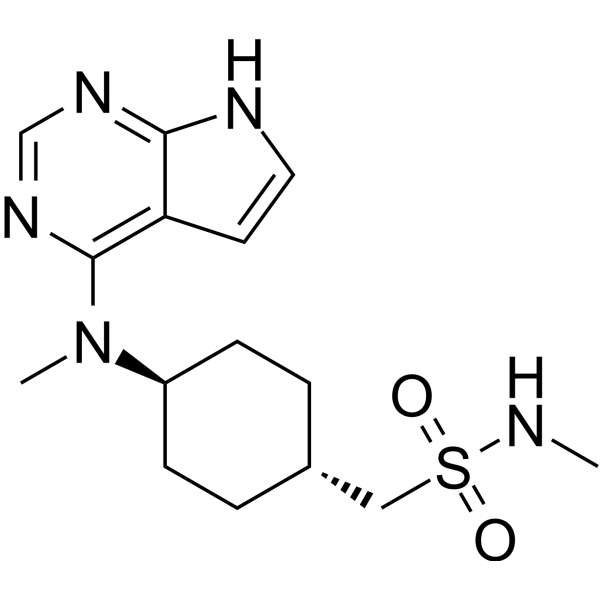 0 ImagesSynonyms: PF-03394197