Topics

Immunology

Immunology is a core branch of life sciences that studies the body’s recognition of “self” versus “non-self”, defense against pathogenic invasion, and clearance of abnormal cells such as tumor cells. Its theoretical system spans multiple dimensions, ranging from macroscopic antiinfective immune responses to microscopic lymphocyte receptor gene rearrangement and sophisticated intracellular signal transduction, rendering it one of the most pivotal pillar disciplines of modern biomedicine.

The immune system is organically composed of immune organs, immune cells and immuneactive substances. Among them, immune cells serve as the core functional mediators of immune effects. Based on response patterns, immune cells are categorized into two major groups: innate immune cells and adaptive immune cells:

1.Innate immunity: It constitutes the first barrier of host immune defense. Mediated by macrophages, dendritic cells (DCs), natural killer (NK) cells and others, it triggers rapid nonspecific immune responses and acts as the main force for early host resistance against pathogenic invasion.

2.Adaptive immunity: Centered on T cells and B cells, it leverages the V(D)J recombination mechanism of antigen receptor genes to generate an extremely diverse antigen receptor repertoire, endowing the host with highspecificity recognition of target antigens.

Immune cells express characteristic surface markers throughout their development, differentiation and activation. These molecules possess two core functions: first, they act as critical phenotypic references for identifying cell subsets, judging differentiation stages and evaluating activation status; second, they directly mediate signal reception and intercellular crosstalk to regulate the effector functions of immune cells.

In innate immunity, macrophages and dendritic cells recognize danger signals via patternrecognition receptors to initiate early defense and bridge adaptive immunity through antigen presentation. NK cells exert cytotoxic killing against infected and tumor target cells without prior sensitization. In adaptive immunity, T cells differentiate into functional subsets including helper T cells and cytotoxic T cells, which are responsible for immune microenvironment modulation and specific targetcell elimination respectively. Upon activation, B cells differentiate into plasma cells that secrete antibodies, or into memory B cells to establish longterm immune memory. Through mutual synergy and negative regulation, diverse immune cells collectively maintain core physiological functions such as antiinfection, antitumor immunity and immune tolerance. Disruption of this functional homeostasis will directly lead to a spectrum of pathological alterations, including persistent infection, autoimmune diseases and tumor immune escape.


Human PBMC Immune Cell Subset Classification[1]

MCE Validated Dataset


Customer Validated Data

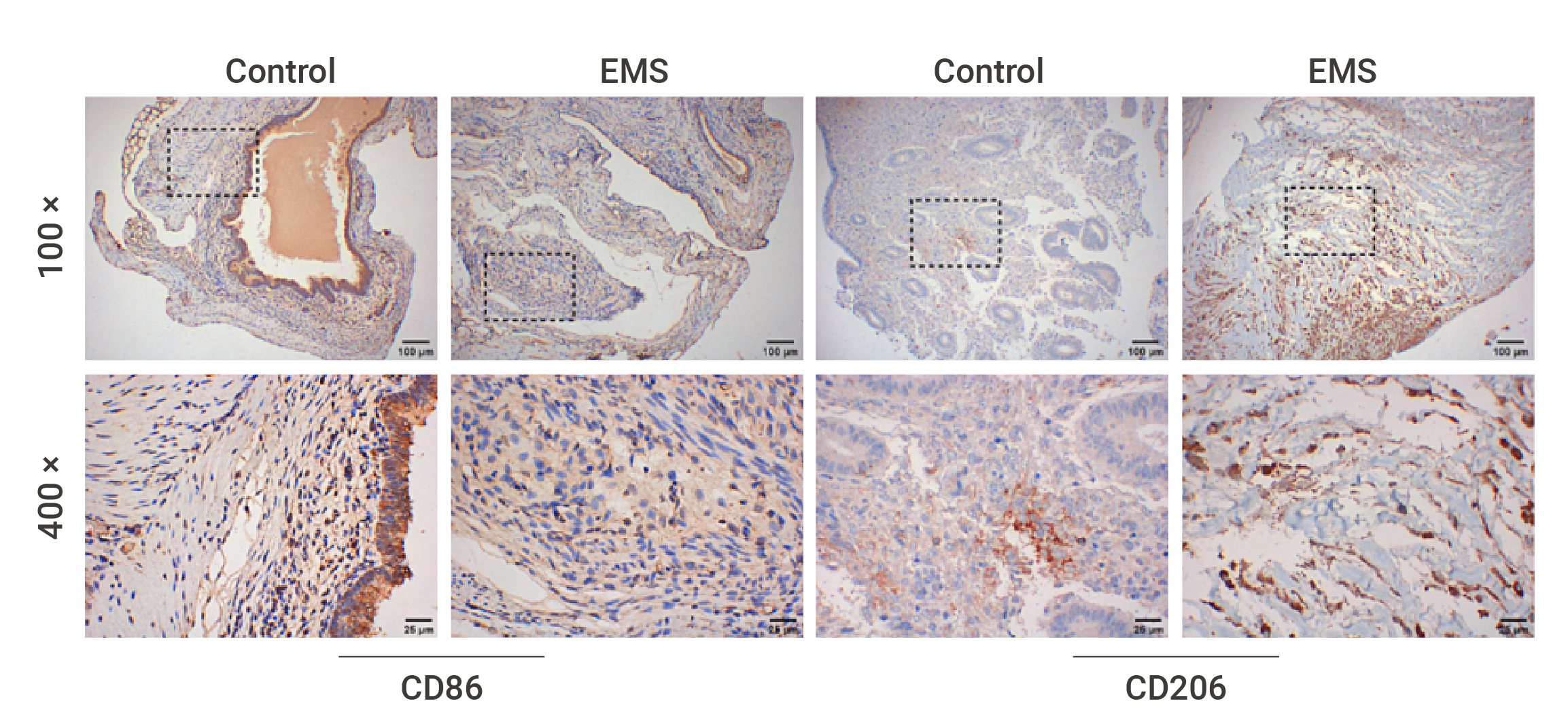
1.HY-P80609  CD86 Antibody 

Usage Cited in: Cell Signal. 2025 Oct:134:111922.

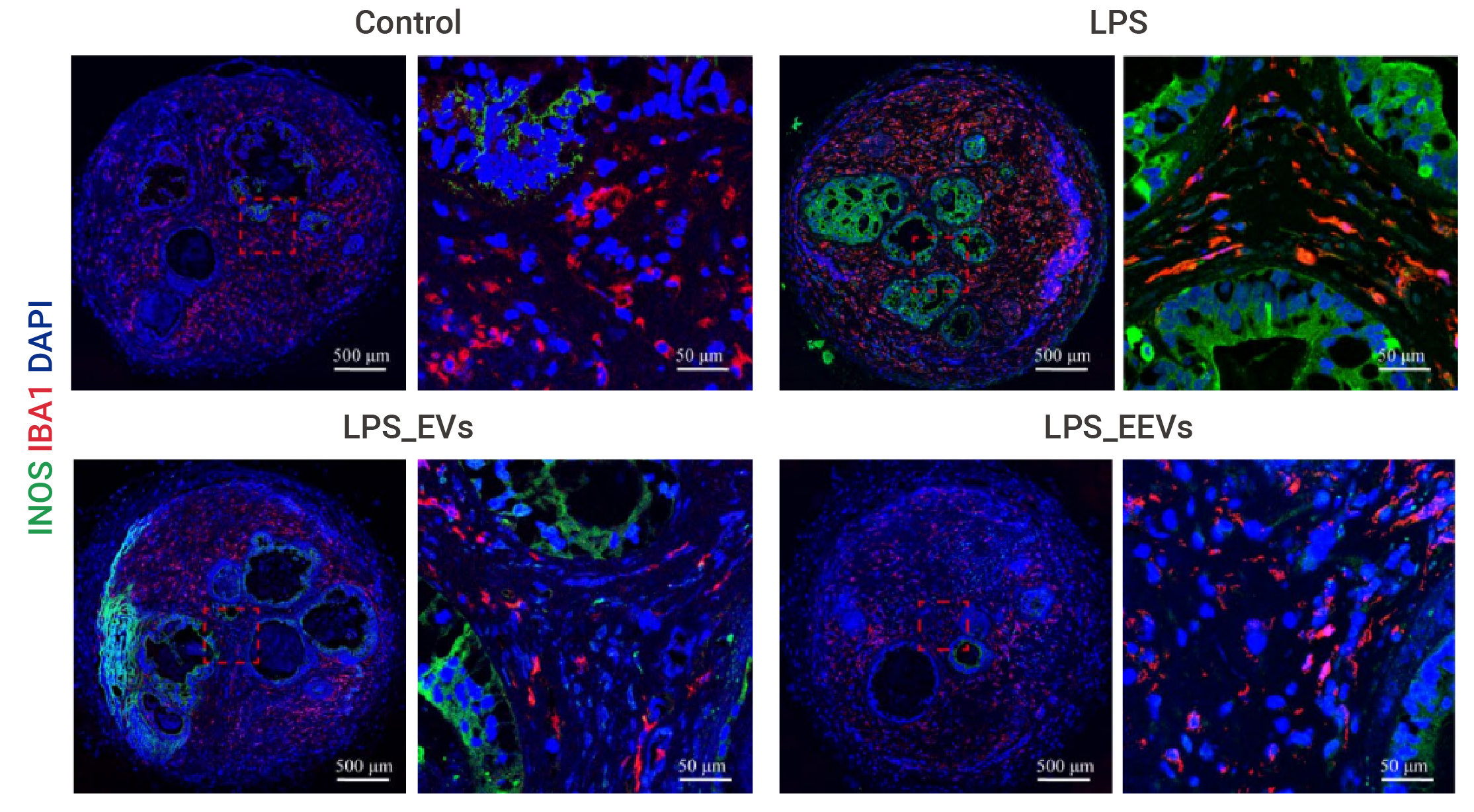
2.HY-P80725  iNOS Antibody

Usage Cited in: J Nanobiotechnology. 2025 Mar 21;23(1):229.

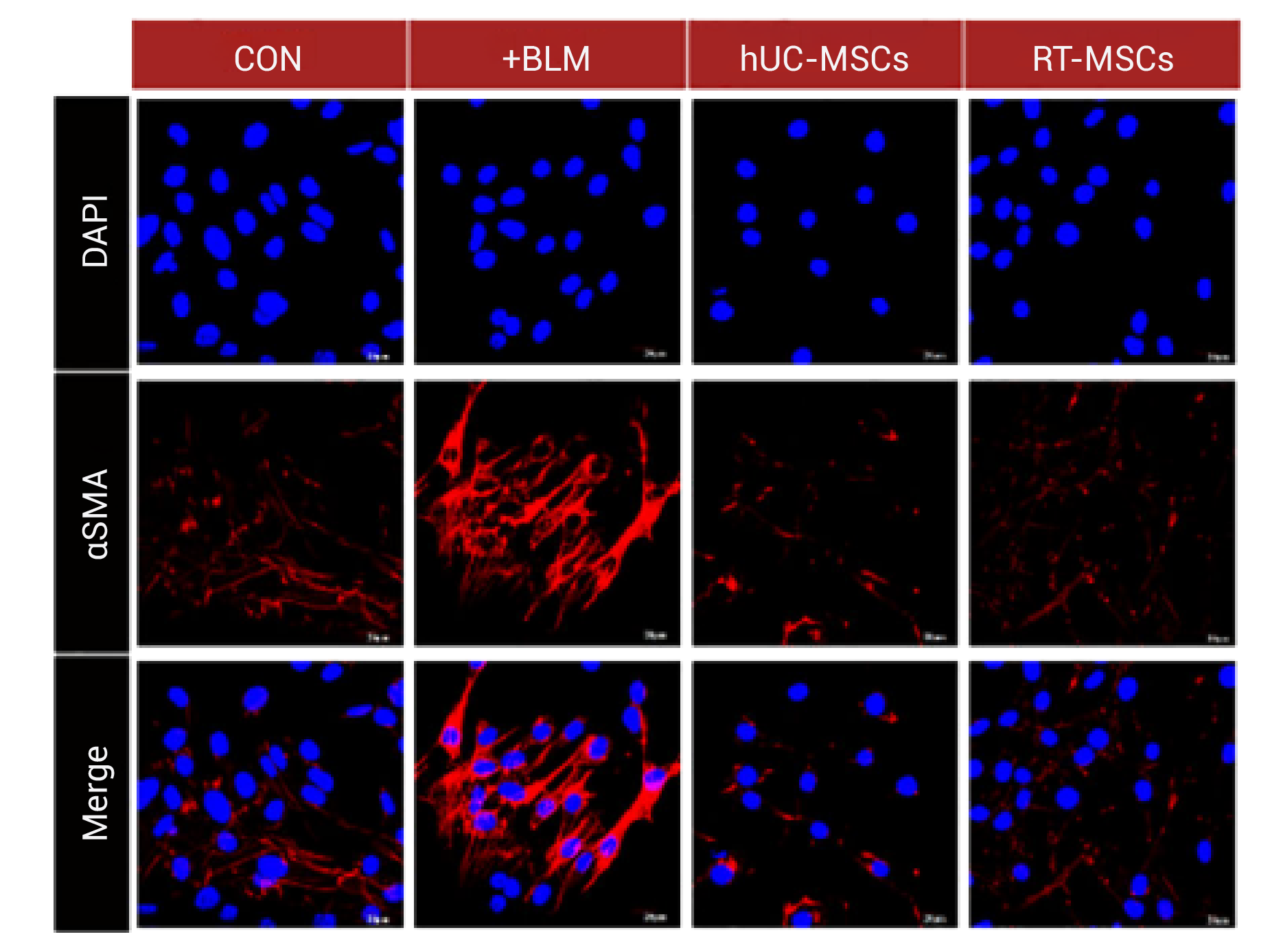
3. HY-P80484  alpha smooth muscle Actin Antibody (YA627) 
Usage Cited in: Adv Sci (Weinh). 2026 Mar 31:e15505.  

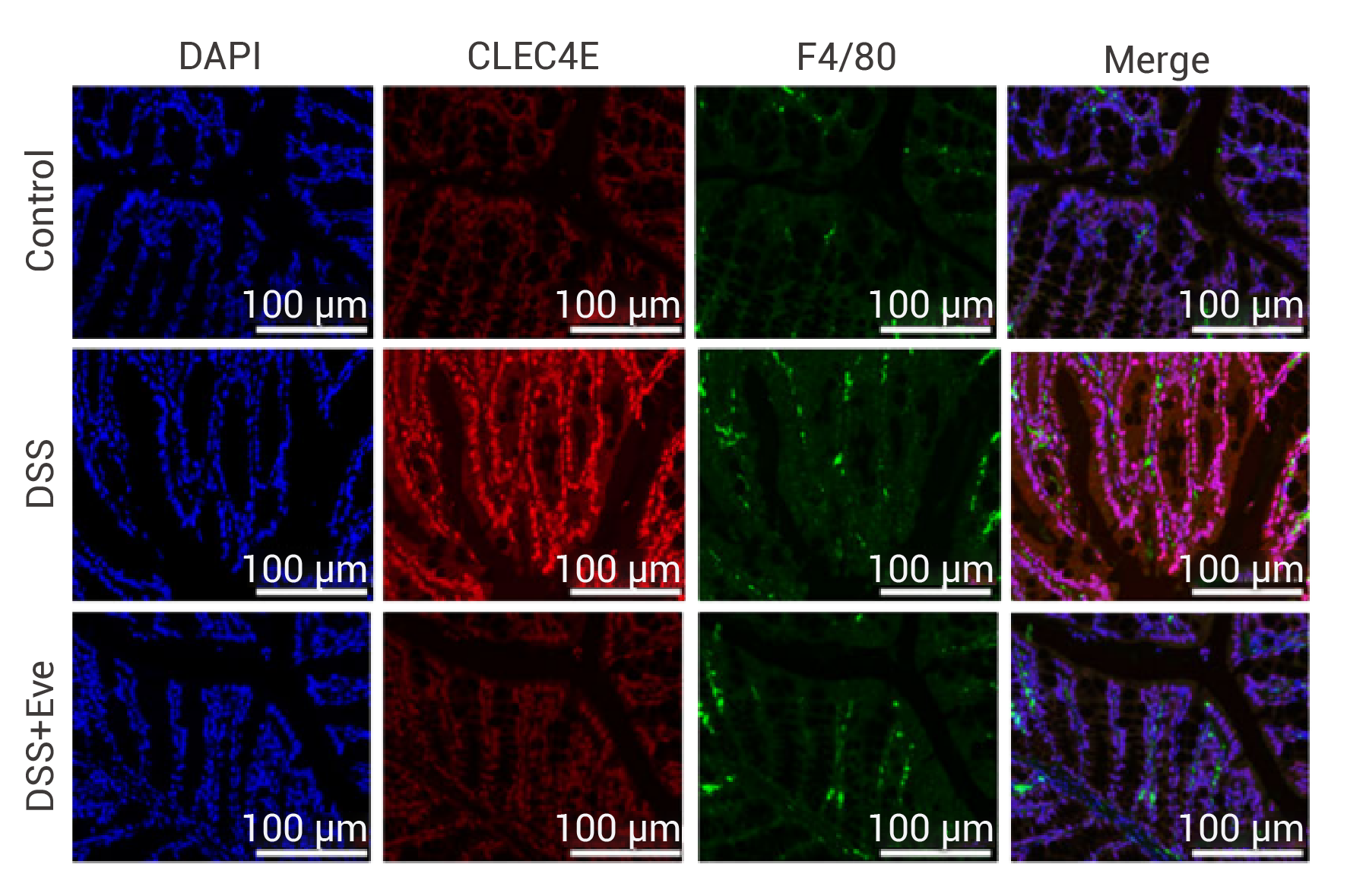
4.HY-P80665  F4/80 Antibody (YA002)

Usage Cited in: iMetaMed. 2025 Oct 21.

Related Antibody Recommendation

Type

Name

Host

Reactivity

Application

Macrophages

HY-P84267
CD68 Antibody (YA3964)
Mouse Human WB, IHC-P, ICC/IF, FC, ELISA
HY-P80609
CD86 Antibody
Rabbit Human, Rat WB, IHC-P, ICC/IF, IP, FC
HY-P86099
CD163 Antibody (YA5791)
Rabbit Human, Mouse, Rat WB, IHC-P, ICC/IF, IP, ELISA
HY-P86350
CD206 Antibody (YA6042)
Rabbit Human, Mouse, Rat WB, IHC-P, ICC/IF, IP, ELISA
HY-P80725
iNOS Antibody
Rabbit Human, Mouse, Rat WB, IHC-P, IHC-F, ICC/IF
HY-P86309
CD11b Antibody (YA6001)
Rabbit Human, Mouse, Rat WB, IHC-P, ICC/IF, IP, ELISA
HY-P81096
CD14 Antibody
Rabbit Human WB, IHC-P, ICC/IF

T cells

HY-P86568
CD3 epsilon Antibody (YA6260)
Rabbit Human, Mouse, Rat WB, IHC-P, ICC/IF, IP, ELISA
HY-P80055
CD4 Antibody (YA537)
Rabbit Human WB, IHC-P, ICC/IF, FC, IF-Tissue, mIHC
HY-P86616
CD8 alpha Antibody (YA6308)
Rabbit Human, Mouse, Rat WB, IHC-P, ICC/IF, ELISA
HY-P81347
CD28 Antibody (YA1092)
Rabbit Human IHC-P
HY-P80678
FOXP3 Antibody (YA759)
Mouse Human, Mouse, Rat WB, IHC-P, ICC/IF, mIHC

B cells

HY-P80446
CD19 Antibody (YA543)
Rabbit Human WB, ICC/IF, IHC-P, FC
HY-P81558
CD20 Antibody (YA1303)
Rabbit Human WB, IHC-P, FC
HY-P84169
CD22 Antibody (YA3866)
Mouse Human WB, IHC-P, ICC/IF, FC, ELISA
HY-P80056
CD40 Antibody (YA805)
Mouse Human WB, ICC/IF, IHC-P
HY-P81562
CD21 Antibody (YA1307)
Rabbit Human, Mouse, Rat WB, IHC-P, ICC/IF, IP, FC, IF-Tissue
HY-P81383
CD79b Antibody (YA1128)
Rabbit Human, Mouse, Rat WB, IHC-P, ICC/IF, IP, FC

NK cells

HY-P87214
NK1.1 Antibody (YA6902)
Rabbit Mouse FC
HY-P83362
Integrin alpha 2 Antibody (YA3107)
Rabbit Human, Mouse, Rat WB, IHC-P, ICC/IF, IP, FC
HY-P84083
CD56 Antibody (YA3780)
Mouse Human, Mouse, Monkey WB, IHC-P, FC, ELISA
HY-P81202
CD16 Antibody
Rabbit Human, Mouse, Rat WB, ELISA, IHC-P, IHC-F, FC, ICC/IF

Dendritic cells (DCs)

HY-P83653
CD11c Antibody (YA3389)
Rabbit Human WB, IHC-P, ICC/IF, IP
HY-P83528
HLA-DPB1 Antibody (YA3273)
Rabbit Human WB, IHC-P, ICC/IF, IP

Granulocytes

HY-P86414
Ly6g Antibody (YA6106)
Rabbit Mouse WB, IHC-P, ICC/IF, ELISA
HY-P81508
CD13 Antibody (YA1253)
Rabbit Human IHC-P

Vascular endothelial cells

HY-P84129
CD31 Antibody (YA3826)
Mouse Human IHC-P, ICC/IF, ELISA

Immune checkpoints

HY-P81169A
PD-1 Antibody(YA3401)
Mouse Human WB, IHC-P, ICC/IF, FC
HY-P86684
PD-L1 Antibody (YA6376)
Rabbit Human WB, IHC-P, IHC-F, IF-Tissue, ICC/IF
HY-P81075
CTLA4 Antibody (YA3503)
Rabbit Human, Mouse, Rat WB, ICC/IF
HY-P84145
CD223/LAG-3 Antibody (YA3842)
Mouse Human WB, FC, ELISA
HY-P81703
TIM3 Antibody (YA1448)
Mouse Human WB, IHC-P, ICC/IF, FC

Articles

All
  • All
  • Scientific Reviews
  • EDM
Most Recent
  • Most Recent
  • Oldest