



Osteoarthritis
-
Osteoarthritis (61)

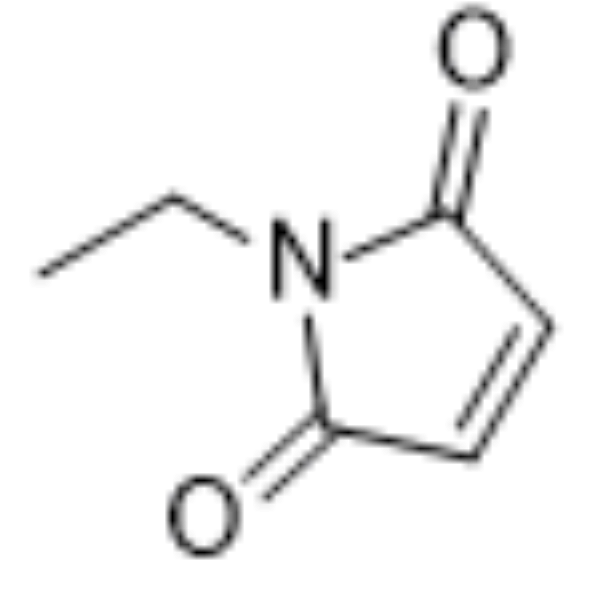
- Formula: C6H7NO2
- Molecular Weight: 125.13
N-Ethylmaleimide (NEM) derives from maleic acid, it can alkylates free sulfhydryl. N-Ethylmaleimide is an irreversible cysteine protease inhibitor. N-ethylmaleimide specific inhibits phosphate transport in mitochondria. N-Ethylmaleimide inhibits prolyl endopeptidase with an IC50 value of 6.3 μM. N-Ethylmaleimide can be used to modify cysteine residues in proteins and peptides.
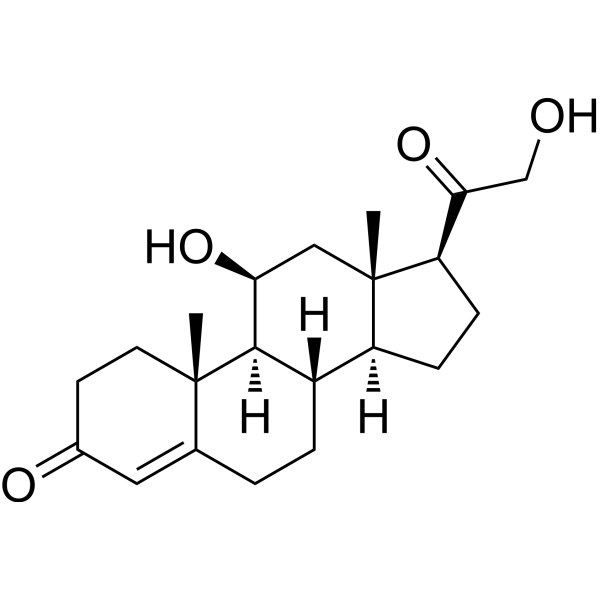
- Formula: C21H30O4
- Molecular Weight: 346.47
Corticosterone (17-Deoxycortisol) is an orally active and adrenal cortex-produced glucocorticoid, which plays an important role in regulating neuronal functions of the limbic system (including hippocampus, prefrontal cortex, and amygdala). Corticosterone increases the Rab-mediated AMPAR membrane traffic via SGK-induced phosphorylation of GDI. Corticosterone also interferes with the maturation of dendritic cells and shows a good immunosuppressive effect.
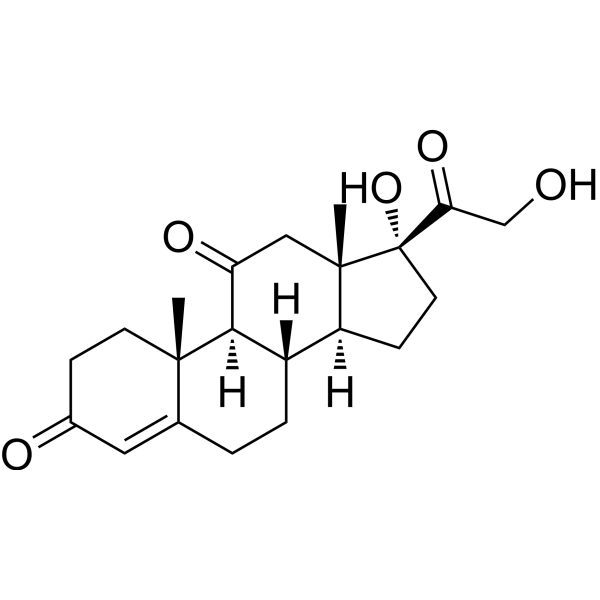
- Formula: C21H28O5
- Molecular Weight: 360.44
Cortisone (17-Hydroxy-11-dehydrocorticosterone), an oxidized metabolite of Cortisol (a Glucocorticoid). Cortisone acts as an immunosuppressant and anti-inflammatory agent. Cortisone can partially intervene in binding of Glucocorticoid to Glucocorticoid-receptor at high concentrations.
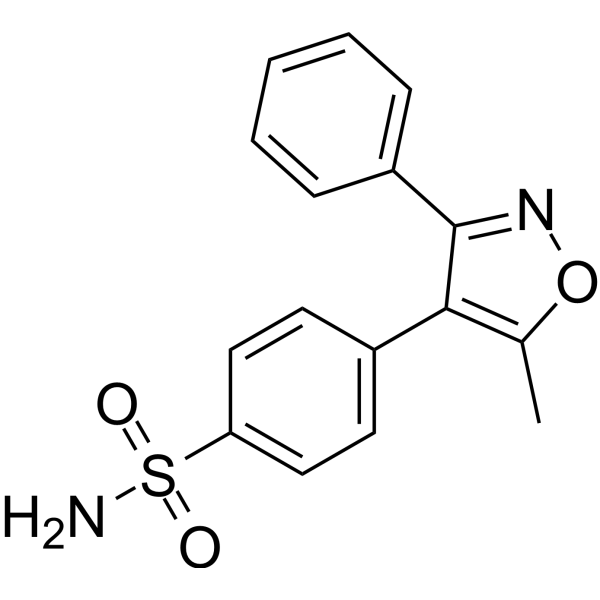
- Formula: C16H14N2O3S
- Molecular Weight: 314.37
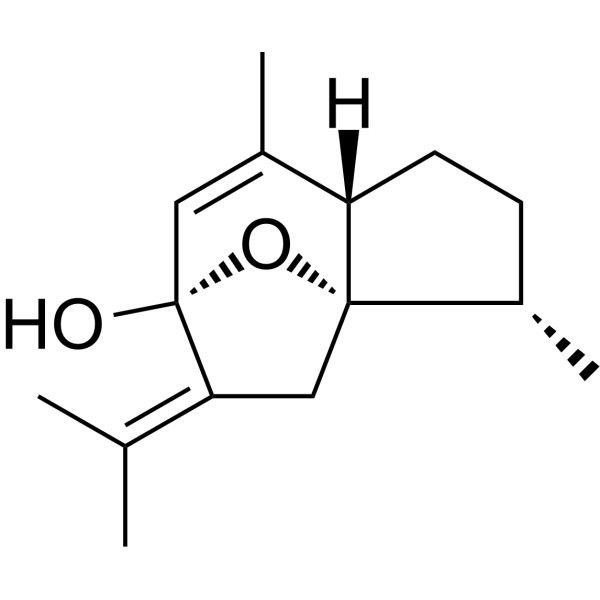
- Formula: C15H22O2
- Molecular Weight: 234.33
Curcumenol ((+)-Curcumenol) is a natural compound with oral efficacy, exhibiting an IC50 of 12.6 μM and a Ki of 10.8 μM against human CYP3A4. Curcumenol inhibits TNFα-induced phosphorylation/degradation of IκBα, phosphorylation/nuclear translocation of NF-κB p65, as well as the upregulation of MMP3, MMP9, MMP13, TRAF3, IL1RL1, TNFα and IL-1β. Curcumenol suppresses LPS-induced phosphorylation of Akt and p38 MAPK, as well as the production of pro-inflammatory mediators/proteins, and downregulates the SLC7A11/NF-κB/TGF-β pathway. Curcumenol binds to and inhibits the activation of Fyn and Lyn, blocks the function of downstream FcεRI signaling components, and reduces the release of allergic mediators/cytokines. Curcumenol upregulates the expression of KDM6B, and promotes chondrocyte proliferation and cartilage repair. Curcumenol induces ferroptosis and apoptosis, regulates the EMT process, and inhibits tumor growth and metastasis of triple-negative breast cancer. Curcumenol possesses anti-inflammatory, neuroprotective, antioxidant, antitumor, antiviral and hepatoprotective activities. Curcumenol can be used in research related to intervertebral disc degeneration, cancer, inflammation, central nervous system neurodegenerative diseases, allergic reactions and knee osteoarthritis.
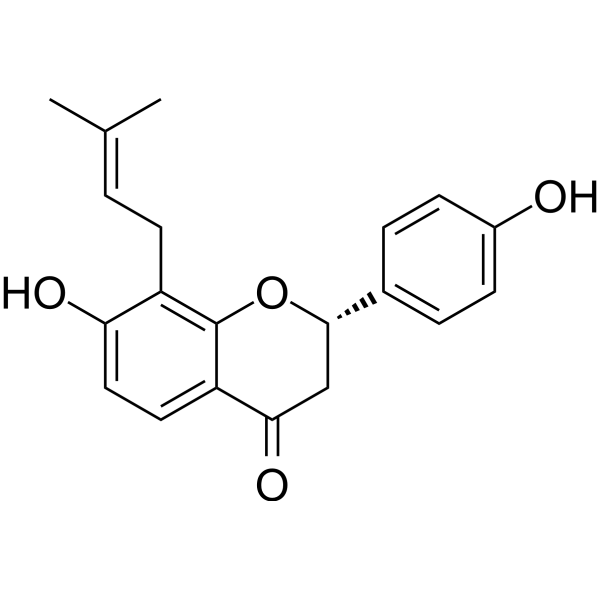
- Formula: C20H20O4
- Molecular Weight: 324.37
Isobavachin is an orally active, blood-brain barrier-penetrating prenylated flavonoid present in Psoralea corylifolia. Isobavachin inhibits human CYP2B6, CYP2C9, CYP2C19, UGT1A1, UGT1A9, and UGT2B7. Isobavachin suppresses MAPK activation, NF-κB nuclear translocation, overexpression of iNOS/COX-2, FcεRI-mediated signaling pathways, and RANKL-induced osteoclastogenesis. Isobavachin induces autophagy, cytotoxicity, neuronal differentiation, and NRF2 activation; it alleviates oxidative damage, inflammatory responses, apoptosis, iron accumulation, mitochondrial biogenesis, and mast cell degranulation. Isobavachin is applicable to research related to liver injury, inflammatory diseases, osteoporosis, liver cancer, prostate cancer, glioma, periodontitis-induced bone loss, and Alzheimer's disease.

DSPE-PEG2000-WYRGRL is a PEG compound which composed of DSPE and a cartilage-targeting peptide (WYRGRL). WYRGRL is a collagen II-targeting peptide that can bind to collagen II α1. DSPE-PEG2000-WYRGRL can be used for drug delivery.
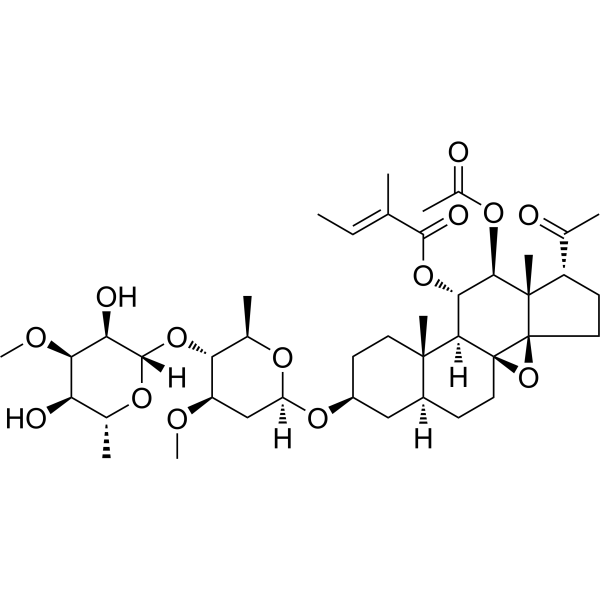
- Formula: C42H64O14
- Molecular Weight: 792.95
Tenacissoside G is a C21 steroidal glycoside. Tenacissoside G inhibits Src and NF-κB, downregulates the activities of PTN and P-gp, induces DNA damage and apoptosis in cancer cells, inhibits their proliferation and migration, and reverses the resistance of ovarian cancer cells to Paclitaxel (HY-B0015). Tenacissoside G inhibits the expression of iNOS, TNF-α, IL-6, MMP-3, and MMP-13, reduces type II collagen degradation, and alleviates articular cartilage damage. Tenacissoside G can be used in studies related to ovarian cancer, colorectal cancer, and osteoarthritis.

- Formula: Na2S2O3
- Molecular Weight: 158.11
Sodium thiosulfate (Sodium hyposulfite) is an antioxidant. Sodium thiosulfate inhibits the expression of p-GSK-3β and β-catenin proteins, reduces IL-1β, COX-2, and Iba-1, and inhibits NFκB activation. Sodium thiosulfate promotes angiogenesis, inhibits inflammation, and improves acute lung injury. Sodium thiosulfate also exhibits anti-cancer activity against melanoma. Sodium thiosulfate also exerts renal protective effects. Sodium thiosulfate can be used in the research of osteoarthritis, brain inflammation, cancer (such as breast cancer, melanoma), and kidney disease.

- Molecular Weight: 145.5 kDa

- Molecular Weight: 145.34 kDa
Bedinvetmab (ZTS-00508841) is a canine monoclonal antibody (mAb) targeting nerve growth factor (NGF). Bedinvetmab inhibits NGF interaction with tropomyosin receptor kinase A (trkA) and p75 neurotrophin receptor (p75NTR) receptors. Bedinvetmab can be used for the research of osteoarthritis pain in dogs.
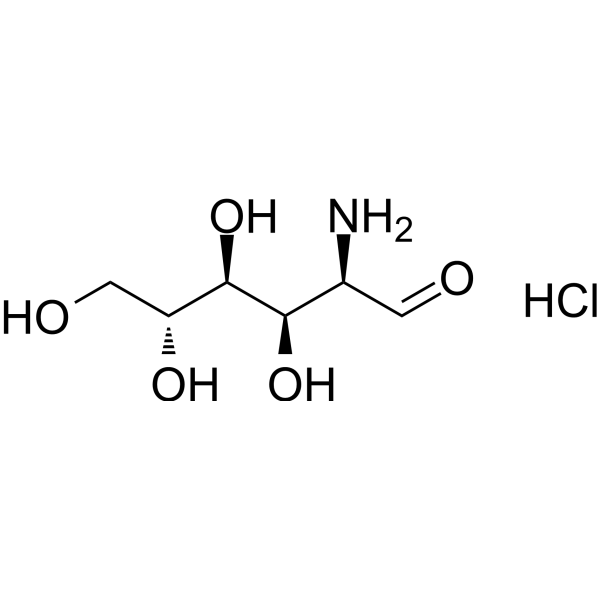
- Formula: C6H14ClNO5
- Molecular Weight: 215.63
Glucosamine hydrochloride (D-Glucosamine hydrochloride) is an amino sugar and a prominent precursor in the biochemical synthesis of glycosylated proteins and lipids, is used as a dietary supplement. Glucosamine hydrochloride also is a natural constituent of glycosaminoglycans in the cartilage matrix and synovial fluid, which when administered exogenously, exerts pharmacological effects on osteoarthritic cartilage and chondrocytes.

- Formula: C40H59N13O8
- Molecular Weight: 849.98
WYRGRL is a selective, high-affinity collagen type II-binding peptide with a IC50 of 140 nM. Collagen type II is the most abundant and specific structural protein in the extracellular matrix of articular cartilage. WYRGRL can precisely target small-molecule compounds such as Dexamethasone (HY-14648) and nanocarrier-engineered exosomes to cartilage, significantly enhancing their therapeutic effects on osteoarthritis.
Polyether F127 Diacrylate (F127DA) is an acrylated polyethylene glycol-polypropylene glycol-polyethylene glycol triblock copolymer. Polyether F127 Diacrylate rapidly crosslinks and cures into a gel under ultraviolet or visible light with the action of a photoinitiator. Polyether F127 Diacrylate exhibits excellent thermogelation properties and favorable biosafety. Polyether F127 Diacrylate can upregulate the Integrin-FAK pathway, enhance collagen production, increase the protein and gene expression levels of COL-1/SCX, and promote fibroblastic differentiation of periodontal ligament stem cells. Polyether F127 Diacrylate promotes periodontal ligament regeneration and reduces abnormal healing in a rat model of delayed replanted teeth. Polyether F127 Diacrylate promotes functional osteochondral regeneration in a rat model of osteoarthritis. Polyether F127 Diacrylate supports adipose tissue survival, rendering it suitable for breast reconstruction applications. Polyether F127 Diacrylate can be used in studies related to periodontal ligament injury, breast defect and osteoarthritis.
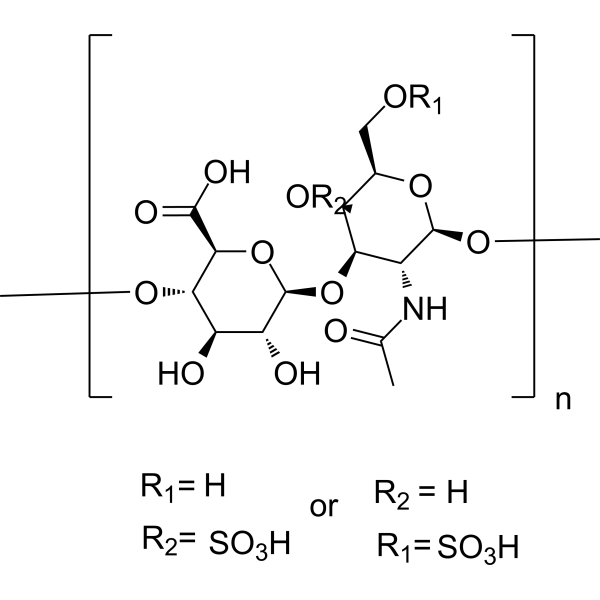
- Formula: (C14H21NO14SNa)n
Chondroitin sulfate (Chondroitin polysulfate) sodium (from bovine)) is a sulfated linear polysaccharide extracted from bovine sources, belonging to glycosaminoglycans. Chondroitin sulfate sodium (from bovine) inhibits osteoclast-mediated bone resorption and exhibits antioxidant activity, which is negatively correlated with molecular weight. Chondroitin sulfate sodium (from bovine) can be used in studies related to osteoarthritis.
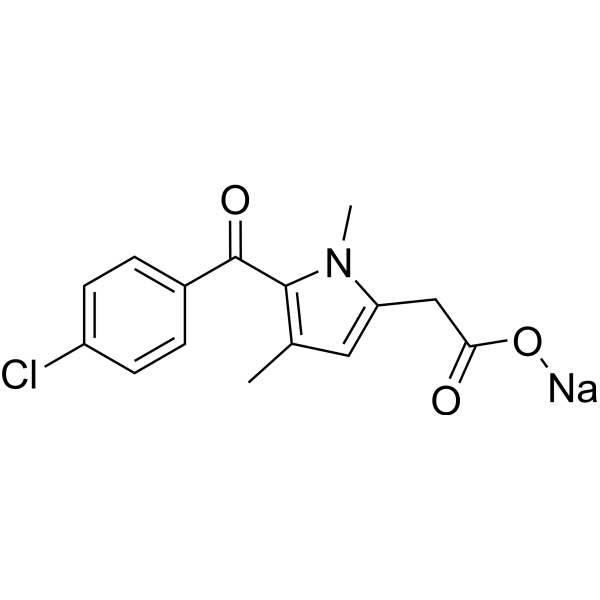
- Formula: C15H13ClNNaO3
- Molecular Weight: 313.71
Zomepirac sodium salt (McN-2783-21-98) is an orally active prostaglandin synthetase inhibitor. Zomepirac sodium salt blocks prostaglandin synthesis and inhibits Collagen (HY-P72147)- or Epinephrine (HY-B0447)-induced platelet aggregation. Zomepirac sodium salt can be used for the research of postoperative pain and osteoarthritis.

- Formula: (C14H20NO11Na)n
- Molecular Weight: 401.30 (monomer)
Hyaluronic acid sodium (MW 200-1560) is a biopolymer composed of repeating disaccharide units, with a molecular weight of 200-1560. Hyaluronic acid sodium is a major component of the extracellular matrix (ECM). It is synthesized on the plasma membrane. Hyaluronic acid sodium exerts its effects by binding to receptors CD44 and RHAMM. Hyaluronic acid sodium activates PI3K-Akt signaling. Hyaluronic acid sodium also enhances cell invasion and angiogenesis by promoting or stimulating the binding of proteolytic MMP-9 to the cell surface. Elevated hyaluronic acid levels are associated with tumor cell growth, adhesion, migration, invasion, and angiogenesis in digestive system cancers. Hyaluronic acid sodium is involved in tissue remodeling and rapid cell proliferation in several physiological processes, including embryonic morphogenesis and wound healing. Hyaluronic acid sodium can be used as a regulator of cancer-associated lymphangiogenesis. Hyaluronic acid sodium can be used as a drug delivery carrier for sodium butyrate, enhancing its anti-proliferative activity against breast cancer cell lines. Hyaluronic acid sodium can lubricate the corneal endothelium. Hyaluronic acid sodium can improve tissue hydration and enhance the resistance of cells to mechanical damage. Hyaluronic acid sodium has been conjugated with antibodies to ensure that the active compound continues to exert its effects at the site of inflammation. Hyaluronic acid sodium can be used in research in the fields of osteoarthritis, ophthalmology, cosmetic dermatology, oncology, and liver diseases.
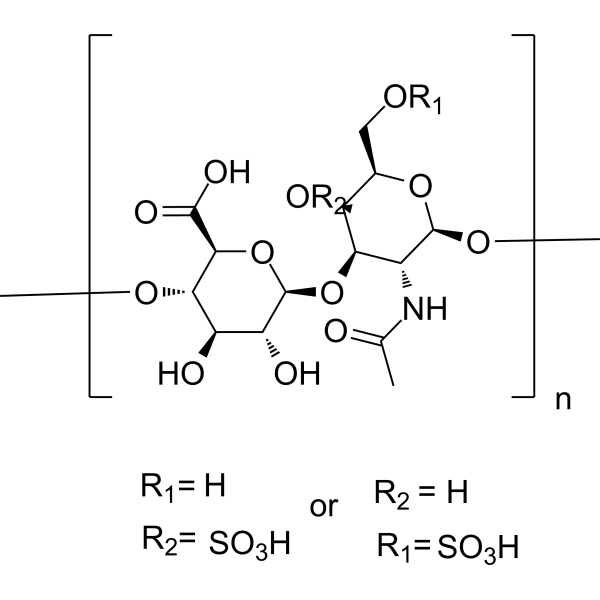
- Formula: (C14H21NO14S)n
Chondroitin sulfate (from pig) (Chondroitin polysulfate (from pig)) is a sulfated linear polysaccharide extracted from pigs, which belongs to glycosaminoglycans. Chondroitin sulfate (from pig) exerts inconsistent inhibitory effects on the resorptive activity of human osteoclasts. Chondroitin sulfate (from pig) can be used in studies related to osteoarthritis.
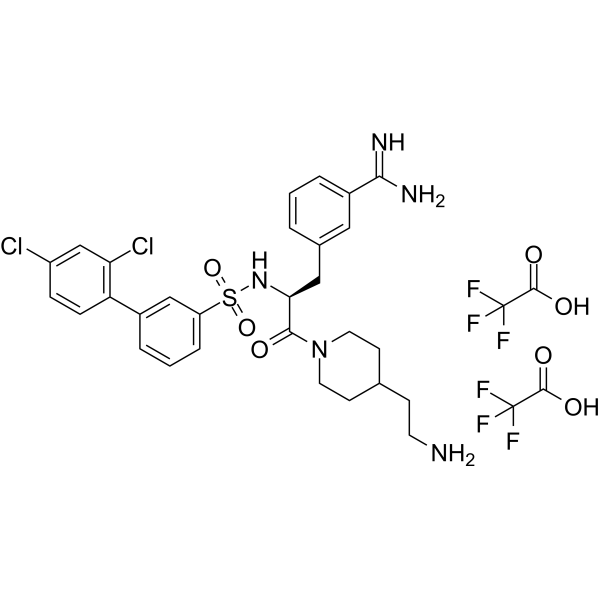
- Formula: C33H35Cl2F6N5O7S
- Molecular Weight: 830.62
Matriptase-IN-2 is a secondary amide inhibitor of matriptase derived from sulfonylated 3-amidinophenylalanine, with a Ki value of 5 nM. Matriptase acts as a novel initiator of cartilage matrix degradation in osteoarthritis, and Matriptase-IN-2 inhibits matriptase-mediated cartilage degradation. Matriptase-IN-2 is applicable for the research of osteoarthritis.
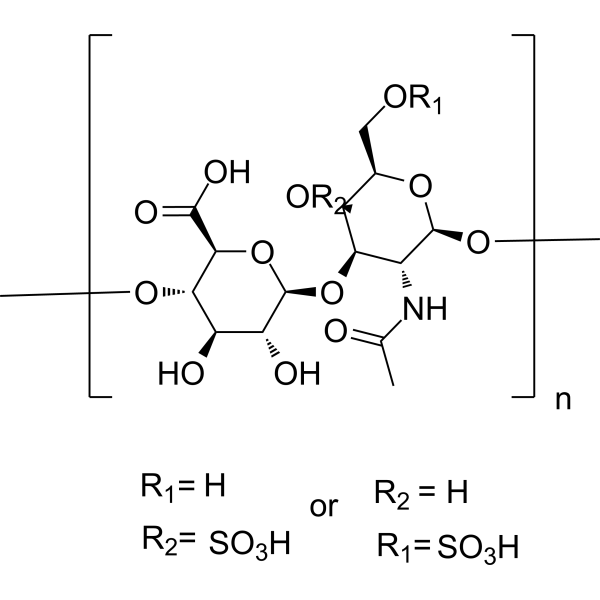
- Formula: (C14H21NO14S)n
Chondroitin sulfate (from chicken) (Chondroitin polysulfate (from chicken)) is an orally active, sulfated linear polysaccharide extracted from chickens, which belongs to glycosaminoglycans. Chondroitin sulfate (from chicken) reduces the phosphorylation levels of ERK1/2 and p38MAPK, inhibits the expression of inflammatory cytokines and MMP, and downregulates the levels of IL-1β, IL-6, TNF-α and PGE2. Chondroitin sulfate (from chicken) improves motor function, protects cartilage tissue, reverses chondrocyte aggregation, and regulates the structure of intestinal flora. Chondroitin sulfate (from chicken) can be used in research related to osteoarthritis.



