



HDAC6
HDAC6 (histone deacetylase 6) is a unique class IIb histone deacetylase that localizes predominantly in the cytoplasm and preferentially targets non-histone substrates rather than chromatin-associated proteins[1][2]. HDAC6 regulates fundamental cellular functions through deacetylation of α-tubulin, Hsp90, and ubiquitin-associated protein complexes, thereby controlling microtubule dynamics, protein trafficking, stress responses, and protein quality-control mechanisms[2][3][4]. Mechanistically, HDAC6 functions at the intersection of the ubiquitin-proteasome system and autophagy-related pathways, where its ubiquitin-binding capability facilitates the processing and clearance of misfolded or aggregated proteins[3][4]. Therefore, HDAC6 has emerged as an important regulator of cellular proteostasis and cytoskeletal remodeling in both physiological and pathological contexts[2][3]. In disease models, HDAC6 has been implicated in cancer progression, neurodegenerative disorders, and inflammatory conditions through its effects on cell motility, intracellular transport, protein aggregation, and stress signaling pathways[2][4][5]. Increased HDAC6 activity promotes α-tubulin deacetylation and influences processes associated with tumor cell migration and metastasis, while modulation of HDAC6 activity alters axonal transport and protein aggregate handling in neurodegenerative disease models[4][5]. Compared with related HDAC isoforms, HDAC6 is distinguished by its predominantly cytoplasmic localization, preference for non-histone substrates, dual catalytic domains, and zinc-finger ubiquitin-binding domain, features that confer specialized biological functions not shared by most nuclear HDAC family members[2][5]. For experimental applications, HDAC6-selective inhibitors have become widely used chemical probes because they enable investigation of HDAC6-dependent signaling and protein homeostasis pathways while potentially reducing the off-target effects associated with pan-HDAC inhibition[3][6].
References:
- [1]. Park SY, et al. A short guide to histone deacetylases including recent progress on class II enzymes. Exp Mol Med. 2020 Feb;52(2):204-212. [Content Brief]
- [2]. Simões-Pires C, et al. HDAC6 as a target for neurodegenerative diseases: what makes it different from the other HDACs? Mol Neurodegener. 2013 Jan 29;8:7. doi: 10.1186/1750-1326-8-7. PMID: 23356410; PMCID: PMC3615964. [Content Brief]
- [3]. Brindisi M, et al. Old but Gold: Tracking the New Guise of Histone Deacetylase 6 (HDAC6) Enzyme as a Biomarker and Therapeutic Target in Rare Diseases. J Med Chem. 2020 Jan 9;63(1):23-39. [Content Brief]
- [4]. HDAC6 gene information from NCBI.
- [5]. Li G, et al. HDAC6 α-tubulin deacetylase: a potential therapeutic target in neurodegenerative diseases. J Neurol Sci. 2011 May 15;304(1-2):1-8. [Content Brief]
- [6]. Zhang Y, et al. Tanshinone IIA sodium sulfonate facilitates endocytic HMGB1 uptake. Biochem Pharmacol. 2012 Dec 1;84(11):1492-500. [Content Brief]
-
HDAC6 Related Products (344)
Related Products (344)

-
Antibodies (2)
-
Romidepsin
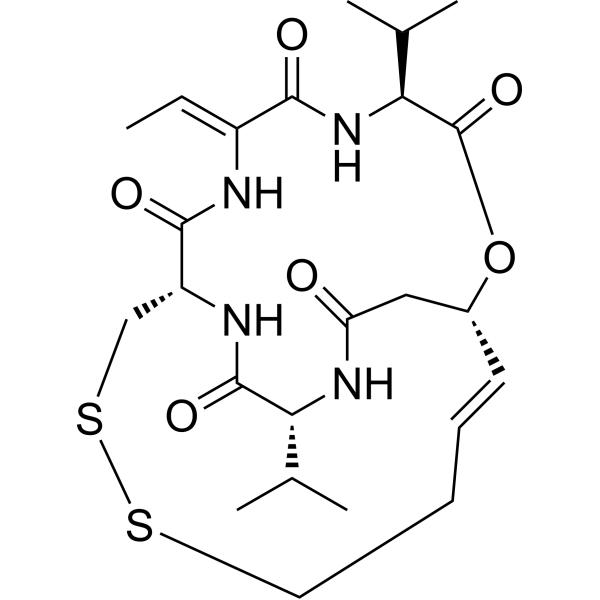 0 ImagesSynonyms: FK 228; FR 901228; NSC 630176Romidepsin (FK 228) is a Histone deacetylase (HDAC) inhibitor with anti-tumor activities. Romidepsin (FK 228) inhibits HDAC1, HDAC2, HDAC4, and HDAC6 with IC50s of 36 nM, 47 nM, 510 nM and 1.4 μM, respectively. Romidepsin (FK 228) is produced by Chromobacterium violaceum, induces cell G2/M phase arrest and apoptosis.
-
Tubastatin A
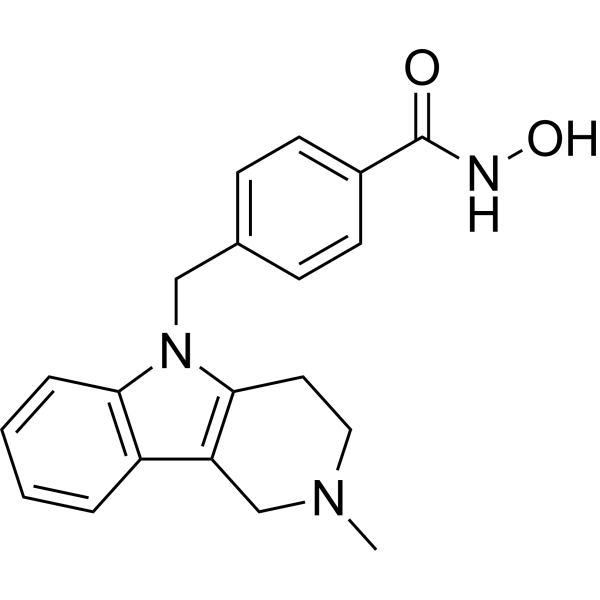 0 ImagesTubastatin A is a potent and selective HDAC6 inhibitor with an IC50 of 15 nM in a cell-free assay, and is selective (1000-fold more) against all other isozymes except HDAC8 (57-fold more). Tubastatin A also inhibits HDAC10 and metallo-β-lactamase domain-containing protein 2 (MBLAC2).
-
Quisinostat
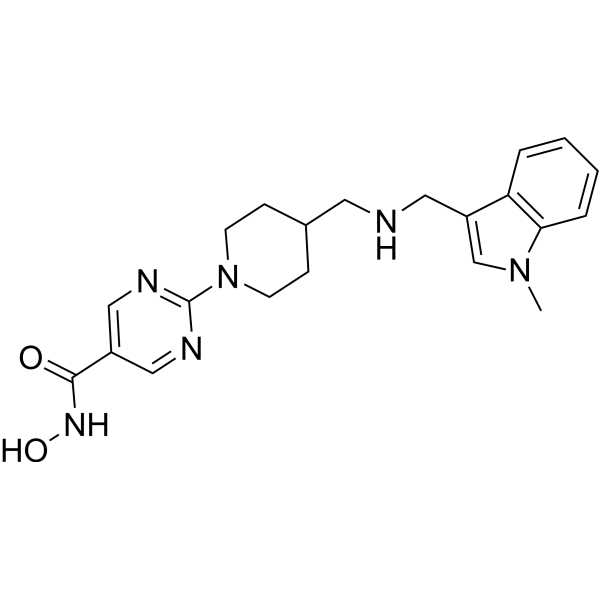 0 ImagesSynonyms: JNJ-26481585
-
Abexinostat
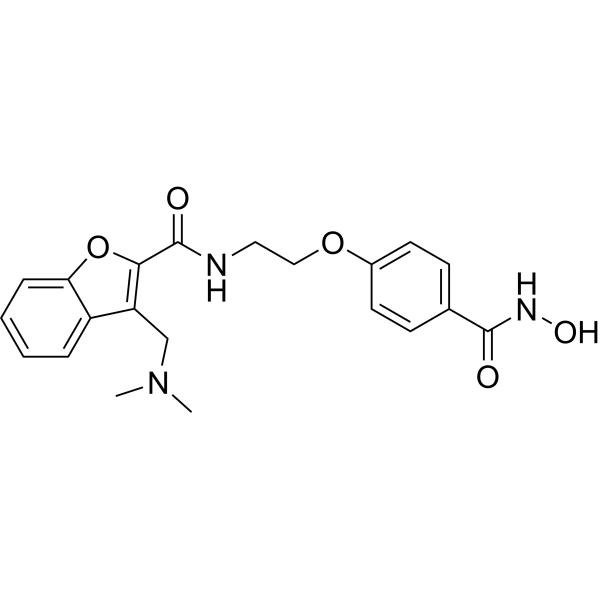 0 ImagesSynonyms: CRA 024781; PCI-24781Abexinostat (CRA 024781) is a novel pan-HDAC inhibitor mostly targeting HDAC1 with Ki of 7 nM. Abexinostat also inhibits metallo-β-lactamase domain-containing protein 2 (MBLAC2) hydrolase activity with an EC50 below 10 nM.
-
HDAC9-IN-1
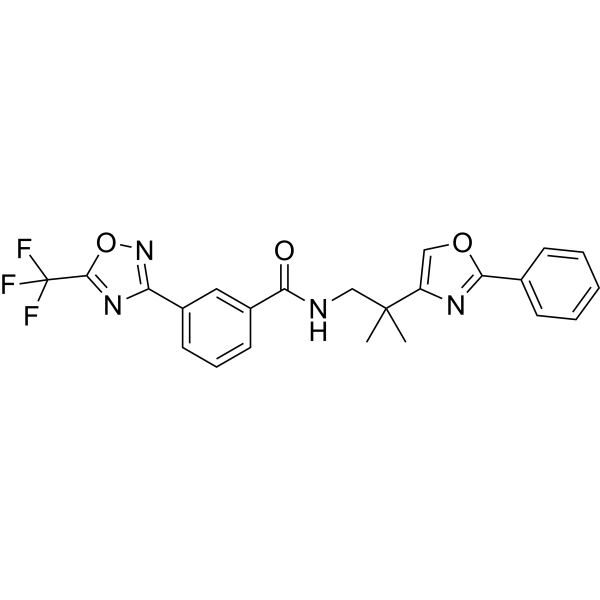
 0 ImagesCat. No.: HY-169259HDAC9-IN-1 is a selective class IIa HDAC inhibitor that binds to HDAC9 with an IC50 of 40 nM. HDAC9-IN-1 potently inhibits HDACs 4 and 7 while showing weak activity against HDAC6 (IC50 values: 180 nM (HDAC4), 190 nM (HDAC7), 970 nM (HDAC6)). HDAC9-IN-1 significantly inhibits several human cancer cells, induces apoptosis and DNA damage in human cancer cells, and modulates caspase-related proteins and p38 in human cancer cells. HDAC9-IN-1 can be used for the research of oral cancer, breast cancer, gastric cancer.
-
Santacruzamate A
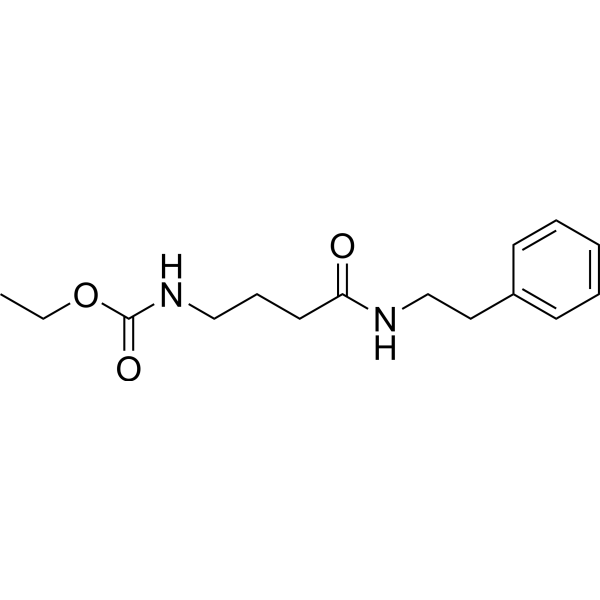 0 ImagesSynonyms: CAY-10683Santacruzamate A (CAY-10683, STA) is a potent and selective HDAC2 inhibitor with an IC50 of 119 pM. STA also exerts neuroprotective property against amyloid-β protein fragment 25–35. STA can be used for cancer and neurological disease research.
-
Givinostat
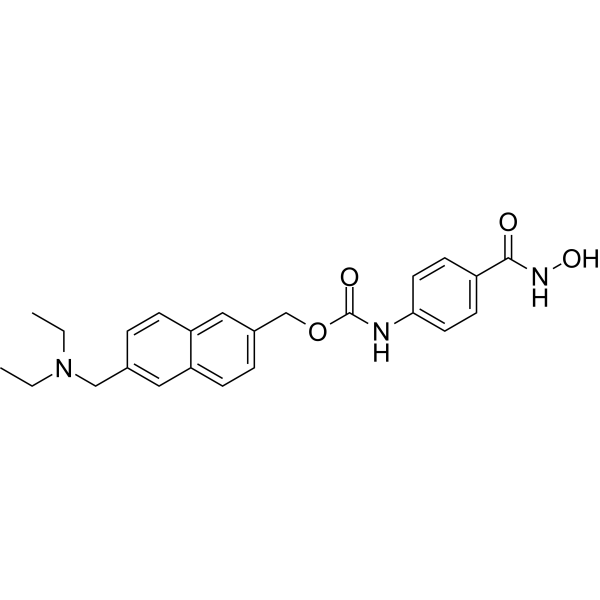 0 ImagesSynonyms: ITF-2357Givinostat (ITF-2357) is a HDAC inhibitor with an IC50 of 198 and 157 nM for HDAC1 and HDAC3, respectively. Givinostat can be used for Duchenne muscular dystrophy (DMD) research. Givinostat can penetrate the blood-brain barrier (BBB).
-
Tubacin
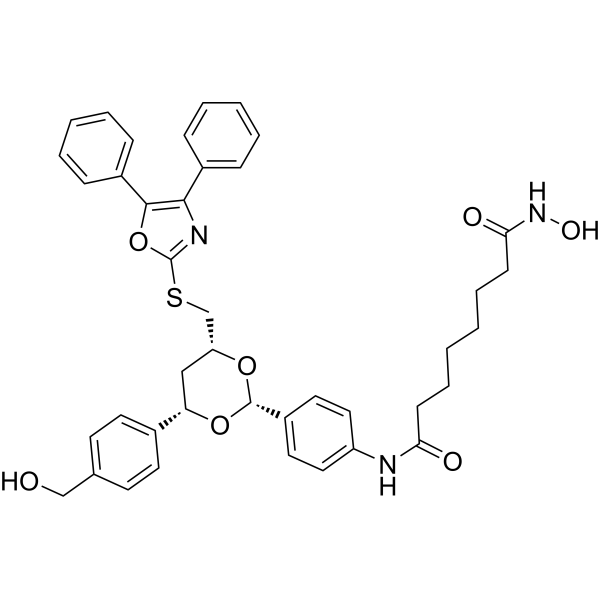 0 ImagesTubacin is a potent and selective inhibitor of HDAC6, with an IC50 value of 4 nM and approximately 350-fold selectivity over HDAC1. Tubacin also inhibits metallo-β-lactamase domain-containing protein 2 (MBLAC2).
-
Tubastatin A Hydrochloride
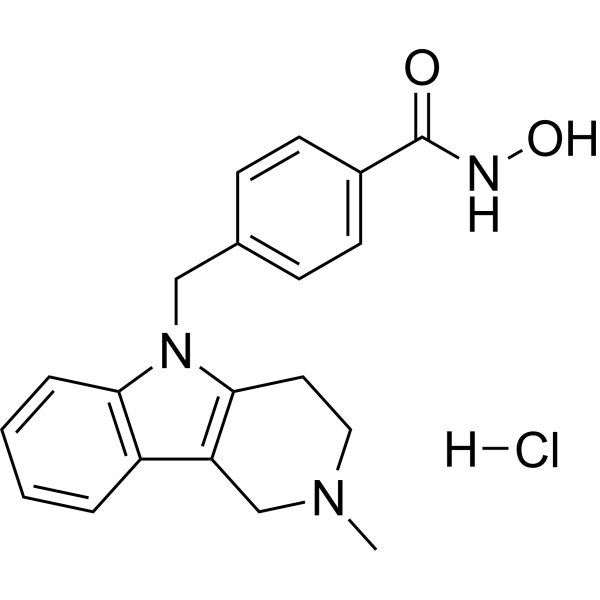 0 ImagesSynonyms: Tubastatin A HCl; TSA HClTubastatin A Hydrochloride (Tubastatin A HCl) is a potent and selective HDAC6 inhibitor with IC50 of 15 nM in a cell-free assay, and is selective (1000-fold more) against all other isozymes except HDAC8 (57-fold more). Tubastatin A Hydrochloride also inhibits HDAC10 and metallo-β-lactamase domain-containing protein 2 (MBLAC2).
-
Pracinostat
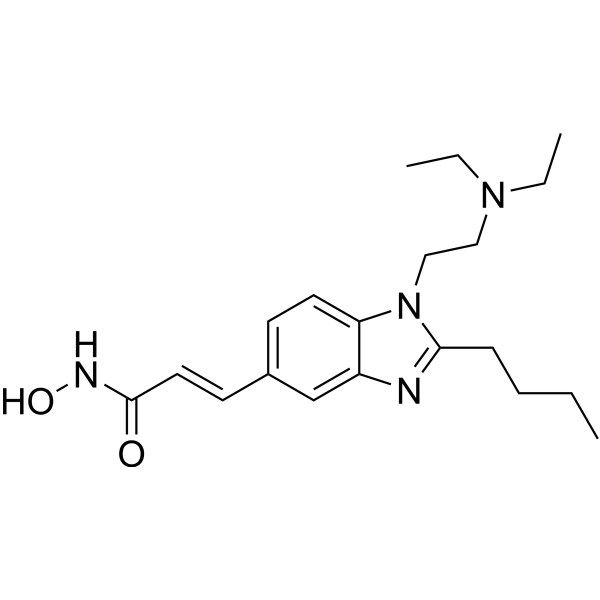 0 ImagesSynonyms: SB939Pracinostat is a potent histone deacetylase (HDAC) inhibitor, with IC50s of 40-140 nM, used for cancer research. Pracinostat also inhibits metallo-β-lactamase domain-containing protein 2 (MBLAC2) hydrolase activity with an EC50 below 10 nM.
-
Nexturastat A
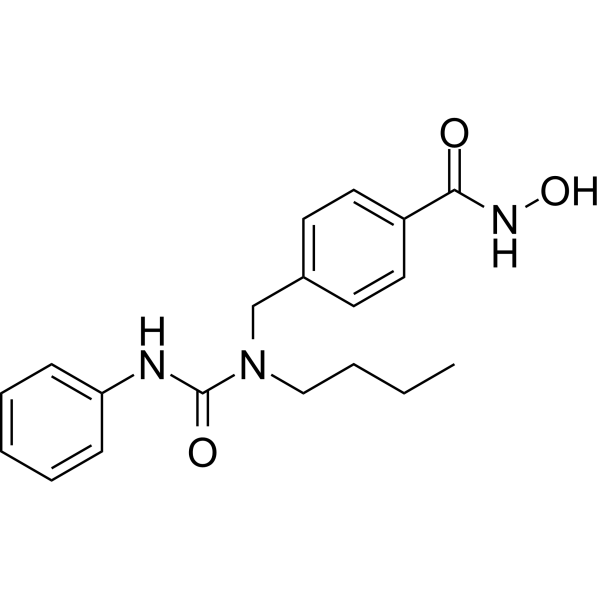 0 ImagesNexturastat A is a potent, selective HDAC6 inhibitor. Nexturastat A has inhibitory for HDAC6 with an IC50 of 5 nM. Nexturastat A can be used for the research of multiple myeloma (MM).
-
Citarinostat
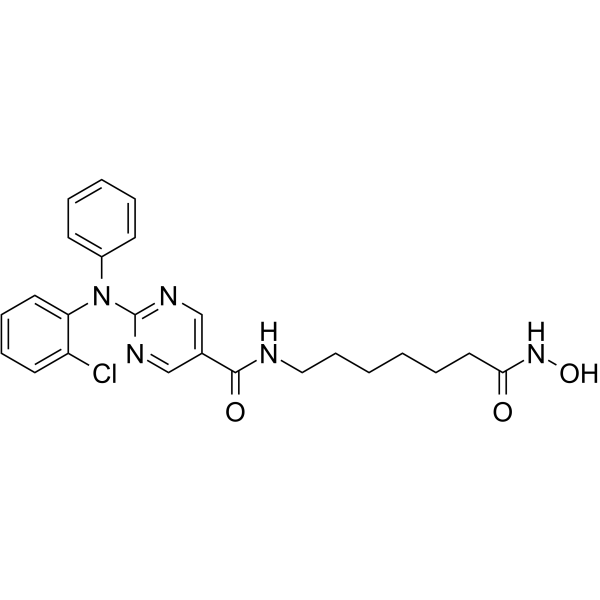 0 ImagesSynonyms: ACY241




