PI3Kα
PI3Kα (p110α), encoded by PIK3CA, is a class IA phosphoinositide 3-kinase catalytic subunit that forms a heterodimer with p85 regulatory proteins and catalyzes the phosphorylation of phosphatidylinositol-(4,5)-bisphosphate to generate phosphatidylinositol-(3,4,5)-trisphosphate, thereby regulating cell growth, proliferation, survival, migration, and metabolic signaling[1][2]. Mechanistically, PI3Kα is a central component of the PI3K-AKT-mTOR signaling axis and functions downstream of receptor tyrosine kinases and RAS proteins to amplify intracellular growth and survival pathways[3][4]. Dysregulation of this pathway is among the most common molecular events in human cancer, and activating mutations in PIK3CA promote tumor initiation, progression, and therapeutic resistance through sustained PI3K signaling[3][5]. In disease models, disruption of the RAS-PI3Kα interaction suppresses tumor growth and angiogenesis, highlighting the importance of PI3Kα-dependent signaling in oncogenic processes[4]. Compared with related class I PI3K isoforms, p110α and p110β are broadly expressed across tissues, whereas p110δ is predominantly expressed in leukocytes, indicating distinct physiological functions and therapeutic opportunities among isoforms[6]. Furthermore, PTEN-deficient tumors frequently depend on p110β activity, emphasizing a biologically important distinction between PI3Kα- and PI3Kβ-driven signaling networks[2]. For experimental and translational applications, isoform-selective PI3Kα inhibitors, including alpelisib, have been developed to target PIK3CA-driven malignancies, making PI3Kα a major focus of precision oncology research[5].
References:
- [1]. PI3Kα gene information from NCBI.
- [2]. Mazloumi Gavgani F, et al. Class I Phosphoinositide 3-Kinase PIK3CA/p110α and PIK3CB/p110β Isoforms in Endometrial Cancer. Int J Mol Sci. 2018 Dec 7;19(12):3931. [Content Brief]
- [3]. Wang Y, et al. Oncogenic activation of PIK3CA in cancers: Emerging targeted therapies in precision oncology. Genes Dis. 2024 Sep 10;12(2):101430. [Content Brief]
- [4]. Czyzyk D, et al. Structural insights into isoform-specific RAS-PI3Kα interactions and the role of RAS in PI3Kα activation. Nat Commun. 2025 Jan 9;16(1):525. [Content Brief]
- [5]. Thorpe LM, et al. PI3K in cancer: divergent roles of isoforms, modes of activation and therapeutic targeting. Nat Rev Cancer. 2015 Jan;15(1):7-24. [Content Brief]
- [6]. Wikipedia.
- [7]. Wikipedia.
-
PI3Kα Related Products (236)
Related Products (236)

-
LY294002
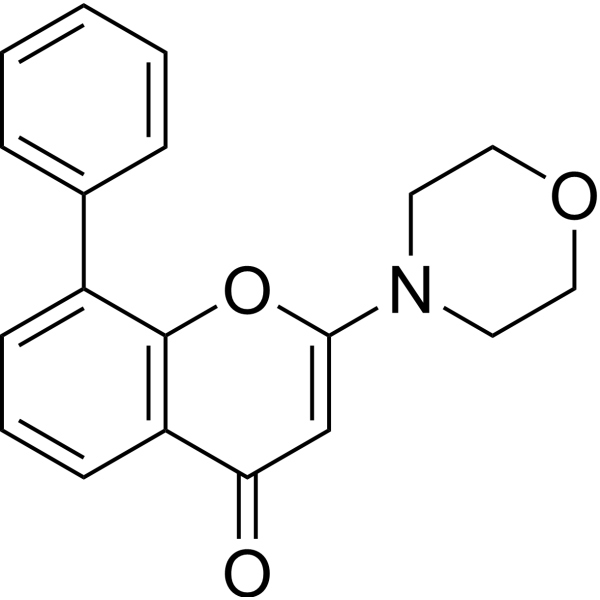 0 ImagesLY294002 is a broad-spectrum inhibitor of PI3K with IC50s of 0.5, 0.57, and 0.97 μM for PI3Kα, PI3Kδ and PI3Kβ, respectively. LY294002 also inhibits CK2 with an IC50 of 98 nM. LY294002 is a competitive DNA-PK inhibitor that binds reversibly to the kinase domain of DNA-PK with an IC50 of 1.4 μM. LY294002 is an apoptosis activator.
-
Alpelisib
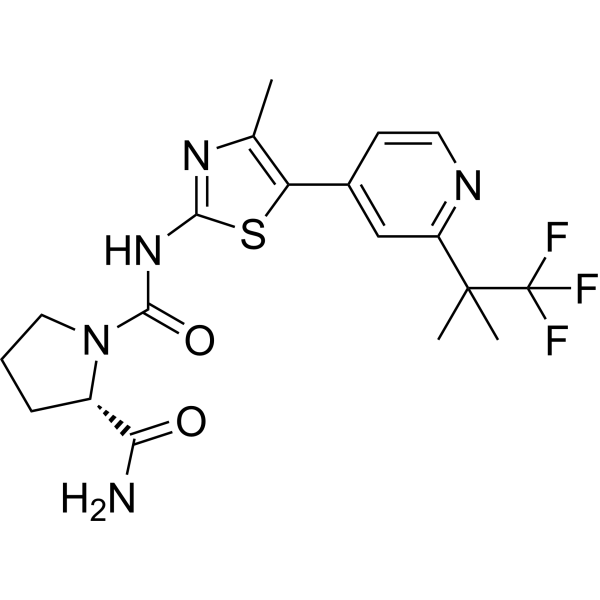 0 ImagesSynonyms: BYL-719Alpelisib (BYL-719) is an orally active PI3Kα-selective inhibitor that blocks the conversion of PIP2 to PIP3, thereby inhibiting pathways including PI3K/AKT/mTOR, MAPK/ERK, Notch and JAK-STAT. Alpelisib also induces apoptosis, G0/G1 phase arrest and senescence; it significantly inhibits the proliferation, self-renewal, stemness and epithelial-mesenchymal transition (EMT) of tumor cells, reduces cancer stem cell populations and decreases the expression of stem cell markers. Alpelisib not only enhances the sensitivity to Eribulin (HY-13442) and exerts a synergistic effect with Paclitaxel (HY-B0015), but may also induce drug resistance by upregulating the SGK3/GSK3β/β-catenin signaling pathway. Alpelisib can be applied to research related to breast cancer, gastric cancer and lipomas associated with PTEN hamartoma tumor syndrome.
-
Inavolisib
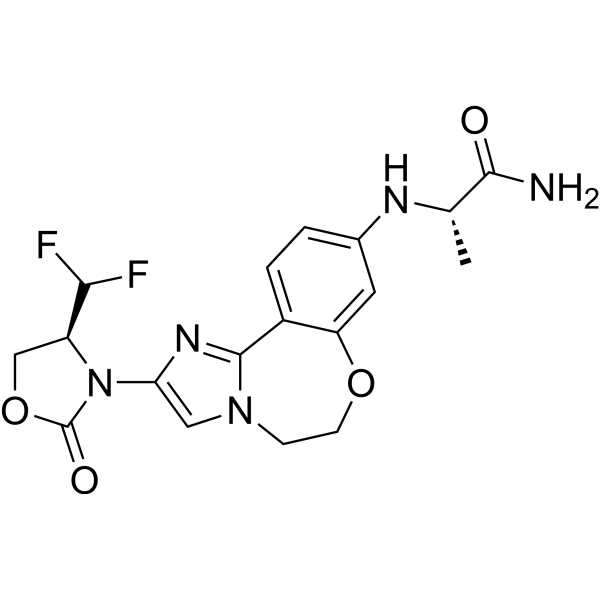 0 ImagesSynonyms: GDC-0077; RG6114Inavolisib (GDC-0077) is a potent, orally active, and selective PI3Kα inhibitor (IC50=0.038 nM). Inavolisib exerts its activity by binding to the ATP binding site of PI3K, thereby inhibiting the phosphorylation of PIP2 to PIP3. Inavolisib is more selective for mutant versus wild-type PI3Kα. Inavolisib can be used for the study of breast cancer.
-
Pictilisib
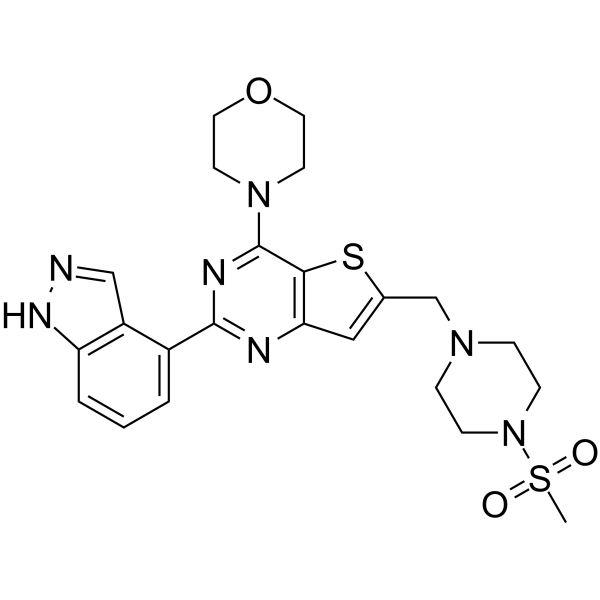 0 ImagesSynonyms: GDC-0941Pictilisib (GDC-0941) is a potent inhibitor of PI3Kα/δ with an IC50 of 3 nM, with modest selectivity against p110β (11-fold) and p110γ (25-fold).
-
Idelalisib
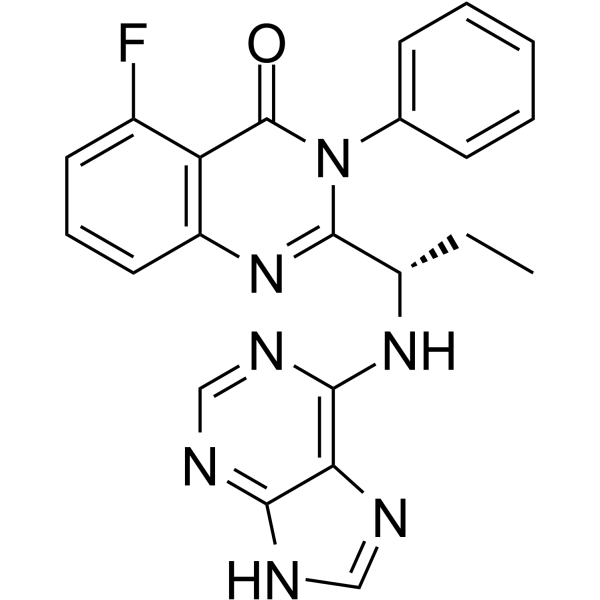 0 ImagesSynonyms: CAL-101; GS-1101
-
Bimiralisib
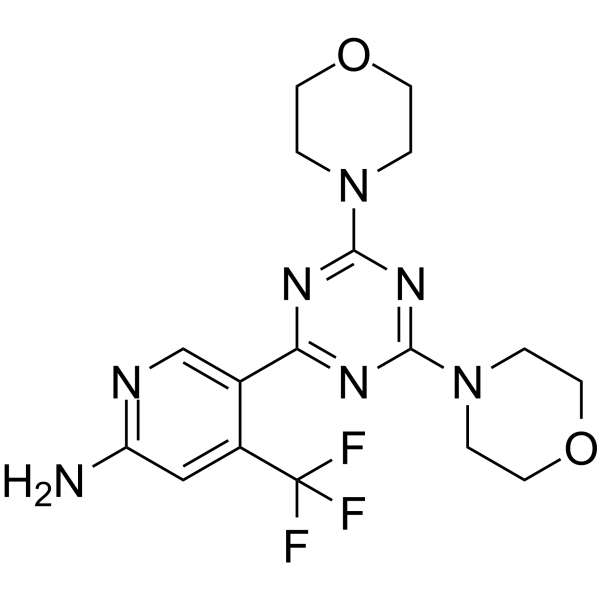 0 ImagesSynonyms: PQR309Bimiralisib (PQR309) is an orally active, blood-brain barrier-penetrant PI3K/mTOR inhibitor with in vitro antiproliferative activity and in vivo antitumor activity. Bimiralisib induces G1 cell cycle arrest, apoptosis and cell death in cancer cells, while inhibiting cancer cell proliferation, migration, invasion, colony formation and spheroid generation. Bimiralisib upregulates the expression of E2F4. The combination of Bimiralisib with venetoclax enhances therapeutic efficacy in acute myeloid leukemia models. Bimiralisib can be used in cancer-related research.
-
PH14
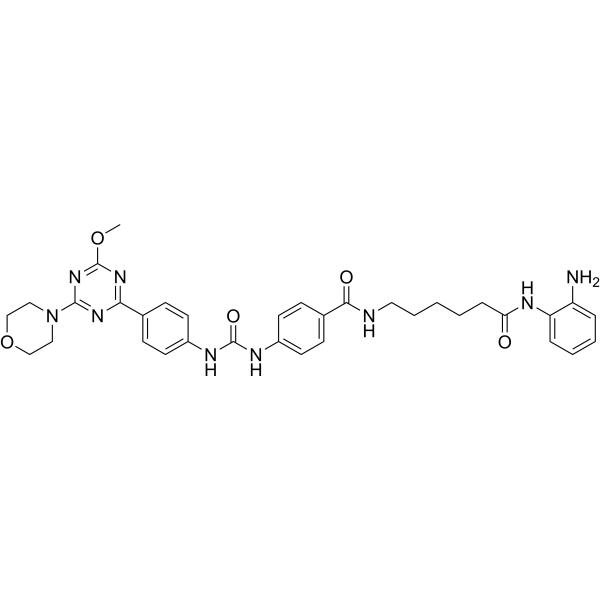 0 ImagesPH14 is a PI3Kα/HDAC3 inhibitor, with an IC50 value of 20.3 nM against PI3Kα and 24.5 nM against HDAC3. PH14 blocks the phosphorylation of AKT, inhibits the PI3K/AKT signaling pathway, increases the level of acetylated histone H3, promotes apoptosis, and exerts antiproliferative activity against tumor cells. PH14 can be used in the research of mantle cell lymphoma, myeloma, acute promyelocytic leukemia, and breast cancer.
-
PROTAC PI3Kα degrader-1
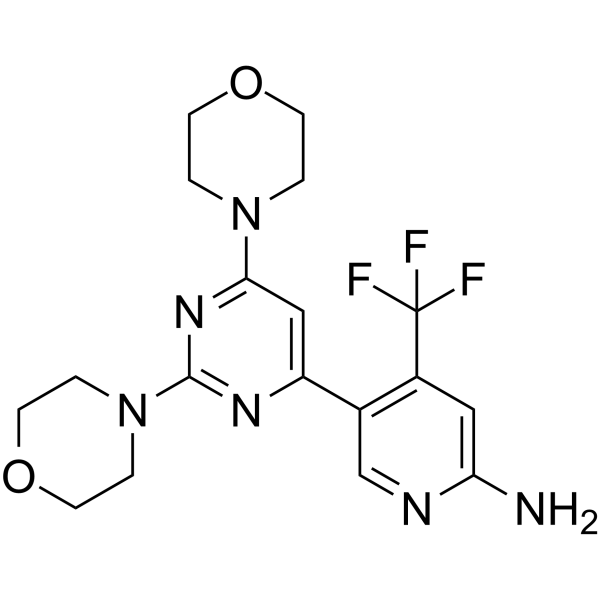
 0 ImagesCat. No.: HY-174461Purity: 99.21%PROTAC PI3Kα degrader-1 is a PI3Kα PROTAC degrader that recruits CRBN, with a DC50 of 0.08 μM in T47D breast cancer cells. PROTAC PI3Kα degrader-1 inhibits the phosphorylation of AKT at the Ser473 site in cancer cells and exhibits in vivo anticancer efficacy in xenograft models. PROTAC PI3Kα degrader-1 can be used in cancer-related research.
-
Dactolisib
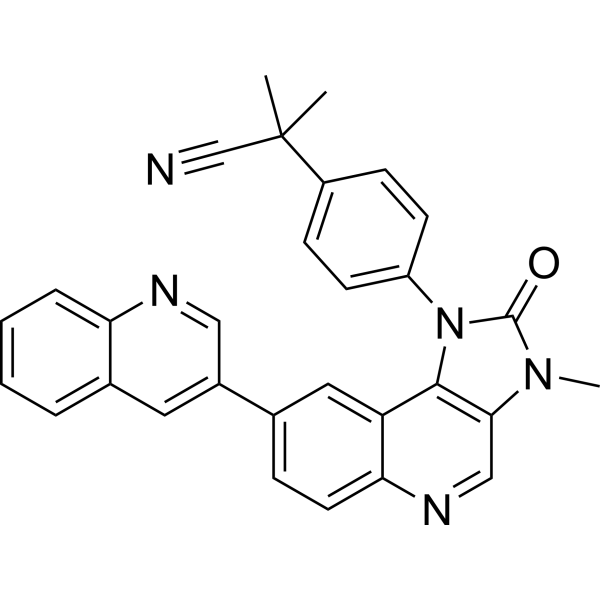 0 ImagesSynonyms: BEZ235; NVP-BEZ235
-
Gedatolisib
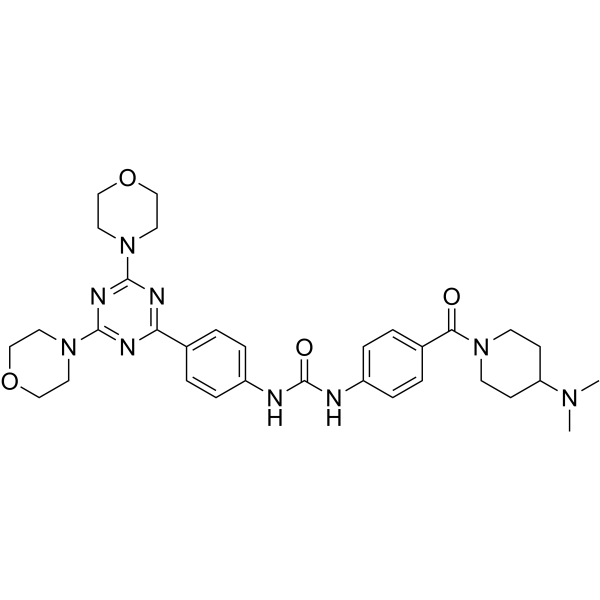 0 ImagesSynonyms: PKI-587; PF-05212384
-
Copanlisib
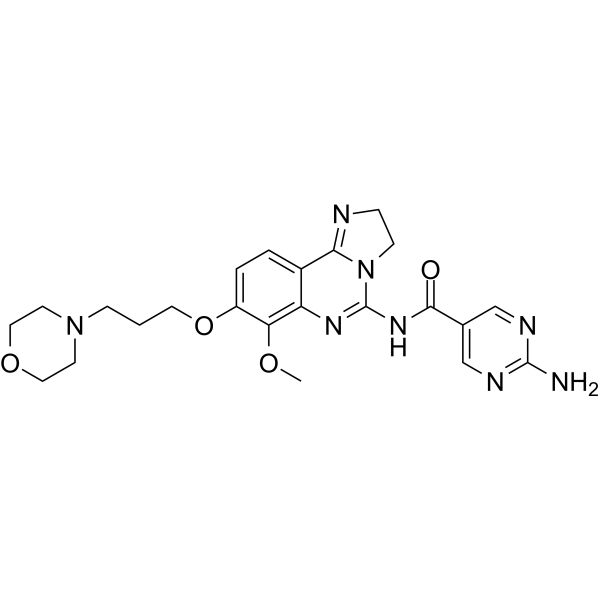 0 ImagesSynonyms: BAY 80-6946Copanlisib (BAY 80-6946) is a potent, selective and ATP-competitive pan-class I PI3K inhibitor, with IC50s of 0.5 nM, 0.7 nM, 3.7 nM and 6.4 nM for PI3Kα, PI3Kδ, PI3Kβ and PI3Kγ, respectively. Copanlisib has more than 2,000-fold selectivity against other lipid and protein kinases, except for mTOR. Copanlisib has superior antitumor activity.
-
Duvelisib
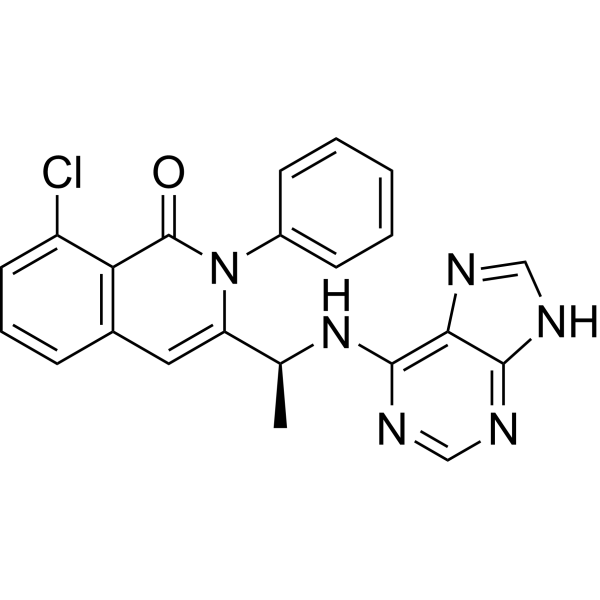 0 ImagesSynonyms: IPI-145; INK1197Duvelisib (IPI-145) is a selectivite p100δ inhibitor with IC50 of 2.5 nM, 27.4 nM, 85 nM and 1602 nM for p110δ, P110γ, p110β and p110α, respectively.
-
Eganelisib
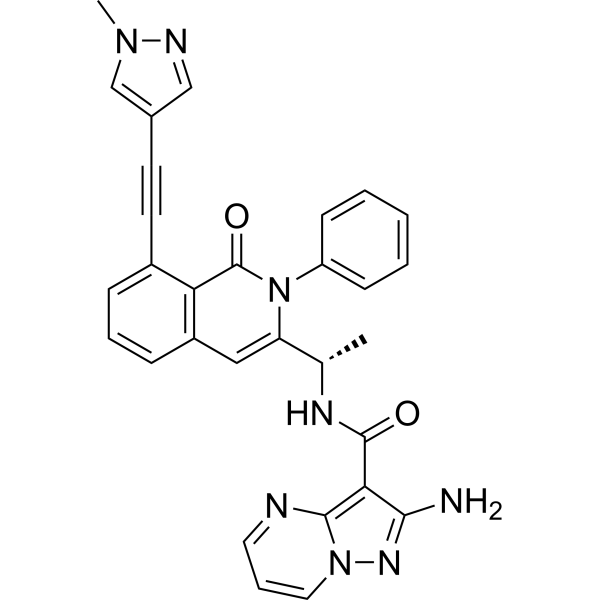 0 ImagesSynonyms: IPI-549
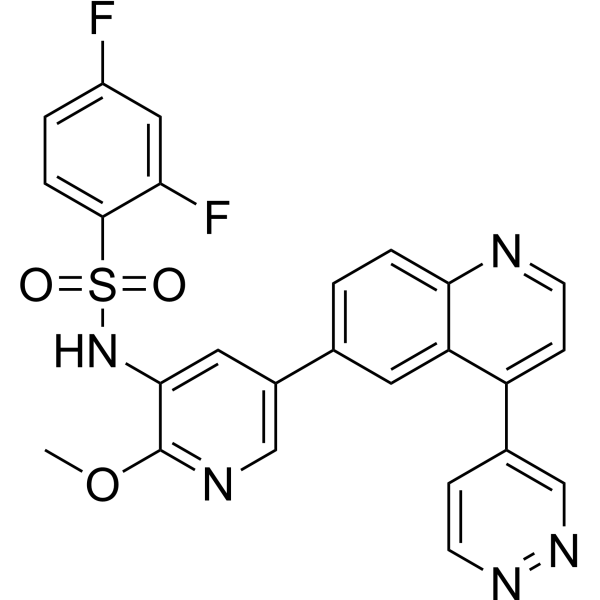
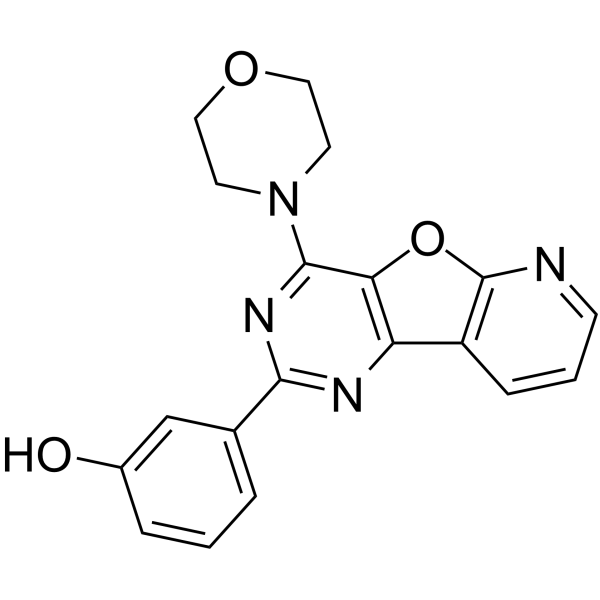
-
hSMG-1 inhibitor 11j
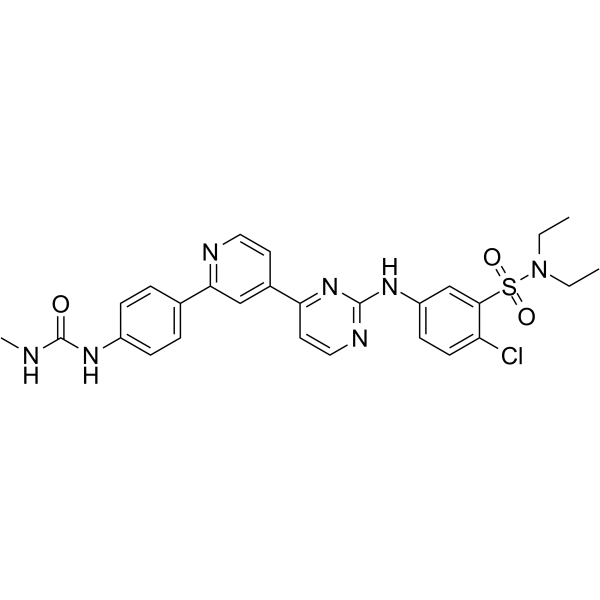 0 ImageshSMG-1 inhibitor 11j, a pyrimidine derivative, is a potent and selective inhibitor of hSMG-1, with an IC50 of 0.11 nM. hSMG-1 inhibitor 11j exhibits >455-fold selectivity for hSMG-1 over mTOR (IC50=50 nM), PI3Kα/γ (IC50=92/60 nM) and CDK1/CDK2 (IC50=32/7.1 μM). hSMG-1 inhibitor 11j can be used for the research of cancer.