mTORC2
Rapamycin complex 2 (mTORC2) functions as a serine/threonine kinase complex that integrates extracellular and intracellular signals to regulate cell survival, metabolism, and cytoskeletal organization[1][2]. Mechanistically, mTORC2 mediates phosphorylation of AGC family kinases including Akt, PKC, and SGK1, influencing cell growth, differentiation, and ion transport[1][3]. Activation of mTORC2 occurs downstream of growth factor receptors and G-protein coupled receptors, and is modulated by stress conditions such as nutrient limitation[1][4]. In disease models, mTORC2 dysregulation contributes to cancer progression, epithelial-mesenchymal transition, and resistance to apoptosis, as observed in colorectal cancer and pheochromocytoma models[5][6][7]. Compared with mTORC1, mTORC2 uniquely phosphorylates Akt at Ser473 and SGK1 at Ser422, while being less sensitive to rapamycin inhibition, indicating functional and regulatory specificity[3][8][9]. Structural studies reveal that mTORC2 assembly depends on core subunits such as Rictor and SIN1, which determine its localization and substrate specificity[10][11]. For experimental applications, dual mTORC1/2 inhibitors or genetic knockouts targeting Rictor and SIN1 effectively modulate mTORC2-dependent signaling, autophagy, and cell survival in preclinical studies[6][12][13]. These insights position mTORC2 as a critical regulatory node for targeted therapeutic interventions and mechanistic studies of cellular growth and stress responses[1][2][13].
Références:
- [1]. Losiewicz MK, et al. mTORC1 and mTORC2 expression in inner retinal neurons and glial cells. Exp Eye Res. 2020 Aug;197:108131. [Content Brief]
- [2]. Kim LC, et al. mTORC1 and mTORC2 in cancer and the tumor microenvironment. Oncogene. 2017 Apr 20;36(16):2191-2201. [Content Brief]
- [3]. Ragupathi A, et al. The mTORC2 signaling network: targets and cross-talks. Biochem J. 2024 Jan 25;481(2):45-91. [Content Brief]
- [4]. Giubellino A, et al. Combined inhibition of mTORC1 and mTORC2 signaling pathways is a promising therapeutic option in inhibiting pheochromocytoma tumor growth: in vitro and in vivo studies in female athymic nude mice. Endocrinology. 2013 Feb;154(2):646-55. [Content Brief]
- [5]. Zhu J, et al. mTORC1 and mTORC2 Co-Protect against Cadmium-Induced Renal Tubular Epithelial Cell Apoptosis and Acute Kidney Injury by Regulating Protein Kinase B. J Agric Food Chem. 2024 Sep 11;72(36):19667-19679. [Content Brief]
- [6]. Gulhati P, et al. mTORC1 and mTORC2 regulate EMT, motility, and metastasis of colorectal cancer via RhoA and Rac1 signaling pathways. Cancer Res. 2011 May 1;71(9):3246-56. [Content Brief]
- [7]. García-Martínez JM, et al. mTOR complex 2 (mTORC2) controls hydrophobic motif phosphorylation and activation of serum- and glucocorticoid-induced protein kinase 1 (SGK1). Biochem J. 2008 Dec 15;416(3):375-85. [Content Brief]
- [8]. Oh WJ, et al. mTOR complex 2 signaling and functions. Cell Cycle. 2011 Jul 15;10(14):2305-16. [Content Brief]
- [9]. Copp J, et al. TORC-specific phosphorylation of mammalian target of rapamycin (mTOR): phospho-Ser2481 is a marker for intact mTOR signaling complex 2. Cancer Res. 2009 Mar 1;69(5):1821-7. [Content Brief]
- [10]. Stuttfeld E, et al. Architecture of the human mTORC2 core complex. Elife. 2018 Feb 9;7:e33101. [Content Brief]
- [11]. Sun Y, et al. mTORC2: a multifaceted regulator of autophagy. Cell Commun Signal. 2023 Jan 5;21(1):4. [Content Brief]
- [12]. Thobe K, et al. Unraveling the regulation of mTORC2 using logical modeling. Cell Commun Signal. 2017 Jan 19;15(1):6. [Content Brief]
- [13]. Soliman GA, et al. mTOR Ser-2481 autophosphorylation monitors mTORC-specific catalytic activity and clarifies rapamycin mechanism of action. J Biol Chem. 2010 Mar 12;285(11):7866-79. [Content Brief]
- [14]. Cardenas-Rodriguez M, et al. The Bardet-Biedl syndrome-related protein CCDC28B modulates mTORC2 function and interacts with SIN1 to control cilia length independently of the mTOR complex. Hum Mol Genet. 2013 Oct 15;22(20):4031-42. [Content Brief]
All Product Categories
-
mTORC2 Produits associés (45)
Produits associés (45)

-
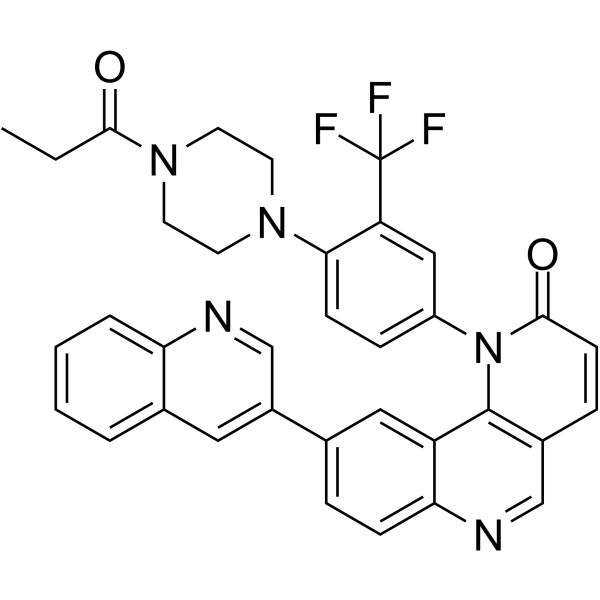
Sapanisertib
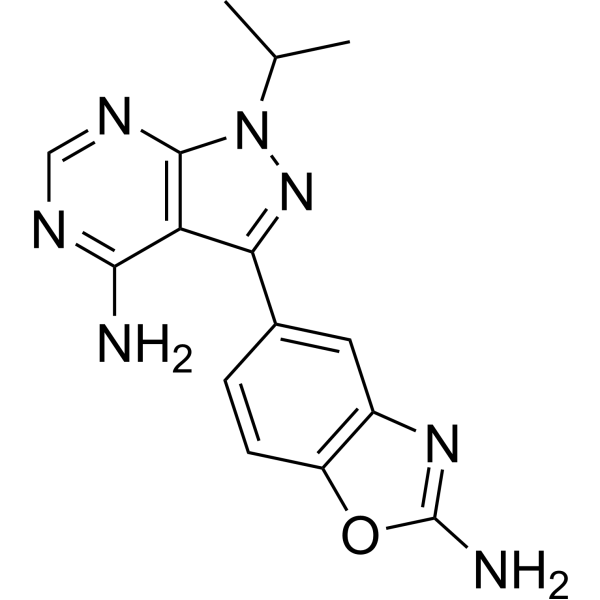 0 ImagesSynonyms: INK-128; MLN0128; TAK-228Sapanisertib (INK-128; MLN0128; TAK-228) is an orally active dual mTORC1/mTORC2 inhibitor. Sapanisertib directly and simultaneously inhibits mTORC1/2 activity through competitive binding with ATP, thereby comprehensively blocking downstream processes such as protein and lipid synthesis and cytoskeletal reorganization, consequently suppressing tumor cell proliferation and promoting apoptosis. Sapanisertib is applicable to research on melanoma, ovarian cancer, pulmonary fibrosis, and hematological malignancies.
-
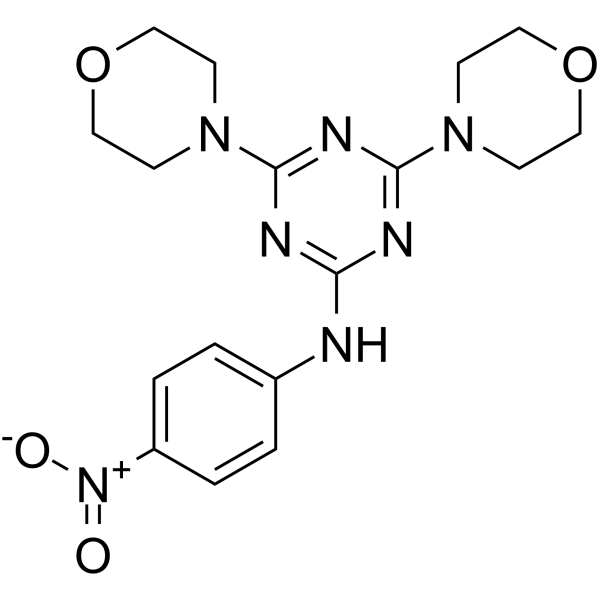
Dactolisib
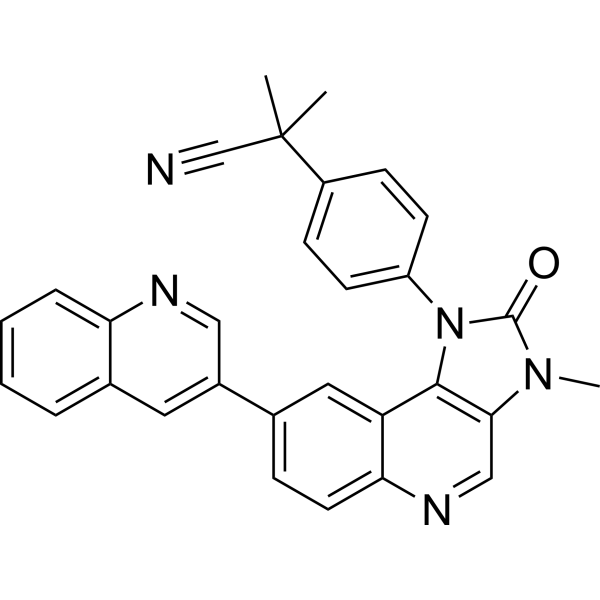 0 ImagesSynonyms: BEZ235; NVP-BEZ235
-
JPS004
 0 ImagesCat. No.: HY-176904CAS No.: 2559747-12-3JPS004 is a PROTAC degrader targeting HDAC1, HDAC2 and HDAC3. JPS004 induces extensive transcriptomic changes in human colon cancer cell line HCT116, including downregulation of HDAC complex components and cell cycle regulatory machinery, modulation of the AKT/mTOR signaling pathway, and upregulation of FOXO-mediated apoptosis and autophagy related genes. JPS004 can be used in colon cancer-related research.
-
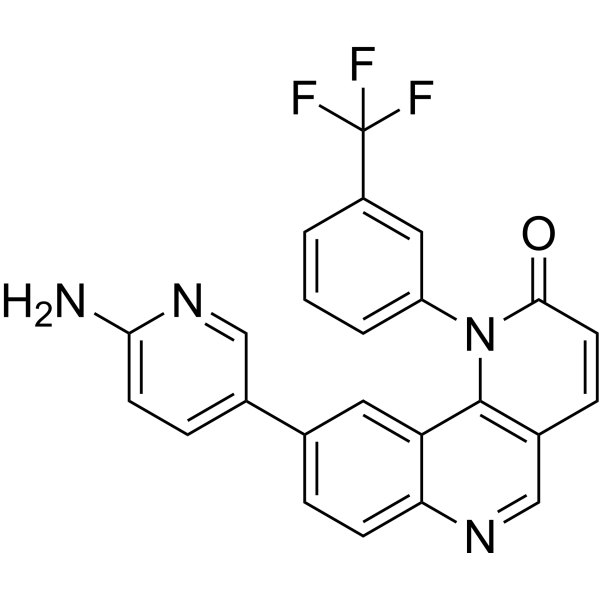
eALM1137
 0 ImagesCat. No.: HY-183250eALM1137 is a mTOR inhibitor with an IC50 of 4.8 nM. eALM1137 mediates dual inhibition of the mTORC1 and mTORC2 signaling pathways, and inhibits DNA-PK (IC50=77 nM). eALM1137 exhibits antiproliferative and cytostatic activities, and induces G1 cell cycle arrest. eALM1137 is applicable to the research of glioblastoma multiforme.
-
Gedatolisib
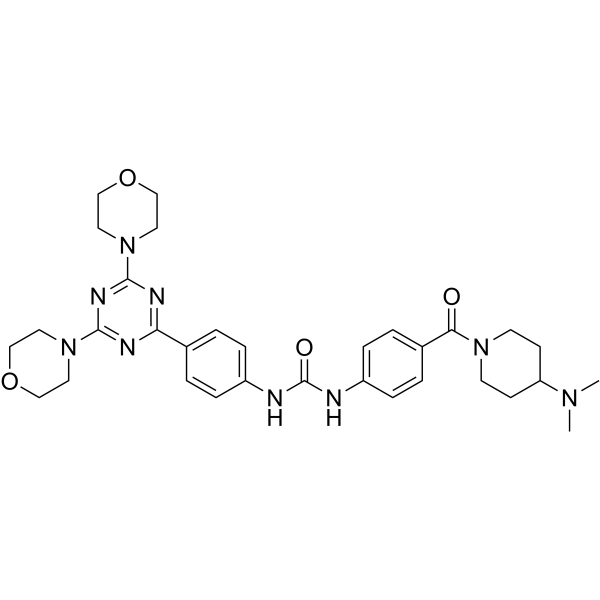 0 ImagesSynonyms: PKI-587; PF-05212384
-
Dihydromyricetin
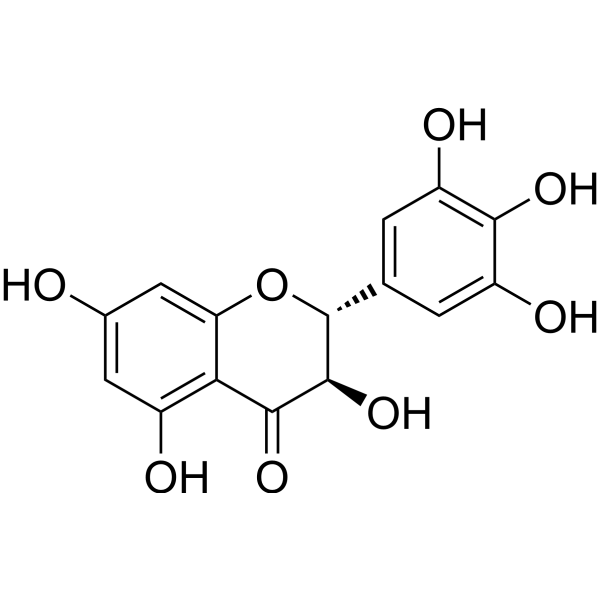 0 ImagesSynonyms: Ampelopsin; AmpeloptinDihydromyricetin is a potent inhibitor with an IC50 of 48 μM on dihydropyrimidinase. Dihydromyricetin can activate autophagy through inhibiting mTOR signaling. Dihydromyricetin suppresses the formation of mTOR complexes (mTORC1/2). Dihydromyricetin is also a potent influenza RNA-dependent RNA polymerase inhibitor with an IC50 of 22 μM.
-
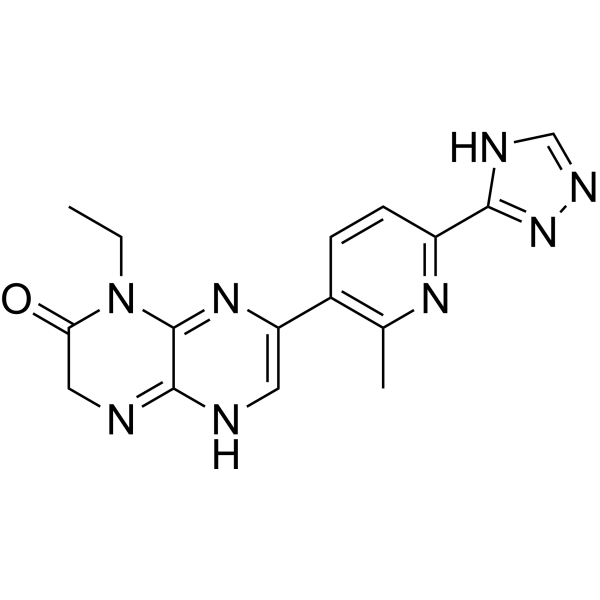
JR-AB2-011
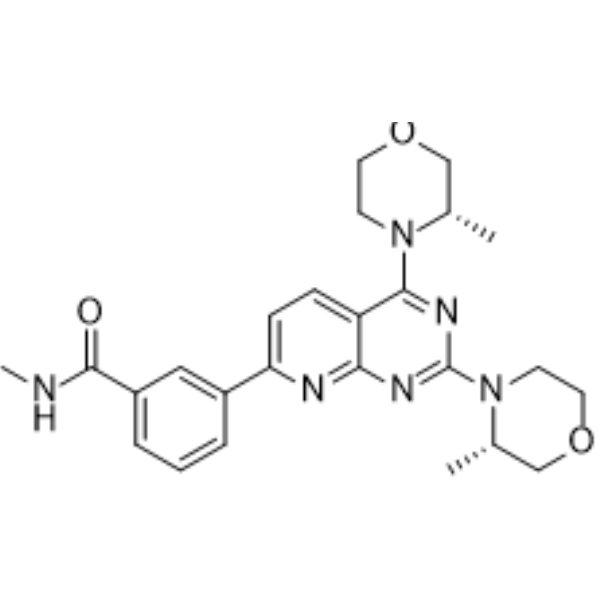
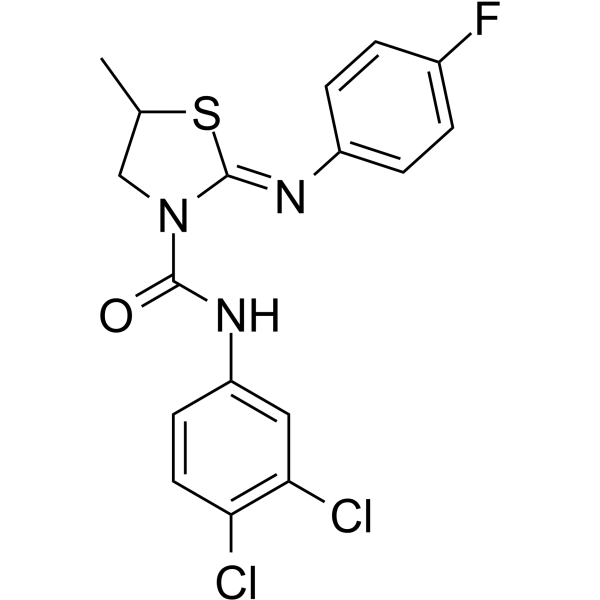 0 ImagesJR-AB2-011 is a selective mTORC2 inhibitor with an IC50 value of 0.36 μM. JR-AB2-011 inhibits mTORC2 activity by blocking Rictor-mTOR association (Ki: 0.19 μM).JR-AB2-011 decreases the phosphorylation level of Akt, decreases MMP2 activity, thereby reducing the ability of tumor cells to migrate and invade. JR-AB2-011 also induces non-apoptotic cell death.
-
Aloe emodin
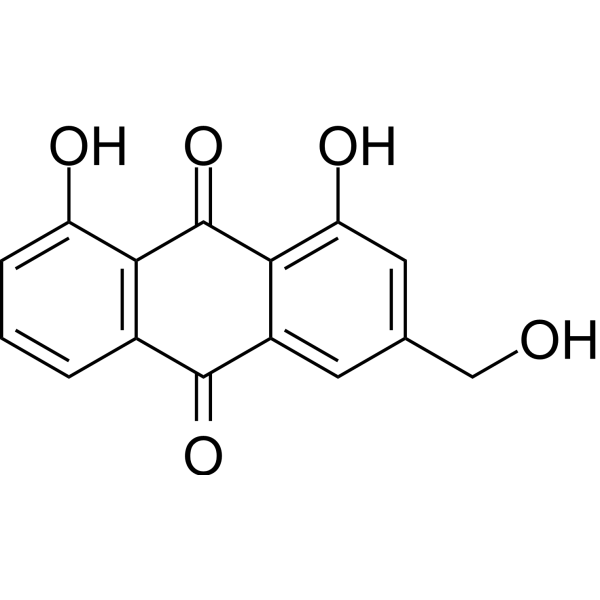 0 ImagesSynonyms: Rhabarberone; 3-HydroxymethylchrysazineAloe emodin (Rhabarberone) is a natural hydroxyanthraquinone with antitumor activities. aloe-emodin can bind with mTORC2 and inhibit its kinase activity. Aloe emodin exerts antiproliferation effects and induces cellular apoptosis. Aloe emodin also exhibits antiviral activity that against influenza A virus.
-
Samotolisib
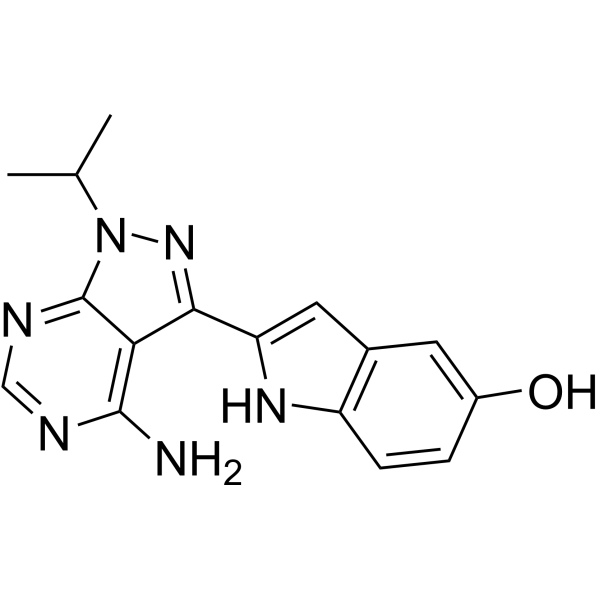
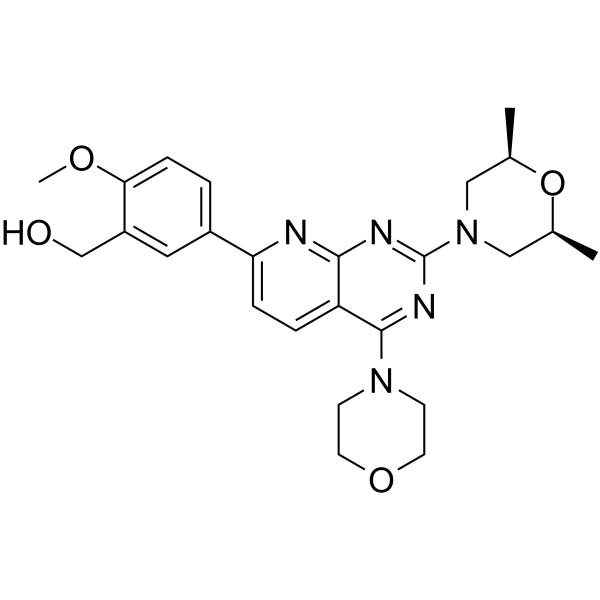
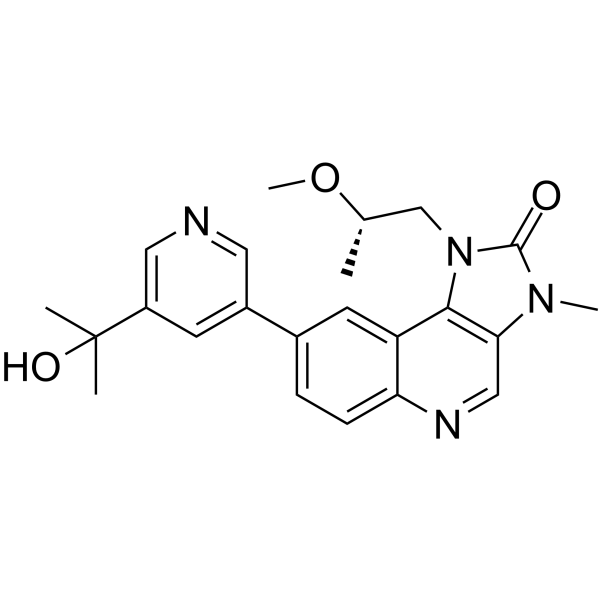 0 ImagesSynonyms: LY3023414Samotolisib (LY3023414) potently and selectively inhibits class I PI3K isoforms, DNA-PK, and mTORC1/2 with IC50s of 6.07 nM, 77.6 nM, 38 nM, 23.8 nM, 4.24 nM and 165 nM for PI3Kα, PI3Kβ, PI3Kδ, PI3Kγ, DNA-PK and mTOR, respectively. Samotolisib potently inhibits mTORC1/2 at low nanomolar concentrations.
-
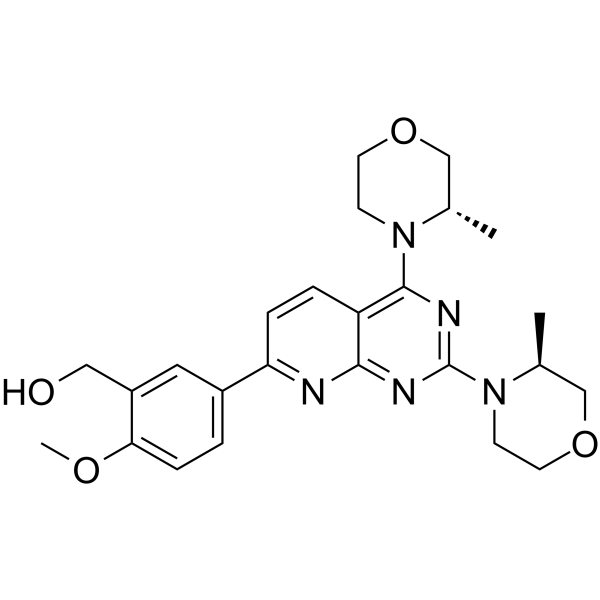
Apitolisib
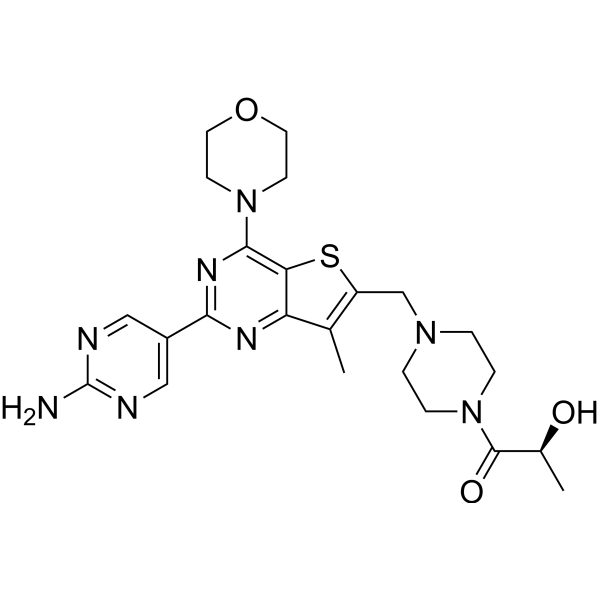 0 ImagesSynonyms: GDC-0980; GNE 390; RG 7422