



JR-AB2-011
Based on 20 publication(s) in Google Scholar
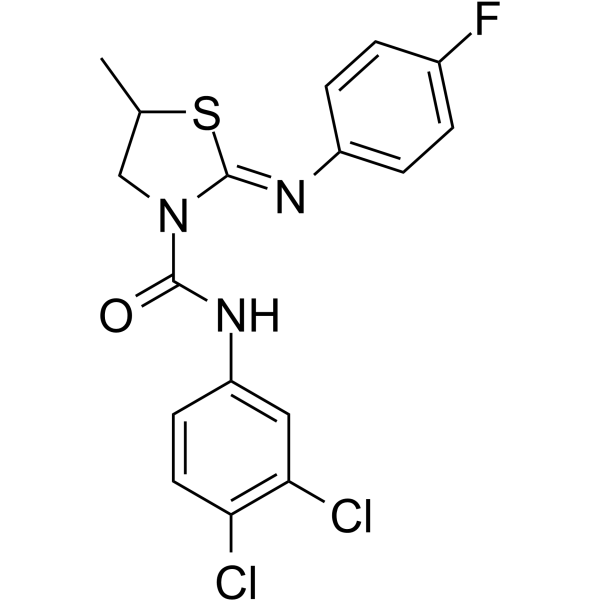
JR-AB2-011 is a selective mTORC2 inhibitor with an IC50 value of 0.36 μM. JR-AB2-011 inhibits mTORC2 activity by blocking Rictor-mTOR association (Ki: 0.19 μM).JR-AB2-011 decreases the phosphorylation level of Akt, decreases MMP2 activity, thereby reducing the ability of tumor cells to migrate and invade. JR-AB2-011 also induces non-apoptotic cell death.
For research use only. We do not sell to patients.
- Purity : 98.15%
- CAS No.: 2411853-34-2
- Formula: C17H14Cl2FN3OS
- Molecular Weight:398.28
-
Storage:
4°C, protect from light
* In solvent : -80°C, 6 months; -20°C, 1 month (protect from light)

To place orders, for customer services and technical support, please contact: MedChemExpress USA
Tel: 609-228-6898 E-mail: [email protected] [email protected]


-
 Biological Activity
-
Chemical Information
-
Solvent & Solubility
- Protocols
- Purity & Documentation
- References
-
 Help & FAQs


-
HY-10219
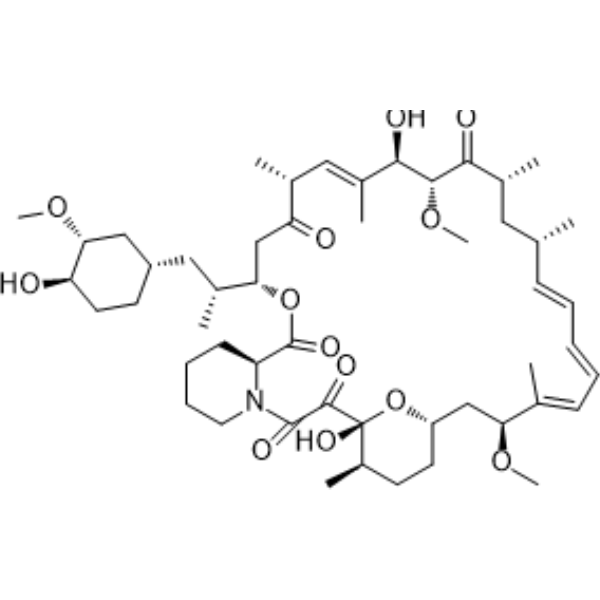
RapamycinmTOR Inhibitor -
HY-10218
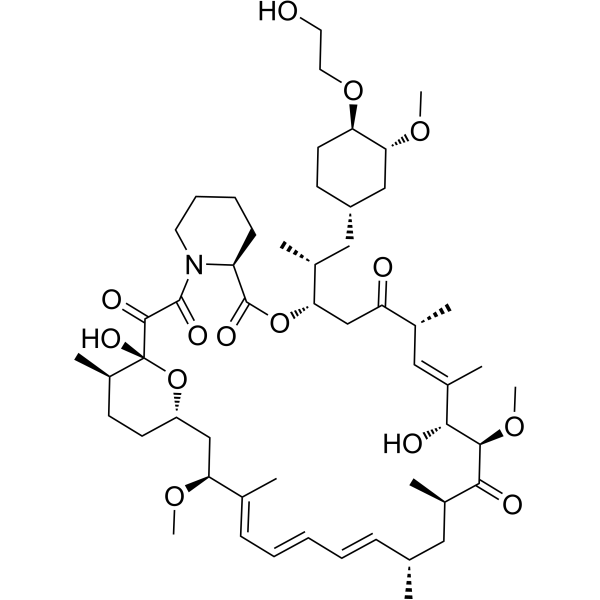
EverolimusmTORC Inhibitor -
HY-13003
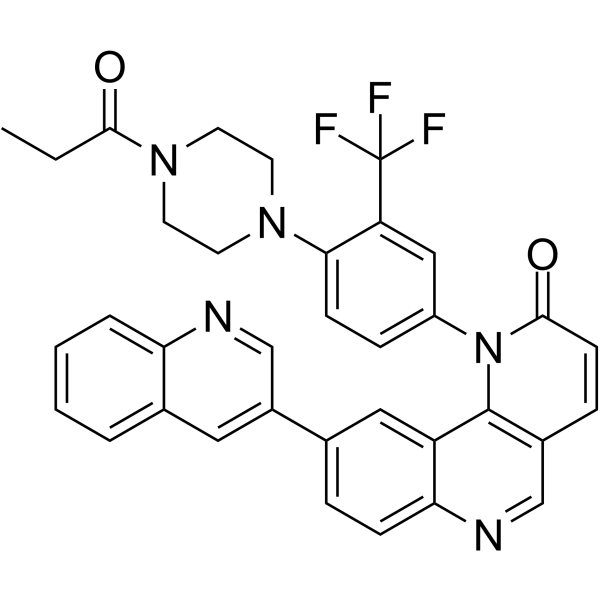
Torin 1mTOR Inhibitor -
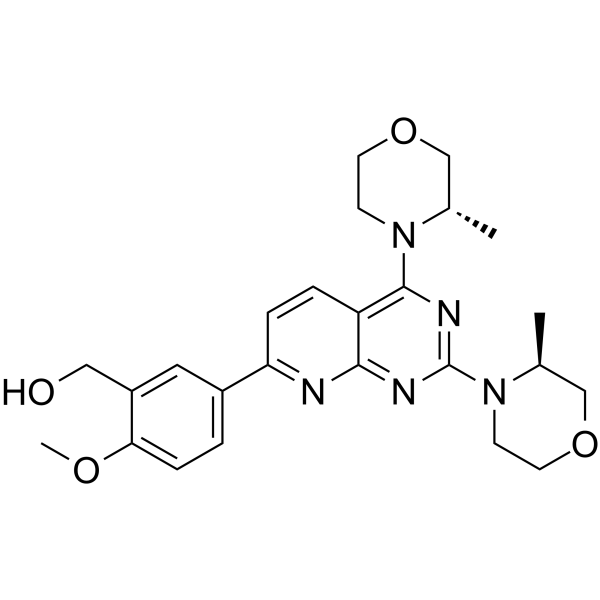
HY-10422
AZD-8055mTOR Inhibitor -
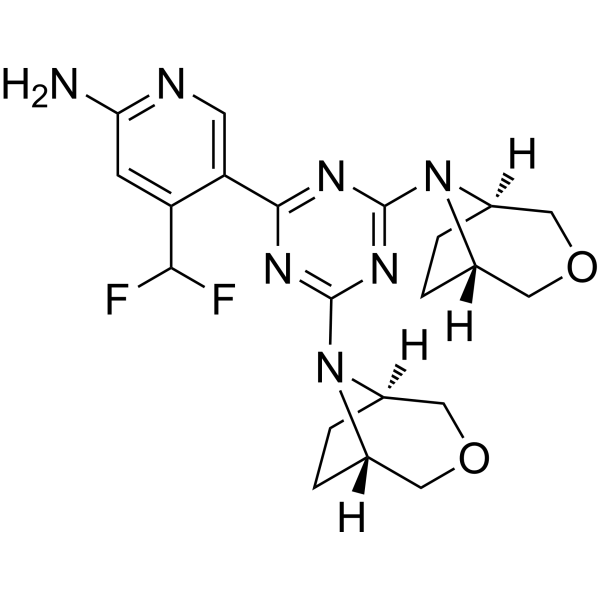
HY-100026
PQR620mTORC1/2 Inhibitor -
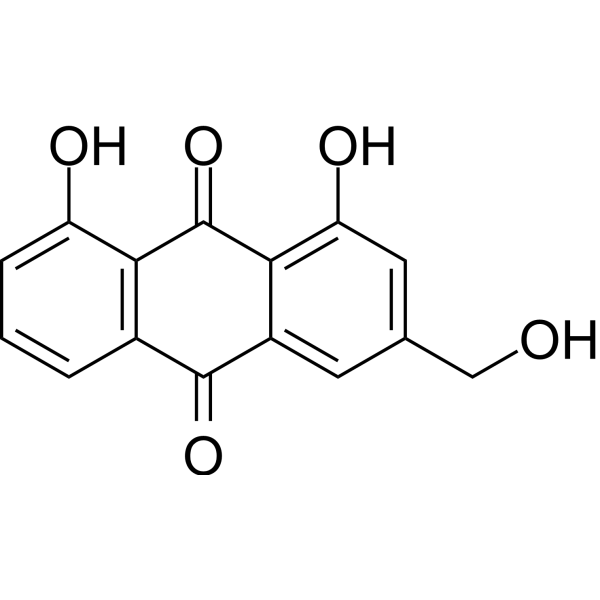
HY-N0189
Aloe emodinmTORC2 Inhibitor -
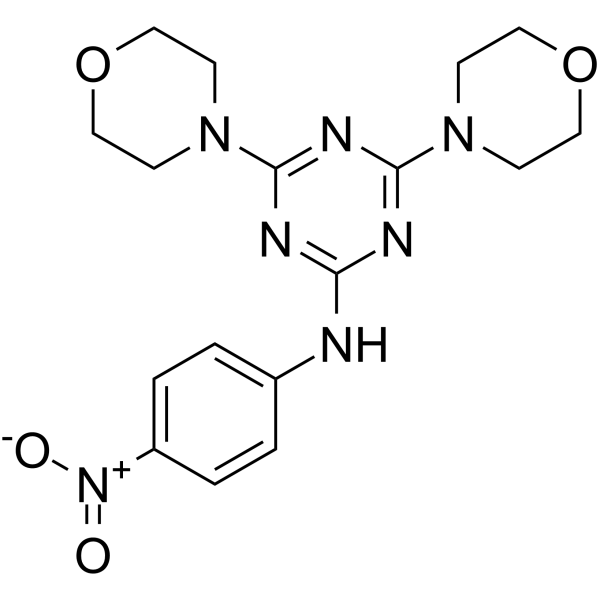
HY-B0795
MHY1485mTOR Activator -
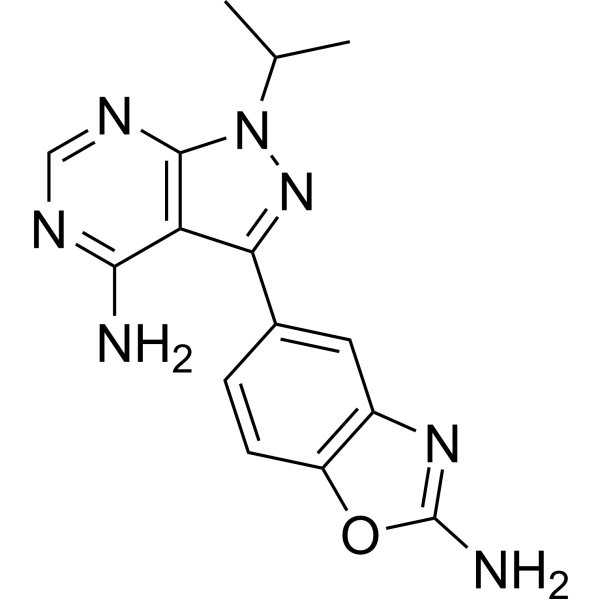
HY-13328
SapanisertibmTORC1/mTORC2 Inhibitor -
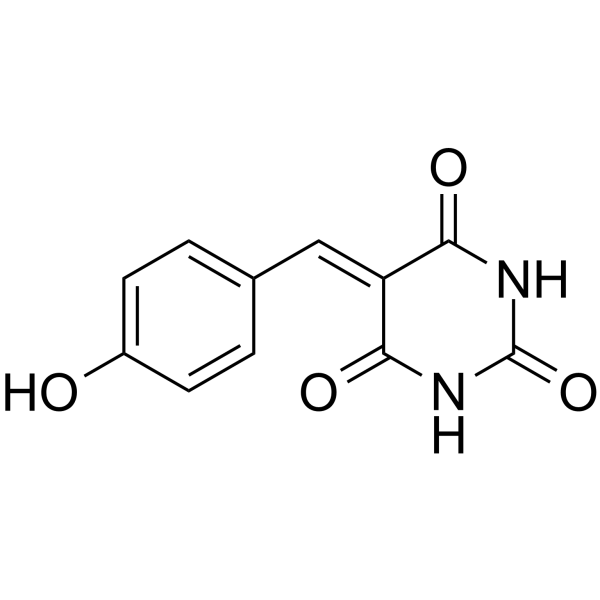
HY-141805
MHY-1685mTOR Inhibitor -
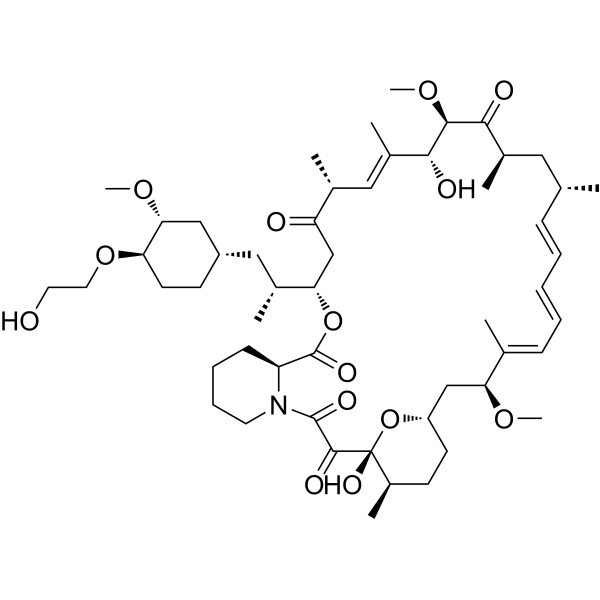
HY-10218R
Everolimus (Standard)mTORC Inhibitor -
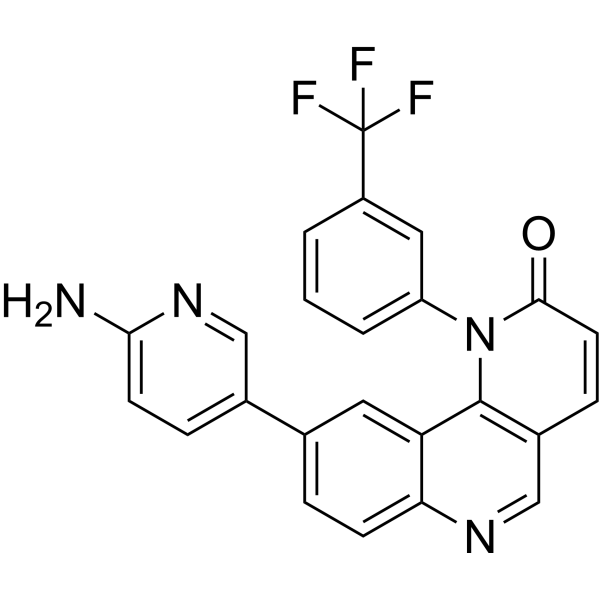
HY-13002
Torin 2mTOR Inhibitor -
HY-114384
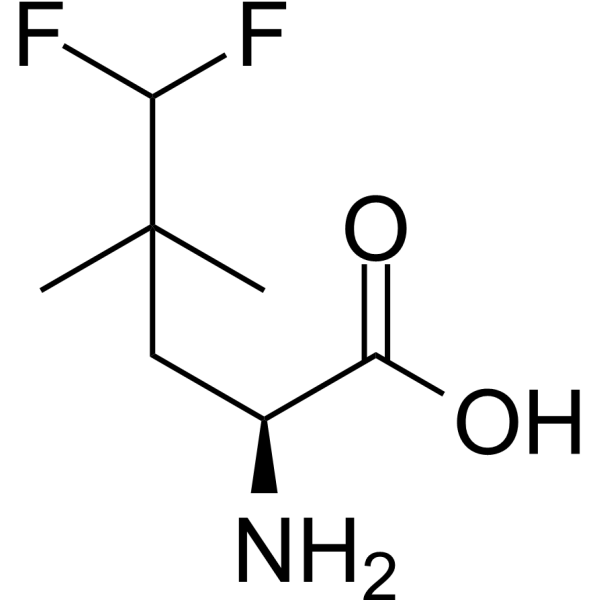
MefluleucinemTORC1 Activator
Publications Citing Use of MedChemExpress (MCE) JR-AB2-011
More- Cancer Cell. 2025 Apr 22:S1535-6108(25)00138-2. [Abstract]
- Nat Cell Biol. 2025 Jan;27(1):73-86. [Abstract]
- J Extracell Vesicles. 2025 May;14(5):e70093. [Abstract]
- Nat Commun. 2026 Jan 20;17(1):614. [Abstract]
- Sci Immunol. 2022 Jan 21;7(67):eabj5501. [Abstract]
- Cell Rep Med. 2024 Dec 17;5(12):101844. [Abstract]
- Cell Death Dis. 2022 Feb 3;13(2):107. [Abstract]
- Pharmacol Res. 2021 Oct:172:105796. [Abstract]
- J Exp Med. 2023 Oct 2;220(10):e20222056. [Abstract]
- Int Immunopharmacol. 2026 Mar 1:172:116207. [Abstract]
- Int J Mol Sci. 2021 Apr 21;22(9):4322. [Abstract]
- Front Pharmacol. 2020 Nov 11:11:580407. [Abstract]
- Pharmacol Rep. 2024 Dec;76(6):1390-1402. [Abstract]
- Biomedicines. 2021 Oct 19;9(10):1498. [Abstract]
- Front Mol Biosci. 2020 Jul 28;7:121. [Abstract]
- Biology (Basel). 2023 Nov 26;12(12):1467. [Abstract]
- Epilepsy Res. 2023 Jul:193:107161. [Abstract]
- bioRxiv. 2024 August 14.
- Res Sq. 2024 Jul 15.
- bioRxiv. 2024 Apr 3.
 Customer Validation & Images

-
Cell Imaging/Staining
-
Cell Proliferation/Viability Assay
-
Others
-
Others
-
WB


Biological Activity
Description
IC50 & Target
[1]|
mTORC2 0.36 μM (IC50) |
In Vitro
JR-AB2-011 (10 µM - 250 µM; 48h) significantly reduces the survival rate and proliferation ability of different melanoma cell lines (MelJu, MelJuso, MelIm, B16)[2].
JR-AB2-011 (50 µM, 250 µM; 48 h) decreases the phosphorylation level of Akt in MelIm cells, indicating that inhibition of mTORC2 attenuated the Ak t signaling pathway[2].
JR-AB2-011 (50 µM, 250 µM; 48-78 h) results in a significant decrease in cell survival fraction SF and a significant reduction in the migration and invasive ability of melanoma cells, which is mainly achieved by decreasing MMP2 activity[2].
MedChemExpress (MCE) has not independently confirmed the accuracy of these methods. They are for reference only. Further protocols information, click here.
-
Cell Line:MelJuso
-
Concentration:50 µM, 250 µM
-
Incubation Time:72h
-
Result:JR-AB2-011 significantly reduced MMP2 protein and inhibited MMP2 activity, thereby inhibiting tumor cell invasion.
In Vivo
JR-AB2-011 (4 mg/kg; p.o.; daily) significantly blocks the Dioscin-induced promotion of M2 macrophage polarization[3].
MedChemExpress (MCE) has not independently confirmed the accuracy of these methods. They are for reference only.
-
Animal Model:C57BL/6N mice with injection of B16 cells [2].
-
Dosage:20 mg/kg everyday
-
Administration:i.p.
-
Result:JR-AB2-011 resulted in a significant decrease in hepatic tumor burden and metastasis load, as assessed by MRI and BLI.
Histological analysis confirmed the presence of fewer and smaller metastases in the liver of treated mice. MMP2 expression was also significantly reduced.
-
Animal Model:DSS (dextran sulfate sodium) induced colitis in mice [3]
-
Dosage:4 mg/kg; Dioscin 160 mg/kg; daily
-
Administration:p.o.
-
Result:JR-AB2-011 significantly blocked the Dioscin-induced promotion of M2 macrophage polarization.
JR-AB2-011 inhibited the mTORC2/PPAR-γ signaling pathway, attenuating the regulatory effects of Dioscin on macrophage metabolism and polarization.
The decrease in inflammation-related biomarkers (e.g., TNF-α, IL-6, IFN-γ, etc.) was partially reversed, indicating that the anti-inflammatory effects of Dioscin were suppressed.


Chemical Information
-
CAS No. 2411853-34-2
-
Appearance Solid
-
Molecular Weight 398.28
-
Formula C17H14Cl2FN3OS
-
Color White to off-white
-
SMILES
ClC1=C(Cl)C=C(NC(N2/C(SC(C)C2)=N/C3=CC=C(F)C=C3)=O)C=C1
-
Shipping
Room temperature in continental US; may vary elsewhere.
-
Storage
4°C, protect from light
* In solvent : -80°C, 6 months; -20°C, 1 month (protect from light)


Publications (20)
-
Journal Impact Factor
-
Most Recent
-
Cancer Cell
2025 Apr 22:S1535-6108(25)00138-2. PMID: 40280124
JR-AB2-011 purchased from MedChemExpress. Usage Cited in: Cancer Cell. 2025 Apr 22:S1535-6108(25)00138-2. [Abstract]
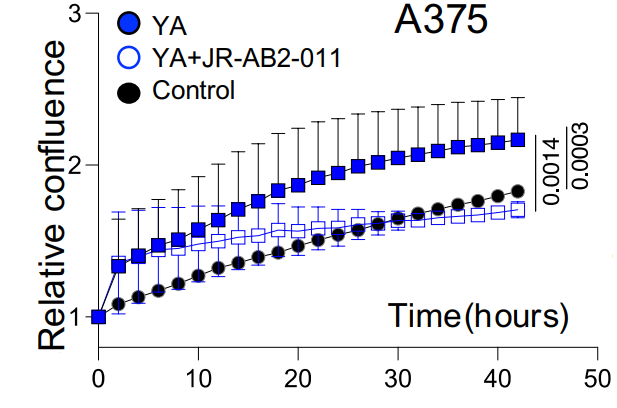
Relative proliferation of A375 cells treated with young adipocyte secretome (YA, blue) or YA with 500nM mTORC2 inhibitor JR-AB2-011 (YA+JR-AB2-011, white square with blue outline) or control (black) for 48 hours.
-
Nat Cell Biol
Chromosome mis-segregation triggers cell cycle arrest through a mechanosensitive nuclear envelope checkpoint. [Abstract]2025 Jan;27(1):73-86. PMID: 39779939
JR-AB2-011 purchased from MedChemExpress. Usage Cited in: Nat Cell Biol. 2025 Jan;27(1):73-86. [Abstract]
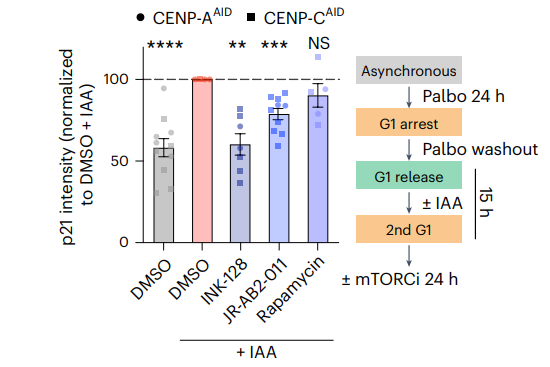
Immunofluorescence staining results of p21 cells in G1 phase RPE-1 cells after treatment with mTORC1/2 inhibitor INK-128 (0.2 μM), mTORC2 inhibitor JR-AB2-011 (5 μM), or mTORC1 inhibitor rapamycin (0.1 μM) for 24 hours.
-
J Extracell Vesicles
2025 May;14(5):e70093. PMID: 40415253
JR-AB2-011 purchased from MedChemExpress. Usage Cited in: J Extracell Vesicles. 2025 May;14(5):e70093. [Abstract]
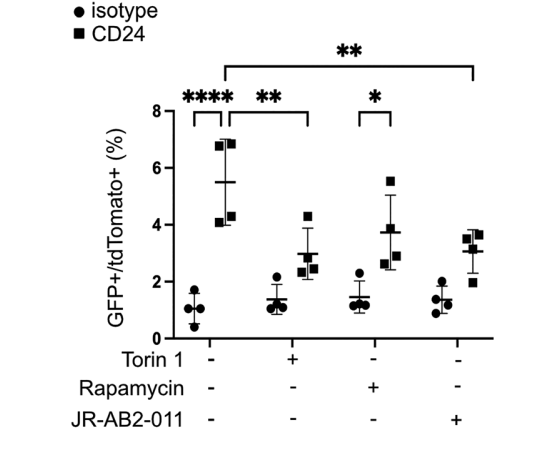
WEHI-231-GFP cells were pretreated with Torin 1, rapamycin, JR-AB2-011 (0.1 µM), or DMSO for 15 minutes, then stimulated with anti-CD24 antibody or isotype control antibody for 15 minutes, followed by elution and co-culture with WEHI-303-tdTomato cells for 24 hours. The percentage of GFP and tdTomato double-positive cells was recorded after 24 hours of incubation.
-
Nat Commun
The UFL1-AKT positive feedback loop promotes breast cancer progression by enhancing lipid synthesis. [Abstract]2026 Jan 20;17(1):614. PMID: 41559041
JR-AB2-011 purchased from MedChemExpress. Usage Cited in: Nat Commun. 2026 Jan 20;17(1):614. [Abstract]
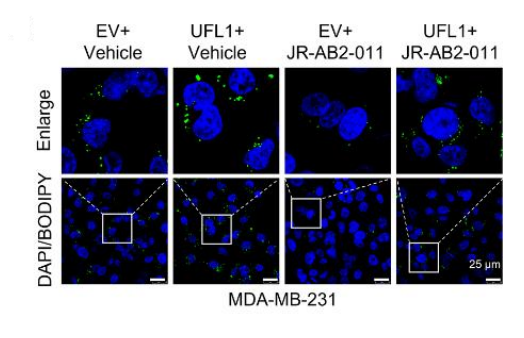
Representative images of BODIPY staining in the indicated cells treated with Vehicle (DMSO), 50 μM JR-AB2-011 for 48 hours and 1 mM sodium citrate for 12 hours before harvest.
-
Sci Immunol
SLAMF3 and SLAMF4 are immune checkpoints that constrain macrophage phagocytosis of hematopoietic tumors. [Abstract]2022 Jan 21;7(67):eabj5501. PMID: 35061505 -
Cell Rep Med
CD97 maintains tumorigenicity of glioblastoma stem cells via mTORC2 signaling and is targeted by CAR Th9 cells. [Abstract]2024 Dec 17;5(12):101844. PMID: 39637858
JR-AB2-011 purchased from MedChemExpress. Usage Cited in: Cell Rep Med. 2024 Dec 17;5(12):101844. [Abstract]
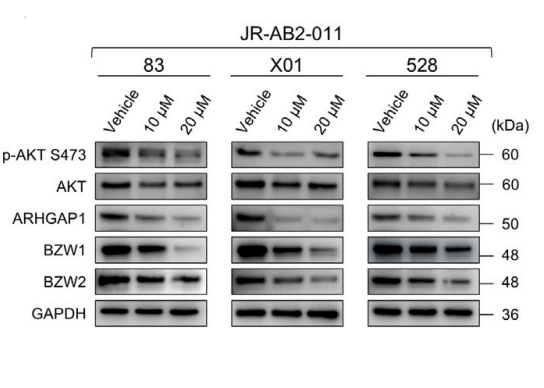
IB analysis was performed on three different GSCs (83, X01, and 528 cells) to detect the levels of p-S6K, p-AKT, S6K, AKT, ARHGAP1, BZW1, and BZW2, after these cells were treated with JR-AB2-011 for 24 hours.
-
Cell Death Dis
miR-582 negatively regulates pre-B cell proliferation and survival through targeting Hif1α and Rictor. [Abstract]2022 Feb 3;13(2):107. PMID: 35115499 -
Pharmacol Res
2021 Oct:172:105796. PMID: 34343656 -
J Exp Med
Somatic gain-of-function mutations in BUD13 promote oncogenesis by disrupting Fbw7 function. [Abstract]2023 Oct 2;220(10):e20222056. PMID: 37382881 -
Int Immunopharmacol
Glucocorticoid signaling mitigates colitis-associated visceral hypersensitivity by suppressing 5-HT release in enterochromaffin cells via a GR-PI3K-SGK1 axis. [Abstract]2026 Mar 1:172:116207. PMID: 41554225 -
Int J Mol Sci
A Drug Screening Pipeline Using 2D and 3D Patient-Derived In Vitro Models for Pre-Clinical Analysis of Therapy Response in Glioblastoma. [Abstract]2021 Apr 21;22(9):4322. PMID: 33919246 -
Front Pharmacol
CC-223, NSC781406, and BGT226 Exerts a Cytotoxic Effect Against Pancreatic Cancer Cells via mTOR Signaling. [Abstract]2020 Nov 11:11:580407. PMID: 33343350 -
Pharmacol Rep
JR-AB2-011 induces fast metabolic changes independent of mTOR complex 2 inhibition in human leukemia cells. [Abstract]2024 Dec;76(6):1390-1402. PMID: 39259491 -
Biomedicines
2021 Oct 19;9(10):1498. PMID: 34680615 -
Front Mol Biosci
FLCN Regulates HIF2α Nuclear Import and Proliferation of Clear Cell Renal Cell Carcinoma. [Abstract]2020 Jul 28;7:121. PMID: 32850947 -
Biology (Basel)
2023 Nov 26;12(12):1467. PMID: 38132294 -
Epilepsy Res
Inhibition of mTORC2 improves brain injury in epileptic rats by promoting chaperone-mediated autophagy. [Abstract]2023 Jul:193:107161. PMID: 37163909 -
-
-


Solvent & Solubility
In Vitro:
DMSO : 62.5 mg/mL (156.92 mM; Need ultrasonic; Hygroscopic DMSO has a significant impact on the solubility of product, please use newly opened DMSO)
Please refer to the solubility information to select the appropriate solvent. Once prepared, please aliquot and store the solution to prevent product inactivation from repeated freeze-thaw cycles.
Storage method and period of stock solution: -80°C, 6 months; -20°C, 1 month (protect from light). When stored at -80°C, please use it within 6 months. When stored at -20°C, please use it within 1 month.
Please refer to the solubility information to select the appropriate solvent. Once prepared, please aliquot and store the solution to prevent product inactivation from repeated freeze-thaw cycles.
Storage method and period of stock solution: -80°C, 6 months; -20°C, 1 month (protect from light). When stored at -80°C, please use it within 6 months. When stored at -20°C, please use it within 1 month.
Concentration (start) × Volume (start) = Concentration (final) × Volume (final)
In Vivo:
Select the appropriate dissolution method based on your experimental animal and administration route.
- For the following dissolution methods, please ensure to first prepare a clear stock solution using an In Vitro approach and then sequentially add co-solvents:
- To ensure reliable experimental results, the clarified stock solution can be appropriately stored based on storage conditions. As for the working solution for In Vivo experiments, it is recommended to prepare freshly and use it on the same day.
- The percentages shown for the solvents indicate their volumetric ratio in the final prepared solution. If precipitation or phase separation occurs during preparation, heat and/or sonication can be used to aid dissolution.
Add each solvent one by one: 10% DMSO 40% PEG300 5% Tween-80 45% Saline
Solubility: ≥ 2.08 mg/mL (5.22 mM); Clear solution
This protocol yields a clear solution of ≥ 2.08 mg/mL (saturation unknown).
Taking 1 mL working solution as an example, add 100 μL DMSO stock solution (20.8 mg/mL) to 400 μL PEG300, and mix evenly; then add 50 μL Tween-80 and mix evenly; then add 450 μL Saline to adjust the volume to 1 mL.
Preparation of Saline: Dissolve 0.9 g sodium chloride in ddH₂O and dilute to 100 mL to obtain a clear Saline solution.
In Vivo Dissolution Calculator
Please enter the basic information of animal experiments:
-
-
-
-
Recommended: Prepare an additional quantity of animals to account for potential losses during experiments.
Please enter your animal formula composition:
-
%DMSO +
Recommended: Keep the proportion of DMSO in working solution below 2% if your animal is weak.
-
%+
-
+%Tween-80 + +
-
%Saline +
The co-solvents required include: DMSO, . All of co-solvents are available by MedChemExpress (MCE). , Tween 80. All of co-solvents are available by MedChemExpress (MCE).
Working solution concentration: 0.22 mg/mL
Method for preparing stock solution: mg drug dissolved in μL DMSO. Stock solution concentration: mg/mL. * In solvent : -80°C, 6 months; -20°C, 1 month (protect from light)
1. Take μL DMSO stock solution;
2. Add μL .
μL , mix evenly;
3. Then add μL Tween 80, mix evenly;
4. Then add μL
Please ensure that the stock solution in the first step is dissolved to a clear state, and add co-solvents in sequence. You can use ultrasonic heating (ultrasonic cleaner, recommended frequency 20-40 kHz), vortexing, etc. to assist dissolution.

Protocols
-
Kinase activity and phosphorylation assays
Kinase activity assays measure the ability of kinases to transfer phosphate groups from ATP to specific substrates, while phosphorylation assays detect the presence and levels of phosphorylated proteins. Common methods include radiolabeled ATP incorporation (e. g. ,), ADP release detection via bioluminescence (e. g. ,[3]), enzyme-linked immunosorbent assays (ELISA) for phospho-specific epitopes (e. g. ,[6]), and microtiter-based formats for high-throughput screening (e. g. ,[8]). The ADP-Glo assay quantifies kinase activity by measuring ADP produced during phosphorylation using a luciferase-based system. Radiometric assays involve autoradiography or scintillation counting after incorporation of 32P-labeled ATP into substrate proteins. ELISA-based approaches rely on phospho-specific antibodies to detect activated kinases in cell lysates or purified samples.
-
Western Blot
Western blotting (WB) is a commonly used experimental method in molecular biology, biochemistry, and immunogenetics for identifying and quantifying target proteins. It combines gel electrophoresis with immunoassay, enabling researchers to analyze protein expression, post-translational modifications, and molecular weight.
-
Detection of Apoptosis
Apoptosis, also called programmed cell death, is generally characterized by distinct morphological characteristics.
-
Cell Cytotoxicity Assay
Cytotoxicity assays are usually based on the assessment of cell membrane damage, which can also be indirectly detected by measuring cell viability. Detection methods include MTT assay, CKK-8 assay, LDH assay and ATP assay, etc.
-
Mammalian live/dead viability and cytotoxicity staining
Live/dead viability and cytotoxicity staining assays are based on the simultaneous detection of intracellular esterase activity in metabolically active (viable) cells and membrane integrity loss in non-viable cells. In commonly used dual-staining approaches, membrane-permeant fluorogenic substrates are converted by intracellular esterases into fluorescent products in live cells, while impermeant DNA-binding dyes selectively enter cells with compromised plasma membranes and label nucleic acids in dead or dying cells, enabling discrimination between viable and non-viable populations by fluorescence microscopy or flow cytometry.
-
Apoptosis Solutions
Apoptosis is a regulated, generally non-lytic cell-death pathway that removes unwanted, damaged, infected, or abnormal cells through coordinated morphological changes, caspase activation, DNA fragmentation, and membrane remodeling. The intrinsic apoptosis pathway is controlled mainly by mitochondrial outer membrane permeabilization, BCL-2 family proteins, cytochrome c release, apoptosome formation, caspase-9 activation, and downstream executioner caspase-3/7 activation. The extrinsic apoptosis pathway is initiated by death receptors such as Fas, TNFR, and TRAIL receptors, which recruit adaptor proteins and activate caspase-8 before engaging executioner caspases or mitochondrial amplification through BID cleavage. Apoptosis is linked to many phenotypes, including cancer cell killing, tissue homeostasis, immune regulation, neurodegeneration, infection response, and treatment-induced cytotoxicity; unresolved questions include how apoptosis interacts with necroptosis, pyroptosis, ferroptos
-
Protocol for Kinase activity and phosphorylation assays
Kinase activity assays measure transfer of phosphate from ATP to a protein or peptide substrate, generating phosphorylated substrate, ADP, or incorporated radiolabeled phosphate as the readout; phosphorylation assays measure site-specific phosphorylation in cells or tissues as a proxy for kinase-pathway activation, inhibition, or substrate regulation. Phosphorylation can be detected by phospho-specific Western blot, immunoprecipitation kinase assay, phospho-immunofluorescence, phospho-flow cytometry, luminescent ADP detection, radiolabeled ATP incorporation, or reporter-based pathway assays, and these readouts can be applied to cancer cells, primary neurons, mouse tumors, organoids, inflammatory macrophages, ferroptosis studies, and mitophagy studies when the kinase target is biologically relevant.


Purity & Documentation
-
Data Sheet (282 KB)
-
SDS (252 KB)
- English - EN (252 KB)
- Français - FR (252 KB)
- Deutsch - DE (252 KB)
- Norwegian - NO (252 KB)
- Español - ES (252 KB)
- Swedish - SV (252 KB)
- Italian - IT (252 KB)
- Korean - KR (252 KB)
- Portuguese - PT (252 KB)
-
Handling Instructions (2659 KB)
References
[1]. Zhang A, et al. CCL17 exerts neuroprotection through activation of CCR4/mTORC2 axis in microglia after subarachnoid haemorrhage in rats. Stroke Vasc Neurol. 2022 Jul 26;8(1):4–16. [Content Brief]
[3]. Wu M, et al Dioscin ameliorates murine ulcerative colitis by regulating macrophage polarization. Pharmacol Res. 2021 Oct ; 172:105796 [Content Brief]


Complete Stock Solution Preparation Table
Please refer to the solubility information to select the appropriate solvent. Once prepared, please aliquot and store the solution to prevent product inactivation from repeated freeze-thaw cycles.
Storage method and period of stock solution: -80°C, 6 months; -20°C, 1 month (protect from light). When stored at -80°C, please use it within 6 months. When stored at -20°C, please use it within 1 month.
| Optional Solvent | Concentration Solvent Mass | 1 mg | 5 mg | 10 mg | 25 mg |
|---|---|---|---|---|---|
| DMSO | 1 mM | 2.5108 mL | 12.5540 mL | 25.1080 mL | 62.7699 mL |
| 5 mM | 0.5022 mL | 2.5108 mL | 5.0216 mL | 12.5540 mL | |
| 10 mM | 0.2511 mL | 1.2554 mL | 2.5108 mL | 6.2770 mL | |
| 15 mM | 0.1674 mL | 0.8369 mL | 1.6739 mL | 4.1847 mL | |
| 20 mM | 0.1255 mL | 0.6277 mL | 1.2554 mL | 3.1385 mL | |
| 25 mM | 0.1004 mL | 0.5022 mL | 1.0043 mL | 2.5108 mL | |
| 30 mM | 0.0837 mL | 0.4185 mL | 0.8369 mL | 2.0923 mL | |
| 40 mM | 0.0628 mL | 0.3138 mL | 0.6277 mL | 1.5692 mL | |
| 50 mM | 0.0502 mL | 0.2511 mL | 0.5022 mL | 1.2554 mL | |
| 60 mM | 0.0418 mL | 0.2092 mL | 0.4185 mL | 1.0462 mL | |
| 80 mM | 0.0314 mL | 0.1569 mL | 0.3138 mL | 0.7846 mL | |
| 100 mM | 0.0251 mL | 0.1255 mL | 0.2511 mL | 0.6277 mL |


JR-AB2-011 Related Classifications
HY-122022 Related Classifications
 Powered by Bioz