



mTOR
mTOR (mechanistic target of rapamycin) is a conserved serine/threonine kinase that functions as a central regulator of cell growth, metabolism, protein synthesis, and autophagy by integrating nutrient availability, growth factor signaling, and cellular energy status[1][2]. Mechanistically, mTOR assembles into two distinct signaling complexes, mTORC1 and mTORC2, which coordinate anabolic and catabolic processes through partially non-overlapping downstream pathways[2][3][4]. mTORC1 primarily responds to nutrients and growth factors to promote protein synthesis, biomass accumulation, and metabolic reprogramming while suppressing autophagy, thereby controlling cellular growth and metabolic homeostasis[1][5]. In contrast, mTORC2 regulates cell survival, proliferation, cytoskeletal organization, and metabolism through signaling networks that include AKT, PKC, and SGK family proteins[2][4]. Dysregulation of mTOR signaling is strongly associated with cancer, metabolic disorders, aging-related pathologies, and immune dysfunction, highlighting its importance in both physiological regulation and disease progression[1][6]. In experimental systems, genetic or pharmacological manipulation of mTOR complexes has demonstrated distinct and non-redundant functions of mTORC1 and mTORC2 in cellular differentiation, immune-cell maturation, and tissue development[4][7][8]. Compared with the related isoform complex mTORC1, mTORC2 exhibits unique regulatory roles in cell survival and autophagy-associated signaling, emphasizing the necessity of complex-specific investigation in mechanistic studies[4]. For experimental applications, rapamycin and related mTOR inhibitors remain widely used tools for dissecting pathway function, although increasing attention has focused on next-generation inhibitors with improved selectivity toward specific mTOR complexes[9].
Referencias:
- [1]. Laplante M, et al. mTOR signaling in growth control and disease. Cell. 2012 Apr 13;149(2):274-93. [Content Brief]
- [2]. Panwar V, et al. Multifaceted role of mTOR (mammalian target of rapamycin) signaling pathway in human health and disease. Signal Transduct Target Ther. 2023 Oct 2;8(1):375. [Content Brief]
- [3]. Yong J, et al. Regulation of transcriptome plasticity by mTOR signaling pathway. Exp Mol Med. 2025 Aug;57(8):1623-1630. [Content Brief]
- [4]. Ballesteros-Álvarez J, et al. mTORC2: The other mTOR in autophagy regulation. Aging Cell. 2021 Aug;20(8):e13431. [Content Brief]
- [5]. Patel CH, et al. More TOR: The expanding role of mTOR in regulating immune responses. Immunity. 2025 Jul 8;58(7):1629-1645. [Content Brief]
- [6]. Dai DF, et al. The mTOR signaling pathway in cardiac aging. J Cardiovasc Aging. 2023;3(3):24. [Content Brief]
- [7]. Wang F, et al. Crosstalks between mTORC1 and mTORC2 variagate cytokine signaling to control NK maturation and effector function. Nat Commun. 2018 Nov 19;9(1):4874. [Content Brief]
- [8]. Schaub T, et al. mTORC1 and mTORC2 Differentially Regulate Cell Fate Programs to Coordinate Osteoblastic Differentiation in Mesenchymal Stromal Cells. Sci Rep. 2019 Dec 27;9(1):20071. [Content Brief]
- [9]. Mao B, et al. Overview of Research into mTOR Inhibitors. Molecules. 2022 Aug 19;27(16):5295. [Content Brief]
All Product Categories
-
mTOR Inhibitors
(409)
View all products
-
mTOR Agonists
(5)
View all products
-
mTOR Antagonist
(1)
View all products
-
mTOR Activators
(57)
View all products
-
mTOR Modulators
(11)
View all products
-
mTOR p53 Inhibitor
(1)
View all products
-
mTOR Degraders
(2)
View all products
-
mTOR Control
(1)
View all products
-
mTOR Substrate
(1)
View all products
-
mTOR Ligand
(1)
View all products
-
Productos relacionados con mTOR (521)
Productos relacionados con (521)

-
Antibodies (11)
-
ML385
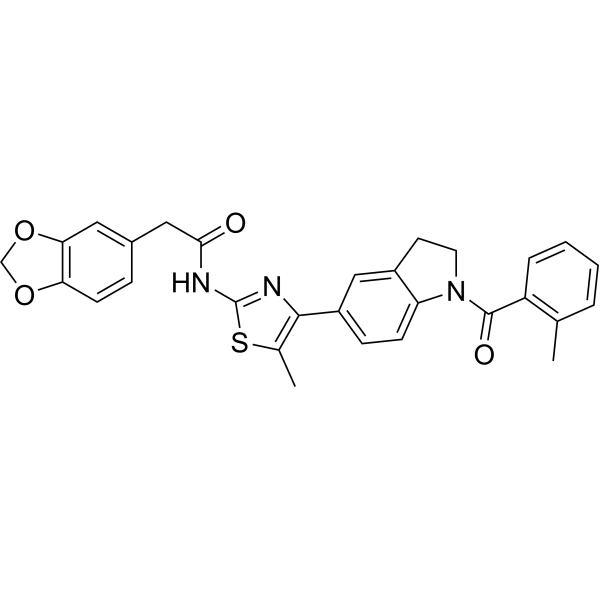 0 ImagesML385 is a potent and selective Nrf2 inhibitor with an IC50 of 1.9 μM. ML385 directly binds to the Neh1 domain of NRF2, interferes with the binding of the MAFG-NRF2 protein complex to the antioxidant response element (ARE) DNA sequence, thereby blocking the expression of downstream target genes of NRF2. ML385 can be used in studies related to adult T-cell leukemia, breast cancer, myocardial ischemia/reperfusion injury, non-small cell lung cancer, esophageal squamous cell carcinoma, head and neck squamous cell carcinoma, and lung squamous cell carcinoma.
-
Daporinad
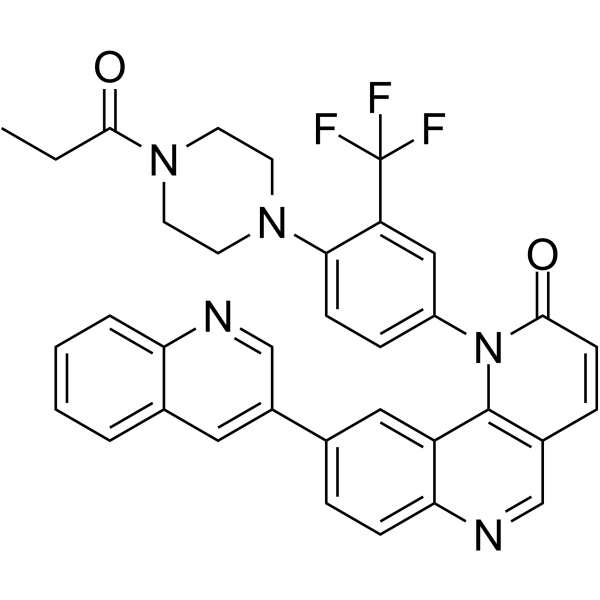
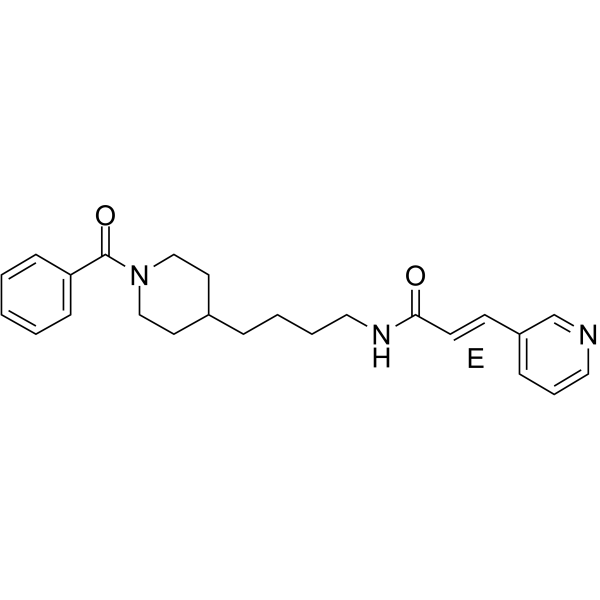 0 ImagesSynonyms: FK866; APO866Daporinad (FK866) is a non-competitive inhibitor of nicotinamide phosphoribosyltransferase (Nampt), with a Ki value of 0.3 nM. Daporinad depletes NAD+ and ATP levels, inhibits mTORC1 and MAPK/ERK pathways, and activates TFEB to induce autophagy. Daporinad causes the depletion of the endoplasmic reticulum Ca²⁺ pool, ultimately weakening the mitogen-induced Ca²⁺ signal and the activation and function of T cells. Daporinad induces cell cycle arrest and apoptosis, and inhibits cell proliferation. Daporinad can be used for the study of myeloma, liver cancer, and immunosuppression.
-
L-Glutamine-13C5
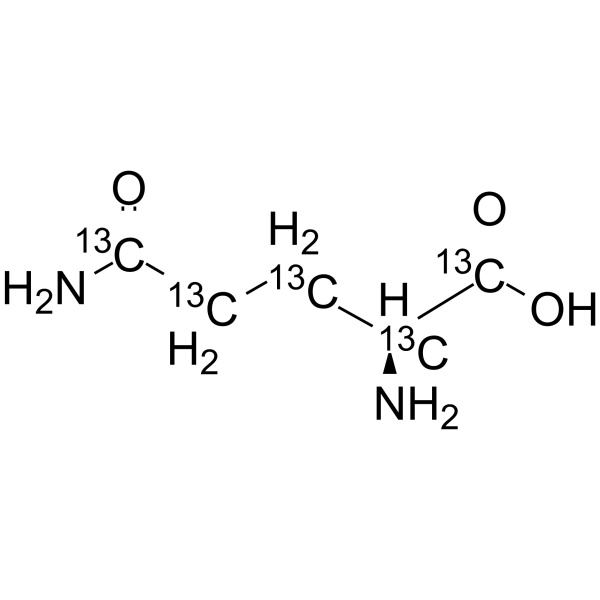 0 ImagesSynonyms: L-Glutamic acid 5-amide-13C5L-Glutamine-13C5 is the 13C-labeled L-Glutamine (HY-N0390). L-Glutamine is an orally active nutritional agent and cellular metabolism regulator. L-Glutamine is taken up in a Na+-dependent manner and targets multiple key molecules including glutaminase, mTORC1, NF-κB, STAT-3 and HIF-1α. L-Glutamine enhances glutaminolytic catabolism, drives the conversion of glutamate to α-ketoglutarate, thereby regulating gene expression, integrating metabolic signals, mediating glutamine flux and maintaining redox homeostasis. L-Glutamine also promotes cell proliferation, osteogenic differentiation and fracture healing, exerts neuroprotective and cardioprotective effects, and inhibits osteoarthritis. L-Glutamine can be applied to research related to osteoporosis, osteoarthritis, ischemic stroke and acute cantharidin-induced cardiotoxicity.
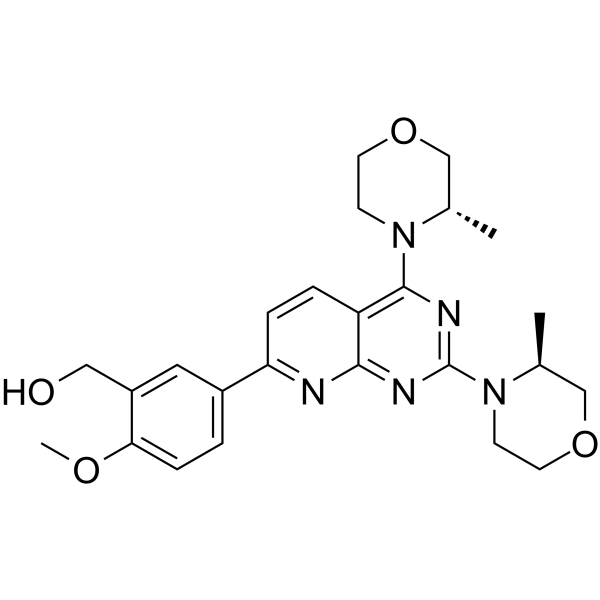
-
Salidroside
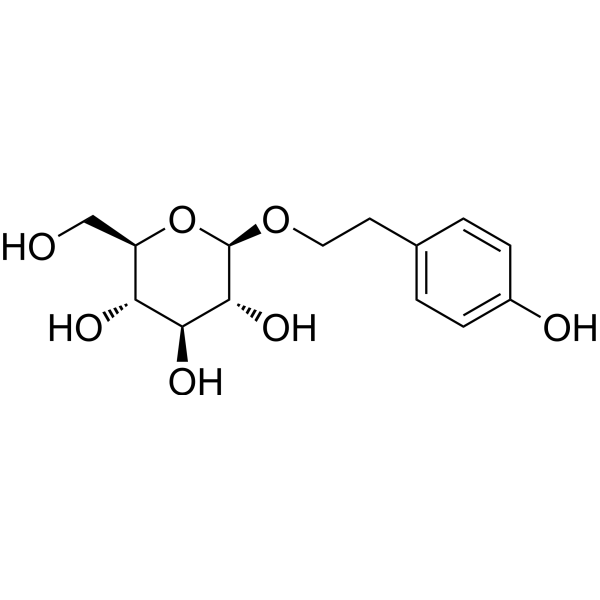 0 ImagesSynonyms: RhodiolosideSalidroside (Rhodioloside) is a prolyl endopeptidase inhibitor. Salidroside alleviates cachexia symptoms in mouse models of cancer cachexia via activating mTOR signalling. Salidroside protects dopaminergic neurons by enhancing PINK1/Parkin-mediated mitophagy.
-
Methyllycaconitine citrate
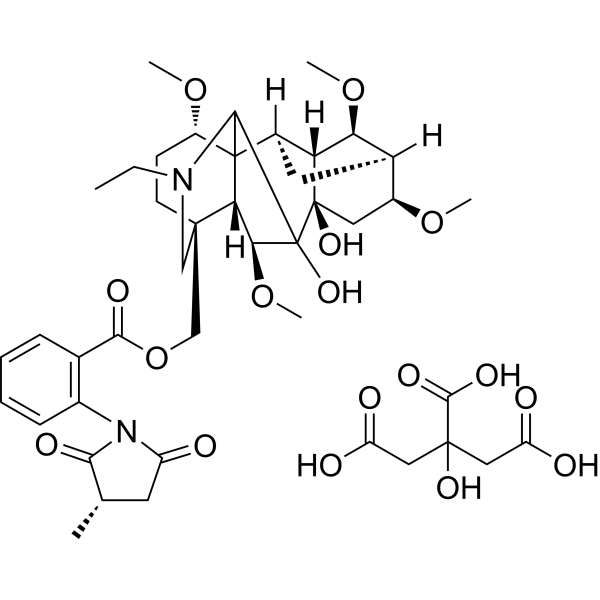 0 ImagesSynonyms: MLA citrateMethyllycaconitine (MLA) citrate is a blood-brain barrier-permeable antagonist of α7 nicotinic acetylcholine receptor (α7nAChR) with an IC50 of 2 nM. Methyllycaconitine citrate inhibits Aβ25-35-induced autophagy by restoring the mTOR pathway, and prevents reactive oxygen species (ROS) production, microglial activation, reduced dopamine uptake, loss of dopaminergic terminals and catecholamine secretion. Methyllycaconitine citrate induces hippocampal glutamate efflux, enhances long-term potentiation, and improves memory acquisition. Methyllycaconitine citrate can be used in research related to Alzheimer's disease, cerebral palsy, Parkinson's disease and schizophrenia.
-
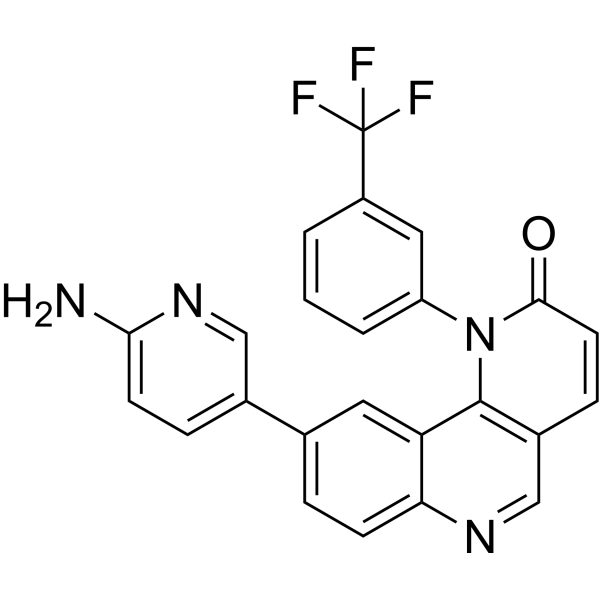
Dactolisib
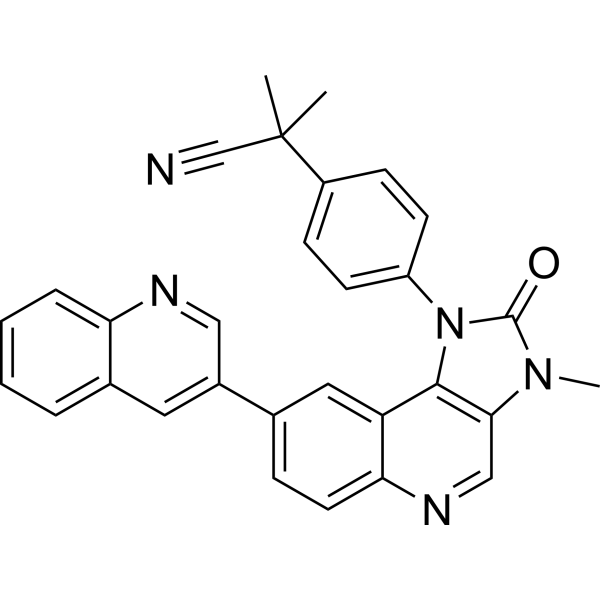 0 ImagesSynonyms: BEZ235; NVP-BEZ235
-
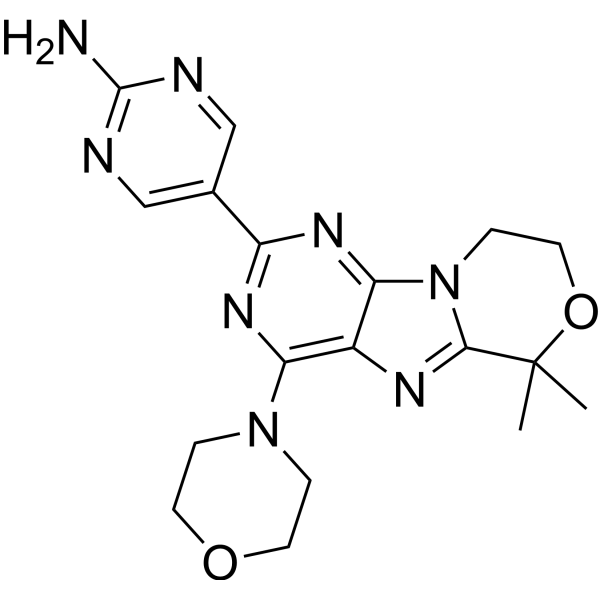
Gedatolisib
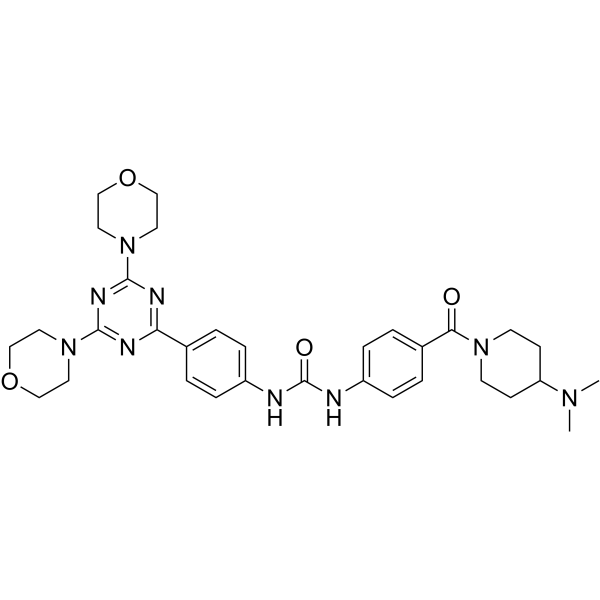 0 ImagesSynonyms: PKI-587; PF-05212384
-
Camonsertib
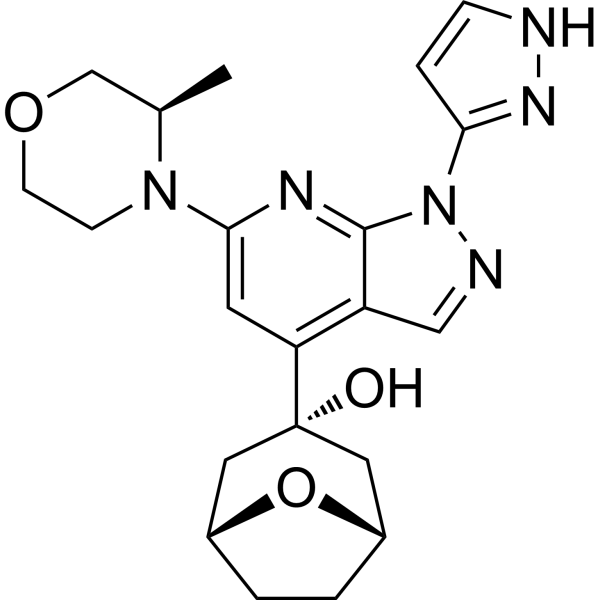 0 ImagesSynonyms: RP-3500; ATR inhibitor 4Camonsertib (RP-3500) is an orally active, selective ATR kinase inhibitor (ATRi) with an IC50 of 1.00 nM in biochemical assays. Camonsertib shows 30-fold selectivity for ATR over mTOR (IC50=120 nM) and >2,000-fold selectivity over ATM, DNA-PK, and PI3Kα kinases. Camonsertib has potent antitumor activity.
-
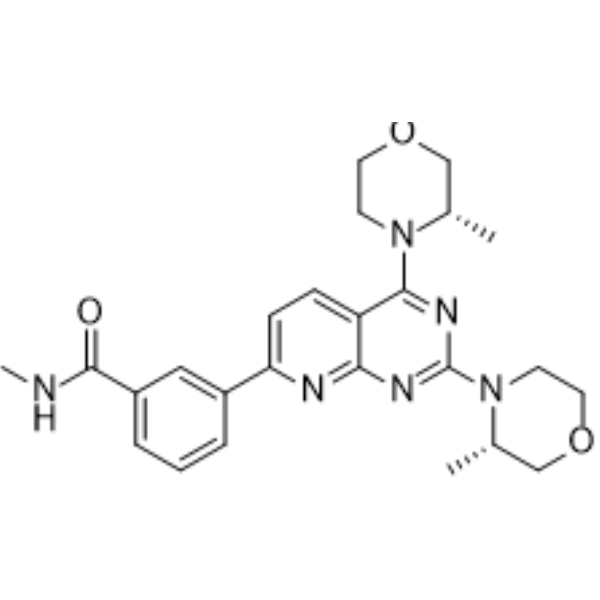
hSMG-1 inhibitor 11j
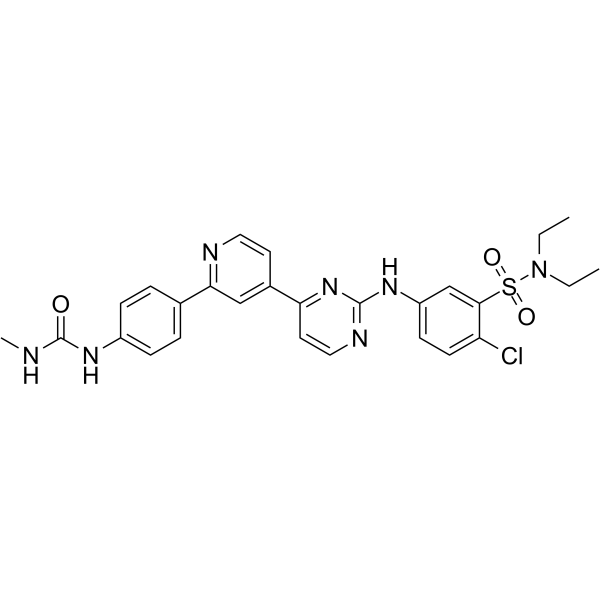 0 ImageshSMG-1 inhibitor 11j, a pyrimidine derivative, is a potent and selective inhibitor of hSMG-1, with an IC50 of 0.11 nM. hSMG-1 inhibitor 11j exhibits >455-fold selectivity for hSMG-1 over mTOR (IC50=50 nM), PI3Kα/γ (IC50=92/60 nM) and CDK1/CDK2 (IC50=32/7.1 μM). hSMG-1 inhibitor 11j can be used for the research of cancer.
-
D-GsMTx4
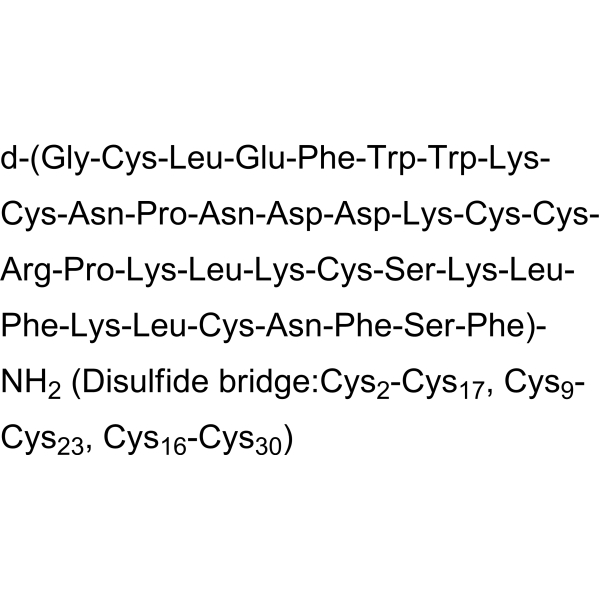 0 ImagesReferencia número: HY-P1410BPureza: 99.44%D-GsMTx4 is a spider peptide and the D enantiomer of GsMTx4 (HY-P1410). D-GsMTx4 inhibits the mechanosensitive ion channel Piezo2. D-GsMTx4 inhibits [Ca2+]i elevation. D-GsMTx4 inhibits mTOR and PI3K-Akt signaling pathways. D-GsMTx4 inhibits mechanical allodynia and thermal hyperalgesia. D-GsMTx4 can be used in researches of mechanical stress, chronic pain and idiopathic pulmonary fibrosis.
-
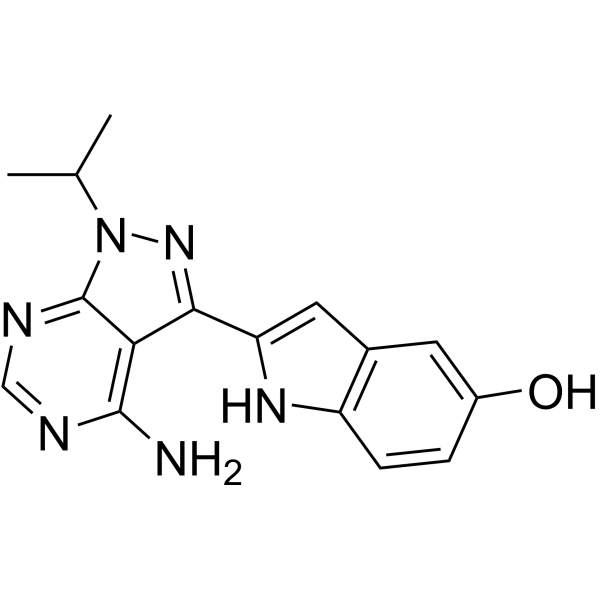
Ononin
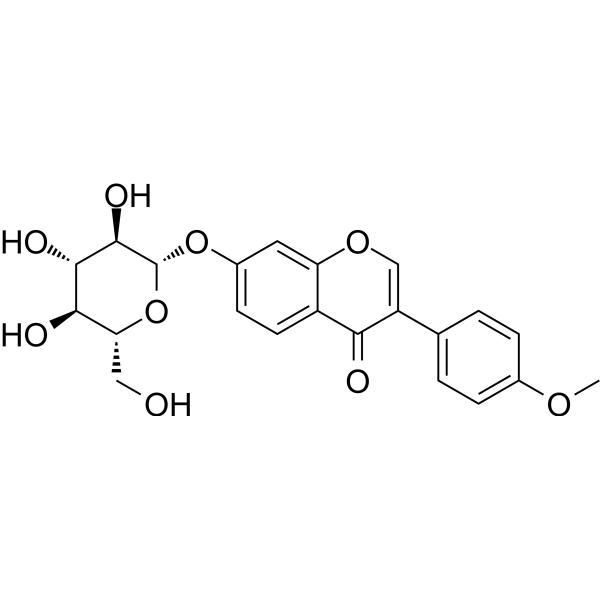 0 ImagesSynonyms: Ononoside; Formononetin 7-O-β-D-glucopyranosideOnonin is an orally active isoflavone. Ononin inhibits the ERK/JNK/p38 and PI3K/Akt/mTOR pathways. Ononin regulates Apoptosis. Ononin has anti-tumor effects on laryngeal cancer and lung cancer. Ononin has neuroprotective effects. Ononin alleviates endoplasmic reticulum stress and diabetic nephropathy.
-
Isoacteoside
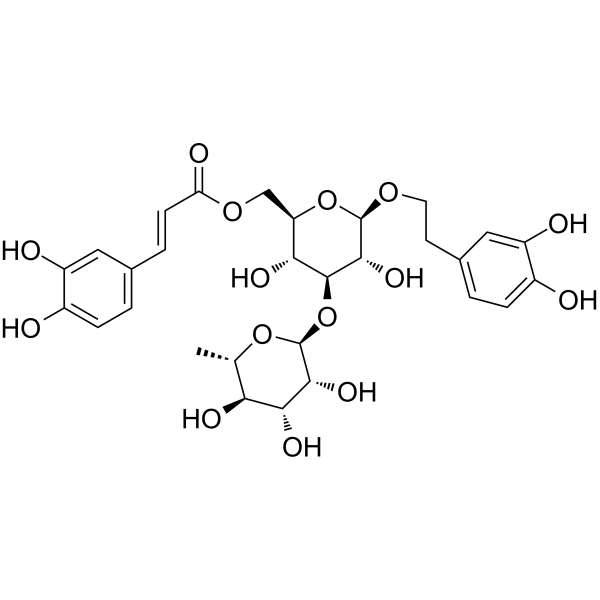 0 ImagesSynonyms: IsoverbascosideIsoacteoside is a natural product that can significantly inhibit the formation of glycation end products. Isoacteoside regulates the AKT/PI3K/m-TOR/NF-κB signaling pathway, induces apoptosis in OVCAR-3 cell. Isoacteoside exhibits antitumor, anti-inflammatory, anti-obesity and neuroprotective activities.
-
Manganese chloride
 0 ImagesSynonyms: Manganese dichlorideManganese chloride is an orally active MRI liver contrast agent. Manganese chloride induces Apoptosis and activates the mTOR signaling pathway. Manganese chloride induces cognitive impairment, promotes hematopoietic recovery, and reduces radiation-induced bone marrow and brain damage. It can be used for the study of renal impairment.
-
3BDO
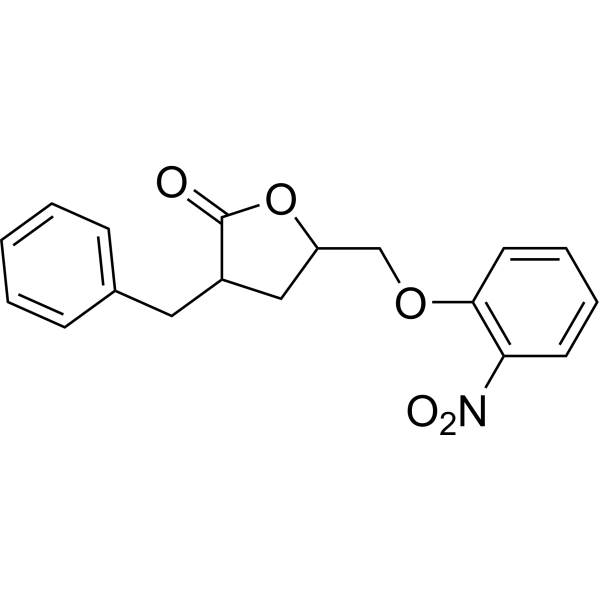 0 Images3BDO is a IFITM3 modulator and mTOR activator with antiviral and autophagy-inhibiting effects. 3BDO exhibits inhibitory activity against porcine coronaviruses. 3BDO increases the protein abundance of IFITM3, inhibits virus-cell membrane fusion, and blocks viral entry. 3BDO inhibits the entry of transmissible gastroenteritis virus, porcine epidemic diarrhea virus, and porcine respiratory coronavirus into host cells. 3BDO can be used for research on porcine coronavirus infection.




