



Isoacteoside
Based on 7 publication(s) in Google Scholar
Isoacteoside is a natural product that can significantly inhibit the formation of glycation end products. Isoacteoside regulates the AKT/PI3K/m-TOR/NF-κB signaling pathway, induces apoptosis in OVCAR-3 cell. Isoacteoside exhibits antitumor, anti-inflammatory, anti-obesity and neuroprotective activities.
For research use only. We do not sell to patients.
- Purity : 99.54%
- CAS No.: 61303-13-7
- Formula: C29H36O15
- Molecular Weight:624.59
-
Storage:
4°C, protect from light
* In solvent : -80°C, 6 months; -20°C, 1 month (protect from light)

To place orders, for customer services and technical support, please contact: MedChemExpress USA
Tel: 609-228-6898 E-mail: [email protected] [email protected]


-
 Biological Activity
-
Chemical Information
-
Solvent & Solubility
- Protocols
- Purity & Documentation
- References
-
 Help & FAQs


-
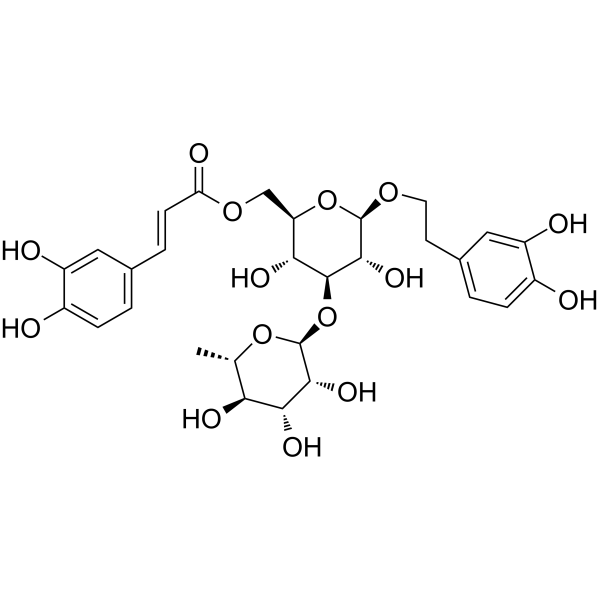
HY-N0021
VerbascosideBacterial Inhibitor -
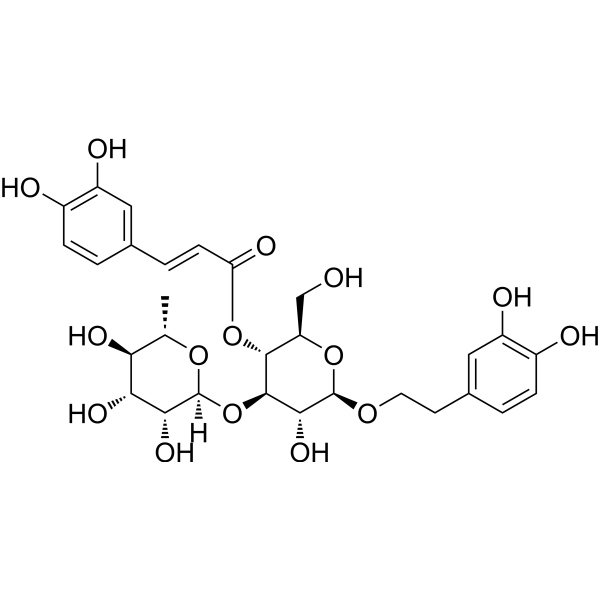
HY-N0031
PlantamajosideNF-κB Inhibitor -
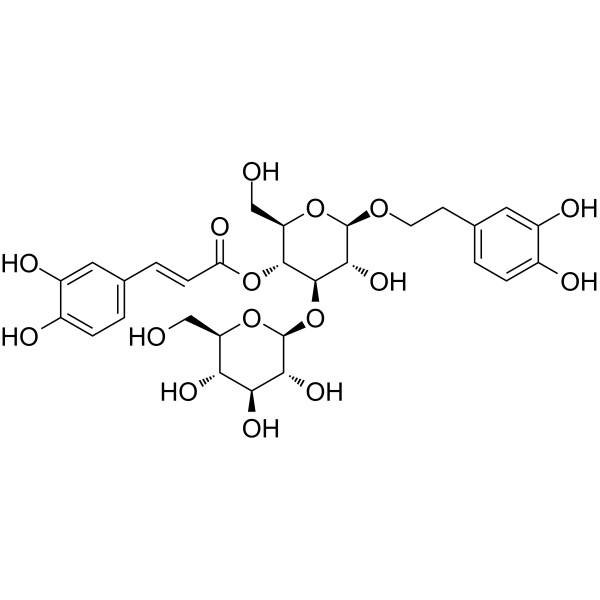
HY-N1201
ApigeninCytochrome P450 Inhibitor -
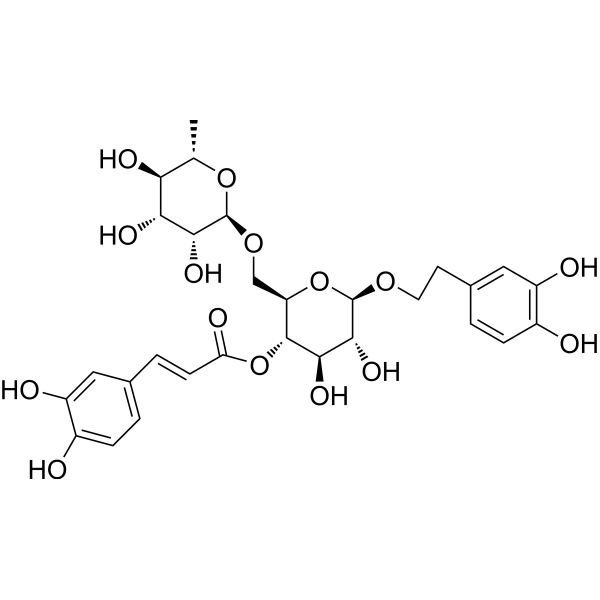
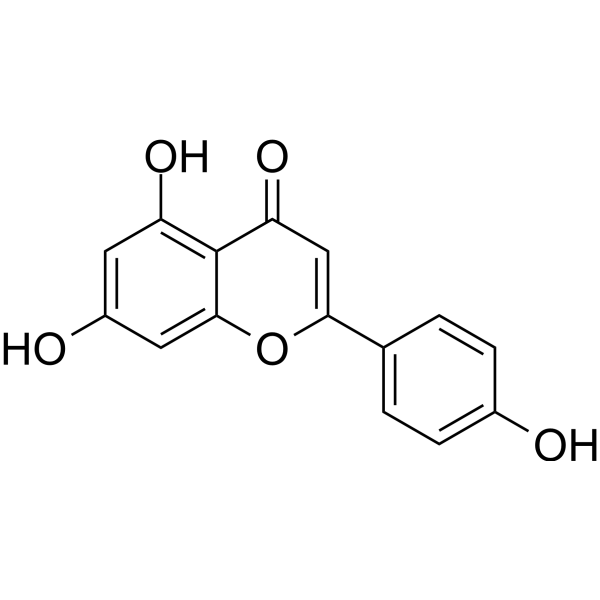
HY-N0028
Forsythiaside AAnti-Inflammatory Agent -
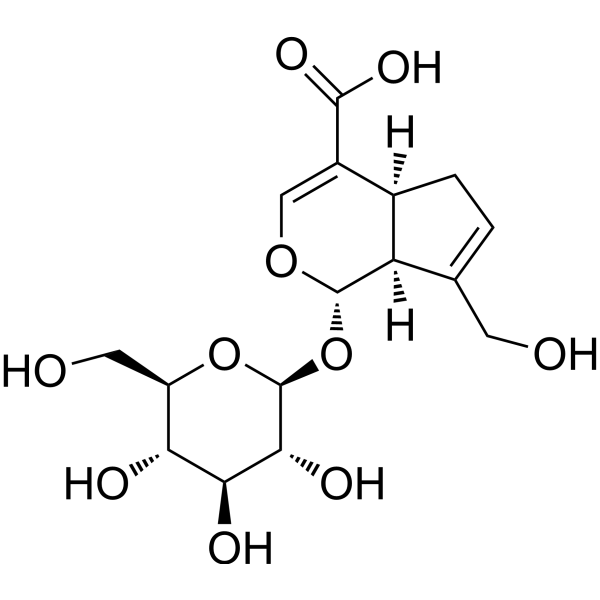
HY-N0010
Geniposidic acidFXR Modulator, SIRT6 Activator -
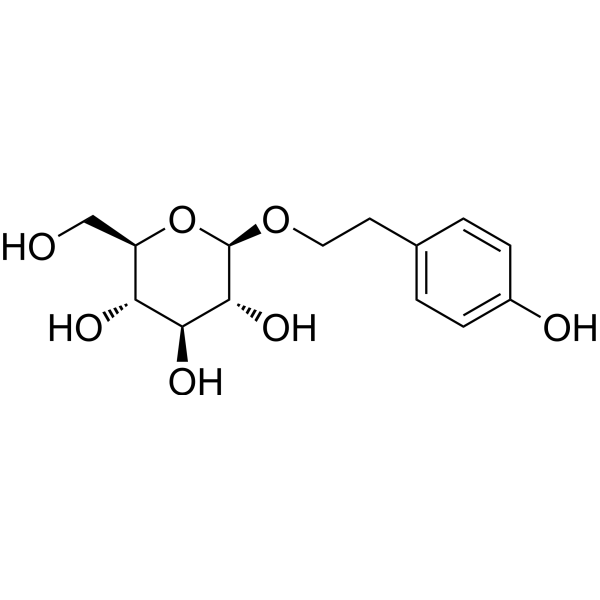
HY-N0109
SalidrosideProlyl Endopeptidase Inhibitor -
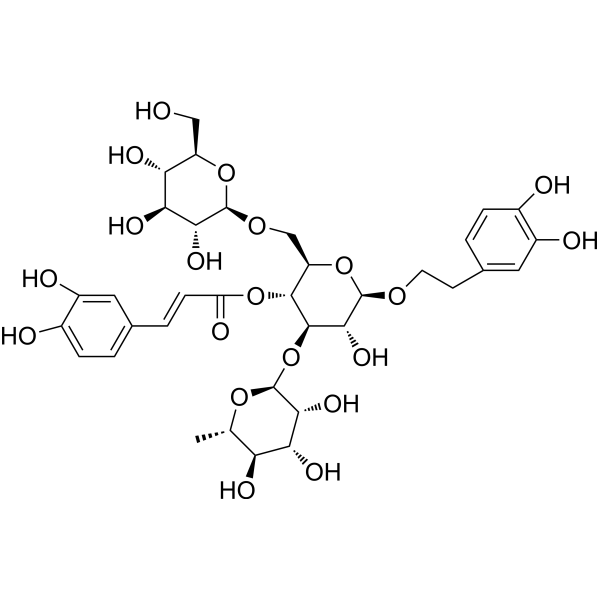
HY-N0020
EchinacosideWnt/β-catenin Signaling Inhibitor -
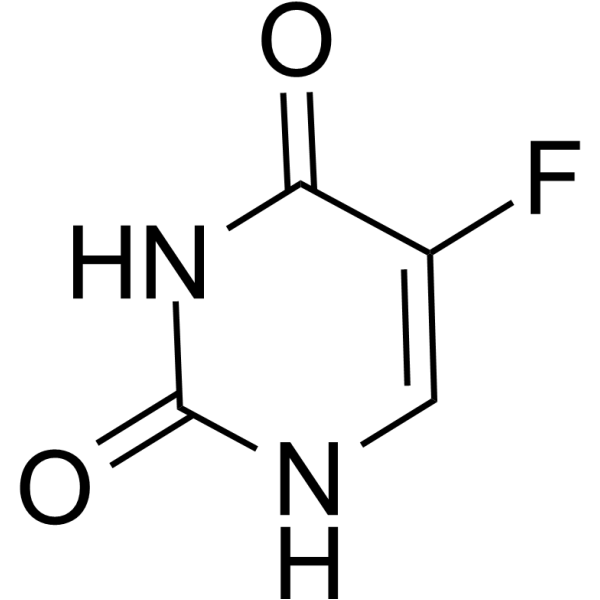
HY-90006
5-FluorouracilThymidylate Synthase Inhibitor -
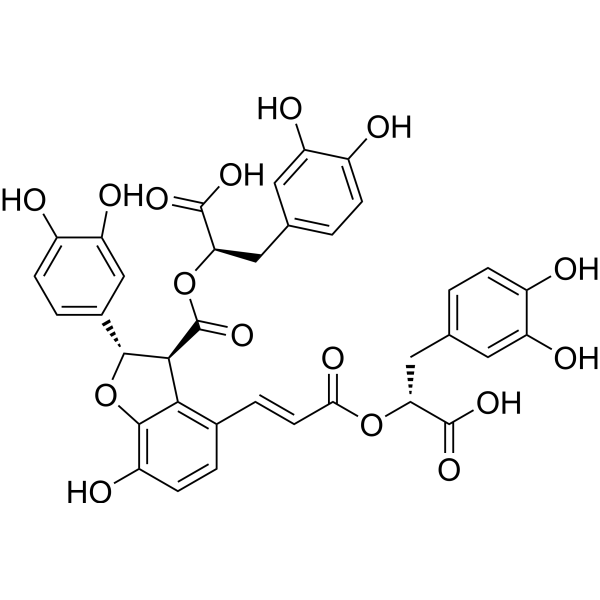
HY-N1362
Salvianolic acid BAntioxidant -
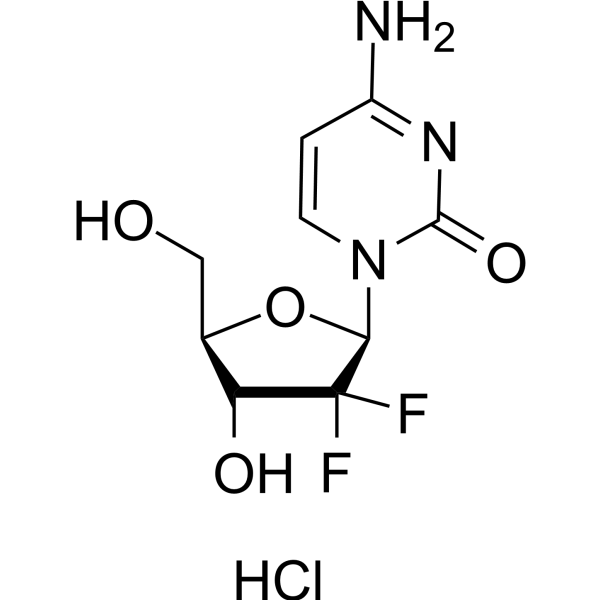
HY-B0003
Gemcitabine hydrochlorideDNA Synthesis Inhibitor -
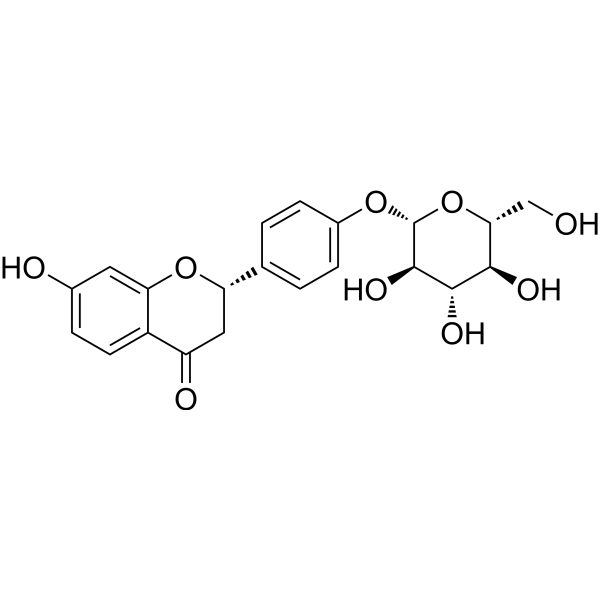
HY-N0376
LiquiritinAKR1C1 Inhibitor -
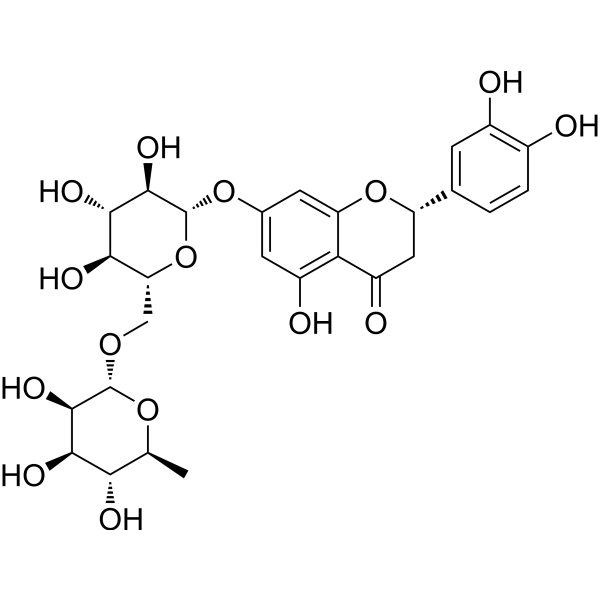
HY-N0636
EriocitrinAntioxidant Agent
Publications Citing Use of MedChemExpress (MCE) Isoacteoside
More Customer Validation & Images

-
WB
-
Cell Proliferation/Viability Assay
-
Cell Migration/Invasion Assay
-
Flow Cytometry
-
RT-PCR


Biological Activity
Description
Cellular Effect
|
Cell Line

|
Type | Value | Description | References |
|---|---|---|---|---|
| HEp-2 | EC50 |
0.17 μg/mL
Compound: 2, isoverbascoside
|
Antiviral activity against RSV infected in human Hep2 cells assessed as virus-induced cytopathic effect administered 3 hrs postinfection
Antiviral activity against RSV infected in human Hep2 cells assessed as virus-induced cytopathic effect administered 3 hrs postinfection
|
[PMID: 9599250] |
| HEp-2 | EC50 |
0.62 μg/mL
Compound: 2, isoverbascoside
|
Antiviral activity against RSV long infected in human Hep2 cells assessed as virus-induced cytopathic effect after 3 days
Antiviral activity against RSV long infected in human Hep2 cells assessed as virus-induced cytopathic effect after 3 days
|
[PMID: 9599250] |
| HEp-2 | EC50 |
1.1 μg/mL
Compound: 2, isoverbascoside
|
Antiviral activity against RSV A-2 infected in human Hep2 cells after 3 days by plaque neutralization assay
Antiviral activity against RSV A-2 infected in human Hep2 cells after 3 days by plaque neutralization assay
|
[PMID: 9599250] |
| HEp-2 | IC50 |
125 μg/mL
Compound: 2, isoverbascoside
|
Cytotoxicity against human Hep2 cells administered 3 hrs postinfection
Cytotoxicity against human Hep2 cells administered 3 hrs postinfection
|
[PMID: 9599250] |
| HEp-2 | IC50 |
27 μg/mL
Compound: 2, isoverbascoside
|
Cytotoxicity against HSV2 infected human Hep2 cells after 3 days
Cytotoxicity against HSV2 infected human Hep2 cells after 3 days
|
[PMID: 9599250] |
| HEp-2 | IC50 |
30 μg/mL
Compound: 2, isoverbascoside
|
Cytotoxicity against HSV1 infected human Hep2 cells after 3 days
Cytotoxicity against HSV1 infected human Hep2 cells after 3 days
|
[PMID: 9599250] |
| HEp-2 | IC50 |
51.4 μg/mL
Compound: 2, isoverbascoside
|
Cytotoxicity against RSV long infected human Hep2 cells after 3 days
Cytotoxicity against RSV long infected human Hep2 cells after 3 days
|
[PMID: 9599250] |
| HEp-2 | IC50 |
75 μg/mL
Compound: 2, isoverbascoside
|
Cytotoxicity against VZV 3CV-1 infected human Hep2 cells after 3 days
Cytotoxicity against VZV 3CV-1 infected human Hep2 cells after 3 days
|
[PMID: 9599250] |
| HEp-2 | IC50 |
89 μg/mL
Compound: 2, isoverbascoside
|
Cytotoxicity against mCMV RM-461 infected human Hep2 cells after 3 days
Cytotoxicity against mCMV RM-461 infected human Hep2 cells after 3 days
|
[PMID: 9599250] |
| Hepatocyte | IC50 |
5.3 μM
Compound: 6
|
Hepatoprotective activity in ddY mouse primary cultured hepatocytes assessed as inhibition of D-galactosamine-induced cytotoxicity after 44 hrs by MTT assay
Hepatoprotective activity in ddY mouse primary cultured hepatocytes assessed as inhibition of D-galactosamine-induced cytotoxicity after 44 hrs by MTT assay
|
[PMID: 20159656] |
| L929 | IC50 |
22.7 μg/mL
Compound: 6
|
Cytoprotective activity in mouse L929 cells assessed as inhibition of TNF-alpha-induced cytotoxicity after 44 hrs by MTT assay
Cytoprotective activity in mouse L929 cells assessed as inhibition of TNF-alpha-induced cytotoxicity after 44 hrs by MTT assay
|
[PMID: 20159656] |
| P388 | ED50 |
10 μg/mL
Compound: 2
|
Cytotoxicity against mouse P388 cells
Cytotoxicity against mouse P388 cells
|
[PMID: 2380718] |
| Peritoneal macrophage cell | IC50 |
>100 μM
Compound: 6
|
Inhibition of LPS-induced nitric oxide production in ddY mouse peritoneal macrophages
Inhibition of LPS-induced nitric oxide production in ddY mouse peritoneal macrophages
|
[PMID: 20159656] |
| Peritoneal macrophage cell | IC50 |
>100 μM
Compound: 6
|
Inhibition of LPS-induced TNFalpha production in ddY mouse peritoneal macrophages
Inhibition of LPS-induced TNFalpha production in ddY mouse peritoneal macrophages
|
[PMID: 20159656] |
In Vitro
Isoacteoside (20-80 μM, 24 h) inhibits the expression of iNOS and COX-2 in RAW264.7, inhibits LPS (HY-D1056)-induced release of TNF-α, IL-6, and IL-1β, as well as the activation of NF-κB[2].
Isoacteoside (15-30 μM, 24-48 h) inhibits the proliferation, invasion and migration of cancer cell OVCAR-3 (IC50=15 μM), arrests the cell cycle at sub-G1 phase, and induces the generation of ROS[3].
Isoacteoside (15-30 μM, 48 h) inhibits the phosphorylation of AKT, mTOR, p38 MAPK, and PI3K without affecting their total protein expression[2][3].
Isoacteoside (75-150 μM, 24-48 h) reduces the formation of lipid droplets and inhibits the expression of genes and proteins related to adipogenesis and lipid synthesis[4].
MedChemExpress (MCE) has not independently confirmed the accuracy of these methods. They are for reference only.
In Vivo
Isoacteoside (30 mg/kg, ip, three times a week for 5 weeks) exhibits antitumor efficacy in mouse OVCAR-3 xenograft models[3].
Isoacteoside (2.5-5 mg/kg, icv for 15 days) exhibits neuroprotective effect against Aβ 1-42-induced neurotoxicity and cognitive impairment in SD rats models[5].
MedChemExpress (MCE) has not independently confirmed the accuracy of these methods. They are for reference only.
-
Animal Model:Acute kidney injury (AKI) model[2]
-
Dosage:25-100 mg/kg
-
Administration:ip, single dose
-
Result:Ameliorated LPS induced acute kidney injury.
-
Animal Model:Mouse OVCAR-3 xenograft model[3]
-
Dosage:30 mg/kg
-
Administration:ip, three times a week for 5 weeks
-
Result:Reduced the tumor weight and volume.
-
Animal Model:Aβ 1-42 induced neurotoxicity in Sprague-Dawley rats models[5]
-
Dosage:2.5-5 mg/kg
-
Administration:icv for 15 days
-
Result:Increased the exploratory behavior, shortened the escape latency.


Chemical Information
-
CAS No. 61303-13-7
-
Appearance Solid
-
Molecular Weight 624.59
-
Formula C29H36O15
-
Color White to yellow
-
SMILES
OC1=CC(/C=C/C(OC[C@@H]2[C@@H](O)[C@H](O[C@@H]3O[C@@H](C)[C@H](O)[C@@H](O)[C@H]3O)[C@@H](O)[C@H](OCCC4=CC=C(O)C(O)=C4)O2)=O)=CC=C1O
-
Synonyms
Isoverbascoside
-
Structure Classification
-
Initial Source
-
Shipping
Room temperature in continental US; may vary elsewhere.
-
Storage
4°C, protect from light
* In solvent : -80°C, 6 months; -20°C, 1 month (protect from light)


Publications (7)
-
Journal Impact Factor
-
Most Recent
-
Autophagy
XIAP-ULK1-Mediated mitophagy modulates carnitine metabolism to mitigate diabetic kidney disease. [Abstract]2025 Oct 25. PMID: 41139215 -
Commun Biol
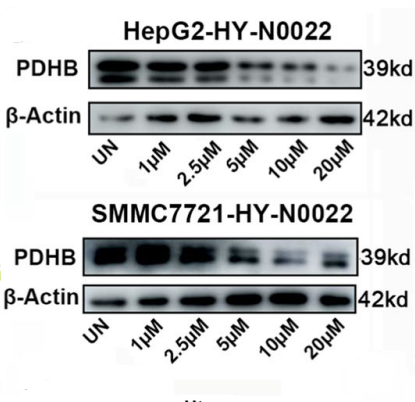
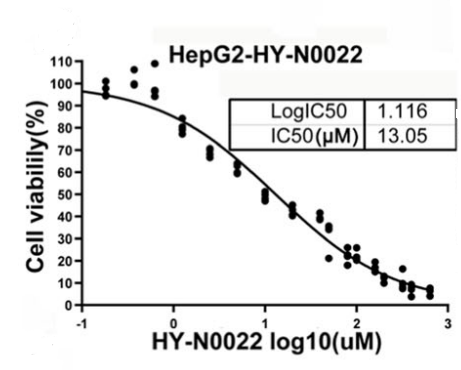
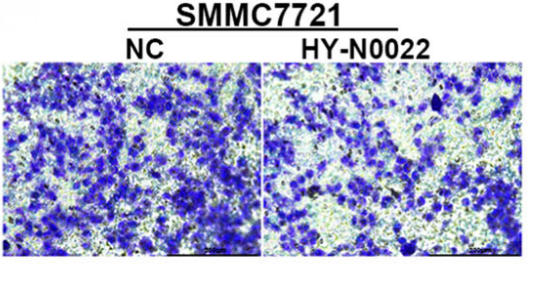
Isoacteoside alleviates hepatocellular carcinoma progression by inhibiting PDHB-mediated reprogramming of glucose metabolism. [Abstract]2025 Feb 8;8(1):205. PMID: 39922943
Isoacteoside purchased from MedChemExpress. Usage Cited in: Commun Biol. 2025 Feb 8;8(1):205. [Abstract]
The effect of Isoacteoside on PDHB expression in hepatocellular carcinoma cells was detected by Western blot.
Isoacteoside purchased from MedChemExpress. Usage Cited in: Commun Biol. 2025 Feb 8;8(1):205. [Abstract]
The IC50 value of HepG2 cells after Isoacteoside treatment was determined using a cytotoxicity assay.
Isoacteoside purchased from MedChemExpress. Usage Cited in: Commun Biol. 2025 Feb 8;8(1):205. [Abstract]
The effect of Isoacteoside on the invasive ability of hepatocellular carcinoma cells was detected using the Transwell chamber invasion assay.
Isoacteoside purchased from MedChemExpress. Usage Cited in: Commun Biol. 2025 Feb 8;8(1):205. [Abstract]
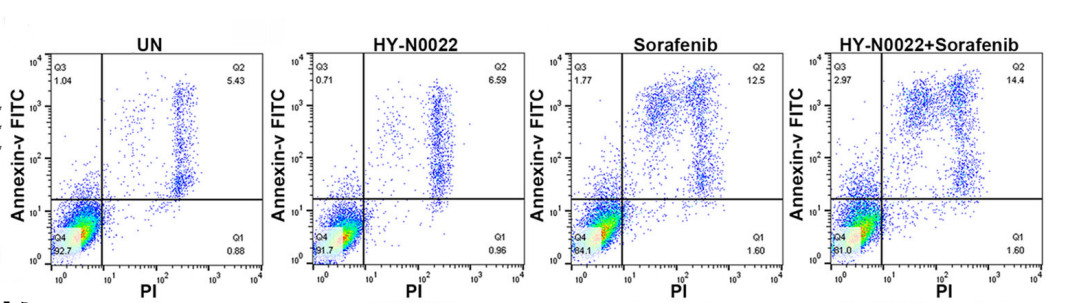
Flow cytometry was used to detect the effects of Isoacteoside(30 mg/kg), sorafenib monotherapy, and combination therapy on apoptosis in liver cancer cells.
-
-
Neurotox Res
Tubuloside B Alleviates Aβ25-35 Induced PC12 Cell Injury by Attenuating Pyroptosis, Apoptosis and Excessive Autophagy. [Abstract]2026 Mar 19;44(2):12. PMID: 41854817 -
Behav Brain Funct
Isoacteoside alleviates LPS-induced depressive-like behaviors in mice by inhibiting neuroinflammation through regulating microglial polarization and oxidative stress. [Abstract]2025 Sep 29;21(1):30. PMID: 41024195
Isoacteoside purchased from MedChemExpress. Usage Cited in: Behav Brain Funct. 2025 Sep 29;21(1):30. [Abstract]
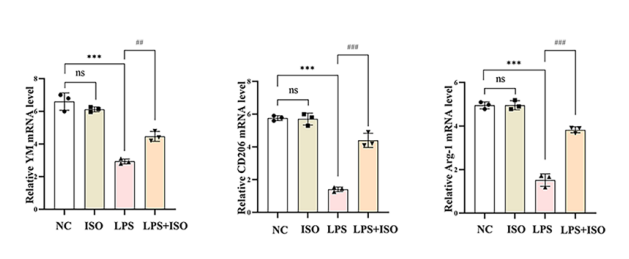
ISO (Isoacteoside: 40 mg/kg) modulated microglia polarization in mice showing depressive-like behaviors. A Expression of M2 microglia markers (YM, CD206 and Arg-1) in the hippocampus of different groups determined by qPCR.
-
-


Solvent & Solubility
In Vitro:
DMSO : 175 mg/mL (280.18 mM; Need ultrasonic; Hygroscopic DMSO has a significant impact on the solubility of product, please use newly opened DMSO)
H2O : ≥ 100 mg/mL (160.11 mM)
* "≥" means soluble, but saturation unknown.
Please refer to the solubility information to select the appropriate solvent. Once prepared, please aliquot and store the solution to prevent product inactivation from repeated freeze-thaw cycles.
Storage method and period of stock solution: -80°C, 6 months; -20°C, 1 month (protect from light). When stored at -80°C, please use it within 6 months. When stored at -20°C, please use it within 1 month.
* Note: If you choose water as the stock solution, please dilute it to the working solution, then filter and sterilize it with a 0.22 μm filter before use.
Please refer to the solubility information to select the appropriate solvent. Once prepared, please aliquot and store the solution to prevent product inactivation from repeated freeze-thaw cycles.
Storage method and period of stock solution: -80°C, 6 months; -20°C, 1 month (protect from light). When stored at -80°C, please use it within 6 months. When stored at -20°C, please use it within 1 month.
* Note: If you choose water as the stock solution, please dilute it to the working solution, then filter and sterilize it with a 0.22 μm filter before use.
Concentration (start) × Volume (start) = Concentration (final) × Volume (final)
In Vivo:
Select the appropriate dissolution method based on your experimental animal and administration route.
- For the following dissolution methods, please ensure to first prepare a clear stock solution using an In Vitro approach and then sequentially add co-solvents:
- To ensure reliable experimental results, the clarified stock solution can be appropriately stored based on storage conditions. As for the working solution for In Vivo experiments, it is recommended to prepare freshly and use it on the same day.
- The percentages shown for the solvents indicate their volumetric ratio in the final prepared solution. If precipitation or phase separation occurs during preparation, heat and/or sonication can be used to aid dissolution.
Add each solvent one by one: 10% DMSO 40% PEG300 5% Tween-80 45% Saline
Solubility: ≥ 2.08 mg/mL (3.33 mM); Clear solution
This protocol yields a clear solution of ≥ 2.08 mg/mL (saturation unknown).
Taking 1 mL working solution as an example, add 100 μL DMSO stock solution (20.8 mg/mL) to 400 μL PEG300, and mix evenly; then add 50 μL Tween-80 and mix evenly; then add 450 μL Saline to adjust the volume to 1 mL.
Preparation of Saline: Dissolve 0.9 g sodium chloride in ddH₂O and dilute to 100 mL to obtain a clear Saline solution.
Add each solvent one by one: 10% DMSO 90% (20% SBE-β-CD in Saline)
Solubility: ≥ 2.08 mg/mL (3.33 mM); Clear solution
This protocol yields a clear solution of ≥ 2.08 mg/mL (saturation unknown).
Taking 1 mL working solution as an example, add 100 μL DMSO stock solution (20.8 mg/mL) to 900 μL 20% SBE-β-CD in Saline, and mix evenly.
Preparation of 20% SBE-β-CD in Saline (4°C, storage for one week): 2 g SBE-β-CD powder is dissolved in 10 mL Saline, completely dissolve until clear.
For the following dissolution methods, please prepare the working solution directly:
It is recommended to prepare fresh solutions and use them promptly within a short period of time.
The percentages shown for the solvents indicate their volumetric ratio in the final prepared solution. If precipitation or phase separation occurs during preparation, heat and/or sonication can be used to aid dissolution.
Add each solvent one by one: 0.5% CMC-Na/saline water
Solubility: ≥ 10 mg/mL (16.01 mM); Clear solution
In Vivo Dissolution Calculator
Please enter the basic information of animal experiments:
-
-
-
-
Recommended: Prepare an additional quantity of animals to account for potential losses during experiments.
Working solution concentration: 0.22 mg/mL
This product has good water solubility, please refer to the measured solubility data in water/PBS/Saline for details.


Purity & Documentation
-
Data Sheet (283 KB)
-
SDS (252 KB)
- English - EN (252 KB)
- Français - FR (252 KB)
- Deutsch - DE (252 KB)
- Norwegian - NO (252 KB)
- Español - ES (252 KB)
- Swedish - SV (252 KB)
- Italian - IT (252 KB)
- Korean - KR (252 KB)
- Portuguese - PT (252 KB)
-
Handling Instructions (2659 KB)
References
[1]. Yu SY, et al. Caffeoylated phenylpropanoid glycosides from Brandisia hancei inhibit advanced glycation end product formation and aldose reductase in vitro and vessel dilation in larval zebrafish in vivo. Planta Med. 2013 Dec;79(18):1705-9. [Content Brief]
[2]. Gao H, Cui Y, Kang N, et al. Isoacteoside, a dihydroxyphenylethyl glycoside, exhibits anti-inflammatory effects through blocking toll-like receptor 4 dimerization. Br J Pharmacol. 2017;174(17):2880-2896. [Content Brief]
[3]. Yang X, Guo F, Peng Q, Liu Y, Yang B. Suppression of in vitro and in vivo human ovarian cancer growth by isoacteoside is mediated via sub-G1 cell cycle arrest, ROS generation, and modulation of AKT/PI3K/m-TOR signalling pathway. J BUON. 2019;24(1):285-290. [Content Brief]
[5]. Shiao YJ, et al., Acteoside and Isoacteoside Protect Amyloid β Peptide Induced Cytotoxicity, Cognitive Deficit and Neurochemical Disturbances In Vitro and In Vivo. Int J Mol Sci. 2017 Apr 24;18(4):895. [Content Brief]


Complete Stock Solution Preparation Table
Please refer to the solubility information to select the appropriate solvent. Once prepared, please aliquot and store the solution to prevent product inactivation from repeated freeze-thaw cycles.
Storage method and period of stock solution: -80°C, 6 months; -20°C, 1 month (protect from light). When stored at -80°C, please use it within 6 months. When stored at -20°C, please use it within 1 month.
| Optional Solvent | Concentration Solvent Mass | 1 mg | 5 mg | 10 mg | 25 mg |
|---|---|---|---|---|---|
| H2O / DMSO | 1 mM | 1.6011 mL | 8.0053 mL | 16.0105 mL | 40.0263 mL |
| 5 mM | 0.3202 mL | 1.6011 mL | 3.2021 mL | 8.0053 mL | |
| 10 mM | 0.1601 mL | 0.8005 mL | 1.6011 mL | 4.0026 mL | |
| 15 mM | 0.1067 mL | 0.5337 mL | 1.0674 mL | 2.6684 mL | |
| 20 mM | 0.0801 mL | 0.4003 mL | 0.8005 mL | 2.0013 mL | |
| 25 mM | 0.0640 mL | 0.3202 mL | 0.6404 mL | 1.6011 mL | |
| 30 mM | 0.0534 mL | 0.2668 mL | 0.5337 mL | 1.3342 mL | |
| 40 mM | 0.0400 mL | 0.2001 mL | 0.4003 mL | 1.0007 mL | |
| 50 mM | 0.0320 mL | 0.1601 mL | 0.3202 mL | 0.8005 mL | |
| 60 mM | 0.0267 mL | 0.1334 mL | 0.2668 mL | 0.6671 mL | |
| 80 mM | 0.0200 mL | 0.1001 mL | 0.2001 mL | 0.5003 mL | |
| 100 mM | 0.0160 mL | 0.0801 mL | 0.1601 mL | 0.4003 mL |
* Note: If you choose water as the stock solution, please dilute it to the working solution, then filter and sterilize it with a 0.22 μm filter before use.


Isoacteoside Related Classifications
HY-N0022 Related Classifications
 Powered by Bioz