



TLR9
TLR9 is an intracellular pattern-recognition receptor that detects bacterial and viral unmethylated CpG DNA and drives innate immune activation[1][2]. Mechanistically, CpG DNA induces TLR9 trafficking to lysosomal compartments, where receptor-ligand engagement recruits MyD88 and initiates inflammatory signaling[3]. Compared with related nucleic acid sensors, TLR9 recognizes CpG DNA, whereas TLR7/TLR8 mainly recognize RNA-associated ligands[4]. In disease models, mammalian nucleic acid immune complexes can activate TLR9/TLR7 pathways in plasmacytoid dendritic cells and promote systemic lupus erythematosus-related IFN-α responses[5]. Murine lupus studies further show that TLR7 and TLR9 have opposing effects on disease activity despite related endosomal localization and signaling logic[6]. For experimental applications, synthetic CpG oligodeoxynucleotide TLR9 agonists activate plasmacytoid dendritic cells, enhance B-cell differentiation, and support vaccine-adjuvant and cancer-immunotherapy research[7].- TLR9 links CpG DNA sensing to innate immunity, inflammatory cytokines, and adaptive immune priming[1][7]. - TLR9 differs from TLR7/TLR8 by prioritizing DNA recognition over RNA-associated ligand sensing[4]. - CpG ODN agonists provide practical tools for vaccine-adjuvant and tumor-immunology study design[7].
References:
- [1]. Hemmi H, et al. A Toll-like receptor recognizes bacterial DNA. Nature. 2000 Dec 7;408(6813):740-5. [Content Brief]
- [2]. Bauer S, et al. Human TLR9 confers responsiveness to bacterial DNA via species-specific CpG motif recognition. Proc Natl Acad Sci U S A. 2001 Jul 31;98(16):9237-42. [Content Brief]
- [3]. Latz E, et al. TLR9 signals after translocating from the ER to CpG DNA in the lysosome. Nat Immunol. 2004;5(2):190-198.
- [4]. Bauer S, et al. Recognition of nucleic acid and nucleic acid analogs by Toll-like receptors 7, 8 and 9. Immunobiology. 2008;213(3-4):315-28. doi: 10.1016/j.imbio.2007.10.010. Epub 2007 Nov 28. PMID: 18406377. [Content Brief]
- [5]. Barrat FJ, et al. Nucleic acids of mammalian origin can act as endogenous ligands for Toll-like receptors and may promote systemic lupus erythematosus. J Exp Med. 2005 Oct 17;202(8):1131-9. [Content Brief]
- [6]. Christensen SR, et al. Toll-like receptor 7 and TLR9 dictate autoantibody specificity and have opposing inflammatory and regulatory roles in a murine model of lupus. Immunity. 2006 Sep;25(3):417-28. [Content Brief]
- [7]. Vollmer J, et al. Immunotherapeutic applications of CpG oligodeoxynucleotide TLR9 agonists. Adv Drug Deliv Rev. 2009 Mar 28;61(3):195-204. [Content Brief]
-
TLR9 Related Products (45)
Related Products (45)

-
ODN 1826
 0 ImagesCat. No.: HY-146245CAS No.: 202668-42-6Synonyms: CpG 1826ODN 1826 is a class B CpG ODN (oligodeoxynucleotide) and TLR9 agonist. ODN 1826 induces NO and iNOS production and enhances Apoptosis. ODN 1826 enhances immune surveillance. ODN 1826 increases aortic atherosclerotic plaque size. ODN 1826 has antitumor activity against lung cancer, glioma and melanoma.
-
ODN 1826 sodium
 0 ImagesCat. No.: HY-146245CPurity: 99.51%Synonyms: CpG 1826 sodiumODN 1826 sodium is a class B CpG ODN (oligodeoxynucleotide) and TLR9 agonist. ODN 1826 sodium induces NO and iNOS production and enhances Apoptosis. ODN 1826 sodium enhances immune surveillance. ODN 1826 sodium increases aortic atherosclerotic plaque size. ODN 1826 sodium has antitumor activity against lung cancer, glioma and melanoma.
-
Agatolimod sodium
 0 ImagesSynonyms: ODN 2006 sodium; ODN 7909 sodium; PF-3512676 sodium; CpG 7909 sodium
-
Hydroxychloroquine sulfate
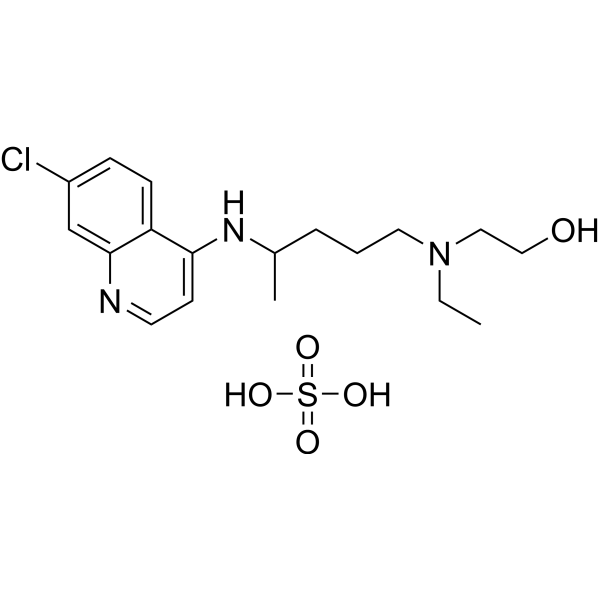 0 ImagesHydroxychloroquine sulfate (HCQ sulfate) is a synthetic antimalarial agent which can also inhibit Toll-like receptor 7/9 (TLR7/9) signaling. Hydroxychloroquine sulfate is efficiently inhibits SARS-CoV-2 infection in vitro.
-
Agatolimod
 0 ImagesSynonyms: ODN 2006; PF-3512676; CpG 7909; ODN 7909Agatolimod ((ODN 2006; PF-3512676; CpG 7909)) is a TLR9 agonist and immunomodulator with an EC50 of 180 nM against human TLR9. Agatolimod activates and upregulates the expression of both TLR9 and TLR6, and mediates downstream signaling pathways via IRAK4, IRF5, IRF7. Agatolimod induces Th1-type innate and adaptive immune responses, activates various immune cells and promotes antigen presentation, regulates antibody levels and immune cell infiltration, upregulates the secretion of multiple cytokines, induces apoptosis and cell cycle arrest, enhances cytotoxicity, and clears intracellular Salmonella. Agatolimod is applicable to research on COVID-19, breast cancer, lung adenocarcinoma, HPV-related tumors, melanoma, and salmonellosis.
-
Hydroxychloroquine sulfate (Standard)
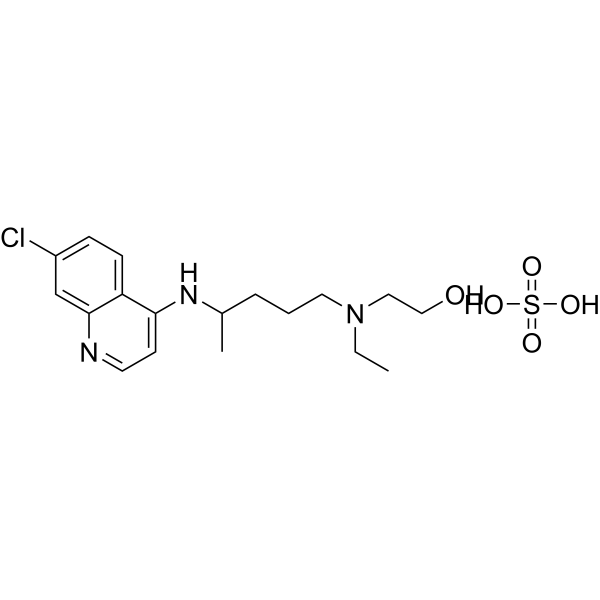 0 ImagesHydroxychloroquine (sulfate) (Standard) is the analytical standard of Hydroxychloroquine (sulfate). This product is intended for research and analytical applications. Hydroxychloroquine sulfate (HCQ sulfate) is a synthetic antimalarial agent which can also inhibit Toll-like receptor 7/9 (TLR7/9) signaling. Hydroxychloroquine sulfate is efficiently inhibits SARS-CoV-2 infection in vitro.
-
TLR7/8/9 antagonist-3
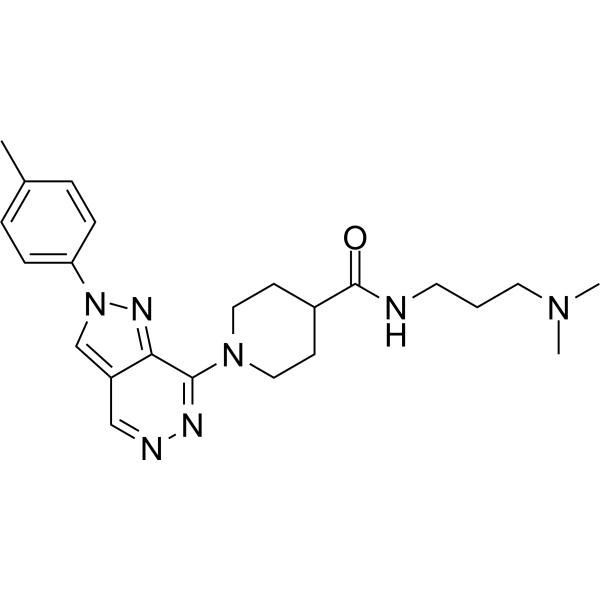
 0 ImagesCat. No.: HY-187531CAS No.: 2403782-38-5TLR7/8/9 antagonist-3 is an orally active antagonist of TLR7, TLR8 and TLR9, with human IC50 values of 0.008 μM, 0.006 μM and 0.072 μM, respectively. TLR7/8/9 antagonist-3 blocks agonist-induced activation of hTLR7, hTLR8, hTLR9, mTLR7 and mTLR9, and reduces serum IFNα and TNFα levels. TLR7/8/9 antagonist-3 can be used in the research of autoimmune diseases.
-
ENDO12
 0 ImagesCat. No.: HY-183079ENDO12 is an inhibitor of the Munc13-4-STX7 protein complex, with a Kd value of 2.7 µM for STX7. ENDO12 blocks the interaction of Munc13-4-STX7. ENDO12 inhibits endolysosomal flux, endolysosomal cargo degradation, the extracellular signal-regulated kinase signaling pathway in neutrophils, the IFN regulatory factor signaling pathway in plasmacytoid dendritic cells, and the responses of primary dendritic cells to TLR3, TLR7, and TLR9. ENDO12 alleviates CpG-induced systemic inflammation by reducing the levels of myeloperoxidase, IL-6 and IFNγ. ENDO12 does not interfere with the host's antiviral response to lymphocytic choriomeningitis virus infection.\nENDO12 can be used in studies related to systemic inflammation.
-
ODN 2216 sodium
 0 ImagesCat. No.: HY-150741CPurity: 99.34%ODN 2216 sodium is a type A CpG oligodeoxynucleotide vaccine adjuvant and a TLR9 agonist. ODN 2216 sodium interacts with TLR9 in the lysosomes of CD4+ T cells and activates feedback-dependent signaling pathways. ODN 2216 sodium induces the production of type I interferons, IL-6 and TGF-β via the IRAK4/IRF7 axis, while increasing intracellular ATP levels. ODN 2216 sodium not only induces the differentiation of CD4+ T cells into anti-inflammatory Th3-like regulatory phenotypes to inhibit autologous proliferation, but also enhances the specific CD8+ T cell-mediated cytotoxicity against Mammaglobin-A in breast cancer cells. ODN 2216 sodium is widely used in studies related to breast cancer and systemic lupus erythematosus.
-
ODN 2216
 0 ImagesODN 2216 is a type A CpG oligodeoxynucleotide vaccine adjuvant and a TLR9 agonist. ODN 2216 interacts with TLR9 in the lysosomes of CD4+ T cells and activates feedback-dependent signaling pathways. ODN 2216 induces the production of type I interferons, IL-6 and TGF-β via the IRAK4/IRF7 axis, while increasing intracellular ATP levels. ODN 2216 not only induces the differentiation of CD4+ T cells into anti-inflammatory Th3-like regulatory phenotypes to inhibit autologous proliferation, but also enhances the specific CD8+ T cell-mediated cytotoxicity against Mammaglobin-A in breast cancer cells. ODN 2216 is widely used in studies related to breast cancer and systemic lupus erythematosus.
-
ODN 1018 sodium
 0 ImagesCat. No.: HY-150724CSynonyms: 1018 ISS sodiumODN 1018 (1018 ISS) sodium is a TLR9 agonist and immune modulator. ODN 1018 sodium exhibits adjuvant activity and augments CD8+ T cell responses with LNP-encapsulated OVA peptides. ODN 1018 sodium triggers sustained suppression of allergic airway inflammation. ODN 1018 sodium can be used for the research of allergic asthma and systemic lupus erythematosus.
-
Atractylenolide I
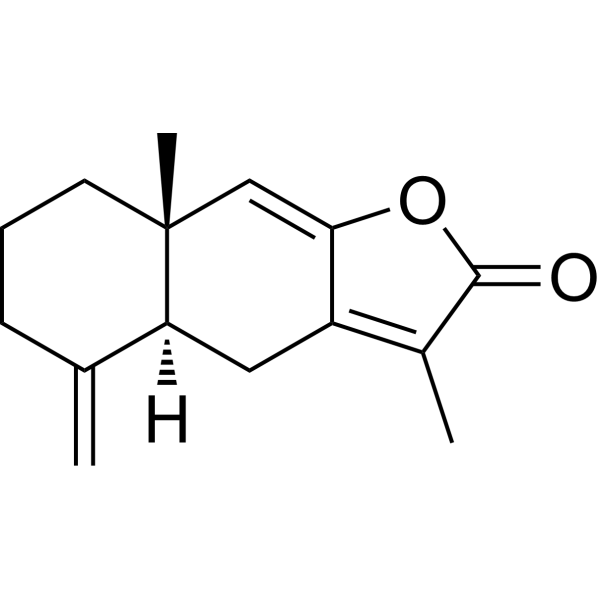 0 ImagesAtractylenolide I is a sesquiterpene derived from the rhizome of Atractylodes macrocephala, possesses diverse bioactivities, such as neuroprotective, anti-allergic, anti-inflammatory and anticancer properties. Atractylenolide I reduces protein levels of phosphorylated JAK2 and STAT3 in A375 cells, and acts as a TLR4-antagonizing agent.
-
ODN 1018
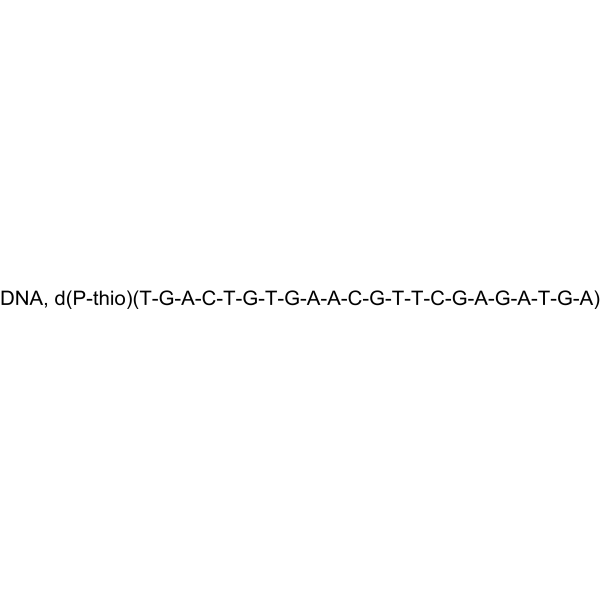 0 ImagesSynonyms: 1018 ISSODN 1018 (1018 ISS) is a TLR9 agonist and immune modulator. ODN 1018 exhibits adjuvant activity and augments CD8+ T cell responses with LNP-encapsulated OVA peptides. ODN 1018 triggers sustained suppression of allergic airway inflammation. ODN 1018 can be used for the research of allergic asthma and systemic lupus erythematosus.
-
ODN 2395
 0 ImagesODN 2395 is a C class oligodeoxynucleotide and can be used as vaccine adjuvant. ODN 2395 is also a TLR9 agonist. ODN 2395 can be used in the research of immunological vaccines. Sequence: 5'-tcgtcgttttcggcgc:gcgccg-3' (Note: The bases are phosphorothioate; ODN 2395 contains the partial palindromic sequence cggcgc:gcgccg).
-
ODN 1668 sodium
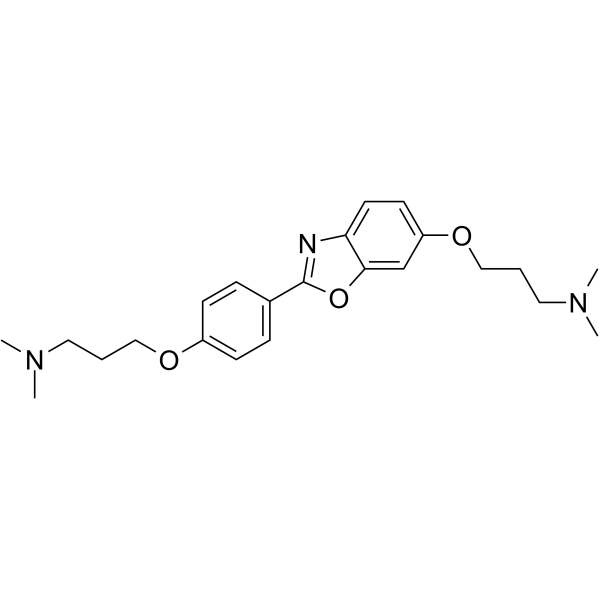
 0 ImagesCat. No.: HY-150726CPurity: 98.79%ODN 1668 sodium, a class B CpG ODN (oligodeoxynucleotide), is a TLR-9 agonist. ODN 1668 sodium has strong immune regulatory properties, can enhance the level of antibody IgG2 subtype, promote the immune response of T cells and B cells, and can be used in the study of vaccine adjuvants. In addition, CpG ODN 1668 sodium induces an antimicrobial immune response via a CaTLR9 dependent pathway in groupers. Sequence: 5'-tccatgacgttcctgatgct-3’.
-
ODN 2395 sodium
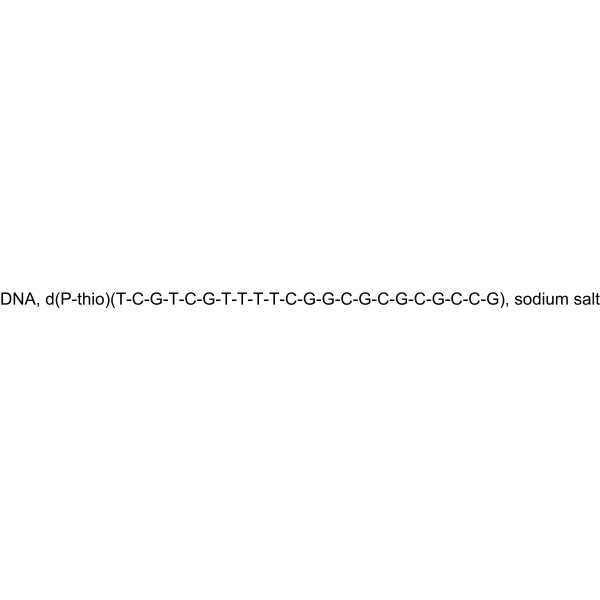 0 ImagesCat. No.: HY-150743CPurity: 98.20%
-
E6446
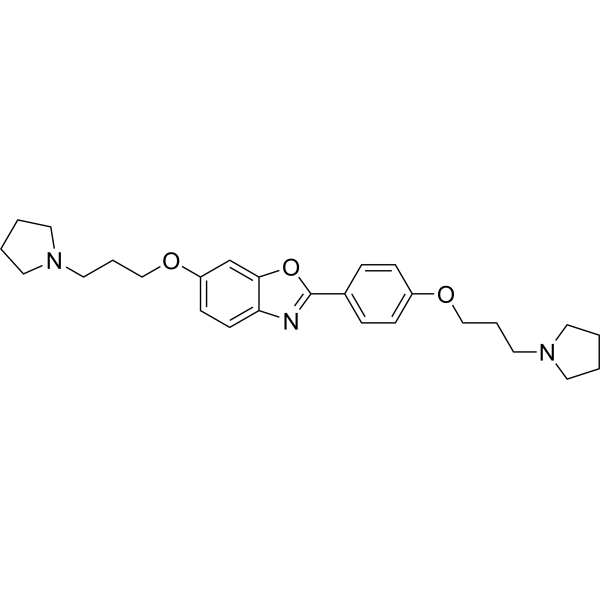 0 ImagesE6446 is a potent and orally acitve TLR7 and TLR9 antagonist, used in the research of deleterious inflammatory responses. E6446 is also a potent SCD1 inhibitor (KD: 4.61 μM), significantly inhibiting adipogenic differentiation and hepatic lipogenesis through SCD1-ATF3 signaling. E6446 also improves liver pathology in high-fat diet (HFD)-fed mice and may be useful in the study of non-alcoholic fatty liver disease (NAFLD).
-
E6446 dihydrochloride
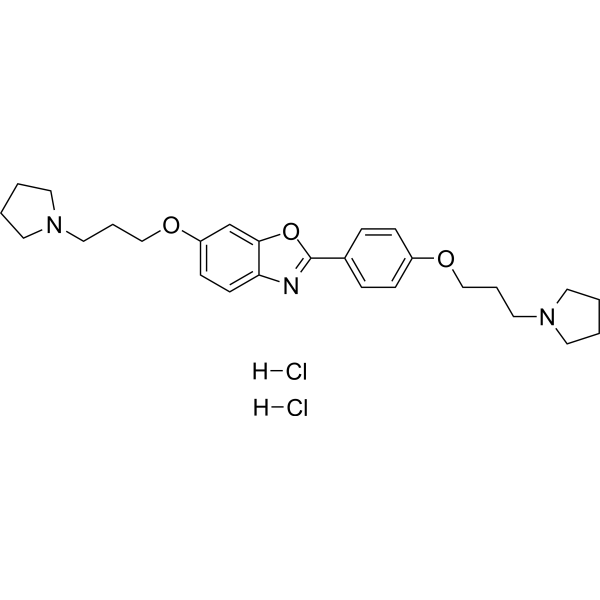 0 ImagesE6446 dihydrochloride is a potent and orally acitve TLR7 and TLR9 antagonist, used in the research of deleterious inflammatory responses. E6446 dihydrochloride is also a potent SCD1 inhibitor (KD: 4.61 μM), significantly inhibiting adipogenic differentiation and hepatic lipogenesis through SCD1-ATF3 signaling. E6446 dihydrochloride also improves liver pathology in high-fat diet (HFD)-fed mice and may be useful in the study of non-alcoholic fatty liver disease (NAFLD).



