



IRAK4
Interleukin-1 receptor-associated kinase 4 (IRAK4) is a serine/threonine kinase that functions as a key mediator in Toll-like receptor (TLR) and interleukin-1 receptor (IL-1R) signaling pathways[1][2]. Mechanistically, IRAK4 initiates myddosome formation by recruiting and activating IRAK1, facilitating downstream NF-κB and MAPK signaling[2][3]. Compared with other IRAK family members, IRAK4 possesses both kinase activity and scaffolding functions, with its scaffold role being essential for myddosome assembly independent of catalytic activity[2][3]. Dysregulation or overexpression of IRAK4 contributes to inflammatory, autoimmune, and oncogenic processes, including rheumatoid arthritis, myelodysplastic syndromes (MDS), and acute myeloid leukemia (AML)[1][4][5]. In MDS and AML, long isoforms of IRAK4 (IRAK4-L) produced by spliceosome mutations such as SF3B1 or U2AF1 retain maximal functional domains, driving constitutive NF-κB activation and sustaining leukemic stem cell function[5][6][7]. Selective IRAK4 inhibitors, including DW18134, CA-4948, PF-06650833, and KME-0584, have demonstrated efficacy in preclinical models by reducing proinflammatory cytokines and suppressing leukemic progenitor proliferation[8][9][10]. Dual inhibition of IRAK4 and IRAK1 enhances therapeutic outcomes, as IRAK1 compensatory activation can limit the efficacy of IRAK4-selective agents[9]. Mechanistic studies also highlight that IRAK4 degraders, which eliminate both scaffolding and kinase functions, achieve broader suppression of TLR/IL-1R-induced NF-κB and p38 signaling compared with kinase inhibition alone[3].
References:
- [1]. Singer JW, et al. Inhibition of interleukin-1 receptor-associated kinase 1 (IRAK1) as a therapeutic strategy. Oncotarget. 2018 Sep 7;9(70):33416-33439. [Content Brief]
- [2]. Feng Y, et al. Emerging interleukin-1 receptor-associated kinase 4 (IRAK4) inhibitors or degraders as therapeutic agents for autoimmune diseases and cancer. Acta Pharm Sin B. 2024 Dec;14(12):5091-5105. [Content Brief]
- [3]. De Nardo D, et al. Interleukin-1 receptor-associated kinase 4 (IRAK4) plays a dual role in myddosome formation and Toll-like receptor signaling. J Biol Chem. 2018 Sep 28;293(39):15195-15207. [Content Brief]
- [4]. Huang Y, et al. A Novel IRAK4 Inhibitor DW18134 Ameliorates Peritonitis and Inflammatory Bowel Disease. Molecules. 2024 Apr 16;29(8):1803. [Content Brief]
- [5]. Yoon SB, et al. A novel IRAK4/PIM1 inhibitor ameliorates rheumatoid arthritis and lymphoid malignancy by blocking the TLR/MYD88-mediated NF-κB pathway. Acta Pharm Sin B. 2023 Mar;13(3):1093-1109. [Content Brief]
- [6]. Rosenbaum JS, et al. Inhibition of both IRAK1 and IRAK4 is required for complete suppression of NF-Kb signaling across multiple receptor-mediated pathways in MDS and AML. Blood. 2022;140(Suppl 1):5949.
- [7]. Rosenbaum JS, et al. Kme-0584, a highly potent IRAK1/IRAK4/panFLT3 inhibitor, is a promising clinical candidate for hypomethylating agent plus venetoclax resistant AML/MDS patients. Blood. 2023;142(Suppl 1):4152.
- [8]. Choudhary SA, et al. A small molecule potent IRAK4 inhibitor abrogates lipopolysaccharide-induced macrophage inflammation in-vitro and in-vivo. Eur J Pharmacol. 2023 Apr 5;944:175593. [Content Brief]
- [9]. Hao X, et al. Electromagnetic Functional Properties of Flexible Picosecond Laser-Induced Graphene Films Modified with Silver Nanoparticles. ACS Appl Mater Interfaces. 2026 May 27;18(20):28957-28968. [Content Brief]
- [10]. Choudhary GS, et al. SF3B1 mutations induce oncogenic IRAK4 isoforms and activate targetable innate immune pathways in MDS and AML. Blood. 2019;134(Suppl 1):4224.
- [11]. Skouras SM, et al. Selective IRAK4 degradation, not kinase inhibition, blocks TLR-activated NF-Kb and p38 signaling leading to broad cytokine inhibition. J Immunol. 2022;208(1 Suppl):111.13.
-
IRAK4 Related Products (96)
Related Products (96)

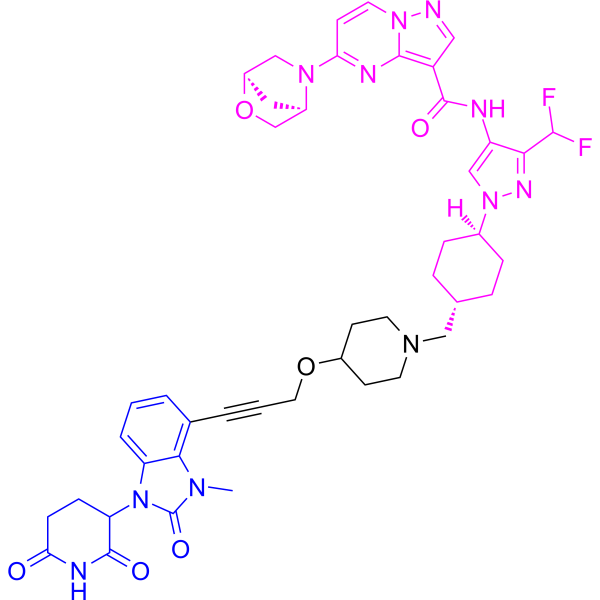
-
Zimlovisertib
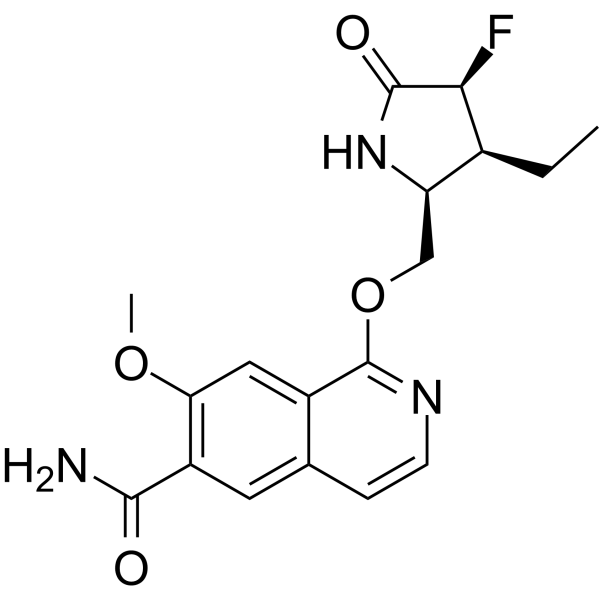 0 ImagesSynonyms: PF-06650833Zimlovisertib (PF-06650833) is a potent, selective and orally active inhibitor of interleukin-1 receptor associated kinase 4 (IRAK4) with IC50s of 0.2 and 2.4 nM in the cell and PBMC assay, respectively. Zimlovisertib is used to treat diseases such as rheumatoid arthritis, lupus, and lymphomas.
-
AS2444697
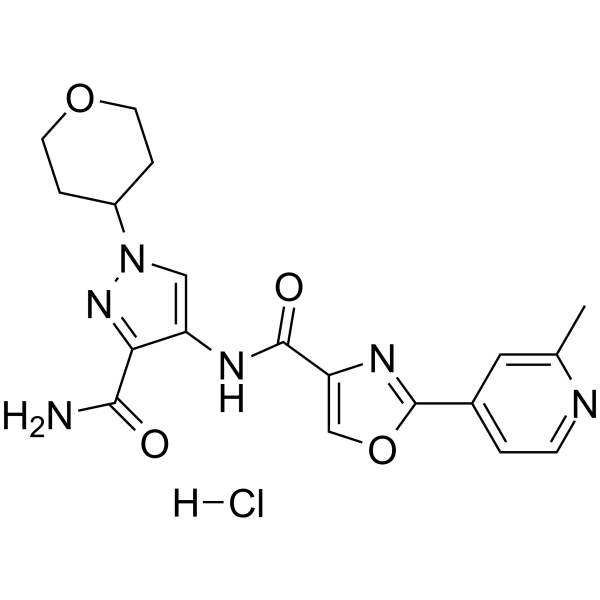 0 ImagesAS2444697 is an orally active IRAK-4 inhibitor with an IC50 of 21 nM. AS2444697 potently inhibits human and rat IRAK-4 activity. AS2444697 exhibits renoprotective effects through anti-inflammatory action.
-
Emavusertib
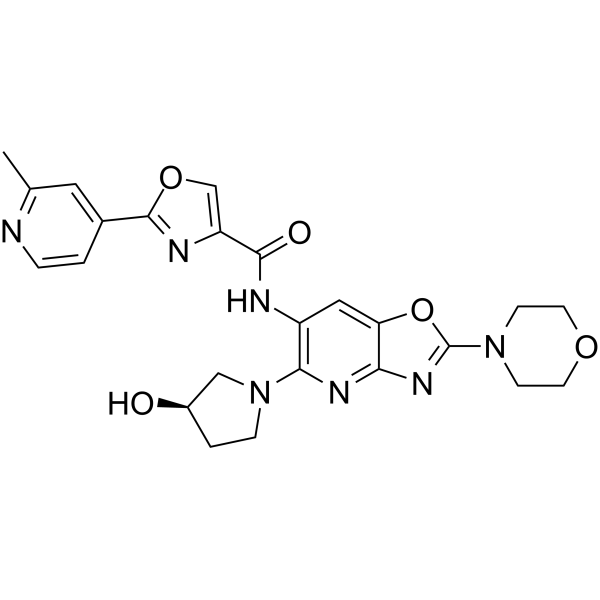 0 ImagesSynonyms: CA-4948Emavusertib is an orally active inhibitor for IRAK4 (IC50=57 nM) and FLT3. Emavusertib inhibits NF-κB and MyD88 signaling pathways, reduces the generation of pro-inflammatory cytokines like IL-6 and IL-10, thereby exhibiting anti-inflammatory and anti-proliferative activities against cancer cells, leading to cell apoptosis. Emavusertib exhibits antitumor activity in mouse model
-
Zabedosertib
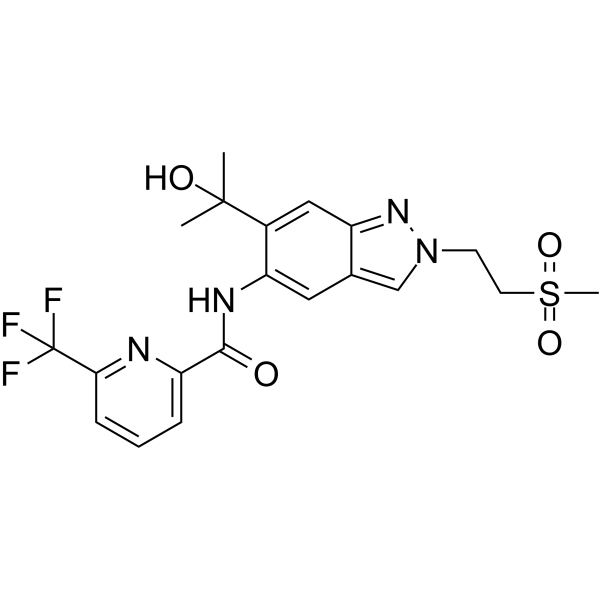 0 ImagesSynonyms: BAY 1834845Zabedosertib (BAY 1834845) is a selective, orally active IRAK4 inhibitor with immunomodulatory potential, IC50 is 3.55 nM. IRAK4 is a protein kinase involved in signaling innate immune responses from Toll-like receptors. Zabedosertib exhibits anti-inflammatory property against IL-β, LPS (HY-D1056) and Imiquimod (HY-B1080) induced inflammation.
-
Zomiradomide
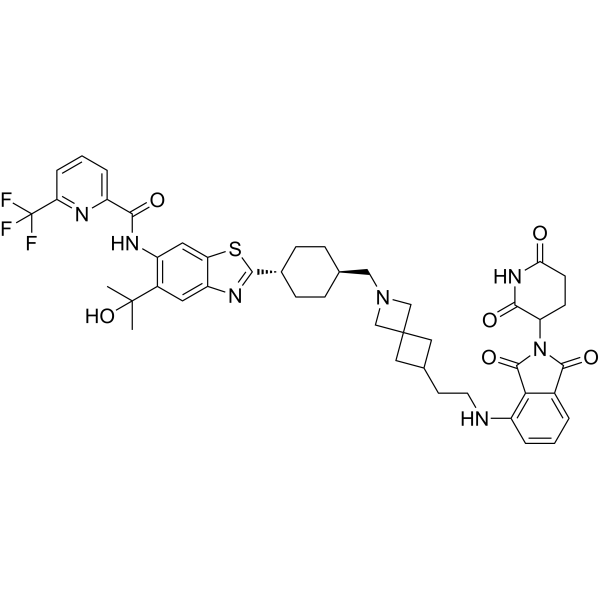 0 ImagesSynonyms: KT-413Zomiradomide (KT-413) is an orally active IRAK4 PROTAC degrader with a DC50 of 6 nM. Zomiradomide inhibits the NF-κB signaling pathway, while its molecular glue function mediates the degradation of Ikaros and Aiolos (with a DC50 of 1 nM for both), activates the IFN-I signaling pathway, and selectively degrades IMiD substrates. Zomiradomide inhibits cancer cell proliferation and tumor growth. Zomiradomide can be used in research related to B-cell non-Hodgkin's lymphoma and diffuse large B-cell lymphoma.
-
FIP22
 0 ImagesFIP22 is a potent and selective IRAK4 PROTAC degrader (HEK293T cells: DC50 = 3.2 nM; THP-1 cells: DC50 = 10.6 nM). FIP22 induces the ubiquitin-proteasome system by forming an IRAK4-FIP22-CRBN ternary complex (EC50 = 12.63 nM), thereby potently blocking IRAK4-mediated NF-κB and MAPK signaling pathways. FIP22 can be used for the study of atopic dermatitis.
-
HS-276
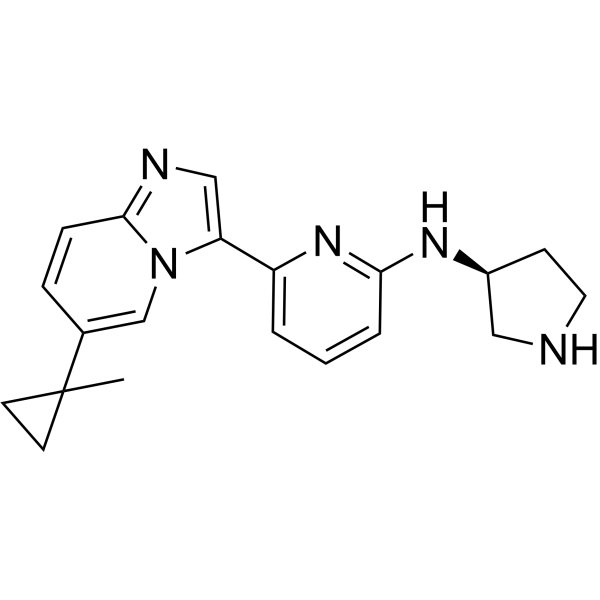
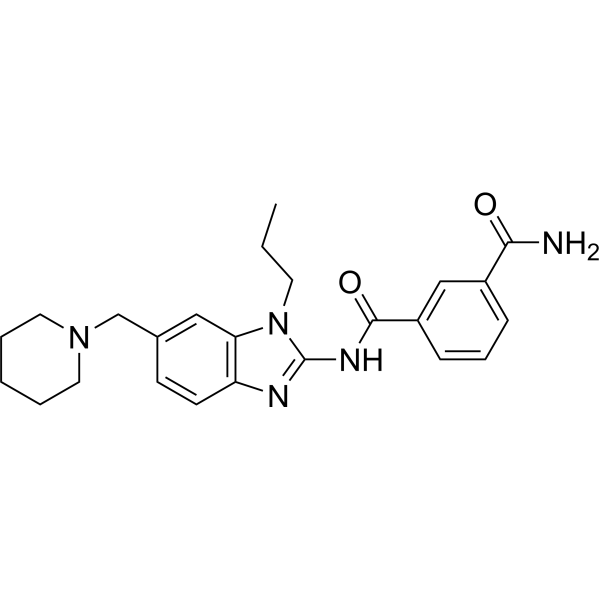 0 ImagesHS-276 is an orally active, potent and highly selective TAK1 inhibitor, with a Ki of 2.5 nM. HS-276 shows significant inhibition of TAK1, CLK2, GCK, ULK2, MAP4K5, IRAK1, NUAK, CSNK1G2, CAMKKβ-1, and MLK1, with IC50 values of 8.25, 29, 33, 63, 125, 264, 270, 810, 1280, and 5585 nM, respectively. HS-276 reduces the expression of TNF, IL-6, and IL-1β. HS-276 can be used for rheumatoid arthritis (RA) research.
-
JNJ-1013
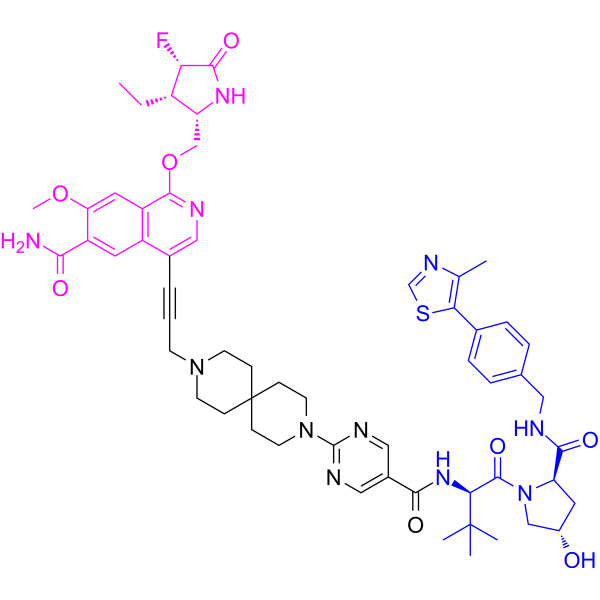
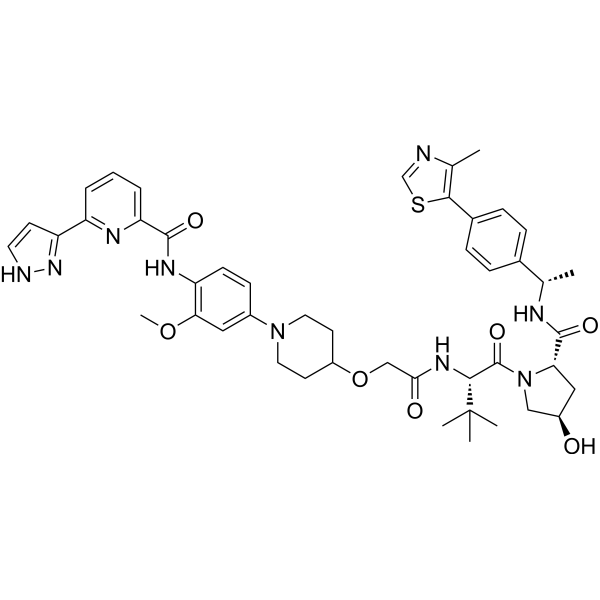 0 ImagesJNJ-1013 is a potent and selective IRAK1 PROTAC degrader with an IC50s of 72, 443, 1071 nM for IRAK1, IRAK4, VHL FP respectively. JNJ-1013 induces apoptosis and increases the expression of cleavaged PARP. JNJ-1013 decreases the expression IRAK1, p-IKBα, pSTAT3(Tyr705) (Pink: ligand for target protein (HY-138834); black: linker (HY-Y1760); Blue: E3 ligase ligand (HY-112078)).
-
AZ1495
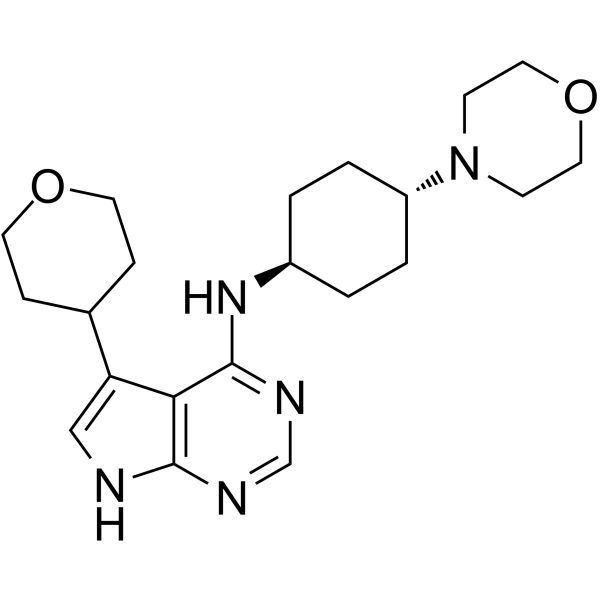 0 ImagesAZ1495, a weak base, is a potent orally active interleukin-1 receptor associated kinase 4 (IRAK4) inhibitor. AZ1495 has a favorable physicochemical and kinase selectivity for IRAK4 and IRAK1 with IC50 values of 0.005 μM and 0.023 μM, respectively. AZ1495 has IRAK4 inhibition with a Kd value of 0.0007 μM. AZ1495 can be used for the research of diffuse large B-cell lymphoma (DLBCL).
-
IRAK4-IN-4
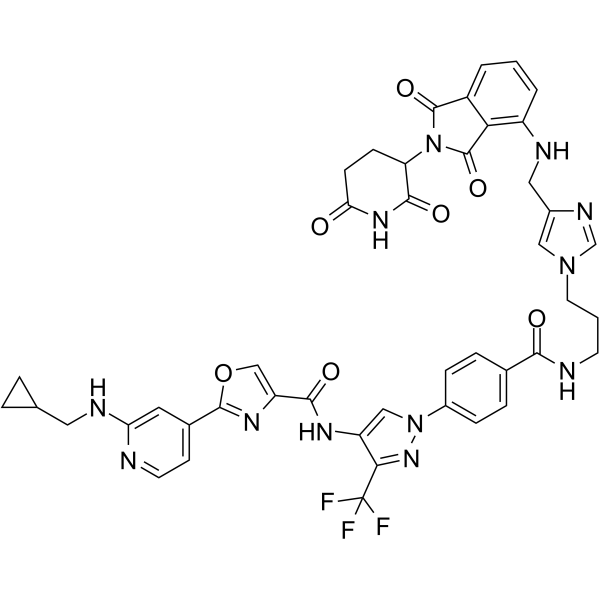
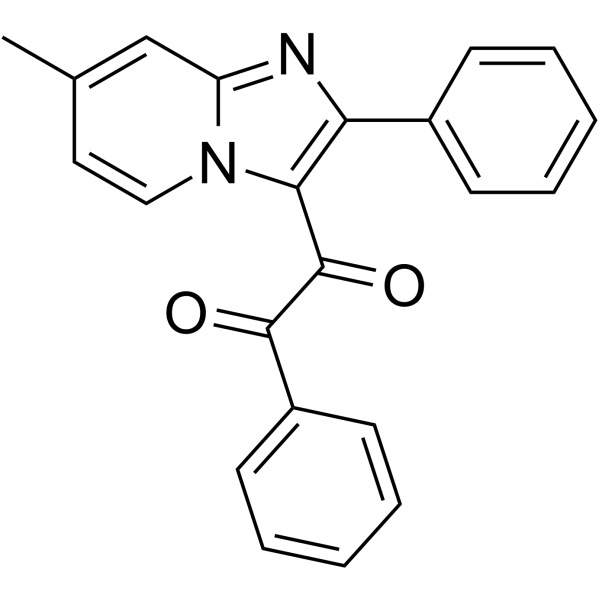 0 ImagesIRAK4-IN-4 (Compound 15) is an interleukin-1 receptor-associated kinase 4 (IRAK4) inhibitor, with an IC50 of 2.8 nM. IRAK4-IN-4 also inhibits cyclic GMP-AMP synthase (cGAS) with an IC50 of 2.1 nM. IRAK4-IN-4 can be used for research of autoimmune diseases.
-
KTX-951
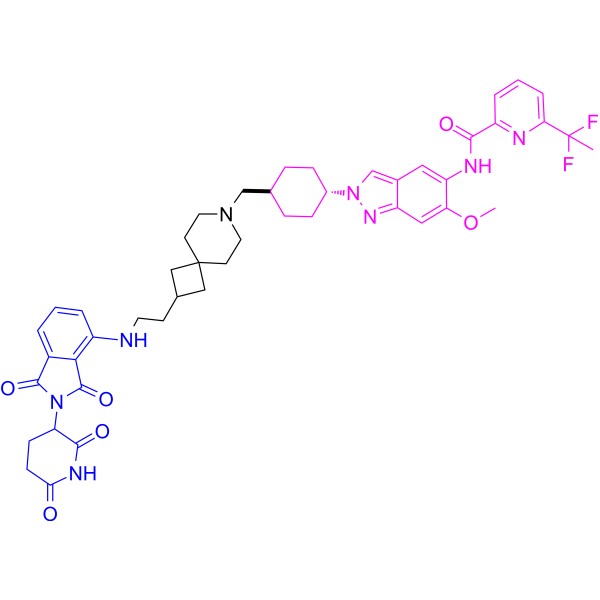 0 ImagesKTX-951 is an orally active PROTAC degrader of IRAK4 and IMiD (Ikaros/Aiolos) substrates (Kd = 3.5 nM). KTX-951 induces IRAK4 degradation, and the degradation efficiency is independent of IRAK4 binding affinity. The DC50 values of KTX-951 for IRAK4, Ikaros and Aiolos are 18 nM, 14 nM and 13 nM, respectively. The IC50 of KTX-951 against OCl-Ly10 CTG is 35 nM. KTX-951 exhibits antitumor activity.
-
BIO-7488
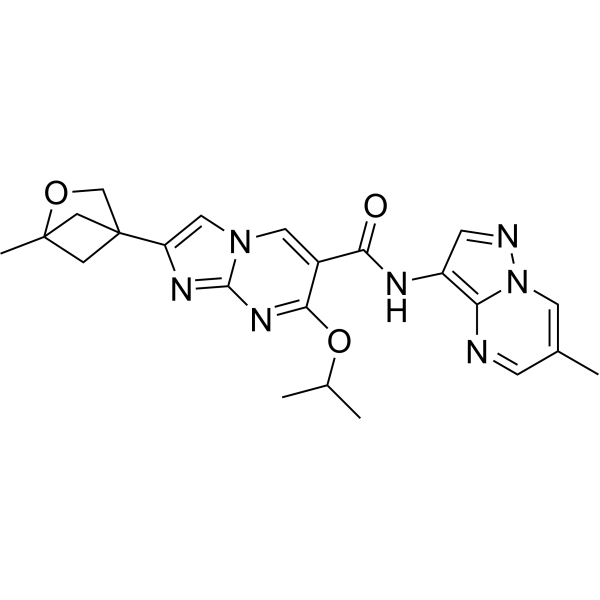 0 ImagesBIO-7488 is an orally active, selective and blood-brain barrier permeable IRAK4 inhibitor, with an IC50 value of 0.5 nM. BIO-7488 inhibits the production of pro-inflammatory cytokines (IL-1β, TNFα, IL-6) and demonstrates anti-inflammatory effects in both LPS (HY-D1056) and distal hypoxic-middle cerebral artery occlusion (DH-MCAO) ischemic stroke model. BIO-7488 can be used for the study of neuroinflammatory-related diseases, particularly ischemic stroke.
-
HS-243
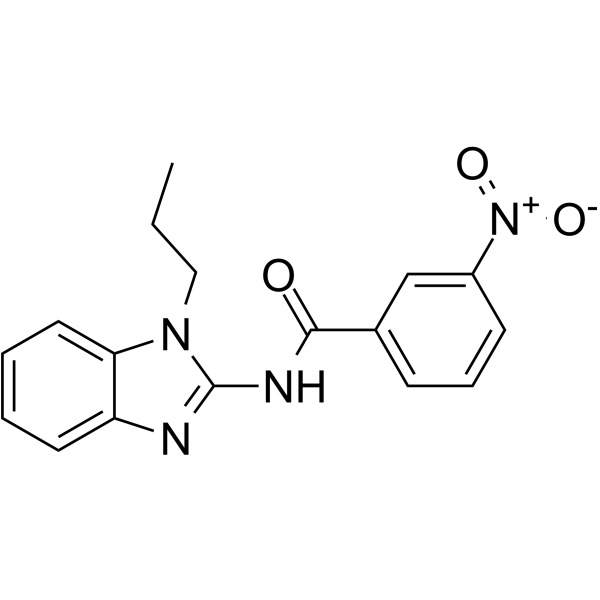 0 ImagesHS-243 is a potent and selective IRAK-4 and IRAK-1 inhibitor, with IC50 values of 20 and 24 nM. HS-243 shows minimal TAK1 (transforming growth factor β-activated kinase 1) inhibition activity, with a IC50 of 0.5 μM. HS-243 shows anti-inflammatory and anticancer activity.

-
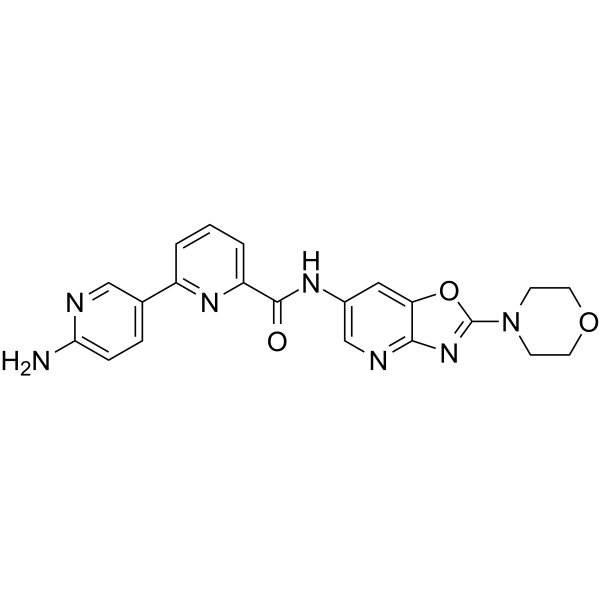
PROTAC IRAK4 degrader-13
 0 ImagesPROTAC IRAK4 degrader-13 (Degrader 1) is a selective IRAK4 PROTAC degrader with DC50s of 0.86 and 1.1 nM for monocytes and lymphocytes in PBMCs, respectively. PROTAC IRAK4 degrader-13 significantly induces TIR signal activation, and inhibits the expression of circulating proinflammatory cytokines in Imiquimod (HY-B0180) induced psoriasis mice model. PROTAC IRAK4 degrader-13 can be used for TLR- and IL-1R-driven driven neutrophilic inflammation diseases like hidradenitis suppurativa (HS) and atopic dermatitis (AD) research. Pink: IRAK4 ligand; Blue: E3 ligase ligand; Black: linker



