



IRAK1
Interleukin-1 receptor-associated kinase 1 (IRAK1) is a serine-threonine kinase that mediates signaling downstream of Toll-like receptors (TLRs) and interleukin-1 receptor (IL-1R) complexes, promoting innate immune and inflammatory responses[1][2]. Mechanistically, IRAK1 interacts with the adaptor protein MyD88 and is recruited to the myddosome, where it undergoes phosphorylation and contributes to the activation of NF-κB and MAPK pathways[2][3]. Compared with its paralog IRAK4, IRAK1 exhibits distinct roles in hematologic malignancies, being preferentially expressed and required for maintaining viability and progenitor function in myelodysplastic syndrome (MDS) and acute myeloid leukemia (AML)[4][5]. IRAK1 also regulates cancer stemness and chemoresistance in hepatocellular carcinoma through the IRAK1/IRAK4/AP-1/AKR1B10 signaling cascade, influencing self-renewal and tumorigenicity[6]. Alternative splicing generates the IRAK1b isoform, which is kinase-inactive but stable, adding regulatory complexity to IL-1 signaling[7]. Pharmacologically, selective IRAK1 inhibitors, including dual IRAK1/4 compounds and covalent degraders, effectively suppress inflammatory responses, enhance chemotherapy sensitivity, and reduce leukemic or tumor-initiating cell function in preclinical models[8][9][10][5][11][12]. These findings underscore the importance of IRAK1 in innate immunity, oncogenesis, and as a target for therapeutic intervention, while differentiating its function and regulation from other IRAK family members[13][4][5].
References:
- [1]. Singer JW, et al. Inhibition of interleukin-1 receptor-associated kinase 1 (IRAK1) as a therapeutic strategy. Oncotarget. 2018 Sep 7;9(70):33416-33439. [Content Brief]
- [2]. Ordureau A, et al. The IRAK-catalysed activation of the E3 ligase function of Pellino isoforms induces the Lys63-linked polyubiquitination of IRAK1. Biochem J. 2008 Jan 1;409(1):43-52. [Content Brief]
- [3]. Hou Y, et al. IRAK Inhibitor Protects the Intestinal Tract of Necrotizing Enterocolitis by Inhibiting the Toll-Like Receptor (TLR) Inflammatory Signaling Pathway in Rats. Med Sci Monit. 2018 May 22;24:3366-3373. [Content Brief]
- [4]. Hermans A, et al. A 3D-Printed and Freely Available Device to Measure the Zebrafish Optokinetic Response Before and After Injury. Zebrafish. 2024 Apr;21(2):144-148. [Content Brief]
- [5]. Gosu V, et al. Molecular evolution and structural features of IRAK family members. PLoS One. 2012;7(11):e49771. [Content Brief]
- [6]. Rhyasen GW, et al. Differential IRAK signaling in hematologic malignancies. Exp Hematol. 2013 Dec;41(12):1005-7. [Content Brief]
- [7]. Cheng BY, et al. IRAK1 Augments Cancer Stemness and Drug Resistance via the AP-1/AKR1B10 Signaling Cascade in Hepatocellular Carcinoma. Cancer Res. 2018 May 1;78(9):2332-2342. [Content Brief]
- [8]. Jensen LE, et al. IRAK1b, a novel alternative splice variant of interleukin-1 receptor-associated kinase (IRAK), mediates interleukin-1 signaling and has prolonged stability. J Biol Chem. 2001 Aug 3;276(31):29037-44. [Content Brief]
- [9]. Kim KM, et al. Recent Advances in IRAK1: Pharmacological and Therapeutic Aspects. Molecules. 2024 May 9;29(10):2226. [Content Brief]
- [10]. Sutter PJ, et al. Optimization of IRAK1/4/pan-FLT3 kinase inhibitors as treatments for acute myeloid leukemia. Bioorg Med Chem Lett. 2025 Dec 15;129:130355. [Content Brief]
- [11]. Bennett J, et al. Paralog-specific signaling by IRAK1/4 maintains MyD88-independent functions in MDS/AML. Blood. 2023 Sep 14;142(11):989-1007. [Content Brief]
- [12]. Yan B, et al. Inhibition of IRAK 1/4 alleviates colitis by inhibiting TLR4/ NF-κB pathway and protecting the intestinal barrier. Bosn J Basic Med Sci. 2022 Oct 23;22(6):872-881. [Content Brief]
- [13]. Braselmann S, et al. AB0058 CELL-TYPE SPECIFIC REGULATION OF IL-1R SIGNALING BY R835, A DUAL IRAK1/4 INHIBITOR[J]. Annals of the Rheumatic Diseases, 2020, 79: 1331.
All Product Categories
-
IRAK1 Related Products (30)
Related Products (30)

-
Antibodies (1)
- 1
- 2
-
HS-276
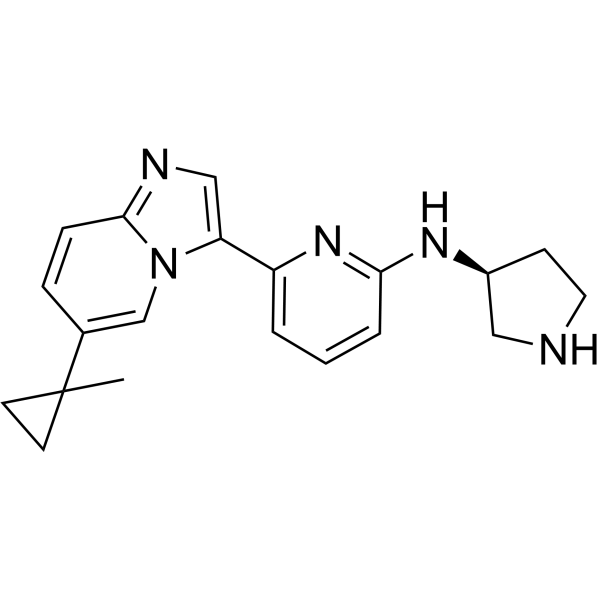
 0 ImagesHS-276 is an orally active, potent and highly selective TAK1 inhibitor, with a Ki of 2.5 nM. HS-276 shows significant inhibition of TAK1, CLK2, GCK, ULK2, MAP4K5, IRAK1, NUAK, CSNK1G2, CAMKKβ-1, and MLK1, with IC50 values of 8.25, 29, 33, 63, 125, 264, 270, 810, 1280, and 5585 nM, respectively. HS-276 reduces the expression of TNF, IL-6, and IL-1β. HS-276 can be used for rheumatoid arthritis (RA) research.
-
JNJ-1013
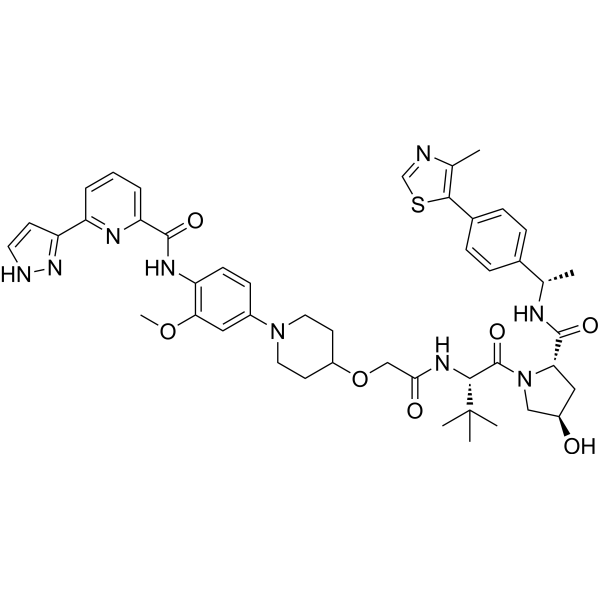 0 ImagesJNJ-1013 is a potent and selective IRAK1 PROTAC degrader with an IC50s of 72, 443, 1071 nM for IRAK1, IRAK4, VHL FP respectively. JNJ-1013 induces apoptosis and increases the expression of cleavaged PARP. JNJ-1013 decreases the expression IRAK1, p-IKBα, pSTAT3(Tyr705) (Pink: ligand for target protein (HY-138834); black: linker (HY-Y1760); Blue: E3 ligase ligand (HY-112078)).
-
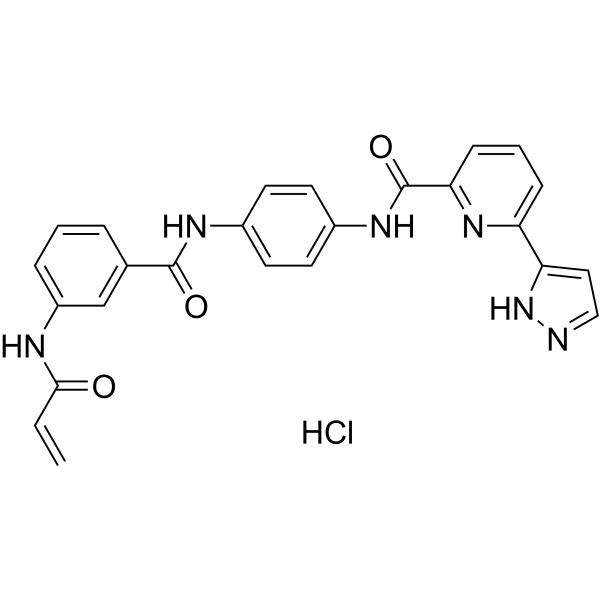
IRAK1/4/pan-FLT3 Kinase-IN-1 hydrochloride
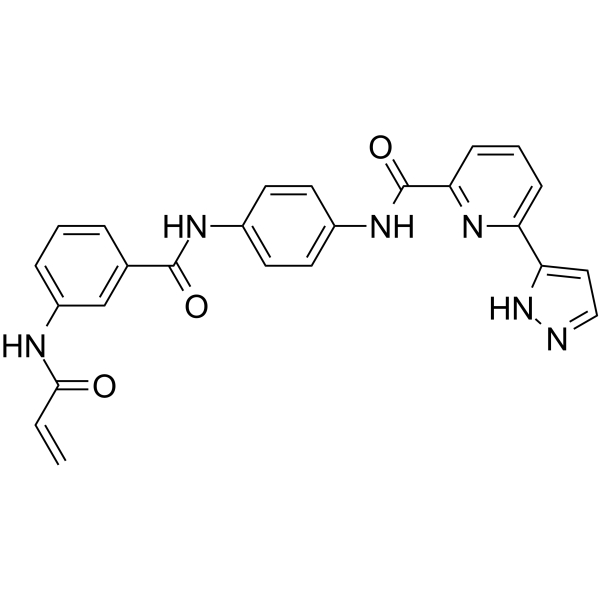
 0 ImagesCat. No.: HY-159953APurity: 98.46%
-
Ginsenoside Rb1 (Standard)
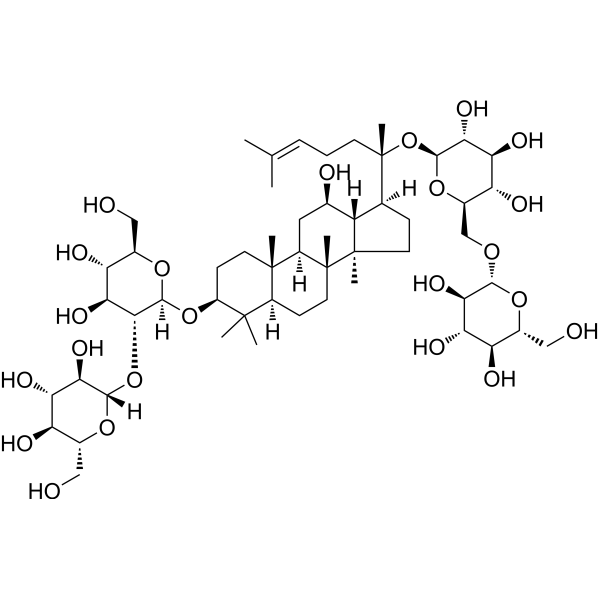
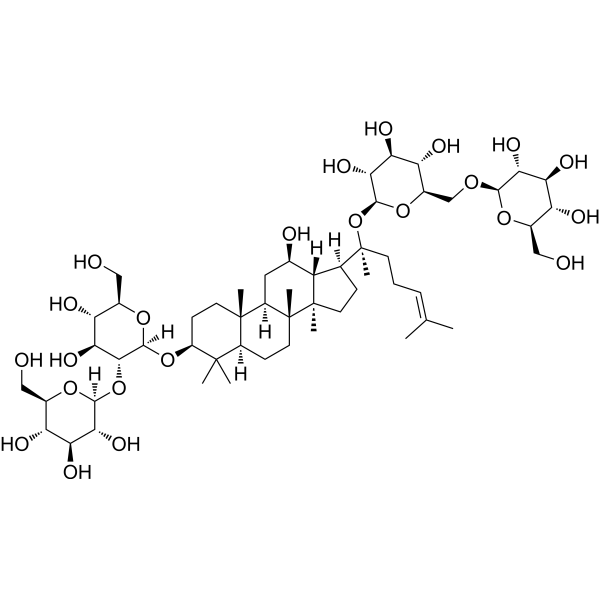 0 ImagesSynonyms: Gypenoside III (Standard)Ginsenoside Rb1 (Standard) is the analytical standard of Ginsenoside Rb1. This product is intended for research and analytical applications. Ginsenoside Rb1, a main constituent of the root of Panax ginseng, inhibits Na+, K+-ATPase activity with an IC50 of 6.3±1.0 μM. Ginsenoside also inhibits IRAK-1 activation and phosphorylation of NF-κB p65 .
-
HS-276 hydrochloride
 0 ImagesCat. No.: HY-147141AHS-276 hydrochloride is an orally active, potent and highly selective TAK1 inhibitor, with a Ki of 2.5 nM. HS-276 hydrochloride shows significant inhibition of TAK1, CLK2, GCK, ULK2, MAP4K5, IRAK1, NUAK, CSNK1G2, CAMKKβ-1, and MLK1, with IC50 values of 8.25, 29, 33, 63, 125, 264, 270, 810, 1280, and 5585 nM, respectively. HS-276 hydrochloride reduces the expression of TNF, IL-6, and IL-1β. HS-276 hydrochloride can be used for rheumatoid arthritis (RA) research.
-
AZ1495
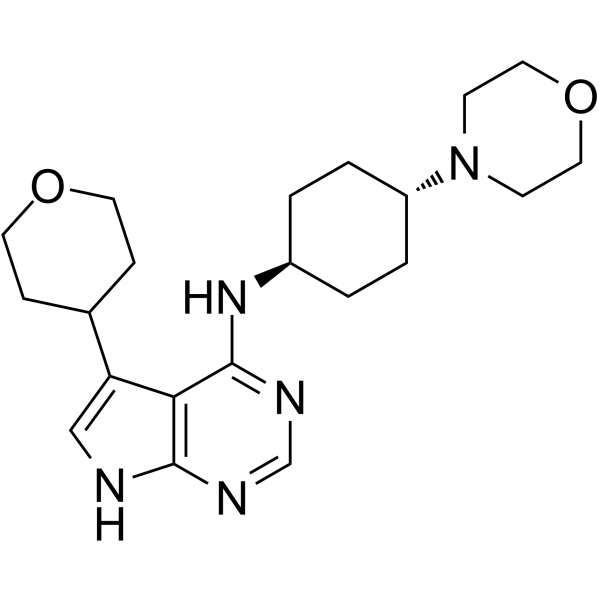 0 ImagesAZ1495, a weak base, is a potent orally active interleukin-1 receptor associated kinase 4 (IRAK4) inhibitor. AZ1495 has a favorable physicochemical and kinase selectivity for IRAK4 and IRAK1 with IC50 values of 0.005 μM and 0.023 μM, respectively. AZ1495 has IRAK4 inhibition with a Kd value of 0.0007 μM. AZ1495 can be used for the research of diffuse large B-cell lymphoma (DLBCL).
-
Trimebutine
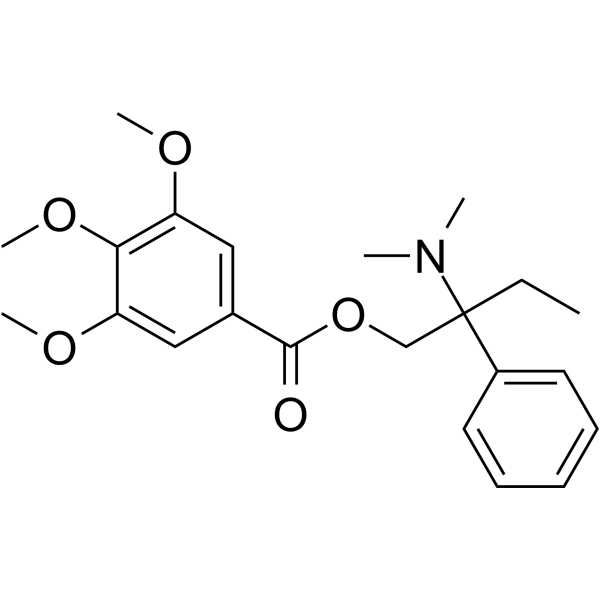 0 ImagesTrimebutine is a multi-target inhibitor and opioid receptor agonist with antimuscarinic activity. Trimebutine inhibits L-type Ca2+ channels and large-conductance calcium-activated potassium channels (BKCa channels), thereby inhibiting extracellular calcium influx and potassium ion efflux. Trimebutine also targets Toll-like receptors, inhibits Toll-like receptor 2/4/7/8/9 signals, and inhibits LPS-induced IRAK1 activation, as well as ERK1/2, JNK and NF-κB activation, thereby exerting anti-inflammatory effects. Trimebutine also induces tumor cell apoptosis by inhibiting the AKT/ERK pathway. Trimebutine also inhibits excessive contraction of smooth muscle and can be used in the study of gastrointestinal disorders such as irritable bowel syndrome (IBS).
-
Trimebutine maleate
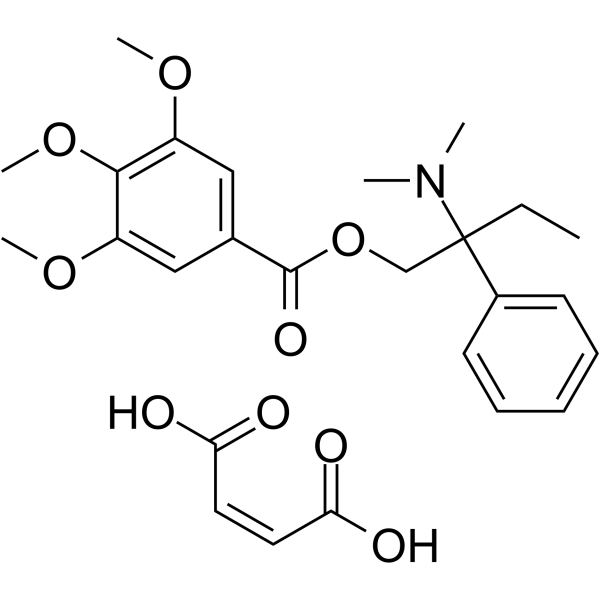 0 ImagesTrimebutine maleate is a multi-target inhibitor and opioid receptor agonist with antimuscarinic activity. Trimebutine maleate inhibits L-type Ca2+ channels and large-conductance calcium-activated potassium channels (BKCa channels), thereby inhibiting extracellular calcium influx and potassium ion efflux. Trimebutine maleate also targets Toll-like receptors, inhibits Toll-like receptor 2/4/7/8/9 signals, and inhibits LPS-induced IRAK1 activation, as well as ERK1/2, JNK and NF-κB activation, thereby exerting anti-inflammatory effects. Trimebutine maleate also induces tumor cell apoptosis by inhibiting the AKT/ERK pathway. Trimebutine maleate also inhibits excessive contraction of smooth muscle and can be used in the study of gastrointestinal disorders such as irritable bowel syndrome (IBS).
-
SB1-G-187
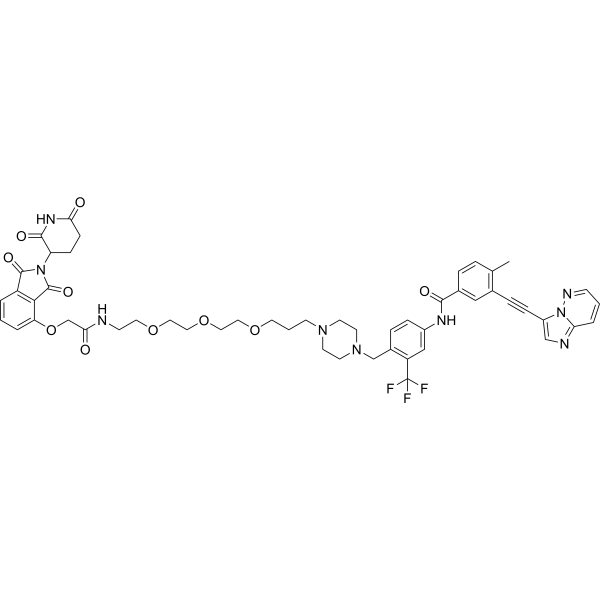 0 ImagesSB1-G-187 is a multi-target kinase PROTAC degrader with activity against various kinases including GCK, YES1, IRAK1 and LYN. SB1-G-187 induces degradation of target kinases via a p97-dependent pathway, and forms ternary complexes with CRBN and specific functional kinases. SB1-G-187 can be used in tumor-related research.
-
HS-243
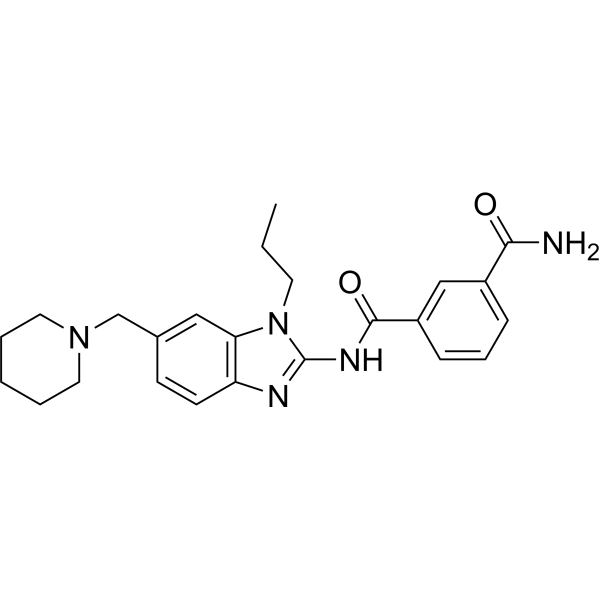
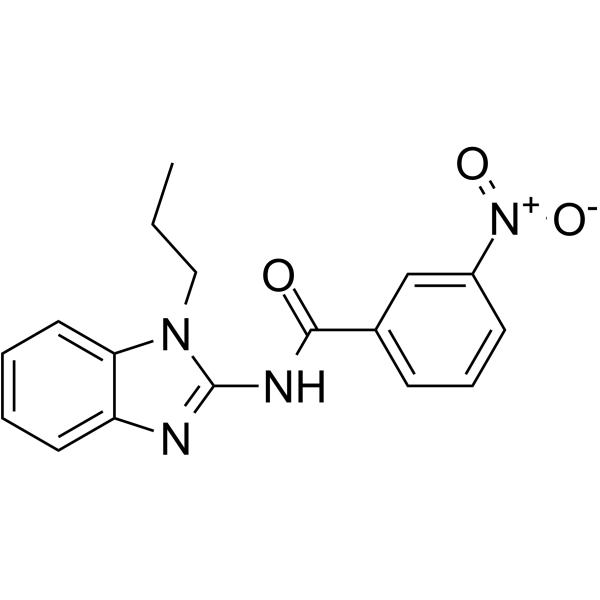 0 ImagesHS-243 is a potent and selective IRAK-4 and IRAK-1 inhibitor, with IC50 values of 20 and 24 nM. HS-243 shows minimal TAK1 (transforming growth factor β-activated kinase 1) inhibition activity, with a IC50 of 0.5 μM. HS-243 shows anti-inflammatory and anticancer activity.

-
UR241-2
 0 ImagesUR241-2 is an IRAK4 inhibitor. UR241-2 suppresses IL-1–induced IRAK1/4 signaling, NF-κβ activation, and phosphorylation of p65 and p38. UR241-2 selectively inhibits leukemia stem cell clonogenicity. UR241-2 can serve as a ligand for target proteins for PROTAC, facilitating the development and design of PROTAC degraders for IRAK4. UR241-2 can be used in the research of acute myeloid leukemia.
-
IRAK4 modulator-2
 0 ImagesIRAK4 modulator-2 (Compound 5) is a selective dual Interleukin-1 Receptor Associated Kinase 4 (IRAK4) and IRAK1 inhibitor with IC50 values of 0.005 μM and 0.97 μM, erespectively. IRAK4 modulator-2 blocks IRAK-mediated signaling pathways (e.g., JAK-STAT, NF-κB pathways), reduces the production of pro-inflammatory cytokines (e.g., IL-1, TNF), and exerts anti-inflammatory activity. IRAK4 modulator-2 is promising for research of autoimmune diseases and inflammatory diseases, such as rheumatoid arthritis, psoriasis, inflammatory bowel disease.
- 1
- 2




