



Akt3
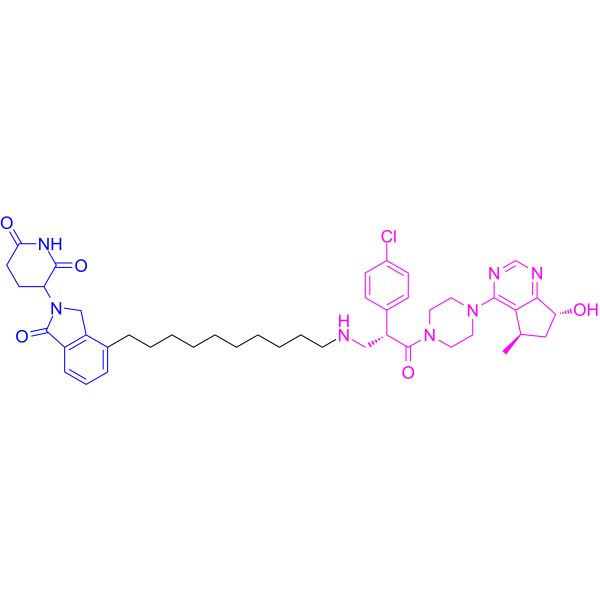
AKT serine/threonine kinase 3 (AKT3) is a PI3K-AKT pathway effector that regulates cellular growth, survival, and neurodevelopment, with particularly high expression in the central nervous system[1][2]. Mechanistically, AKT3 contributes to mTOR signaling and postnatal brain growth by controlling both cell size and cell number, and Akt3-deficient mice display selective reductions in brain volume without major disturbances in glucose homeostasis[1][3]. In disease models, somatic activating mutations and copy-number alterations of AKT3 are associated with megalencephaly-spectrum neurodevelopmental disorders and hemispheric brain overgrowth, supporting a central role for AKT3 during cortical development and neural progenitor regulation[4]. Compared with related isoforms, AKT1 primarily regulates organismal growth, whereas AKT2 is closely linked to insulin-responsive metabolic tissues; in contrast, AKT3 shows brain-enriched expression and mediates isoform-specific control of neural growth and signaling outputs[1][2][3]. Beyond developmental biology, genomically amplified AKT3 promotes glioma progression and activates DNA repair programs, identifying AKT3 as a functionally dominant AKT isoform in specific brain tumor contexts[5]. For experimental applications, recent medicinal chemistry efforts have produced isoform-selective AKT3 degraders that induce proteasomal degradation of AKT3 and suppress growth of resistant cancer models, providing tools for dissecting AKT3-specific signaling and therapeutic vulnerabilities[6].
References:
- [1]. Easton RM, et al. Role for Akt3/protein kinase Bgamma in attainment of normal brain size. Mol Cell Biol. 2005 Mar;25(5):1869-78. [Content Brief]
- [2]. Khalili M, et al. Underserved Does Not Mean Undeserved: Unfurling the HCV Care in the Safety Net. Dig Dis Sci. 2018 Dec;63(12):3250-3252. [Content Brief]
- [3]. Tschopp O, et al. Essential role of protein kinase B gamma (PKB gamma/Akt3) in postnatal brain development but not in glucose homeostasis. Development. 2005 Jul;132(13):2943-54. [Content Brief]
- [4]. Poduri A, et al. Somatic activation of AKT3 causes hemispheric developmental brain malformations. Neuron. 2012 Apr 12;74(1):41-8. [Content Brief]
- [5]. Turner KM, et al. Genomically amplified Akt3 activates DNA repair pathway and promotes glioma progression. Proc Natl Acad Sci U S A. 2015 Mar 17;112(11):3421-6. [Content Brief]
- [6]. Xu F, et al. Discovery of Isoform-Selective Akt3 Degraders Overcoming Osimertinib-Induced Resistance in Non-Small Cell Lung Cancer Cells. J Med Chem. 2022 Oct 27;65(20):14032-14048. [Content Brief]
-
Akt3 Related Products (43)
Related Products (43)

-
Recombinant Proteins (6)
-
MK-2206 dihydrochloride
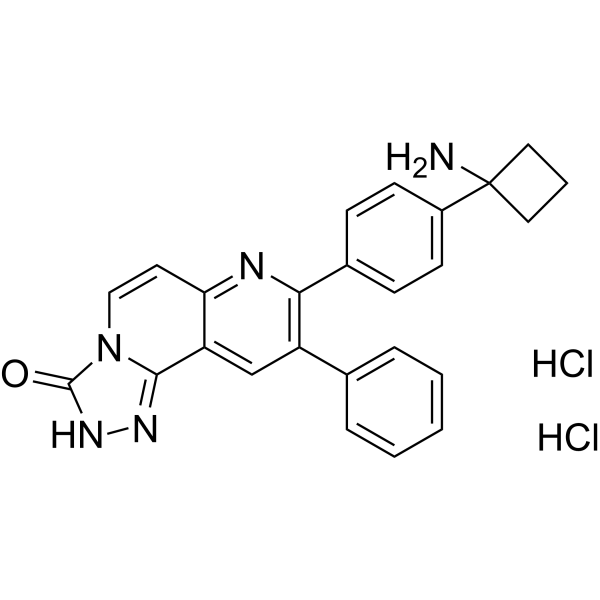 0 ImagesSynonyms: MK-2206 (2HCl)MK-2206 dihydrochloride (MK-2206 2HCl) is an orally active pan-AKT inhibitor, with IC50 values of 8 nM, 12 nM and 65 nM against AKT1, AKT2 and AKT3, respectively. MK-2206 dihydrochloride inhibits the Akt/mTOR signaling pathway and reduces the levels of downstream GSK3β and Mcl-1 via proteasomal degradation. MK-2206 dihydrochloride induces G1-phase cell cycle arrest, apoptosis, epithelial-mesenchymal transition, fibroblast activation and extracellular matrix deposition. MK-2206 dihydrochloride causes transient hyperglycemia and hyperinsulinemia in animals. MK-2206 dihydrochloride can be used in research related to solid tumors, renal fibrosis and hypercholesterolemia.
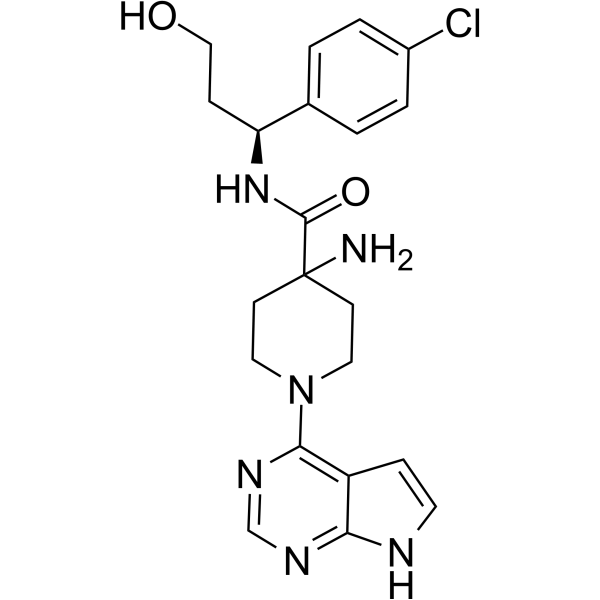
-
Ipatasertib
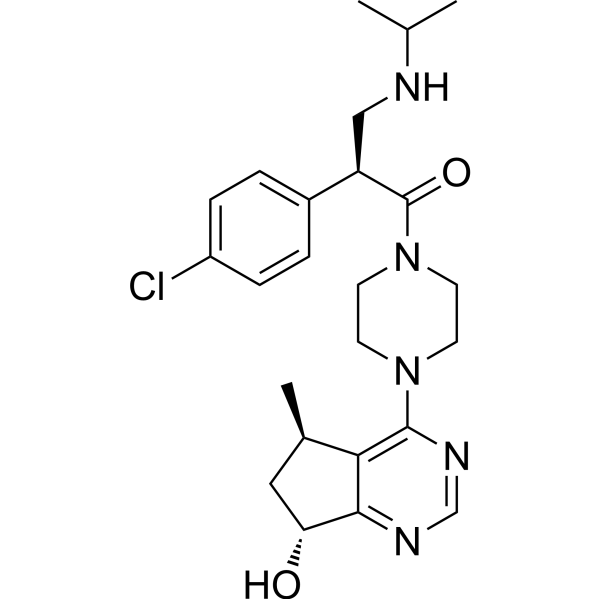 0 ImagesSynonyms: GDC-0068; RG7440Ipatasertib (GDC-0068) is an orally active, highly selective and ATP-competitive pan-Akt inhibitor with IC50 values of 5, 18, 8 nM for Akt1/2/3, respectively. Ipatasertib synchronously activates FoxO3a and NF-κB through inhibition of Akt leading to p53-independent activation of PUMA. Ipatasertib also induces apoptosis in cancer cells and inhibits tumor growth in xenograft mouse models.
-
AKT inhibitor VIII
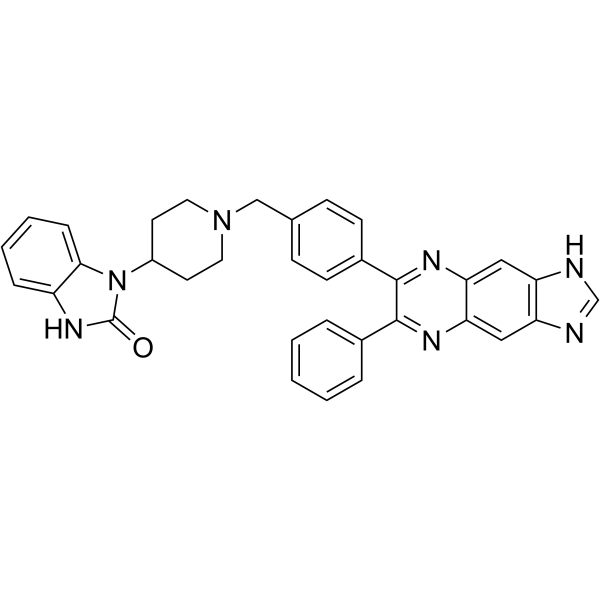 0 ImagesSynonyms: AKTi-1/2AKT inhibitor VIII (AKTi-1/2) is a cell-permeable quinoxaline compound that has been shown to potently, selectively, allosterically, and reversibly inhibit Akt1, Akt2, and Akt3 activity with IC50s of 58 nM, 210 nM, and 2119 nM, respectively.
-
Miransertib
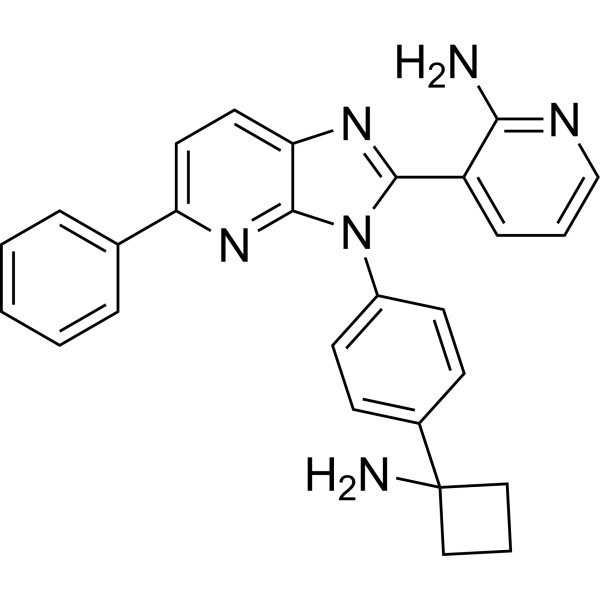 0 ImagesSynonyms: ARQ-092Miransertib (ARQ-092) is a potent, orally active, selective and allosteric Akt inhibitor with IC50s of 2.7 nM, 14 nM and 8.1 nM for Akt1, Akt2, Akt3, respectively. Miransertib is also a potent the AKT1-E17K mutant protein inhibitor and has the potential for PI3K/AKT-driven tumors and Proteus syndrome research. Miransertib is effective against Leishmania.
-
Uprosertib
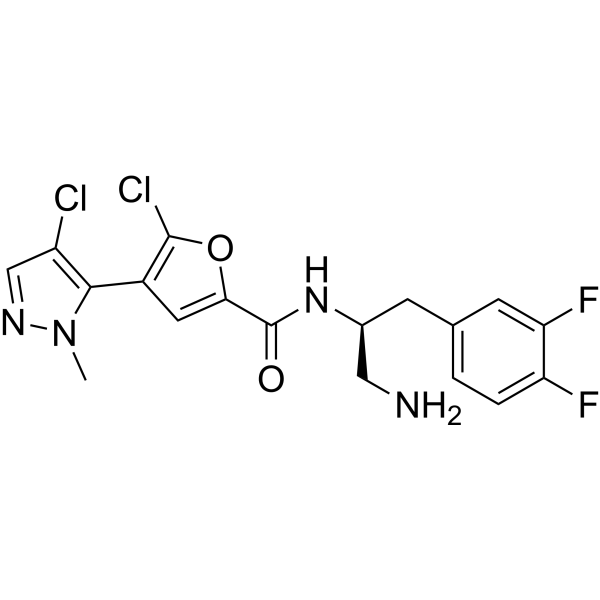 0 ImagesSynonyms: GSK2141795Uprosertib (GSK2141795) is a potent and selective pan-Akt inhibitor with IC50 values of 180/328/38 nM for Akt1/Akt2/Akt3, respectively.
-
Vevorisertib trihydrochloride
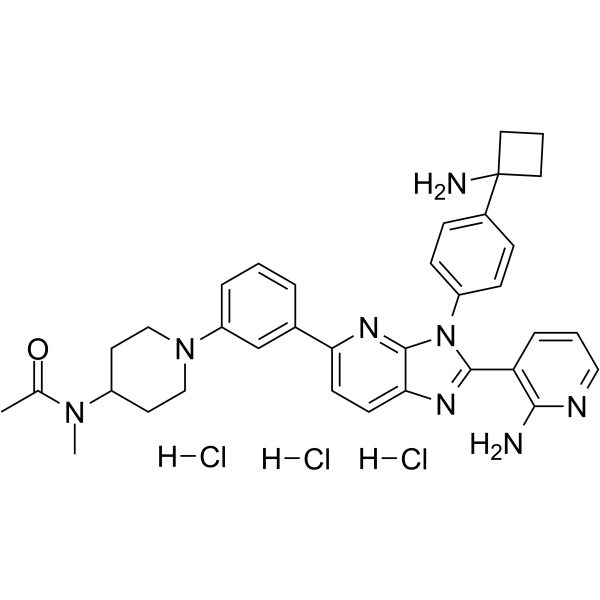 0 ImagesSynonyms: ARQ 751 trihydrochlorideVevorisertib trihydrochloride (ARQ 751 trihydrochloride) is an orally active allosteric AKT inhibitor that blocks AKT phosphorylation. Vevorisertib trihydrochloride inhibits tumor cell proliferation through Cyclin D1 and Ki67. Vevorisertib trihydrochloride inhibits liver fibrosis through collagen accumulation, alpha-SMA, COL1, and TGF-beta. Vevorisertib trihydrochloride reduces total bilirubin. Vevorisertib trihydrochloride significantly reduces tumor size in a cirrhotic rat HCC model. Vevorisertib trihydrochloride can be used for research on hepatocellular carcinoma.
-
Vevorisertib
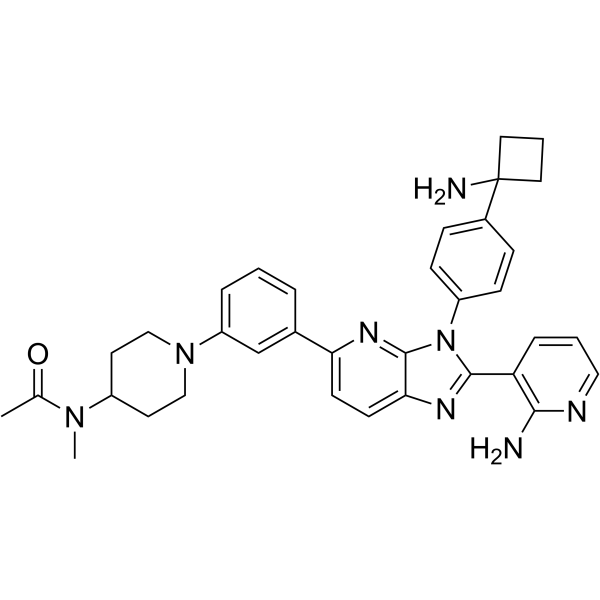 0 ImagesSynonyms: ARQ 751Vevorisertib (ARQ 751) is an orally active allosteric AKT inhibitor that blocks AKT phosphorylation. Vevorisertib inhibits tumor cell proliferation through Cyclin D1 and Ki67. Vevorisertib inhibits liver fibrosis through collagen accumulation, alpha-SMA, COL1, and TGF-beta. Vevorisertib reduces total bilirubin. Vevorisertib significantly reduces tumor size in a cirrhotic rat HCC model. Vevorisertib can be used for research on hepatocellular carcinoma.
-
MK-2206
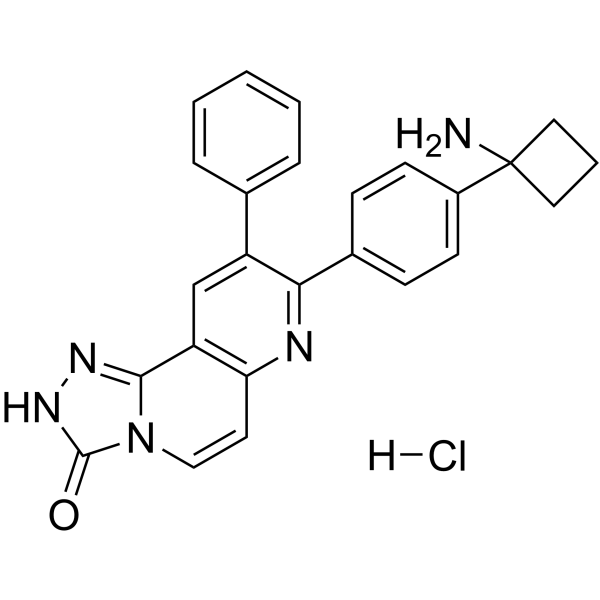 0 ImagesMK-2206 is an orally active pan-AKT inhibitor, with IC50 values of 8 nM, 12 nM and 65 nM against AKT1, AKT2 and AKT3, respectively. MK-2206 inhibits the Akt/mTOR signaling pathway and reduces the levels of downstream GSK3β and Mcl-1 via proteasomal degradation. MK-2206 induces G1-phase cell cycle arrest, apoptosis, epithelial-mesenchymal transition, fibroblast activation and extracellular matrix deposition. MK-2206 causes transient hyperglycemia and hyperinsulinemia in animals. MK-2206 can be used in research related to solid tumors, renal fibrosis and hypercholesterolemia.
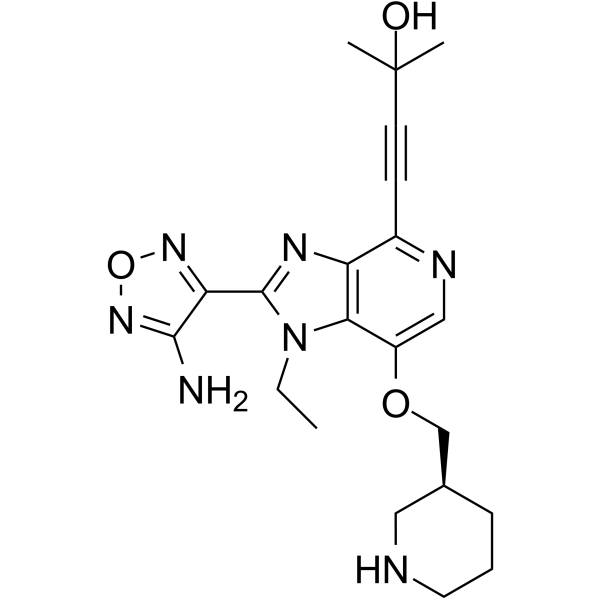
-
Afuresertib
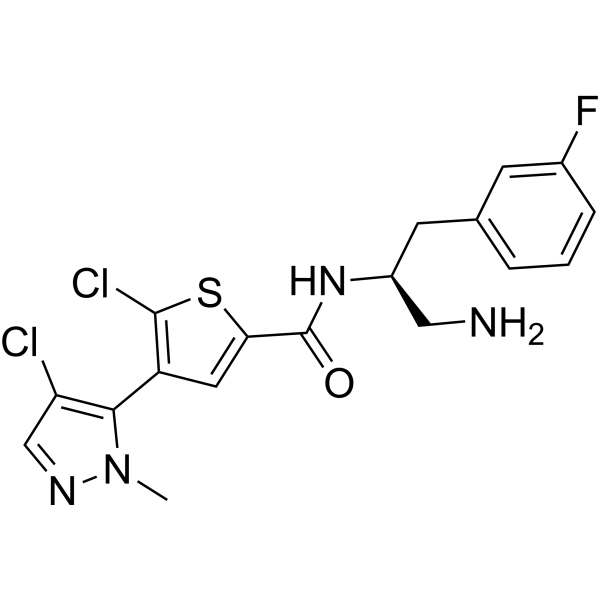 0 ImagesSynonyms: GSK2110183; LAE002Afuresertib (GSK2110183) is an orally bioavailable, selective, ATP-competitive and potent pan-Akt kinase inhibitor with Kis of 0.08/2/2.6 nM for Akt1/Akt2/Akt3, respectively.
-
Ipatasertib dihydrochloride
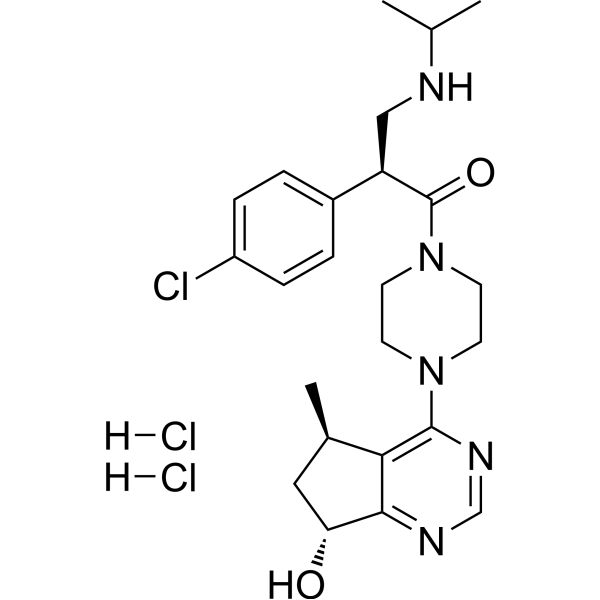 0 ImagesSynonyms: GDC-0068 dihydrochloride; RG-7440 dihydrochloride
-
Engasertib
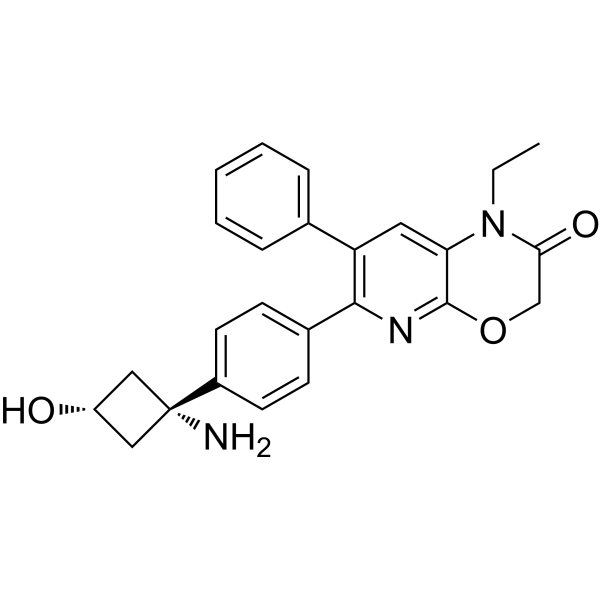 0 ImagesSynonyms: ALM301Engasertib is an orally active highly specific AKT inhibitor with IC50 values of 0.13 µM, 0.09 µM and 2.75 µM for AKT1, AKT2 and AKT3, respectively. Engasertib inhibits AKT phosphorylation and modulates downstream signalling in vitro. Engasertib can inhibit cancer cell proliferation and tumor growth.
-
Serplulimab
 0 ImagesSynonyms: HLX 10Serplulimab (HLX 10) is a humanized anti-PD-1 monoclonal antibody. Serplulimab can inhibit tumor growth, regulate the tumor microenvironment, and has anti-tumor activity. Serplulimab can be used in the research of cancer such as lung cancer and colon cancer.
-
Pifusertib hydrochloride
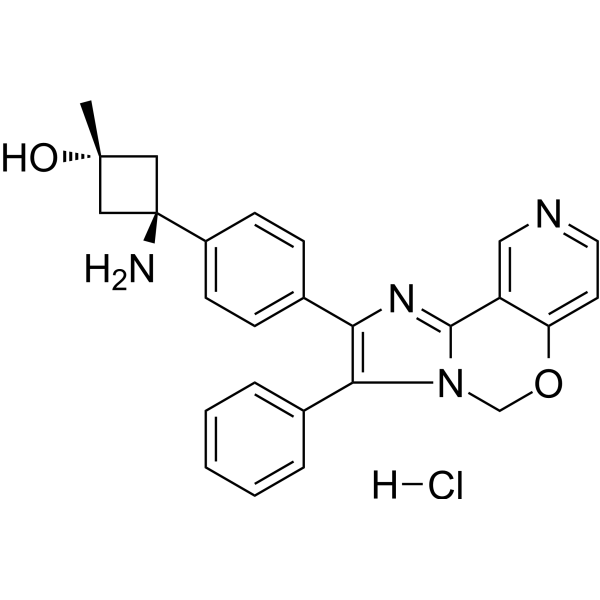 0 ImagesSynonyms: TAS-117 hydrochloridePifusertib (TAS-117) hydrochloride is a potent, selective, orally active allosteric Akt inhibitor (with IC50s of 4.8, 1.6, and 44 nM for Akt1, 2, and 3, respectively). Pifusertib hydrochloride triggers anti-myeloma activities and enhances fatal endoplasmic reticulum (ER) stress induced by proteasome inhibition. Pifusertib hydrochloride induces apoptosis and autophagy.




