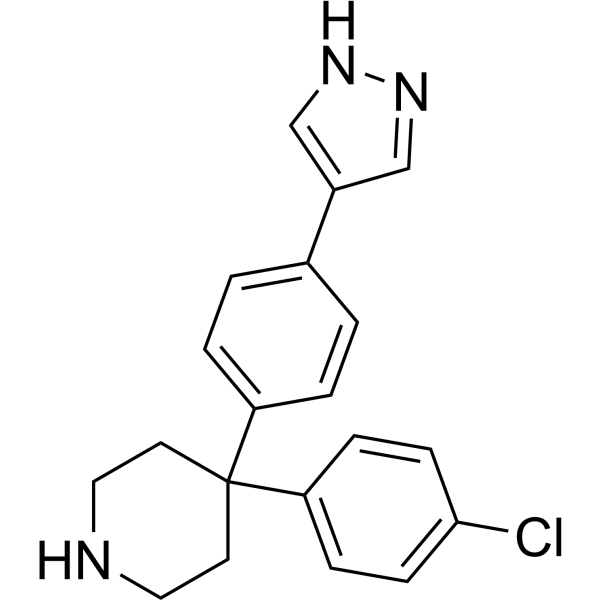
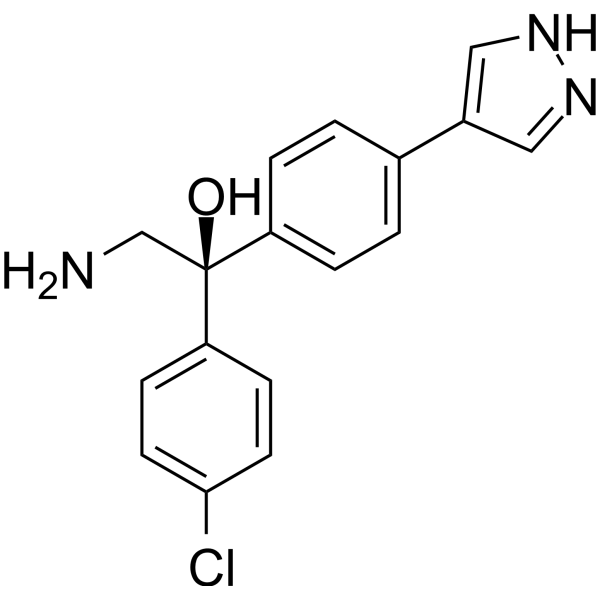
Akt2
AKT2 (protein kinase Bβ) is a serine/threonine kinase that functions downstream of phosphoinositide 3-kinase (PI3K) and mediates insulin-dependent regulation of glucose transport, glycogen synthesis, and metabolic homeostasis[1][2]. Mechanistically, AKT2 is a central effector of insulin receptor signaling and controls glucose utilization through phosphorylation networks linked to cellular metabolism and nutrient storage[2][3]. In disease contexts, AKT2 was originally identified as an oncogenic kinase amplified in ovarian carcinoma and later shown to contribute to malignant phenotypes in multiple tumor models through enhanced survival and growth signaling[1]. Genetic studies further established its metabolic importance, as Akt2-deficient mice develop insulin resistance, glucose intolerance, dyslipidemia, adipose tissue loss, and progressive diabetic phenotypes, supporting its essential role in systemic glucose regulation[2][3]. Compared with related isoforms, AKT1 is more strongly associated with organismal growth and developmental regulation, whereas AKT2 displays a more specialized function in insulin-responsive tissues and metabolic control[4][5]. Isoform-specific analyses in skeletal muscle from patients with type 2 diabetes demonstrated impaired insulin-stimulated AKT2 activation and altered phosphorylation patterns, linking defective AKT2 signaling to human metabolic disease[6]. For experimental applications, ATP-competitive AKT inhibitors such as GSK690693 directly target the AKT kinase domain and are widely used to investigate AKT-dependent signaling mechanisms in cancer and metabolic research models[7].
References:
- [1]. Cheng JQ, et al. AKT2, a putative oncogene encoding a member of a subfamily of protein-serine/threonine kinases, is amplified in human ovarian carcinomas. Proc Natl Acad Sci U S A. 1992 Oct 1;89(19):9267-71. [Content Brief]
- [2]. Cho H, et al. Insulin resistance and a diabetes mellitus-like syndrome in mice lacking the protein kinase Akt2 (PKB beta). Science. 2001 Jun 1;292(5522):1728-31. [Content Brief]
- [3]. Garofalo RS, et al. Severe diabetes, age-dependent loss of adipose tissue, and mild growth deficiency in mice lacking Akt2/PKB beta. J Clin Invest. 2003 Jul;112(2):197-208. [Content Brief]
- [4]. Alibardi L. Stimulation of regenerative blastema formation in lizards as a model to analyze limb regeneration in amniotes. Histol Histopathol. 2019 Oct;34(10):1111-1120. doi: 10.14670/HH-18-123. Epub 2019 May 6. PMID: 31058307. et al. Stimulation of regenerative blastema formation in lizards as a model to analyze limb regeneration in amniotes. Histol Histopathol. 2019 Oct;34(10):1111-1120. [Content Brief]
- [5]. Irie HY, et al. Distinct roles of Akt1 and Akt2 in regulating cell migration and epithelial-mesenchymal transition. J Cell Biol. 2005 Dec 19;171(6):1023-34. [Content Brief]
- [6]. Cozzone D, et al. Isoform-specific defects of insulin stimulation of Akt/protein kinase B (PKB) in skeletal muscle cells from type 2 diabetic patients. Diabetologia. 2008 Mar;51(3):512-21. [Content Brief]
-
Akt2 Related Products (44)
Related Products (44)

-
Recombinant Proteins (5)
-
MK-2206 dihydrochloride
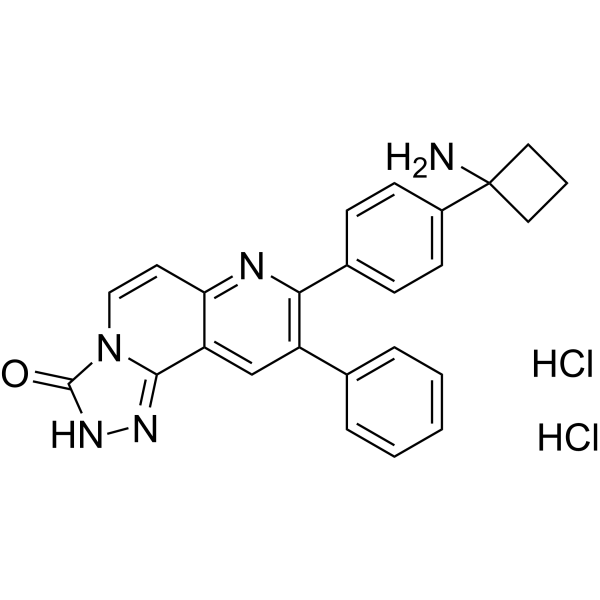 0 ImagesSynonyms: MK-2206 (2HCl)MK-2206 dihydrochloride (MK-2206 2HCl) is an orally active pan-AKT inhibitor, with IC50 values of 8 nM, 12 nM and 65 nM against AKT1, AKT2 and AKT3, respectively. MK-2206 dihydrochloride inhibits the Akt/mTOR signaling pathway and reduces the levels of downstream GSK3β and Mcl-1 via proteasomal degradation. MK-2206 dihydrochloride induces G1-phase cell cycle arrest, apoptosis, epithelial-mesenchymal transition, fibroblast activation and extracellular matrix deposition. MK-2206 dihydrochloride causes transient hyperglycemia and hyperinsulinemia in animals. MK-2206 dihydrochloride can be used in research related to solid tumors, renal fibrosis and hypercholesterolemia.
-
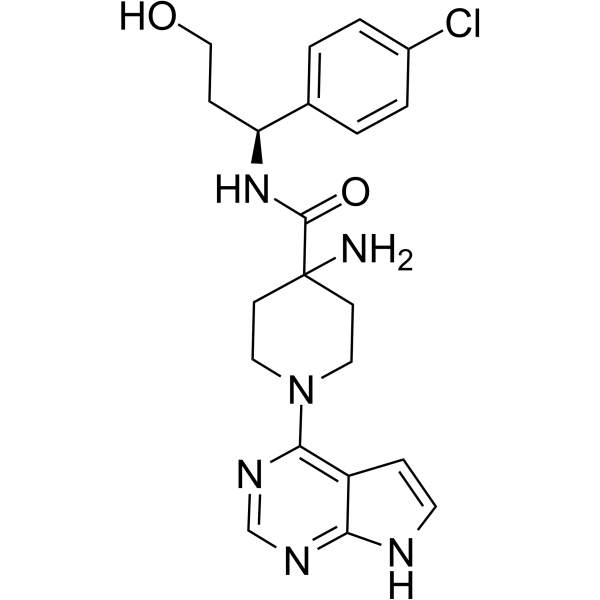
Ipatasertib
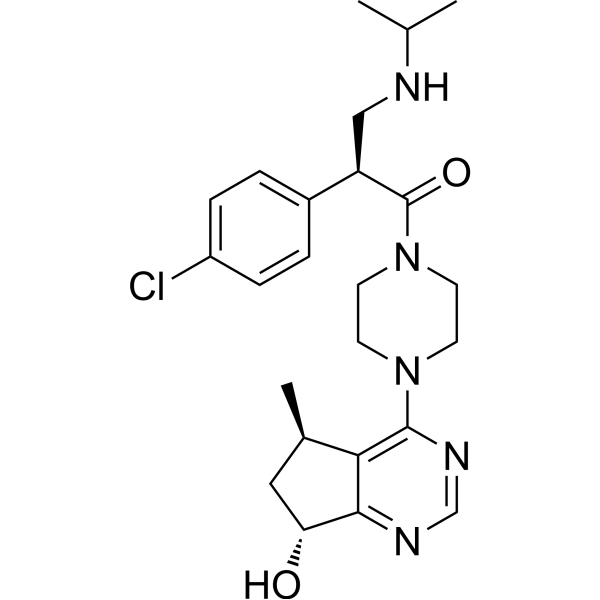 0 ImagesSynonyms: GDC-0068; RG7440Ipatasertib (GDC-0068) is an orally active, highly selective and ATP-competitive pan-Akt inhibitor with IC50 values of 5, 18, 8 nM for Akt1/2/3, respectively. Ipatasertib synchronously activates FoxO3a and NF-κB through inhibition of Akt leading to p53-independent activation of PUMA. Ipatasertib also induces apoptosis in cancer cells and inhibits tumor growth in xenograft mouse models.
-
Miransertib
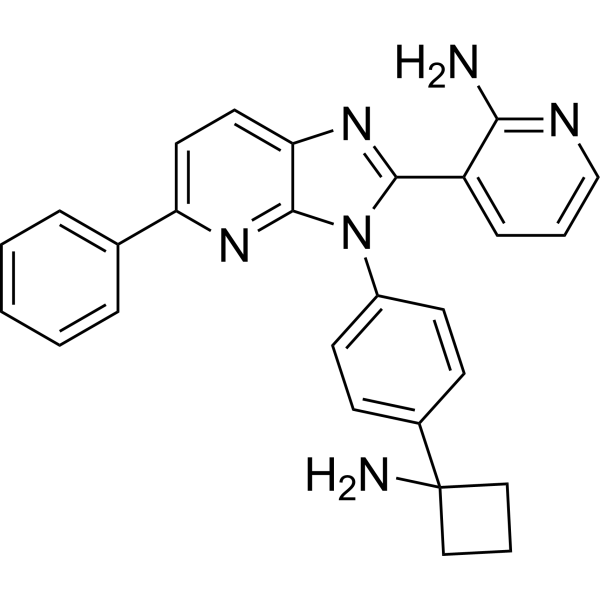 0 ImagesSynonyms: ARQ-092Miransertib (ARQ-092) is a potent, orally active, selective and allosteric Akt inhibitor with IC50s of 2.7 nM, 14 nM and 8.1 nM for Akt1, Akt2, Akt3, respectively. Miransertib is also a potent the AKT1-E17K mutant protein inhibitor and has the potential for PI3K/AKT-driven tumors and Proteus syndrome research. Miransertib is effective against Leishmania.
-
Uprosertib
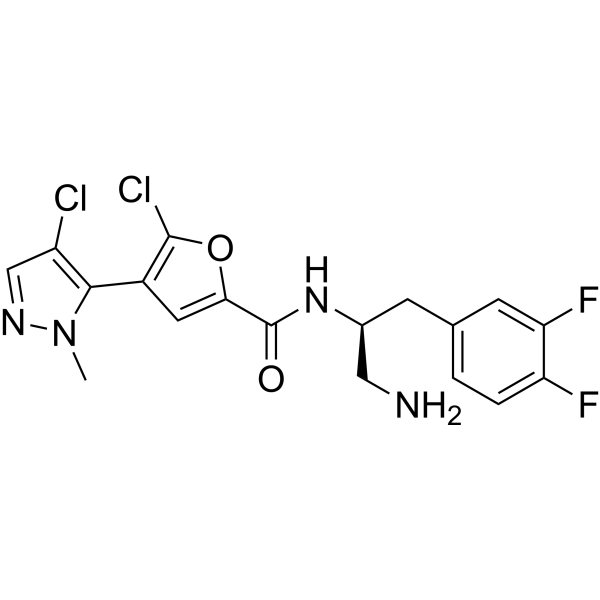 0 ImagesSynonyms: GSK2141795Uprosertib (GSK2141795) is a potent and selective pan-Akt inhibitor with IC50 values of 180/328/38 nM for Akt1/Akt2/Akt3, respectively.
-
Vevorisertib trihydrochloride
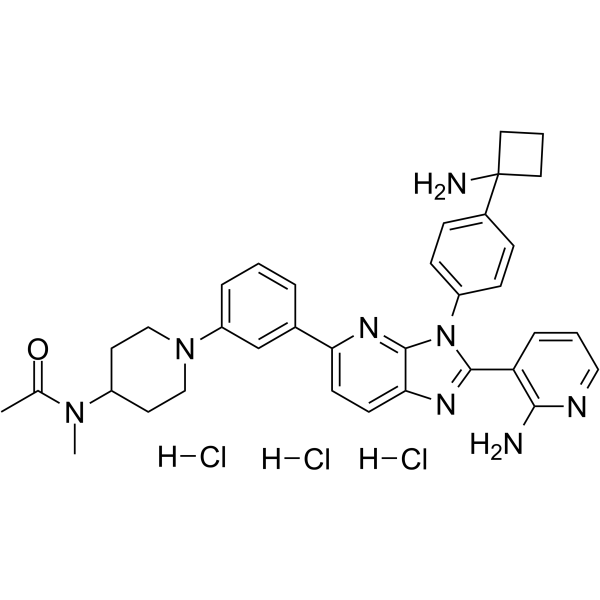 0 ImagesSynonyms: ARQ 751 trihydrochlorideVevorisertib trihydrochloride (ARQ 751 trihydrochloride) is an orally active allosteric AKT inhibitor that blocks AKT phosphorylation. Vevorisertib trihydrochloride inhibits tumor cell proliferation through Cyclin D1 and Ki67. Vevorisertib trihydrochloride inhibits liver fibrosis through collagen accumulation, alpha-SMA, COL1, and TGF-beta. Vevorisertib trihydrochloride reduces total bilirubin. Vevorisertib trihydrochloride significantly reduces tumor size in a cirrhotic rat HCC model. Vevorisertib trihydrochloride can be used for research on hepatocellular carcinoma.
-
Vevorisertib
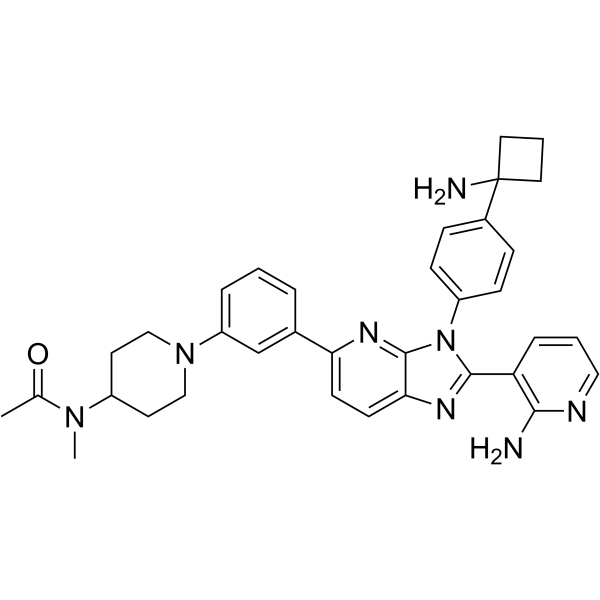 0 ImagesSynonyms: ARQ 751Vevorisertib (ARQ 751) is an orally active allosteric AKT inhibitor that blocks AKT phosphorylation. Vevorisertib inhibits tumor cell proliferation through Cyclin D1 and Ki67. Vevorisertib inhibits liver fibrosis through collagen accumulation, alpha-SMA, COL1, and TGF-beta. Vevorisertib reduces total bilirubin. Vevorisertib significantly reduces tumor size in a cirrhotic rat HCC model. Vevorisertib can be used for research on hepatocellular carcinoma.
-
MK-2206
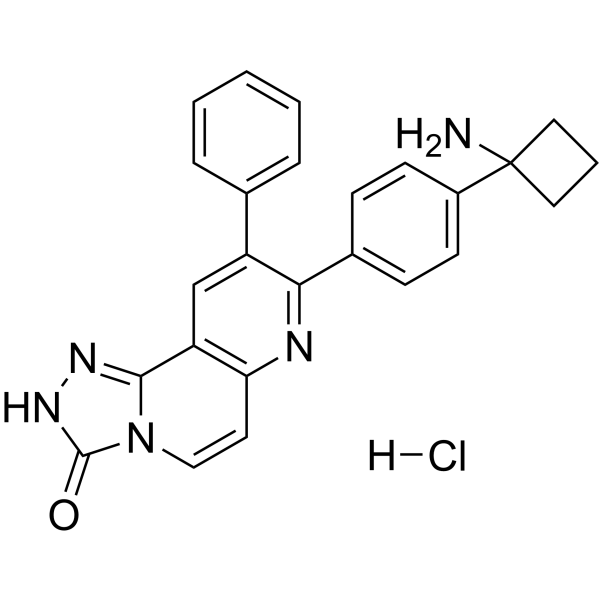 0 ImagesMK-2206 is an orally active pan-AKT inhibitor, with IC50 values of 8 nM, 12 nM and 65 nM against AKT1, AKT2 and AKT3, respectively. MK-2206 inhibits the Akt/mTOR signaling pathway and reduces the levels of downstream GSK3β and Mcl-1 via proteasomal degradation. MK-2206 induces G1-phase cell cycle arrest, apoptosis, epithelial-mesenchymal transition, fibroblast activation and extracellular matrix deposition. MK-2206 causes transient hyperglycemia and hyperinsulinemia in animals. MK-2206 can be used in research related to solid tumors, renal fibrosis and hypercholesterolemia.
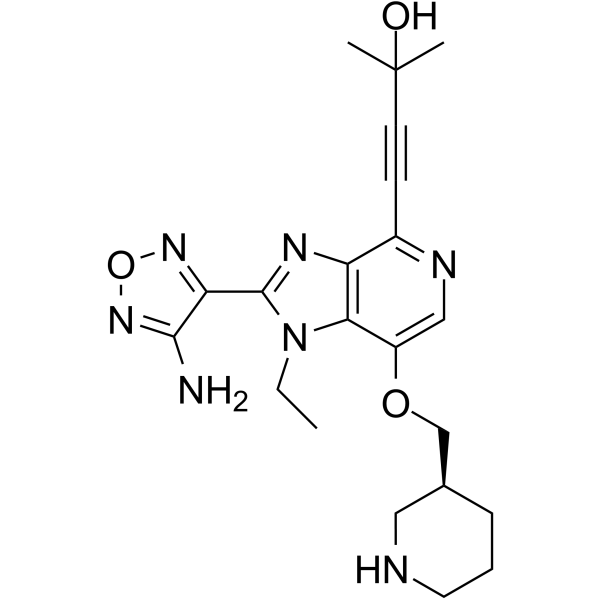
-
Afuresertib
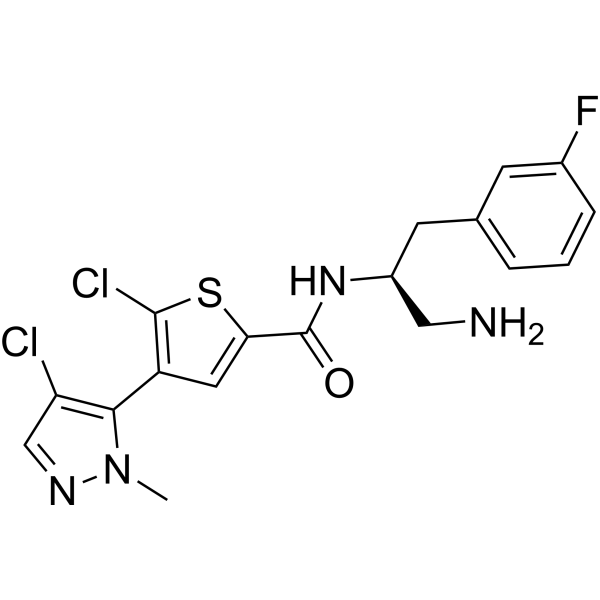 0 ImagesSynonyms: GSK2110183; LAE002Afuresertib (GSK2110183) is an orally bioavailable, selective, ATP-competitive and potent pan-Akt kinase inhibitor with Kis of 0.08/2/2.6 nM for Akt1/Akt2/Akt3, respectively.
-
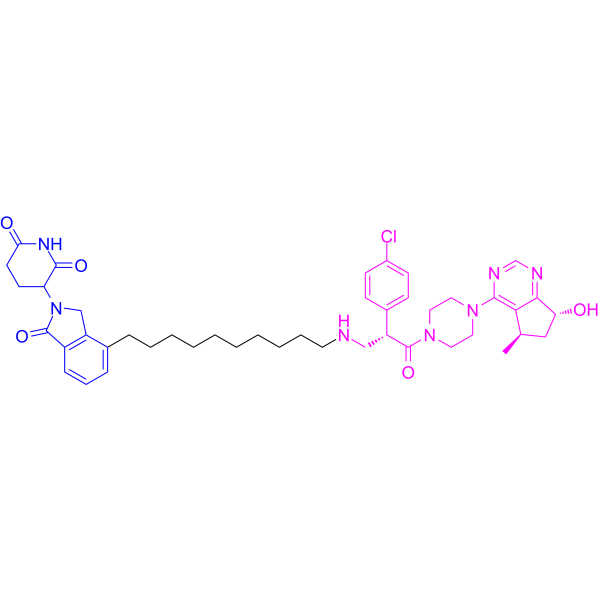
Ipatasertib dihydrochloride
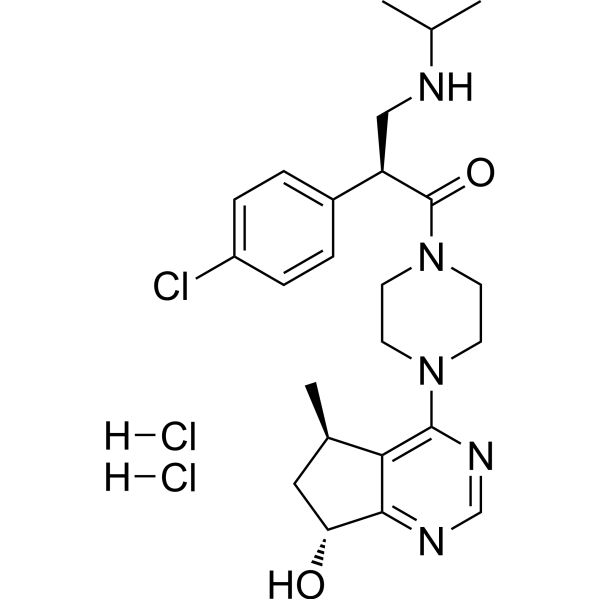 0 ImagesSynonyms: GDC-0068 dihydrochloride; RG-7440 dihydrochloride
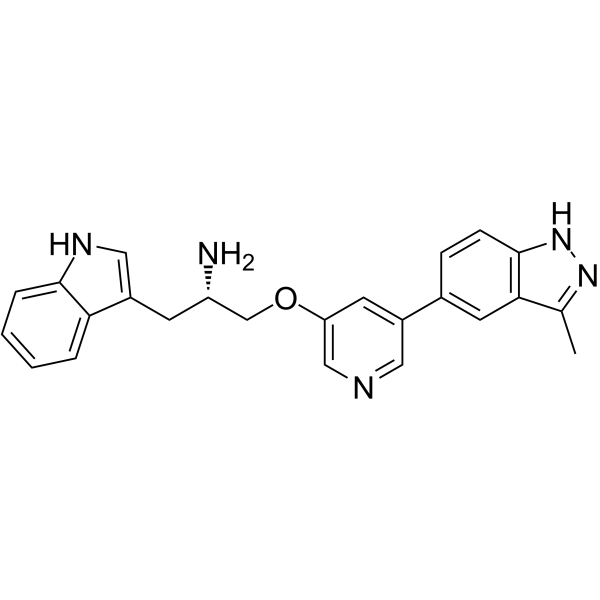
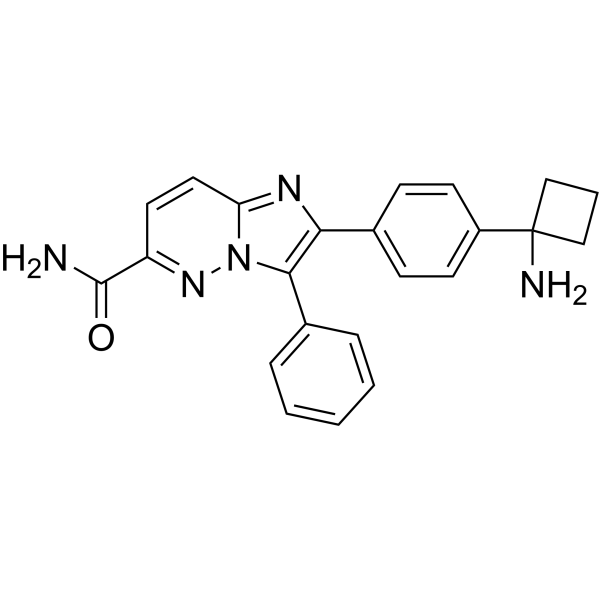
-
CCT128930
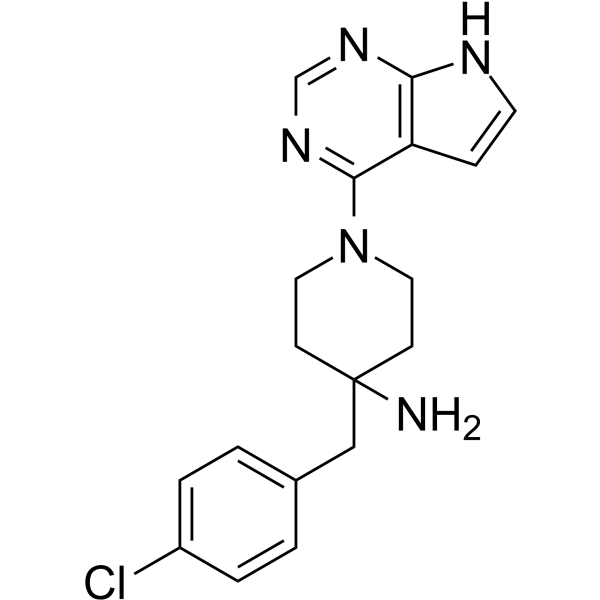 0 ImagesCCT128930 is a ATP-competitive and selective inhibitor of AKT (IC50=6 nM for AKT2). CCT128930 has 28-fold selectivity over the closely related PKA kinase (IC50=168 nM) through the targeting of Met282 of AKT (Met173 of PKA-AKT chimera), as well as 20-fold selectivity over p70S6K (IC50=120 nM). Antitumor activity.
-
Engasertib
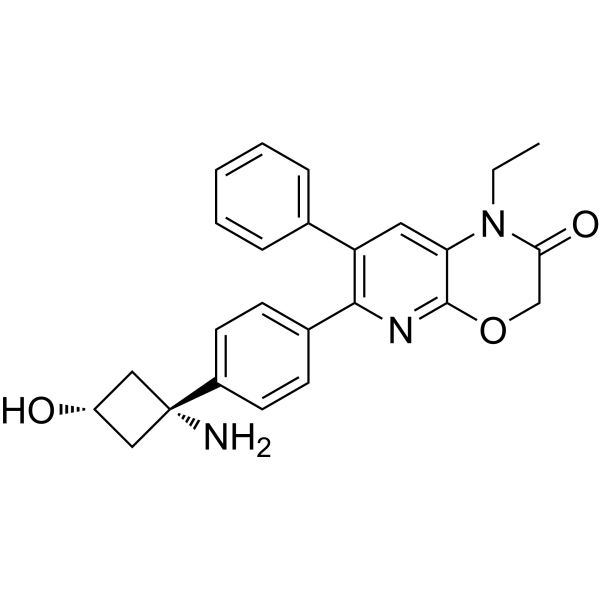 0 ImagesSynonyms: ALM301Engasertib is an orally active highly specific AKT inhibitor with IC50 values of 0.13 µM, 0.09 µM and 2.75 µM for AKT1, AKT2 and AKT3, respectively. Engasertib inhibits AKT phosphorylation and modulates downstream signalling in vitro. Engasertib can inhibit cancer cell proliferation and tumor growth.
-
Serplulimab
 0 ImagesSynonyms: HLX 10Serplulimab (HLX 10) is a humanized anti-PD-1 monoclonal antibody. Serplulimab can inhibit tumor growth, regulate the tumor microenvironment, and has anti-tumor activity. Serplulimab can be used in the research of cancer such as lung cancer and colon cancer.