



p38 MAPK
The p38 mitogen-activated protein kinase (p38 MAPK) family is a multifunctional serine/threonine kinase system that regulates cellular adaptation to stress, inflammation, and proliferation[1][2]. Mechanistically, p38 MAPK modulates apoptosis, cell cycle, differentiation, and gene expression in response to exogenous and endogenous stimuli[3][1]. Four isoforms—p38α, p38β, p38γ, and p38δ—exhibit distinct tissue distributions and biological functions, with p38α being ubiquitously expressed and primarily responsible for inflammatory mediator production[2][4]. Activation of p38 MAPK in endothelial cells induces cytoskeletal remodeling, angiogenesis, and DNA damage responses, highlighting its central role in cardiovascular homeostasis and cancer progression[2]. In disease models, p38 MAPK contributes to neurodegeneration, such as spinal muscular atrophy and Alzheimer’s disease, where pharmacological inhibition improves neuronal survival and cognitive function[5][6][7]. Compared with p38β, which promotes SARS-CoV-2 replication and suppresses type-I interferon responses, p38α mainly regulates stress and inflammatory signaling[4]. Selective inhibitors, including SB203580, MW150, and VX-702, have been applied in experimental systems to delineate isoform-specific roles and evaluate therapeutic potential in inflammatory, neurodegenerative, and viral disease models[8][5][9][10]. Agonists or modulators, such as RO27-3225, influence upstream or parallel pathways to p38 MAPK, providing experimental tools to study neuroinflammation and signal compensation[11].
References:
- [1]. Hasan AM, et al. Involvement of the α/β isoform of p38 MAP kinase in chemotactic responses of human eosinophils to eotaxin (CCL11) and RANTES (CCL5). Am J Immunol. 2017;13:209-215.
- [2]. Ganguly P, et al. Revisiting p38 Mitogen-Activated Protein Kinases (MAPK) in Inflammatory Arthritis: A Narrative of the Emergence of MAPK-Activated Protein Kinase Inhibitors (MK2i). Pharmaceuticals (Basel). 2023 Sep 12;16(9):1286. [Content Brief]
- [3]. Carlini MJ, et al. Identification of p38 MAPK inhibition as a neuroprotective strategy for combinatorial SMA therapy. EMBO Mol Med. 2025 Oct;17(10):2762-2786. [Content Brief]
- [4]. Falcicchia C, et al. Involvement of p38 MAPK in Synaptic Function and Dysfunction. Int J Mol Sci. 2020 Aug 6;21(16):5624. [Content Brief]
- [5]. Xing L. Clinical candidates of small molecule p38 MAPK inhibitors for inflammatory diseases. MAP Kinase. 2015;4:5508.
- [6]. Corre I, et al. The p38 pathway, a major pleiotropic cascade that transduces stress and metastatic signals in endothelial cells. Oncotarget. 2017 May 29;8(33):55684-55714. [Content Brief]
- [7]. Jiang R, et al. Effectiveness of exercise on perinatal depression and anxiety symptoms: A network meta-analysis and dose-response analysis. Int J Gynaecol Obstet. 2026 Jun;173(3):1308-1324. [Content Brief]
- [8]. Onishi T, et al. The PERK-p38 MAPK Axis Drives Endoplasmic Reticulum Stress-Induced Apoptosis in Fuchs Endothelial Corneal Dystrophy. Invest Ophthalmol Vis Sci. 2025 Aug 1;66(11):63. [Content Brief]
- [9]. Sun Y, et al. Suppression of Alzheimer's disease-related phenotypes by the heat shock protein 70 inducer, geranylgeranylacetone, in APP/PS1 transgenic mice via the ERK/p38 MAPK signaling pathway. Exp Ther Med. 2017 Dec;14(6):5267-5274. [Content Brief]
- [10]. Hermans A, et al. A 3D-Printed and Freely Available Device to Measure the Zebrafish Optokinetic Response Before and After Injury. Zebrafish. 2024 Apr;21(2):144-148. [Content Brief]
- [11]. Chen S, et al. Activation of melanocortin receptor 4 with RO27-3225 attenuates neuroinflammation through AMPK/JNK/p38 MAPK pathway after intracerebral hemorrhage in mice. J Neuroinflammation. 2018 Apr 11;15(1):106. [Content Brief]
All Product Categories
-
p38 MAPK Inhibitors
(538)
View all products
-
p38 MAPK Agonists
(5)
View all products
-
p38 MAPK Antagonists
(2)
View all products
-
p38 MAPK Activators
(148)
View all products
-
p38 MAPK Modulators
(17)
View all products
-
p38 MAPK p53 Inhibitor
(1)
View all products
-
p38 MAPK Inducers
(11)
View all products
-
p38 MAPK Degrader
(1)
View all products
-
p38 MAPK Control
(1)
View all products
-
p38 MAPK Related Products (785)
Related Products (785)

-
Antibodies (8)
-
Gemcitabine
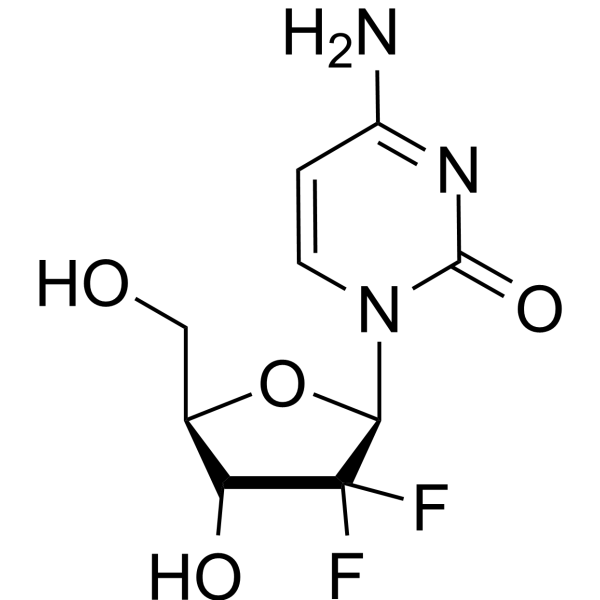 0 ImagesSynonyms: LY 188011Gemcitabine (LY 188011) is a pyrimidine nucleoside analog antimetabolite and an antineoplastic agent. Gemcitabine inhibits DNA synthesis and repair, and can modulate autophagy. Gemcitabine induces apoptosis through the activation of p38 MAPK. Gemcitabine demonstrates efficacy in mouse models of pancreatic and breast cancer. Gemcitabine can be used for cancer research, such as pancreatic cancer, non-small cell lung cancer, and breast cancer.
-
Semaglutide
 0 ImagesSemaglutide is a long-acting, selective, competitive GLP-1R agonist that can penetrate the blood-brain barrier. After activating GLP-1R, Semaglutide promotes insulin secretion, inhibits gastric emptying and appetite, and at the same time enhances autophagy, inhibits oxidative stress and apoptosis. Semaglutide also regulates mitochondrial function and lipid metabolism (such as reducing de novo lipogenesis in the liver). Semaglutide has activities such as lowering blood sugar, reducing weight, neuroprotection (such as improving motor function in Parkinson's disease models, reducing α-synuclein aggregation) and improving hepatic steatosis. Semaglutide can be used for the study of neurodegenerative diseases and liver diseases such as type 2 diabetes, obesity, Parkinson's disease, metabolic associated fatty liver disease (MASLD), and cancer.
-
Adezmapimod
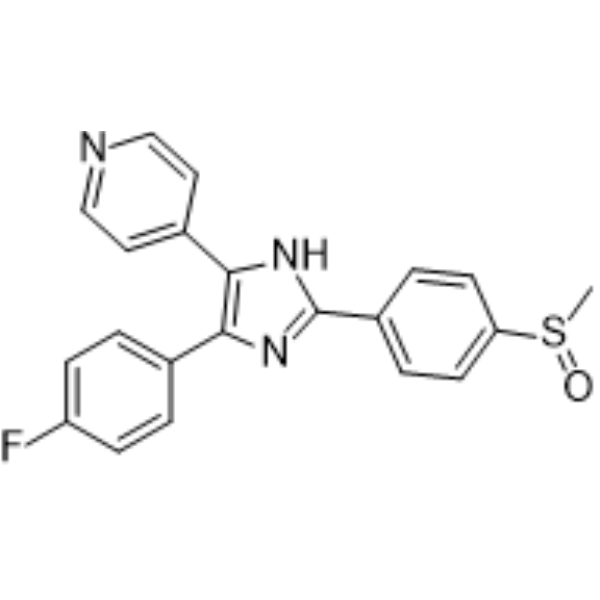 0 ImagesSynonyms: SB 203580; RWJ 64809Adezmapimod (SB 203580) is a selective and ATP-competitive p38 MAPK inhibitor with IC50s of 50 nM and 500 nM for SAPK2a/p38 and SAPK2b/p38β2, respectively. Adezmapimod inhibits LCK, GSK3β and PKBα with IC50s of 100-500-fold higher than that for SAPK2a/p38. Adezmapimod can inhibit p38 MAPK and lead to the inhibition of downstream HSP27 phosphorylation. Adezmapimod does not disrupt JNK activity and is an autophagy and mitophagy activator.
-
Daporinad
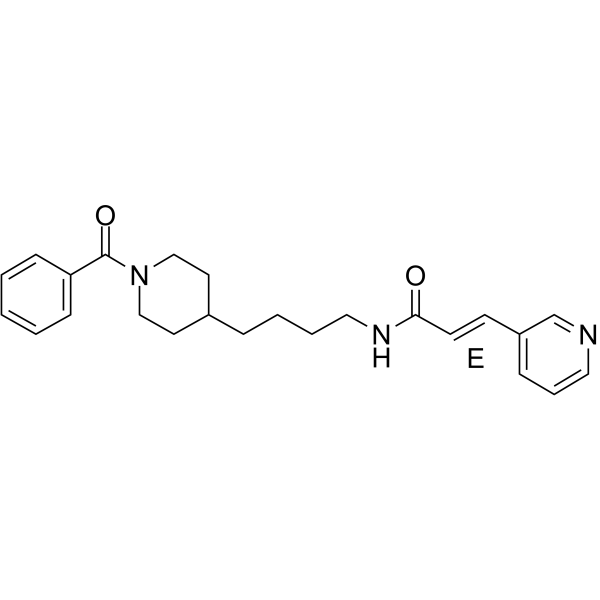 0 ImagesSynonyms: FK866; APO866Daporinad (FK866) is a non-competitive inhibitor of nicotinamide phosphoribosyltransferase (Nampt), with a Ki value of 0.3 nM. Daporinad depletes NAD+ and ATP levels, inhibits mTORC1 and MAPK/ERK pathways, and activates TFEB to induce autophagy. Daporinad causes the depletion of the endoplasmic reticulum Ca²⁺ pool, ultimately weakening the mitogen-induced Ca²⁺ signal and the activation and function of T cells. Daporinad induces cell cycle arrest and apoptosis, and inhibits cell proliferation. Daporinad can be used for the study of myeloma, liver cancer, and immunosuppression.
-
Doramapimod
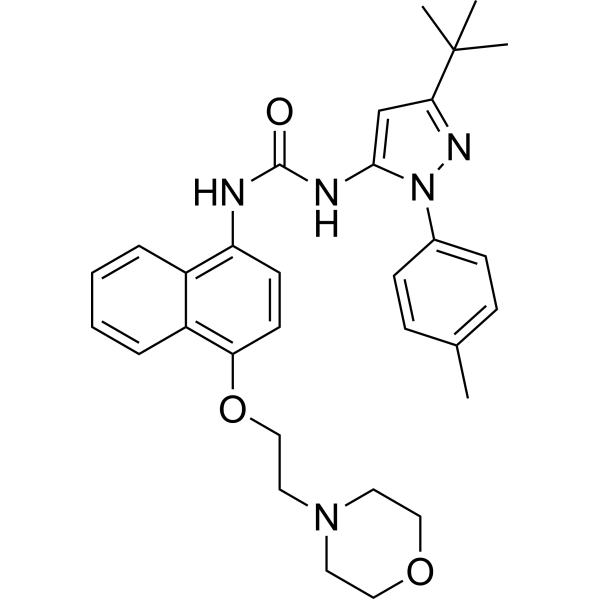 0 ImagesSynonyms: BIRB 796
-
Muramyl dipeptide
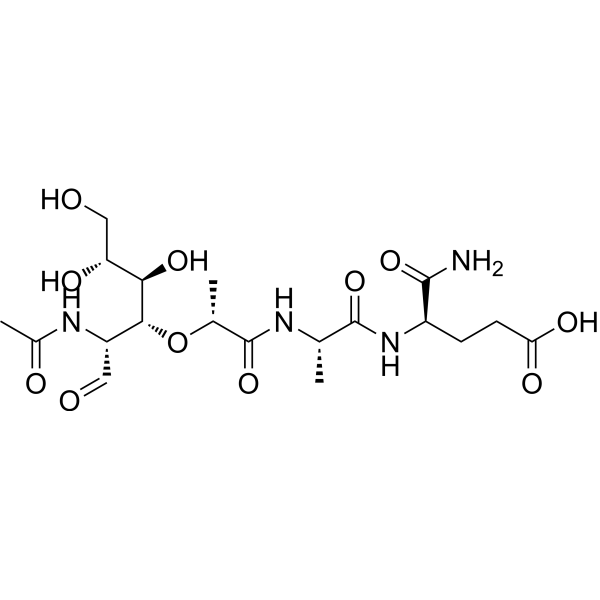 0 ImagesSynonyms: MDPMuramyl dipeptide (MDP) is a synthetic immunoreactive peptide, consisting of N-acetyl muramic acid attached to a short amino acid chain of L-Ala-D-isoGln. Muramyl dipeptide is an inducer of bone formation through induction of Runx2. Muramyl dipeptide directly enhances osteoblast differentiation by up-regulating Runx2 gene expression through MAPK pathways. Muramyl dipeptide is a NLRP1 agonist.
-
Ac4ManNAz
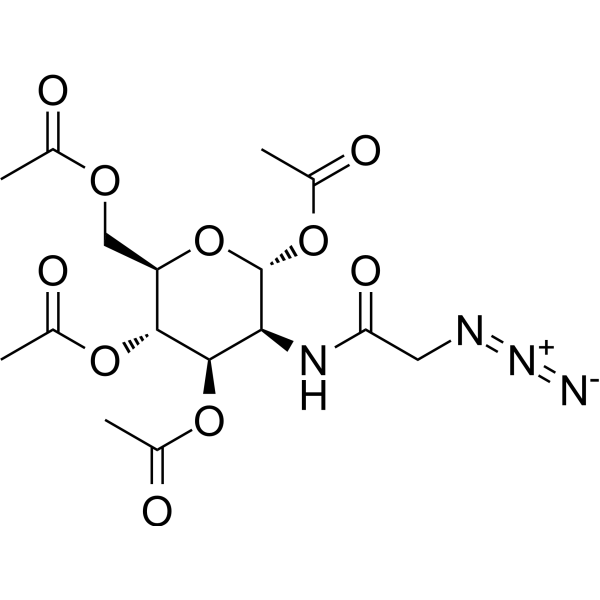 0 ImagesAc4ManNAz can be taken up by cells and is an azide-containing metabolic glycoprotein labeling reagent that selectively modifies proteins. Commonly used for cell labeling, tracking and proteomic analysis. Ac4ManNAz contains an Azide group and can undergo copper-catalyzed azide-alkyne cycloaddition reaction (CuAAc) with molecules containing Alkyne groups. Ac4ManNAz can also undergo strain-promoted alkyne-azide cycloaddition (SPAAC) with molecules containing DBCO or BCN groups.
-
Hesperetin
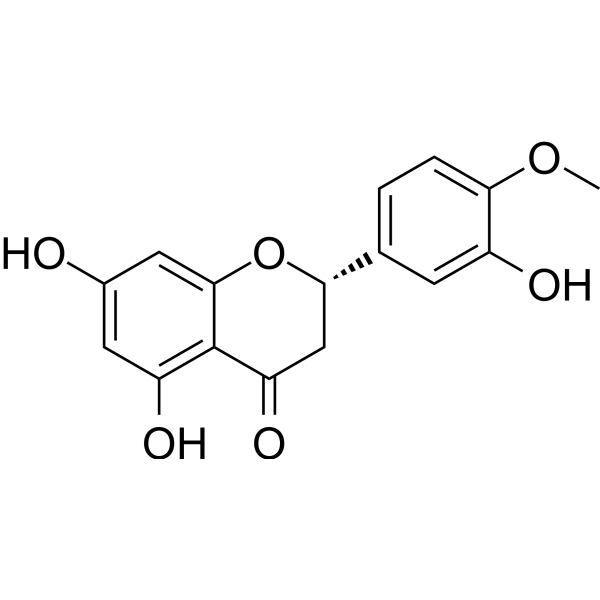 0 ImagesHesperetin is a natural flavanone that can be found in citrus, and acts as a potent and orally active broad-spectrum inhibitor against human UGT activity. Hesperetin induces apoptosis via p38 MAPK activation. Hesperetin displays a range of bioactivities including antioxidant, anti-inflammatory, and anti-cancer. Hesperetin is found to induce cell-cycle arrest at G2/M phase. Hesperetin can reduce Bcl-2 and enhance BaxM. Hesperetin induces apoptosis through inhibiting NF-κB receptor.
-
Asiaticoside
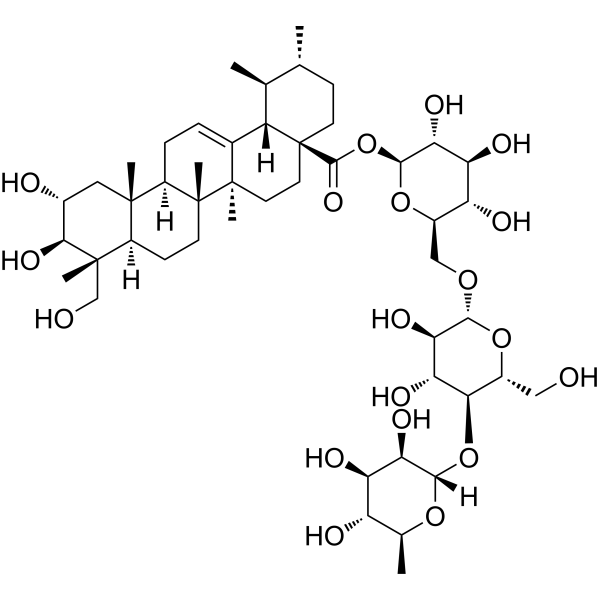 0 ImagesAsiaticoside, a trisaccaride triterpene from Centella asiatica, suppresses TGF-β/Smad signaling through inducing Smad7 and inhibiting TGF-βRI and TGF-βRII in keloid fibroblasts; Asiaticoside shows antioxidant, anti-inflammatory, and anti-ulcer properties.
-
PD 169316
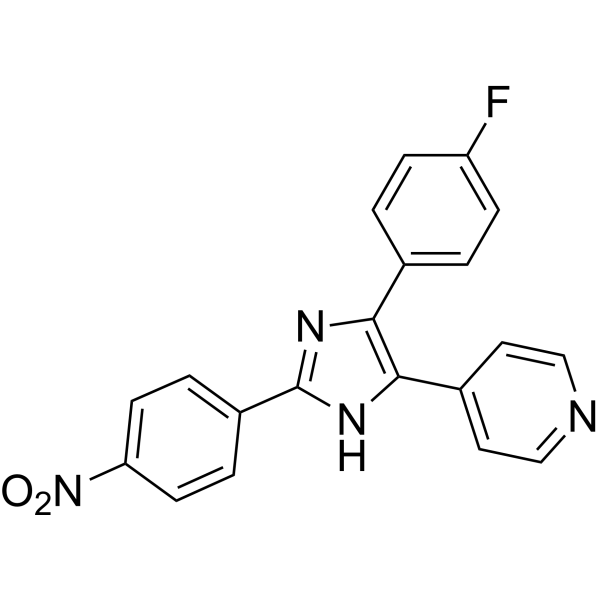 0 ImagesPD 169316 is a potent, cell-permeable and selective p38 MAP kinase inhibitor, with IC50 of 89 nM. PD169316 selectively inhibits the kinase activity of the phosphorylated p38 without hindering upstream kinases to phosphorylate p38. PD169316 shows antiviral activity against Enterovirus71. PD169316 shows antiviral activity against Enterovirus71.
-
Adezmapimod hydrochloride
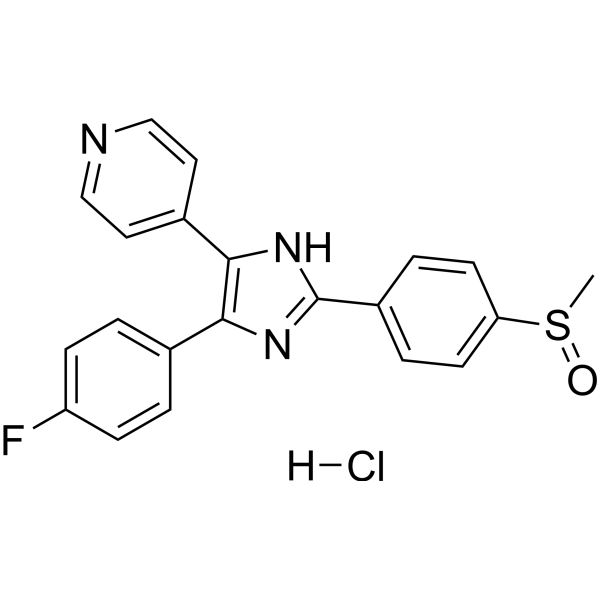 0 ImagesSynonyms: SB 203580 hydrochloride; RWJ 64809 hydrochlorideAdezmapimod (SB 203580; RWJ 64809) hydrochloride is a selective and ATP-competitive p38 MAPK inhibitor with IC50s of 50 nM and 500 nM for SAPK2a/p38 and SAPK2b/p38β2, respectively. Adezmapimod hydrochloride inhibits LCK, GSK3β and PKBα with IC50s of 100-500-fold higher than that for SAPK2a/p38. Adezmapimod hydrochloride does not disrupt JNK activity and is an autophagy and mitophagy activator.
-
TRi-1
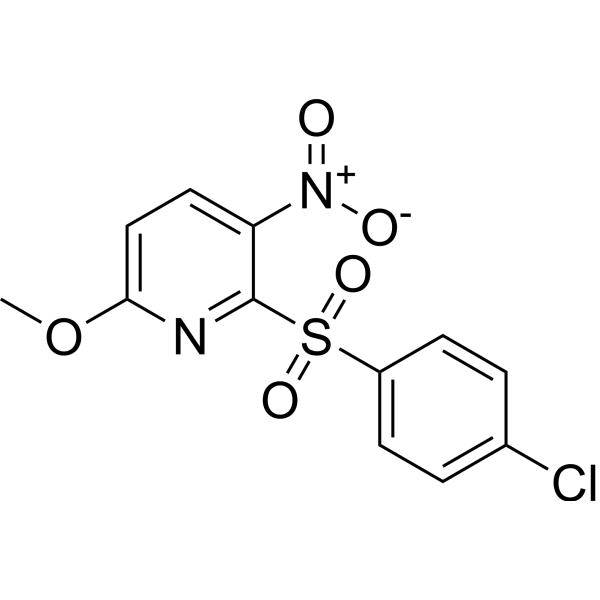 0 ImagesTRi-1 is a potent, specific and irreversible inhibitor of cytosolic thioredoxin reductase 1 (TXNRD1), with an IC50 of 12 nM. TRi-1 has little mitochondrial toxicity for anticancer therapy.
-
Bisphenol A
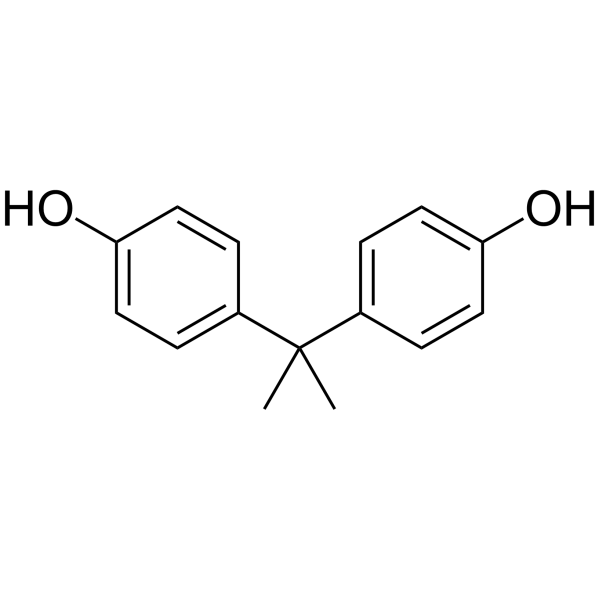 0 ImagesBisphenol A is a phenolic, organic synthetic compound widely used in the production of polycarbonate plastics and epoxy resins. Bisphenol A is a reproductive, developmental, and systemic toxicant, often classified as an endocrine-disrupting compound (EDC). Bisphenol A is associated with many diseases, including cancers, cardiovascular diseases, respiratory diseases, diabetes, kidney diseases, obesity, and reproductivedisorders.
-
Diprovocim
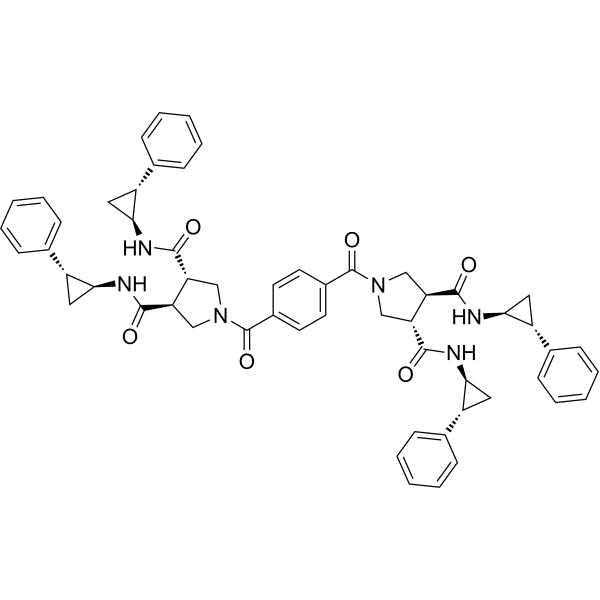 0 ImagesDiprovocim is a potent TLR1/TLR2 agonist. Diprovocim elicits full agonist activity in human THP-1 cells (EC50=110 pM). Diprovocim stimulates the release of TNF-α from mouse macrophages (EC50=1.3 nM). Diprovocim activates downstream MAPK and NF-κB signaling pathway. Diprovocim displays strong adjuvant activity in mice, particularly abetting cellular immune responses.
-
Candidalysin
 0 ImagesCandidalysin is a cytolytic peptide toxin secreted by the fungus Candida albicans. Candidalysin drives epithelial immune responses by activating the EGFR-MAPK signaling pathway, inducing MMP expression and calcium influx, and regulating the c-Fos transcription factor and MKP1 via p38 MAPK and ERK1/2 respectively. Candidalysin is essential for mucosal and systemic infections, activating NLRP3 to promote inflammatory responses, neutrophil recruitment, and Th17 immunity. Candidalysin activates LDH causing membrane damage and exhibiting cytotoxicity
-
Semaglutide TFA
 0 ImagesCat. No.: HY-114118APurity: 99.74%Semaglutide TFA is a long-acting, selective, competitive GLP-1R agonist that can penetrate the blood-brain barrier. After activating GLP-1R, Semaglutide TFA promotes insulin secretion, inhibits gastric emptying and appetite, and at the same time enhances autophagy, inhibits oxidative stress and apoptosis. Semaglutide TFA also regulates mitochondrial function and lipid metabolism (such as reducing de novo lipogenesis in the liver). Semaglutide TFA has activities such as lowering blood sugar, reducing weight, neuroprotection (such as improving motor function in Parkinson's disease models, reducing α-synuclein aggregation) and improving hepatic steatosis. Semaglutide TFA can be used for the study of neurodegenerative diseases and liver diseases such as type 2 diabetes, obesity, Parkinson's disease, metabolic associated fatty liver disease (MASLD), and cancer.
-
Liensinine
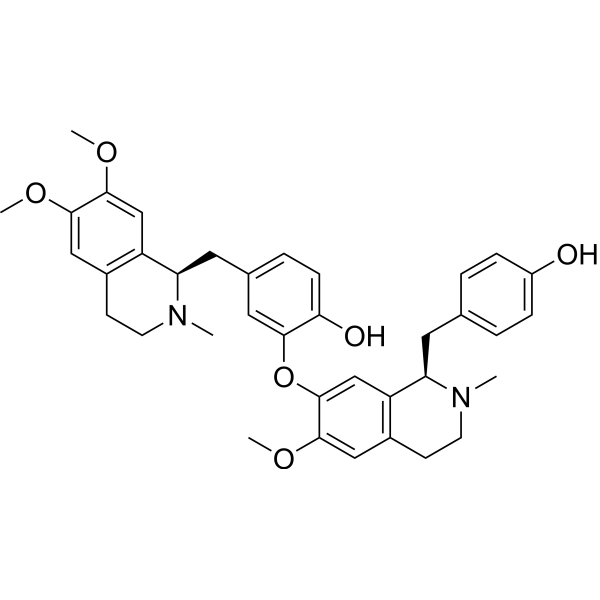 0 ImagesLiensinine is a bisbenzylisoquinoline alkaloid. By inhibiting the PI3K/AKT and JNK/p38-MAPK signaling pathways, Liensinine suppresses autophagy and apoptosis, clears Aβ, and exerts anti-inflammatory, antioxidant and neuroprotective effects. Liensinine activates AMPK and inhibits the expression of HIF-1α and VEGF, thereby suppressing angiogenesis. Liensinine exerts anti-tumor effects through ROS-mediated inhibition of the JAK2/STAT3 signaling pathway. Liensinine can be used for the research of diseases such as Alzheimer's disease, hepatocellular carcinoma, osteosarcoma, sepsis-induced organ injury and stroke.
-
Ononin
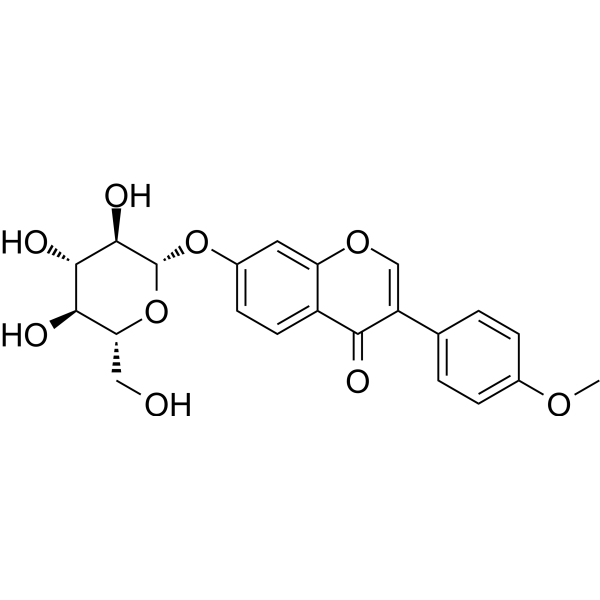 0 ImagesSynonyms: Ononoside; Formononetin 7-O-β-D-glucopyranosideOnonin is an orally active isoflavone. Ononin inhibits the ERK/JNK/p38 and PI3K/Akt/mTOR pathways. Ononin regulates Apoptosis. Ononin has anti-tumor effects on laryngeal cancer and lung cancer. Ononin has neuroprotective effects. Ononin alleviates endoplasmic reticulum stress and diabetic nephropathy.




