



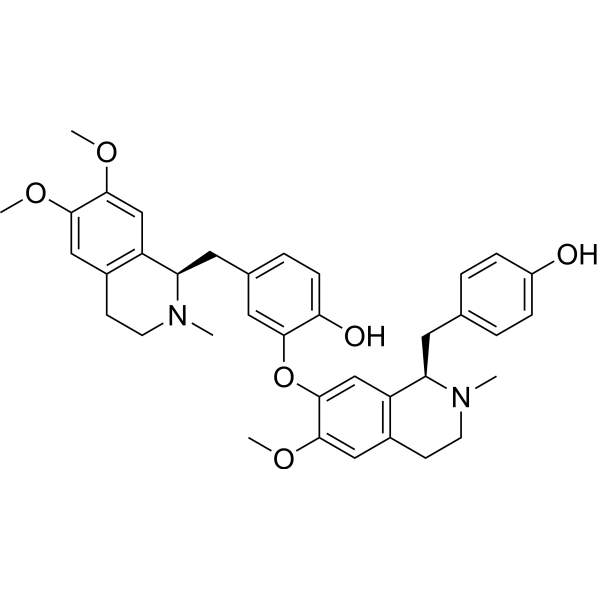
Liensinine
Based on 23 publication(s) in Google Scholar
Liensinine is a bisbenzylisoquinoline alkaloid. By inhibiting the PI3K/AKT and JNK/p38-MAPK signaling pathways, Liensinine suppresses autophagy and apoptosis, clears Aβ, and exerts anti-inflammatory, antioxidant and neuroprotective effects. Liensinine activates AMPK and inhibits the expression of HIF-1α and VEGF, thereby suppressing angiogenesis. Liensinine exerts anti-tumor effects through ROS-mediated inhibition of the JAK2/STAT3 signaling pathway. Liensinine can be used for the research of diseases such as Alzheimer's disease, hepatocellular carcinoma, osteosarcoma, sepsis-induced organ injury and stroke.
For research use only. We do not sell to patients.
- Purity : 99.97%
- CAS No.: 2586-96-1
- Formula: C37H42N2O6
- Molecular Weight:610.74
-
Storage:
4°C, protect from light
* In solvent : -80°C, 6 months; -20°C, 1 month (protect from light)

To place orders, for customer services and technical support, please contact: MedChemExpress USA
Tel: 609-228-6898 E-mail: [email protected] [email protected]


-
 Biological Activity
-
Chemical Information
-
Solvent & Solubility
- Protocols
- Purity & Documentation
- References
-
 Help & FAQs


-
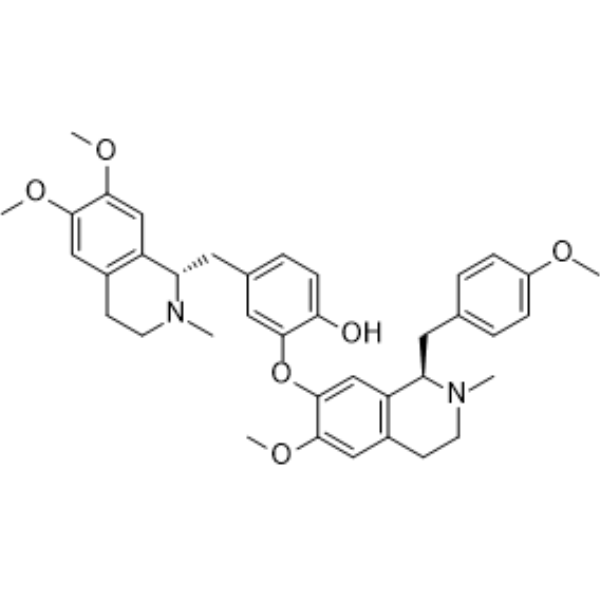
HY-N0441
NeferineAutophagy Modulator -
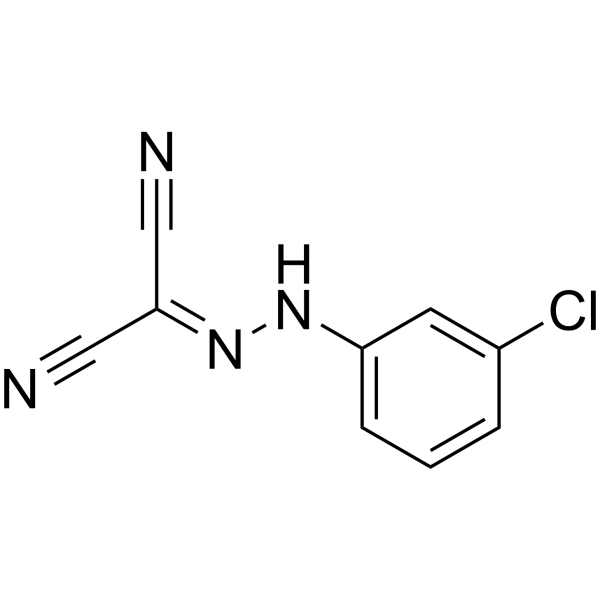
HY-100941
CCCPOXPHOS Uncoupler -
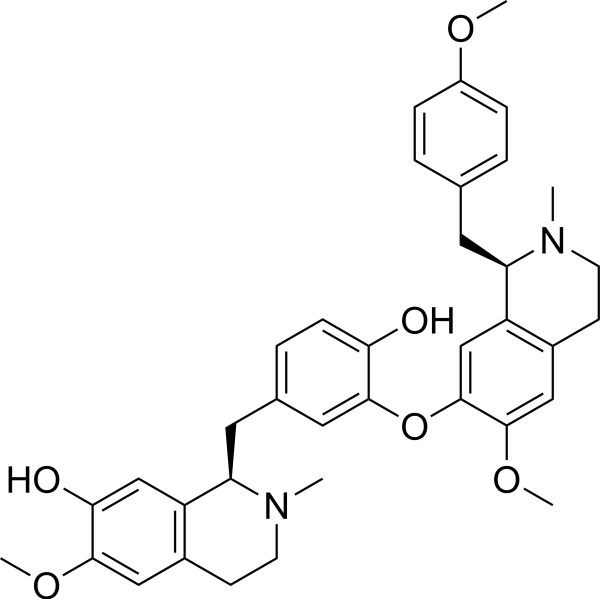
HY-N0770
IsoliensinineApoptosis Inducer -
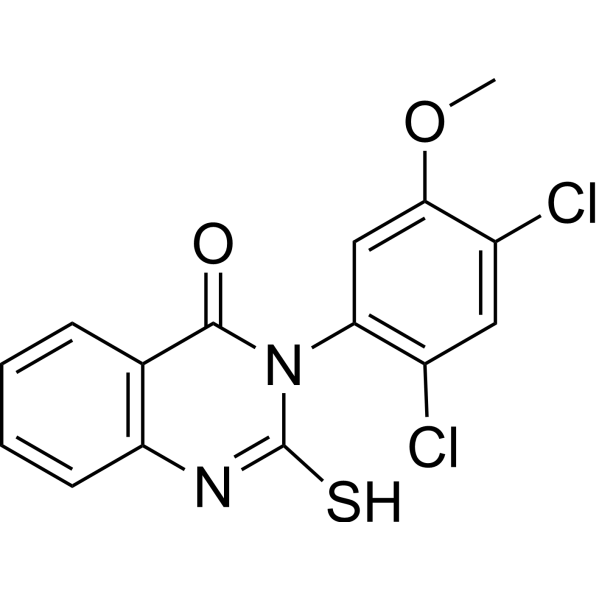
HY-15886
Mdivi-1Drp1 Inhibitor -
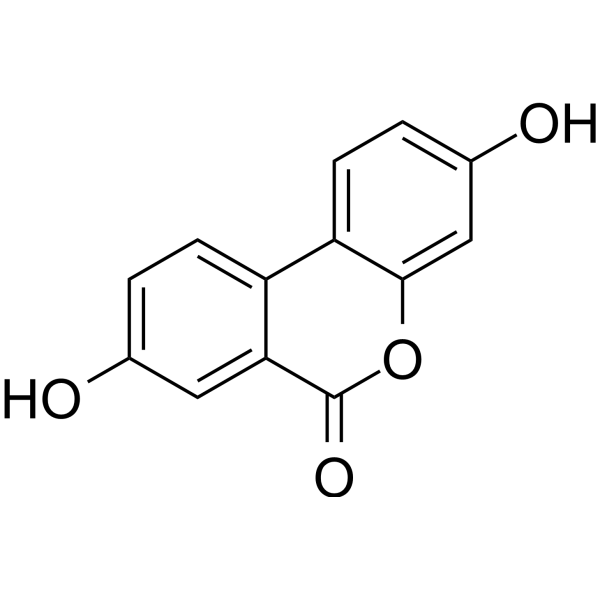
HY-100599
Urolithin AMitophagy Activator -
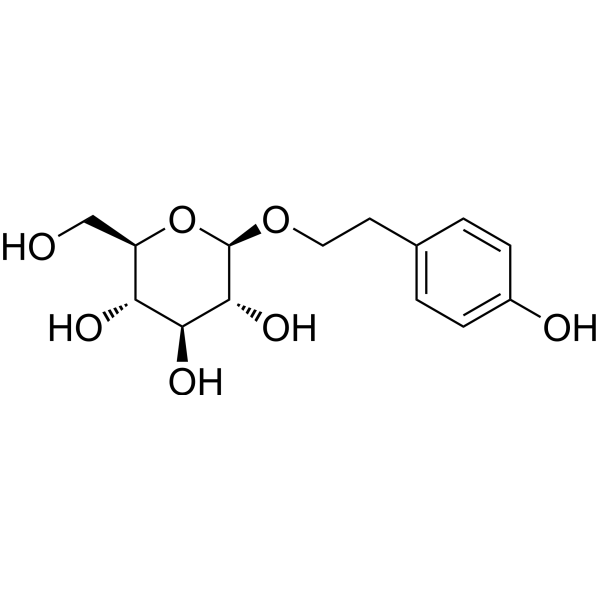
HY-N0109
SalidrosideProlyl Endopeptidase Inhibitor -
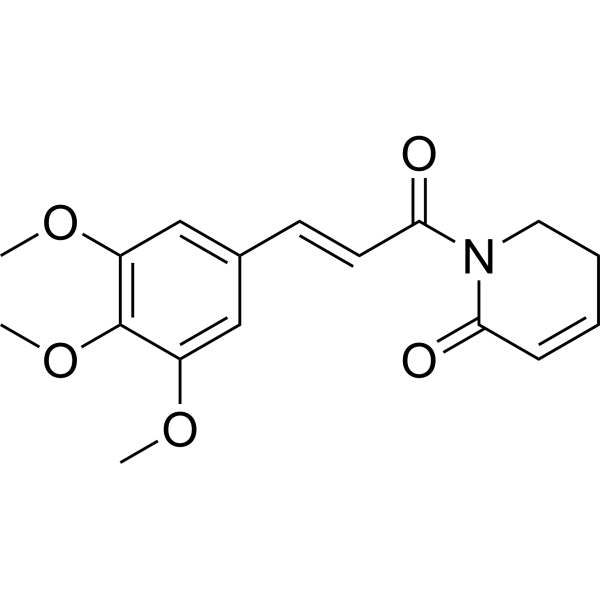
HY-N2329
PiperlongumineAnticancer Agent -
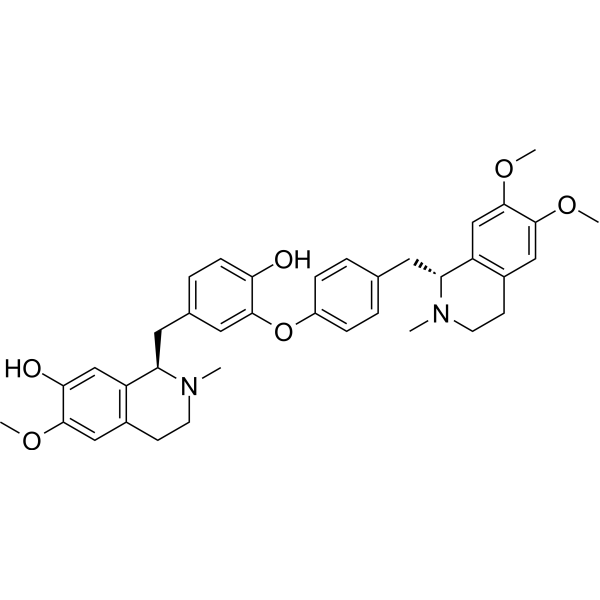
HY-N0221
DaurisolineAutophagy Blocker -
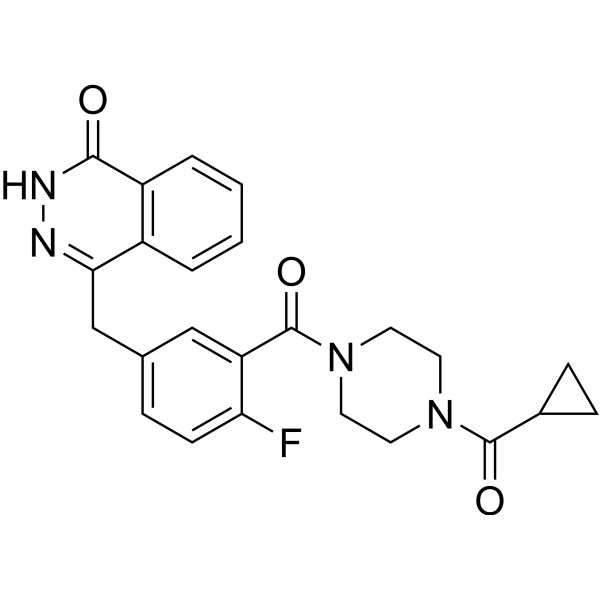
HY-10162
OlaparibPARP Inhibitor -
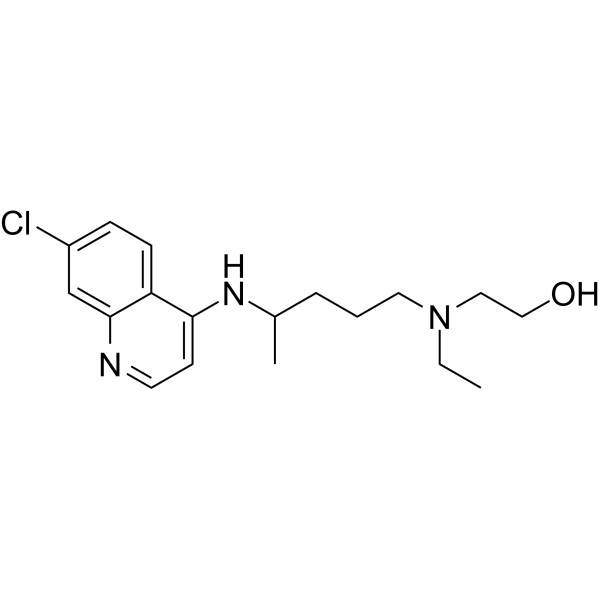
HY-W031727
HydroxychloroquineAntimalarial Agent -
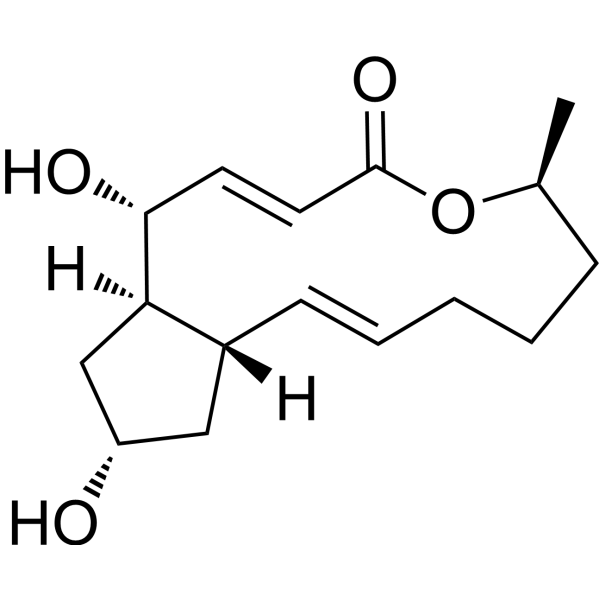
HY-16592
Brefeldin AProtein Transport Inhibitor -
HY-13259
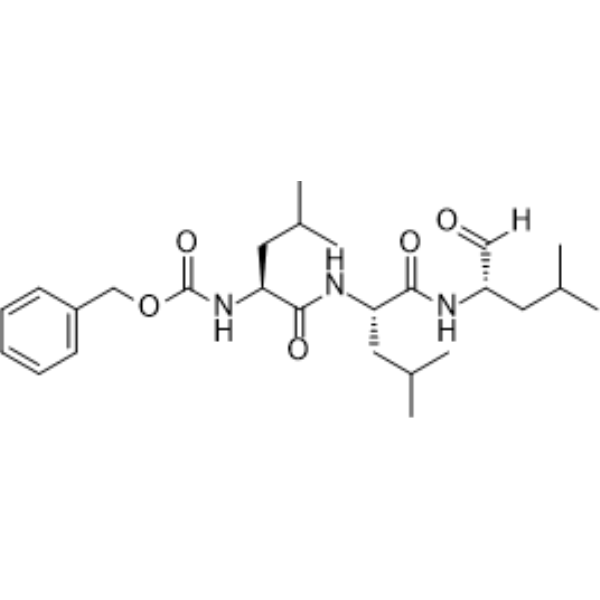
MG-132Proteasome Inhibitor
Publications Citing Use of MedChemExpress (MCE) Liensinine
More- Signal Transduct Target Ther. 2025 Dec 17;10(1):413. [Abstract]
- Redox Biol. 2025 Oct:86:103793. [Abstract]
- Cell Death Dis. 2023 Sep 30;14(9):645. [Abstract]
- Int J Biol Sci. 2022 Aug 8;18(13):5168-5184. [Abstract]
- Anim Nutr. 2026 Feb 6:25:160-174. [Abstract]
- Chin Med. 2026 Jan 24;21(1):51. [Abstract]
- J Ethnopharmacol. 2024 Nov 15:334:118576. [Abstract]
- Life Sci. 2023 Jun 1:322:121653. [Abstract]
- Int J Mol Sci. 2025 May 10;26(10):4566. [Abstract]
- Molecules. 2026 Mar 12;31(6):947. [Abstract]
- J Mol Med (Berl). 2025 Dec 26;104(1):13. [Abstract]
- Mol Cell Biochem. 2026 Aug 28. [Abstract]
- J Biol Chem. 2024 Aug;300(8):107542. [Abstract]
- Adipocyte. 2022 Dec;11(1):202-212. [Abstract]
- Tissue Cell. 2026 Jun 12:103:103696. [Abstract]
- Genes Nutr. 2025 Dec 24;20(1):29. [Abstract]
- J Int Med Res. 2026 Feb;54(2):3000605261419604. [Abstract]
- Lett Drug Des Discov. 2025 Dec 2.
- Int J Pharmacol. 2026 Jun 28;22(3).
- SSRN. 2023 Apr 18.
- Research Square Print. 2023 Mar 24.
- J Oncol. 2022 Jul 1:2022:1533779. [Abstract]
- Oxid Med Cell Longev. 2022 Jan 25:2022:8245614. [Abstract]
 Customer Validation & Images

-
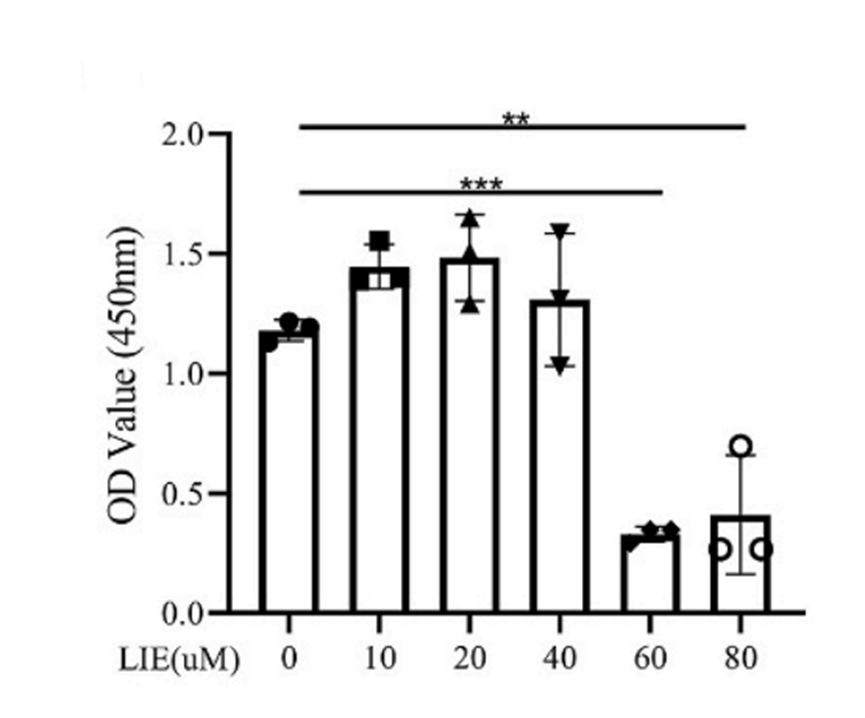
Cell Proliferation/Viability Assay
-
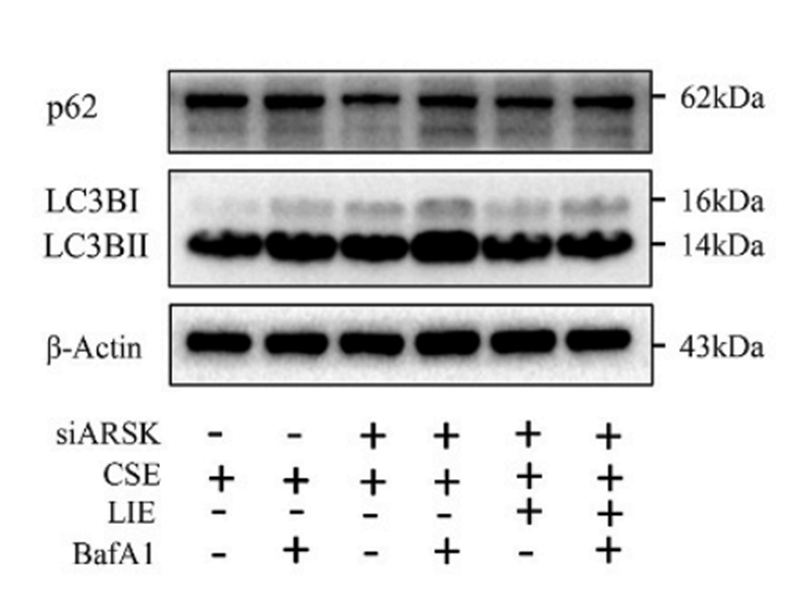
WB
-
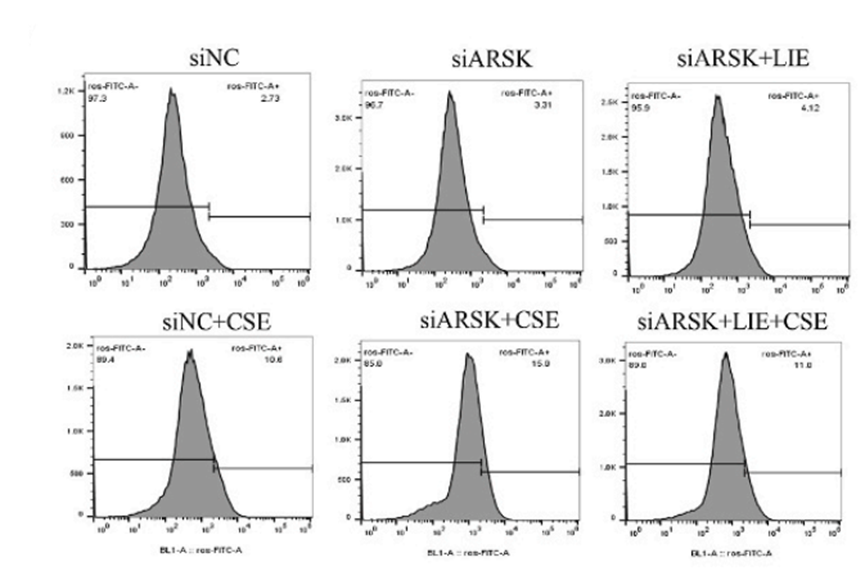
Flow Cytometry
-
Cell Imaging/Staining
-
RT-PCR
All VEGFR Isoforms
More

Biological Activity
Description
Cellular Effect
|
Cell Line

|
Type | Value | Description | References |
|---|---|---|---|---|
| 3T3-L1 | IC50 |
19.4 μM
Compound: 9
|
Anti-adipogenic activity in mouse 3T3-L1 cells transfected with Lenti-PPARgamma-Luc reporter assessed as inhibition of PPARgamma expression by luminescence based microplate reader analysis
Anti-adipogenic activity in mouse 3T3-L1 cells transfected with Lenti-PPARgamma-Luc reporter assessed as inhibition of PPARgamma expression by luminescence based microplate reader analysis
|
[PMID: 38483204] |
In Vitro
Liensinine (5-80 μM; 24 h) reduces the viability of SaOS-2, MG-63, 143B and U-2OS osteosarcoma cells in a dose-dependent manner, but has no effect on the viability of hFOB 1.19 normal osteoblasts[1].
Liensinine (40-80 μM; 24 h) inhibits the proliferation and colony-forming ability of SaOS-2 and 143B osteosarcoma cells, induces apoptosis, and causes G0/G1 cell cycle arrest in a dose-dependent manner[1].
Liensinine (40-80 μM; 24 h) increases intracellular ROS production in SaOS-2 and 143B osteosarcoma cells in a dose-dependent manner, but does not affect ROS levels in hFOB 1.19 normal osteoblasts[1].
Liensinine (40-80 μM; 24 h) disrupts the GSH/GSSG redox balance in SaOS-2 and 143B osteosarcoma cells in a dose-dependent manner by decreasing GSH levels, increasing GSSG levels, and elevating the GSSG/GSH ratio[1].
Liensinine (40-80 μM; 24 h) induces the loss of mitochondrial membrane potential in SaOS-2 and 143B osteosarcoma cells in a dose-dependent manner[1].
Liensinine (40-80 μM; 24 h) dose-dependently regulates the expression of apoptosis- and cell cycle-related proteins in SaOS-2 and 143B osteosarcoma cells in vitro, and inhibits the activation of the JAK2/STAT3 pathway, but exerts no effect on the aforementioned proteins in hFOB 1.19 normal osteoblasts[1].
Liensinine (20 μM; 24 h) enhances cell viability, reduces apoptosis and cytotoxicity, and inhibits autophagy in an in vitro oxygen-glucose deprivation/reoxygenation ischemia-reperfusion model[3].
MedChemExpress (MCE) has not independently confirmed the accuracy of these methods. They are for reference only.
In Vivo
Liensinine (20 mg/kg; i.p.; once daily for 16 consecutive days) significantly inhibits orthotopic HCC tumor progression in male C57BL/6 mice, induces tumor metabolic reprogramming, reduces tumor vascular density, regulates macrophage polarization, and downregulates PD-L1 expression[5].
MedChemExpress (MCE) has not independently confirmed the accuracy of these methods. They are for reference only.
-
Animal Model:KM mice[2]
-
Dosage:100 mg/kg, 200 mg/kg
-
Administration:oral gavage, daily, 10 weeks
-
Result:Reduced the gingival index and increased the SOD levels, the CAT, GSH-Px levels and decreased the NO, MDA, and ET levels compared to the control group.
-
Animal Model:Institute of Cancer Research (ICR) mice (male, 20-22 g)[3]
-
Dosage:
-
Administration:5 mg/kg by oral administration; 1 mg/kg by intravenous administration
-
Result:The pharmacokinetic parameters of Liensinine in mice
Parameters po (5 mg/kg) iv (1 mg/kg) AUC(0-t) (ng/mL*h) 18.8 ± 2.7 211.2 ± 54.9 AUC(0-∞) (ng/mL*h) 19.1 ± 2.8 227.9 ± 60.1 MRT(0-t)( h) 3.2 ± 0.4 2.6 ± 0.5 MRT(0-∞) (h) 3.4 ± 0.5 3.5 ± 0.9 t1/2z (h) 1.9 ± 0.2 3.8 ± 0.8 CLz/F (L/h/kg) 266.0 ± 41.3 4.7 ± 1.2 Vz/F (L/kg) 708.5 ± 79.9 25.9 ± 11.0 Cmax (ng/mL) 5.3 ± 0.2 169.5 ± 53.5
- RNA extraction experimental
- Human pluripotent stem cell endothelial-cell differentiation
- Vascular/Branching Fractal Analysis
- Annexin V plus membrane-impermeant dye apoptosis staining
- ROS/oxidative-stress fluorescent staining
- Research Protocol for Inflammation-related Diseases
- Liver Cancer Modeling
- Alzheimer’s Disease Modeling
- Detection of Apoptosis
- TUNEL staining for apoptotic DNA fragmentation
- LPS-Induced Endotoxemia/Systemic Inflammation
- Autophagy
- Endothelial Tube Formation Assay
- Apoptosis Solutions
- Lysosome and acidic-vesicle live-cell staining
- Macroautophagy Solutions
- Endothelial Cell Migration/Angiogenic Sprouting Assay


Chemical Information
-
CAS No. 2586-96-1
-
Appearance Solid
-
Molecular Weight 610.74
-
Formula C37H42N2O6
-
Color White to off-white
-
SMILES
OC1=CC=C(C[C@H]2N(C)CCC3=C2C=C(OC)C(OC)=C3)C=C1OC4=CC5=C(C=C4OC)CCN(C)[C@@H]5CC6=CC=C(O)C=C6
-
Structure Classification
-
Initial Source
-
Shipping
Room temperature in continental US; may vary elsewhere.
-
Storage
4°C, protect from light
* In solvent : -80°C, 6 months; -20°C, 1 month (protect from light)


Publications (23)
-
Journal Impact Factor
-
Most Recent
-
Signal Transduct Target Ther
Disruption of heme homeostasis by nuclear receptor Nur77 induces pyroptosis through granzyme B-dependent GSDMC cleavage. [Abstract]2025 Dec 17;10(1):413. PMID: 41407678 -
Redox Biol
Arylsulfatase K attenuates airway epithelial cell senescence in COPD by regulating parkin-mediated mitophagy. [Abstract]2025 Oct:86:103793. PMID: 40763656
Liensinine purchased from MedChemExpress. Usage Cited in: Redox Biol. 2025 Oct:86:103793. [Abstract]
The viability of HBE cells treated with different concentration of Liensinine (LIE) (10, 20, 40, 60, 80 μM) measured by CCK8 assay.
Liensinine purchased from MedChemExpress. Usage Cited in: Redox Biol. 2025 Oct:86:103793. [Abstract]
Liensinine (LIE) (40 μM) treatment effectively suppressed autophagy by Western blot.
Liensinine purchased from MedChemExpress. Usage Cited in: Redox Biol. 2025 Oct:86:103793. [Abstract]
Liensinine (LIE) (40 μM) improved mitochondrial damage induced by ARSK knockdown, as evidenced by the reductions in intracellular and mitochondrial ROS levels.
Liensinine purchased from MedChemExpress. Usage Cited in: Redox Biol. 2025 Oct:86:103793. [Abstract]
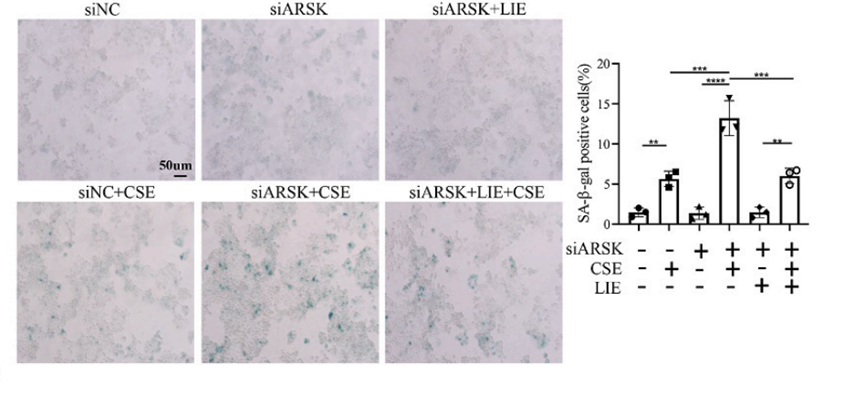
SA-β-gal staining results demonstrated that Liensinine (LIE) (40 μM) treatment obviously decreased the percentage of positive cells.
Liensinine purchased from MedChemExpress. Usage Cited in: Redox Biol. 2025 Oct:86:103793. [Abstract]
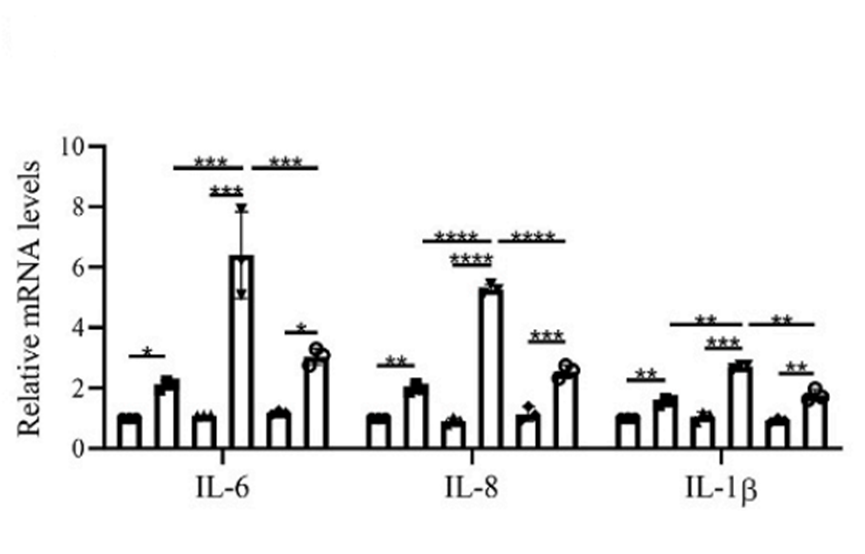
The expressions of IL-6, IL-8 and IL-1β were both relived in HBE cells by Liensinine (LIE) (40 μM).
-
Cell Death Dis
Crotonylated BEX2 interacts with NDP52 and enhances mitophagy to modulate chemotherapeutic agent-induced apoptosis in non-small-cell lung cancer cells. [Abstract]2023 Sep 30;14(9):645. PMID: 37777549 -
Int J Biol Sci
Tubule-mitophagic secretion of SerpinG1 reprograms macrophages to instruct anti-septic acute kidney injury efficacy of high-dose ascorbate mediated by NRF2 transactivation. [Abstract]2022 Aug 8;18(13):5168-5184. PMID: 35982894 -
Anim Nutr
Caffeic acid phenethyl ester ameliorates high-fat diet-induced muscle textural deterioration in grass carp (Ctenopharyngodon idellus) by modulating adipose-muscle crosstalk via myostatin-taz signaling. [Abstract]2026 Feb 6:25:160-174. PMID: 41938616 -
Chin Med
Targeting G-protein-coupled receptors and gut microbiota: Ge-Lian Qi-Shen decoction elevates GLP-1 to combat non-alcoholic fatty liver disease. [Abstract]2026 Jan 24;21(1):51. PMID: 41580820 -
J Ethnopharmacol
Integrating UHPLC-Q-TOF-MS/MS, network pharmacology, bioinformatics and experimental validation to uncover the anti-cancer mechanisms of TiaoPi AnChang decoction in colorectal cancer. [Abstract]2024 Nov 15:334:118576. PMID: 39002822 -
Life Sci
Auto- and paracrine rewiring of NIX-mediated mitophagy by insulin-like growth factor-binding protein 7 in septic AKI escalates inflammation-coupling tubular damage. [Abstract]2023 Jun 1:322:121653. PMID: 37011875 -
Int J Mol Sci
Liensinine Prevents Acute Myocardial Ischemic Injury via Inhibiting the Inflammation Response Mediated by the Wnt/β-Catenin Signaling Pathway. [Abstract]2025 May 10;26(10):4566. PMID: 40429711 -
Molecules
Molecular Mechanisms Underlying the Anti-Tumor Activity of Lotus-Derived Alkaloids in Breast Cancer. [Abstract]2026 Mar 12;31(6):947. PMID: 41900047 -
J Mol Med (Berl)
Liensinine can improve vascular remodeling in hypertension through the ferroptosis-related TLR4 inflammatory pathway. [Abstract]2025 Dec 26;104(1):13. PMID: 41452356 -
Mol Cell Biochem
Liensinine-loaded extracellular vesicles mitigate osteoporosis through inhibition of NF-κB signaling and calcium oscillations in osteoclasts. [Abstract]2026 Aug 28. PMID: 42663873 -
J Biol Chem
Activation of Nemo-like Kinase in Diamond Blackfan Anemia suppresses early erythropoiesis by preventing mitochondrial biogenesis. [Abstract]2024 Aug;300(8):107542. PMID: 38992436 -
Adipocyte
The combination of nuclear receptor NR1D1 and ULK1 promotes mitophagy in adipocytes to ameliorate obesity. [Abstract]2022 Dec;11(1):202-212. PMID: 35410572 -
Tissue Cell
Liensinine induces autophagy and apoptosis in hepatocellular carcinoma via reactive oxygen species-mediated inhibition of the PI3K/AKT/mTOR pathway. [Abstract]2026 Jun 12:103:103696. PMID: 42314534 -
Genes Nutr
Liensinine alleviates type 2 diabetes mellitus through modulating the pancreatic β cell function and gut microbiota. [Abstract]2025 Dec 24;20(1):29. PMID: 41444518 -
J Int Med Res
RNA sequencing-based evaluation of the mechanisms underlying the liensinine-mediated inhibition of hypopharyngeal cancer proliferation. [Abstract]2026 Feb;54(2):3000605261419604. PMID: 41698653 -
-
-
-
-
J Oncol
2022 Jul 1:2022:1533779. PMID: 35813859 -
Oxid Med Cell Longev
Liensinine Inhibits Osteosarcoma Growth by ROS-Mediated Suppression of the JAK2/STAT3 Signaling Pathway. [Abstract]2022 Jan 25:2022:8245614. PMID: 35116094


Solvent & Solubility
In Vitro:
DMSO : 50 mg/mL (81.87 mM; Need ultrasonic; Hygroscopic DMSO has a significant impact on the solubility of product, please use newly opened DMSO)
Please refer to the solubility information to select the appropriate solvent. Once prepared, please aliquot and store the solution to prevent product inactivation from repeated freeze-thaw cycles.
Storage method and period of stock solution: -80°C, 6 months; -20°C, 1 month (protect from light). When stored at -80°C, please use it within 6 months. When stored at -20°C, please use it within 1 month.
Please refer to the solubility information to select the appropriate solvent. Once prepared, please aliquot and store the solution to prevent product inactivation from repeated freeze-thaw cycles.
Storage method and period of stock solution: -80°C, 6 months; -20°C, 1 month (protect from light). When stored at -80°C, please use it within 6 months. When stored at -20°C, please use it within 1 month.
Concentration (start) × Volume (start) = Concentration (final) × Volume (final)
In Vivo:
Select the appropriate dissolution method based on your experimental animal and administration route.
- For the following dissolution methods, please ensure to first prepare a clear stock solution using an In Vitro approach and then sequentially add co-solvents:
- To ensure reliable experimental results, the clarified stock solution can be appropriately stored based on storage conditions. As for the working solution for In Vivo experiments, it is recommended to prepare freshly and use it on the same day.
- The percentages shown for the solvents indicate their volumetric ratio in the final prepared solution. If precipitation or phase separation occurs during preparation, heat and/or sonication can be used to aid dissolution.
Add each solvent one by one: 10% DMSO 40% PEG300 5% Tween-80 45% Saline
Solubility: ≥ 2.08 mg/mL (3.41 mM); Clear solution
This protocol yields a clear solution of ≥ 2.08 mg/mL (saturation unknown).
Taking 1 mL working solution as an example, add 100 μL DMSO stock solution (20.8 mg/mL) to 400 μL PEG300, and mix evenly; then add 50 μL Tween-80 and mix evenly; then add 450 μL Saline to adjust the volume to 1 mL.
Preparation of Saline: Dissolve 0.9 g sodium chloride in ddH₂O and dilute to 100 mL to obtain a clear Saline solution.
Add each solvent one by one: 10% DMSO 90% (20% SBE-β-CD in Saline)
Solubility: ≥ 2.08 mg/mL (3.41 mM); Clear solution
This protocol yields a clear solution of ≥ 2.08 mg/mL (saturation unknown).
Taking 1 mL working solution as an example, add 100 μL DMSO stock solution (20.8 mg/mL) to 900 μL 20% SBE-β-CD in Saline, and mix evenly.
Preparation of 20% SBE-β-CD in Saline (4°C, storage for one week): 2 g SBE-β-CD powder is dissolved in 10 mL Saline, completely dissolve until clear.
For the following dissolution methods, please prepare the working solution directly:
It is recommended to prepare fresh solutions and use them promptly within a short period of time.
The percentages shown for the solvents indicate their volumetric ratio in the final prepared solution. If precipitation or phase separation occurs during preparation, heat and/or sonication can be used to aid dissolution.
Add each solvent one by one: 50% PEG300 50% Saline
Solubility: 20 mg/mL (32.75 mM); Clear solution; Need ultrasonic and warming and heat to 60°C
In Vivo Dissolution Calculator
Please enter the basic information of animal experiments:
-
-
-
-
Recommended: Prepare an additional quantity of animals to account for potential losses during experiments.
Please enter your animal formula composition:
-
%DMSO +
Recommended: Keep the proportion of DMSO in working solution below 2% if your animal is weak.
-
%+
-
+%Tween-80 + +
-
%Saline +
The co-solvents required include: DMSO, . All of co-solvents are available by MedChemExpress (MCE). , Tween 80. All of co-solvents are available by MedChemExpress (MCE).
Working solution concentration: 0.22 mg/mL
Method for preparing stock solution: mg drug dissolved in μL DMSO. Stock solution concentration: mg/mL. * In solvent : -80°C, 6 months; -20°C, 1 month (protect from light)
1. Take μL DMSO stock solution;
2. Add μL .
μL , mix evenly;
3. Then add μL Tween 80, mix evenly;
4. Then add μL
Please ensure that the stock solution in the first step is dissolved to a clear state, and add co-solvents in sequence. You can use ultrasonic heating (ultrasonic cleaner, recommended frequency 20-40 kHz), vortexing, etc. to assist dissolution.


Purity & Documentation
-
Data Sheet (282 KB)
-
SDS (480 KB)
- English - EN (480 KB)
- Français - FR (480 KB)
- Deutsch - DE (480 KB)
- Norwegian - NO (480 KB)
- Español - ES (480 KB)
- Swedish - SV (480 KB)
- Italian - IT (480 KB)
- Korean - KR (480 KB)
- Portuguese - PT (480 KB)
-
Handling Instructions (2659 KB)
References
[1]. Jia F, et al. Liensinine Inhibits Osteosarcoma Growth by ROS-Mediated Suppression of the JAK2/STAT3 Signaling Pathway. Oxid Med Cell Longev. 2022;2022:8245614. Published 2022 Jan 25. [Content Brief]
[2]. Zhang W, et al. Liensinine pretreatment reduces inflammation, oxidative stress, apoptosis, and autophagy to alleviate sepsis acute kidney injury. Int Immunopharmacol. 2023;122:110563. [Content Brief]
[3]. Qiao W, et al. Liensinine ameliorates ischemia-reperfusion-induced brain injury by inhibiting autophagy via PI3K/AKT signaling. Funct Integr Genomics. 2023;23(2):140. Published 2023 Apr 28. [Content Brief]
[4]. Wu MC, et al. Liensinine and neferine exert neuroprotective effects via the autophagy pathway in transgenic Caenorhabditis elegans. BMC Complement Med Ther. 2023;23(1):386. Published 2023 Oct 27. [Content Brief]
[5]. Liu J, et al. Liensinine reshapes the immune microenvironment and enhances immunotherapy by reprogramming metabolism through the AMPK-HIF-1α axis in hepatocellular carcinoma. J Exp Clin Cancer Res. 2025;44(1):208. Published 2025 Jul 15. [Content Brief]


Complete Stock Solution Preparation Table
Please refer to the solubility information to select the appropriate solvent. Once prepared, please aliquot and store the solution to prevent product inactivation from repeated freeze-thaw cycles.
Storage method and period of stock solution: -80°C, 6 months; -20°C, 1 month (protect from light). When stored at -80°C, please use it within 6 months. When stored at -20°C, please use it within 1 month.
| Optional Solvent | Concentration Solvent Mass | 1 mg | 5 mg | 10 mg | 25 mg |
|---|---|---|---|---|---|
| DMSO | 1 mM | 1.6374 mL | 8.1868 mL | 16.3736 mL | 40.9339 mL |
| 5 mM | 0.3275 mL | 1.6374 mL | 3.2747 mL | 8.1868 mL | |
| 10 mM | 0.1637 mL | 0.8187 mL | 1.6374 mL | 4.0934 mL | |
| 15 mM | 0.1092 mL | 0.5458 mL | 1.0916 mL | 2.7289 mL | |
| 20 mM | 0.0819 mL | 0.4093 mL | 0.8187 mL | 2.0467 mL | |
| 25 mM | 0.0655 mL | 0.3275 mL | 0.6549 mL | 1.6374 mL | |
| 30 mM | 0.0546 mL | 0.2729 mL | 0.5458 mL | 1.3645 mL | |
| 40 mM | 0.0409 mL | 0.2047 mL | 0.4093 mL | 1.0233 mL | |
| 50 mM | 0.0327 mL | 0.1637 mL | 0.3275 mL | 0.8187 mL | |
| 60 mM | 0.0273 mL | 0.1364 mL | 0.2729 mL | 0.6822 mL | |
| 80 mM | 0.0205 mL | 0.1023 mL | 0.2047 mL | 0.5117 mL |


Liensinine Related Classifications
HY-N0484 Related Classifications
 Powered by Bioz