



HIF-1α
HIF-1α (Hypoxia-Inducible Factor-1α) is a master transcription factor that coordinates cellular adaptation to reduced oxygen availability by regulating the expression of hypoxia-responsive genes involved in oxygen homeostasis, angiogenesis, and metabolic adaptation[1][2]. Mechanistically, HIF-1α activates transcriptional programs that increase glucose uptake, glycolytic flux, and mitochondrial adaptation, thereby enabling cells to maintain energy production under hypoxic conditions[3][4]. Through these metabolic and vascular responses, HIF-1α serves as a central regulator of hypoxia signaling and integrates crosstalk with pathways including PI3K-mTOR, NF-κB, and ERK signaling networks[5]. In disease settings, HIF-1α is frequently activated within the hypoxic tumor microenvironment, where it promotes angiogenesis, metabolic reprogramming, immune modulation, tumor progression, and resistance to therapy[6][7][8]. Experimental studies further demonstrate that HIF-1α regulates glycolytic gene expression and contributes to the adaptation of cancer cells to intratumoral hypoxia, making it a widely used molecular target in cancer biology research[3][4]. Compared with related isoforms, HIF-1α and HIF-2α share overlapping functions in hypoxic adaptation but exhibit distinct regulatory and biological roles; HIF-1α is more strongly associated with acute hypoxic responses and glycolytic regulation, whereas HIF-2α preferentially supports chronic hypoxia responses, vascular remodeling, and specific metabolic programs[9][10][11]. For experimental applications, HIF-1α remains an important pharmacological target, and small-molecule inhibitors are extensively investigated to dissect hypoxia-driven signaling and tumor progression mechanisms[12].
References:
- [1]. Loboda A, et al. HIF-1 versus HIF-2--is one more important than the other? Vascul Pharmacol. 2012 May-Jun;56(5-6):245-51. [Content Brief]
- [2]. Shi YH, et al. Hypoxia-inducible factor-1 in tumour angiogenesis. World J Gastroenterol. 2004 Apr 15;10(8):1082-7. [Content Brief]
- [3]. Semenza GL. HIF-1: upstream and downstream of cancer metabolism. Curr Opin Genet Dev. 2010 Feb;20(1):51-6. doi: 10.1016/j.gde.2009.10.009. Epub 2009 Nov 26. PMID: 19942427; PMCID: PMC2822127. et al. HIF-1: upstream and downstream of cancer metabolism. Curr Opin Genet Dev. 2010 Feb;20(1):51-6. [Content Brief]
- [4]. Semenza GL. HIF-1 mediates metabolic responses to intratumoral hypoxia and oncogenic mutations. J Clin Invest. 2013 Sep;123(9):3664-71. doi: 10.1172/JCI67230. Epub 2013 Sep 3. PMID: 23999440; PMCID: PMC3754249. et al. HIF-1 mediates metabolic responses to intratumoral hypoxia and oncogenic mutations. J Clin Invest. 2013 Sep;123(9):3664-71. [Content Brief]
- [5]. Luo Z, et al. Hypoxia signaling in human health and diseases: implications and prospects for therapeutics. Signal Transduct Target Ther. 2022 Jul 7;7(1):218. [Content Brief]
- [6]. Chen Z, et al. Hypoxic microenvironment in cancer: molecular mechanisms and therapeutic interventions. Signal Transduct Target Ther. 2023 Feb 17;8(1):70. [Content Brief]
- [7]. Petrova V, et al. The hypoxic tumour microenvironment. Oncogenesis. 2018 Jan 24;7(1):10. [Content Brief]
- [8]. Bae T, et al. Hypoxia, oxidative stress, and the interplay of HIFs and NRF2 signaling in cancer. Exp Mol Med. 2024 Mar;56(3):501-514. [Content Brief]
- [9]. Hoefflin R, et al. HIF-1α and HIF-2α differently regulate tumour development and inflammation of clear cell renal cell carcinoma in mice. Nat Commun. 2020 Aug 17;11(1):4111. [Content Brief]
- [10]. Jaśkiewicz M, et al. The transition from HIF-1 to HIF-2 during prolonged hypoxia results from reactivation of PHDs and HIF1A mRNA instability. Cell Mol Biol Lett. 2022 Dec 8;27(1):109. [Content Brief]
- [11]. Hu CJ, et al. Differential roles of hypoxia-inducible factor 1alpha (HIF-1alpha) and HIF-2alpha in hypoxic gene regulation. Mol Cell Biol. 2003 Dec;23(24):9361-74. [Content Brief]
- [12]. Basheeruddin M, et al. Hypoxia-Inducible Factor 1-Alpha (HIF-1α) and Cancer: Mechanisms of Tumor Hypoxia and Therapeutic Targeting. Cureus. 2024 Oct 2;16(10):e70700. [Content Brief]
-
HIF-1α Related Products (45)
Related Products (45)

-
PX-478
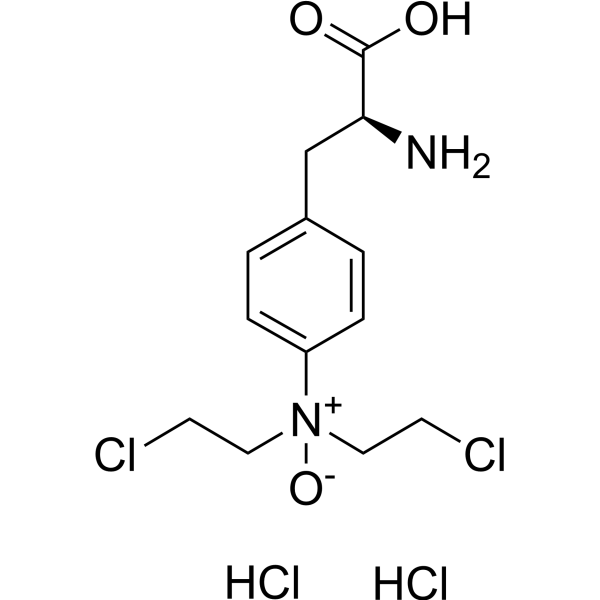 0 ImagesPX-478 is a multifunctional HIF-1α inhibitor with properties including radiosensitization, autophagy activation, and lipid accumulation inhibition. PX-478 also blocks hypoxia-induced VEGF production and regulates β-cell phenotypes under hypoxic conditions. PX-478 induces cell cycle arrest and DNA damage, restores autophagic function, reduces foam cell formation, and maintains glucose homeostasis. PX-478 is widely used in research on related diseases such as human tumors (e.g., prostate cancer), type 2 diabetes, and atherosclerosis.
-
Beta-Sitosterol (purity>98%)
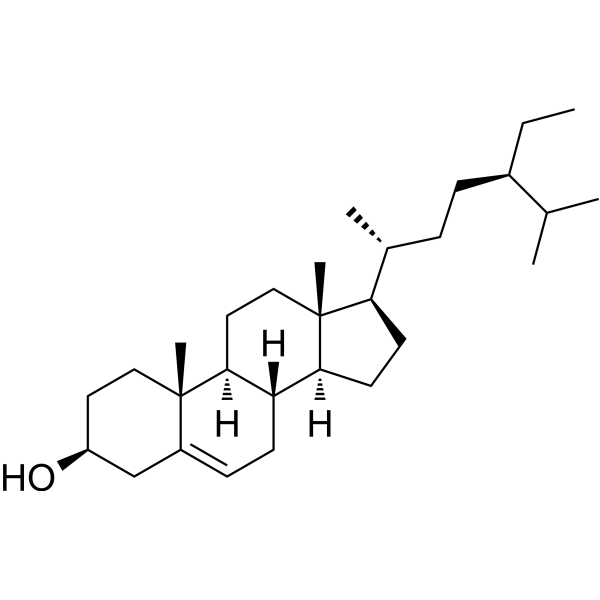 0 ImagesSynonyms: β-Sitosterol (purity>98%); 22,23-Dihydrostigmasterol (purity>98%)Beta-Sitosterol (purity>98%) is orally active. Beta-Sitosterol exhibits multiple activities, including anti-inflammatory, anticancer, antioxidant, antimicrobial, antidiabetic, antioxidant enzyme, and analgesic. Beta-Sitosterol inhibits inflammation and impaired adipogenesis in bovine mammary epithelial cells by reducing levels of ROS, TNF-α, IL-1β, and NF-κB p65 and restoring the activity of the HIF-1α/mTOR signaling pathway. Beta-Sitosterol induces apoptosis in cancer cells through ROS-mediated mitochondrial dysregulation and p53 activation. Beta-Sitosterol exerts its anticancer effects in cancer cells by activating caspase-3, caspase-8, and caspase-9, mediating PARP inactivation, MMP loss, altered Bcl-2-Bax ratio, and cytochrome c release. Beta-Sitosterol modulates macrophage polarization and reduces rheumatoid inflammation in mice. Beta-Sitosterol inhibits tumor growth in multiple mouse cancer models. Beta-Sitosterol can be used in the research of arthritis, lung cancer, breast cancer and other cancers, diabetes, etc.
-
Sapanisertib
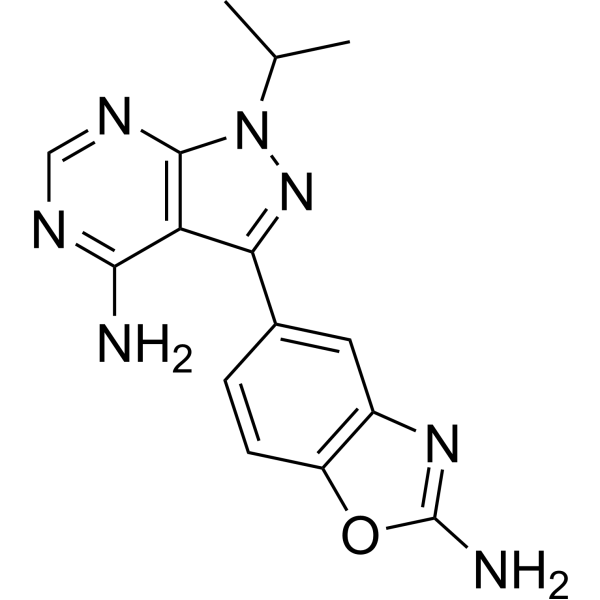 0 ImagesSynonyms: INK-128; MLN0128; TAK-228Sapanisertib (INK-128; MLN0128; TAK-228) is an orally active dual mTORC1/mTORC2 inhibitor. Sapanisertib directly and simultaneously inhibits mTORC1/2 activity through competitive binding with ATP, thereby comprehensively blocking downstream processes such as protein and lipid synthesis and cytoskeletal reorganization, consequently suppressing tumor cell proliferation and promoting apoptosis. Sapanisertib is applicable to research on melanoma, ovarian cancer, pulmonary fibrosis, and hematological malignancies.
-
Cryptochlorogenic acid
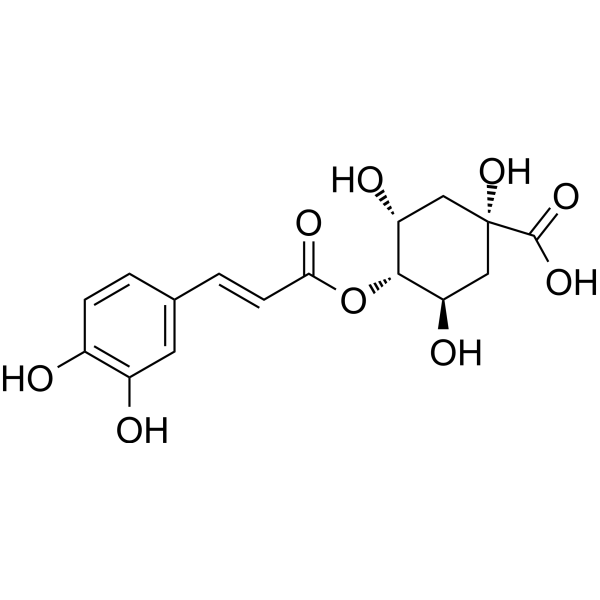 0 ImagesSynonyms: 4-Caffeoylquinic acid; 4-O-Caffeoylquinic acidCryptochlorogenic acid (4-Caffeoylquinic acid) is a naturally occurring phenolic acid compound with oral effectiveness, anti-inflammatory, antioxidant and anti-cardiac hypertrophy effects. Alleviating LPS (HY-D1056) and ISO (HY-B0468) by regulating proinflammatory factor expression, inhibiting NF-κB activity, promoting Nrf2 nuclear transfer, and regulating PI3Kα/Akt/ mTOR / HIF-1α signaling pathway Induced physiological stress response.
-
IDF-11774
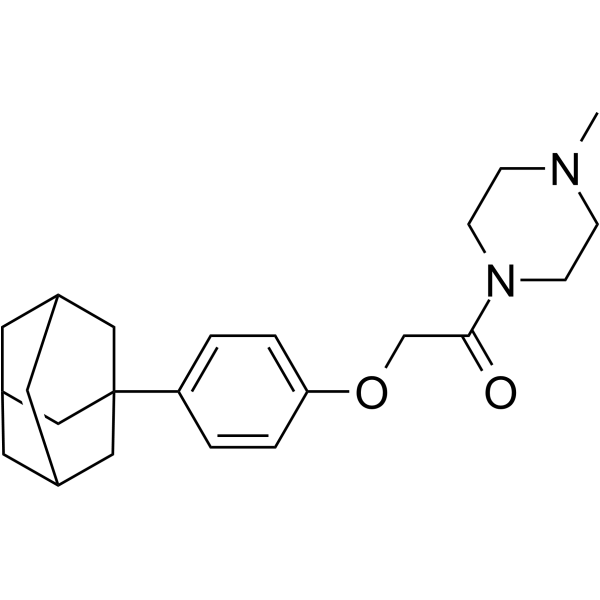 0 ImagesIDF-11774 is a novel hypoxia-inducible factor α (HIFα)-1 inhibitor with an IC50 of 3.65 μM.
-
Caulerpin
 0 ImagesCat. No.: HY-N10650CAS No.: 26612-48-6Caulerpin is an orally active natural product with anti-tumor, anti-viral, anti-oxidant, anti-fungal, anti-bacteria and analgesic activities. Caulerpin acts as an inhibitor of mitochondrial ETC complex I and acetylcholinesterase. Caulerpin blocks hypoxia-induced activation of HIF-1α protein, inhibits VEGF secretion and tumor angiogenesis under hypoxic conditions, reduces the expression of NLRP3 and the production of pro-inflammatory cytokines, and suppresses the load of Mycobacterium tuberculosis. Caulerpin can be used in studies related to breast cancer, prostate cancer, tuberculosis and viral infections.
-
iGP-1
 0 ImagesiGP-1 is a cell-permeable, selective mixed inhibitor of mitochondrial sn-glycerol-3-phosphate dehydrogenase (mGPDH), with IC50s of 6.3 μM and 13.6 μM for rat mGPDH activity and H2O2 production, respectively. iGP-1 specifically blocks the mitochondrial component of the glycerophosphate shuttle without affecting cytosolic GPDH. iGP-1 not only inhibits cell proliferation and glutaminolysis, and enhances glycolysis, but also significantly alters key cellular physiological processes such as apoptosis, ROS production, HIF-1α stability and mitochondrial membrane potential. iGP-1 remains active in neutrophil cultures under both normoxic and hypoxic conditions, and serves as an ideal probe for glycerol-3-phosphate metabolic mechanisms. iGP-1 has been applied to studies on prostate cancer and related metabolic pathways.
-
VHL-IN-1
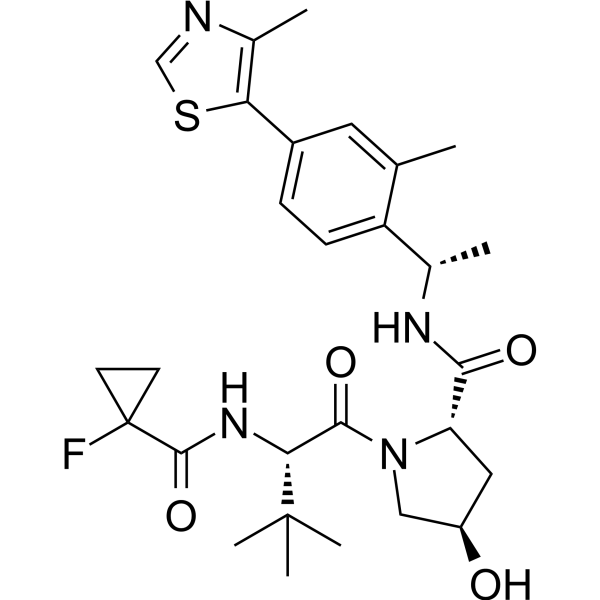 0 ImagesVHL-IN-1 (Compound 30) is an E3 ligase VHL inhibitor with a Kd value of 37 nM. VHL-IN-1 blocks VHL-mediated ubiquitination and degradation of HIF-1α. VHL-IN-1 stabilizes the protein levels of HIF-1α and hydroxylated HIF-1α, and induces the transcriptional activity of HIF-1α. VHL-IN-1 can be used for PROTAC development. VHL-IN-1 is applicable for cancer research.
-
Streptonigrin
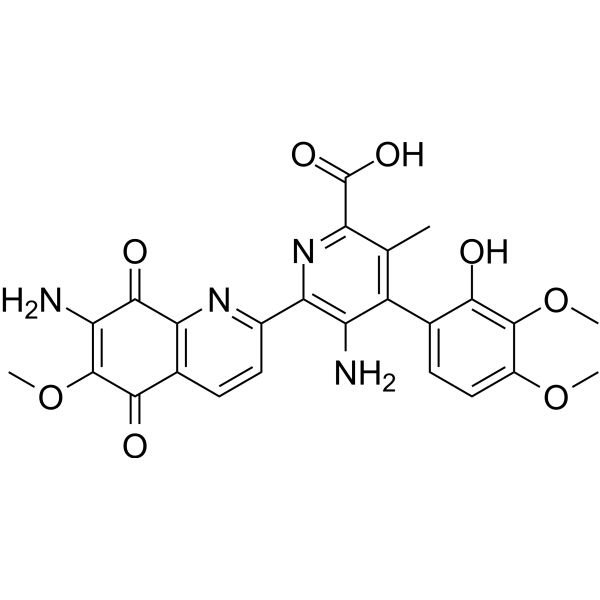 0 ImagesStreptonigrin (Bruneomycin) is an orally active antibiotic and pan-PAD inhibitor, inhibiting PAD1, PAD2, PAD3 and PAD4 with IC50 of 48.3 μM, 26.1 μM, 0.43 μM and 2.5 μM, respectively. Streptonigrin inhibits SENP1 (IC50 of 0.518 μM) and reduces HIF1α. Streptonigrin increases p53 and Apoptosis. Streptonigrin shows antiviral activity against Rauscher murine leukemia virus. Streptonigrin has immunosuppressive effects. Streptonigrin has antitumor activity against osteosarcoma.
-
GW-405833
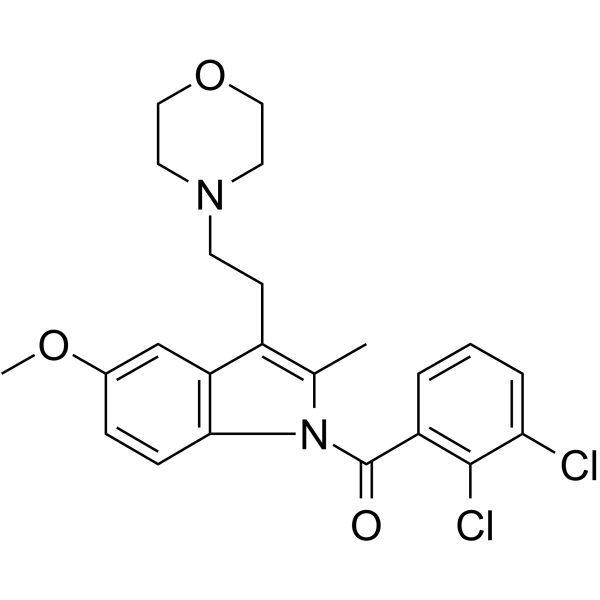 0 ImagesSynonyms: L768242GW-405833 (L768242) is a potent, selective cannabinoid receptor 2 (CB2) agonist. GW405833 has EC50 and Ki values of 0.65 nM and 3.92 nM for CB2, and EC50 and Ki values of 16.1 μM and 4772 nM for CB1. GW-405833 also exhibits non-competitive CB1 antagonist, exerting its analgesic and and anti-inflammatory effect through a CB1 receptor (rather than CB2) dependent mechanism. GW-405833 can significantly inhibit the production of cAMP stimulated by Forskolin (HY-15371). GW405833 inhibits glycolysis by down-regulating HIF-1α, thereby alleviating acute liver failure (ALF).
-
Dendrophenol
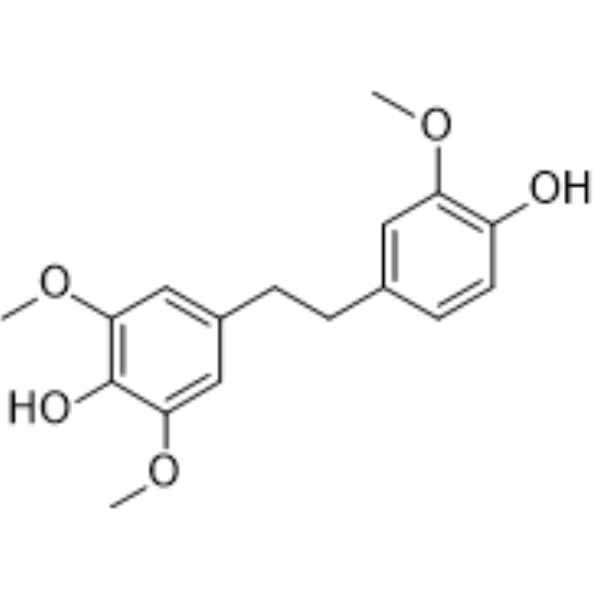 0 ImagesSynonyms: MoscatilinDendrophenol (Moscatilin) is a NF-κB inhibitor that inhibits inflammation. Dendrophenol exerts potent cytotoxic effect against tumor cells and induces cell cycle arrest and apoptosis. Dendrophenol has antitumor activity. In addition, Dendrophenol can inhibit vascular calcification by inhibiting the activation of WNT3/β-catenin.
-
Pseudolaric Acid B
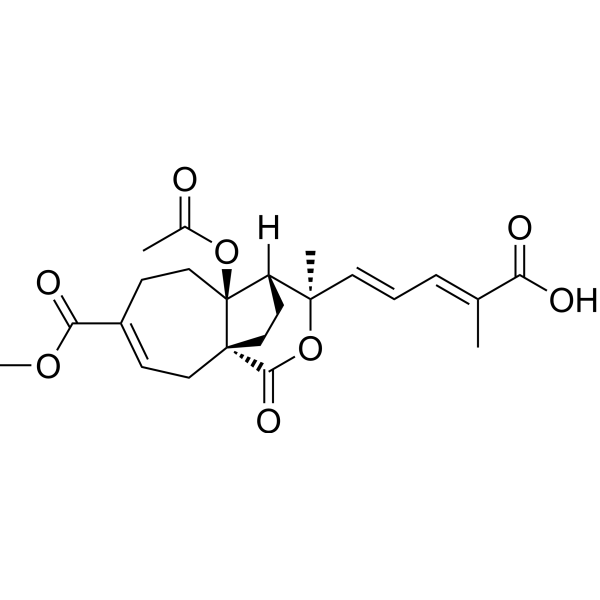 0 ImagesPseudolaric Acid B is an orally active diterpene acid. Pseudolaric Acid B has anti-fungal, anti-fertility, anti-angiogenesis and anticancer activity, and can induce tumor cell apoptosis and autophagy. In addition, Pseudolaric Acid B can inhibit the secretion of hepatitis B virus (HBV) and has immunosuppressive effect, selectively inhibiting the proliferation of T lymphocytes and the production of IL-2.
-
Cephalomannine
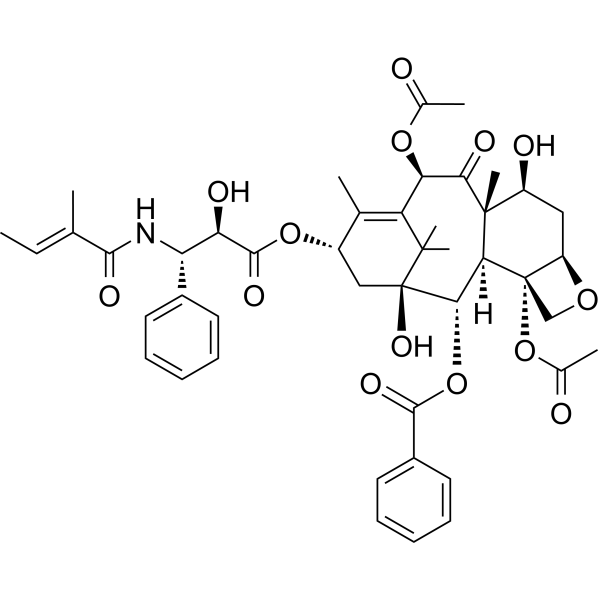 0 ImagesCephalomannine is a Paclitaxel (HY-B0015) alkaloidal analog that can be isolated from most Cephalotaxus species. Cephalomannine is an orally active anti-tumor agent and can be used as a chemotherapy agent for cancer research.
-
GW405833 hydrochloride
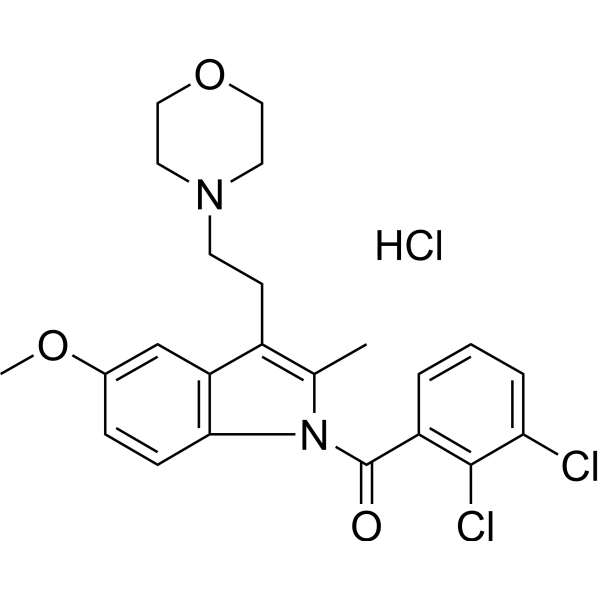 0 ImagesSynonyms: L768242 hydrochlorideGW405833 (L768242) hydrochloride is a potent, selective cannabinoid receptor 2 (CB2) agonist. GW405833 has EC50 and Ki values of 0.65 nM and 3.92 nM for CB2, and EC50 and Ki values of 16.1 μM and 4772 nM for CB1. GW405833 hydrochloride also exhibits non-competitive CB1 antagonist, exerting its analgesic effect through a CB1 receptor (rather than CB2) dependent mechanism. GW405833 hydrochloride can significantly inhibit the production of cAMP stimulated by Forskolin (HY-15371). GW405833 hydrochloride inhibits glycolysis by down-regulating HIF-1α, thereby alleviating acute liver failure (ALF).
-
Licoflavone A
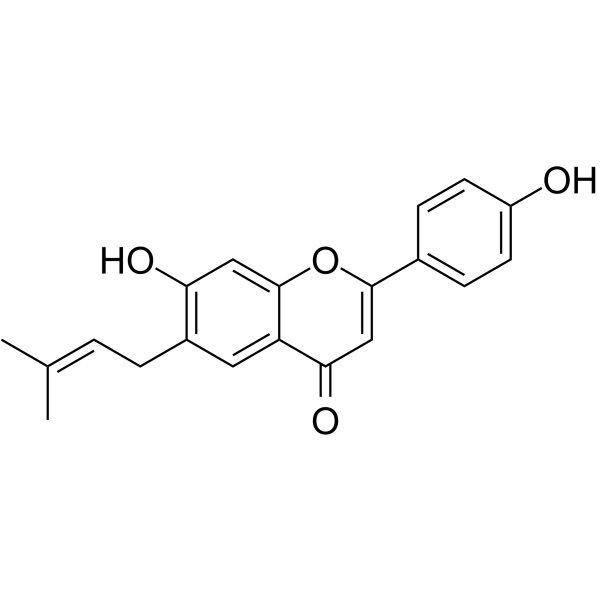 0 ImagesLicoflavone A is an orally active PTP1B/VEGFR-2 inhibitor, with an IC50 of 54.5 μM against PTP1B, an IC50 of 14.36 μM and a Kd of 142.38 nM against human VEGFR-2. Licoflavone A blocks the PI3K/AKT and MEK/ERK signaling pathways. Licoflavone A induces G1 phase cell cycle arrest, apoptosis via the intrinsic mitochondrial pathway (apoptosis), and inhibits migration, invasion and epithelial-mesenchymal transition (EMT) of gastric cancer cells. Licoflavone A inhibits the proliferation of gastric cancer cells in vitro and in xenograft models. Licoflavone A reduces the expression levels of HIF-1α, GLUT1, LDHA, PKM2 and HK2 in hypoxic gastric cancer cells, decreases glucose uptake and suppresses glycolysis. Licoflavone A can be used in research related to gastric cancer, type 2 diabetes and obesity.
-
PROTAC HIF-1α degrader-1
 0 ImagesCat. No.: HY-168641Purity: 98.02%PROTAC HIF-1α degrader-1 is a potent HIF-1α PROTAC degrader. PROTAC HIF-1α degrader-1 induces ubiquitination and degradation of HIF-1α protein under hypoxic conditions. PROTAC HIF-1α degrader-1 induces Apoptosis. PROTAC HIF-1α degrader-1 can be used for the research of breast cancer and hepatocellular carcinoma.
-
Iminostilbene
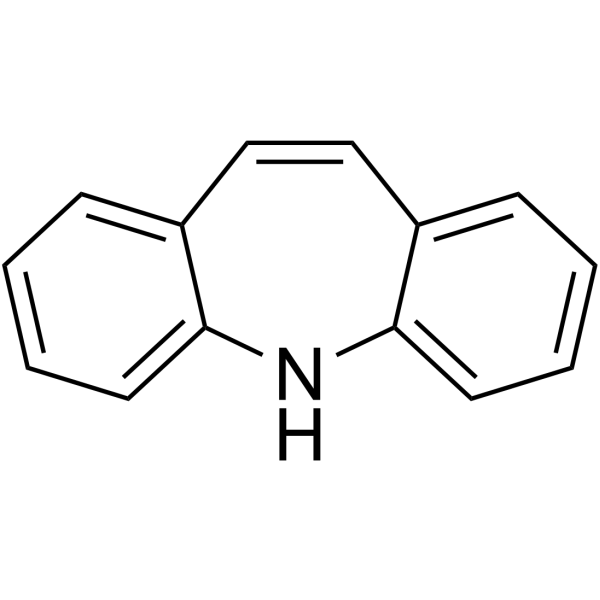 0 ImagesIminostilbene is a chemical precursor of carbamazepine. Additionally, Iminostilbene is an orally active inhibitor of PKM2 (Pyruvate Kinase M2) and COX2 (Cyclooxygenase-2). Iminostilbene exerts its effects by inhibiting PKM2 and its interaction with HIF-1α and STAT3, reducing COX2 and iNOS expression, and decreasing LPS-induced release of IL-1β, IL-6, TNF-α, and MCP-1, thereby suppressing macrophage-mediated inflammatory responses and improving myocardial ischemia/reperfusion (MI/R) injury. Iminostilbene holds promise for research in inflammation regulation, cardiovascular diseases (such as MI/R injury), and macrophage-mediated immune-related diseases.
-
Izilendustat
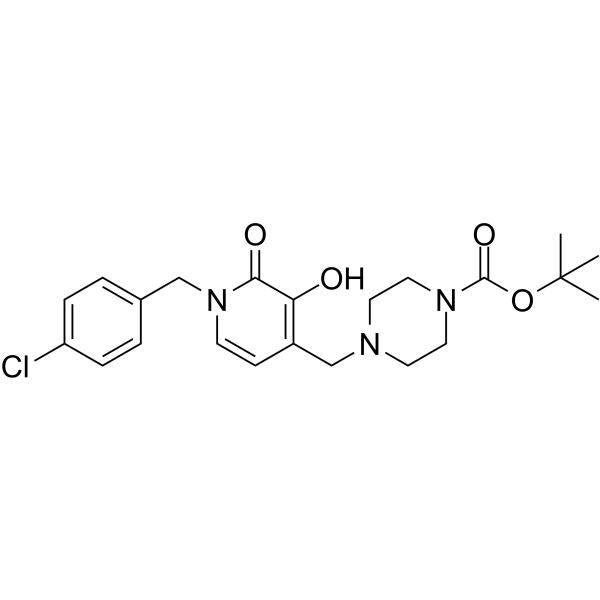 0 ImagesIzilendustat is a potent prolyl hydroxylase inhibitor. Izilendustat competitively inhibits HIFPH2 activity, blocks HIF-1α degradation, stabilizes HIF-1α and HIF-2α proteins, and upregulates downstream target gene expression. Izilendustat can reduce intestinal inflammation and damage, enhance the ability of phagocytes to clear pathogens, and improve ischemia-related pathological phenotypes. Izilendustat can be used for the research of inflammatory bowel disease, ischemic vascular disease and anemia.
-
Bendazol
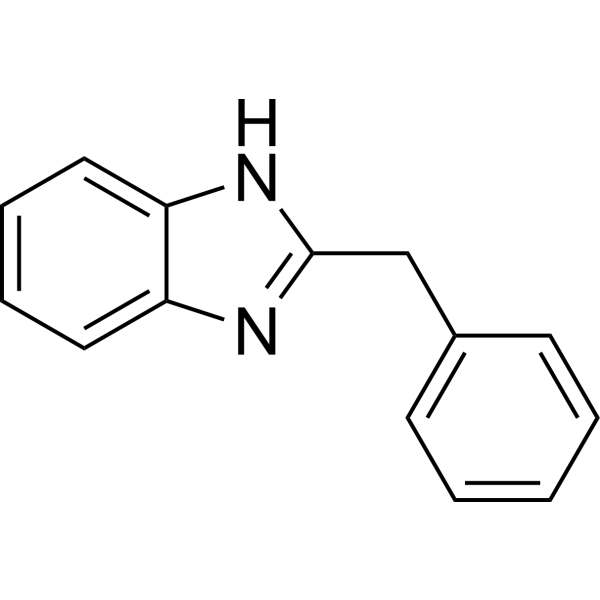 0 ImagesBendazol is an orally effective antihypertensive agent. Bendazol acts directly on vascular smooth muscle to dilate blood vessels and reduce peripheral resistance, thereby improving blood circulation. Bendazol significantly inhibits the development of myopia in rabbit models. Bendazol can regulate kidney function by increasing the activity of NO synthase in the rat model of nephrogenic hypertension. In addition, Bendazol has an effect on sexual behavior and spermatogenesis in male rats.
-
AG01
 0 ImagesCat. No.: HY-P991664AG01 is a monoclonal antibody against progranulin (GP88). AG01 inhibits triple-negative breast cancer (TNBC) cell proliferation and migration, reduces the expression of phosphorylated protein kinases p-Src, p-AKT, and p-ERK, and reduces the expression of oncogenic proteins such as Axl, c-MET, HIF-1α, and VEGF. AG01 inhibits tumor growth and Ki67 expression in a TNBC xenograft mouse model. AG01 can be used in the research of TNBC and other cancers.



