



Beta-Sitosterol (purity>98%)
Based on 27 publication(s) in Google Scholar
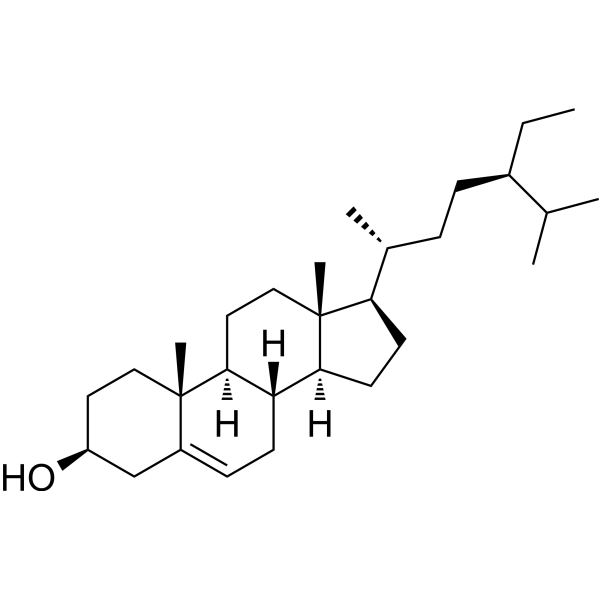
Beta-Sitosterol (purity>98%) is orally active. Beta-Sitosterol exhibits multiple activities, including anti-inflammatory, anticancer, antioxidant, antimicrobial, antidiabetic, antioxidant enzyme, and analgesic. Beta-Sitosterol inhibits inflammation and impaired adipogenesis in bovine mammary epithelial cells by reducing levels of ROS, TNF-α, IL-1β, and NF-κB p65 and restoring the activity of the HIF-1α/mTOR signaling pathway. Beta-Sitosterol induces apoptosis in cancer cells through ROS-mediated mitochondrial dysregulation and p53 activation. Beta-Sitosterol exerts its anticancer effects in cancer cells by activating caspase-3, caspase-8, and caspase-9, mediating PARP inactivation, MMP loss, altered Bcl-2-Bax ratio, and cytochrome c release. Beta-Sitosterol modulates macrophage polarization and reduces rheumatoid inflammation in mice. Beta-Sitosterol inhibits tumor growth in multiple mouse cancer models. Beta-Sitosterol can be used in the research of arthritis, lung cancer, breast cancer and other cancers, diabetes, etc.
연구목적의 판매만을 진행합니다. 환자를 대상으로 한 판매는 하지 않습니다.
- Purity : 99.74%
- CAS No.: 83-46-5
- 화학식: C29H50O
- 분자량:414.71
-
보관:
-20°C, protect from light
* In solvent : -80°C, 6 months; -20°C, 1 month (protect from light)

To place orders, for customer services and technical support, please contact: MedChemExpress USA
Tel: 609-228-6898 E-mail: [email protected] [email protected]


-
 Biological Activity
-
Chemical Information
-
용액&용해도
- Protocol
- 순도&문서
- References
-
 Help & FAQs


-
HY-N0131
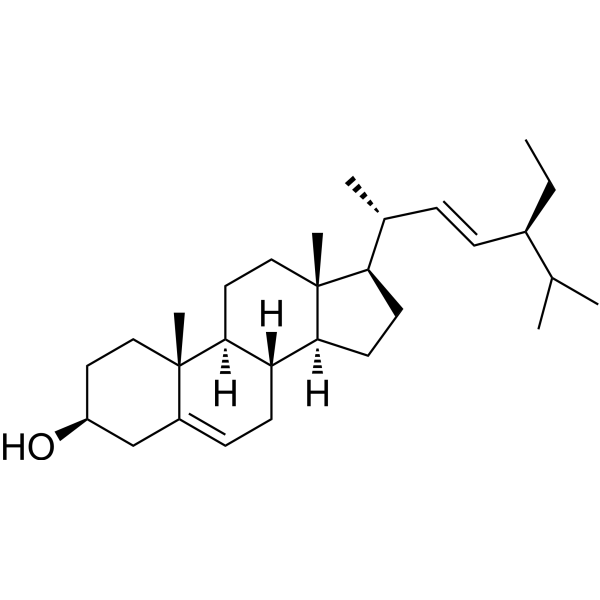
StigmasterolPlant Sterol -
HY-N1459
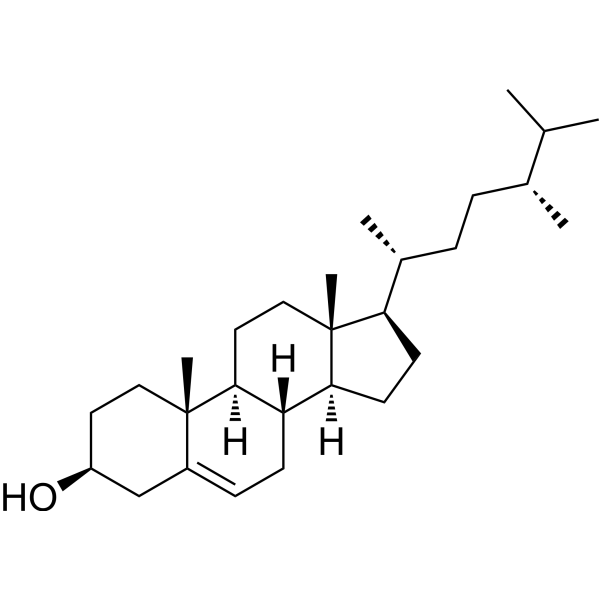
CampesterolEndogenous Metabolite -
HY-14590
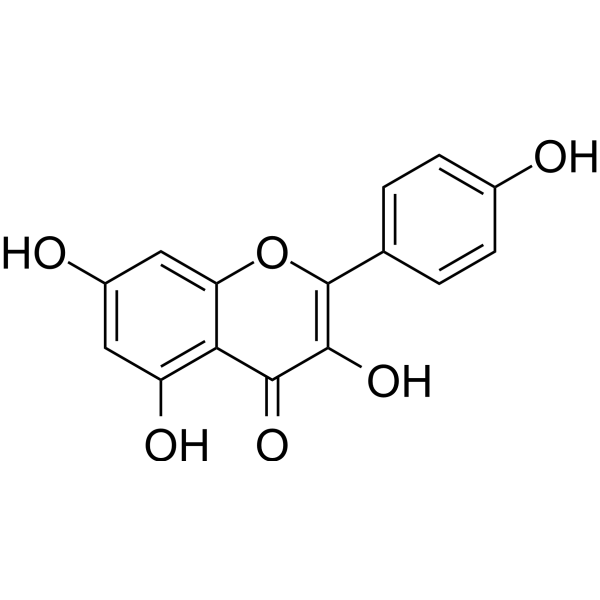
KaempferolEstrogen Receptor α Inhibitor -
HY-18085
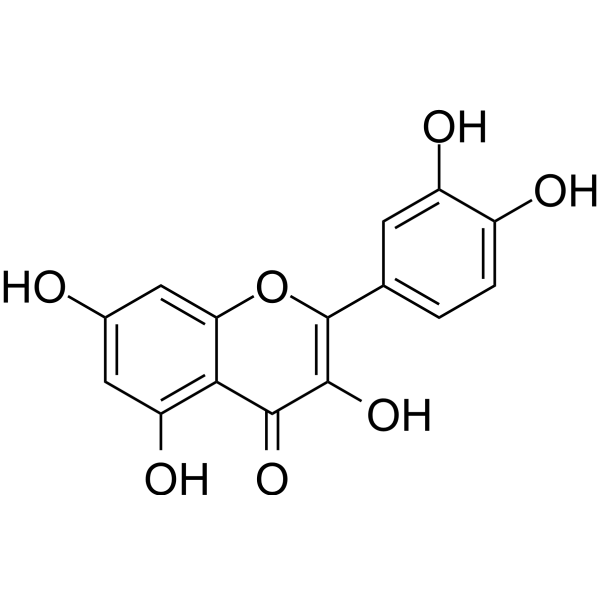
QuercetinFlavonoid Antioxidant -
HY-N0322
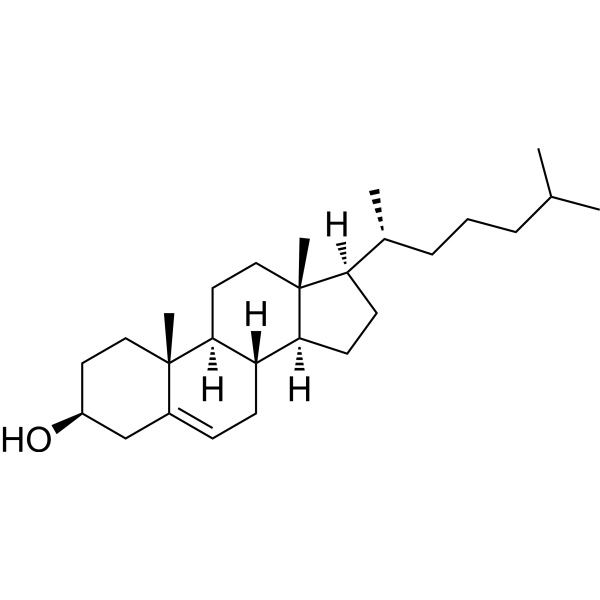
Cholesterol (from animal)ERRα Agonist -
HY-N0171
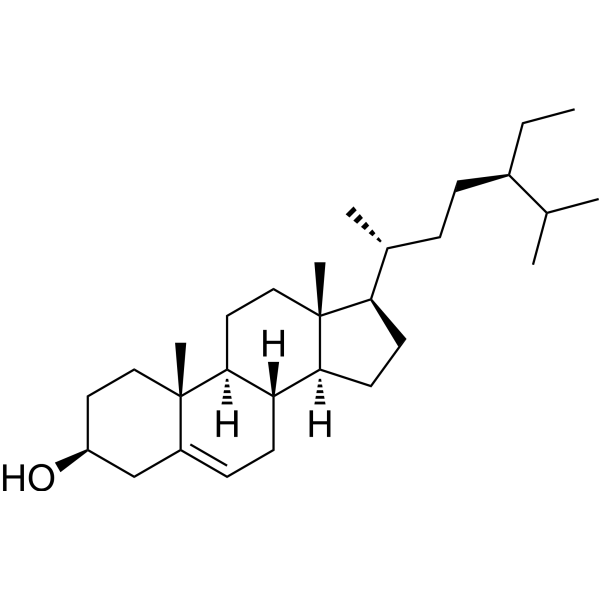
Beta-Sitosterol (purity>80%)Anticancer Nutraceutical -
HY-112005
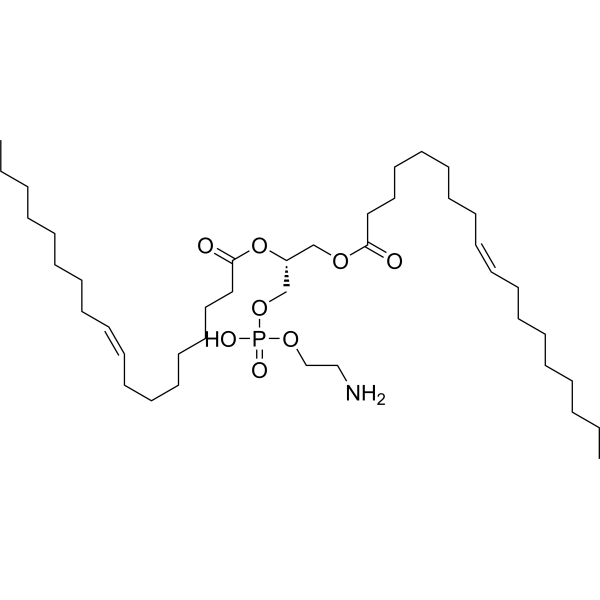
DOPEFerroptosis Inhibitor -
HY-W040193
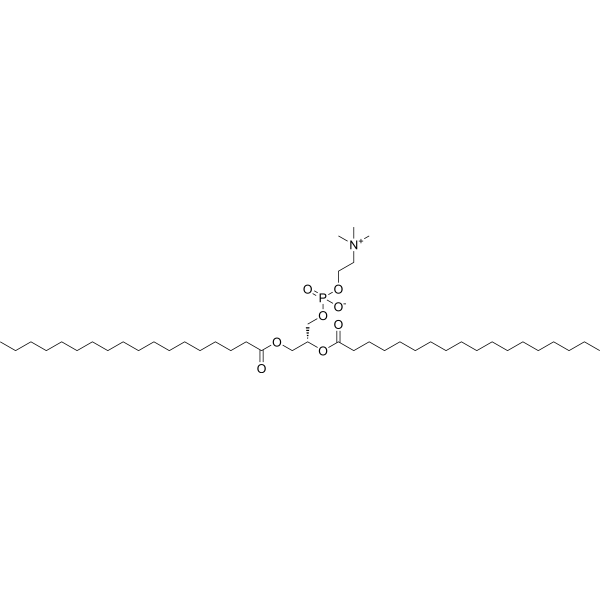
DSPCLiposome Compound -
HY-N0162
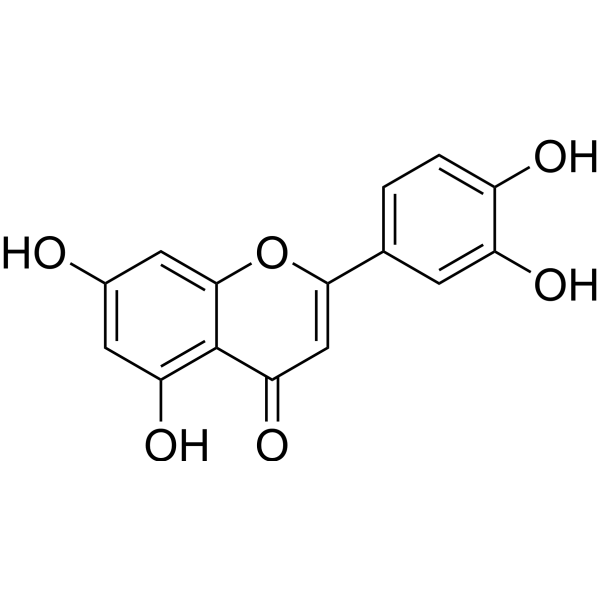
LuteolinNrf2 Inhibitor -
HY-N0171R
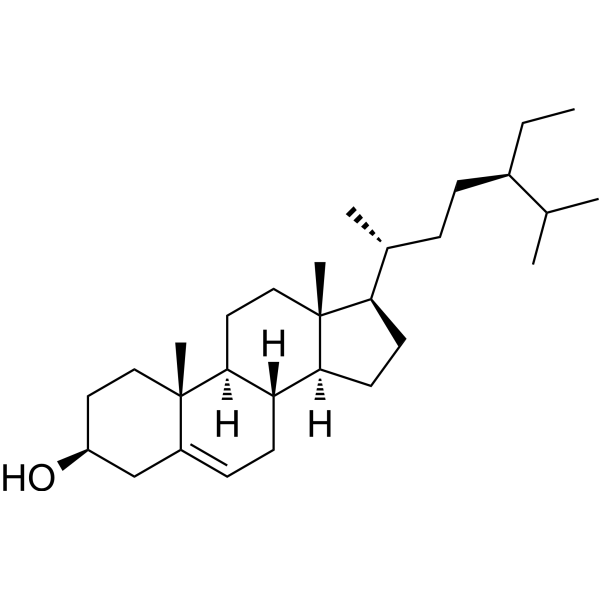
Beta-Sitosterol (Standard) -
HY-112764
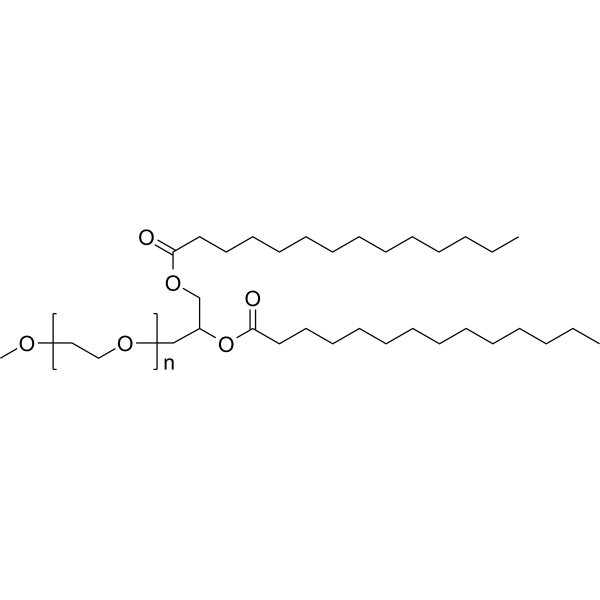
mPEG2000-DMGLiposome -
HY-112251
D-Lin-MC3-DMAsiRNA Delivery Vehicle
Publications Citing Use of MedChemExpress (MCE) Beta-Sitosterol (purity>98%)
More- Signal Transduct Target Ther. 2025 Dec 15;10(1):406. [Abstract]
- J Control Release. 2026 Apr 10:392:114691. [Abstract]
- Phytomedicine. 2024 Dec:135:156030. [Abstract]
- Phytother Res. 2026 May;40(5):2491-2513. [Abstract]
- Int J Pharm X. 2026 Apr 13:11:100543. [Abstract]
- J Ethnopharmacol. 2025 Sep 9;355(Pt A):120590. [Abstract]
- Biochem Pharmacol. 2026 Nov;253(Pt 1):118306.
- Acta Neuropathol Commun. 2020 Apr 22;8(1):56. [Abstract]
- Plant J. 2025 Nov;124(3):e70559. [Abstract]
- Int Immunopharmacol. 2026 Oct 15:187:117252.
- Mol Med Rep. 2025 Apr;31(4):95. [Abstract]
- Sci Rep. 2025 Jul 11;15(1):25045. [Abstract]
- Cell Signal. 2026 Dec:148:112847.
- Biosci Rep. 2020 Oct 30;40(10):BSR20201349. [Abstract]
- Processes (Basel). 2026 Jan;14(9):1351.
- Front Oncol. 2022 Aug 10;12:882784. [Abstract]
- Int J Environ Health Res. 2026 Feb 17:1-12. [Abstract]
- Int J Clin Pract. 2025 Aug 25.
- Lett Drug Des Discov. 2026 Feb 11.
- bioRxiv. 2026 Jul 6:2026.07.03.736431.
- SSRN. 2026 Jun 16.
- Discover Pharmaceutical Sciences. 2026 Jan 7;2(1):1.
- Res Sq. 2025 May 16.
- SSRN. 2025 May 6.
- Patent. US20240209361A1.
- Research Square Preprint. 2021. Jul.
- Evid Based Complement Alternat Med. 2020 Apr 29:2020:2760979. [Abstract]
 Customer Validation & Images

-
Cell Proliferation/Viability Assay
-
In Vivo Efficacy Study
-
WB
-
Cell Proliferation/Viability Assay
-
ELISA
All Caspase Isoforms
More

Biological Activity
제품 설명
|
Caspase 3 |
Caspase-8 |
Caspase-9 |
IL-1 |
HIF-1α |
IL-1β |
Bax |
Bcl-2 |
Cellular Effect
|
Cell Line

|
Type | Value | Description | References |
|---|---|---|---|---|
| 1A9 | ED50 |
10.6 μg/mL
Compound: 17
|
Cytotoxicity against human 1A9 cells after 6 days by SRB assay
Cytotoxicity against human 1A9 cells after 6 days by SRB assay
|
[PMID: 14640511] |
| 1A9 | ED50 |
16.8 μg/mL
Compound: 17
|
Cytotoxicity against human 1A9 cells after 3 days by SRB assay
Cytotoxicity against human 1A9 cells after 3 days by SRB assay
|
[PMID: 14640511] |
| 1A9/ptx-10 | ED50 |
20 μg/mL
Compound: 17
|
Cytotoxicity against human 1A9/PTX10 cells after 3 days by SRB assay
Cytotoxicity against human 1A9/PTX10 cells after 3 days by SRB assay
|
[PMID: 14640511] |
| 1A9/ptx-10 | ED50 |
9.5 μg/mL
Compound: 17
|
Cytotoxicity against human 1A9/PTX10 cells after 6 days by SRB assay
Cytotoxicity against human 1A9/PTX10 cells after 6 days by SRB assay
|
[PMID: 14640511] |
| A2780 | IC50 |
>10 μg/mL
Compound: page 1629, R26C1
|
Cytotoxicity against human A2780 cells after 96 hrs by MTT assay
Cytotoxicity against human A2780 cells after 96 hrs by MTT assay
|
[PMID: 17125236] |
| A549 | ED50 |
>20 μg/mL
Compound: 17
|
Cytotoxicity against human A549 cells after 3 days by SRB assay
Cytotoxicity against human A549 cells after 3 days by SRB assay
|
[PMID: 14640511] |
| A549 | IC50 |
>10 μg/mL
Compound: page 1629, R26C1
|
Cytotoxicity against human A549 cells after 96 hrs by MTT assay
Cytotoxicity against human A549 cells after 96 hrs by MTT assay
|
[PMID: 17125236] |
| Bel-7402 | IC50 |
>10 μg/mL
Compound: page 1629, R26C1
|
Cytotoxicity against human Bel-7402 cells after 96 hrs by MTT assay
Cytotoxicity against human Bel-7402 cells after 96 hrs by MTT assay
|
[PMID: 17125236] |
| BGC-823 | IC50 |
>10 μg/mL
Compound: page 1629, R26C1
|
Cytotoxicity against human BGC-823 cells after 96 hrs by MTT assay
Cytotoxicity against human BGC-823 cells after 96 hrs by MTT assay
|
[PMID: 17125236] |
| ECV-304 | IC50 |
472 μM
Compound: beta-sitosterol
|
Membranolytic activity in human ECV304 cells assessed as leakage of intracellular lactate dehydrogenase after 2 hrs by spectrophotometry
Membranolytic activity in human ECV304 cells assessed as leakage of intracellular lactate dehydrogenase after 2 hrs by spectrophotometry
|
[PMID: 22503361] |
| ECV-304 | IC50 |
472 μM
Compound: Beta-sitosterol
|
Membrane toxicity against human ECV304 cells after 2 hrs by LDH release assay
Membrane toxicity against human ECV304 cells after 2 hrs by LDH release assay
|
[PMID: 24084294] |
| ECV-304 | IC50 |
61 μM
Compound: beta-sitosterol
|
Cytotoxicity against human ECV304 cells after 72 hrs by Hoechst 33258 staining based fluorescence assay
Cytotoxicity against human ECV304 cells after 72 hrs by Hoechst 33258 staining based fluorescence assay
|
[PMID: 22503361] |
| ECV-304 | IC50 |
61 μM
Compound: Beta-sitosterol
|
Cytotoxicity against human ECV304 cells after 72 hrs by MTT assay
Cytotoxicity against human ECV304 cells after 72 hrs by MTT assay
|
[PMID: 24084294] |
| HCT-8 | ED50 |
>20 μg/mL
Compound: 17
|
Cytotoxicity against human HCT8 cells after 3 days by SRB assay
Cytotoxicity against human HCT8 cells after 3 days by SRB assay
|
[PMID: 14640511] |
| HCT-8 | IC50 |
>10 μg/mL
Compound: page 1629, R26C1
|
Cytotoxicity against human HCT8 cells after 96 hrs by MTT assay
Cytotoxicity against human HCT8 cells after 96 hrs by MTT assay
|
[PMID: 17125236] |
| HeLa | IC50 |
46.22 μM
Compound: 9
|
Cytotoxicity against human HeLa cells by MTT assay
Cytotoxicity against human HeLa cells by MTT assay
|
[PMID: 19447618] |
| HEp-2 | IC50 |
11.4 μM
Compound: 119
|
Antiproliferative activity against human Hep2 cells by MTT assay
Antiproliferative activity against human Hep2 cells by MTT assay
|
[PMID: 30830783] |
| HT-1080 | IC50 |
2.5 μM
Compound: Angelicin
|
Cytotoxicity against human HT1080 cells assessed as reduction in cell viability
Cytotoxicity against human HT1080 cells assessed as reduction in cell viability
|
[PMID: 30660827] |
| HUVEC | ED50 |
>5 μg/mL
Compound: beta-sitosterol
|
Cytotoxicity against HUVEC
Cytotoxicity against HUVEC
|
[PMID: 15043409] |
| J774 | IC50 |
>241.1 μM
Compound: 11
|
Cytotoxicity against mouse J774 cells by alamar blue assay
Cytotoxicity against mouse J774 cells by alamar blue assay
|
[PMID: 17637068] |
| KB | ED50 |
>20 μg/mL
Compound: 17
|
Cytotoxicity against human KB cells after 3 days by SRB assay
Cytotoxicity against human KB cells after 3 days by SRB assay
|
[PMID: 14640511] |
| KB | IC50 |
>10 μg/mL
Compound: 119
|
Antiproliferative activity against human KB cells assessed as reduction in cell viability
Antiproliferative activity against human KB cells assessed as reduction in cell viability
|
[PMID: 30830783] |
| KB | IC50 |
>241.5 μM
Compound: 119
|
Antiproliferative activity against human KB/HeLa cells assessed as reduction in cell viability
Antiproliferative activity against human KB/HeLa cells assessed as reduction in cell viability
|
[PMID: 30830783] |
| LNCaP | ED50 |
>5 μg/mL
Compound: beta-sitosterol
|
Cytotoxicity against human LNCAP cells
Cytotoxicity against human LNCAP cells
|
[PMID: 15043409] |
| Lu1 | ED50 |
>5 μg/mL
Compound: beta-sitosterol
|
Cytotoxicity against human Lu1 cells
Cytotoxicity against human Lu1 cells
|
[PMID: 15043409] |
| MCF7 | ED50 |
>20 μg/mL
Compound: 17
|
Cytotoxicity against human MCF7 cells after 3 days by SRB assay
Cytotoxicity against human MCF7 cells after 3 days by SRB assay
|
[PMID: 14640511] |
| MCF7 | ED50 |
>5 μg/mL
Compound: beta-sitosterol
|
Cytotoxicity against human MCF7 cells
Cytotoxicity against human MCF7 cells
|
[PMID: 15043409] |
| MCF7 | IC50 |
42.1 μM
Compound: 9
|
Cytotoxicity against human MCF7 cells by MTT assay
Cytotoxicity against human MCF7 cells by MTT assay
|
[PMID: 19447618] |
| PC-3 | ED50 |
>20 μg/mL
Compound: 17
|
Cytotoxicity against human PC3 cells after 3 days by SRB assay
Cytotoxicity against human PC3 cells after 3 days by SRB assay
|
[PMID: 14640511] |
| SK-MEL-1 | IC50 |
>50 μM
Compound: 9
|
Cytotoxicity against human SK-MEL-1 cells by MTT assay
Cytotoxicity against human SK-MEL-1 cells by MTT assay
|
[PMID: 19447618] |
| U-87MG ATCC | ED50 |
>20 μg/mL
Compound: 17
|
Cytotoxicity against human U87MG cells after 3 days by SRB assay
Cytotoxicity against human U87MG cells after 3 days by SRB assay
|
[PMID: 14640511] |
| Vero | IC50 |
>128 μg/mL
Compound: 4
|
Cytotoxicity against african green monkey Vero cells
Cytotoxicity against african green monkey Vero cells
|
[PMID: 18818073] |
In Vitro
Beta-Sitosterol (0-40 µM, 24 h) decreases cell viability with concentrations exceeding 5 µM in MAC-T cells
[1].
Beta-Sitosterol (1 µM, 24 h) increases the levels of CAT, GSH, T-AOC, T-SOD and decreases the level of ROS, TNF-α, IL-1β, NF-κB p65 in LPS (HY-D1056)-induced MAC‐T cells[1].
Beta-Sitosterol (1 µM, 24 h) inhibits apoptosis, attenuates the expression levels of caspase-3 and Bax, increases the levels of Bcl-2 and Bcl-2/Bax radio in LPS-induced MAC‐T cells[1].
Beta-Sitosterol (1 µM, 24 h) restores HIF-1α/mTOR signaling pathway viability and the expression of fat synthesis-related Genes (SCD, PSMA5, FASN, SREBP1) in LPS-induced MAC-T cells[1].
Beta-Sitosterol (25-200 µM, 24-72 h) affectes the growth of A549 cells, with an IC50 of 24.7 μM at 72 h, increases the release of LDH in A549 cells, affects the viability of NCI-H460 cells, but does not affect the growth and viability of normal human lung, PBMC cells and NCI-H23 cells[2].
Beta-Sitosterol (25-200 µM, 24-72 h) induces cell cycle arrest at Sub-G1 phase, reduces the expression of Cyclin D1 and CDK2 in A549 cells[2].
Beta-Sitosterol (25-200 µM, 0-72 h) induces apoptosis occurred via mitochondrial dysfunction and ROS mediated DNA damage in A549 cells[2].
Beta-Sitosterol (25-200 µM, 0-72 h) elevates the expression levels of caspase-3, caspase-9, cleavage PARP, Bax, p53 and pSer15-p53, suppresses the expression levels of Bcl-2 in A549 cells[2].
Beta-Sitosterol (25-200 µM, 72 h) induces apoptosis occurred via the activation of p53 in NCI-H460 cells[2].
Beta-Sitosterol decreases the expression of both TrxR1 and Trx1 in A549 and NCI-H460 cells[2].
Beta-Sitosterol (5-50 µM, 24 h) blocks M1 but promotes M2 macrophage polarization in IFN-γ/IL-4-stimulated BMBMs[3].
Beta-Sitosterol (1-150 μM/L, 5 days) increases MCF-7 cells proliferation[5].
Beta-Sitosterol (8-16 μM, 5 days) causes a significant reduction in cell growth, alters composition of cell membranes in MCF-7 and MDA-MB-231 cells[6].
Beta-Sitosterol (16 μM, 1-3 days) increases caspase-8 activity and Fas protein levels in MCF-7 and MDA-MB-231 cells[6].
Beta-Sitosterol (0.1-100 μM, 18 h) reduces VCAM-1 and ICAM-1 expression, attenuates phosphorylation of NFkB p65 in TNF-α- stimulated HAEC, inhibits binding of U937 cells to TNF-α-stimulated HAEC[7].
Beta-Sitosterol (50 μM, 1-6 h) reverts the enhancement of GSSG levels and the impairment of GSH levels or the GSH/total glutathione ratio induced by PMA (HY-18739) in RAW 264.7 cells[8].
Beta-Sitosterol (50 μM, 1-6 h) increases GPx and Mn SOD activities, and decreases catalase activity in RAW 264.7 cells[8].
MedChemExpress (MCE) has not independently confirmed the accuracy of these methods. They are for reference only.
-
Cell Line:MAC-T cells
-
Concentration:0, 0.01, 0.1, 1, 5, 10, 20, 30, and 40 µM
-
Incubation Time:24 h
-
Result:Decreased cell viability with concentrations exceeding 5 µM.
-
Cell Line:LPS (1 µg/mL)-induced MAC-T cells
-
Concentration:1 µM
-
Incubation Time:24 h
-
Result:Decreased the level of DCFH-DA.
-
Cell Line:LPS (1 µg/mL)-induced MAC-T cells
-
Concentration:1 µM
-
Incubation Time:24 h
-
Result:Slowed the mRNA expression levels of pro-inflammatory factors TNF-α and IL-1β down.
Upregulated the mRNA levels of HIF-1α and mTOR.
Restored the mRNA expression of fatty acid synthase (FASN) and sterol regulatory element-binding protein 1 (SREBP1) to the controls.
-
Cell Line:LPS (1 µg/mL)-induced MAC-T cells
-
Concentration:1 µM
-
Incubation Time:24 h
-
Result:Attenuated NF-κB p65 production by LPS-induced and restored it to the same level as the control group.
Upregulated the protein expression of HIF-1α and the ratio of p-mTOR/mTOR.
Restored the protein expression of stearoyl coenzyme A dehydrogenase (SCD), proteasome 20 s subunit α5 (PSMA5) to the controls.
-
Cell Line:LPS (1 µg/mL)-induced MAC-T cells
-
Concentration:1 µM
-
Incubation Time:24 h
-
Result:Inhibited the apoptosis caused by LPS, attenuated the expression levels of mRNA and protein of caspase-3 and pro-apoptotic protein B-cell lymphoma-2-associated X protein (Bax), increased the protein levels of Bcl-2 and Bcl-2/Bax radio.
-
Cell Line:A549 cells
-
Concentration:25, 50, 100, 200 µM
-
Incubation Time:24, 48 and 72 h
-
Result:Affected the growth of cells in a concentration and time diferent manner.
-
Cell Line:A549 cells
-
Concentration:25, 50, 100, 200 µM
-
Incubation Time:72 h
-
Result:Increased the number of PI positive cells.
-
Cell Line:A549 cells
-
Concentration:25, 50, 100, 200 µM
-
Incubation Time:24, 48, 72 h
-
Result:Induced cell cycle arrest at Sub-G1 phase in a time dependent, reduced the expression of both Cyclin D1 and CDK2.
-
Cell Line:A549 cells
-
Concentration:25, 50, 100, 200 µM
-
Incubation Time:0, 1, 6, 24, 48, 72 h
-
Result:Increased early apoptotic cells and few late apoptotic cells upon 25μM exposure, elevated the protein expression levels of caspase-3, caspase-9, cleavage PARP.
Induced a concentration dependent disruption of ΔΨm afer 72h treatment, induced the release of cytochrome c into the cell cytoplasm in a dose dependent manner, suppressed the Bcl-2 and strongly increased the expression of Bax in a dose dependent manner.
Induced generation of DCF fuorescence at 6h of BS treatment and peaked at 12-48h time point, decreased at 72 h, caused severe DSBs and elevation of tail and olive movement, caused chromatin condensation and morphological alteration.
Up-regulated the protein expression of p53 and pSer15-p53.
-
Cell Line:NCI-H460 cells
-
Concentration:25, 50, 100, 200 µM
-
Incubation Time:72 h
-
Result:Induced cell shrinkage, elongation and reduced cell populations, elevated the protein expression levels of caspase-3, caspase-9, cleavage PARP.
Reduced the expression of Bcl-2 protein and signifcant elevated Bax and cytochrome c, up-regulated p53, pSer15-p53 and p21 expression.
-
Cell Line:BMDMs
-
Concentration:5, 25, 50 µM + 10 ng/mL IFN-γ/IL-4
-
Incubation Time:24 h
-
Result:Decreased NOS and IL-1β to 50.2% and 47.1% at 25 μM in the presence of IFN-γ, and increased the expression of arginase-1 by approximately 0.5-fold and IL-10 by approximately 1-fold in the presence of IL-4, compared with vehicle-treated BMDMs.
-
Cell Line:HAECs
-
Concentration:0.1, 1, 10, 50, 100 µM + TNF-α (1 ng/mL), 24 h
-
Incubation Time:18 h
-
Result:Significantly dose-dependent reduced VCAM-1 and ICAM-1 expression.
In Vivo
Beta-Sitosterol (2-5 mg/20 g mouse, i.p., once) plays an analgesic role in Acetic acid (HY-Y0319)-induced Swiss Webster albino mice model[4].
Beta-Sitosterol (2 mg/20 g mouse, i.p., once) plays an anti-inflammatory role in Carrageenan (HY-125474)-induced mouse paw oedema model[4].
Beta-Sitosterol (9.8 g/kg diet, o.p., 18 weeks) inhibits the growth of estrogen-responsive breast cancer cells of MCF-7 tumors implanted in ovariectomized athymic mice[5].
Beta-Sitosterol (10-20 mg/kg, o.p., once a day, 21 days) has antidiabetic as well as antioxidant effects in Streptozotocin (HY-13753)-induced diabetes Wistar rats model[9].
MedChemExpress (MCE) has not independently confirmed the accuracy of these methods. They are for reference only.
-
Animal Model:CIA mice (six-week-old male C57BL/6) model[3]
-
Dosage:20, 50 mg/kg + 30 μg LPS, i.p., on day 3
-
Administration:i.p., every 2 days, 31 days
-
Result:Suppressed hind paw swelling and the production of collagen-specific IgG and IgG1, but not IgG2c.
Decreased IL-1β, IL-6, and IL-12 levels and increased IL-10 levels.
-
Animal Model:CIA mice (six-week-old male C57BL/6) model[3]
-
Dosage:2 × 10⁶ BMDMs treating with 25 μM BS + 30 μg LPS, i.p., on day 3
-
Administration:i.v., once
-
Result:Reduced ankle swelling and synovial inflammation, reduced serum collagen-specific IgG, IgG1, and IgG2a antibodies, as well as IL-1β and IL-6, and increased serum IL-10 levels.
-
Animal Model:Acetic acid-induced (0.7%, 0.2 mL/20 g mouse, i.p.) Swiss Webster albino mice (20-25 g) model[4]
-
Dosage:2, 5 mg/20 g mouse
-
Administration:i.p., once
-
Result:Reduced peristalsis by 70%, exhibited a 300% increase in pain tolerance.
-
Animal Model:Carrageenan-induced mouse paw oedema model[4]
-
Dosage:2 mg/20 g mouse
-
Administration:i.p., once
-
Result:Changed paw oedema volume by 16.7%.
-
Animal Model:MCF-7 tumors implanted (1 × 10⁵, 40 μL) ovariectomized athymic nude mice (female athymic BALB/c) model[5]
-
Dosage:9.8 g/kg diet
-
Administration:o.p., 18 weeks
-
Result:Did not affect tumor growth, regressed tumors after removal of the E2 pellet at wk 7, reduced 1:47 E2-induced tumor growth by 38.9%.
Downregulated Bcl-2 expression in the 1:47 E2 group by 38%, lowered the serum E2 level in the 1:47 E2 group by 35.1%.
-
Animal Model:Streptozotocin-induced (i.p., 50 mg/kg) diabetes male albino Wistar rats (170-190 g) model[9]
-
Dosage:10, 15, 20 mg/kg
-
Administration:o.p., once a day, 21 days
-
Result:Reduced blood glucose (37.5%, 45.2%, and 50.4% in diabetic rats) and NO (16.4%, 28.4%, and 47.1% in diabetic rats).
Prevented the induction of diabetes by 77.8% and 100% at 10, 15 mg/kg, increased insulin levels and lowered HbA1c levels, dose-dependent increased pancreatic protein content.
Improved antioxidant activity and significantly reduced LPO levels, caused the pancreatic cells to rejuvenate.
- Research Protocol for Infectious Diseases
- Mitochondrial membrane-potential fluorescent assay
- Annexin V plus membrane-impermeant dye apoptosis staining
- ROS/oxidative-stress fluorescent staining
- Patient-Derived Orthotopic Xenograft (PDOX)
- Research Protocol for Inflammation-related Diseases
- Breast Cancer Modeling
- Research Protocol for Metabolic Diseases
- Phagocytosis Functional Assay
- 3T3-L1 preadipocyte-to-adipocyte differentiation
- Collagen-Induced Arthritis
- Detection of Apoptosis
- TUNEL staining for apoptotic DNA fragmentation
- Mitochondrial membrane-potential and mitochondrial mass staining
- Patient-Derived Xenograft (PDX)
- Apoptosis Solutions
- Primary monocyte-to-macrophage differentiation
- Subcutaneous Cell-Line-Derived Xenograft
- Orthotopic Cell-Line Xenograft
- Lipid Droplets: Oil Red O/Sudan Dye Lipid Staining
- Pyroptosis Solutions


Chemical Information
-
CAS No. 83-46-5
-
Appearance Solid
-
분자량 414.71
-
화학식 C29H50O
-
Color White to off-white
-
SMILES
CC[C@@H](C(C)C)CC[C@@H](C)[C@H]1CC[C@@]2([H])[C@]3([H])CC=C4C[C@@H](O)CC[C@]4(C)[C@@]3([H])CC[C@]12C
-
Synonyms
β-Sitosterol (purity>98%); 22,23-Dihydrostigmasterol (purity>98%)
-
Structure Classification
-
선적
Room temperature in continental US; may vary elsewhere.
-
보관
-20°C, protect from light
* In solvent : -80°C, 6 months; -20°C, 1 month (protect from light)


Publications (27)
-
Journal Impact Factor
-
Most Recent
-
Signal Transduct Target Ther
Selective depletion of tumor-associated SAMHD1 enhances chemotherapeutic efficacy and antitumor immune responses. [Abstract]2025 Dec 15;10(1):406. PMID: 41392286 -
J Control Release
Single intravitreal injection of lipid nanoparticles delivering circular mRNA of nicotinamide phosphoribosyltransferase protects against dry AMD. [Abstract]2026 Apr 10:392:114691. PMID: 41672305 -
Phytomedicine
β-sitosterol alleviates pulmonary arterial hypertension by altering smooth muscle cell phenotype and DNA damage/cGAS/STING signaling. [Abstract]2024 Dec:135:156030. PMID: 39265206 -
Phytother Res
β-Sitosterol Suppresses Osteoclastogenesis and Alleviates Bone Loss by Targeting Tmed10 to Inhibit RANKL-Induced Hedgehog/MAPK Signaling and ROS. [Abstract]2026 May;40(5):2491-2513. PMID: 41703993 -
Int J Pharm X
Cutaneous delivery of bioactive components from a rice bran oil nanoemulsion and their biodistribution in porcine and human skin. [Abstract]2026 Apr 13:11:100543. PMID: 42028061 -
J Ethnopharmacol
Ethanol extract of Liriodendron tulipifera leaves displays anti-inflammatory activity by suppressing the Syk/Src/NF-κB pathway. [Abstract]2025 Sep 9;355(Pt A):120590. PMID: 40935214 -
-
Acta Neuropathol Commun
Unilateral intranigral administration of β-sitosterol β-D-glucoside triggers pathological α-synuclein spreading and bilateral nigrostriatal dopaminergic neurodegeneration in the rat. [Abstract]2020 Apr 22;8(1):56. PMID: 32321590 -
Plant J
Unveiling the inequivalent biochemical functions of OsSMO2-1 and OsSMO2-2 in rice phytosterol biosynthesis using a customized sterol standards mixture. [Abstract]2025 Nov;124(3):e70559. PMID: 41194406 -
-
Mol Med Rep
Mechanism of β‑sitosterol in treating keloids: Network pharmacology, molecular docking and experimental verification. [Abstract]2025 Apr;31(4):95. PMID: 39981895 -
Sci Rep
Beta sitosterol inhibits the proliferation and migration of synoviocytes in rheumatoid arthritis via lactylation of GPI. [Abstract]2025 Jul 11;15(1):25045. PMID: 40646091 -
-
Biosci Rep
Experimental evidence and network pharmacology-based analysis reveal the molecular mechanism of Tongxinluo capsule administered in coronary heart diseases. [Abstract]2020 Oct 30;40(10):BSR20201349. PMID: 32990315
Beta-Sitosterol (purity>98%) purchased from MedChemExpress. Usage Cited in: Biosci Rep. 2020 Oct 30;40(10):BSR20201349. [Abstract]
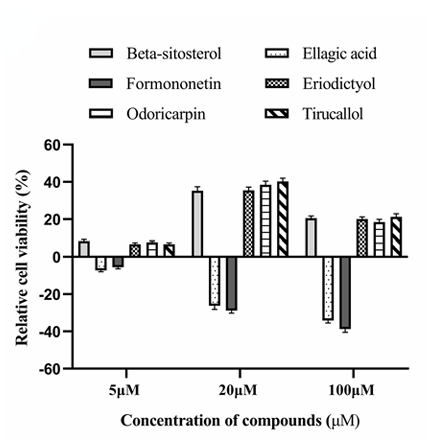
Beta-sitosterol (5–100 μM; 48 h). Different concentrations of active compounds on improvement rate.
Beta-Sitosterol (purity>98%) purchased from MedChemExpress. Usage Cited in: Biosci Rep. 2020 Oct 30;40(10):BSR20201349. [Abstract]
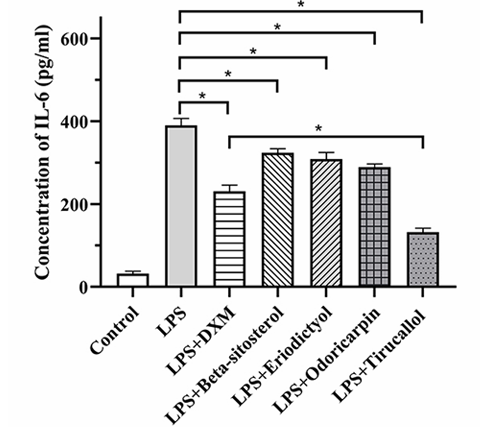
Beta-Sitosterol (40 μM; 30 min) reduced IL-6 concentration.
-
-
Front Oncol
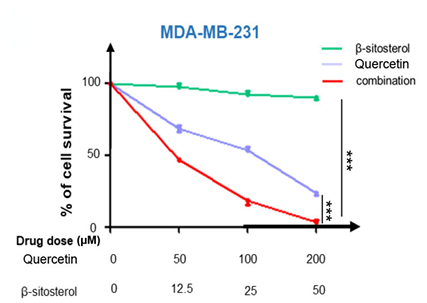
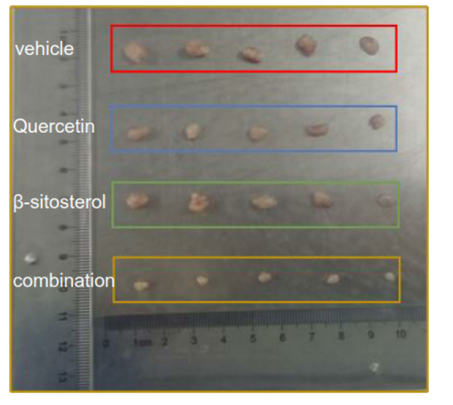
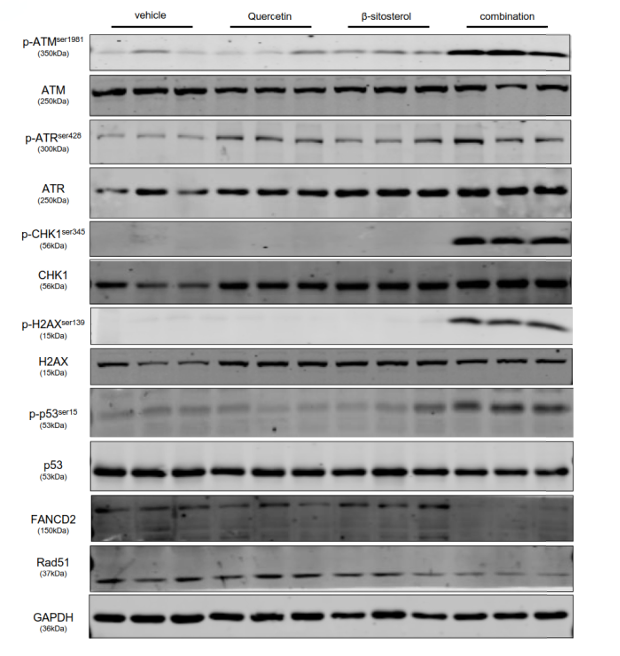
Salvia chinensis Benth Inhibits Triple-Negative Breast Cancer Progression by Inducing the DNA Damage Pathway. [Abstract]2022 Aug 10;12:882784. PMID: 36033499
Beta-Sitosterol (purity>98%) purchased from MedChemExpress. Usage Cited in: Front Oncol. 2022 Aug 10;12:882784. [Abstract]
TNBC cells were simultaneously treated with quercetin and/or β-sitosterol for 48 h. Cell viability was measured via CCK-8 assay.
Beta-Sitosterol (purity>98%) purchased from MedChemExpress. Usage Cited in: Front Oncol. 2022 Aug 10;12:882784. [Abstract]
Mice were administered β-sitosterol (75 mg/kg) each day via oral gavage. Nude mice were subcutaneously injected with MDA-MB-231 cells. Representative images showed the dissected tumors in distinct treatment groups as specified at the endpoint.
Beta-Sitosterol (purity>98%) purchased from MedChemExpress. Usage Cited in: Front Oncol. 2022 Aug 10;12:882784. [Abstract]
Mice were administered β-sitosterol (75 mg/kg) each day via oral gavage. Tumor lysates were collected, and the protein profile was established by immunoblotting analysis.
-
Int J Environ Health Res
Green extraction and RSM optimization of Peganum harmala shoots for antioxidant and anti-inflammatory properties: modulation of pro-inflammatory cytokines. [Abstract]2026 Feb 17:1-12. PMID: 41700732 -
-
-
-
-
-
-
-
-
-
Evid Based Complement Alternat Med
Ethanol Extract of the Infructescence of Platycarya strobilacea Sieb. et Zucc. Induces Methuosis of Human Nasopharyngeal Carcinoma Cells. [Abstract]2020 Apr 29:2020:2760979. PMID: 32419796


용액&용해도
In Vitro:
Ethanol : 5 mg/mL (12.06 mM; ultrasonic and warming and heat to 60°C)
Please refer to the solubility information to select the appropriate solvent. Once prepared, please aliquot and store the solution to prevent product inactivation from repeated freeze-thaw cycles.
Storage method and period of stock solution: -80°C, 6 months; -20°C, 1 month (protect from light). When stored at -80°C, please use it within 6 months. When stored at -20°C, please use it within 1 month.
Please refer to the solubility information to select the appropriate solvent. Once prepared, please aliquot and store the solution to prevent product inactivation from repeated freeze-thaw cycles.
Storage method and period of stock solution: -80°C, 6 months; -20°C, 1 month (protect from light). When stored at -80°C, please use it within 6 months. When stored at -20°C, please use it within 1 month.
Concentration (start) × Volume (start) = Concentration (final) × Volume (final)
In Vivo:
Select the appropriate dissolution method based on your experimental animal and administration route.
- For the following dissolution methods, please ensure to first prepare a clear stock solution using an In Vitro approach and then sequentially add co-solvents:
- To ensure reliable experimental results, the clarified stock solution can be appropriately stored based on storage conditions. As for the working solution for In Vivo experiments, it is recommended to prepare freshly and use it on the same day.
- The percentages shown for the solvents indicate their volumetric ratio in the final prepared solution. If precipitation or phase separation occurs during preparation, heat and/or sonication can be used to aid dissolution.
Add each solvent one by one: 10% EtOH 40% PEG300 5% Tween-80 45% Saline
Solubility: ≥ 1 mg/mL (2.41 mM); Suspended solution
This protocol yields a suspended solution of ≥ 1 mg/mL (saturation unknown). Suspended solution can be used for oral and intraperitoneal injection.
Taking 1 mL working solution as an example, add 100 μL EtOH stock solution (10.0 mg/mL) to 400 μL PEG300, and mix evenly; then add 50 μL Tween-80 and mix evenly; then add 450 μL Saline to adjust the volume to 1 mL.
Preparation of Saline: Dissolve 0.9 g sodium chloride in ddH₂O and dilute to 100 mL to obtain a clear Saline solution.
Add each solvent one by one: 10% EtOH 90% (20% SBE-β-CD in Saline)
Solubility: 1 mg/mL (2.41 mM); Suspended solution; Need ultrasonic
This protocol yields a suspended solution of 1 mg/mL. Suspended solution can be used for oral and intraperitoneal injection.
Taking 1 mL working solution as an example, add 100 μL EtOH stock solution (10.0 mg/mL) to 900 μL 20% SBE-β-CD in Saline, and mix evenly.
Preparation of 20% SBE-β-CD in Saline (4°C, storage for one week): 2 g SBE-β-CD powder is dissolved in 10 mL Saline, completely dissolve until clear.
Add each solvent one by one: 10% EtOH 90% Corn Oil
Solubility: ≥ 1 mg/mL (2.41 mM); Clear solution
This protocol yields a clear solution of ≥ 1 mg/mL (saturation unknown). If the continuous dosing period exceeds half a month, please choose this protocol carefully.
Taking 1 mL working solution as an example, add 100 μL EtOH stock solution (10.0 mg/mL) to 900 μL Corn oil, and mix evenly.
For the following dissolution methods, please prepare the working solution directly:
It is recommended to prepare fresh solutions and use them promptly within a short period of time.
The percentages shown for the solvents indicate their volumetric ratio in the final prepared solution. If precipitation or phase separation occurs during preparation, heat and/or sonication can be used to aid dissolution.
Add each solvent one by one: Corn Oil
Solubility: 10 mg/mL (24.11 mM); Clear solution; Need ultrasonic and warming and heat to 60°C
Add each solvent one by one: 15% Cremophor EL 85% Saline
Solubility: 5 mg/mL (12.06 mM); Suspended solution; Need ultrasonic and warming and heat to 60°C
In Vivo Dissolution Calculator
Please enter the basic information of animal experiments:
-
-
-
-
Recommended: Prepare an additional quantity of animals to account for potential losses during experiments.
Working solution concentration: 0.22 mg/mL


순도&문서
-
Data Sheet (310 KB)
-
SDS (648 KB)
- English - EN (648 KB)
- Français - FR (648 KB)
- Deutsch - DE (648 KB)
- Norwegian - NO (648 KB)
- Español - ES (648 KB)
- Swedish - SV (648 KB)
- Italian - IT (648 KB)
- Korean - KR (648 KB)
- Portuguese - PT (648 KB)
-
Handling Instructions (2659 KB)
References
[1]. Fan Y, et al. β-Sitosterol Suppresses Lipopolysaccharide-Induced Inflammation and Lipogenesis Disorder in Bovine Mammary Epithelial Cells. Int J Mol Sci. 2023 Sep 27;24(19):14644. [Content Brief]
[2]. Rajavel T, et al. β-Sitosterol targets Trx/Trx1 reductase to induce apoptosis in A549 cells via ROS mediated mitochondrial dysregulation and p53 activation. Sci Rep. 2018 Feb 1;8(1):2071. [Content Brief]
[3]. Liu R, et al. β-Sitosterol modulates macrophage polarization and attenuates rheumatoid inflammation in mice. Pharm Biol. 2019 Dec;57(1):161-168. [Content Brief]
[4]. Villaseñor IM, et al. Bioactivity studies on beta-sitosterol and its glucoside. Phytother Res. 2002 Aug;16(5):417-21. [Content Brief]
[5]. Ju YH, et al. beta-Sitosterol, beta-Sitosterol Glucoside, and a Mixture of beta-Sitosterol and beta-Sitosterol Glucoside Modulate the Growth of Estrogen-Responsive Breast Cancer Cells In Vitro and in Ovariectomized Athymic Mice. J Nutr. 2004 May;134(5):1145-51. [Content Brief]
[6]. Awad AB, et al. beta-Sitosterol activates Fas signaling in human breast cancer cells. Phytomedicine. 2007 Nov;14(11):747-54. [Content Brief]
[7]. Loizou S, et al. Beta-sitosterol exhibits anti-inflammatory activity in human aortic endothelial cells. Mol Nutr Food Res. 2010 Apr;54(4):551-8. [Content Brief]
[8]. Vivancos M, et al. beta-Sitosterol modulates antioxidant enzyme response in RAW 264.7 macrophages. Free Radic Biol Med. 2005 Jul 1;39(1):91-7. [Content Brief]
[9]. Gupta R, et al. Antidiabetic and antioxidant potential of β-sitosterol in streptozotocin-induced experimental hyperglycemia. J Diabetes. 2011 Mar;3(1):29-37. [Content Brief]
[10]. Anwar R, et al. Antimicrobial Activity of β-Sitosterol Isolated from Kalanchoe tomentosa Leaves Against Staphylococcus aureus and Klebsiella pneumonia. Pak J Biol Sci. 2022 Jun;25(7):602-607. [Content Brief]


Complete Stock Solution Preparation Table
Please refer to the solubility information to select the appropriate solvent. Once prepared, please aliquot and store the solution to prevent product inactivation from repeated freeze-thaw cycles.
Storage method and period of stock solution: -80°C, 6 months; -20°C, 1 month (protect from light). When stored at -80°C, please use it within 6 months. When stored at -20°C, please use it within 1 month.
| Optional Solvent | Concentration Solvent Mass | 1 mg | 5 mg | 10 mg | 25 mg |
|---|---|---|---|---|---|
| Ethanol | 1 mM | 2.4113 mL | 12.0566 mL | 24.1132 mL | 60.2831 mL |
| 5 mM | 0.4823 mL | 2.4113 mL | 4.8226 mL | 12.0566 mL | |
| 10 mM | 0.2411 mL | 1.2057 mL | 2.4113 mL | 6.0283 mL |


Beta-Sitosterol (purity>98%) Related Classifications
HY-N0171A Related Classifications
 Powered by Bioz
Keywords
- Beta-Sitosterol (purity>98%)
- 83-46-5
- β-Sitosterol (purity>98%)
- 22,23-Dihydrostigmasterol (purity>98%)
- Bacterial
- Apoptosis
- Reactive Oxygen Species (ROS)
- MDM-2/p53
- Caspase
- PARP
- MMP
- Bcl-2 Family
- HIF/HIF Prolyl-Hydroxylase
- TNF Receptor
- Interleukin Related
- NF-κB
- mTOR
- Lactate Dehydrogenase
- CDK
- Glutathione Peroxidase
- SOD
- anti-inflammatory
- anticancer
- antioxidant
- antimicrobial
- antidiabetic
- antioxidant enzyme
- analgesic
- MAC-T cells
- A549 cells
- NCI-H460 cells
- BMBMs,MCF-7 cells
- MDA-MB-231 cells,HAEC
- RAW 264.7 cells
- CIA mice,Webster albino mice
- mouse paw oedema
- Inhibitor
- inhibitor
- inhibit