



MMP-7
MMP-7 (matrix metalloproteinase-7, matrilysin-1) is a secreted zinc-dependent endopeptidase that participates in extracellular matrix remodeling and the proteolytic processing of multiple non-matrix substrates, thereby influencing cell proliferation, apoptosis, epithelial repair, and tissue homeostasis[1]. Unlike many other matrix metalloproteinases, MMP-7 is one of the smallest family members and lacks the conserved C-terminal hemopexin domain, a structural distinction that contributes to its unique substrate profile and biological functions[1]. Mechanistically, Wnt/β-catenin signaling is a major upstream regulator of MMP-7 transcription, and MMP-7 is a well-established downstream target of β-catenin/TCF-mediated gene activation[2][3]. Through cleavage of substrates including E-cadherin, Fas ligand, and nephrin, MMP-7 regulates epithelial integrity, cell survival, epithelial-mesenchymal transition, and tissue remodeling processes[1]. In disease settings, elevated MMP-7 expression is associated with tumor progression, invasion, metastasis, and angiogenesis across multiple cancer types, while persistent induction of MMP-7 is also linked to kidney injury, fibrosis, and chronic kidney disease progression[1][4]. Compared with related isoforms such as MMP-2 and MMP-9, MMP-7 exhibits distinct biological activities; notably, MMP-7 can cleave nephrin and promote proteinuria, a function not reported for MMP-2 or MMP-9[1]. For experimental applications, selective MMP-7 inhibitors have recently demonstrated efficacy in reducing kidney fibrosis in preclinical models, supporting the use of MMP-7 as both a mechanistic target and a translational biomarker in disease research[4].
References:
- [1]. Liu Z, et al. The Many Faces of Matrix Metalloproteinase-7 in Kidney Diseases. Biomolecules. 2020;10(6):960.
- [2]. Chen YQ, et al. Induction of apoptosis and G2/M cell cycle arrest by DCC. Oncogene. 1999 Apr 29;18(17):2747-54. [Content Brief]
- [3]. He W, et al. Matrix metalloproteinase-7 as a surrogate marker predicts renal Wnt/beta-catenin activity in CKD. J Am Soc Nephrol. 2012;23(2):294-304. [Content Brief]
- [4]. Sarker AH, et al. DNA glycosylase NEIL2 functions in multiple cellular processes. Prog Biophys Mol Biol. 2021 Sep;164:72-80. [Content Brief]
-
MMP-7 Related Products (23)
Related Products (23)

-
Recombinant Proteins (2)
-
Antibodies (1)
- 1
- 2
-
Marimastat
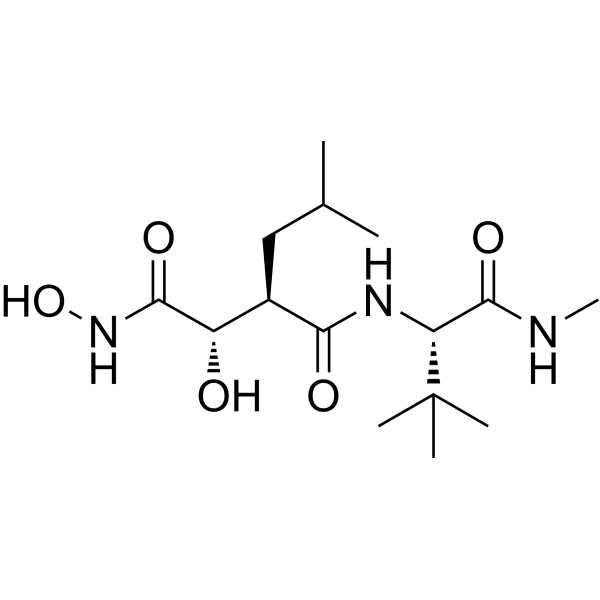 0 ImagesSynonyms: BB2516; TA2516Marimastat (BB2516) is a broad spectrum and orally bioavailable inhibitor of MMPs, with potent activity against MMP-9 (IC50=3 nM), MMP-1 (IC50=5 nM), MMP-2 (IC50=6 nM), MMP-14 (IC50=9 nM) and MMP-7 (IC50=13 nM), used in the treatment of cancer. Marimastat (BB2516) is an angiogenesis and metastasis inhibitor, which limits the growth and production of blood vessels. As an antimetatstatic agent it prevents malignant cells from breaching the basement membranes.
-
DC-Y13-27
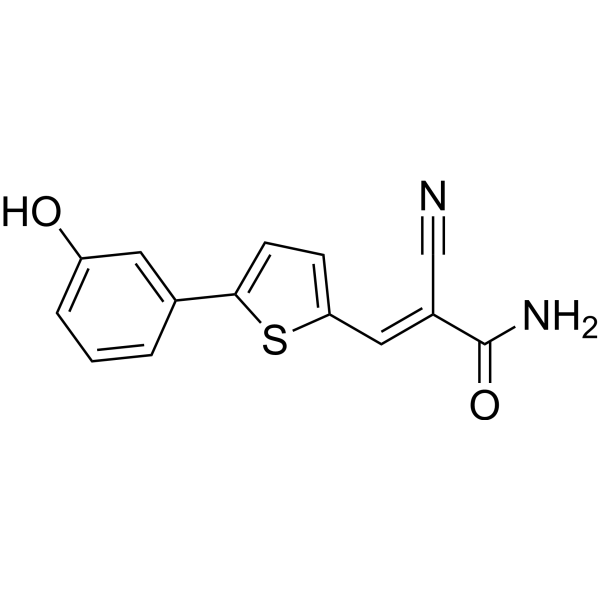 0 ImagesCat. No.: HY-154919Purity: 98.56%DC-Y13-27 is a DC-Y13 derivative and YTHDF2 inhibitor (KD: 37.9 μM). DC-Y13-27 inhibits YTHDF2, restores FOXO3 and TIMP1 protein levels, and reduces MMP1/3/7/9 expression. DC-Y13-27 induces Pyroptosis and increases IL-1β secretion. DC-Y13-27 reduces intervertebral disc degeneration and enhances the response to radiotherapy in colon cancer and melanoma. DC-Y13-27 has antitumor activity against breast cancer.
-
Mca-PLGL-Dpa-AR-NH2
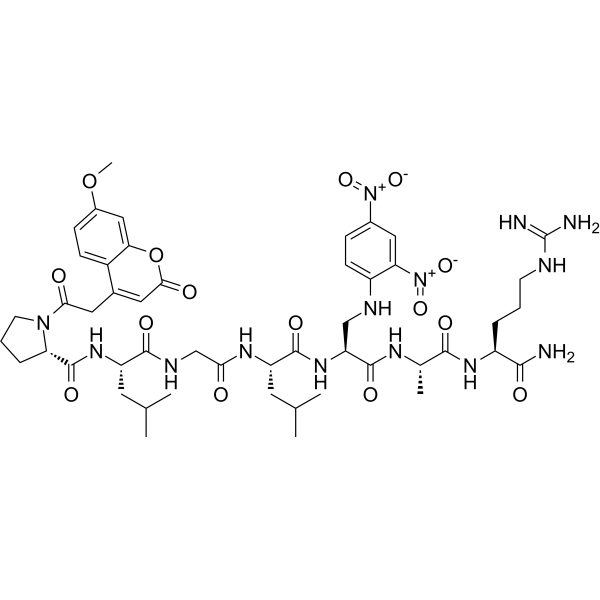 0 ImagesSynonyms: Mca-Pro-Leu-Gly-Leu-Dpa-Ala-Arg-NH2MOCAc-PLGL (Dpa) AR (Mca-Pro-Leu-Gly-Leu-Dpa-Ala-Arg-NH2) is a synthetic fluorescent substrate mainly used for in vitro enzymatic activity assays of MMP-7 (detection at 393 nm after excitation at 328 nm). MOCAc-PLGL (Dpa) AR is specifically cleaved and hydrolyzed by MMP-7 at the Gly-Leu peptide bond, allowing enzymatic activity to be monitored via fluorometry or HPLC (DMSO is usually added to ensure sufficient dissolution when determining kinetic parameters). MOCAc-PLGL (Dpa) AR is used to accurately evaluate the catalytic activity and pH dependence of recombinant mature human MMP-7 in vitro. MOCAc-PLGL (Dpa) AR is suitable for research on the mechanisms of tumor metastasis and invasion, particularly in fields such as prostate cancer, colon cancer, lung cancer and breast cancer.\n
-
ARP-100
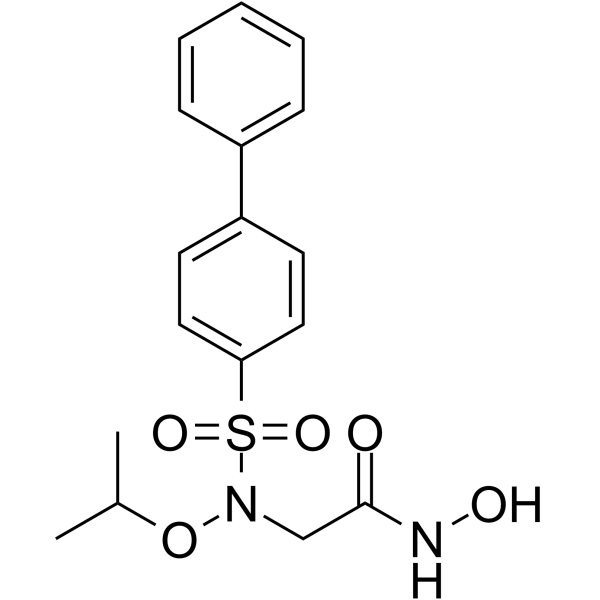 0 ImagesARP-100 is a potent and selective matrix metalloproteinase MMP-2 inhibitor (IC50=12 nM). ARP-100 interacts with S1' pocket of MMP-2 and shows anti-invasive properties in an in vitro model of invasion on matrigel. ARP-100 shows the less inhibitory activity towards MMP-1 (>50 μM), MMP-3 (4.5 μM), MMP-7 (>50 μM), and MMP-9 (0.2 μM).
-
Isofraxidin
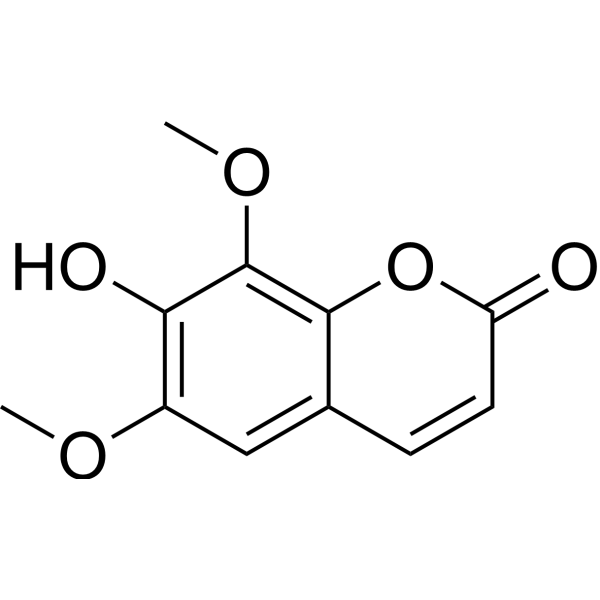 0 ImagesIsofraxidin, a coumarin component from Acanthopanax senticosus, inhibits MMP-7 expression and cell invasion of human hepatoma cells. Isofraxidin inhibits the phosphorylation of ERK1/2 in hepatoma cells. Isofraxidin attenuates the expression of iNOS and COX-2, Isofraxidinalso inhibits TLR4/myeloid differentiation protein-2 (MD-2) complex formation.
-
HSP110-IN-1
 0 ImagesCat. No.: HY-184162CAS No.: 2991567-27-0HSP110-IN-1 is a HSP110 inhibitor. HSP110-IN-1 binds to HSP110, inhibits the activity of STAT3, and downregulates the expression of downstream genes VEGF, MMP7 and MMP9. HSP110-IN-1 abrogates IL-6-induced epithelial-mesenchymal transition and inhibits the proliferation of colorectal cancer cells. HSP110-IN-1 remodels the tumor microenvironment by inducing a pro-inflammatory phenotype, regulates macrophages, induces PD-L1 expression, and enhances anti-PD-L1 antibody-mediated tumor regression. HSP110-IN-1 can be used in studies related to colorectal cancer.
-
Licorisoflavan A
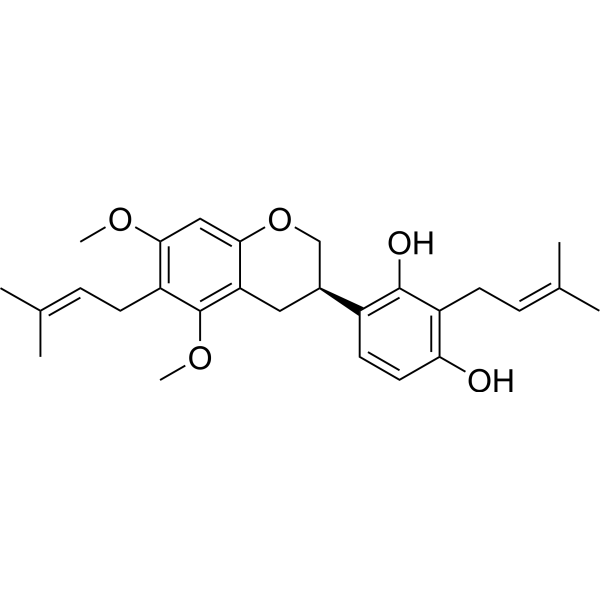 0 ImagesCat. No.: HY-N3385CAS No.: 129314-37-0Synonyms: 7-O-Methyllicorisoflavan BLicorisoflavan A (7-O-Methyllicorisoflavan B) is a isoflavan-quinone, that can be isolated from Glycyrrhiza uralensis. Licorisoflavan A exhibits anti-inflammatory and antimicrobial properties. It can inhibit the secretion of IL-6 and chemokines by LPS-stimulated macrophages in a concentration-dependent manner, and also suppress the secretion of MMP-7, MMP-8, and MMP-9 in macrophages. Licorisoflavan A exertes potent antidepressant-like effects involving BDNF-TrkB pathway and AMPA receptors.
-
MAHS-3
 0 ImagesCat. No.: HY-187513MAHS-3 is a thymidylate synthase (TS) and dihydrofolate reductase (DHFR) inhibitor, with IC50 values of 5.279 μM and 52.60 μM against human targets, respectively. MAHS-3 exhibits broad-spectrum antiproliferative activity against cancer cells, induces cell cycle arrest, activates endogenous caspase-dependent apoptosis, reduces MMP levels, inhibits cell migration, increases intracellular NO levels, and promotes autophagy activity. MAHS-3 can be used in cancer-related research.
-
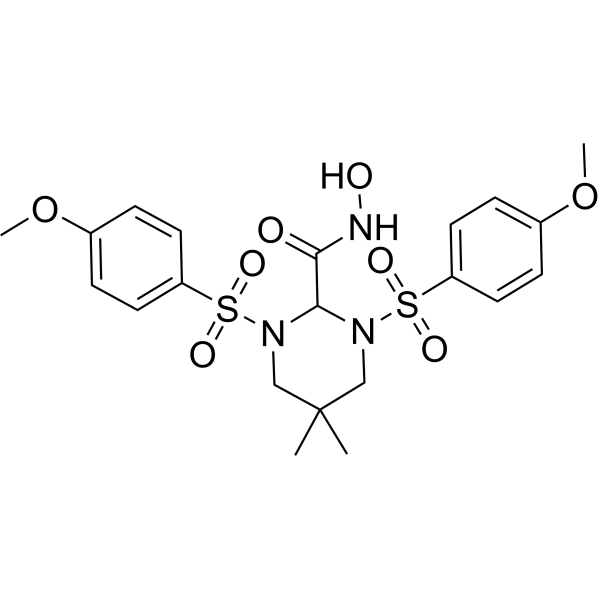
TMI-1
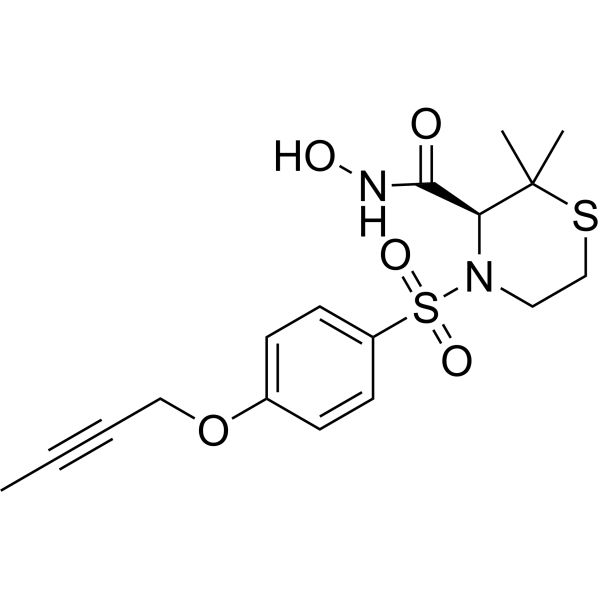 0 ImagesSynonyms: WAY-171318TMI-1 (WAY-171318) inhibits TNF converting enzyme (TACE) (IC50 of 8.4 nM), ADAM-TS-4, ADAM-17 and various MMPs with oral activity. TMI-1 significantly suppresses the secretion of TNF-α , alleviating collagen-induced arthritis in mice. TMI-1 inhibits cancer cell proliferation, induces apoptosis through a caspase-dependent pathway. TMI-1 also reverses TRPV1 upregulation and lowers the levels of inflammatory factors (TNF-α、IL-1β、IL-6) in nerve cells, protecting against paclitaxel-induced neurotoxicity. TMI-1 leads to changes in pro-atherogenic lipoprotein profiles, but does not affect the progression of early lesions.
-
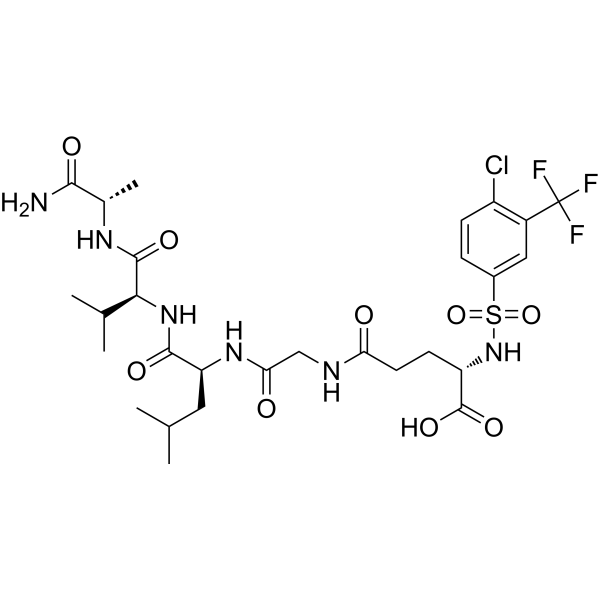
TP0628103 TFA
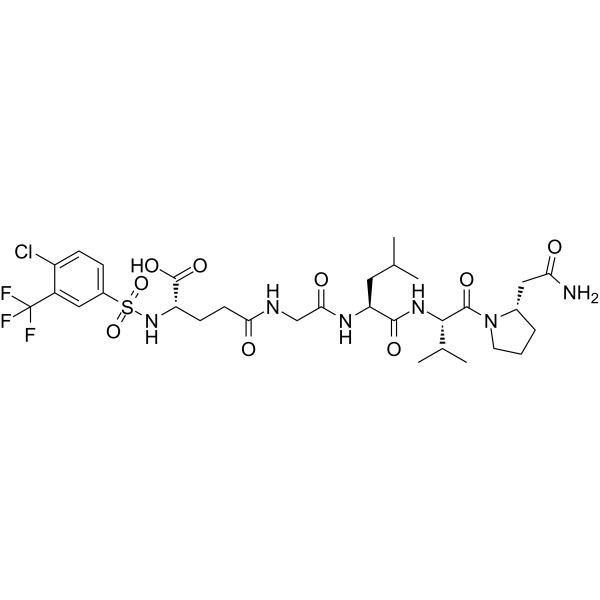
 0 ImagesTP0628103 TFA is a potent and highly selective MMP-7 inhibitor with an IC50 of 0.17 nM. TP0628103 TFA undergoes structural optimization via molecular isoelectric point shifting, which reduces organic anion transporter (OAT)-mediated clearance, while maintaining potent MMP-7 inhibitory activity and enhancing MMP subtype selectivity. TP0628103 TFA is applicable for research on the regulatory mechanisms of MMP-7-related matrix metalloproteinases.
-
UK-370106
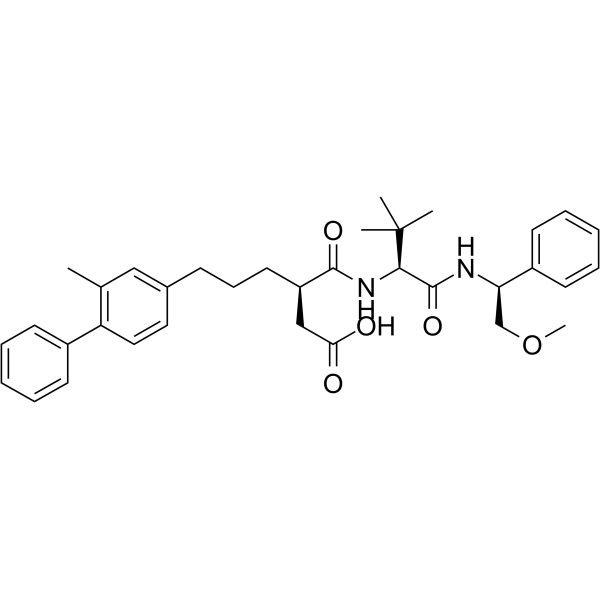 0 ImagesCat. No.: HY-107639CAS No.: 230961-21-4UK-370106 is a potent and highly selective MMP-3 (IC50 of 23 nM) and MMP-12 (IC50 of 42 nM) inhibitor with >1200-fold higher potency than MMP-1, MMP-2, MMP-9, and MMP-14, and about 100-fold than MMP-13 and MMP-8. UK-370106 potently inhibits cleavage of [3H]-fibronectin by MMP-3 (IC50 of 320 nM) and has little effect on keratinocyte migration in vitro.
-
PD-166793
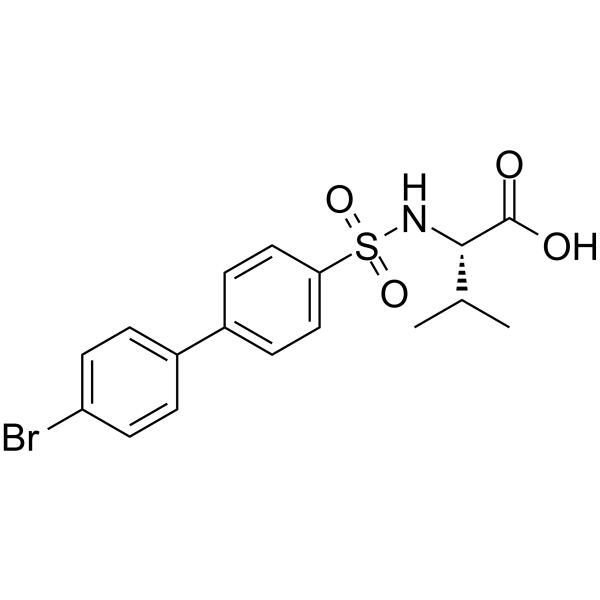 0 ImagesPD-166793 is a potent, selective, orally active and wide-broad spectrum inhibitor of MMP, exhibiting nanomolar potency against MMP-2, MMP-3 and MMP-13 (IC50=4, 7, and 8 nM, respectively) and micromolar potency vs MMP-1, -7 and -9 (IC50=6.0, 7.2, and 7.9 μM, respectively). PD-166793 can attenuate left ventricular remodeling and dysfunction in a rat model of progressive heart failure.
-
CMC2.24
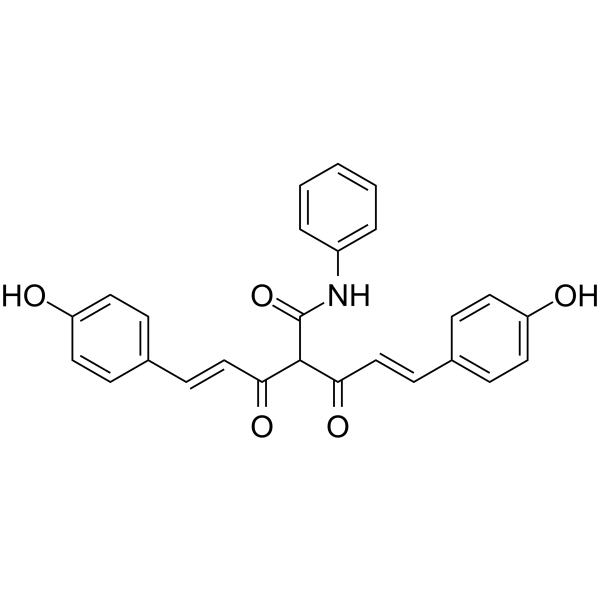 0 ImagesCat. No.: HY-120793CAS No.: 1255639-43-0Synonyms: TRB-N0224CMC2.24 (TRB-N0224), an orally active tricarbonylmethane agent, is effective against pancreatic tumor in mice by inhibiting Ras activation and its downstream effector ERK1/2 pathway. CMC2.24 is also a potent inhibitor of zinc-dependent MMPs with IC50s ranging from 2.0-69 μM. CMC2.24 alleviates osteoarthritis progression by restoring cartilage homeostasis and inhibiting chondrocyte apoptosis via the NF-κB/HIF-2α axis.
-
Linvemastat
 0 ImagesSynonyms: FP-020Linvemastat (Compound FC-4) is an orally active MMP-12 inhibitor (IC50: < 10 nM) with high selectivity of MMP-1, -2, -3, -7, -9, -10 and -14. Linvemastat significantly attenuates lung fibrosis in Bleomycin (HY-108345) induced unilateral lung fibrosis mice model and potently reduces kidney damage, interstitial inflammation or fibrosis in kidney fibrosis model of unilateral ureteral occlusion. Linvemastat can be used for inflammatory diseases research, such as idiopathie pulmonary fibrosis (IPF), inflammatory bowel disease (IBD) and asthma.
- 1
- 2




