



Heart Failure
-
Heart Failure (115)

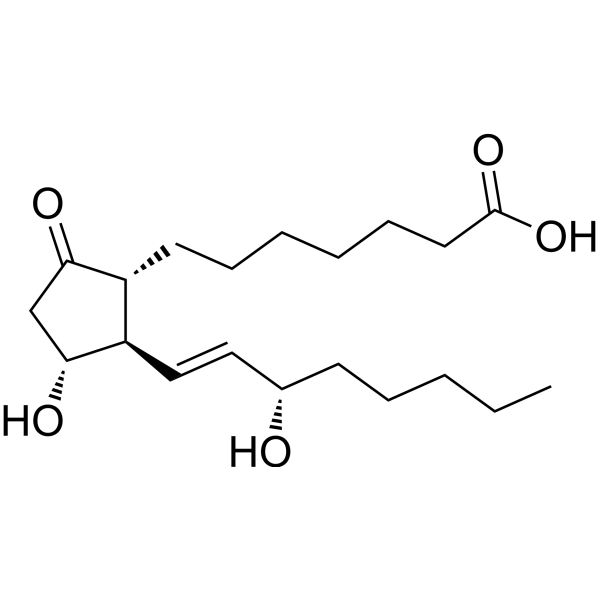
- Formula: C20H34O5
- Molecular Weight: 354.48
Prostaglandin E1 (Alprostadil) is a prostanoid receptor ligand, with Kis of 1.1 nM, 2.1 nM, 10 nM, 33 nM and 36 nM for mouse EP3, EP4, EP2, IP and EP1, respectively. Prostaglandin E1 induces vasodilation and inhibits platelet aggregation. Prostaglandin E1 can be used as a vasodilator for the research of peripheral vascular diseases.
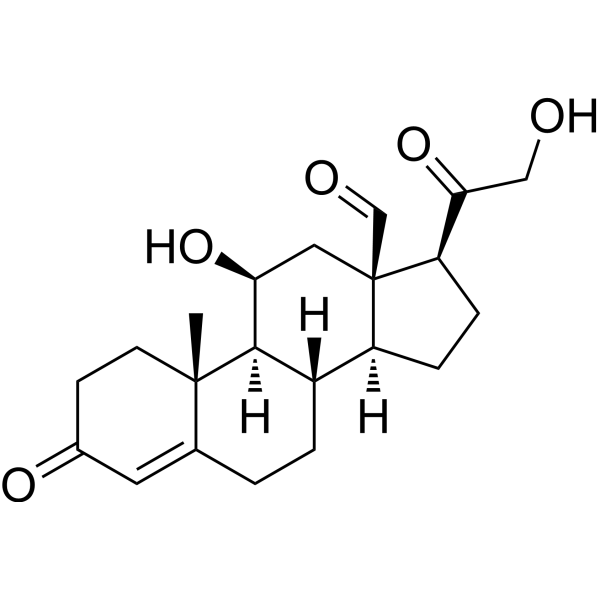
- Formula: C21H28O5
- Molecular Weight: 360.44
Aldosterone is the primary mineralocorticoid. Aldosterone is a steroid hormone, and it is synthesized and secreted in response to renin-angiotensin system activation (RAS) or high dietary potassium by the zona glomerulosa (ZG) of the adrenal cortex. Aldosterone activity is dependent by the binding and activation of the cytoplasmic/nuclear mineralocorticoid receptor (MR) at cellular level.
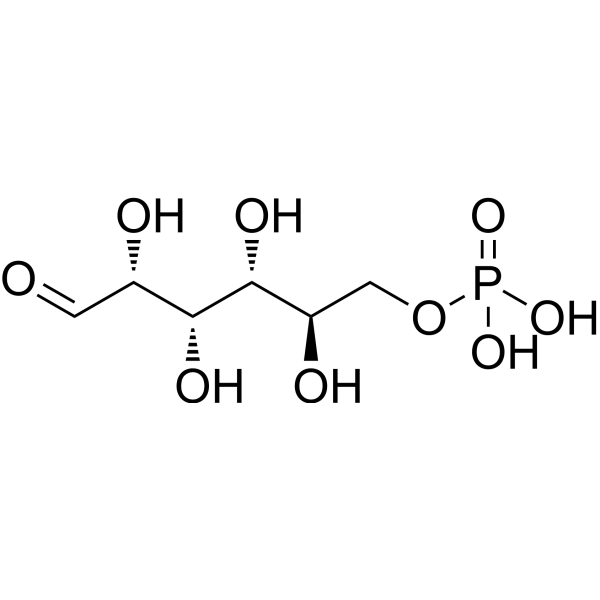
- Formula: C6H13O9P
- Molecular Weight: 260.14
D-Glucose 6-phosphate is a key central node metabolite in glucose metabolism. It serves as the initiating metabolite for glycolysis and the pentose phosphate pathway, as well as a substrate for glycogen synthesis. D-Glucose 6-phosphate acts as a metabolic stress signal, which activates the mTOR pathway to promote protein synthesis, especially when phosphoglucose isomerase (PGI) is inhibited, thereby participating in cardiac remodeling processes. D-Glucose 6-phosphate can be used in research related to non-insulin-dependent diabetes mellitus and heart failure.
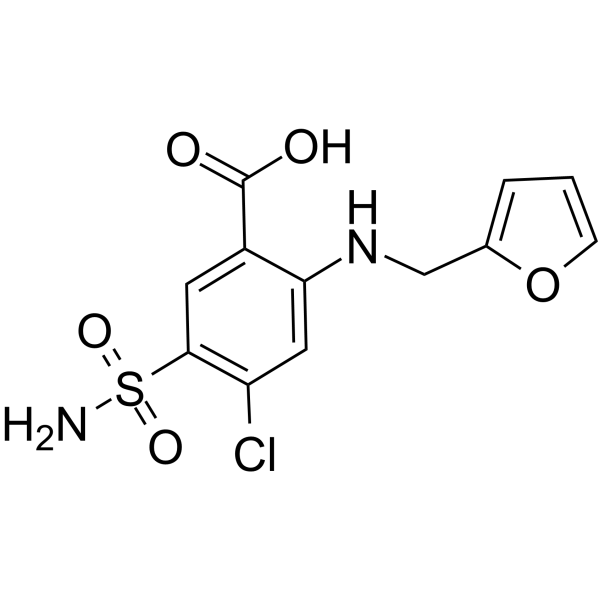
- Formula: C12H11ClN2O5S
- Molecular Weight: 330.74
Furosemide is an orally active GABAA receptor antagonist. Furosemide inhibits carbonic anhydrase, the sodium-chloride cotransporter, sodium reabsorption, tubuloglomerular feedback, and GABA-induced chloride flux. Furosemide can be used as a diuretic reagent. Furosemide is applied in the research of hepatic necrosis, sepsis-associated acute kidney injury, hypoalbuminemia-related fluid retention, and congestive heart failure.
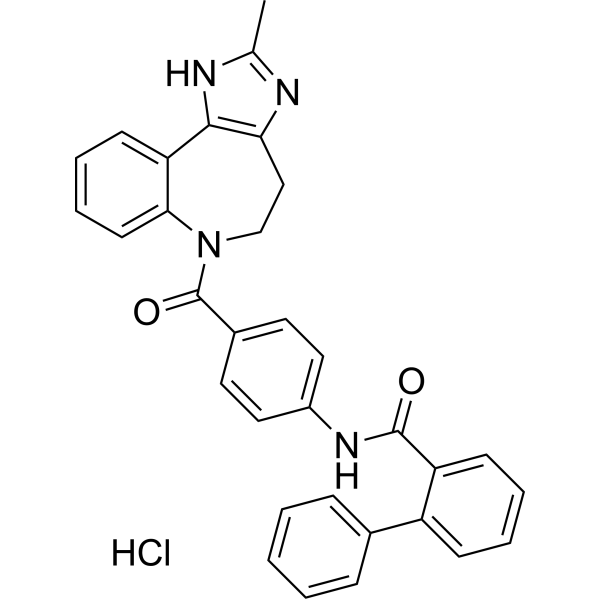
- Formula: C32H27ClN4O2
- Molecular Weight: 535.04
Conivaptan hydrochloride (YM 087) is an orally active dual vasopressin V1a/V2 receptor antagonist with Ki values of 0.48 nM and 3.04 nM for vasopressin V1a receptor and V2 receptor, respectively. Conivaptan hydrochloride competitively and reversibly blocks vasopressin-mediated antidiuresis, vasoconstriction, and cellular hypertrophy, while inhibiting CYP3A4. Conivaptan hydrochloride inhibits vasopressin-induced intracellular calcium, cAMP, and mitogen-activated kinase activation in vascular smooth muscle cells and cardiomyocytes. Conivaptan hydrochloride induces water diuresis while improving hemodynamics in heart failure models, reducing left ventricular end-diastolic pressure, vascular resistance, and organ weight. Conivaptan hydrochloride is used for research on hyponatremia and congestive heart failure.
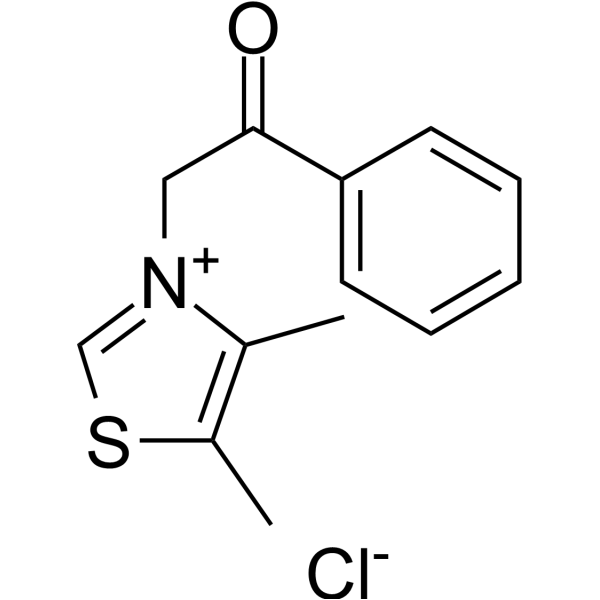
- Formula: C13H14ClNOS
- Molecular Weight: 267.78
Alagebrium chloride (ALT711) is an advanced glycation end product (AGE) inhibitor.
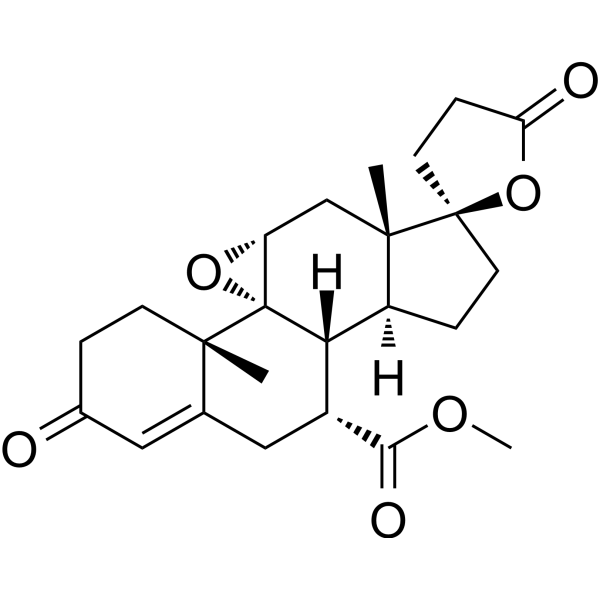
- Formula: C24H30O6
- Molecular Weight: 414.49
Eplerenone (Epoxymexrenone) is a selective, highly specific and orally active aldosterone blocker (SAB). Eplerenone also is a selective mineralocorticoid receptor antagonist (MRA) with IC50 value of 0.081 μM. Eplerenone can be used for the research of hypertension, atherosclerosis, chronic systolic heart failure (HF) and cardiovascular (CV).
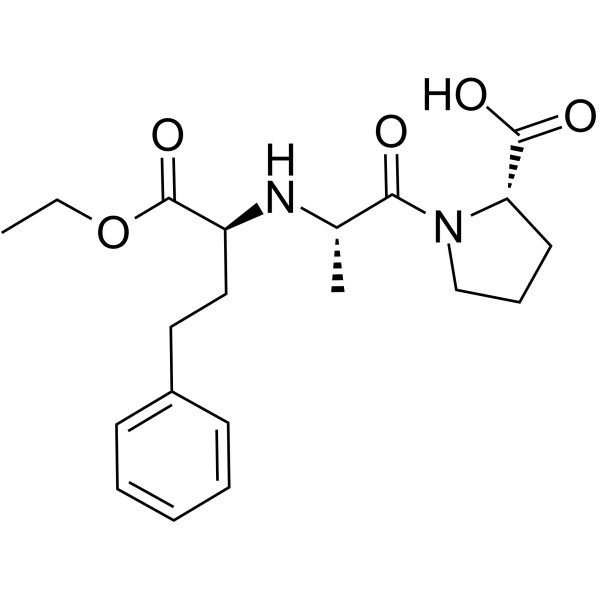
- Formula: C20H28N2O5
- Molecular Weight: 376.45
Enalapril (MK-421) is an orally active angiotensin-converting enzyme inhibitor. Enalapril blocks the conversion of angiotensin I to angiotensin II, regulates the renin-angiotensin system, reduces preload and afterload, and decreases plasma angiotensin II levels. Enalapril inhibits apoptosis, reduces nitric oxide metabolite levels, stabilizes endothelial cells, enhances endothelial antioxidant defense, scavenges reactive oxygen species (ROS), and alleviates neuronal damage. Enalapril attenuates glutathione depletion, protein/lipid oxidation, tissue damage, and type III collagen immunolabeling in organs of diabetic rats. Enalapril reduces systolic blood pressure and urinary albumin excretion, and delays the progression of diabetic cardiac/renal injury. Enalapril is used in research related to asymptomatic left ventricular dysfunction, congestive heart failure, Alzheimer's disease, diabetes mellitus, acute myocardial infarction, atrial fibrillation, hypertension, cerebral ischemia, chronic heart failure, and single-ventricle physiology.
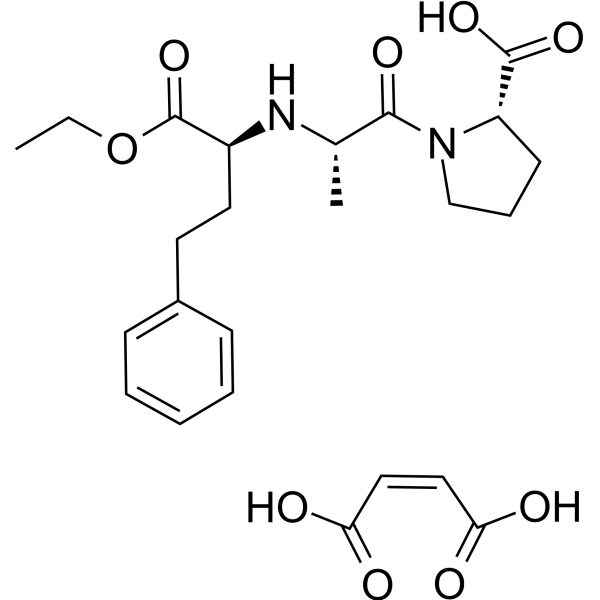
- Formula: C24H32N2O9
- Molecular Weight: 492.52
Enalapril maleate (MK-421 maleate) is an orally active angiotensin-converting enzyme inhibitor. Enalapril maleate blocks the conversion of angiotensin I to angiotensin II, regulates the renin-angiotensin system, reduces preload and afterload, and decreases plasma angiotensin II levels. Enalapril maleate inhibits apoptosis, reduces nitric oxide metabolite levels, stabilizes endothelial cells, enhances endothelial antioxidant defense, scavenges reactive oxygen species (ROS), and alleviates neuronal damage. Enalapril maleate attenuates glutathione depletion, protein/lipid oxidation, tissue damage, and type III collagen immunolabeling in organs of diabetic rats. Enalapril maleate reduces systolic blood pressure and urinary albumin excretion, and delays the progression of diabetic cardiac/renal injury. Enalapril maleate is used in research related to asymptomatic left ventricular dysfunction, congestive heart failure, Alzheimer's disease, diabetes mellitus, acute myocardial infarction, atrial fibrillation, hypertension, cerebral ischemia, chronic heart failure, and single-ventricle physiology.
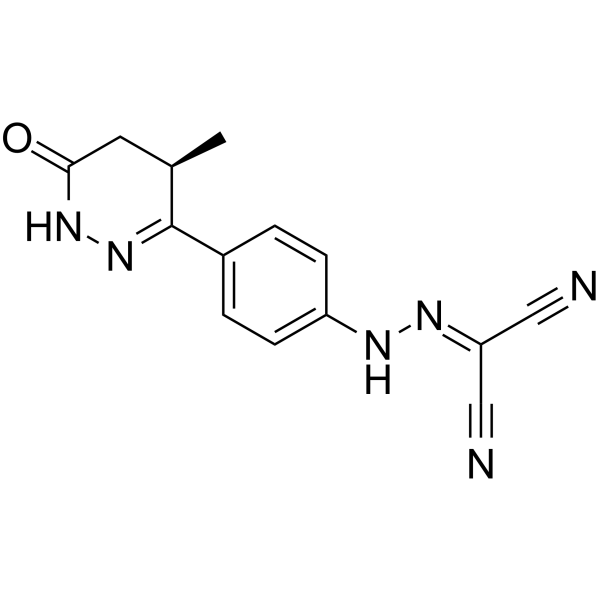
- Formula: C14H12N6O
- Molecular Weight: 280.28
Levosimendan (Simsndan; OR-1259) is a calcium sensitiser used in the management of acutely decompensated congestive heart failure.
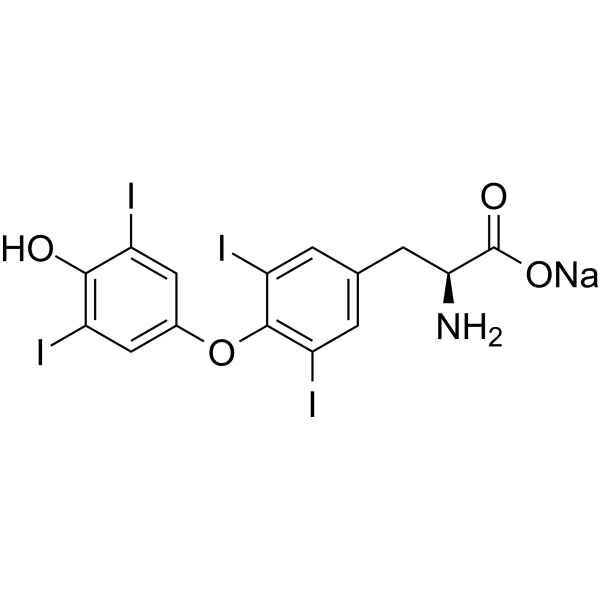
- Formula: C15H10I4NNaO4
- Molecular Weight: 798.85
L-Thyroxine sodium (Levothyroxine sodium) is a synthetic hormone for the research of hypothyroidism. DIO enzymes convert biologically active thyroid hormone (Triiodothyronine,T3) from L-Thyroxine (T4).
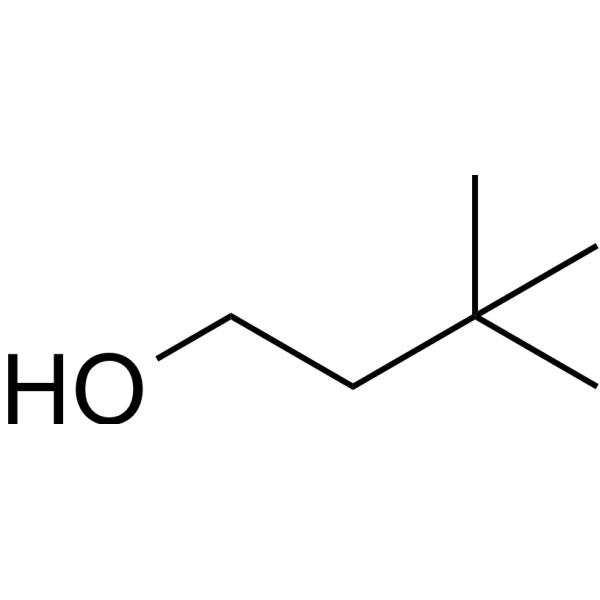
- Formula: C6H14O
- Molecular Weight: 102.17
3,3-Dimethyl-1-butanol (DMB) is an orally active inhibitor of trimethylamine (TMA) and trimethylamine N-oxide (TMAO). 3,3-Dimethyl-1-butanol inhibits the signaling pathway of p65 NF-κB and TGF-β1/Smad3. 3,3-Dimethyl-1-butanol has potential applications in cardiovascular disease (CVD).
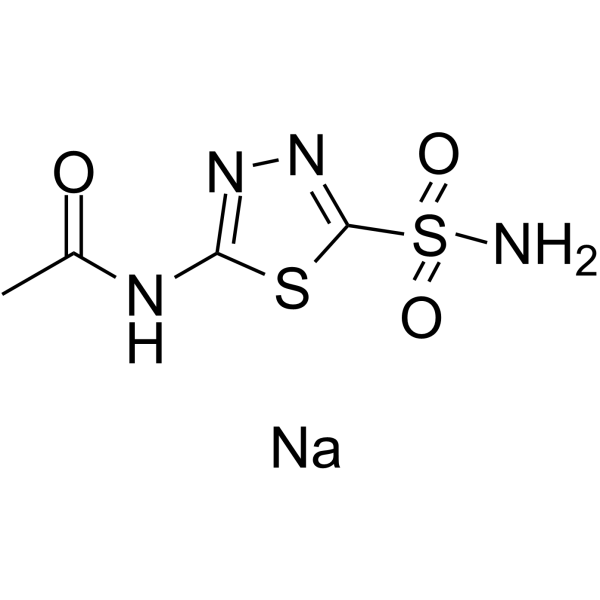
- Formula: C4H6N4NaO3S2
- Molecular Weight: 245.24
Acetazolamide sodium is a carbonic anhydrase (CA) IX inhibitor with an IC50 of 30 nM for hCA IX. Acetazolamide sodium has diuretic, antihypertensive and anti-gonococcal activities.

Mito-FerroGreen is a mitochondria-specific Fluorescent indicator used to detect mitochondrial Fe2+ levels (excitation: 488 nm; emission: 500-550 nm). Mito-FerroGreen can be applied to research related to colorectal cancer and chronic heart failure.
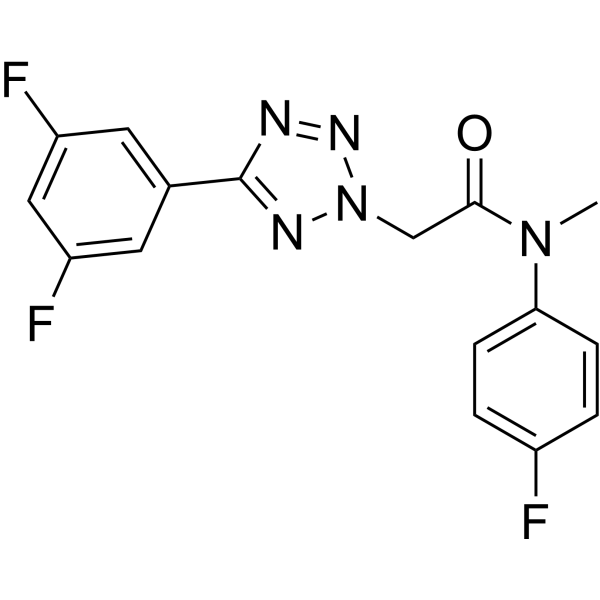
- Formula: C16H12F3N5O
- Molecular Weight: 347.29
TMDJ-035 is a high-affinity, selective RyR2 inhibitor with an EC50 of 0.0130 μM. TMDJ-035 reduces RyR2 protein expression without affecting action potential-induced Ca2+ transients. TMDJ-035 decreases ATP content and intracellular Ca2+ levels. TMDJ-035 inhibits arrhythmias in a CPVT mouse model carrying mutant RyR2s. TMDJ-035 has no effect on electrocardiogram parameters or cardiac systolic function. TMDJ-035 exacerbates heart failure in mouse myocardial infarction models and hypoxic cardiomyocytes by altering cardiac function, causing tissue damage, promoting inflammatory infiltration, collagen deposition, and changes in Myosin heavy chain/actin expression. TMDJ-035 can be used in studies related to heart failure, catecholaminergic polymorphic ventricular tachycardia, and arrhythmias.

- Formula: C37H70N10O10
- Molecular Weight: 815.01
S7 is an inhibitory polypeptide targeting IL-6R, which specifically binds to IL-6R and its A chain (gp80/IL-6RA) to block its signal transduction. S7 inhibits IL-6-mediated anti-apoptosis (apoptosis), angiogenesis and the expression of VEGF-A, blocks related survival signaling pathways, and enhances the sensitivity of cancer cells to chemotherapeutic drugs. S7 can be applied to the research of related diseases such as cervical cancer, multiple myeloma, Kaposi's sarcoma, prostate cancer and basal cell carcinoma.
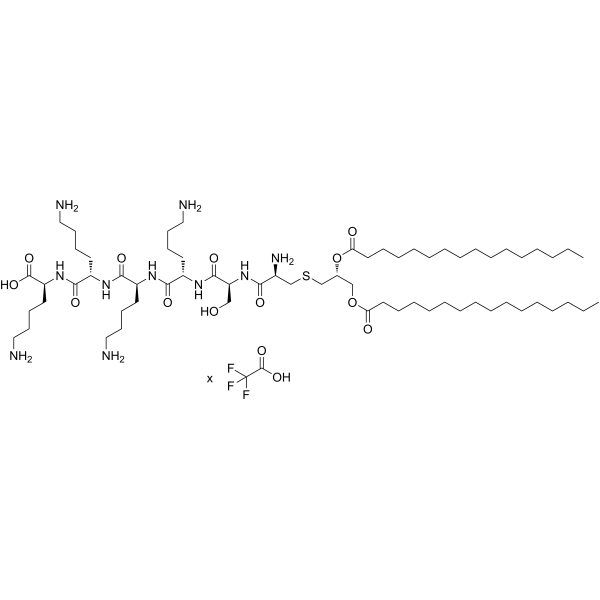
- Formula: C65H126N10O12S.xC2HF3O2
- Molecular Weight: 1271.82 (free base)
Pam2CSK4 TFA is a TLR2 agonist. Pam2CSK4 TFA induces the expression of iNOS and NO in macrophage cell lines via TBK1 and MyD88 molecules. Pam2CSK4 TFA activates the NF-κB and Bruton's tyrosine kinase signaling pathways in platelets, and promotes platelet-endothelial cell interactions. TLR2 activation triggered by Pam2CSK4 TFA expands myeloid-derived suppressor cells (MDSCs) and suppresses anti-tumor immune responses in the tumor microenvironment. Pam2CSK4 TFA acts as a Th2-polarizing adjuvant in mouse vaccine models against Leishmania major and Brugia malayi. Pam2CSK4 TFA can be used in the research of various diseases, including thromboinflammatory diseases, sepsis, atherosclerosis, heart failure, influenza, lymphoma, melanoma, cutaneous leishmaniasis and lymphatic filariasis.

- Formula: C24H25N3O2S
- Molecular Weight: 419.54
ERBB agonist-1 is a ERBB4 agonist with an EC50 of 10.5 μM. ERBB agonist-1 enhances NRG1-induced ERBB4 homodimerization and activates the PI3K/Akt and MAPK/ERK signaling pathways. ERBB agonist-1 acts as a cell survival promoter, anti-hypertrophic agent, anti-fibrotic agent, and cardioprotective agent. ERBB agonist-1 is applicable to the research of heart failure.
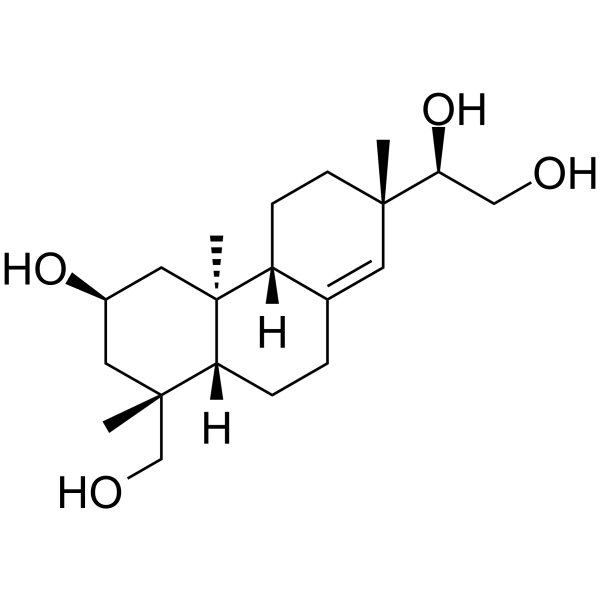
- Formula: C20H34O4
- Molecular Weight: 338.48
Kirenol is a diterpenoid compound, an orally active apoptosis inducer and signaling pathway regulator, with a Kd value of 5.47 μM against the target CK2. Kirenol promotes the cleavage of Bid into tBid, regulates the protein levels/phosphorylation of Bax, Bcl-2, p53 and p21, and induces caspase-independent apoptosis, S-phase cell cycle arrest, ROS accumulation and cytotoxicity in cancer cells. Kirenol activates the CK2/AKT and AMPK-mTOR-ULK1 pathways, inhibits the signaling of NF-κB, TGF-β/Smads and NLRP3 inflammasome, and regulates the GSK3β, BMP and Wnt/β-catenin pathways. Kirenol induces autophagy, mitophagy and osteoblast differentiation, promotes mitochondrial fusion, and exerts antioxidant, anti-inflammatory, antifibrotic, renoprotective, cardioprotective, neuroprotective and analgesic effects. Kirenol is applicable to research related to chronic myeloid leukemia, ischemic stroke, diabetic nephropathy, heart failure, acute lung injury and osteoporosis.

Pyruvate Kinase, Microorganism (PK) is a glycolytic enzyme that catalyzes the conversion of phosphoenolpyruvate and ADP to pyruvate and ATP.



