



TNKS2/PARP5B
Tankyrase 2 (TNKS2, also known as PARP5B) is a poly(ADP-ribose) polymerase (PARP) that catalyzes poly(ADP-ribosyl)ation of substrate proteins, regulating β-catenin signaling and DNA repair pathways[1][2]. Mechanistically, TNKS2 promotes Axin degradation through poly(ADP-ribosyl)ation, thereby activating Wnt/β-catenin signaling, which is essential for neuronal development, tumor proliferation, and viral replication[1][3]. TNKS2 contributes to both homologous recombination and nonhomologous end-joining DNA repair, cooperating with MDC1 and other repair factors to maintain genomic stability[2][4]. Compared with its isoform TNKS1, TNKS2 can be selectively targeted due to distinct structural features within its PARP catalytic domain, enabling isoform-specific inhibition[5][6]. In disease models, TNKS2 depletion or inhibition reduces tumor growth, enhances apoptosis, and modulates antiviral responses, demonstrating relevance in cancer and influenza A virus infection[4][3][6]. Small-molecule inhibitors such as XAV939, E7449, and newly developed TNKS2-selective compounds engage the catalytic site, stabilize Axin, suppress Wnt signaling, and exhibit antitumor or antiviral effects in vitro and in vivo[5][6][7]. Structure-guided drug design based on high-resolution TNKS2 crystal structures has enabled the development of potent, selective inhibitors with favorable pharmacokinetics and minimal off-target activity[5][6][8]. These inhibitors serve as valuable tools for dissecting TNKS2-specific pathways, understanding DNA repair dynamics, and evaluating therapeutic strategies in Wnt-dependent cancers[9][10][7].
References:
- [1]. Qiu W, et al. Insights into the binding of PARP inhibitors to the catalytic domain of human tankyrase-2. Acta Crystallogr D Biol Crystallogr. 2014 Oct;70(Pt 10):2740-53. [Content Brief]
- [2]. Tomassi S, et al. From PARP1 to TNKS2 Inhibition: A Structure-Based Approach. ACS Med Chem Lett. 2020 Feb 3;11(5):862-868. [Content Brief]
- [3]. Bamunuarachchi G, et al. Tankyrases positively regulate influenza A virus replication via type I interferon response. J Virol. 2025 Oct 23;99(10):e0129825. [Content Brief]
- [4]. Xu Y, et al. Rational design, synthesis and biological evaluation of dual PARP-1/2 and TNKS1/2 inhibitors for cancer therapy. Eur J Med Chem. 2022 Jul 5;237:114417. [Content Brief]
- [5]. Zimmerman J, et al. A potent and selective TNKS2 inhibitor for tumor-selective WNT suppression. bioRxiv [Preprint]. 2025 Mar 7:2025.03.04.641305. [Content Brief]
- [6]. Mashimo M, et al. Tankyrase Regulates Neurite Outgrowth through Poly(ADP-ribosyl)ation-Dependent Activation of β-Catenin Signaling. Int J Mol Sci. 2022 Mar 4;23(5):2834. [Content Brief]
- [7]. Wu J, et al. PARP5B is required for nonhomologous end joining during tumorigenesis in vivo[J]. Molecular Carcinogenesis, 2022, 61(1): 85-98.
- [8]. Nagy Z, et al. Tankyrases Promote Homologous Recombination and Check Point Activation in Response to DSBs. PLoS Genet. 2016 Feb 4;12(2):e1005791. [Content Brief]
- [9]. Wahlberg E, et al. Family-wide chemical profiling and structural analysis of PARP and tankyrase inhibitors. Nat Biotechnol. 2012 Feb 19;30(3):283-8. [Content Brief]
- [10]. McGonigle S, et al. E7449: A dual inhibitor of PARP1/2 and tankyrase1/2 inhibits growth of DNA repair deficient tumors and antagonizes Wnt signaling. Oncotarget. 2015 Dec 1;6(38):41307-23. [Content Brief]
All Product Categories
-
TNKS2/PARP5B Related Products (38)
Related Products (38)

- 1
- 2
-
XAV-939
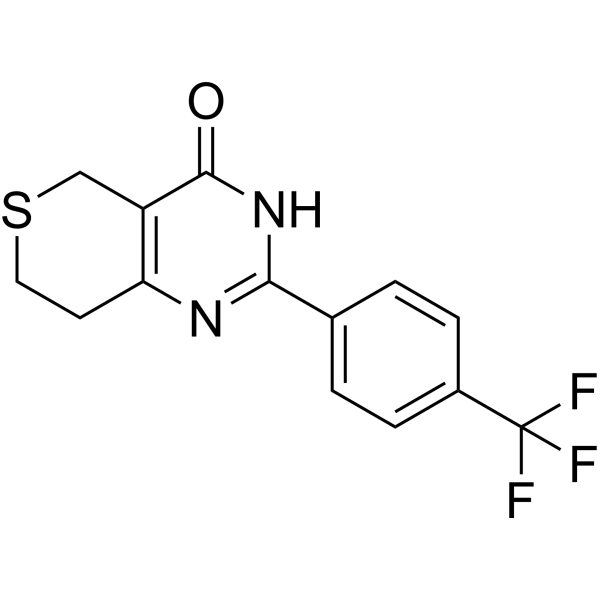 0 ImagesXAV-939 is a Tankyrase inhibitor. XAV-939 has inhibitory activity for TNKS1 and TNKS2 with IC50 values of 5 nM and 2 nM, respectively. XAV-939 also is an enhancer of osteoblastic differentiation of hMSCs. XAV-939 can be used for the research of conditions associated with activated Wnt signaling, such as cancer, fibrotic diseases and conditions associated with low bone formation.
-
WIKI4
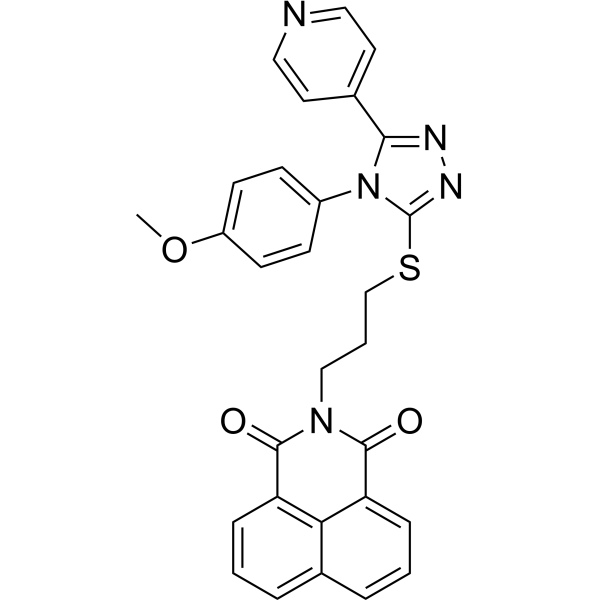 0 ImagesWIKI4 is a potent tankyrase inhibitor with an IC50 of 26 nM for TNKS2. WIKI4 potently inhibits Wnt/β-catenin signaling and that its half-maximal response dose is 75 nM. WIKI4 mediates its effects on Wnt/β-catenin signaling by inhibiting the enzymatic activity of TNKS2. WIKI4 is cytotoxic to SCLC cells with an IC50 value of 0.02 μM.
-
NVP-TNKS656
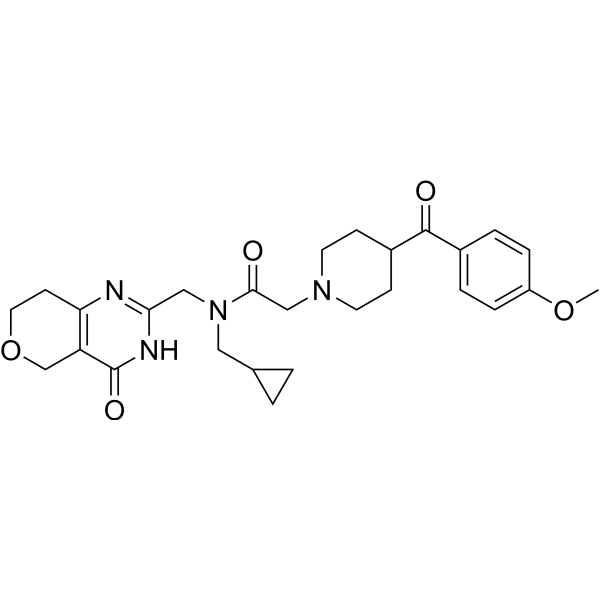 0 ImagesSynonyms: TNKS656
-
G007-LK
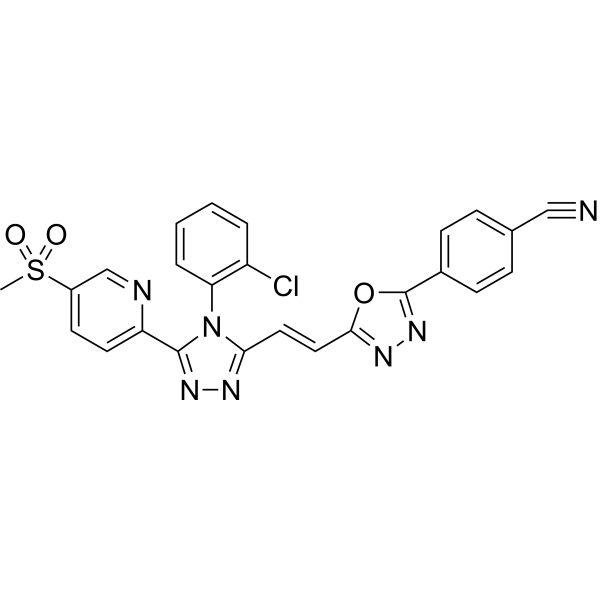 0 ImagesG007-LK is a potent and selective inhibitor of TNKS1 and TNKS2, with IC50s of 46 nM and 25 nM, respectively.
-
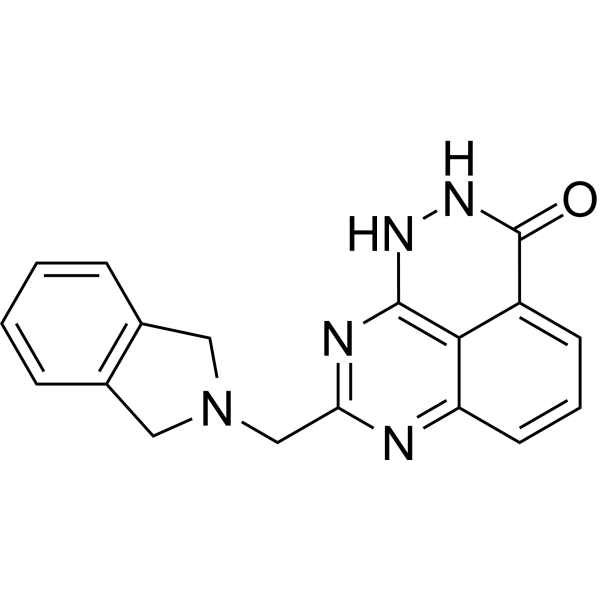
Nesuparib hydrochloride
 0 ImagesCat. No.: HY-145584ACAS No.: 2055357-65-6Synonyms: JPI-547/OCN-201 hydrochloride
-
TNKS-IN-1
 0 ImagesTNKS-IN-1 is a selective and potent tankyrase (TNKS1/TNKS2) inhibitor with IC50 values of 7.9 nM and 8.7 nM. TNKS-IN-1 induces axin2 accumulation with an EC50 of 1500 nM. TNKS-IN-1 can antagonize the Wnt signal transduction pathway by stabilizing axin proteins and promoting β-catenin degradation. TNKS-IN-1 can be used for the research of colorectal cancer.
-
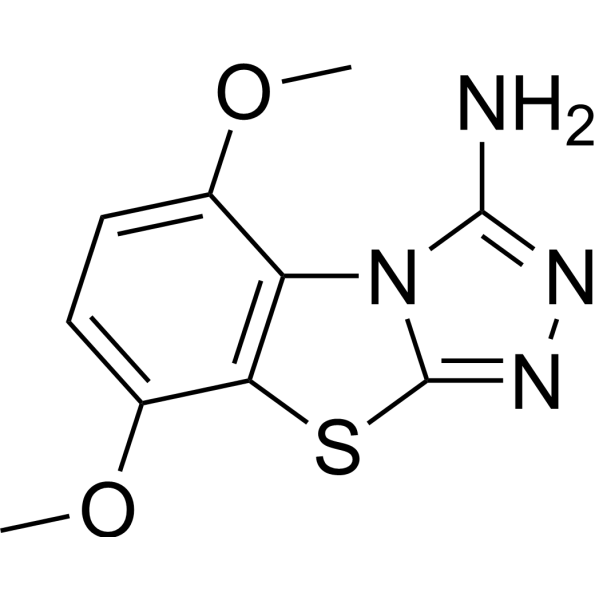
PP-048
 0 ImagesCat. No.: HY-189225PP-048 is a selective dual inhibitor of Polθ/PARP1, with IC50 values of 4.9 nM and 6.8 nM for the Polθ helicase/ATPase domain and PARP1, respectively. PP-048 impairs the compensatory DNA repair capacity of homologous recombination-deficient cells by simultaneously inhibiting the DNA repair functions associated with Polθ and PARP1, thereby exacerbating DNA double-strand damage and inducing apoptosis. PP-048 exhibits more potent selective antiproliferative activity against HR-deficient cancer cells. PP-048 can be used in studies related to Polθ/PARP1 dual-target inhibition, synthetic lethality, DNA damage repair, and HR-deficient triple-negative breast cancer.
-
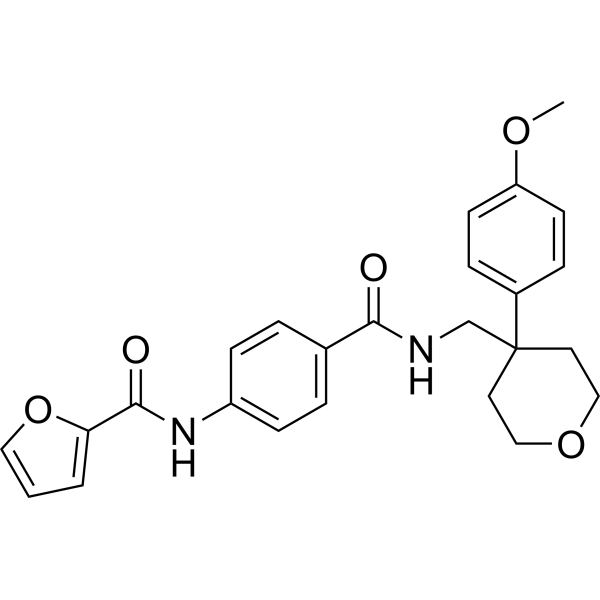
OM-153
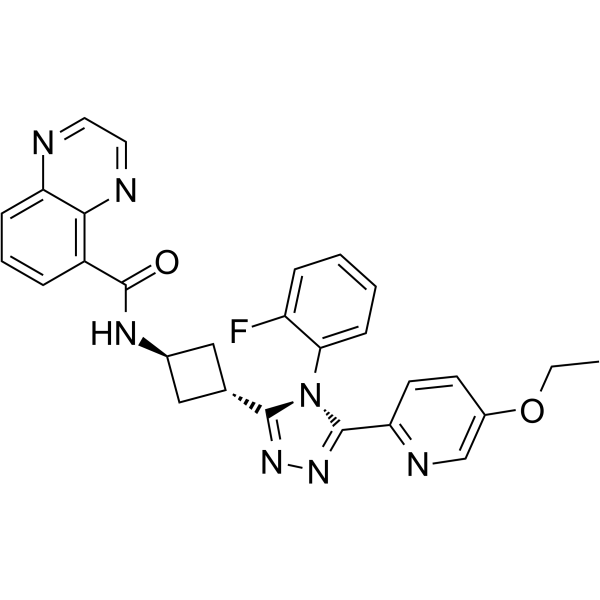 0 ImagesOM-153 is a potent and orally active tankyrase inhibitor with IC50s of 13 nM and 2 nM for tankyrase 1 and tankyrase 2 (TNKS1/2), respectively. OM-153 inhibits luciferase-based Wnt/β-catenin signaling reporter activity with an IC50 value of 0.63 nM. OM-153 shows inhibition of Wnt/β-catenin signaling and proliferation in COLO 320DM.
-
RK-287107
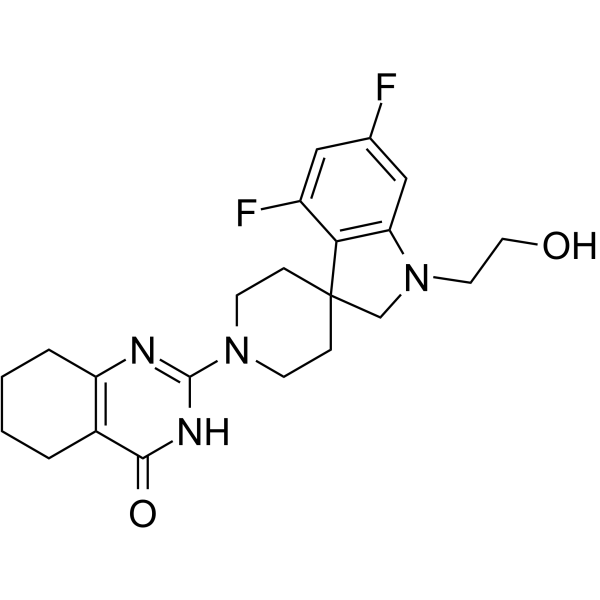 0 ImagesRK-287107 is a potent and specific tankyrase inhibitor with IC50s of 14.3 and 10.6 nM for tankyrase-1 and tankyrase-2, respectively. RK-287107 blocks colorectal cancer cell growth.
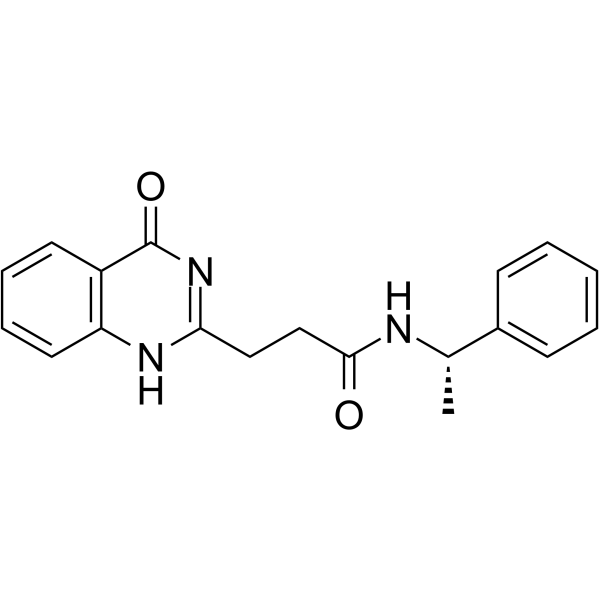
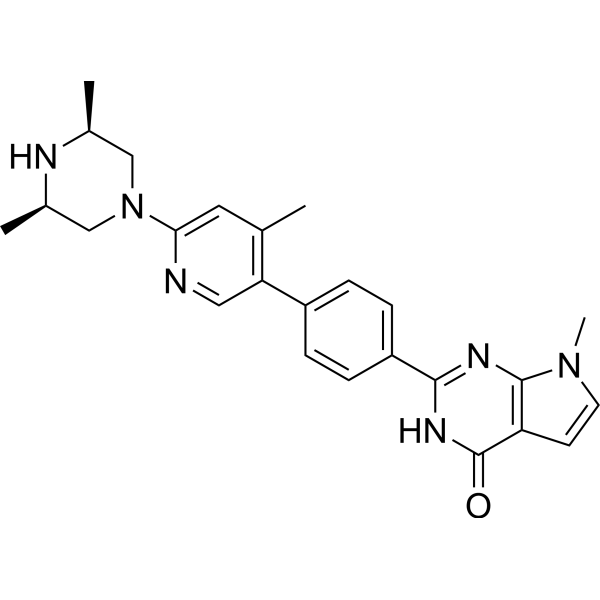
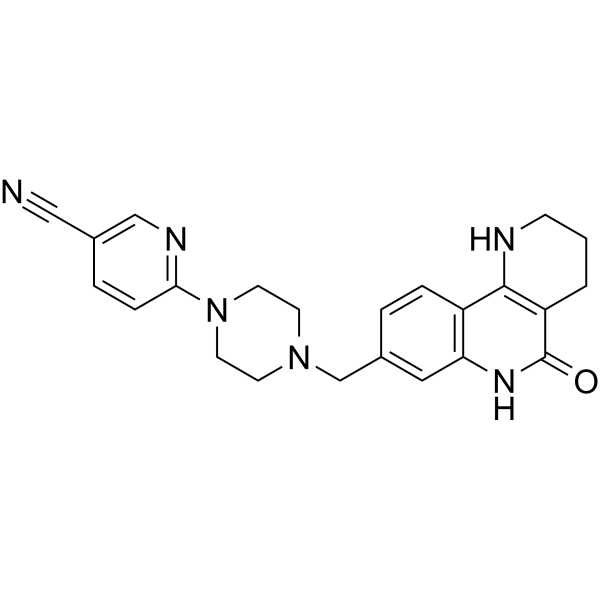
-
MN-64
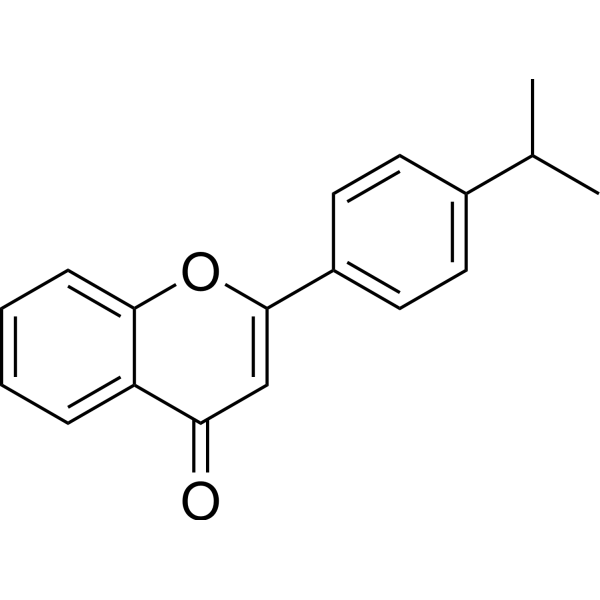 0 ImagesMN-64 is a potent tankyrase 1 inhibitor, with IC50s of 6 nM, 72 nM, 19.1 μM, and 39.4 μM for TNKS1, TNKS2, ARTD1 and ARTD2, respectively.
-
K-756
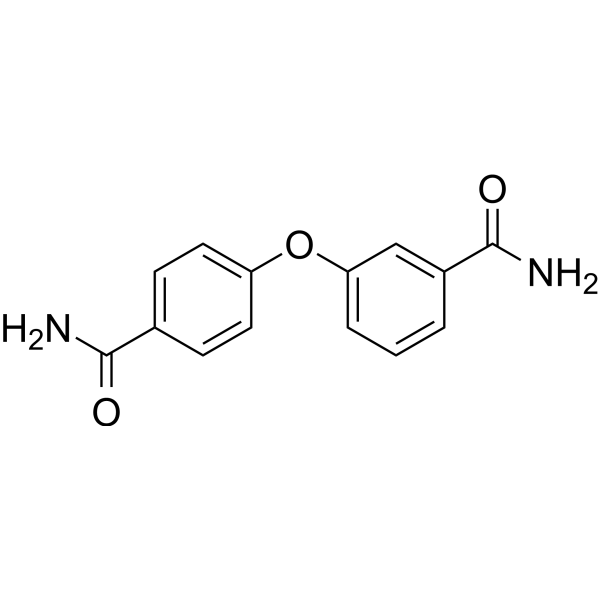
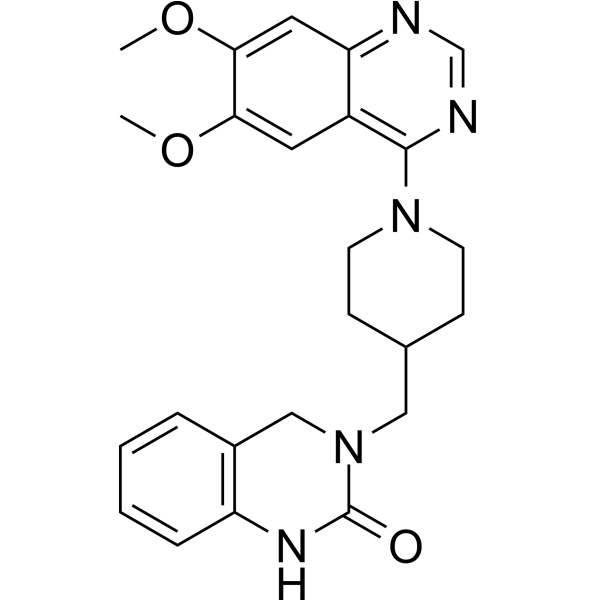 0 ImagesK-756 is a direct and selective tankyrase (TNKS) inhibitor, which inhibits the ADP-ribosylation activity of TNKS1 and TNKS2 with IC50s of 31 and 36 nM, respectively.
-
Mefuparib hydrochloride
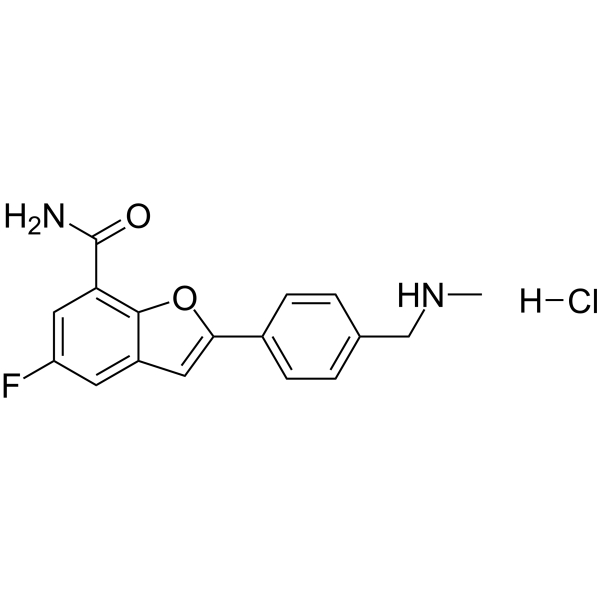 0 ImagesSynonyms: MPHMefuparib hydrochloride (MPH) is an orally active, substrate-competitive and selective PARP1/2 inhibitor with IC50s of 3.2 nM and 1.9 nM, respectively. Mefuparib hydrochloride induces apoptosis and possesses prominent anticancer activity in vitro and in vivo.
- 1
- 2



