



PARP2
PARP2 (poly(ADP-ribose) polymerase 2) is a nuclear ADP-ribosyltransferase that catalyzes poly(ADP-ribosyl)ation in response to DNA strand breaks and functions as a key component of the cellular DNA damage response network[1][2]. Mechanistically, PARP2 participates in base excision repair (BER) and single-strand break repair, where it cooperates with DNA repair factors to promote efficient lesion processing and genome maintenance[3][4]. Beyond its canonical repair role, PARP2 contributes to chromatin-associated DNA damage signaling through the generation of branched poly(ADP-ribose) chains, a process that regulates APLF-dependent histone H3 removal and supports DNA double-strand break repair[5]. Disease-associated studies further implicate PARP2 in inflammation, carcinogenesis, cancer progression, metabolic regulation, and oxidative stress responses, highlighting its broader biological relevance beyond genome surveillance[6]. Compared with the closely related isoform PARP1, PARP2 possesses a distinct domain organization and lacks the classical N-terminal DNA-binding zinc-finger region found in PARP1, indicating partially nonredundant mechanisms of damage recognition and activation[1][7]. Recent structural analyses further demonstrate that DNA damage-induced catalytic activation of PARP2 differs mechanistically from PARP1, supporting isoform-specific regulatory features within the PARP family[8]. For experimental applications, PARP2 is frequently investigated using pharmacological PARP inhibitors, including niraparib, olaparib, rucaparib, talazoparib, and other PARP1/2-targeting compounds, which provide valuable tools for dissecting DNA repair pathways and therapeutic vulnerabilities associated with defective genome maintenance[1][9].
References:
- [1]. https://www.genecards.org/cgi-bin/carddisp.pl?gene=PARP2 gene information.
- [2]. PARP2 gene information from NCBI.
- [3]. Schreiber V, et al. Poly(ADP-ribose) polymerase-2 (PARP-2) is required for efficient base excision DNA repair in association with PARP-1 and XRCC1. J Biol Chem. 2002 Jun 21;277(25):23028-36. [Content Brief]
- [4]. Sciencedirect.topics.
- [5]. Chen Q, et al. PARP2 mediates branched poly ADP-ribosylation in response to DNA damage. Nat Commun. 2018 Aug 13;9(1):3233. [Content Brief]
- [6]. Huang Y, et al. The adjuvant treatment role of ω-3 fatty acids by regulating gut microbiota positively in the acne vulgaris. J Dermatolog Treat. 2024 Dec;35(1):2299107. [Content Brief]
- [7]. Rabezanahary H, et al. Live virus neutralizing antibodies against pre and post Omicron strains in food and retail workers in Québec, Canada. Heliyon. 2024 May 21;10(10):e31026. [Content Brief]
- [8]. Guo D, et al. OXCT1 succinylation and activation by SUCLA2 promotes ketolysis and liver tumor growth. Mol Cell. 2025 Feb 20;85(4):843-856.e6. [Content Brief]
- [9]. Du YX, et al. Experimental realization of stimulated Raman shortcut-to-adiabatic passage with cold atoms. Nat Commun. 2016 Aug 11;7:12479. [Content Brief]
All Product Categories
-
PARP2 Related Products (86)
Related Products (86)

-
Antibodies (1)
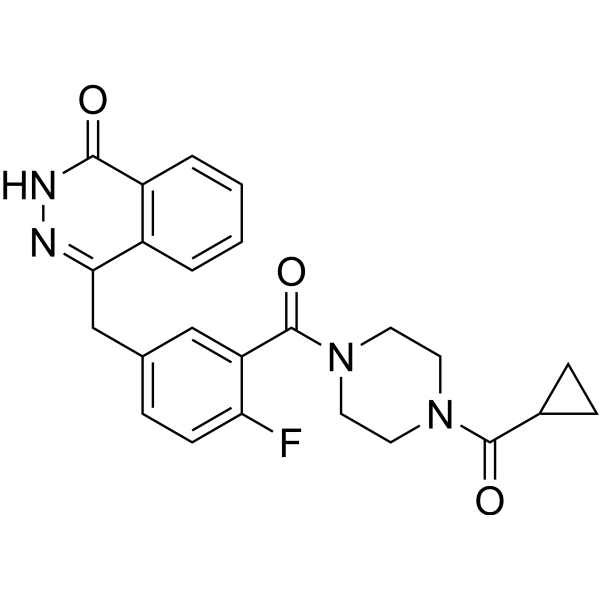
-
XAV-939
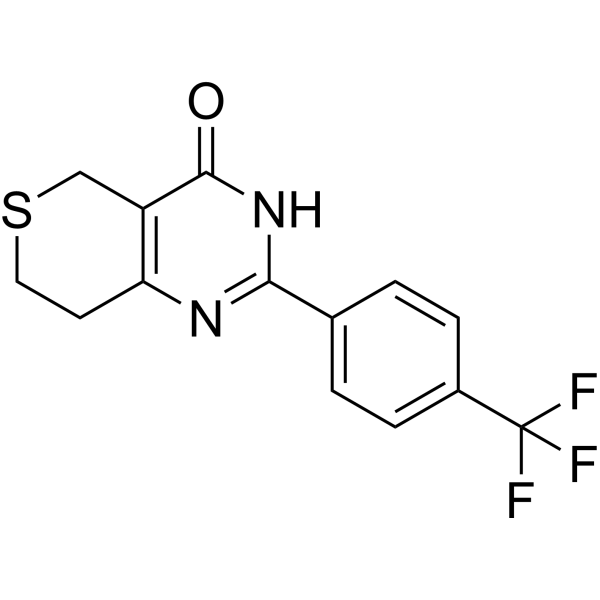 0 ImagesXAV-939 is a Tankyrase inhibitor. XAV-939 has inhibitory activity for TNKS1 and TNKS2 with IC50 values of 5 nM and 2 nM, respectively. XAV-939 also is an enhancer of osteoblastic differentiation of hMSCs. XAV-939 can be used for the research of conditions associated with activated Wnt signaling, such as cancer, fibrotic diseases and conditions associated with low bone formation.
-
Talazoparib
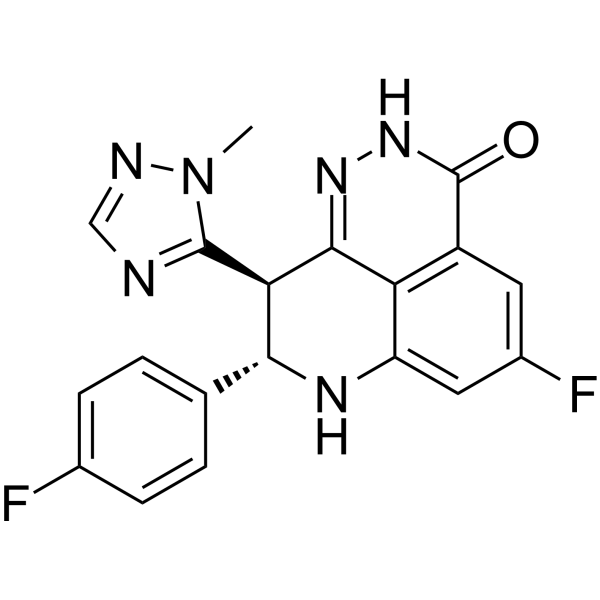 0 ImagesSynonyms: BMN-673; LT-673
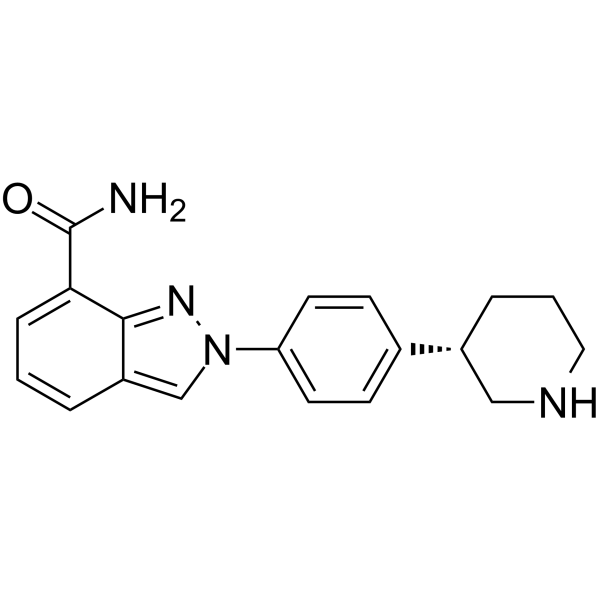
-
PROTAC PARP2 degrader-1
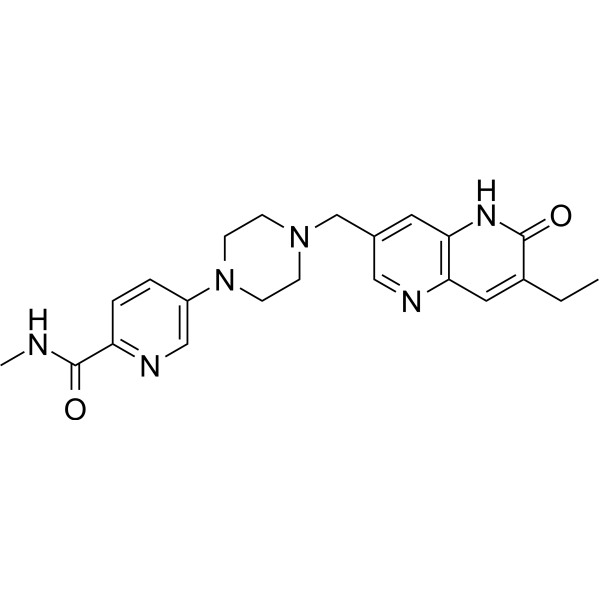
 0 ImagesPROTAC PARP2 degrader-1 is an orally active PARP2 PROTAC degrader with a DC50 of 2 μM. PROTAC PARP2 degrader-1 potently inhibits the enzymatic activities of PARP1 (IC50 = 2.74 nM) and PARP2 (IC50 = 0.32 nM), with approximately 10-fold higher selectivity for PARP2. PROTAC PARP2 degrader-1 induces cell cycle arrest and apoptosis, and exhibits significant anti-tumor efficacy in mouse models. PROTAC PARP2 degrader-1 can be used for the research of triple-negative breast cancer.
-
PCIP-1
 0 ImagesCat. No.: HY-185459Purity: 98.80%PCIP-1 is a PARP2 inhibitor. PCIP-1 recruits BET proteins to PARP2 to inhibit DNA repair, acts via event-driven pharmacology, and does not inhibit PARP-catalyzed PARylation. PCIP-1 inhibits DNA repair, thereby inducing synthetic lethality in homologous recombination-deficient cancer cells and increasing the sensitivity of PARP1-knockout cells. PCIP-1 can be used in the research of homologous recombination-deficient cancers, T-cell acute lymphoblastic leukemia, and BRCA-mutant cancers.
-
Rucaparib
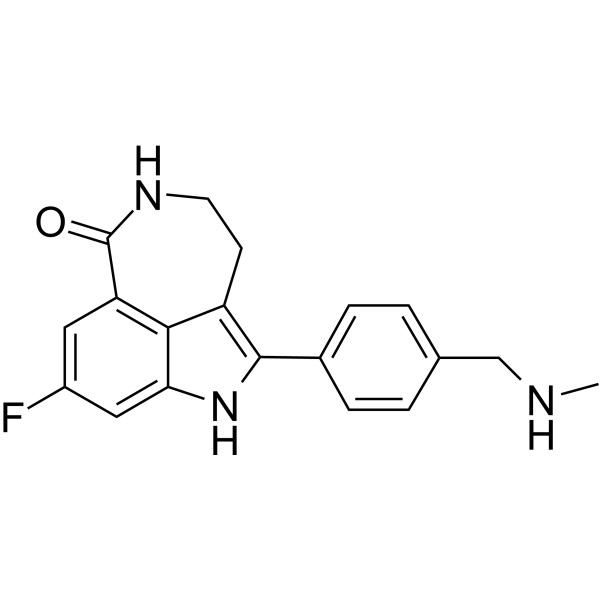 0 ImagesSynonyms: AG014699; PF-01367338Rucaparib (AG014699) is an orally active, potent inhibitor of PARP proteins (PARP-1, PARP-2 and PARP-3) with a Ki of 1.4 nM for PARP1. Rucaparib is a modest hexose-6-phosphate dehydrogenase (H6PD) inhibitor. Rucaparib has the potential for castration-resistant prostate cancer (CRPC) research.
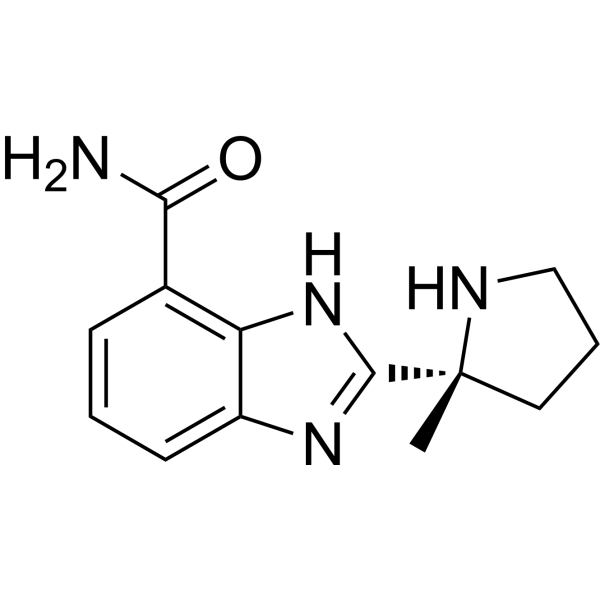
-
PJ34
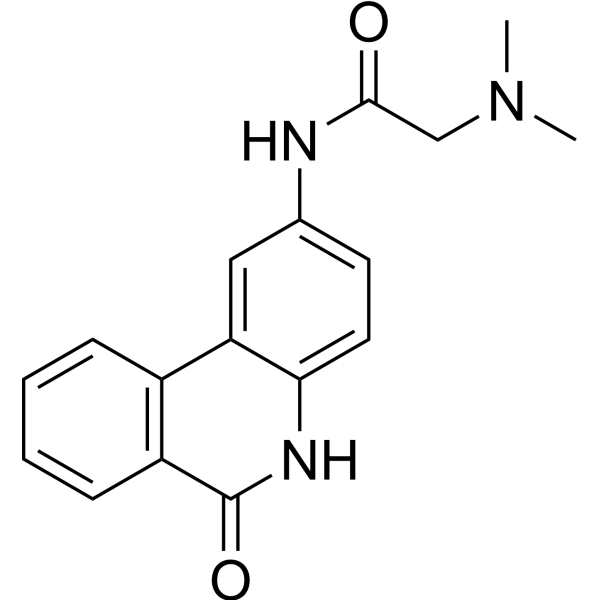 0 ImagesPJ34 is a potent specific inhibitor of PARPl/2 with IC50 of 110 nM and 86 nM, respectively.
-
Niraparib hydrochloride
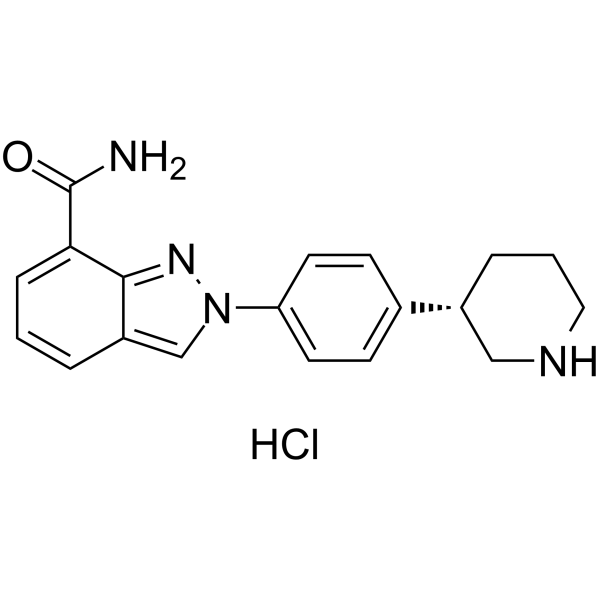 0 ImagesSynonyms: MK-4827 hydrochloride
-
Rucaparib phosphate
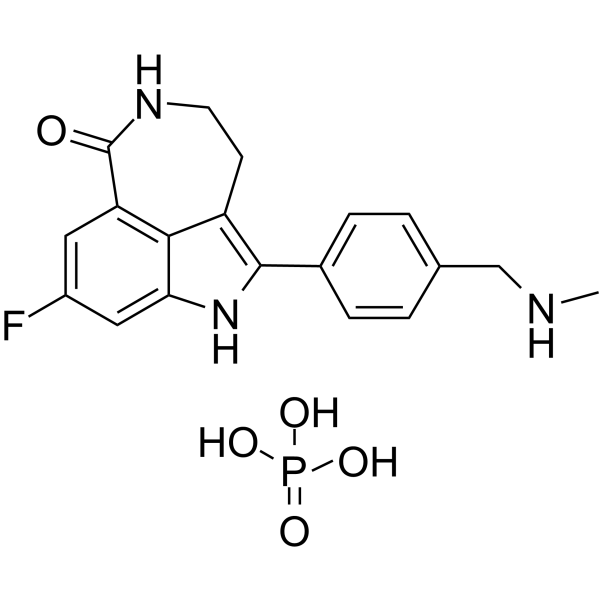 0 ImagesSynonyms: AG-014699 phosphate; PF-01367338 phosphateRucaparib (AG014699) phosphate is an orally active, potent inhibitor of PARP proteins (PARP-1, PARP-2 and PARP-3) with a Ki of 1.4 nM for PARP1. Rucaparib phosphate is a modest hexose-6-phosphate dehydrogenase (H6PD) inhibitor. Rucaparib phosphate has the potential for castration-resistant prostate cancer (CRPC) research.
-
NVP-TNKS656
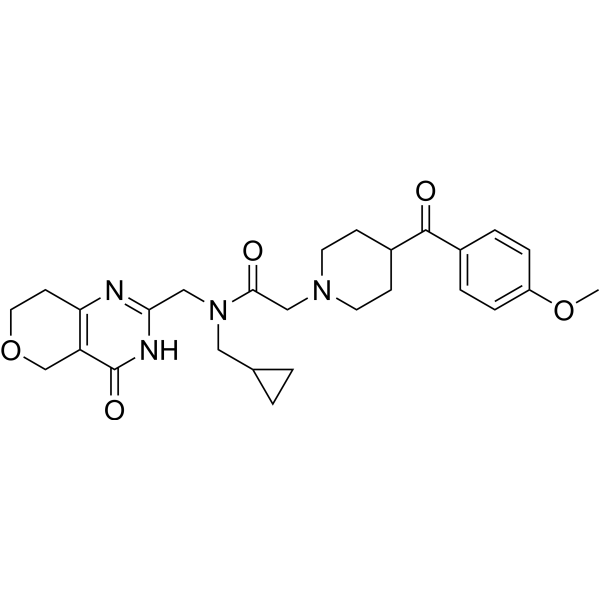 0 ImagesSynonyms: TNKS656
-
Niraparib tosylate
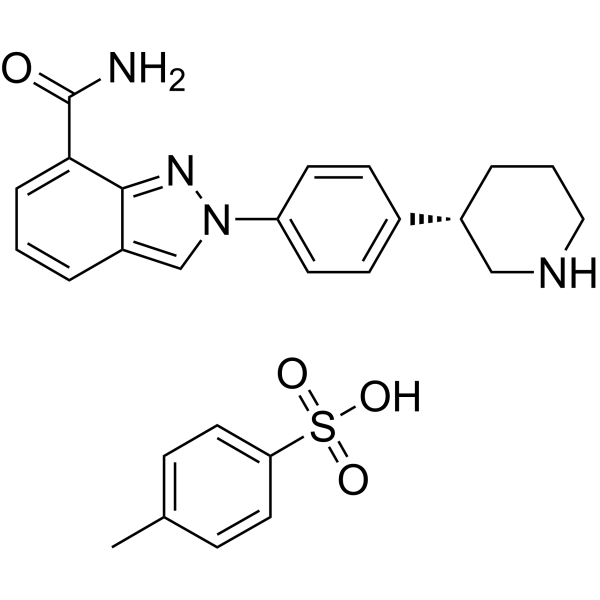 0 ImagesSynonyms: MK-4827 tosylate
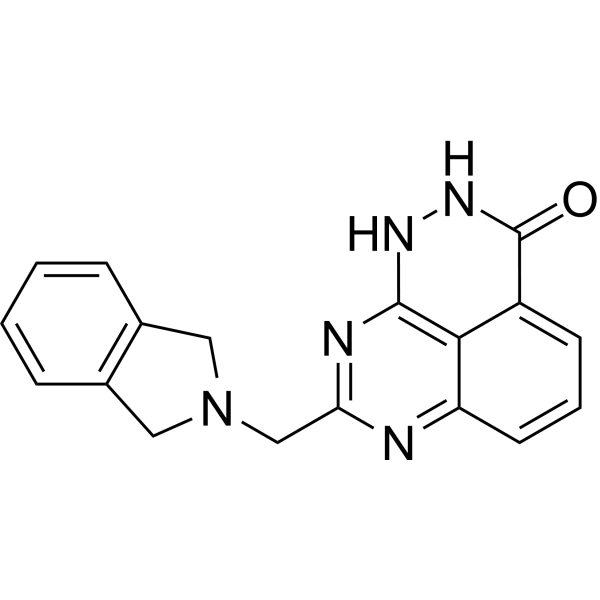
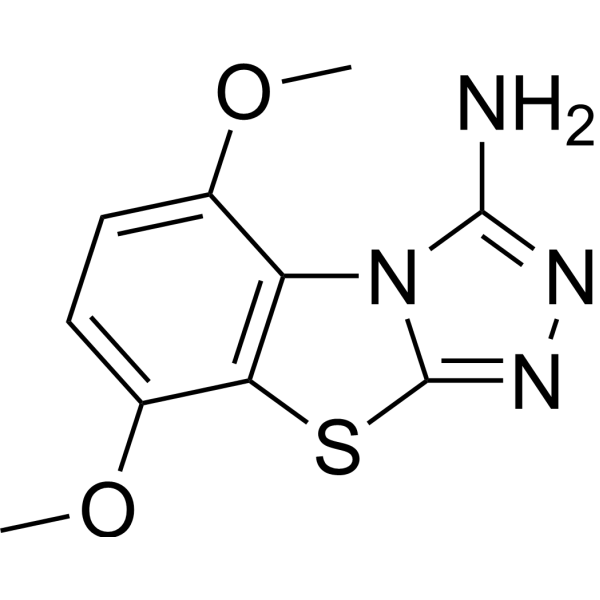
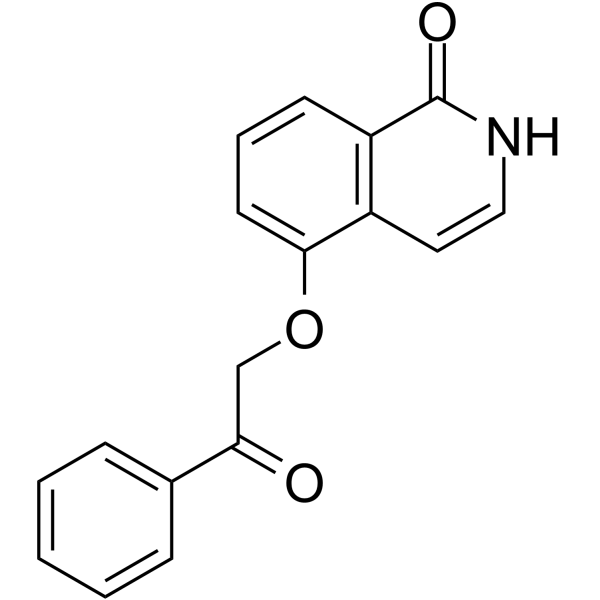
-
Rucaparib monocamsylate
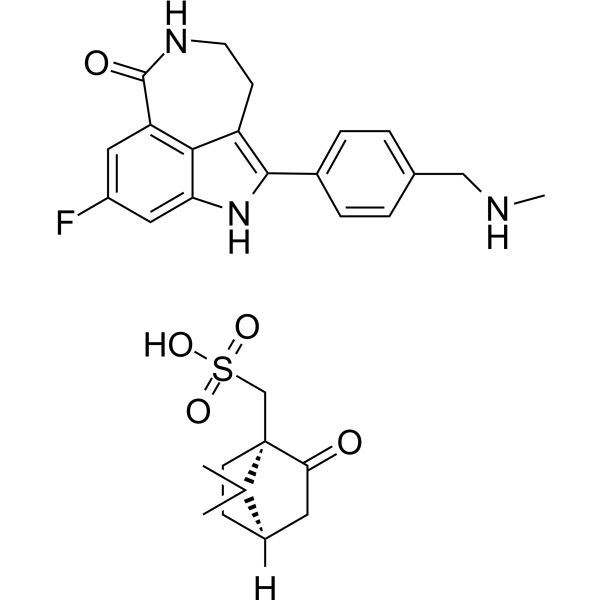 0 ImagesSynonyms: AG014699 monocamsylate; PF-01367338 monocamsylateRucaparib (AG014699) monocamsylate is an orally active, potent inhibitor of PARP proteins (PARP-1, PARP-2 and PARP-3) with a Ki of 1.4 nM for PARP1. Rucaparib monocamsylate is a modest hexose-6-phosphate dehydrogenase (H6PD) inhibitor. Rucaparib monocamsylate has the potential for castration-resistant prostate cancer (CRPC) research.
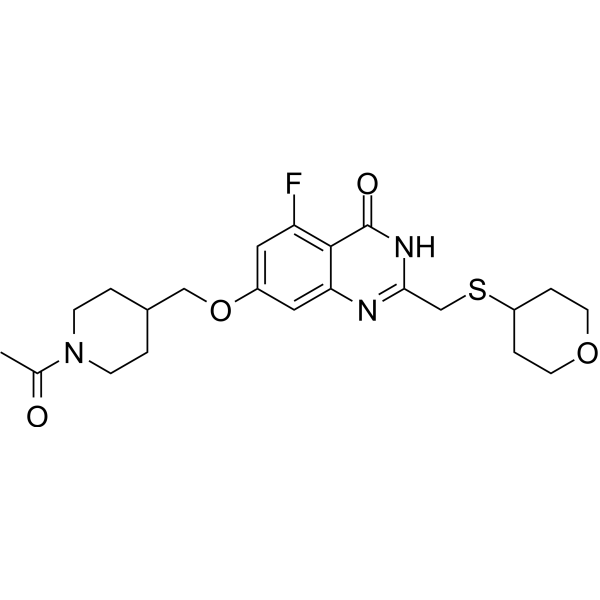
-
PJ34 hydrochloride
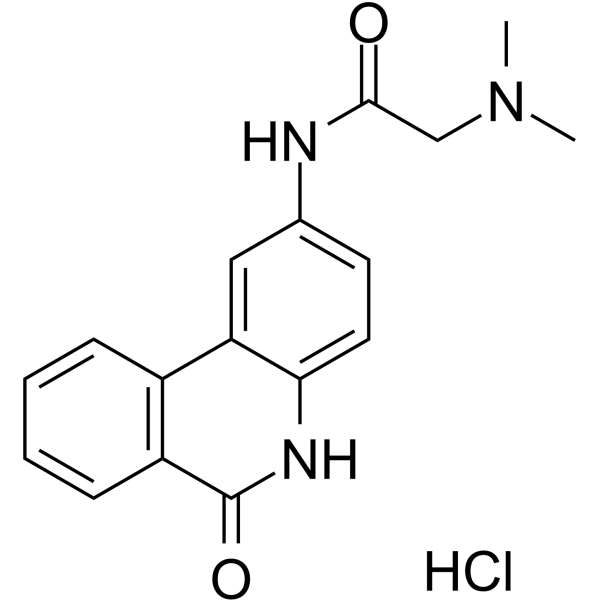 0 ImagesPJ34 hydrochloride is an inhibitor of PARP1/2 with IC50 of 110 nM and 86 nM, respectively.




