



Rucaparib monocamsylate
Based on 42 publication(s) in Google Scholar
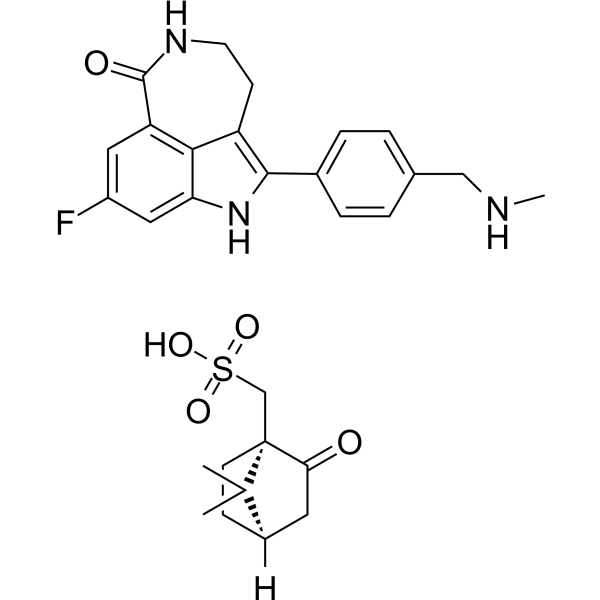
Rucaparib (AG014699) monocamsylate is an orally active, potent inhibitor of PARP proteins (PARP-1, PARP-2 and PARP-3) with a Ki of 1.4 nM for PARP1. Rucaparib monocamsylate is a modest hexose-6-phosphate dehydrogenase (H6PD) inhibitor. Rucaparib monocamsylate has the potential for castration-resistant prostate cancer (CRPC) research.
For research use only. We do not sell to patients.
- Purity : 99.91%
- CAS No.: 1859053-21-6
- Formula: C29H34FN3O5S
- Molecular Weight:555.66
-
Storage:
4°C, sealed storage, away from moisture
* In solvent : -80°C, 6 months; -20°C, 1 month (sealed storage, away from moisture)

To place orders, for customer services and technical support, please contact: MedChemExpress USA
Tel: 609-228-6898 E-mail: [email protected] [email protected]


-
 Biological Activity
-
Chemical Information
-
Solvent & Solubility
- Purity & Documentation
- References
-
 Help & FAQs


-
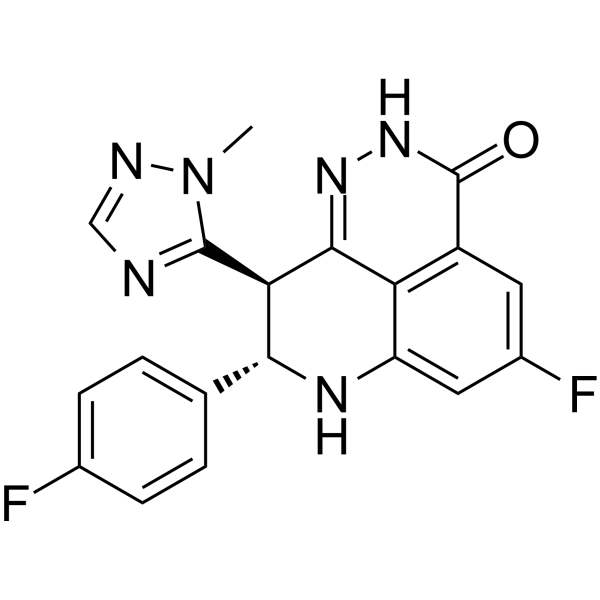
HY-16106
TalazoparibPARP Inhibitor -
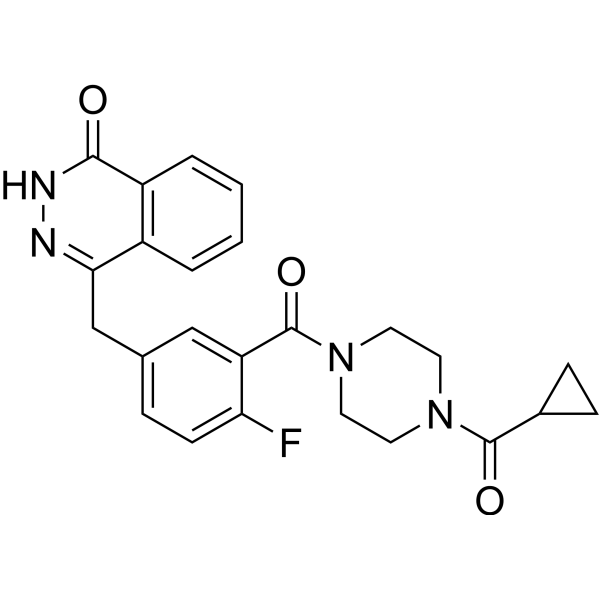
HY-10162
OlaparibPARP Inhibitor -
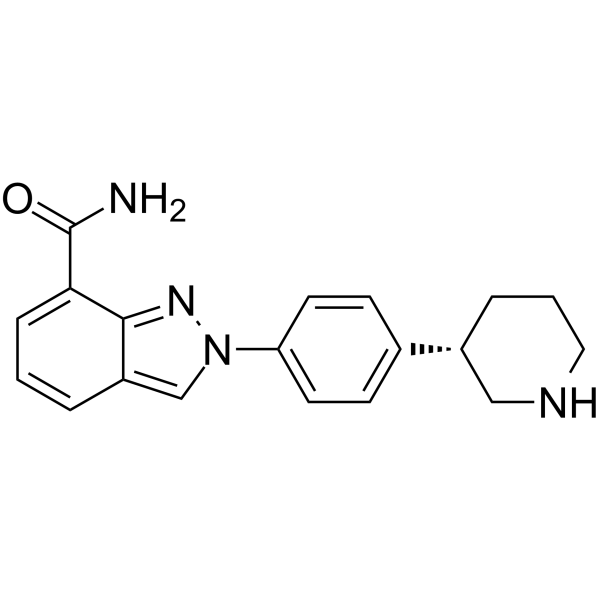
HY-10619
NiraparibPARP Inhibitor -
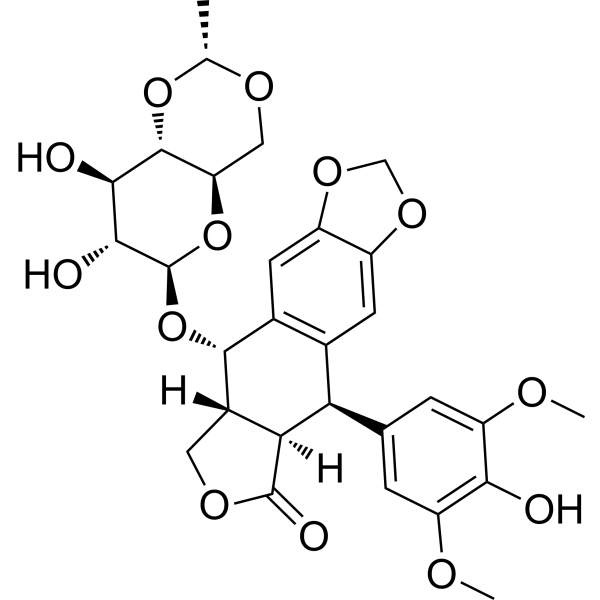
HY-13629
EtoposideTopoisomerase II Inhibitor -
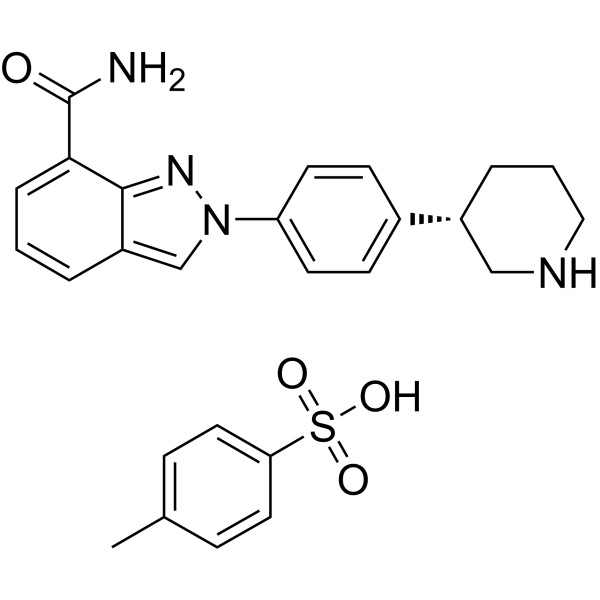
HY-10619B
Niraparib tosylatePARP Inhibitor -
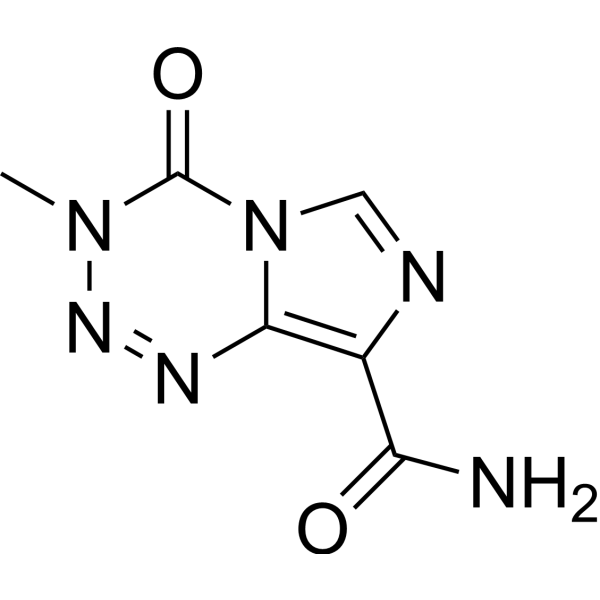
HY-17364
TemozolomideDNA Alkylator -
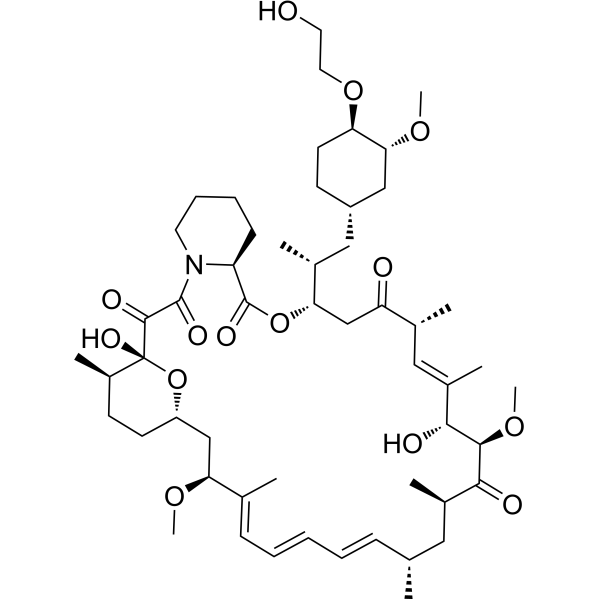
HY-10218
EverolimusmTORC Inhibitor -
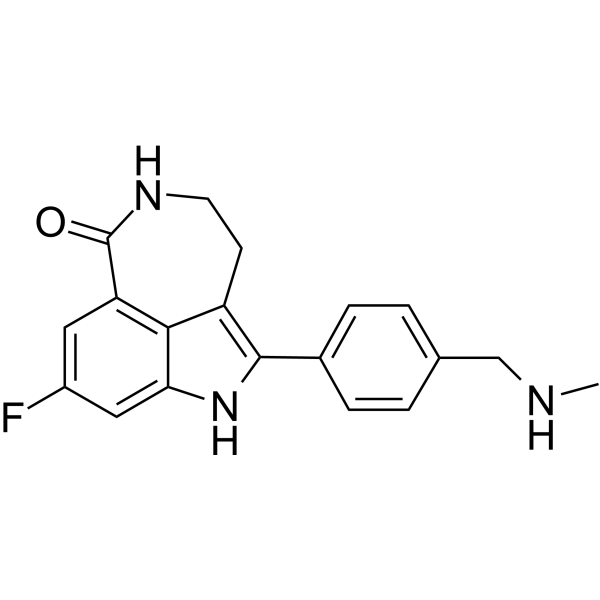
HY-10617A
RucaparibPARP Inhibitor -
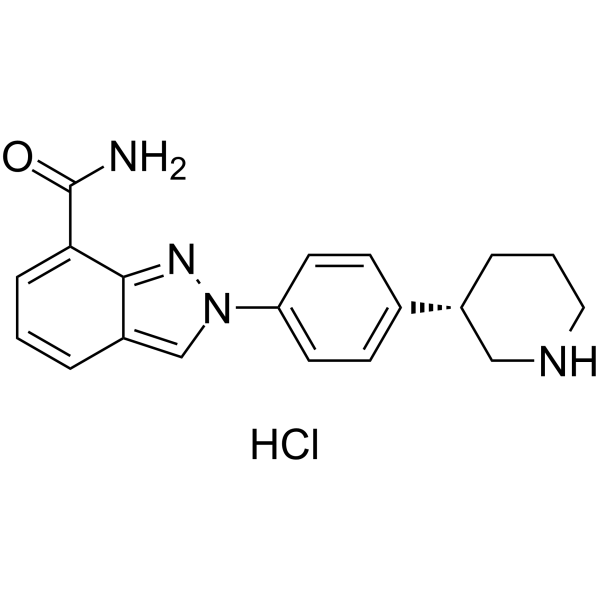
HY-10619A
Niraparib hydrochloridePARP Inhibitor -
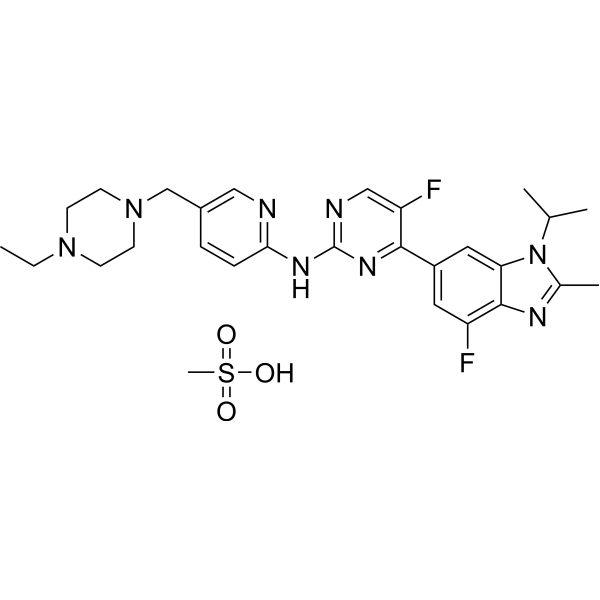
HY-16297
Abemaciclib methanesulfonateCDK4/6 Inhibitor -
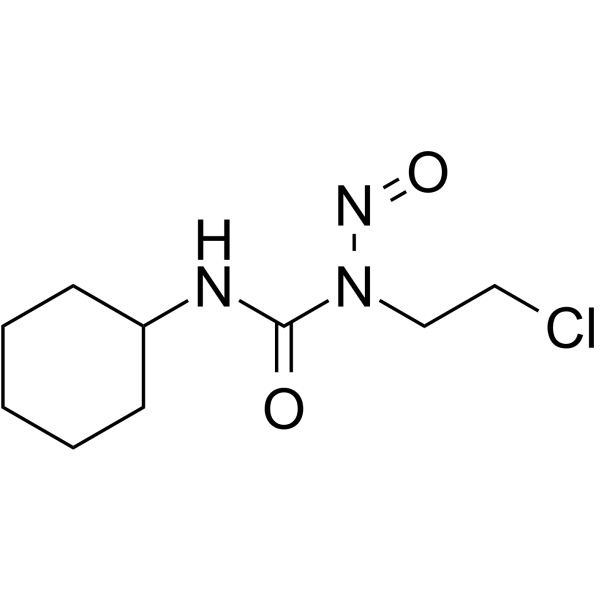
HY-13669
LomustineDNA Alkylator -
HY-15772A
Osimertinib mesylateMutant-Selective EGFR Inhibitor
Publications Citing Use of MedChemExpress (MCE) Rucaparib monocamsylate
More- Nat Methods. 2023 Sep;20(9):1388-1399. [Abstract]
- Nat Commun. 2025 Jun 2;16(1):5126. [Abstract]
- Sci Immunol. 2024 Mar 15;9(93):eadj7238. [Abstract]
- Sci Transl Med. 2021 May 26;13(595):eabe8226. [Abstract]
- Theranostics. 2020 Jul 25;10(21):9477-9494. [Abstract]
- Genes Dis. 2023 Apr 12;11(2):993-1008. [Abstract]
- J Clin Invest. 2026 Mar 17:e200260. [Abstract]
- Sci Adv. Sci Adv. 2025 Apr 25;11(17):eadu0847. [Abstract]
- Sci Adv. 2022 Feb 18;8(7):eabl9794. [Abstract]
- Clin Cancer Res. 2017 Feb 15;23(4):1001-1011. [Abstract]
- Eur J Nucl Med Mol Imaging. 2024 Nov;51(13):4099-4110. [Abstract]
- J Med Chem. 2023 Mar 23;66(6):4106-4130. [Abstract]
- Mol Cancer Ther. 2026 Jul 15:10.1158/1535-7163.MCT-26-0182.
- Mol Cancer Ther. 2025 Jul 2. [Abstract]
- Mol Cancer Ther. 2024 Oct 1;23(10):1404-1417. [Abstract]
- JCI Insight. 2023 Nov 8;8(21):e165268. [Abstract]
- Talanta. 2018 Apr 1:180:127-132. [Abstract]
- Int J Mol Sci. 2020 Feb 11;21(4):1185. [Abstract]
- J Mol Med (Berl). 2019 Aug;97(8):1183-1193. [Abstract]
- Neoplasia. 2025 May:63:101152. [Abstract]
- Cancers (Basel). 2024 Nov 5;16(22):3728. [Abstract]
- Neurooncol Adv. 2023 Feb 10;5(1):vdad010. [Abstract]
- FASEB J. 2022 Jul;36(7):e22418. [Abstract]
- BMC Cancer. 2022 Mar 23;22(1):312. [Abstract]
- Front Oncol. 2021 Jul 9:11:681441. [Abstract]
- DNA Repair. 2019 Jan:73:64-70. [Abstract]
- Am J Cancer Res. 2024 Jan 15;14(1):378-389. [Abstract]
- Am J Cancer Res. 2020 Aug 1;10(8):2649-2676. [Abstract]
- Gene. 2020 Oct 30:759:145000. [Abstract]
- Res Sq. 2026 Jun 17.
- Res Connect. 2026 May 28.
- bioRxiv. 2026 Mar 18.
- Research Square Preprint. 2024 Nov 06.
- bioRxiv. 2024 Sep 19:2024.09.19.613696. [Abstract]
- bioRxiv. 2024 Jul 10:2024.07.09.602803. [Abstract]
- bioRxiv. 2023 Feb 6:2023.02.06.527366. [Abstract]
- bioRxiv. 2023 Feb 7:2023.02.07.527369. [Abstract]
- Research Square Print. September 20th, 2022.
- Research Square Print. September 22nd, 2022.
- Aging (Albany NY). 2021 Jan 20;13(3):4242-4257. [Abstract]
- Patent. US20180362972A1.
- Patent. US20180263995A1.
 Customer Validation & Images

-
Cell Proliferation/Viability Assay
-
Flow Cytometry
-
Cell Proliferation/Viability Assay
-
Cell Proliferation/Viability Assay
-
In Vivo Efficacy Study


Biological Activity
Description
|
PARP-1 1.4 nM (Ki) |
PARP-2 |
PARP-3 |
In Vitro
Rucaparib (AG014699) monocamsylate is a possible N-demethylation metabolite of AG14644[1].
Rucaparib (0.1, 1, 10, 100 μM; 24 hours) monocamsylate is cytotoxic and has the LC50 being 5 μM in Capan-1 (BRCA2 mutant) cells and only 100 nM in MX-1 (BRCA1 mutant) cells[2].
The radio-sensitization by Rucaparib monocamsylate is due to downstream inhibition of activation of NF-κB, and is independent of SSB repair inhibition. Rucaparib monocamsylate can target NF-κB activated by DNA damage and overcome toxicity observed with classical NF-κB inhibitors without compromising other vital inflammatory functions[5].
Rucaparib monocamsylate inhibits PARP-1 activity by 97.1% at a concentration of 1 μM in permeabilised D283Med cells[6].
MedChemExpress (MCE) has not independently confirmed the accuracy of these methods. They are for reference only. .
In Vivo
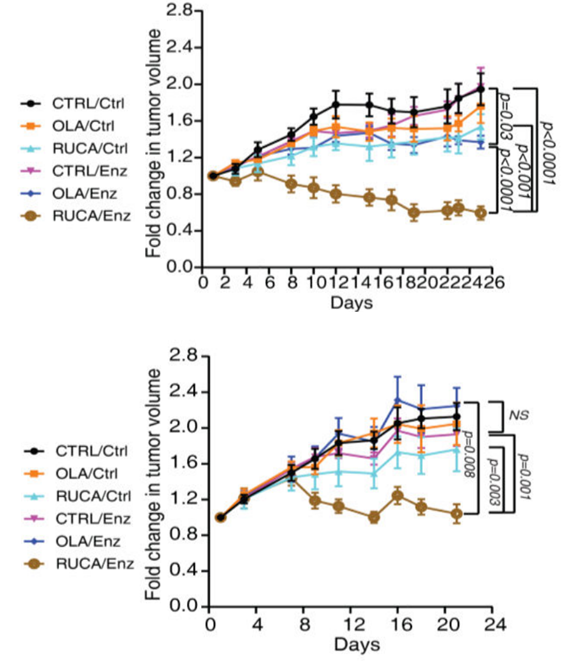
Rucaparib (10 mg/kg for i.p. or 50, 150 mg/kg for p.o.; daily for 5 days per week for 6 weeks) monocamsylate significantly inhibits the growth of the tumor, and there is one complete tumor regression and two persistent partial regressions[2].
Rucaparib (150 mg/kg; p.o.; once per week for 6 weeks or three times per week for 6 weeks) monocamsylate has greatest antitumor effect with three complete regressions[2].
Rucaparib monocamsylate enhances the antitumor activity of temozolomide and indicates complete and sustained tumor regression in NB1691 and SHSY5Y xenografts[6].
MedChemExpress (MCE) has not independently confirmed the accuracy of these methods. They are for reference only.
-
Animal Model:Female CD-1 nude mice aged 10-12 weeks with Capan-1 cells[2]
-
Dosage:10 mg/kg or 50, 150 mg/kg
-
Administration:10 mg/kg for i.p. or 50, 150 mg/kg for p.o.
-
Result:Significantly inhibited the growth of the tumor.


Chemical Information
-
CAS No. 1859053-21-6
-
Appearance Solid
-
Molecular Weight 555.66
-
Formula C29H34FN3O5S
-
Color Light yellow to gray
-
SMILES
FC1=CC2=C3C(CCNC2=O)=C(C4=CC=C(CNC)C=C4)NC3=C1.O=S(C[C@@]5(C6(C)C)C(C[C@@]6([H])CC5)=O)(O)=O
-
Synonyms
AG014699 monocamsylate; PF-01367338 monocamsylate
-
Shipping
Room temperature in continental US; may vary elsewhere.
-
Storage
4°C, sealed storage, away from moisture
* In solvent : -80°C, 6 months; -20°C, 1 month (sealed storage, away from moisture)


Publications (42)
-
Journal Impact Factor
-
Most Recent
-
Nat Methods
2023 Sep;20(9):1388-1399. PMID: 37474806 -
Nat Commun
Selective targeting of genome amplifications and repeat elements by CRISPR-Cas9 nickases to promote cancer cell death. [Abstract]2025 Jun 2;16(1):5126. PMID: 40456709
Rucaparib monocamsylate purchased from MedChemExpress. Usage Cited in: Nat Commun. 2025 Jun 2;16(1):5126. [Abstract]
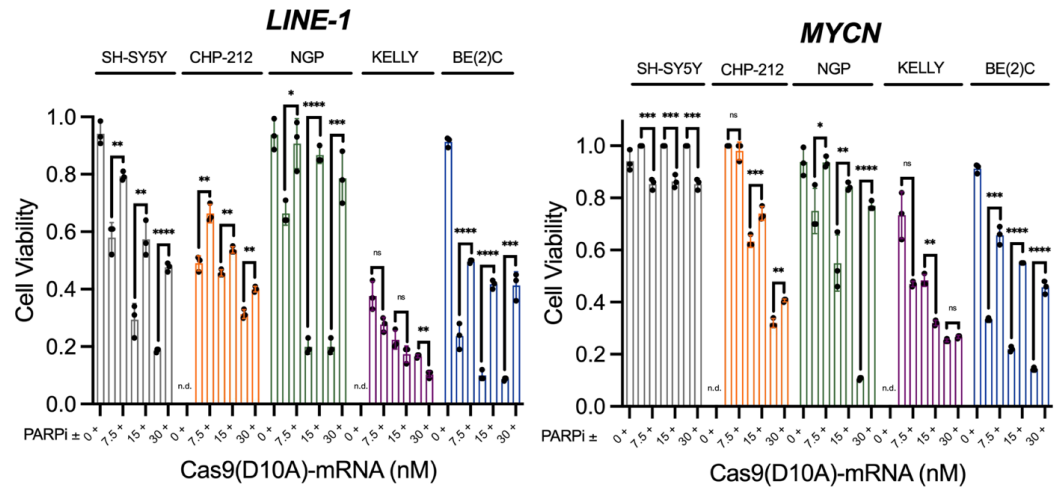
Treatment of MYCN-amplified SK-N-BE(2)C, KELLY, NGP, and CHP-212 or MYCN non-amplified SH-SY5Y neuroblastoma cells expressing) LINE-1 or MYCN targeting sgRNA with Cas9D10A-mRNA (7.5, 15, or 30 nM; increase in concentration marked by black triangle) without or with the PARP inhibitor, Rucaparib (10 µM). Inhibition of PARP1 in the presence of Cas9D10A is protective, as indicated in the reduced cell-killing efficacy of Cas9D10A at 3-days post-treatment (n = 3). PARP1 inhibition only had a modest effect on cell killing in KELLY and CHP-212 cells. A modest reduction in cell viability in SH-SY5Y cells in the presence of the PARP inhibitor is likely due to non-specific toxicity. Data are presented as mean ± s.d. normalized relative to viability of cells expressing AAVS1 targeting sgRNA treated with Cas9D10A.
Rucaparib monocamsylate purchased from MedChemExpress. Usage Cited in: Nat Commun. 2025 Jun 2;16(1):5126. [Abstract]
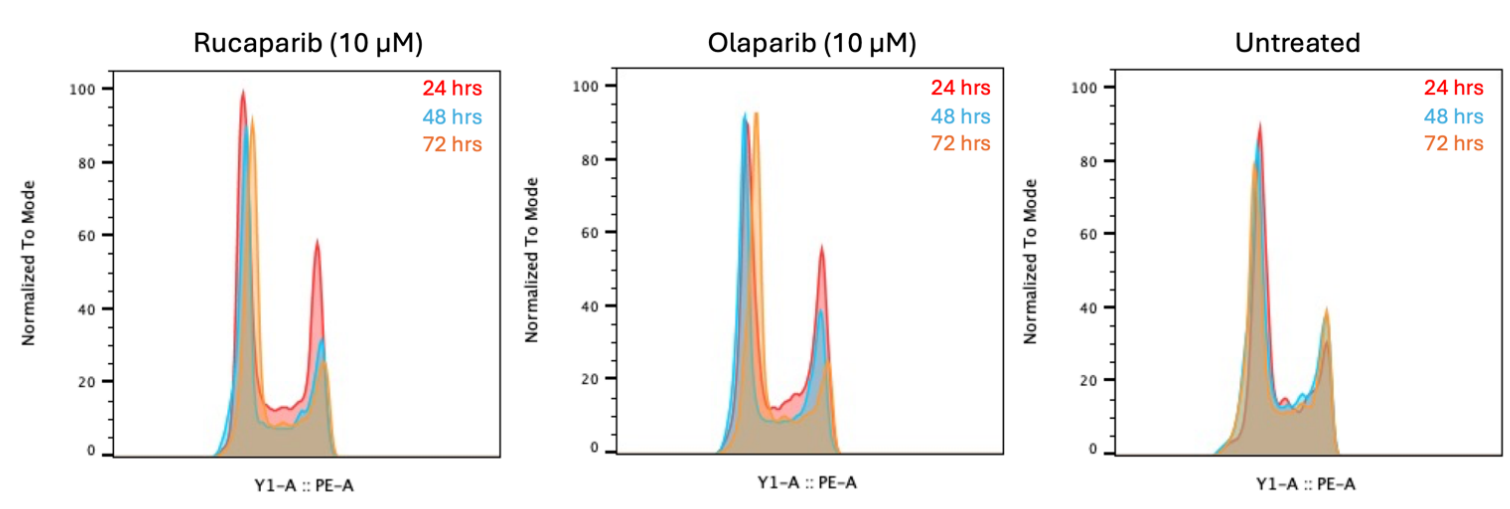
Representative histograms of flow cytometric cell cycle analysis of SK-N-BE(2)C cells supplemented with PARP inhibitors at their respective IC50. SK-N-BE(2)C cells were incubated with Rucaparib (10 µM) or Olaparib (10 µM) in the absence of Cas9D10A and monitored for abberations in cell cycle progression at 1-, 2-, and 3-days (n = 3).
-
Sci Immunol
2024 Mar 15;9(93):eadj7238. PMID: 38489349 -
Sci Transl Med
Hexose-6-phosphate dehydrogenase blockade reverses prostate cancer drug resistance in xenograft models by glucocorticoid inactivation. [Abstract]2021 May 26;13(595):eabe8226. PMID: 34039740
Rucaparib monocamsylate purchased from MedChemExpress. Usage Cited in: Sci Transl Med. 2021 May 26;13(595):eabe8226. [Abstract]
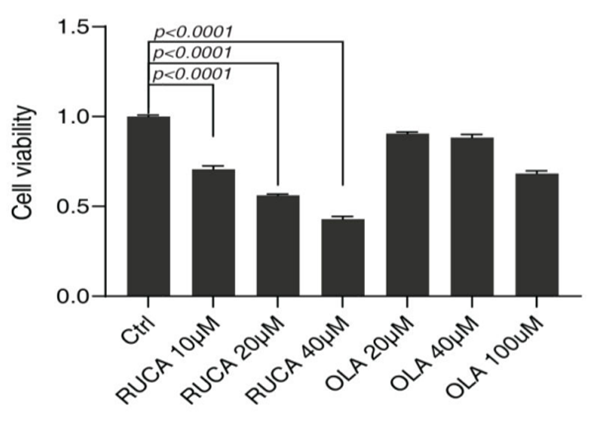
Viability of enz-resistant LAPC4 cells treated with Rucaparib (RUCA, 10-40 μM). Cells were treated with 100 nM cortisol with 10 μM Enzalutamide (enz) combined with the indicated drugs for 5 days and assayed using CellTiter-Glo. Viability is normalized to Ctrl.
Rucaparib monocamsylate purchased from MedChemExpress. Usage Cited in: Sci Transl Med. 2021 May 26;13(595):eabe8226. [Abstract]
Rucaparib (RUCA, 150 mg/kg; oral gavage BID, 5 days on, 2 days off) and the inhibitory effect of Enzalutamide (Enz) on xenograft growth in the F, VCaP and H, LAPC4 mouse xenograft models.
-
Theranostics
Molecular signatures of BRCAness analysis identifies PARP inhibitor Niraparib as a novel targeted therapeutic strategy for soft tissue Sarcomas. [Abstract]2020 Jul 25;10(21):9477-9494. PMID: 32863940 -
Genes Dis
The m6A regulator KIAA1429 stabilizes RAB27B mRNA and promotes the progression of chronic myeloid leukemia and resistance to targeted therapy. [Abstract]2023 Apr 12;11(2):993-1008. PMID: 37692484 -
J Clin Invest
Targeting Wnt/β-Catenin and circadian regulator restores PRC2/EZH2 controlled chromatin bivalency and suppresses cell state diversity. [Abstract]2026 Mar 17:e200260. PMID: 41842971 -
Sci Adv
Acute BRCAness induction and AR pathway blockage through CDK12/7/9 degradation enhances PARP inhibitor sensitivity in prostate cancer. [Abstract]Sci Adv. 2025 Apr 25;11(17):eadu0847. PMID: 40267193
Rucaparib monocamsylate purchased from MedChemExpress. Usage Cited in: Sci Adv. Sci Adv. 2025 Apr 25;11(17):eadu0847. [Abstract]
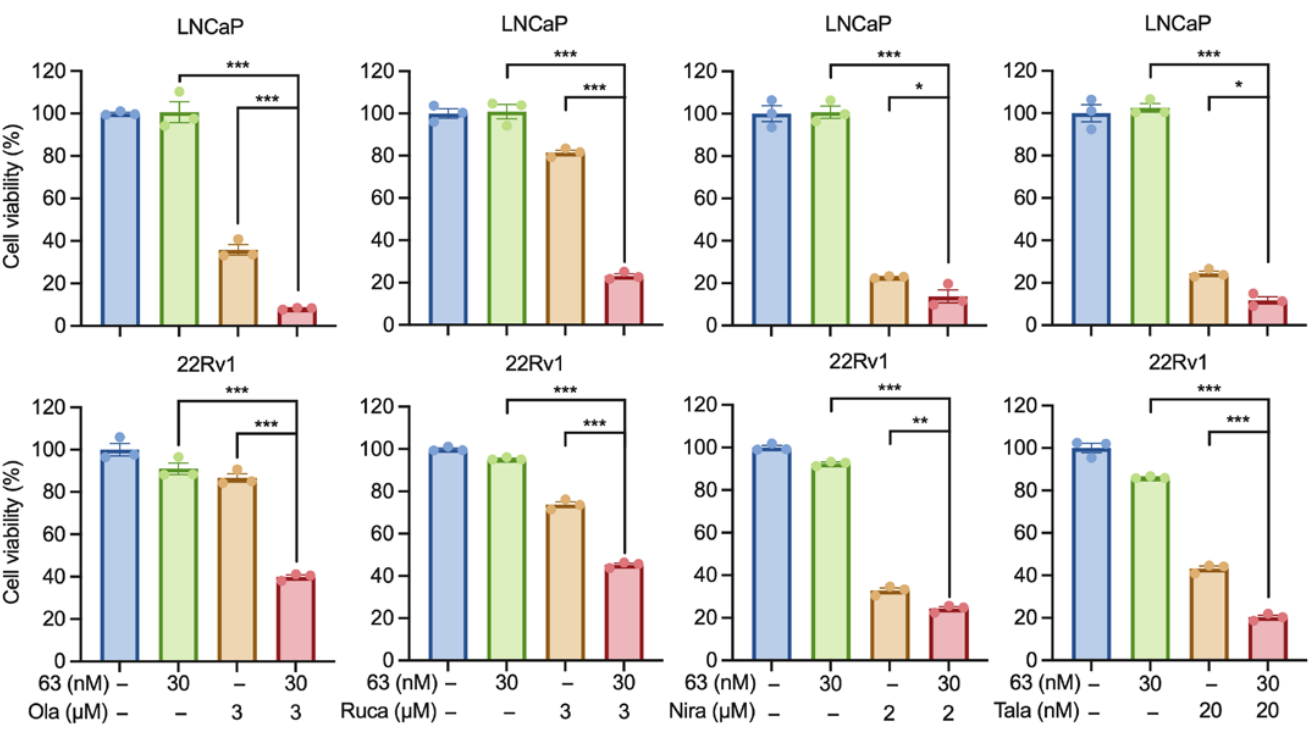
Cell viability assays in LNCaP and 22Rv1 cells treated with BSJ-5-63 for 2 days, PARPis [olaparib (Ola), Rucaparib (Ruca; 3 μM), niraparib (Nira), or talazoparib (Tala)] for 7 days, or sequential combination where BSJ-5-63 was removed after 2 days and followed by PARPi treatment for additional 5 days. Data represent means ± SEM (n = 3).
-
Sci Adv
RB1 loss overrides PARP inhibitor sensitivity driven by RNASEH2B loss in prostate cancer. [Abstract]2022 Feb 18;8(7):eabl9794. PMID: 35179959 -
Clin Cancer Res
Drug-Driven Synthetic Lethality: Bypassing Tumor Cell Genetics with a Combination of AsiDNA and PARP Inhibitors. [Abstract]2017 Feb 15;23(4):1001-1011. PMID: 27559053 -
Eur J Nucl Med Mol Imaging
Combining [177Lu]Lu-DOTA-TOC PRRT with PARP inhibitors to enhance treatment efficacy in small cell lung cancer. [Abstract]2024 Nov;51(13):4099-4110. PMID: 39023784 -
J Med Chem
Comparative Efficacy and Selectivity of Pharmacological Inhibitors of DYRK and CLK Protein Kinases. [Abstract]2023 Mar 23;66(6):4106-4130. PMID: 36876904 -
-
Mol Cancer Ther
Harnessing senolytics and PARP inhibition to expand the antitumor activity of CDK4/6 inhibitors in prostate cancer. [Abstract]2025 Jul 2. PMID: 40601842 -
Mol Cancer Ther
AKT Inhibition Sensitizes to Polo-Like Kinase 1 Inhibitor Onvansertib in Prostate Cancer. [Abstract]2024 Oct 1;23(10):1404-1417. PMID: 38894678 -
JCI Insight
Mutant RB1 enhances therapeutic efficacy of PARPis in lung adenocarcinoma by triggering the cGAS/STING pathway. [Abstract]2023 Nov 8;8(21):e165268. PMID: 37937640 -
Talanta
Ultrasensitive electrochemical detection of poly (ADP-ribose) polymerase-1 via polyaniline deposition. [Abstract]2018 Apr 1:180:127-132. PMID: 29332790 -
Int J Mol Sci
2020 Feb 11;21(4):1185. PMID: 32053991 -
J Mol Med (Berl)
2019 Aug;97(8):1183-1193. PMID: 31201471 -
Neoplasia
Targeting BARD1 suppresses a Myc-dependent transcriptional program and tumor growth in pancreatic ductal adenocarcinoma. [Abstract]2025 May:63:101152. PMID: 40096771 -
Cancers (Basel)
2024 Nov 5;16(22):3728. PMID: 39594684 -
Neurooncol Adv
The PARP inhibitor Rucaparib synergizes with radiation to attenuate atypical teratoid rhabdoid tumor growth. [Abstract]2023 Feb 10;5(1):vdad010. PMID: 36915612 -
FASEB J
LPS stimulation stabilizes HIF-1α by enhancing HIF-1α acetylation via the PARP1-SIRT1 and ACLY-Tip60 pathways in macrophages. [Abstract]2022 Jul;36(7):e22418. PMID: 35713568 -
BMC Cancer
PARP inhibitors chemopotentiate and synergize with cisplatin to inhibit bladder cancer cell survival and tumor growth. [Abstract]2022 Mar 23;22(1):312. PMID: 35321693 -
Front Oncol
The Emerging Role of Poly (ADP-Ribose) Polymerase Inhibitors as Effective Therapeutic Agents in Renal Cell Carcinoma. [Abstract]2021 Jul 9:11:681441. PMID: 34307148 -
DNA Repair
Loss of the p12 subunit of DNA polymerase delta leads to a defect in HR and sensitization to PARP inhibitors. [Abstract]2019 Jan:73:64-70. PMID: 30470508 -
Am J Cancer Res
Novel dual action PARP and microtubule polymerization inhibitor AMXI-5001 powerfully inhibits growth of esophageal carcinoma both alone and in combination with radiotherapy. [Abstract]2024 Jan 15;14(1):378-389. PMID: 38323288 -
Am J Cancer Res
AMXI-5001, a novel dual parp1/2 and microtubule polymerization inhibitor for the treatment of human cancers. [Abstract]2020 Aug 1;10(8):2649-2676. PMID: 32905466 -
Gene
Rucaparib antagonize multidrug resistance in cervical cancer cells through blocking the function of ABC transporters. [Abstract]2020 Oct 30:759:145000. PMID: 32717310 -
-
-
-
-
bioRxiv
2024 Sep 19:2024.09.19.613696. PMID: 39345583 -
bioRxiv
Acute BRCAness Induction and AR Signaling Blockage through CDK12/7/9 Degradation Enhances PARP Inhibitor Sensitivity in Prostate Cancer. [Abstract]2024 Jul 10:2024.07.09.602803. PMID: 39026842 -
bioRxiv
Mono-ADP-ribosyltransferase 1 ( Artc1 )-deficiency decreases tumorigenesis, increases inflammation, decreases cardiac contractility, and reduces survival. [Abstract]2023 Feb 6:2023.02.06.527366. PMID: 36945646 -
bioRxiv
A PARP inhibitor, rucaparib, improves cardiac dysfunction in ADP-ribose-acceptor hydrolase 3 ( Arh3 ) deficiency. [Abstract]2023 Feb 7:2023.02.07.527369. PMID: 36945462 -
-
-
Aging (Albany NY)
Oxaliplatin induces the PARP1-mediated parthanatos in oral squamous cell carcinoma by increasing production of ROS. [Abstract]2021 Jan 20;13(3):4242-4257. PMID: 33495407 -
-


Solvent & Solubility
In Vitro:
DMSO : 50 mg/mL (89.98 mM; ultrasonic and warming and heat to 60°C; Hygroscopic DMSO has a significant impact on the solubility of product, please use newly opened DMSO)
Please refer to the solubility information to select the appropriate solvent. Once prepared, please aliquot and store the solution to prevent product inactivation from repeated freeze-thaw cycles.
Storage method and period of stock solution: -80°C, 6 months; -20°C, 1 month (sealed storage, away from moisture). When stored at -80°C, please use it within 6 months. When stored at -20°C, please use it within 1 month.
Please refer to the solubility information to select the appropriate solvent. Once prepared, please aliquot and store the solution to prevent product inactivation from repeated freeze-thaw cycles.
Storage method and period of stock solution: -80°C, 6 months; -20°C, 1 month (sealed storage, away from moisture). When stored at -80°C, please use it within 6 months. When stored at -20°C, please use it within 1 month.
Concentration (start) × Volume (start) = Concentration (final) × Volume (final)
In Vivo:
Select the appropriate dissolution method based on your experimental animal and administration route.
- For the following dissolution methods, please ensure to first prepare a clear stock solution using an In Vitro approach and then sequentially add co-solvents:
- To ensure reliable experimental results, the clarified stock solution can be appropriately stored based on storage conditions. As for the working solution for In Vivo experiments, it is recommended to prepare freshly and use it on the same day.
- The percentages shown for the solvents indicate their volumetric ratio in the final prepared solution. If precipitation or phase separation occurs during preparation, heat and/or sonication can be used to aid dissolution.
Add each solvent one by one: 10% DMSO 40% PEG300 5% Tween-80 45% Saline
Solubility: ≥ 2.08 mg/mL (3.74 mM); Clear solution
This protocol yields a clear solution of ≥ 2.08 mg/mL (saturation unknown).
Taking 1 mL working solution as an example, add 100 μL DMSO stock solution (20.8 mg/mL) to 400 μL PEG300, and mix evenly; then add 50 μL Tween-80 and mix evenly; then add 450 μL Saline to adjust the volume to 1 mL.
Preparation of Saline: Dissolve 0.9 g sodium chloride in ddH₂O and dilute to 100 mL to obtain a clear Saline solution.
Add each solvent one by one: 10% DMSO 90% (20% SBE-β-CD in Saline)
Solubility: ≥ 2.08 mg/mL (3.74 mM); Clear solution
This protocol yields a clear solution of ≥ 2.08 mg/mL (saturation unknown).
Taking 1 mL working solution as an example, add 100 μL DMSO stock solution (20.8 mg/mL) to 900 μL 20% SBE-β-CD in Saline, and mix evenly.
Preparation of 20% SBE-β-CD in Saline (4°C, storage for one week): 2 g SBE-β-CD powder is dissolved in 10 mL Saline, completely dissolve until clear.
In Vivo Dissolution Calculator
Please enter the basic information of animal experiments:
-
-
-
-
Recommended: Prepare an additional quantity of animals to account for potential losses during experiments.
Please enter your animal formula composition:
-
%DMSO +
Recommended: Keep the proportion of DMSO in working solution below 2% if your animal is weak.
-
%+
-
+%Tween-80 + +
-
%Saline +
The co-solvents required include: DMSO, . All of co-solvents are available by MedChemExpress (MCE). , Tween 80. All of co-solvents are available by MedChemExpress (MCE).
Working solution concentration: 0.22 mg/mL
Method for preparing stock solution: mg drug dissolved in μL DMSO. Stock solution concentration: mg/mL. * In solvent : -80°C, 6 months; -20°C, 1 month (sealed storage, away from moisture)
1. Take μL DMSO stock solution;
2. Add μL .
μL , mix evenly;
3. Then add μL Tween 80, mix evenly;
4. Then add μL
Please ensure that the stock solution in the first step is dissolved to a clear state, and add co-solvents in sequence. You can use ultrasonic heating (ultrasonic cleaner, recommended frequency 20-40 kHz), vortexing, etc. to assist dissolution.


Purity & Documentation
-
Data Sheet (282 KB)
-
SDS (418 KB)
- English - EN (418 KB)
- Français - FR (418 KB)
- Deutsch - DE (418 KB)
- Norwegian - NO (418 KB)
- Español - ES (418 KB)
- Swedish - SV (418 KB)
- Italian - IT (418 KB)
- Korean - KR (418 KB)
- Portuguese - PT (418 KB)
-
Handling Instructions (2659 KB)
References
[1]. Thomas HD, et al. Preclinical selection of a novel poly(ADP-ribose) polymerase inhibitor for clinical trial. Mol Cancer Ther, 2007, 6(3), 945-956. [Content Brief]
[2]. J Murray, et al. Tumour cell retention of rucaparib, sustained PARP inhibition and efficacy of weekly as well as daily schedules. Br J Cancer. 2014 Apr 15;110(8):1977-84. [Content Brief]
[3]. Matt Shirley, et al. Rucaparib: A Review in Ovarian Cancer. Target Oncol. 2019 Apr;14(2):237-246. [Content Brief]
[4]. Jianneng Li, et al. Hexose-6-phosphate dehydrogenase blockade reverses prostate cancer drug resistance in xenograft models by glucocorticoid inactivation. Sci Transl Med. 2021 May 26;13(595):eabe8226. [Content Brief]
[5]. Hunter JE, et al. NF-κB mediates radio-sensitization by the PARP-1 inhibitor, AG-014699. Oncogene, 2012, 31(2), 251-264. [Content Brief]
[6]. Daniel RA, et al. Inhibition of poly(ADP-ribose) polymerase-1 enhances temozolomide and topotecan activity against childhood neuroblastoma. Clin Cancer Res, 2009, 15(4), 1241-1249. [Content Brief]


Complete Stock Solution Preparation Table
Please refer to the solubility information to select the appropriate solvent. Once prepared, please aliquot and store the solution to prevent product inactivation from repeated freeze-thaw cycles.
Storage method and period of stock solution: -80°C, 6 months; -20°C, 1 month (sealed storage, away from moisture). When stored at -80°C, please use it within 6 months. When stored at -20°C, please use it within 1 month.
| Optional Solvent | Concentration Solvent Mass | 1 mg | 5 mg | 10 mg | 25 mg |
|---|---|---|---|---|---|
| DMSO | 1 mM | 1.7997 mL | 8.9983 mL | 17.9966 mL | 44.9915 mL |
| 5 mM | 0.3599 mL | 1.7997 mL | 3.5993 mL | 8.9983 mL | |
| 10 mM | 0.1800 mL | 0.8998 mL | 1.7997 mL | 4.4992 mL | |
| 15 mM | 0.1200 mL | 0.5999 mL | 1.1998 mL | 2.9994 mL | |
| 20 mM | 0.0900 mL | 0.4499 mL | 0.8998 mL | 2.2496 mL | |
| 25 mM | 0.0720 mL | 0.3599 mL | 0.7199 mL | 1.7997 mL | |
| 30 mM | 0.0600 mL | 0.2999 mL | 0.5999 mL | 1.4997 mL | |
| 40 mM | 0.0450 mL | 0.2250 mL | 0.4499 mL | 1.1248 mL | |
| 50 mM | 0.0360 mL | 0.1800 mL | 0.3599 mL | 0.8998 mL | |
| 60 mM | 0.0300 mL | 0.1500 mL | 0.2999 mL | 0.7499 mL | |
| 80 mM | 0.0225 mL | 0.1125 mL | 0.2250 mL | 0.5624 mL |


Rucaparib monocamsylate Related Classifications
HY-102003 Related Classifications
 Powered by Bioz