



PARP3
PARP3 (poly(ADP-ribose) polymerase 3) is a mono-ADP-ribosyltransferase that contributes to genome integrity by participating in cellular responses to DNA damage and by supporting mitotic progression[1][2]. Mechanistically, PARP3 is recruited to DNA double-strand breaks (DSBs) and functions within the classical non-homologous end joining (c-NHEJ) pathway, where it cooperates with DNA repair factors including APLF, Ku70, and Ku80 to promote efficient DNA end joining[1][3]. PARP3 also facilitates retention of DNA ligation machinery at damaged chromatin and accelerates repair of chromosomal DSBs, linking ADP-ribosylation signaling to repair pathway execution[3][4]. In experimental models, depletion or genetic loss of PARP3 delays DSB repair, reduces accurate NHEJ activity, and alters the balance between homologous recombination (HR) and NHEJ repair mechanisms[3][4]. Mechanistically, PARP3 interacts with and ADP-ribosylates Ku70/Ku80, limiting DNA end resection and thereby influencing repair pathway choice after DNA damage[4]. Disease-relevant studies further indicate that PARP3 contributes to genome stability and cellular resistance to DNA-damaging agents, supporting its importance in cancer-associated DNA repair networks[4][5]. Compared with the related isoforms PARP1 and PARP2, PARP3 exhibits distinct biological functions, responds to different DNA break structures, and remains functionally nonredundant in several DNA repair contexts despite partial cooperation with other nuclear PARP family members[5]. For experimental applications, PARP3 possesses a druggable catalytic domain, making it a useful target for mechanistic studies of DNA repair pathway regulation and genome maintenance[5].
References:
- [1]. Boehler C, et al. Poly(ADP-ribose) polymerase 3 (PARP3), a newcomer in cellular response to DNA damage and mitotic progression. Proc Natl Acad Sci U S A. 2011 Feb 15;108(7):2783-8. [Content Brief]
- [2]. Uniprotkb.
- [3]. Rulten SL, et al. PARP-3 and APLF function together to accelerate nonhomologous end-joining. Mol Cell. 2011 Jan 7;41(1):33-45. [Content Brief]
- [4]. Beck C, et al. PARP3 affects the relative contribution of homologous recombination and nonhomologous end-joining pathways. Nucleic Acids Res. 2014 May;42(9):5616-32. [Content Brief]
- [5]. Harrision D, et al. Poly(ADP-Ribose) Glycohydrolase (PARG) vs. Poly(ADP-Ribose) Polymerase (PARP) - Function in Genome Maintenance and Relevance of Inhibitors for Anti-cancer Therapy. Front Mol Biosci. 2020 Aug 28;7:191. [Content Brief]
All Product Categories
-
PARP3 Related Products (23)
Related Products (23)

- 1
- 2
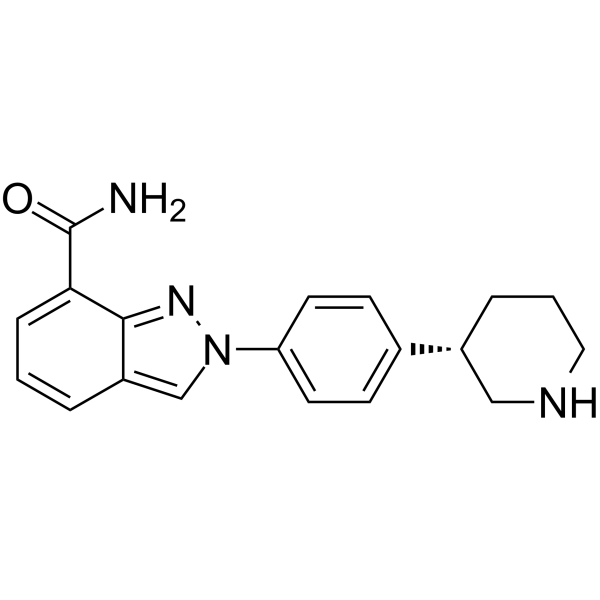
-
Rucaparib
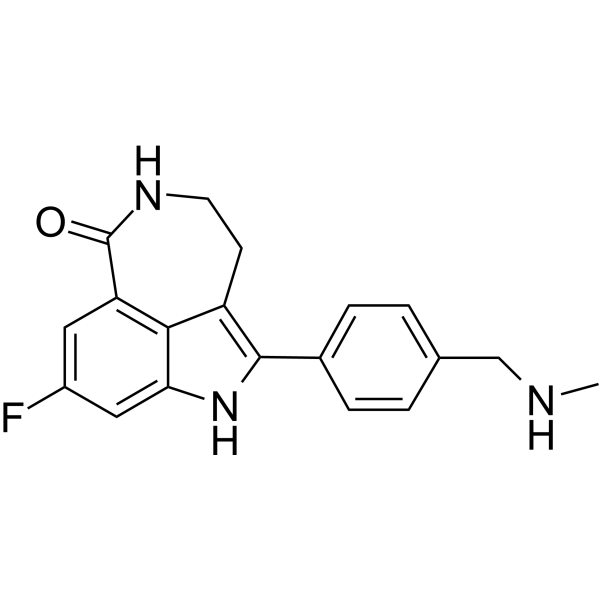 0 ImagesSynonyms: AG014699; PF-01367338Rucaparib (AG014699) is an orally active, potent inhibitor of PARP proteins (PARP-1, PARP-2 and PARP-3) with a Ki of 1.4 nM for PARP1. Rucaparib is a modest hexose-6-phosphate dehydrogenase (H6PD) inhibitor. Rucaparib has the potential for castration-resistant prostate cancer (CRPC) research.
-
Niraparib hydrochloride
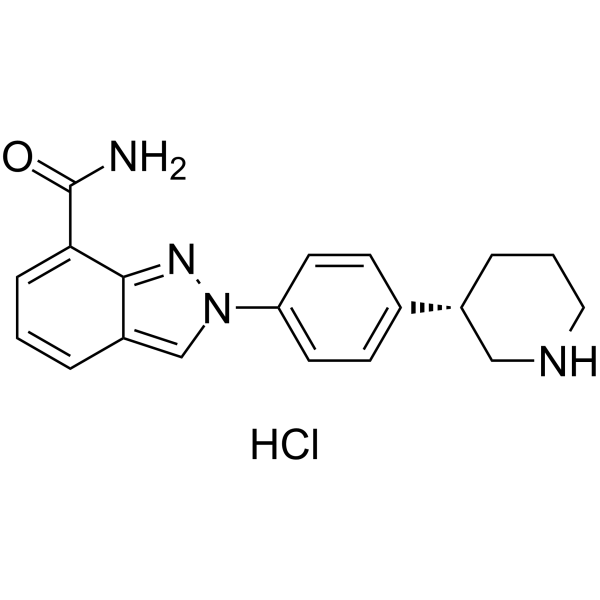 0 ImagesSynonyms: MK-4827 hydrochloride
-
Rucaparib phosphate
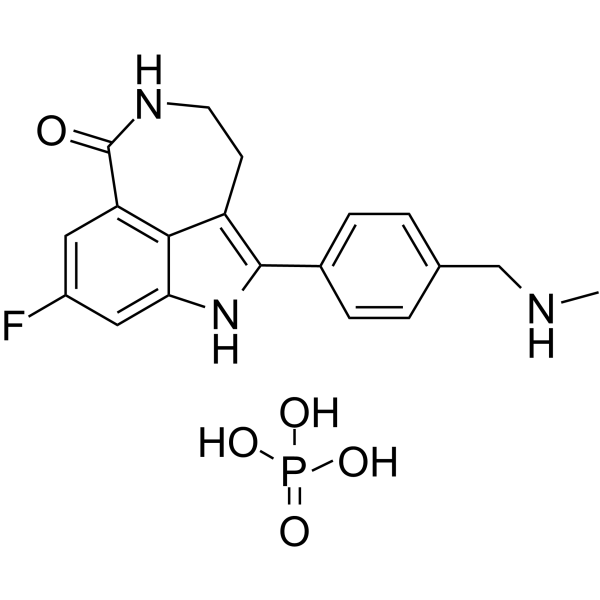 0 ImagesSynonyms: AG-014699 phosphate; PF-01367338 phosphateRucaparib (AG014699) phosphate is an orally active, potent inhibitor of PARP proteins (PARP-1, PARP-2 and PARP-3) with a Ki of 1.4 nM for PARP1. Rucaparib phosphate is a modest hexose-6-phosphate dehydrogenase (H6PD) inhibitor. Rucaparib phosphate has the potential for castration-resistant prostate cancer (CRPC) research.
-
Niraparib tosylate
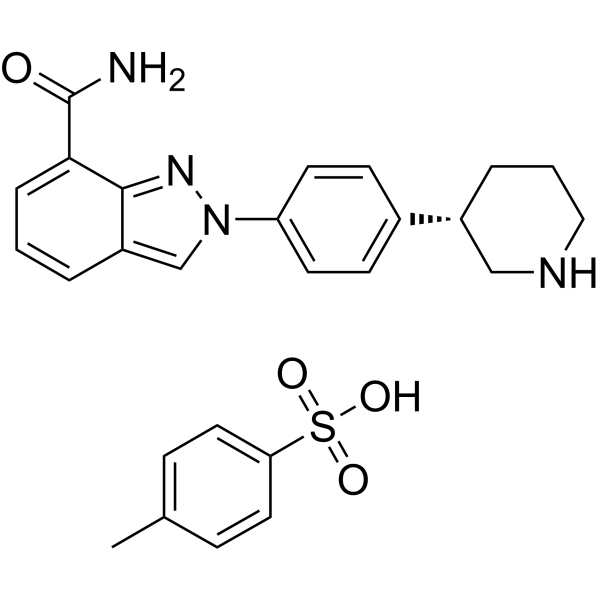 0 ImagesSynonyms: MK-4827 tosylate
-
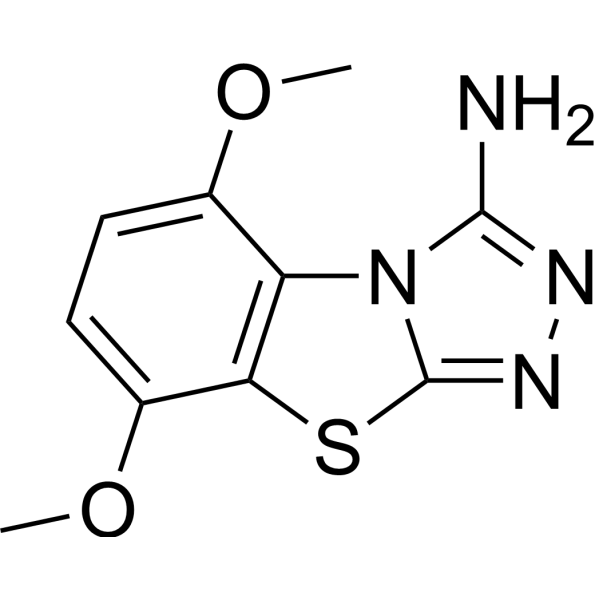
PP-048
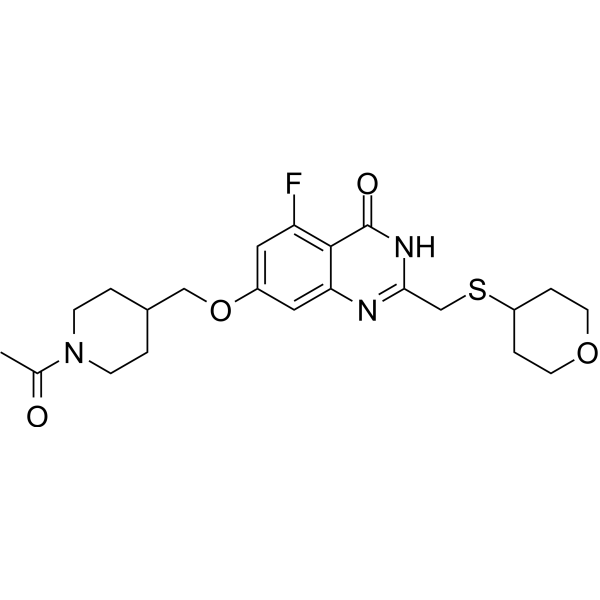
 0 ImagesCat. No.: HY-189225PP-048 is a selective dual inhibitor of Polθ/PARP1, with IC50 values of 4.9 nM and 6.8 nM for the Polθ helicase/ATPase domain and PARP1, respectively. PP-048 impairs the compensatory DNA repair capacity of homologous recombination-deficient cells by simultaneously inhibiting the DNA repair functions associated with Polθ and PARP1, thereby exacerbating DNA double-strand damage and inducing apoptosis. PP-048 exhibits more potent selective antiproliferative activity against HR-deficient cancer cells. PP-048 can be used in studies related to Polθ/PARP1 dual-target inhibition, synthetic lethality, DNA damage repair, and HR-deficient triple-negative breast cancer.
-
Rucaparib monocamsylate
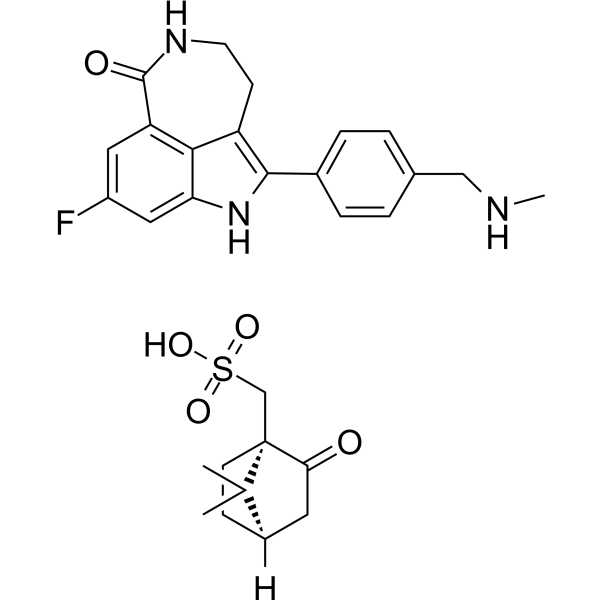 0 ImagesSynonyms: AG014699 monocamsylate; PF-01367338 monocamsylateRucaparib (AG014699) monocamsylate is an orally active, potent inhibitor of PARP proteins (PARP-1, PARP-2 and PARP-3) with a Ki of 1.4 nM for PARP1. Rucaparib monocamsylate is a modest hexose-6-phosphate dehydrogenase (H6PD) inhibitor. Rucaparib monocamsylate has the potential for castration-resistant prostate cancer (CRPC) research.
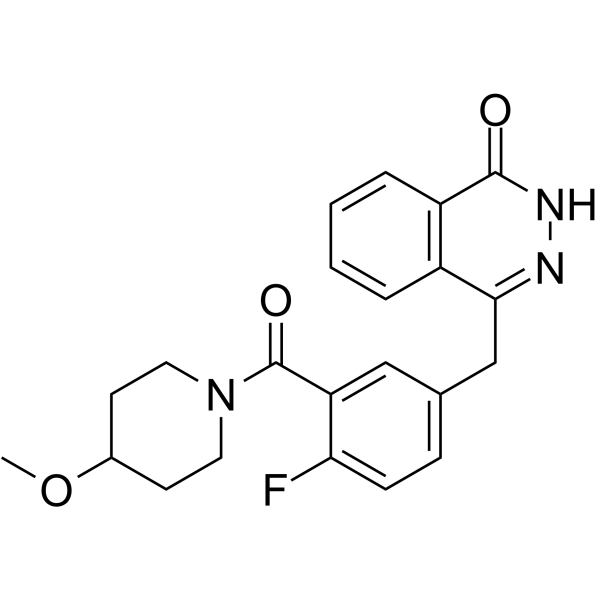
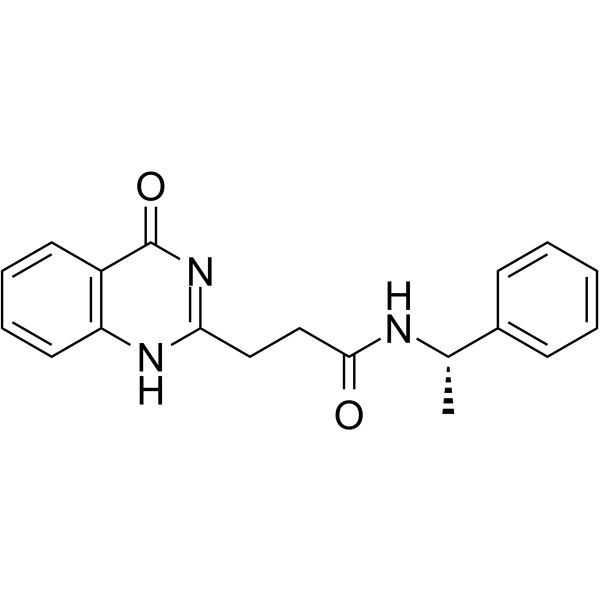
-
Niraparib tosylate hydrate
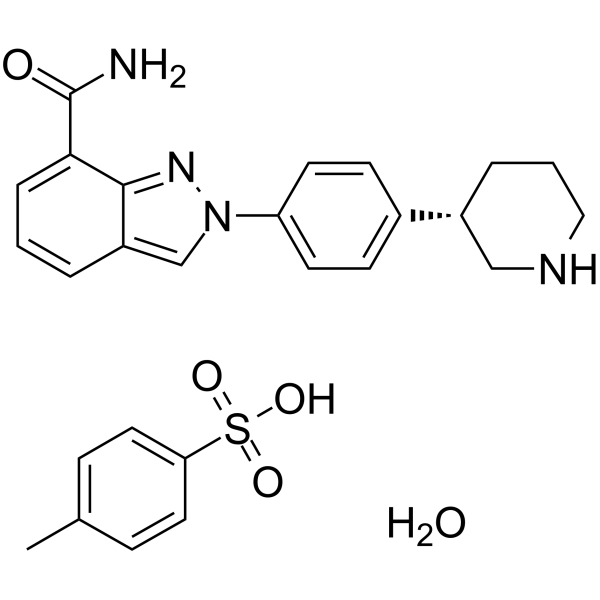 0 ImagesSynonyms: MK-4827 tosylate hydrate
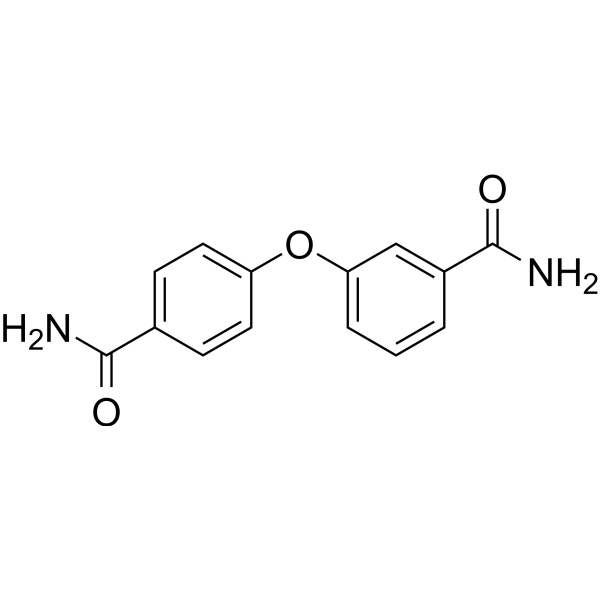
-
YCH1899
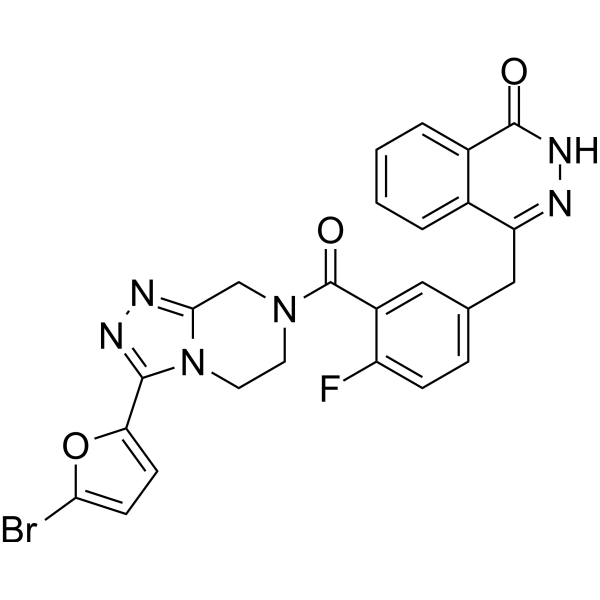 0 ImagesYCH1899 is an orally active PARP inhibitor, with an IC50< 0.001 nM for PARP1/2. YCH1899 exhibits distinct antiproliferation activity against Olaparib (HY-10162)-resistant and Talazoparib (HY-16106)-resistant Capan-1 cells (Capan-1/OP and Capan-1/TP cells) , with IC50 values of 0.89 and 1.13 nM, respectively. YCH1899 has acceptable pharmacokinetic properties in rats.
-
Rucaparib tartrate
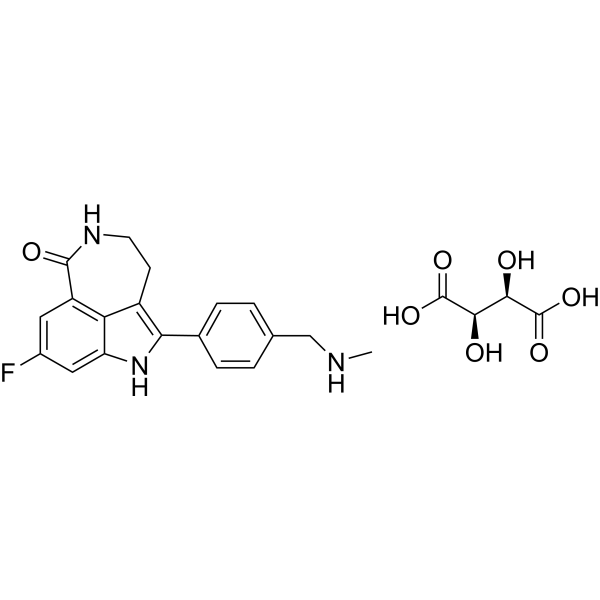 0 ImagesCat. No.: HY-10617CCAS No.: 773059-22-6Synonyms: AG-014699 tartrate; PF-01367338 tartrateRucaparib (AG014699) tartrate is an orally active, potent inhibitor of PARP proteins (PARP-1, PARP-2 and PARP-3) with a Ki of 1.4 nM for PARP1. Rucaparib tartrate is a modest hexose-6-phosphate dehydrogenase (H6PD) inhibitor. Rucaparib tartrate has the potential for castration-resistant prostate cancer (CRPC) research.
-
Rucaparib camsylate
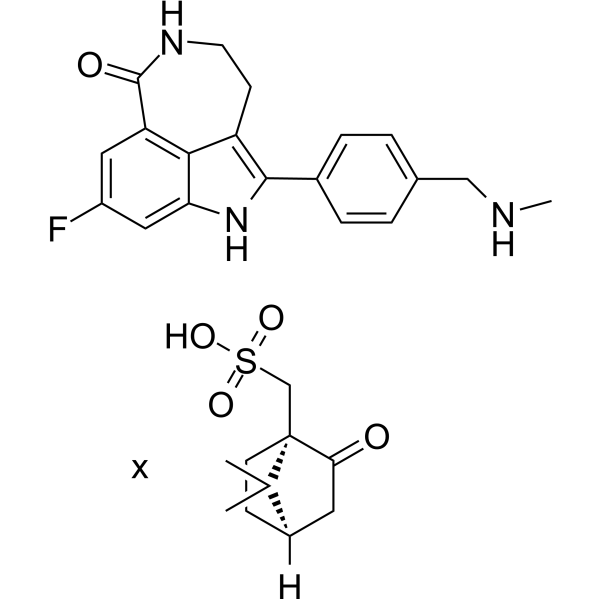 0 ImagesCat. No.: HY-102003ACAS No.: 1327258-57-0Synonyms: AG014699 camsylate; PF-01367338 camsylateRucaparib (AG014699) camsylate is an orally active, potent inhibitor of PARP proteins (PARP-1, PARP-2 and PARP-3) with a Ki of 1.4 nM for PARP1. Rucaparib camsylate is a modest hexose-6-phosphate dehydrogenase (H6PD) inhibitor. Rucaparib camsylate has the potential for castration-resistant prostate cancer (CRPC) research.
-
Rucaparib acetate
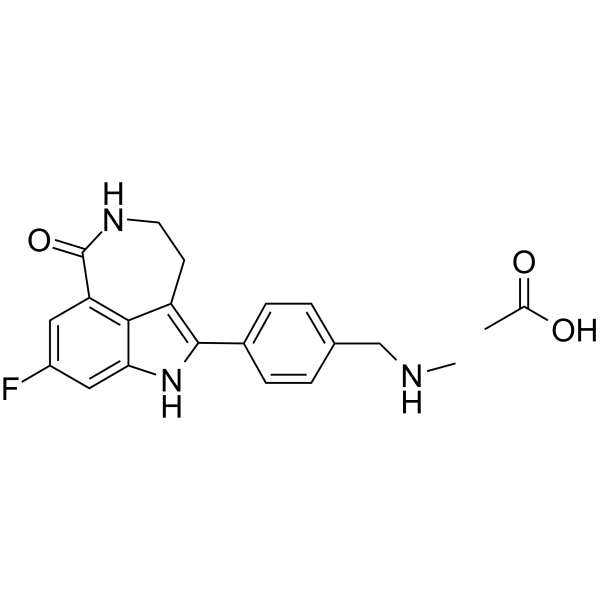 0 ImagesCat. No.: HY-10617DCAS No.: 773059-23-7Synonyms: AG014699 acetate; PF-01367338 acetateRucaparib (AG014699) acetate is an orally active, potent inhibitor of PARP proteins (PARP-1, PARP-2 and PARP-3) with a Ki of 1.4 nM for PARP1. Rucaparib acetate is a modest hexose-6-phosphate dehydrogenase (H6PD) inhibitor. Rucaparib acetate has the potential for castration-resistant prostate cancer (CRPC) research.
-
Rucaparib hydrochloride
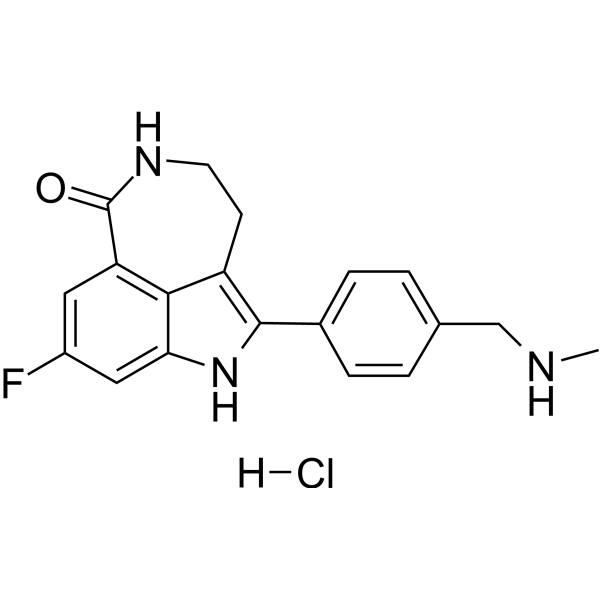 0 ImagesCat. No.: HY-10617BCAS No.: 773059-19-1Synonyms: AG014699 hydrochloride; PF-01367338 hydrochlorideRucaparib (AG014699) hydrochloride is an orally active, potent inhibitor of PARP proteins (PARP-1, PARP-2 and PARP-3) with a Ki of 1.4 nM for PARP1. Rucaparib hydrochloride is a modest hexose-6-phosphate dehydrogenase (H6PD) inhibitor. Rucaparib hydrochloride has the potential for castration-resistant prostate cancer (CRPC) research.
-
PARP1-IN-44
 0 ImagesCat. No.: HY-178032PARP1-IN-44, an Olaparib (HY-10162) derivative, is an orally active PARP1 inhibitor (IC50 = 0.6 nM), and also inhibits PARP2 (IC50 = 1.0 nM) and PARP7 (IC50 = 7.5 nM). PARP1-IN-44 has selective antiproliferative activity against BRCA-deficient cancer cells with minimal toxicity to normal cells. PARP1-IN-44 induces G2/M phase arrest, promotes apoptosis, elevates ROS levels, disrupts mitochondrial membrane potential. PARP1-IN-44 suppresses PARylation while increasing γH2AX accumulation. PARP1-IN-44 activates the cGAS-STING pathway, upregulating IFN-β and CXCL10 expression. PARP1-IN-44 enhancing CD8+ T cell infiltration in a CT26 tumor mouse model, demonstrating robust in vivo antitumor efficacy.
- 1
- 2



