



PARP
PARP-1 (poly(ADP-ribose) polymerase 1) is a nuclear ADP-ribosyl transferase that functions as an early sensor of DNA strand breaks and coordinates cellular responses to genomic damage through poly(ADP-ribosyl)ation-dependent signaling[1][2]. Mechanistically, PARP-1 participates in multiple DNA repair pathways, including base excision repair (BER), homologous recombination (HR), and non-homologous end joining (NHEJ), where it promotes chromatin remodeling and recruitment of repair factors to damaged DNA sites[1][2][3]. Through these activities, PARP-1 contributes to genome surveillance and maintenance of genomic stability, processes that are frequently disrupted during tumor development[1][2]. In cancer biology, dysregulated PARP-1 function has been associated with disease progression, and inhibition of PARP-mediated DNA repair can reduce tumor cell viability by exploiting defects in homologous recombination repair pathways[1][4]. Compared with the closely related isoform PARP-2, PARP-1 is the dominant mediator of single-strand break repair, whereas PARP-2 shares DNA repair functions but also displays distinct roles in biological processes including inflammation, metabolism, oxidative stress responses, and cancer progression[3][5]. This functional distinction is important for understanding isoform-specific biology and for designing selective therapeutic strategies[5]. For experimental and translational applications, PARP inhibitors have become widely used tools to interrogate DNA damage responses and to target tumors with DNA repair deficiencies, particularly those characterized by homologous recombination defects[1][4].
Références:
- [1]. Conceição CJF, et al. PARP1: A comprehensive review of its mechanisms, therapeutic implications and emerging cancer treatments. Biochim Biophys Acta Rev Cancer. 2025 Apr;1880(2):189282. [Content Brief]
- [2]. Pazzaglia S, et al. Multifaceted Role of PARP-1 in DNA Repair and Inflammation: Pathological and Therapeutic Implications in Cancer and Non-Cancer Diseases. Cells. 2020;9(1):41.
- [3]. Szántó M, et al. Specific and shared biological functions of PARP2 - is PARP2 really a lil' brother of PARP1? Expert Rev Mol Med. 2024;26:e13.
- [4]. Rose M, et al. PARP Inhibitors: Clinical Relevance, Mechanisms of Action and Tumor Resistance. Front Cell Dev Biol. 2020 Sep 9;8:564601. [Content Brief]
- [5]. Yelamos J, et al. PARP-1 and PARP-2: New players in tumour development. Am J Cancer Res. 2011;1(3):328-346. Epub 2011 Jan 8. PMID: 21968702; PMCID: PMC3180065. [Content Brief]
All Product Categories
-
PARP Produits associés (307)
Produits associés (307)

-
Anticorps (2)
-
Chlorin e6
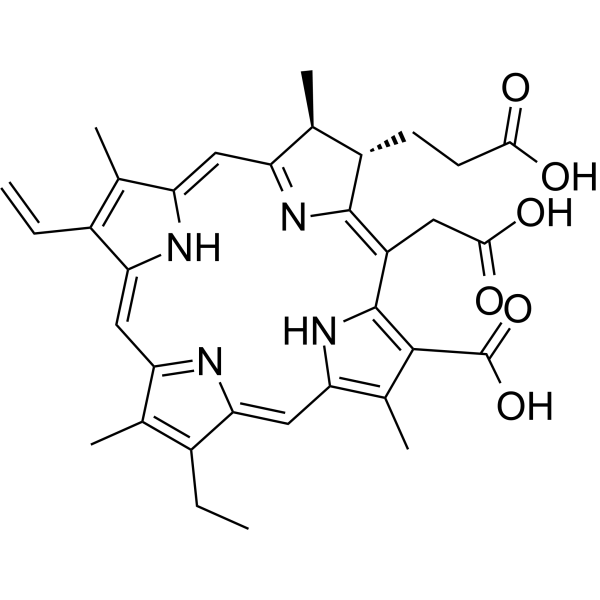 0 ImagesSynonyms: Ce6Chlorin e6 is a photosensitizer and has strong absorption peaks at wavelength of 402 and 662 nm, as well as exhibiting intense fluorescence at 668 nm. Chlorin e6 has antimicrobial efficacy and anticancer activity. Chlorin e6 induces cell apoptosis via caspase-3 activation and can be used for the research of cancer.
-
Patritumab
 0 ImagesSynonyms: AMG-888; U3-1287Patritumab (Human Anti-ERBB3 Recombinant Antibody) is a neutralizing monoclonal antibody to ERBB3. Patritumab shows a synergy with Cetuximab (HY-P9905), potently inhibits the phosphorylation of EGFR, HER2, HER3, ERK, and AKT. Patritumab also induces cell apoptosis and suppresses the growth of pancreatic, non-small cell lung cancer, and colorectal cancer xenograft tumors.
-
PJ34
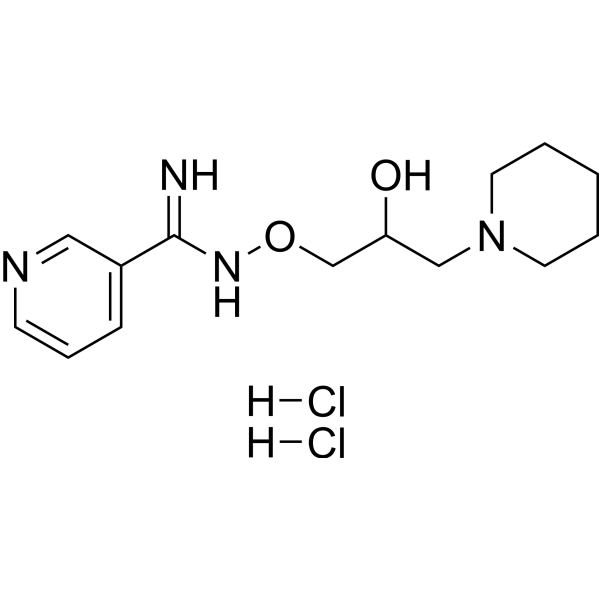
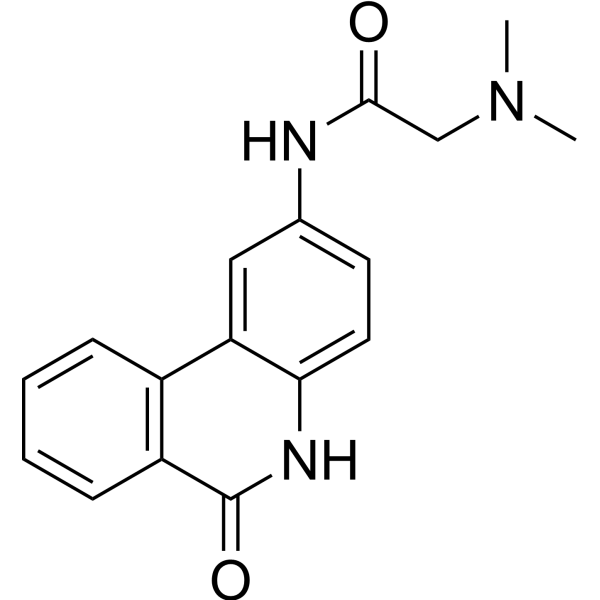 0 ImagesPJ34 is a potent specific inhibitor of PARPl/2 with IC50 of 110 nM and 86 nM, respectively.
-
Taurodeoxycholate sodium
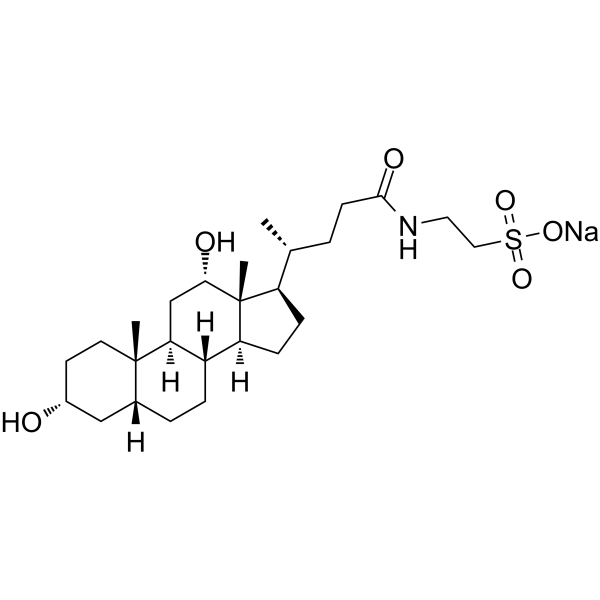 0 ImagesTaurodeoxycholate sodium salt is a bile salt-related anionic detergent. Taurodeoxycholate sodium salt is formed in the liver by conjugation of deoxycholate with Taurine (HY-B0351). Taurodeoxycholate sodium salt is used for isolation of membrane proteins including inner mitochondrial membrane proteins. Taurodeoxycholate (TDCA) exhibits anti-inflammatory and neuroprotective effects.
-
Fucosterol
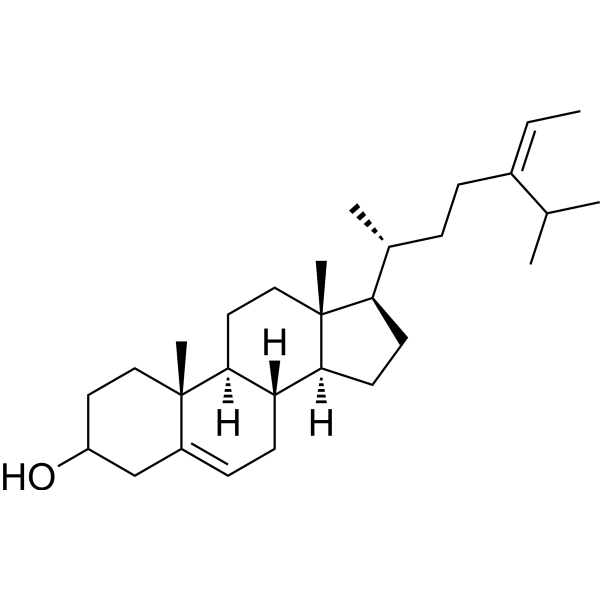 0 ImagesFucosterol is a sterol isolated from algae, seaweed or diatoms. Fucosterol exhibits various biological activities, including antioxidant, anti-adipogenic, blood cholesterol reducing, anti-diabetic and anti-cancer activities. Fucosterol regulates adipogenesis via inhibition of PPARα and C/EBPα expression and can be used for anti-obesity agents development research.
-
Pamiparib
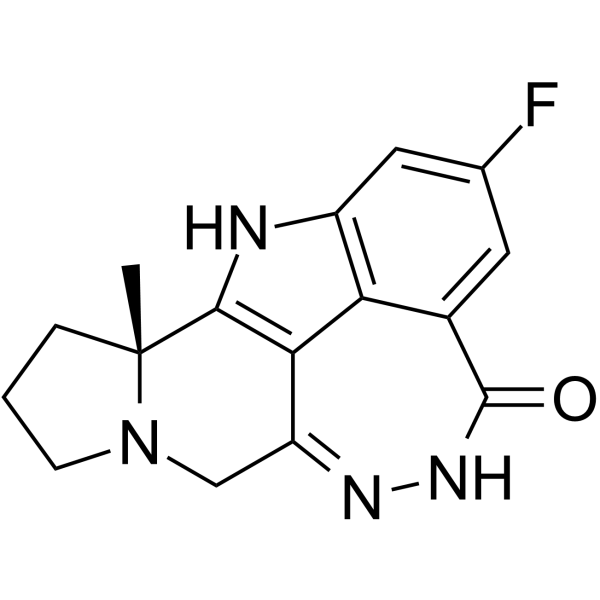 0 ImagesSynonyms: BGB-290Pamiparib (BGB-290) is an orally active, potent, highly selective PARP inhibitor, with IC50 values of 0.9 nM and 0.5 nM for PARP1 and PARP2, respectively. Pamiparib has potent PARP trapping, and capability to penetrate the brain, and can be used for the research of various cancers including the solid tumor.
-
Dehydrocorydaline
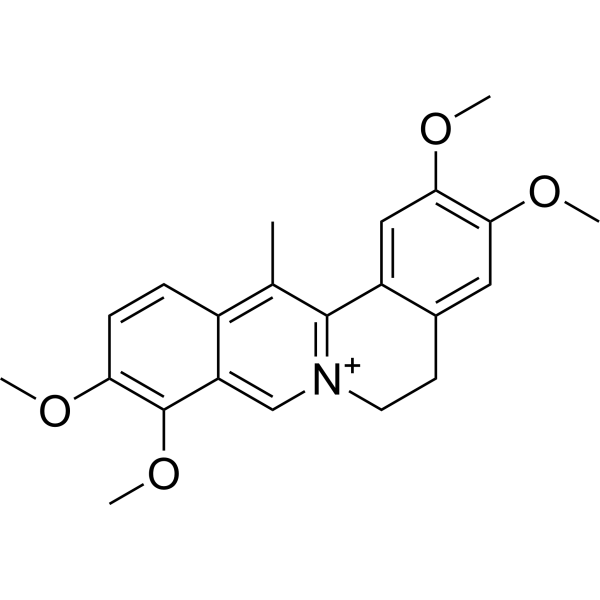 0 ImagesSynonyms: 13-MethylpalmatineDehydrocorydaline (13-Methylpalmatine) is an alkaloid that regulates protein expression of Bax, Bcl-2; activates caspase-7, caspase-8, and inactivates PARP. Dehydrocorydaline elevates p38 MAPK activation. Anti-inflammatory and anti-cancer activities. Dehydrocorydaline shows strong anti-malarial effects (IC50=38 nM), and low cytotoxicity (cell viability > 90%) using P. falciparum 3D7 strain.
-
Basroparib
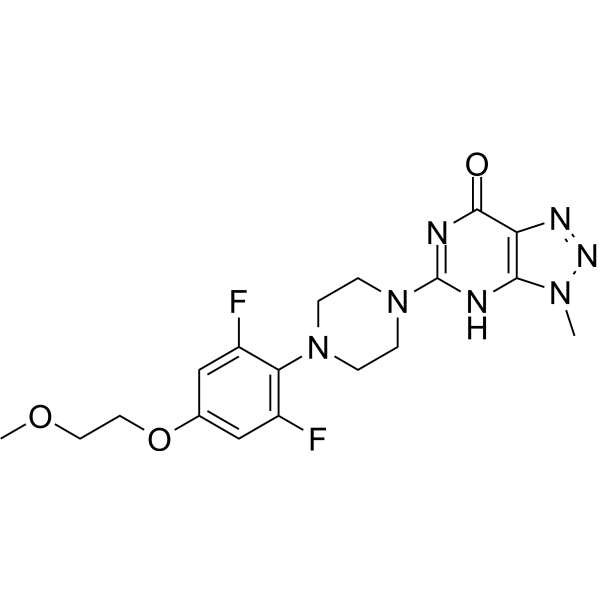 0 ImagesSynonyms: STP1002Basroparib (STP1002) is a selective, orally active inhibitor of tankyrase (TNKS1/TNKS2) with IC50 of 29.94 nM and 3.68 nM for TNKS1 and TNKS2, respectively. Basroparib has an IC50 of >10 μM for PARP1. Basroparib binds to TNKS, stabilizes AXIN1/2 proteins, blocks Wnt/β-catenin signaling pathway, inhibits tumor cell proliferation and induces apoptosis, while reducing cancer stem cell properties. Basroparib can be used in colorectal cancer (CRC) studies with KRAS mutations (such as G12V/G12D) to overcome acquired resistance to MEK inhibitors. STP1002 has synergistic antitumor activity with MEK inhibitors.
-
FeTMPyP
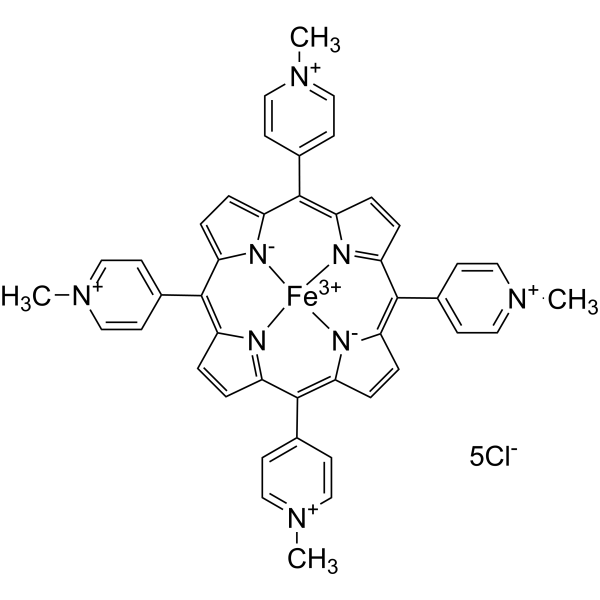 0 ImagesFeTMPyP is an orally active poly (ADP-ribose) polymerase (PARP) inhibitor. FeTMPyP inhibits cell death, nitrotyrosine formation, and depolarization of mitochondrial transmembrane potential. FeTMPyP reduces homocysteine-induced nitrosative stress and partially restores TFEB protein and mRNA levels. FeTMPyP improves functional and behavioral deficits caused by chronic constriction injury in rats. FeTMPyP alleviates acute cerebral infarction in a rat model of middle cerebral artery occlusion with mild hyperglycemia. FeTMPyP can be used in studies related to neuropathic pain, renal aging, ischemic penumbra, and hyperglycemic stroke.
-
Olaparib (Standard)
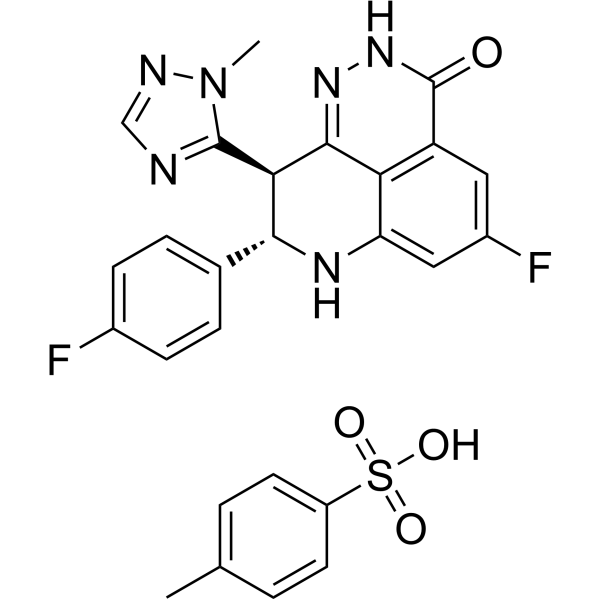
 0 ImagesSynonyms: AZD2281 (Standard); KU0059436 (Standard); MK-7339 (Standard)Olaparib (Standard) is the analytical standard of Olaparib. This product is intended for research and analytical applications. Olaparib (AZD2281; KU0059436) is a potent and orally active PARP inhibitor with IC50s of 5 and 1 nM for PARP1 and PARP2, respectively. Olaparib is an autophagy and mitophagy activator.
-
YTHDC1-IN-1
 0 ImagesYTHDC1-IN-1 is a selective YTHDC1 inhibitor with a Kd of 49 nM and an IC50 of 0.35 μM. YTHDC1-IN-1 can inhibit the proliferation and induce apoptosis of acute myeloid leukemia cell lines. YTHDC1-IN-1 has anti-tumor activity.
-
Arenobufagin
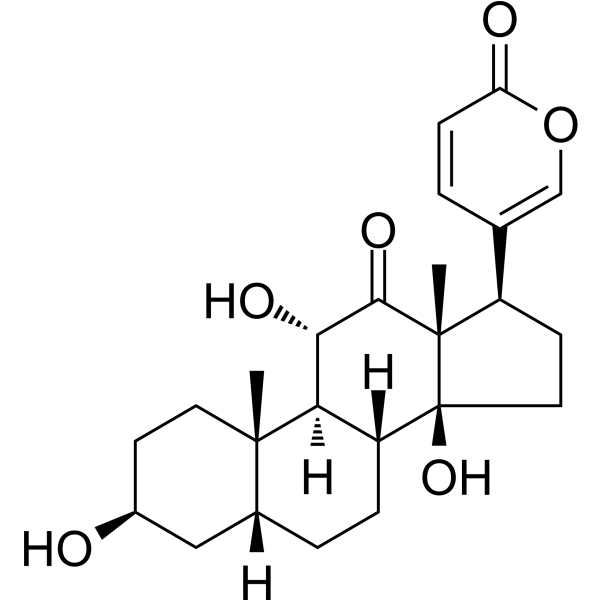 0 ImagesArenobufagin is a natural bufadienolide that can be extracted from toad venom. Arenobufagin can induce apoptosis and autophagy in human hepatocellular carcinoma cells through inhibition of PI3K/Akt/mTOR pathway. Arenobufagin has potent antineoplastic activity against HCC HepG2 cells as well as corresponding multidrug-resistant HepG2/ADM cells. Arenobufagin can inhibit VEGF-mediated angiogenesis through suppression of VEGFR-2 signaling pathway.
-
Triclabendazole
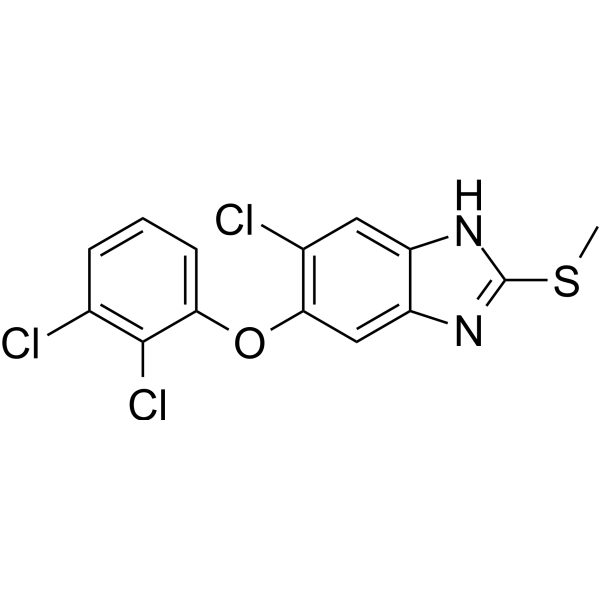 0 ImagesSynonyms: CGA89317Triclabendazole is an orally active parasite inhibitor. Triclabendazole has anti-Leishmania activity and induces gasdermin E (GSDME)-dependent pyroptosis by caspase-3 activation. Triclabendazole can be used for the research of fasciola hepatica.
-
Proadifen hydrochloride
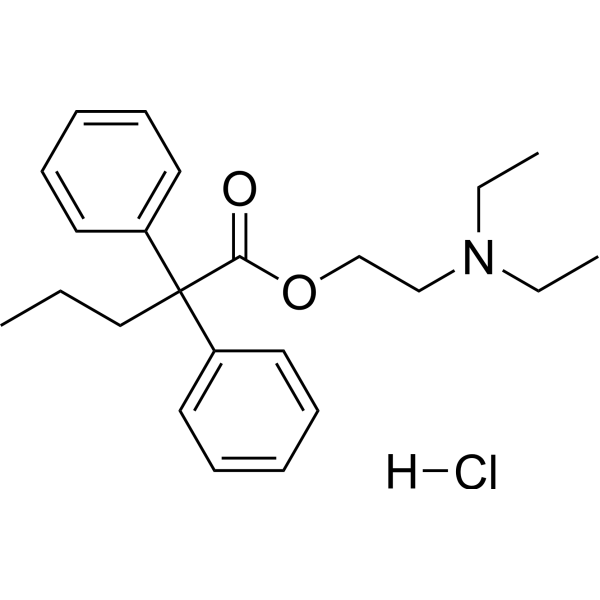 0 ImagesProadifen (SKF-525A) hydrochloride is a non-competitive Cytochrome P450 inhibitor with an IC50 value of 19 μM. Proadifen hydrochloride reduces monoamine oxidase A (MAO-A) activity and reverses the antidepressantlike behavioral effect of Imipramine (HY-B1490A) and Desipramine (HY-B1272A) in rats. Proadifen hydrochloride also reduces N, N-dimethyltryptamine (DMT) metabolism in liver microsomes and inhibits N-demethylationand Acridone (HY-W007771) formation. Proadifen hydrochloride augments Lipopolysaccharide (LPS) (HY-D1056)-induced fever and exacerbates Prostaglandin E2 (PGE2) (HY-101952) levels in the rat. Proadifen hydrochloride is promising for research of metabolism-related deseases, ovarian carcinoma, inflammation and dopamine neurons-related deseases.
-
BM-1244
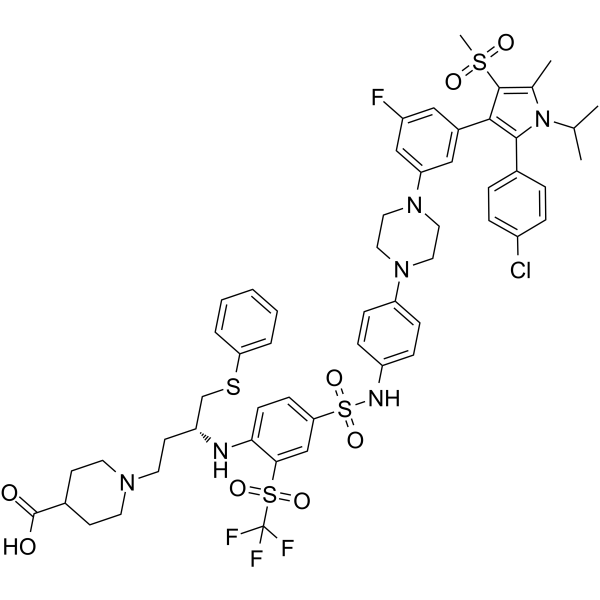 0 ImagesSynonyms: APG-1252-M1BM-1244 (APG-1252-M1) is a Bcl-xL/Bcl-2 inhibitor with Kis of 134 nM and 450 nM. BM-1244 has anti-tumor effects by inducing apoptosis and suppressing tumor growth. BM-1244 can induce cytochrome C and Smac release from mitochondria with caspase-3 and PARP cleavage. BM-1244 exhibits synergy with chemotherapy in vivo. BM-1244 can be studied in research for colorectal cancer, acute myeloid leukemia and gastric cancer.
-
PARP11 inhibitor ITK7
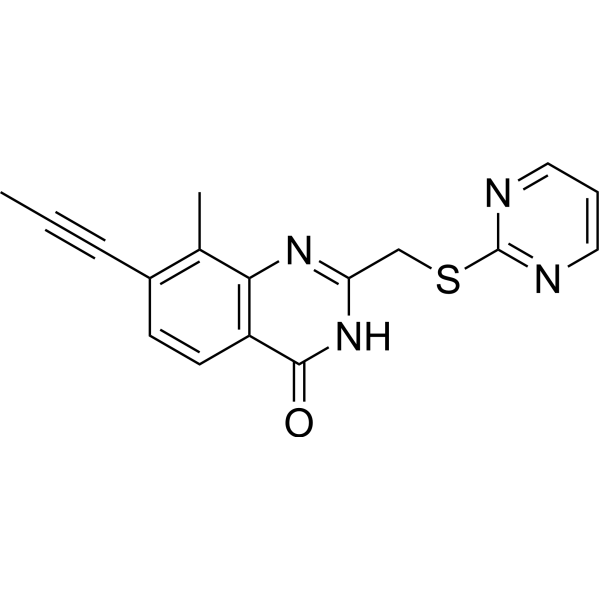 0 ImagesSynonyms: ITK7PARP11 inhibitor ITK7 (ITK7) is a potent and selective PARP11 inhibitor. PARP11 inhibitor ITK7 can potently inhibit PARP11 with an IC50 value of 14 nM. PARP11 inhibitor ITK7 can be used for the research of cellular localization.
-
Coenzyme Q0
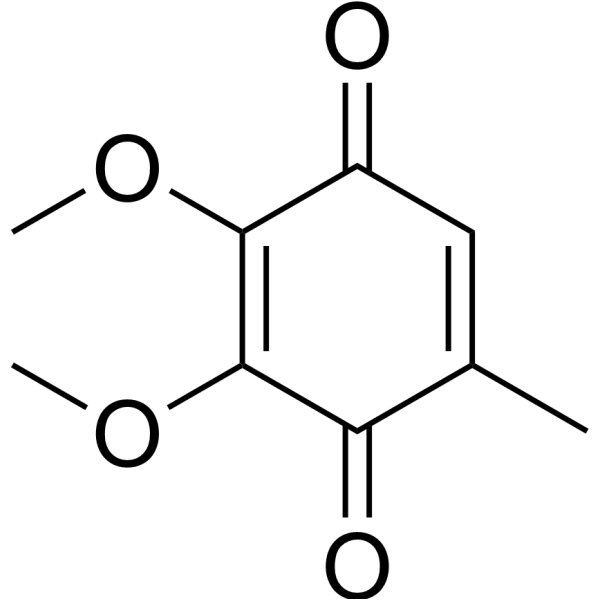 0 ImagesSynonyms: CoQ0Coenzyme Q0 (CoQ0) is a potent, oral active ubiquinone compound can be derived from Antrodia cinnamomea. Coenzyme Q0 induces apoptosis and autophagy, suppresses of HER-2/AKT/mTOR signaling to potentiate the apoptosis and autophagy mechanisms. Coenzyme Q0 regulates NFκB/AP-1 activation and enhances Nrf2 stabilization in attenuation of inflammation and redox imbalance. Coenzyme Q0 has anti-angiogenic activity through downregulation of MMP-9/NF-κB and upregulation of HO-1 signaling.




