



PARP4
PARP4 (poly(ADP-ribose) polymerase 4, also known as VPARP) is a member of the PARP family that catalyzes ADP-ribosylation and is predominantly associated with the vault ribonucleoprotein complex, linking it to cellular regulatory processes beyond canonical DNA damage sensing pathways[1][2]. Unlike PARP1 and several other DNA-dependent PARP family members, PARP4 lacks the N-terminal DNA-binding domain that directly activates catalytic activity upon DNA damage, indicating a distinct regulatory mechanism that may depend on protein-protein interactions mediated by its extensive C-terminal region[2][1]. Mechanistically, PARP family enzymes participate in ADP-ribosylation-dependent control of genomic stability, signal transduction, apoptosis, inflammatory regulation, and cellular stress responses, providing the broader biological context in which PARP4 functions are investigated[3][4]. In disease-related studies, PARP4 has been implicated in cancer biology and has been reported to protect against lung adenocarcinoma progression through regulation of RNA splicing via interaction with hnRNPM[1]. Experimental evidence further indicates that PARP4-deficient mice are viable and fertile under normal conditions but display increased susceptibility to chemically induced colon tumor formation, supporting a context-dependent role in tumor suppression[1]. Compared with related PARP isoforms that are established therapeutic targets, the biological functions of PARP4 remain less completely defined, and no PARP4-selective inhibitors have achieved comparable research or clinical utility, making mechanistic studies of this isoform an active area of investigation[3][4].
References:
- [1]. Lee YF, et al. PARP4 interacts with hnRNPM to regulate splicing during lung cancer progression. Genome Med. 2024 Jul 22;16(1):91. [Content Brief]
- [2]. PARP4 gene information from NCBI.
- [3]. Sha H, et al. Research Advances in the Role of the Poly ADP Ribose Polymerase Family in Cancer. Front Oncol. 2021 Dec 16;11:790967. [Content Brief]
- [4]. Laurent B, et al. A specific LSD1/KDM1A isoform regulates neuronal differentiation through H3K9 demethylation. Mol Cell. 2015 Mar 19;57(6):957-970. [Content Brief]
All Product Categories
-
PARP4 Related Products (11)
Related Products (11)

- 1
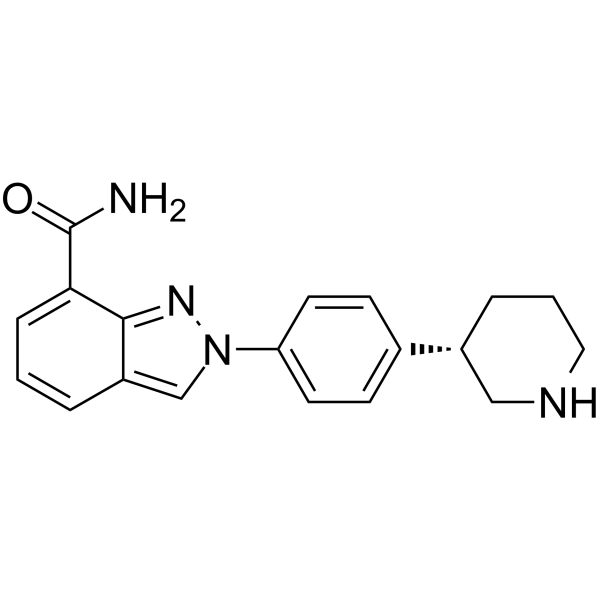
-
RBN012759
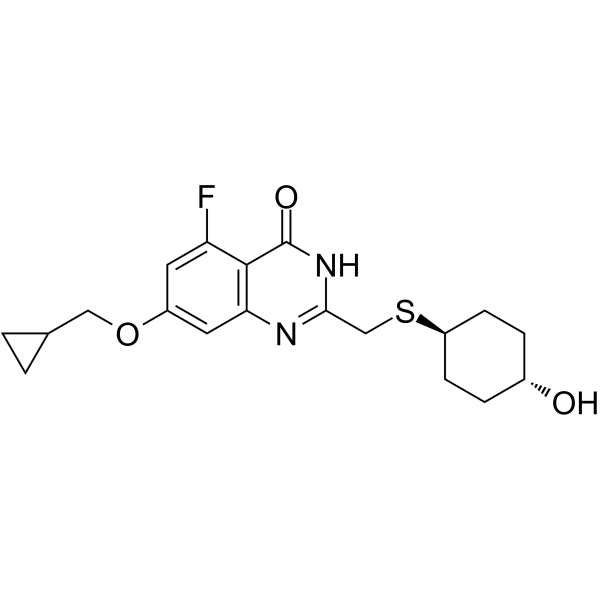 0 ImagesRBN012759 is a potent, selective and orally active inhibitor of PARP14, with an IC50 of <3 nM. RBN012759 displays 300-fold selectivity over the monoPARPs and 1000-fold selectivity over the polyPARPs. RBN012759 decreases pro-tumor macrophage function and elicits inflammatory responses in tumor explants.
-
Niraparib hydrochloride
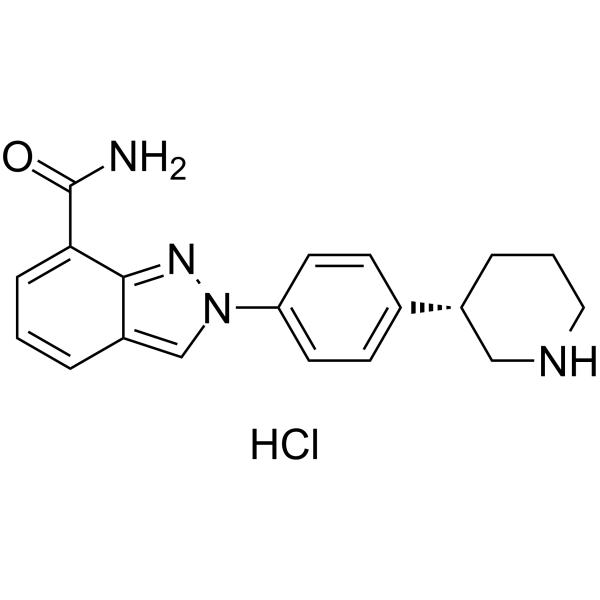 0 ImagesSynonyms: MK-4827 hydrochloride
-
Niraparib tosylate
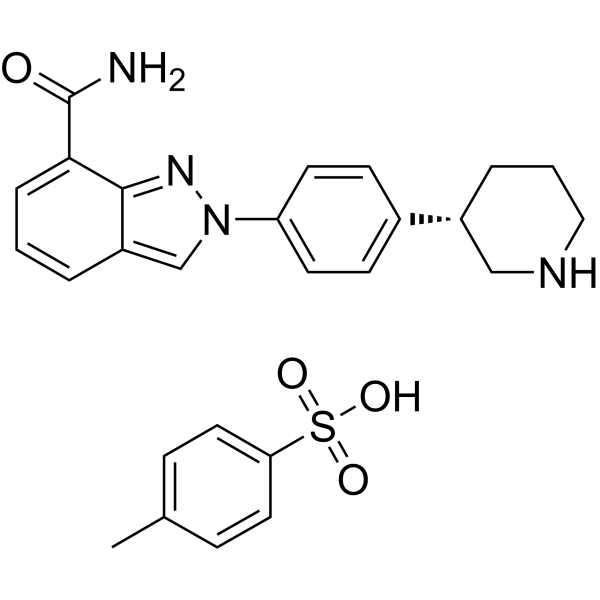 0 ImagesSynonyms: MK-4827 tosylate
-
Niraparib tosylate hydrate
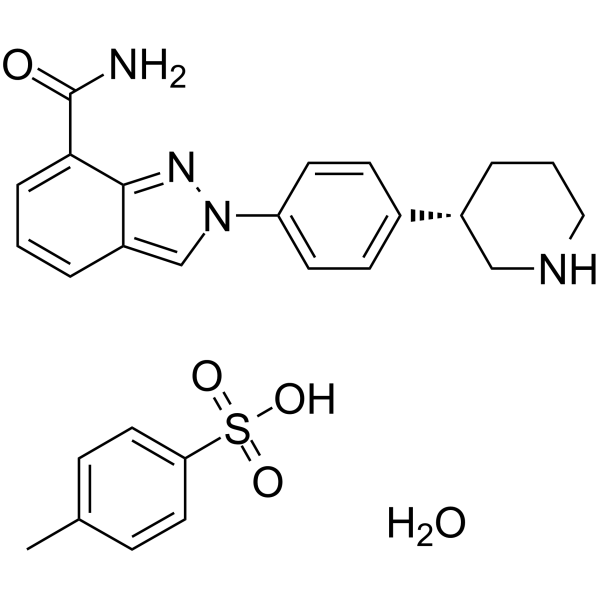 0 ImagesSynonyms: MK-4827 tosylate hydrate
-
YCH1899
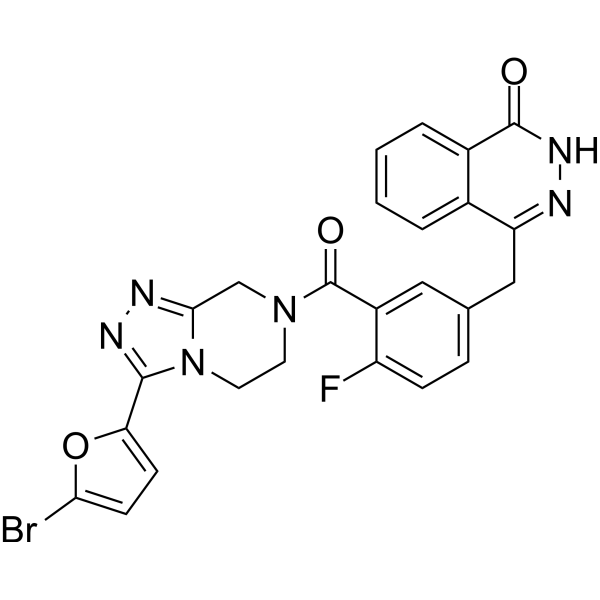 0 ImagesYCH1899 is an orally active PARP inhibitor, with an IC50< 0.001 nM for PARP1/2. YCH1899 exhibits distinct antiproliferation activity against Olaparib (HY-10162)-resistant and Talazoparib (HY-16106)-resistant Capan-1 cells (Capan-1/OP and Capan-1/TP cells) , with IC50 values of 0.89 and 1.13 nM, respectively. YCH1899 has acceptable pharmacokinetic properties in rats.
-
OUL245
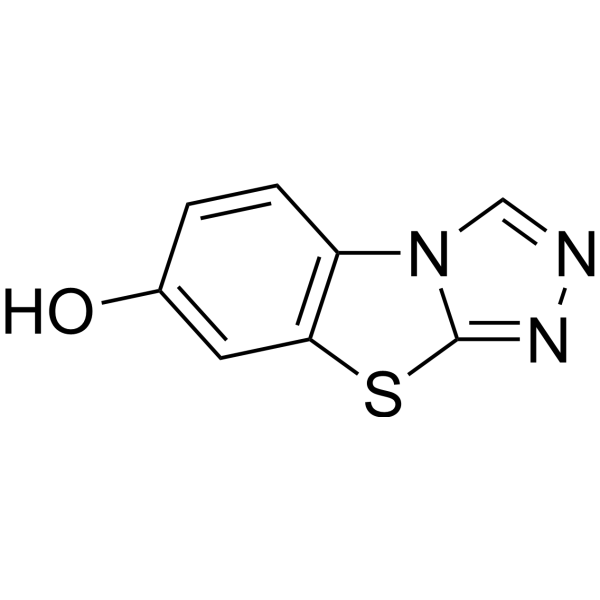 0 ImagesCat. No.: HY-W294889CAS No.: 1023814-45-0
- 1



