



MMP-14
MMP-14 (MT1-MMP, membrane-type 1 matrix metalloproteinase) is a membrane-anchored zinc-dependent endopeptidase that regulates pericellular extracellular matrix (ECM) remodeling by degrading fibrillar collagens, fibronectin, laminins, and other matrix components, thereby controlling cell migration, tissue remodeling, and developmental processes[5][1]. Mechanistically, MMP-14 functions at the cell surface and is a major activator of proMMP-2 through the well-characterized proMMP-2/TIMP-2/MMP-14 complex, linking localized proteolysis to invasive cellular behavior and matrix turnover[5][2]. Through direct ECM degradation and activation of additional protease cascades, MMP-14 promotes cellular invasion, angiogenesis, and tissue remodeling in both physiological and pathological settings[5][1][3]. In disease models, elevated MMP-14 expression is associated with tumor progression, invasion, metastasis, and poor clinical outcome across multiple cancer types, including ovarian carcinoma and other solid tumors[3][4]. Genetic studies further demonstrate the unique biological importance of MMP-14, as MMP-14-deficient mice develop severe craniofacial abnormalities, osteopenia, fibrosis, dwarfism, and impaired tissue homeostasis, highlighting functions that are not fully compensated by other MMP family members[5][1]. Compared with related membrane-type MMP isoforms, MMP-14 is the best-characterized transmembrane collagenase and is distinguished by its potent pericellular collagenolytic activity, essential role in proMMP-2 activation, and ability to drive invasion within collagen-rich matrices[5][1]. For experimental applications, MMP-14 is widely used as a mechanistic target for studying ECM remodeling, tumor invasion, angiogenesis, and protease-dependent signaling pathways, and selective inhibition of MMP-14 remains an active area of therapeutic research[5][3].
References:
- [1]. MMP-14 gene information.
- [2]. Bertholon J, et al. Chfr inactivation is not associated to chromosomal instability in colon cancers. Oncogene. 2003 Dec 4;22(55):8956-60. [Content Brief]
- [3]. Vos MC, et al. The role of MMP-14 in ovarian cancer: a systematic review. J Ovarian Res. 2021;14(1):101. [Content Brief]
- [4]. Li M, et al. Immune Infiltration of MMP14 in Pan Cancer and Its Prognostic Effect on Tumors. Front Oncol. 2021 Sep 17;11:717606. [Content Brief]
- [5]. Kelly H, et al. The Diverse Pathways for Cell Surface MT1-MMP Localization in Migratory Cells. Cells. 2025;14(3):209.
-
MMP-14 Related Products (23)
Related Products (23)

-
Recombinant Proteins (1)
- 1
- 2
-
Marimastat
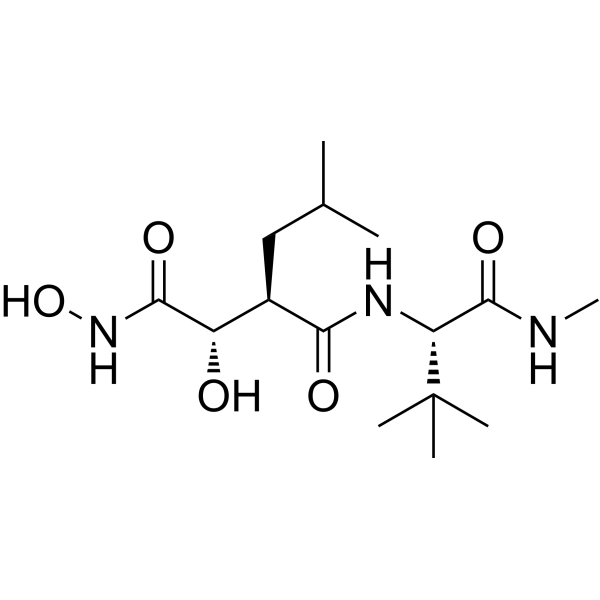 0 ImagesSynonyms: BB2516; TA2516Marimastat (BB2516) is a broad spectrum and orally bioavailable inhibitor of MMPs, with potent activity against MMP-9 (IC50=3 nM), MMP-1 (IC50=5 nM), MMP-2 (IC50=6 nM), MMP-14 (IC50=9 nM) and MMP-7 (IC50=13 nM), used in the treatment of cancer. Marimastat (BB2516) is an angiogenesis and metastasis inhibitor, which limits the growth and production of blood vessels. As an antimetatstatic agent it prevents malignant cells from breaching the basement membranes.
-
KP-457
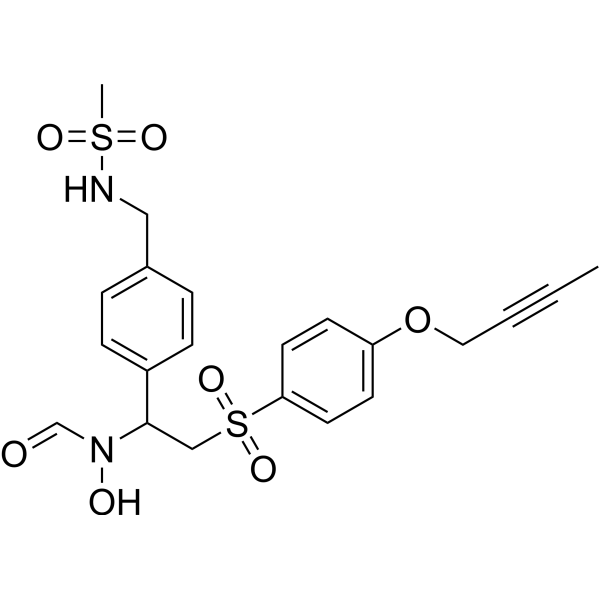 0 ImagesKP-457 is a selective a disintegrin and metalloproteinase 17 (ADAM17) inhibitor, with higher selectivity for ADAM17 than for other MMPs and ADAM10, and IC50s are 11.1 nM (ADAM17), 748 nM (ADAM10), 717 nM (MMP2), 9760 nM (MMP3), 2200 nM (MMP8), 5410 nM (MMP9), 930 nM (MMP13), 2140 nM (MMP14), and 7100 nM (MMP17), respectively.
-
Mca-KPLGL-Dap(Dnp)-AR-NH2
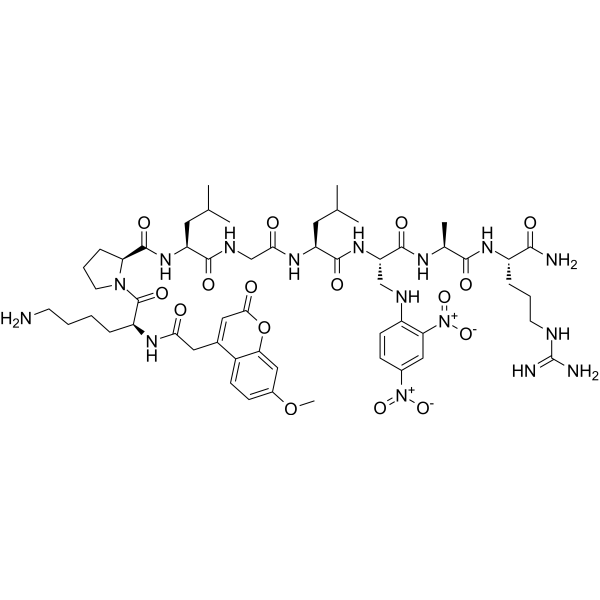 0 ImagesMca-Lys-Pro-Leu-Gly-Leu-Dap(Dnp)-Ala-Arg-NH2 (FS-6) is a fluorescent peptide that is a quenched MMP peptide substrate. Mca-Lys-Pro-Leu-Gly-Leu-Dap(Dnp)-Ala-Arg-NH2 can be used for real-time quantification of MMP enzymatic activity. Mca-Lys-Pro-Leu-Gly-Leu-Dap(Dnp)-Ala-Arg-NH2 is an elongated peptide of MMP substrate (FS-1) and is active against collagenases (MMP-1, MMP-8, MMP-13 ) and MT1-MMP with higher specificity constants than FS-1. (Ex/Em=325 nm/400 nm)
-
JG26
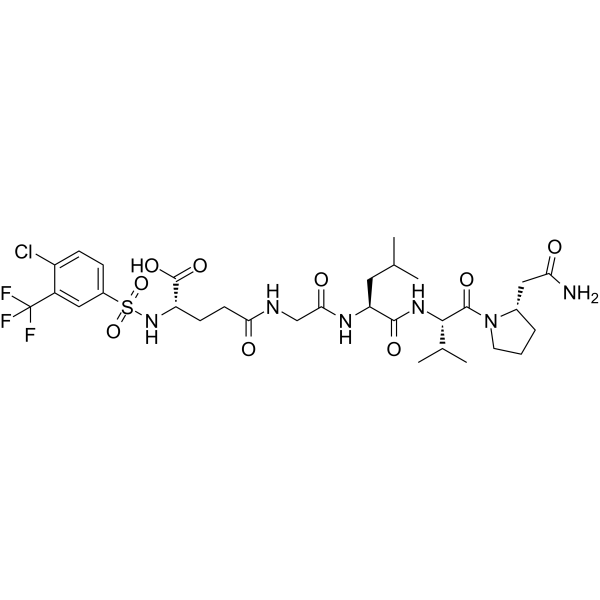
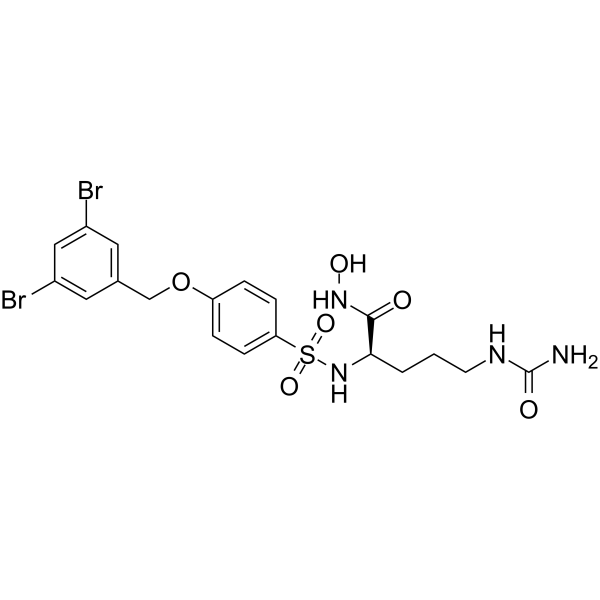 0 ImagesJG26 is an ADAM inhibitor with IC50 values of 12 nM, 1.9 nM, and 150 nM for ADAM8, ADAM17, and ADAM10, respectively. JG26 inhibits MMP-12 with an IC50 value of 9.4 nM. JG26 inhibits AngII (HY-13948)-induced EGFR transactivation and ERK activation. JG26 increases the expression of ACE2, inhibits the cleavage of CD23, reduces the infection of SARS-CoV-2. JG26 inhibits colorectal cancer metastasis. JG26 can be used for research on Hodgkin lymphoma and vascular diseases.
-
Mca-Pro-Leu-Ala-Cys(Mob)-Trp-Ala-Arg-Dap(Dnp)-NH2 TFA
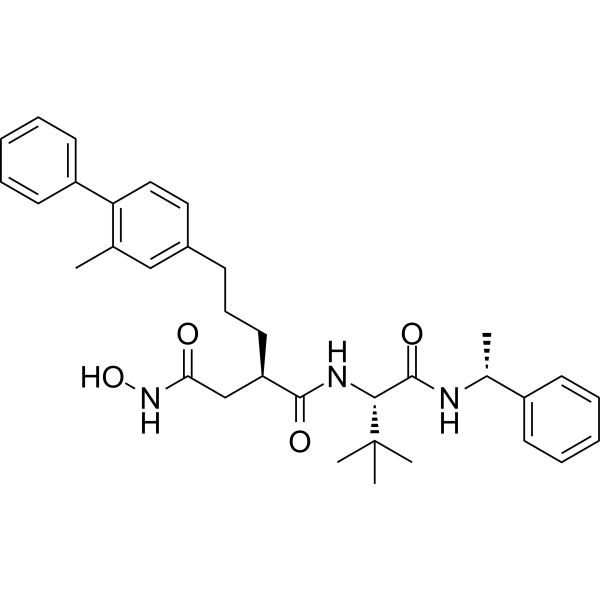
 0 ImagesCat. No.: HY-P3120ACAS No.: 2237216-67-8Mca-Pro-Leu-Ala-Cys(Mob)-Trp-Ala-Arg-Dap(Dnp)-NH2 TFA is a fluorogenic substrate for matrix metalloproteinase-14 (MMP-14). Mca-Pro-Leu-Ala-Cys(Mob)-Trp-Ala-Arg-Dap(Dnp)-NH2 TFA, upon cleavage by MMP-14, releases 7-methoxycoumarin-4-acetyl (Mca) (Ex/Em = 328/420 nm).
-
ND-336
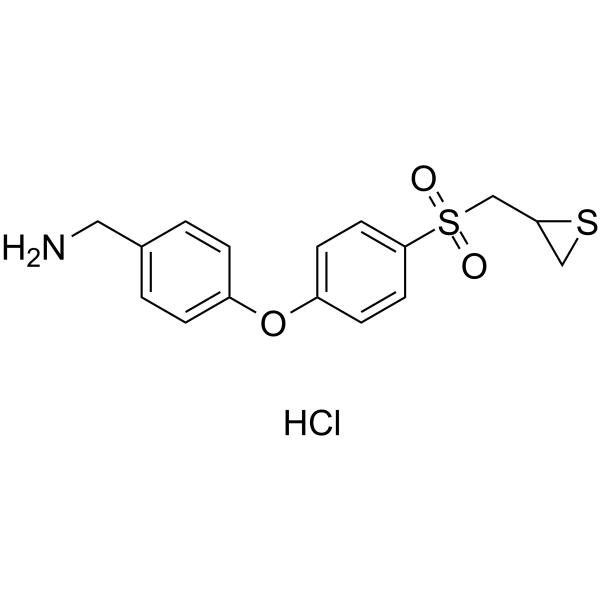 0 ImagesCat. No.: HY-124373CAS No.: 1807453-83-3
-
TMI-1
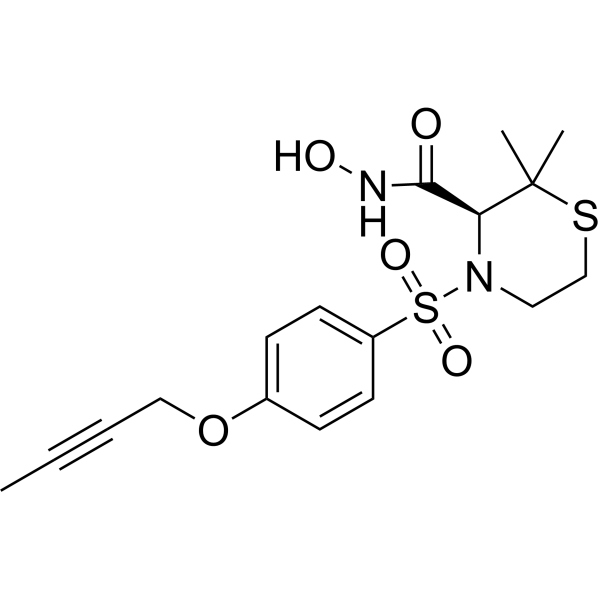 0 ImagesSynonyms: WAY-171318TMI-1 (WAY-171318) inhibits TNF converting enzyme (TACE) (IC50 of 8.4 nM), ADAM-TS-4, ADAM-17 and various MMPs with oral activity. TMI-1 significantly suppresses the secretion of TNF-α , alleviating collagen-induced arthritis in mice. TMI-1 inhibits cancer cell proliferation, induces apoptosis through a caspase-dependent pathway. TMI-1 also reverses TRPV1 upregulation and lowers the levels of inflammatory factors (TNF-α、IL-1β、IL-6) in nerve cells, protecting against paclitaxel-induced neurotoxicity. TMI-1 leads to changes in pro-atherogenic lipoprotein profiles, but does not affect the progression of early lesions.
-
BI-4394
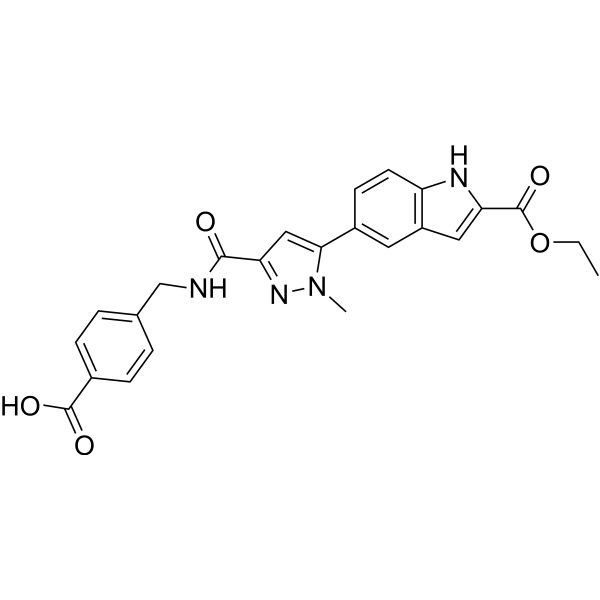 0 ImagesSynonyms: MMP13-IN-3BI-4394 (MMP13-IN-3), a chemical probe, is a potent, selective, and orally active MMP-13 inhibitor (IC50=1 nM) for the potential treatment of osteoarthritis. BI-4394 is >1000 selective over other MMPs.
-
KD014
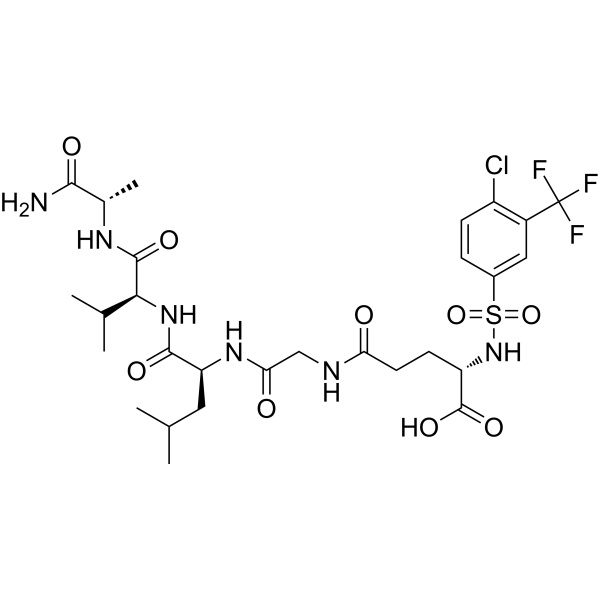
 0 ImagesCat. No.: HY-P991316Synonyms: DX-2400; DX-2410KD014 (DX-2400) is a human monoclonal antibody that selectively targets MMP‑14. KD014 inhibits collagen degradation and regulates the polarization of macrophages toward an anti-inflammatory/anti-tumor phenotype. KD014 alleviates joint damage in rheumatoid arthritis and suppresses tumor growth and invasion. KD014 can be used in studies related to breast cancer and rheumatoid arthritis.
-
UK-370106
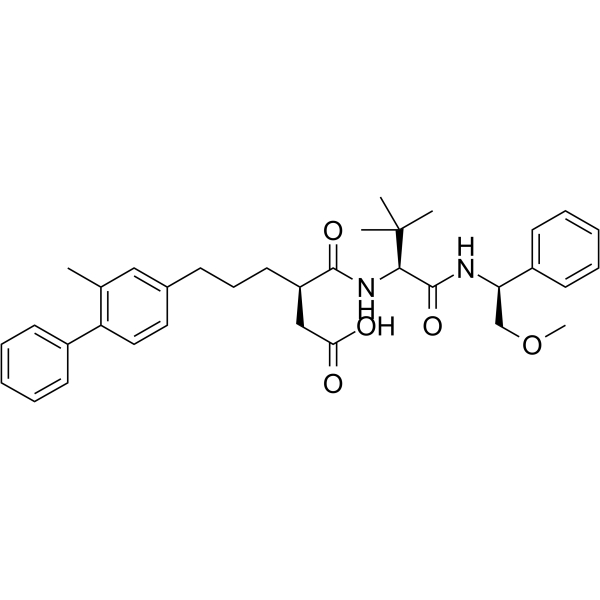 0 ImagesCat. No.: HY-107639CAS No.: 230961-21-4UK-370106 is a potent and highly selective MMP-3 (IC50 of 23 nM) and MMP-12 (IC50 of 42 nM) inhibitor with >1200-fold higher potency than MMP-1, MMP-2, MMP-9, and MMP-14, and about 100-fold than MMP-13 and MMP-8. UK-370106 potently inhibits cleavage of [3H]-fibronectin by MMP-3 (IC50 of 320 nM) and has little effect on keratinocyte migration in vitro.
-
CMC2.24
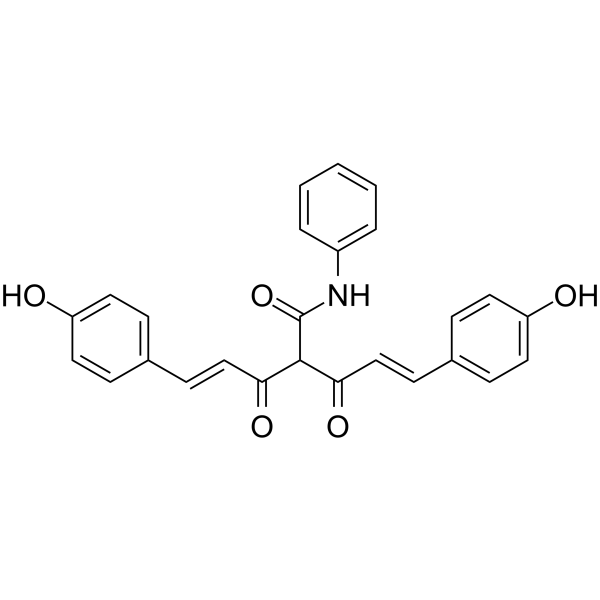 0 ImagesCat. No.: HY-120793CAS No.: 1255639-43-0Synonyms: TRB-N0224CMC2.24 (TRB-N0224), an orally active tricarbonylmethane agent, is effective against pancreatic tumor in mice by inhibiting Ras activation and its downstream effector ERK1/2 pathway. CMC2.24 is also a potent inhibitor of zinc-dependent MMPs with IC50s ranging from 2.0-69 μM. CMC2.24 alleviates osteoarthritis progression by restoring cartilage homeostasis and inhibiting chondrocyte apoptosis via the NF-κB/HIF-2α axis.
-
Karacoline
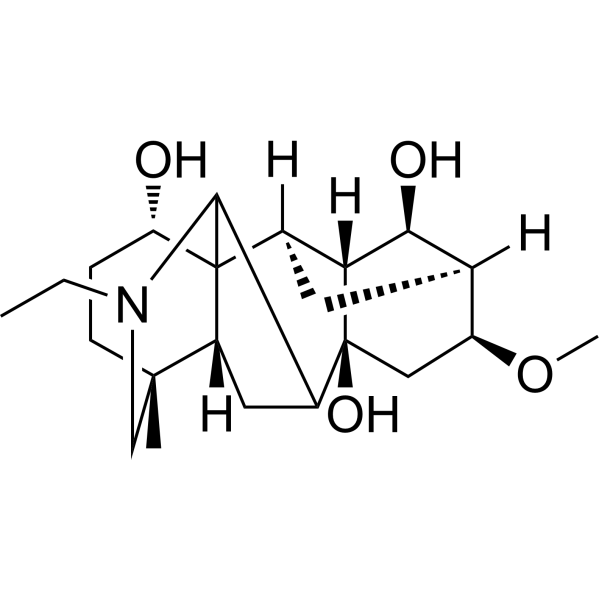 0 ImagesKaracoline is an orally active PPARγ activator and ERK/JNK MAPK inhibitor. Karacoline restricts ROS production, maintains mitochondrial membrane potential, and inhibits pulmonary cell apoptosis. Karacoline inhibits NF-κB pathway activation, reduces acetylation levels of p65 and the expression of MMP14 and MMP9, enhances the expression of type II collagen (collagen II) and aggrecan (aggrecan), and suppresses extracellular matrix degradation. In a mouse model of sepsis-induced acute lung injury, Karacoline alleviates lung injury, inhibits the release of IL-1β, IL-6 and TNF-α, increases the Bcl-2/BAX ratio, and reduces caspase 3 expression. Karacoline can be used in research related to acute lung injury and intervertebral disc degeneration.
-
Linvemastat
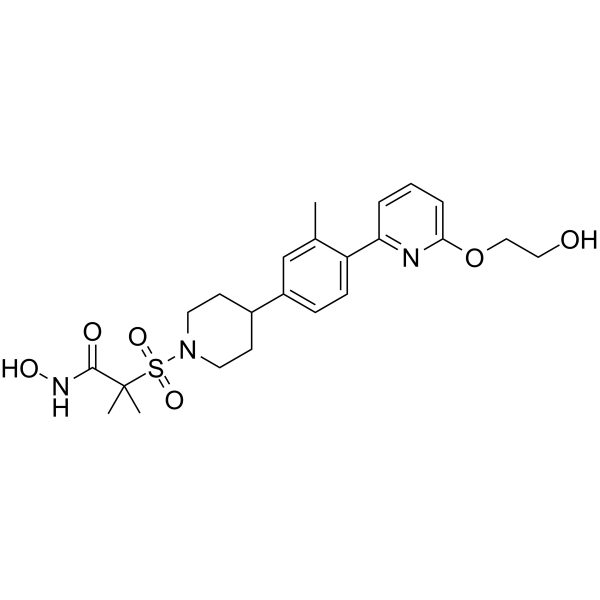
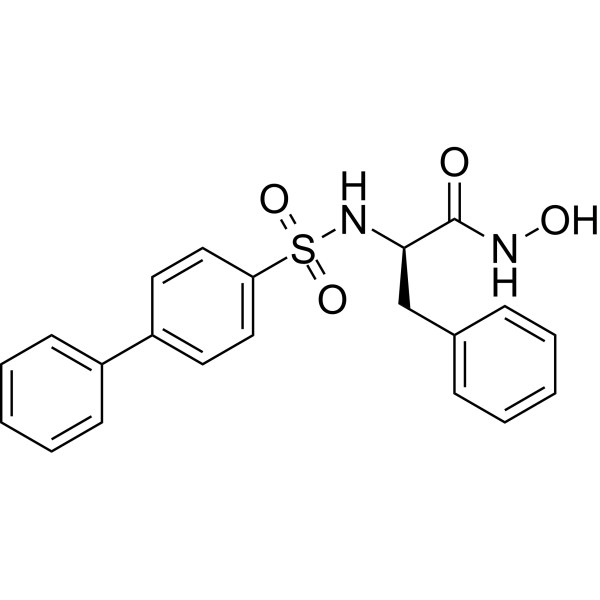
 0 ImagesSynonyms: FP-020Linvemastat (Compound FC-4) is an orally active MMP-12 inhibitor (IC50: < 10 nM) with high selectivity of MMP-1, -2, -3, -7, -9, -10 and -14. Linvemastat significantly attenuates lung fibrosis in Bleomycin (HY-108345) induced unilateral lung fibrosis mice model and potently reduces kidney damage, interstitial inflammation or fibrosis in kidney fibrosis model of unilateral ureteral occlusion. Linvemastat can be used for inflammatory diseases research, such as idiopathie pulmonary fibrosis (IPF), inflammatory bowel disease (IBD) and asthma.
-
Mca-Pro-Leu-Ala-Cys(Mob)-Trp-Ala-Arg-Dap(Dnp)-NH2
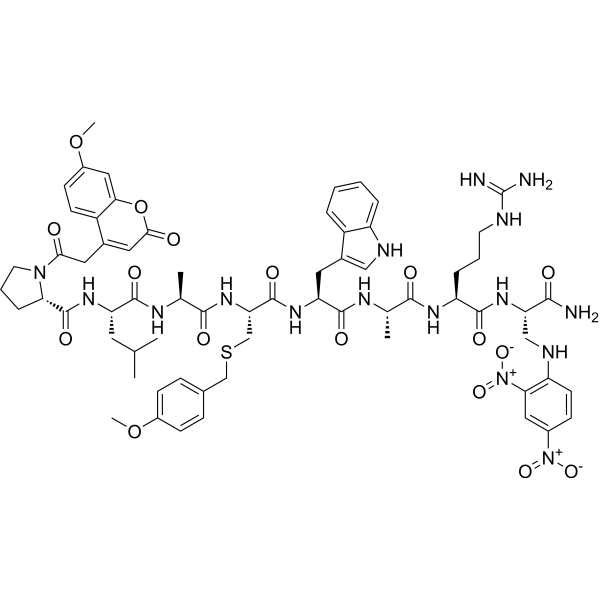 0 ImagesCat. No.: HY-P3120CAS No.: 1926163-82-7Mca-Pro-Leu-Ala-Cys(Mob)-Trp-Ala-Arg-Dap(Dnp)-NH2 is a fluorogenic substrate for matrix metalloproteinase-14 (MMP-14). Mca-Pro-Leu-Ala-Cys(Mob)-Trp-Ala-Arg-Dap(Dnp)-NH2, upon cleavage by MMP-14, releases 7-methoxycoumarin-4-acetyl (Mca) (Ex/Em = 328/420 nm).
-
(R)-ND-336
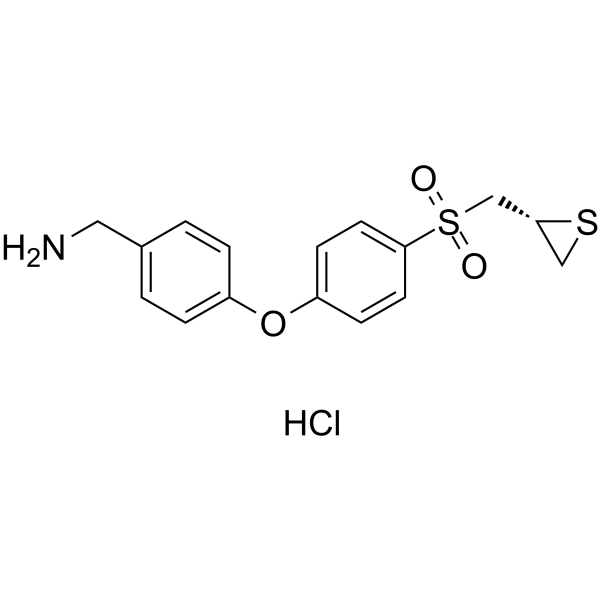 0 ImagesCat. No.: HY-124373ACAS No.: 2252493-33-5
- 1
- 2




