MMP-13
MMP-13 (matrix metalloproteinase-13), also known as collagenase-3, is a zinc-dependent extracellular matrix protease that plays a central role in collagen turnover and tissue remodeling, with particularly high activity toward type II collagen, the major structural collagen of articular cartilage[1][2]. Mechanistically, MMP-13 participates in extracellular matrix degradation by cleaving fibrillar collagens and other matrix components, thereby regulating cartilage homeostasis, skeletal development, endochondral ossification, and matrix remodeling processes[1][3]. In disease settings, dysregulated MMP-13 expression is strongly associated with osteoarthritis (OA), where enhanced type II collagen degradation contributes directly to cartilage destruction and progressive joint pathology[1][2][4]. Experimental studies have demonstrated that cartilage-specific overexpression of active MMP-13 induces osteoarthritis-like changes characterized by collagen cleavage, proteoglycan loss, and articular cartilage degeneration, supporting a causal role in disease progression[2]. MMP-13 expression is regulated by inflammatory and signaling pathways, including IL-1, TNF-α, Wnt/β-catenin, TGF-β-related signaling, and other transcriptional networks that influence chondrocyte catabolism and matrix breakdown[3][5]. Compared with related collagenases such as MMP-1 and MMP-8, MMP-13 exhibits particularly efficient cleavage of type II collagen and is considered the predominant collagenase driving cartilage degradation in OA tissues[1][3][5]. Because of its substrate preference and disease-specific upregulation, MMP-13 has become an important therapeutic target, and selective MMP-13 inhibitors are widely used in experimental studies investigating cartilage protection and disease-modifying strategies for osteoarthritis[3][6].
参考文献:
- [1]. Dlugosz P, et al. Disabled 1 Is Part of a Signaling Pathway Activated by Epidermal Growth Factor Receptor. Int J Mol Sci. 2021 Feb 9;22(4):1745. [Content Brief]
- [2]. Neuhold LA, et al. Postnatal expression in hyaline cartilage of constitutively active human collagenase-3 (MMP-13) induces osteoarthritis in mice. J Clin Invest. 2001 Jan;107(1):35-44. [Content Brief]
- [3]. Huang Y, et al. The adjuvant treatment role of ω-3 fatty acids by regulating gut microbiota positively in the acne vulgaris. J Dermatolog Treat. 2024 Dec;35(1):2299107. [Content Brief]
- [4]. Moore BA, et al. Induction of collagenase-3 (MMP-13) in rheumatoid arthritis synovial fibroblasts. Biochim Biophys Acta. 2000 Oct 18;1502(2):307-18. [Content Brief]
- [5]. Vincenti MP, et al. Transcriptional regulation of collagenase (MMP-1, MMP-13) genes in arthritis: integration of complex signaling pathways for the recruitment of gene-specific transcription factors. Arthritis Res. 2002;4(3):157-64. [Content Brief]
- [6]. Spicer TP, et al. Characterization of selective exosite-binding inhibitors of matrix metalloproteinase 13 that prevent articular cartilage degradation in vitro. J Med Chem. 2014 Nov 26;57(22):9598-611. [Content Brief]
-
MMP-13 関連製品 (58)
関連製品 (58)

-
組換えタンパク質 (1)
-
Chloramphenicol
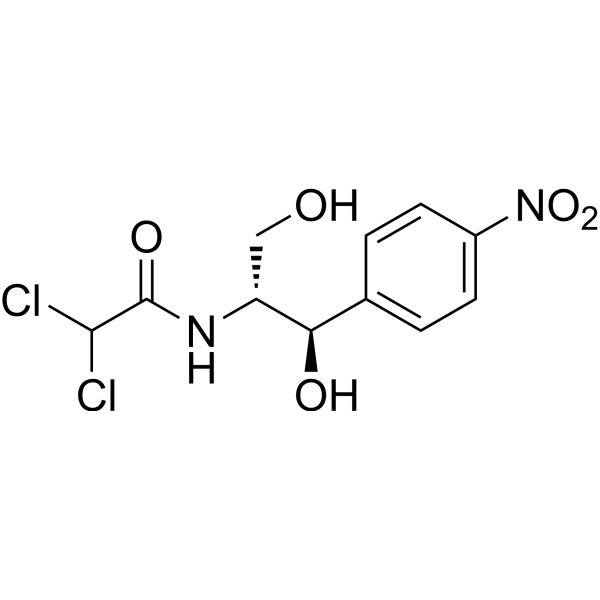 0 ImagesChloramphenicol is an orally active, potent and broad-spectrum antibiotic. Chloramphenicol shows antibacterial activity. Chloramphenicol represses the oxygen-labile transcription factor and hypoxia inducible factor-1 alpha (HIF-1α) in hypoxic A549 and H1299 cells. Chloramphenicol suppresses the mRNA levels of vascular endothelial growth factor (VEGF) and glucose transporter 1, eventually decreasing VEGF release. Chloramphenicol can be used for anaerobic infections and lung cancer research.
-
KP-457
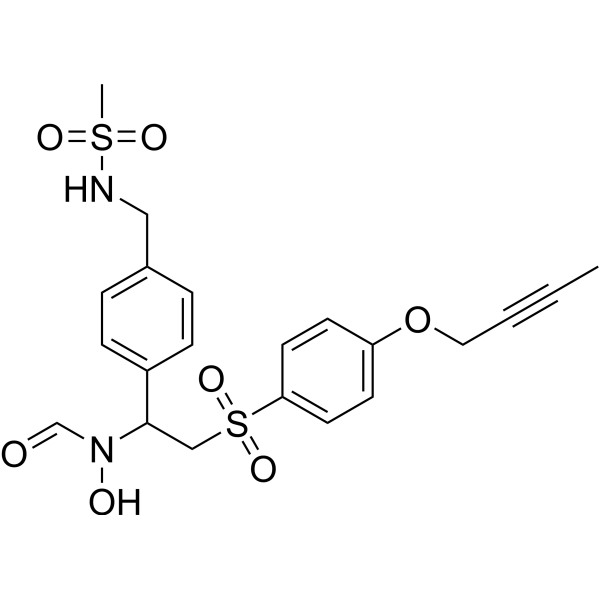 0 ImagesKP-457 is a selective a disintegrin and metalloproteinase 17 (ADAM17) inhibitor, with higher selectivity for ADAM17 than for other MMPs and ADAM10, and IC50s are 11.1 nM (ADAM17), 748 nM (ADAM10), 717 nM (MMP2), 9760 nM (MMP3), 2200 nM (MMP8), 5410 nM (MMP9), 930 nM (MMP13), 2140 nM (MMP14), and 7100 nM (MMP17), respectively.
-
Mca-KPLGL-Dap(Dnp)-AR-NH2
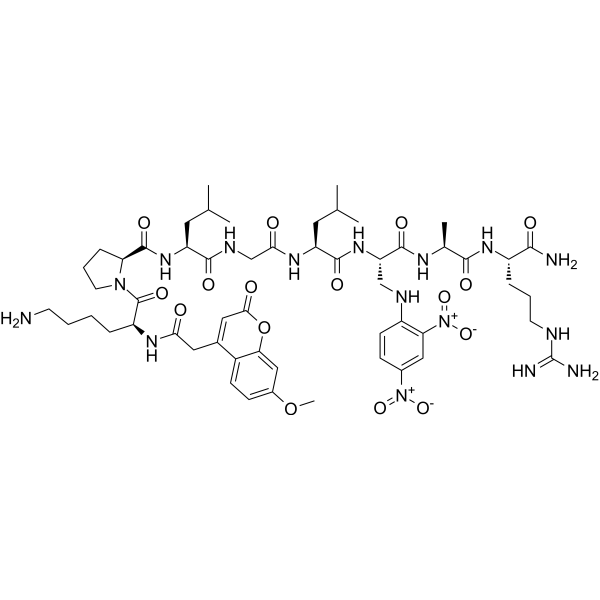 0 ImagesMca-Lys-Pro-Leu-Gly-Leu-Dap(Dnp)-Ala-Arg-NH2 (FS-6) is a fluorescent peptide that is a quenched MMP peptide substrate. Mca-Lys-Pro-Leu-Gly-Leu-Dap(Dnp)-Ala-Arg-NH2 can be used for real-time quantification of MMP enzymatic activity. Mca-Lys-Pro-Leu-Gly-Leu-Dap(Dnp)-Ala-Arg-NH2 is an elongated peptide of MMP substrate (FS-1) and is active against collagenases (MMP-1, MMP-8, MMP-13 ) and MT1-MMP with higher specificity constants than FS-1. (Ex/Em=325 nm/400 nm)
-
Lixisenatide
 0 ImagesLixisenatide is a glucagon-like peptide-1 (GLP-1) receptor agonist. Lixisenatide inhibits the inflammatory response through down regulation of pro-inflammatory cytokines, and suppresses of the Akt-MEK1/2 signaling pathway. Lixisenatide can inhibit oxidative stress, mitochondrial dysfunction and apoptosis. Lixisenatide can be used for the researches of inflammation, metabolic disease, neurological disease and cardiovascular disease, such as rheumatoid arthritis, diabetes, Alzheimer's disease and atherosclerosis.
-
Apigenin-7-glucuronide
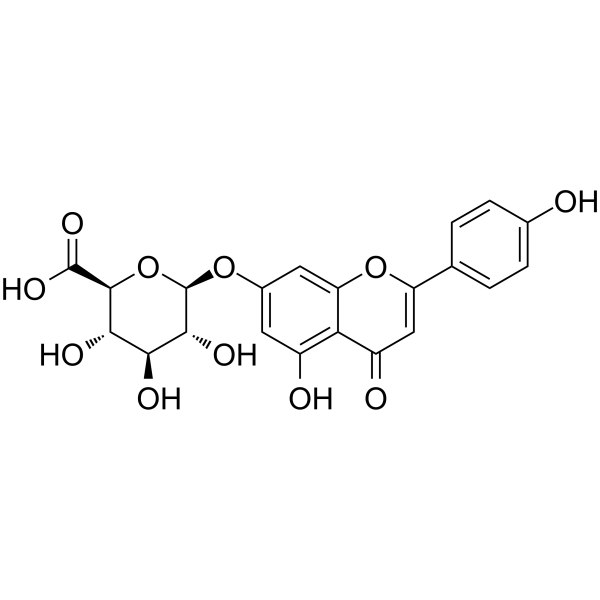 0 Images別名: Apigenin 7-O-glucuronide
-
MMP13-IN-7
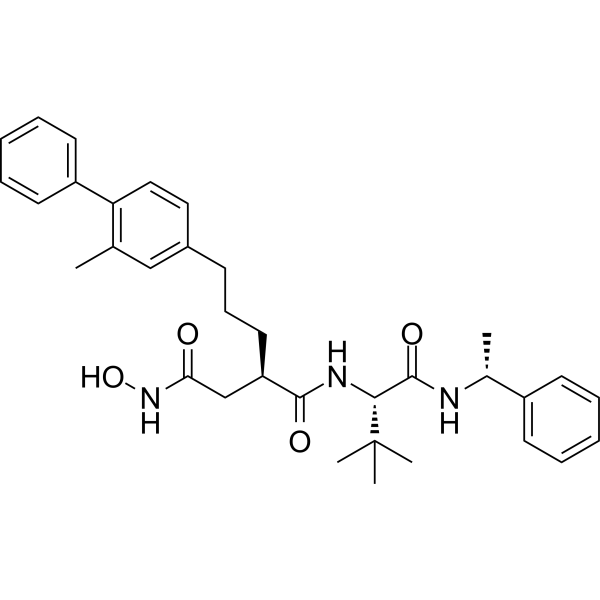
 0 Images製品番号: HY-11037CAS 番号: 1112169-64-8MMP13-IN-7 is an orally active MMP-13 inhibitor with a Ki value of 1.5 nM. MMP13-IN-7 targets the zinc-dependent protease MMP-13 that cleaves type II collagen. MMP13-IN-7 reduces elevated type II collagen neoepitope levels and the severity of osteoarthritis-like joint lesions in a canine meniscectomy model. MMP13-IN-7 can be used for research on osteoarthritis.
-
Methyl ganoderate A
 0 Images製品番号: HY-N22053CAS 番号: 81907-63-3別名: Ganoderic acid A methyl esterMethyl ganoderate A (Ganoderic acid A methyl ester) is a triterpenoid derivative. Methyl ganoderate A can be isolated from the fruiting bodies of G. lucidum. Methyl ganoderate A selectively inhibits CLK2 with an IC50 of 0.69 μM. Methyl ganoderate A inhibits the expression of ADAMTS5, MMP3, and MMP13, and reduces the levels of the cytokines IL-6, TNF-α, and IL-1β. Methyl ganoderate A can be used in research on knee osteoarthritis, Alzheimer's disease, and neuroinflammation.
-
Kutkoside
 0 Images製品番号: HY-N22071CAS 番号: 35988-27-3Kutkoside is an orally active iridoid glycoside mixture composed of picroside II, picroside IV, and 6-ferulloylcatalpol. Kutkoside exerts antioxidant effects by targeting hepatic and lysosomal enzymes, inhibiting Xanthine Oxidase (IC50 = 354.6 μM) and lipid peroxidation, and downregulates MMP-1/2/9/13 to suppress tumor invasion and inflammatory mediators. Kutkoside can be used in research on D-galactosamine-induced liver injury and breast cancer.
-
Luteolin 7-O-glucuronide
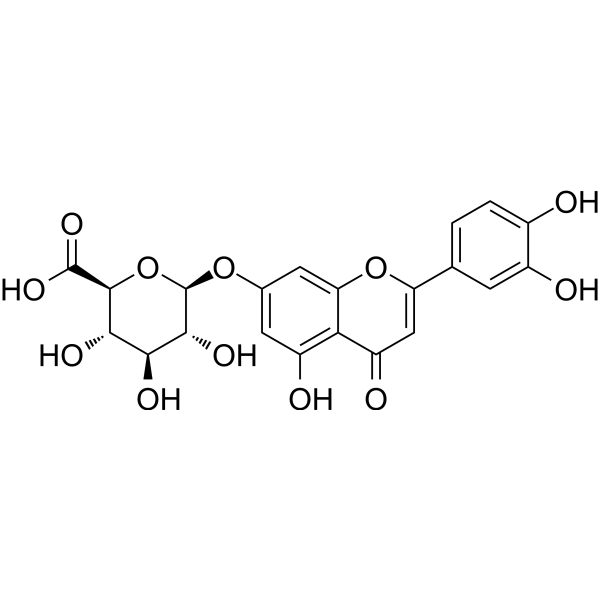 0 Images別名: Luteolin 7-glucuronide
-
BI-4394
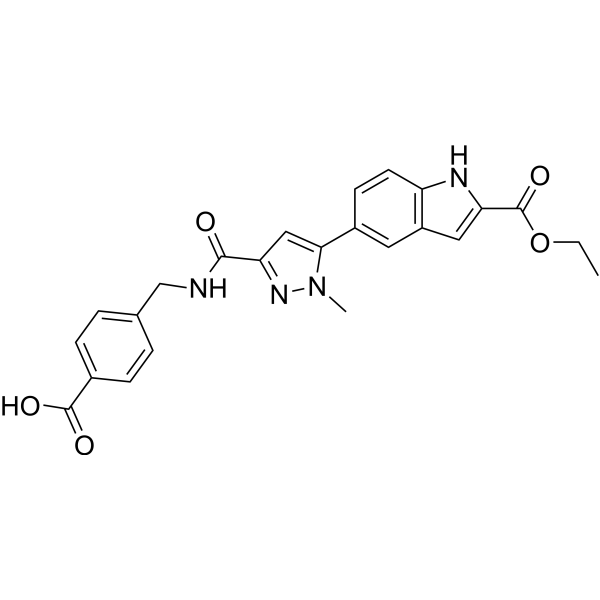 0 Images別名: MMP13-IN-3BI-4394 (MMP13-IN-3), a chemical probe, is a potent, selective, and orally active MMP-13 inhibitor (IC50=1 nM) for the potential treatment of osteoarthritis. BI-4394 is >1000 selective over other MMPs.
-
Prinomastat
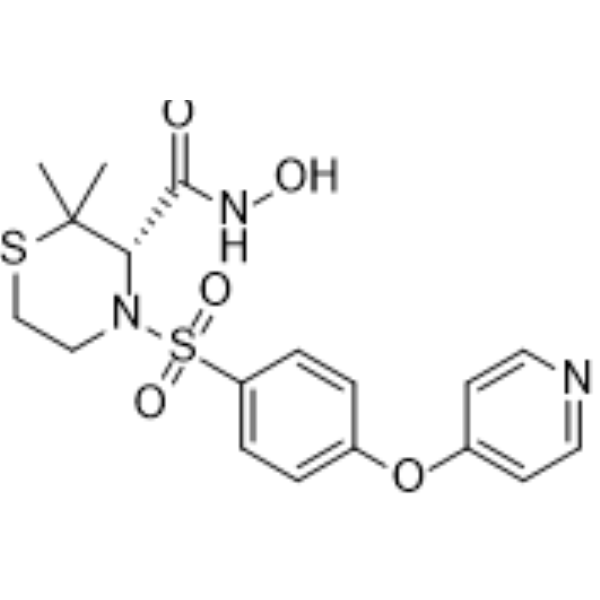 0 Images別名: AG3340; KB-R9896Prinomastat (AG3340) is a broad spectrum, potent, orally active metalloproteinase (MMP) inhibitor with IC50s of 79, 6.3 and 5.0 nM for MMP-1, MMP-3 and MMP-9, respectively. Prinomastat inhibits MMP-2, MMP-3, MMP-13 and MMP-9 with Kis of 0.05 nM, 0.3 nM, 0.03 nM and 0.26 nM, respectively. Prinomastat crosses blood-brain barrier. Antitumor avtivity.
-
Cynaropicrin
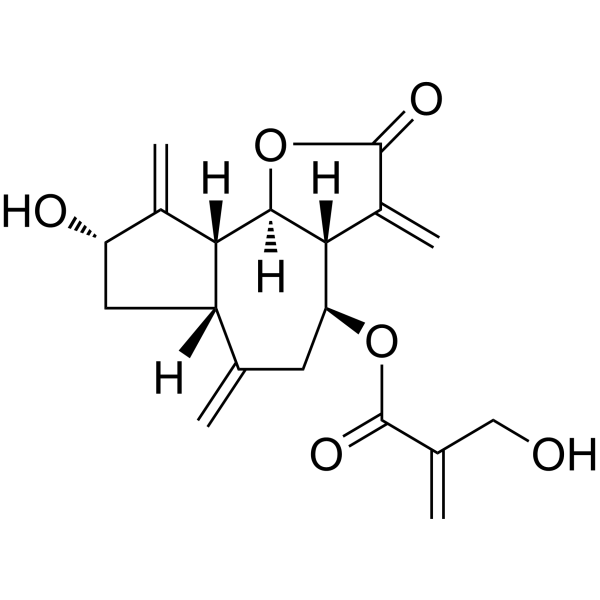 0 ImagesCynaropicrin is a sesquiterpene lactone which can inhibit tumor necrosis factor (TNF-α) release with IC50s of 8.24 and 3.18 μM for murine and human macrophage cells, respectively. Cynaropicrin also inhibits the increase of cartilage degradation factor (MMP13) and suppresses NF-κB signaling.
-
Ecliptasaponin A
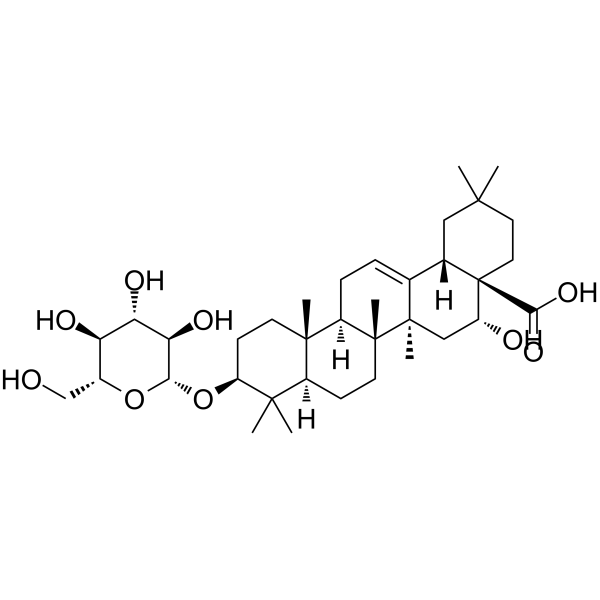 0 ImagesEcliptasaponin A is an orally active pentacyclic triterpenoid saponin. Ecliptasaponin A exerts anti-tumor activity by activating ASK1/JNK pathway, inducing apoptosis and autophagy in lung cancer cells. Ecliptasaponin A exerts anti-inflammatory/anti-fibrotic effects and protects the cardiovascular system by inhibiting the HMGB1/TLR4/NF-κB pathway, and the expression of COX-2 and MMP-9. Ecliptasaponin A can enhance SOD activity, reduce MDA levels, and alleviate oxidative stress damage. Ecliptasaponin A exerts chondroprotective effects by inhibiting the expression of MMP13 and regulating inflammatory factors. Ecliptasaponin A improves ovarian function and regulates sex hormones by upregulating the expression of ESR1 receptors.
-
MMP13-IN-2
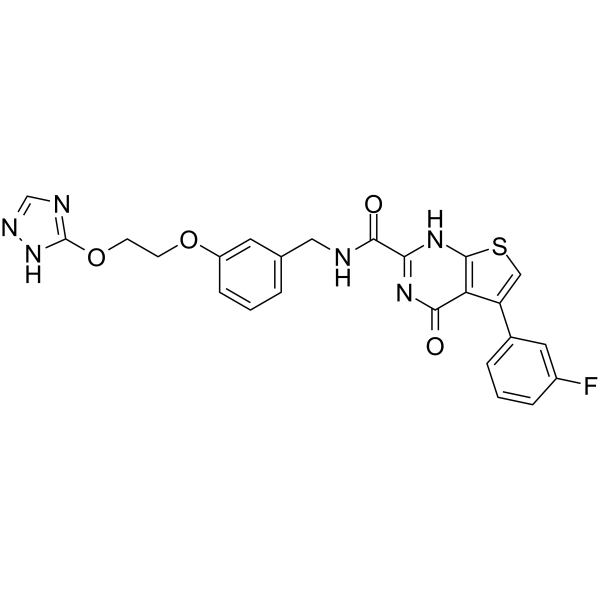 0 ImagesMMP13-IN-2 is a potent, selective and orally active MMP-13 inhibitor. MMP13-IN-2 exhibits excellent potency for MMP-13 (IC50=0.036 nM) and selectivities (greater than 1,500-fold) over MMP-1, 3, 7, 8, 9, 14, and TACE. MMP13-IN-2 has the ability to block the release of collagen from cartilage in vitro. MMP13-IN-2 has the potential for collagenase related disease research.
-
DB04760
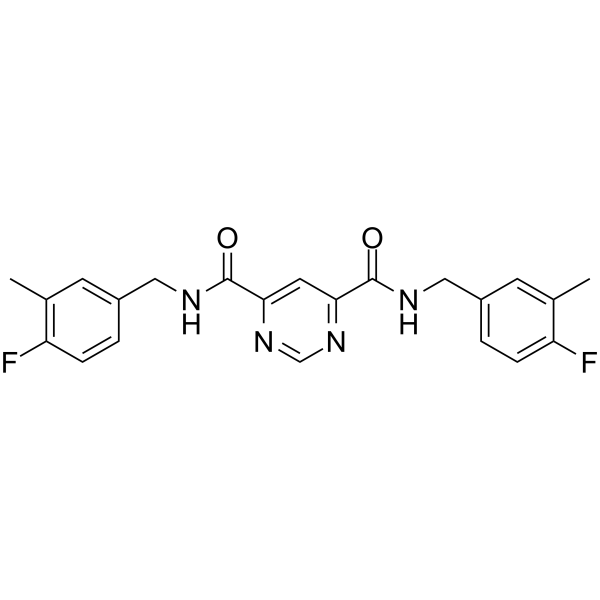 0 ImagesDB04760 (compound 4) is a potent, highly selective, non-zinc-chelating MMP-13 inhibitor with an IC50 of 8 nM. DB04760 significantly reduces paclitaxel neurotoxicity and has anticancer activity.