



MMP-13 Inhibitor
-
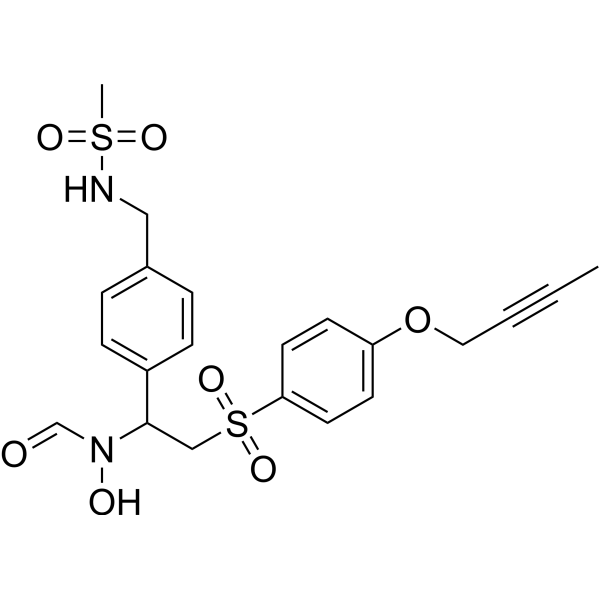
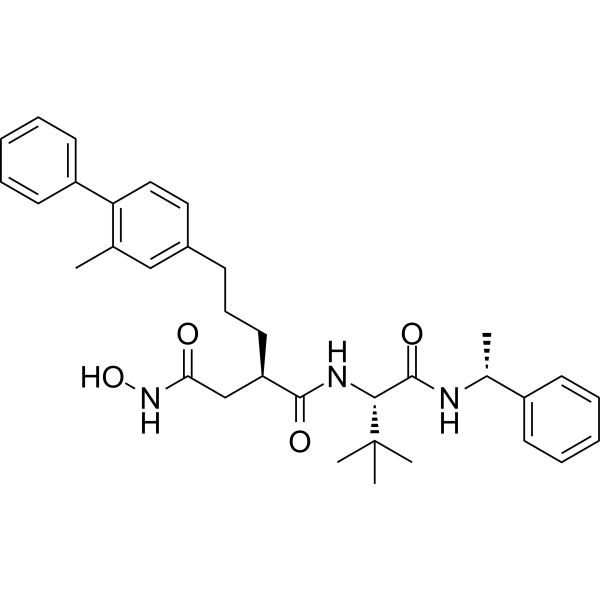
KP-457
 0 Images
KP-457 is a selective a disintegrin and metalloproteinase 17 (ADAM17) inhibitor, with higher selectivity for ADAM17 than for other MMPs and ADAM10, and IC50s are 11.1 nM (ADAM17), 748 nM (ADAM10), 717 nM (MMP2), 9760 nM (MMP3), 2200 nM (MMP8), 5410 nM (MMP9), 930 nM (MMP13), 2140 nM (MMP14), and 7100 nM (MMP17), respectively.
-
Lixisenatide
 0 Images
Lixisenatide is a glucagon-like peptide-1 (GLP-1) receptor agonist. Lixisenatide inhibits the inflammatory response through down regulation of pro-inflammatory cytokines, and suppresses of the Akt-MEK1/2 signaling pathway. Lixisenatide can inhibit oxidative stress, mitochondrial dysfunction and apoptosis. Lixisenatide can be used for the researches of inflammation, metabolic disease, neurological disease and cardiovascular disease, such as rheumatoid arthritis, diabetes, Alzheimer's disease and atherosclerosis.
-
Apigenin-7-glucuronide
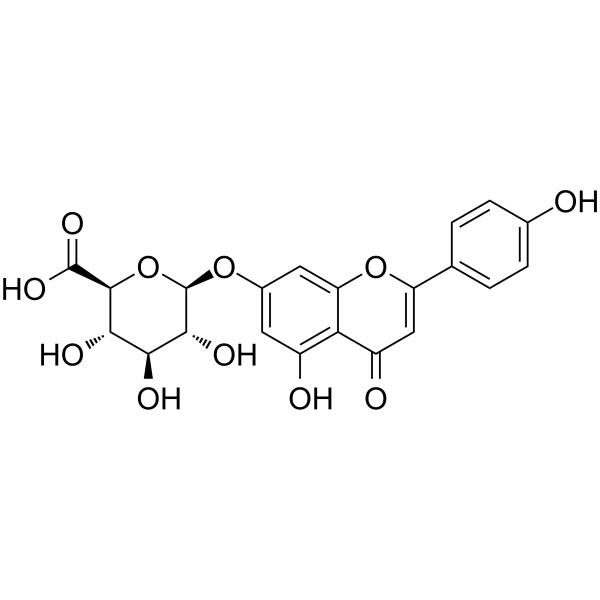 0 ImagesSynonyms: Apigenin 7-O-glucuronide
-
MMP13-IN-6
 0 ImagesCat. No.: HY-181698
MMP13-IN-6 (Compound 10a) is a MMP-13 inhibitor with a Ki value of 40 nM against hMMP-13. MMP13-IN-6 can be used in the research of osteoarthritis and rheumatoid arthritis.
-
R-130823
 0 ImagesCat. No.: HY-119138CAS No.: 321344-32-5
R-130823 is an orally active, highly selective p38α inhibitor with an IC50 of 22 nM against p38α, an IC50 of 820 nM against p38β, and no activity against p38γ or p38δ. R-130823 downregulates downstream cartilage degradation and inflammatory mediators, and inhibits the release of MMP-13, MMP-1 and PGE2. R-130823 reduces hind paw swelling, improves hyperalgesia, and blocks arthritis progression. R-130823 is applicable to research related to osteoarthritis and rheumatoid arthritis.
-
Luteolin 7-O-glucuronide
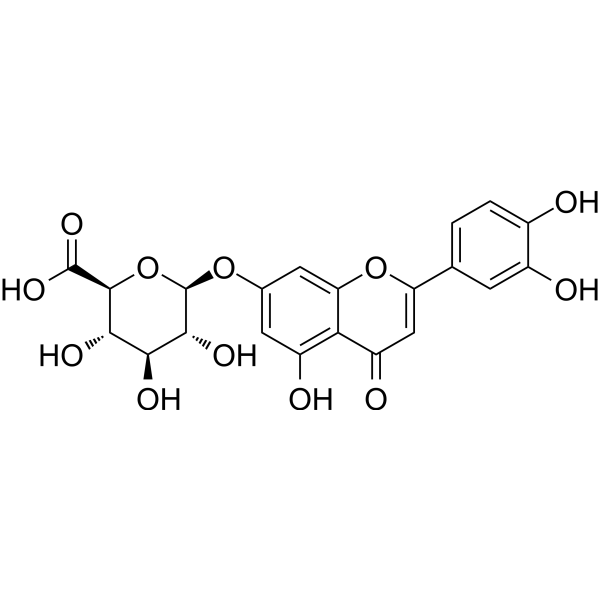 0 ImagesSynonyms: Luteolin 7-glucuronide
-
BI-4394
 0 ImagesSynonyms: MMP13-IN-3
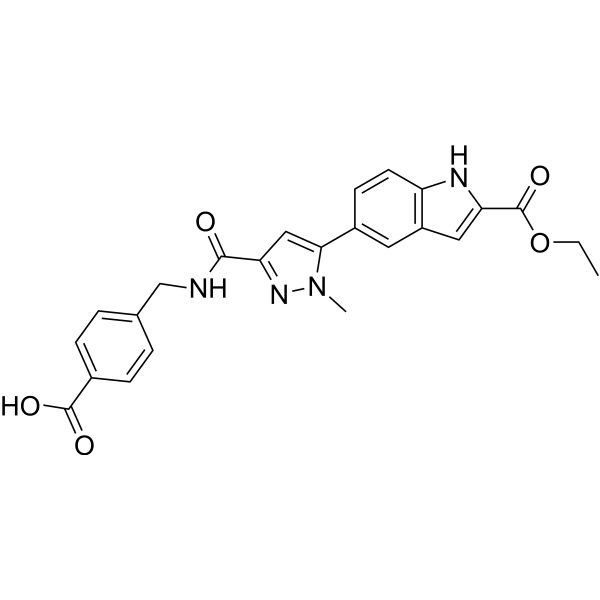
BI-4394 (MMP13-IN-3), a chemical probe, is a potent, selective, and orally active MMP-13 inhibitor (IC50=1 nM) for the potential treatment of osteoarthritis. BI-4394 is >1000 selective over other MMPs.
-
Prinomastat
 0 ImagesSynonyms: AG3340; KB-R9896
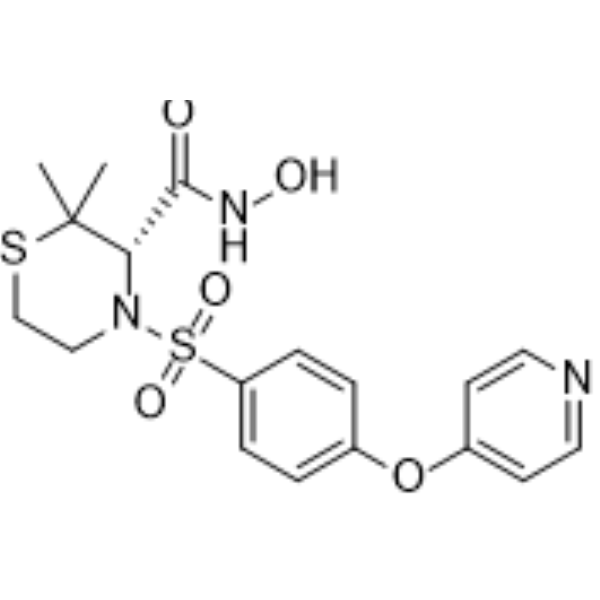
Prinomastat (AG3340) is a broad spectrum, potent, orally active metalloproteinase (MMP) inhibitor with IC50s of 79, 6.3 and 5.0 nM for MMP-1, MMP-3 and MMP-9, respectively. Prinomastat inhibits MMP-2, MMP-3, MMP-13 and MMP-9 with Kis of 0.05 nM, 0.3 nM, 0.03 nM and 0.26 nM, respectively. Prinomastat crosses blood-brain barrier. Antitumor avtivity.
-
Cynaropicrin
 0 Images
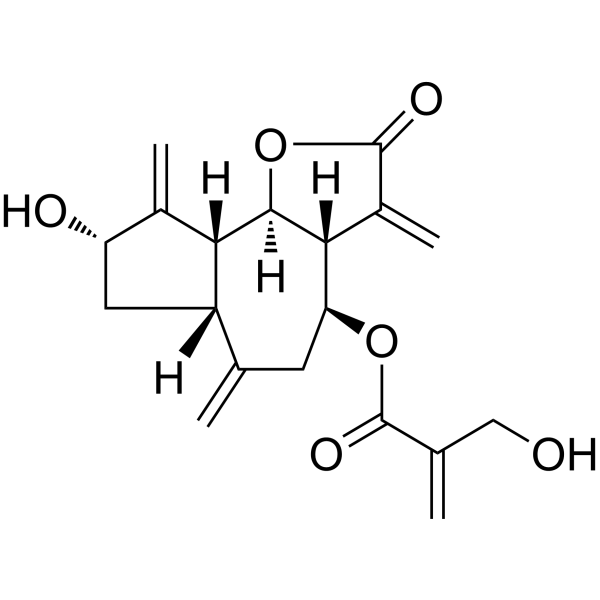
Cynaropicrin is a sesquiterpene lactone which can inhibit tumor necrosis factor (TNF-α) release with IC50s of 8.24 and 3.18 μM for murine and human macrophage cells, respectively. Cynaropicrin also inhibits the increase of cartilage degradation factor (MMP13) and suppresses NF-κB signaling.
-
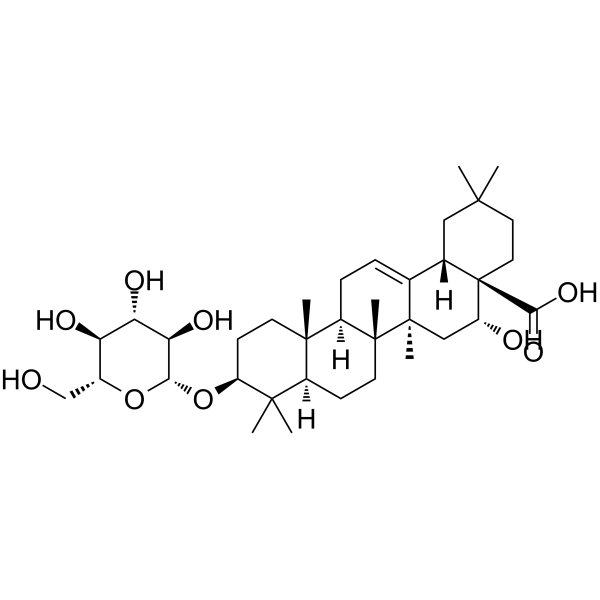
Ecliptasaponin A
 0 Images
Ecliptasaponin A is an orally active pentacyclic triterpenoid saponin. Ecliptasaponin A exerts anti-tumor activity by activating ASK1/JNK pathway, inducing apoptosis and autophagy in lung cancer cells. Ecliptasaponin A exerts anti-inflammatory/anti-fibrotic effects and protects the cardiovascular system by inhibiting the HMGB1/TLR4/NF-κB pathway, and the expression of COX-2 and MMP-9. Ecliptasaponin A can enhance SOD activity, reduce MDA levels, and alleviate oxidative stress damage. Ecliptasaponin A exerts chondroprotective effects by inhibiting the expression of MMP13 and regulating inflammatory factors. Ecliptasaponin A improves ovarian function and regulates sex hormones by upregulating the expression of ESR1 receptors.
-
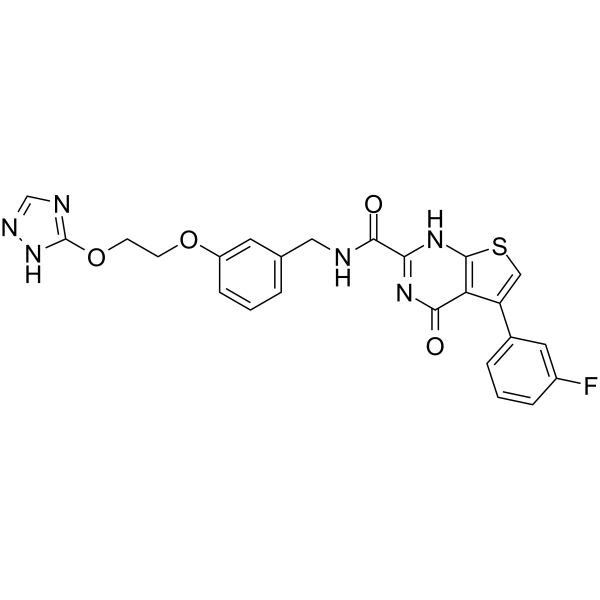
MMP13-IN-2
 0 Images
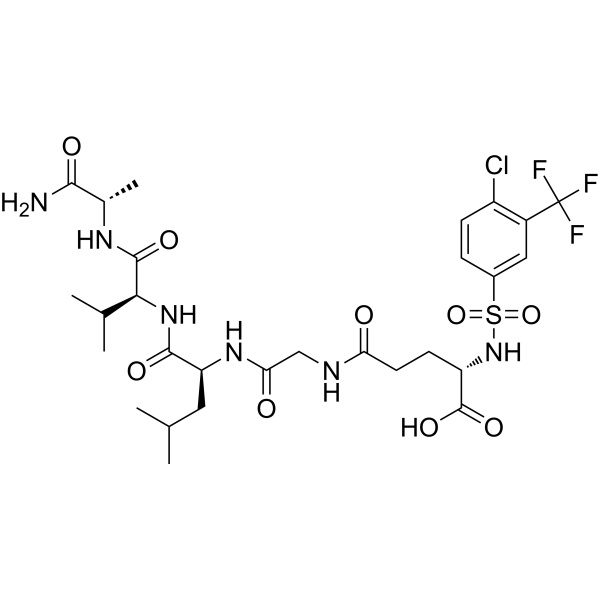
MMP13-IN-2 is a potent, selective and orally active MMP-13 inhibitor. MMP13-IN-2 exhibits excellent potency for MMP-13 (IC50=0.036 nM) and selectivities (greater than 1,500-fold) over MMP-1, 3, 7, 8, 9, 14, and TACE. MMP13-IN-2 has the ability to block the release of collagen from cartilage in vitro. MMP13-IN-2 has the potential for collagenase related disease research.
-
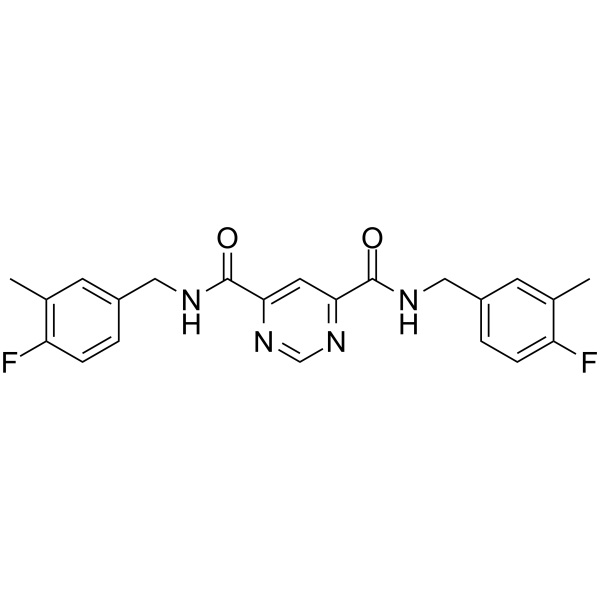
DB04760
 0 Images
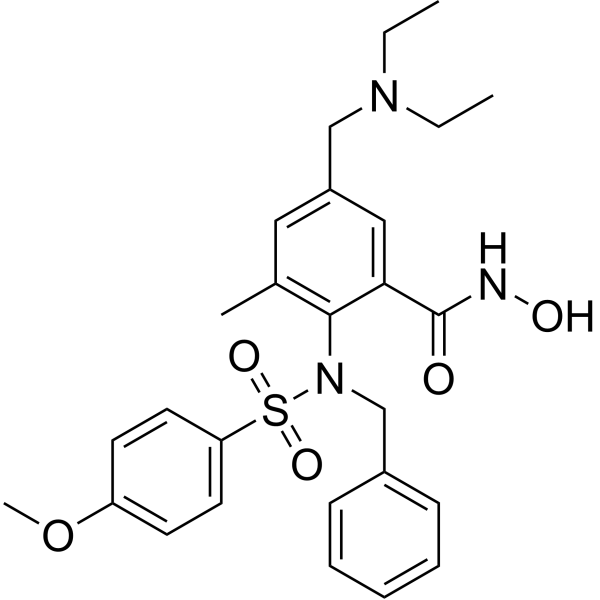
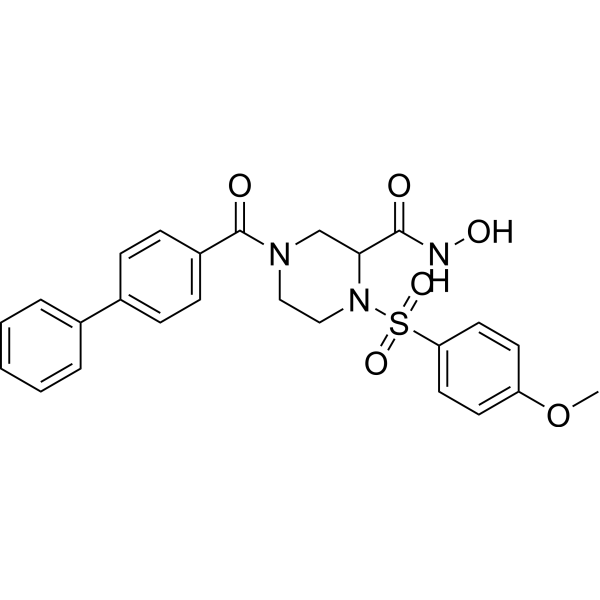
DB04760 (compound 4) is a potent, highly selective, non-zinc-chelating MMP-13 inhibitor with an IC50 of 8 nM. DB04760 significantly reduces paclitaxel neurotoxicity and has anticancer activity.
-
UK-370106
 0 ImagesCat. No.: HY-107639CAS No.: 230961-21-4
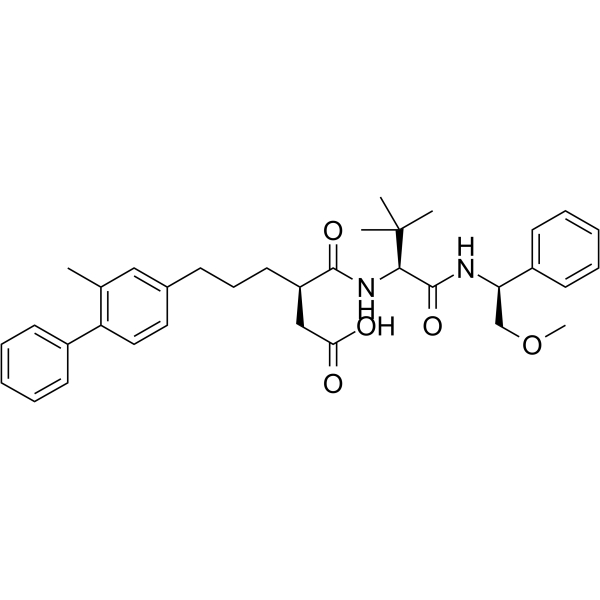
UK-370106 is a potent and highly selective MMP-3 (IC50 of 23 nM) and MMP-12 (IC50 of 42 nM) inhibitor with >1200-fold higher potency than MMP-1, MMP-2, MMP-9, and MMP-14, and about 100-fold than MMP-13 and MMP-8. UK-370106 potently inhibits cleavage of [3H]-fibronectin by MMP-3 (IC50 of 320 nM) and has little effect on keratinocyte migration in vitro.
-
Lixisenatide acetate
 0 Images
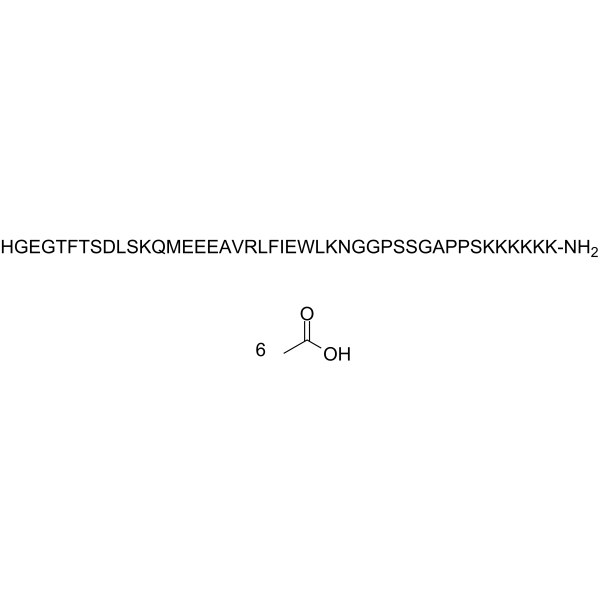
Lixisenatide acetate is a glucagon-like peptide-1 (GLP-1) receptor agonist. Lixisenatide acetate inhibits the inflammatory response through down regulation of pro-inflammatory cytokines, and suppresses of the Akt-MEK1/2 signaling pathway. Lixisenatide acetate can inhibit oxidative stress, mitochondrial dysfunction and apoptosis. Lixisenatide acetate can be used for the researches of inflammation, metabolic disease, neurological disease and cardiovascular disease, such as rheumatoid arthritis, diabetes, Alzheimer's disease and atherosclerosis.
-
Tanomastat
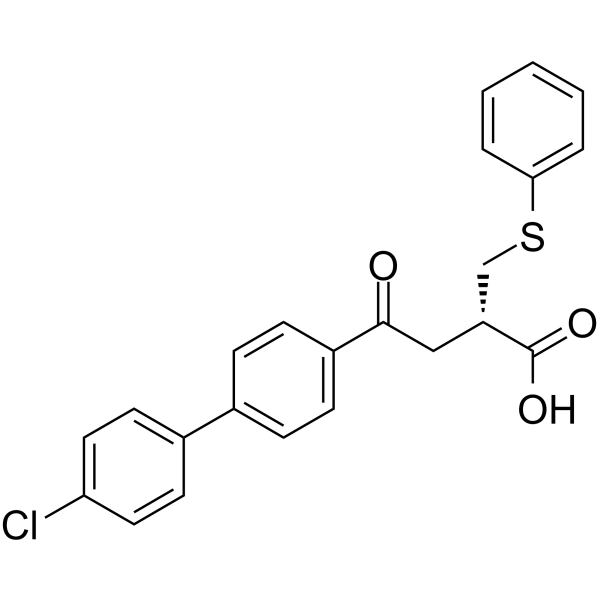 0 ImagesSynonyms: BAY 12-9566
Tanomastat (BAY 12-9566) is an orally bioavailable, non-peptidic biphenyl matrix metalloproteinases (MMPs) inhibitor with a Zn-binding carboxyl group. The Ki values are 11, 143, 301, and 1470 nM for MMP-2, MMP-3, MMP-9, MMP-13 respectively. Tanomastat shows anti-invasive and antimetastatic activity in several experimental tumor models.



