



MMP-8
MMP-8 (matrix metalloproteinase-8), also known as neutrophil collagenase or collagenase-2, is a Zn2+-dependent extracellular matrix protease that primarily cleaves interstitial collagens and contributes to tissue remodeling and inflammatory responses[1][2]. Mechanistically, MMP-8 regulates extracellular matrix turnover through degradation of collagen substrates and can influence inflammatory cell trafficking by generating bioactive collagen-derived peptides that promote neutrophil migration within collagen-rich tissues[3][4]. Beyond structural matrix degradation, MMP-8 has been implicated in acute and chronic inflammatory processes, where excessive proteolytic activity contributes to tissue injury and disease progression[2][5]. In disease settings, elevated MMP-8 activity is strongly associated with periodontal and peri-implant tissue destruction, and active MMP-8 serves as a marker of ongoing collagen degradation in inflammatory lesions[5][6]. Experimental and clinical studies have also linked MMP-8 to sepsis, aortic aneurysm development, and cancer-related processes, highlighting its context-dependent roles in pathological tissue remodeling and host responses[7][8][9]. Compared with related collagenases such as MMP-1 and MMP-13, MMP-8 is distinguished by its predominant storage in neutrophil granules and its specialized contribution to neutrophil-driven inflammatory responses, although all three enzymes share collagenolytic activity[2][10]. For experimental applications, selective MMP-8 inhibitors have been developed and extensively characterized, providing useful tools for investigating collagenase-dependent mechanisms and evaluating therapeutic modulation of inflammatory tissue destruction[11][12].
Referencias:
- [1]. Maymon E, et al. Human neutrophil collagenase (matrix metalloproteinase 8) in parturition, premature rupture of the membranes, and intrauterine infection. Am J Obstet Gynecol. 2000 Jul;183(1):94-9. [Content Brief]
- [2]. Lee CM, et al. Using positron emission tomography to facilitate CNS drug development. Trends Pharmacol Sci. 2006 Jun;27(6):310-6. [Content Brief]
- [3]. Lin M, et al. Matrix metalloproteinase-8 facilitates neutrophil migration through the corneal stromal matrix by collagen degradation and production of the chemotactic peptide Pro-Gly-Pro. Am J Pathol. 2008 Jul;173(1):144-53. [Content Brief]
- [4]. Lin M, et al. Matrix metalloproteinase-8 facilitates neutrophil migration through the corneal stromal collagen matrix. Am J Pathol. 2008;173(1):144-153.
- [5]. Al-Majid A, et al. Matrix Metalloproteinase-8 as an Inflammatory and Prevention Biomarker in Periodontal and Peri-Implant Diseases. Int J Dent. 2018 Sep 16;2018:7891323. [Content Brief]
- [6]. Romanelli R, et al. Activation of neutrophil collagenase in periodontitis. Infect Immun. 1999 May;67(5):2319-26. [Content Brief]
- [7]. Liu H, et al. Baseline serum matrix metalloproteinase-8 and 28-day mortality in sepsis at ICU admission. Crit Care. 2026 Jan 31;30(1):51. [Content Brief]
- [8]. Wilson WR, et al. Matrix metalloproteinase 8 (neutrophil collagenase) in the pathogenesis of abdominal aortic aneurysm. Br J Surg. 2005 Jul;92(7):828-33. [Content Brief]
- [9]. Juurikka K, et al. The Role of MMP8 in Cancer: A Systematic Review. Int J Mol Sci. 2019 Sep 11;20(18):4506. [Content Brief]
- [10]. Medicine-and-dentistry/neutrophil-collagenase. sciencedirect.topics.
- [11]. Matter H, et al. Quantitative structure-activity relationship of human neutrophil collagenase (MMP-8) inhibitors using comparative molecular field analysis and X-ray structure analysis. J Med Chem. 1999 Jun 3;42(11):1908-20. [Content Brief]
- [12]. Baidya SK, et al. Matrix metalloproteinase-8 (MMP-8) and its inhibitors: A minireview. Eur J Med Chem Rep. 2024;10:100130.
-
Productos relacionados con MMP-8 (31)
Productos relacionados con (31)

-
Recombinant Proteins (7)
- 1
- 2
-
KP-457
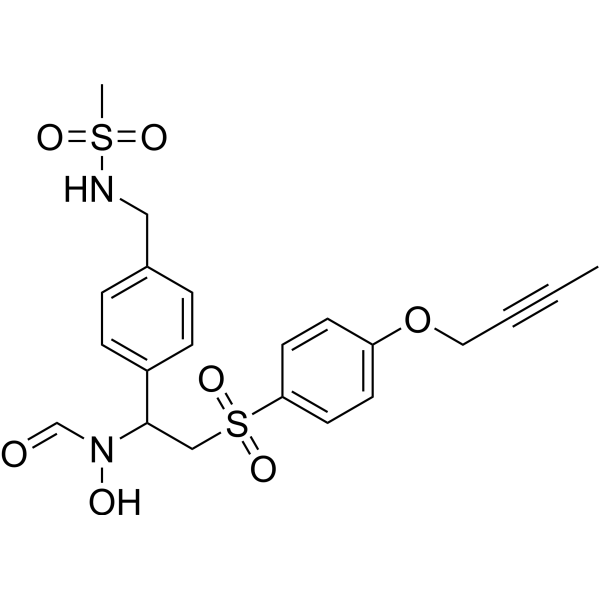 0 ImagesKP-457 is a selective a disintegrin and metalloproteinase 17 (ADAM17) inhibitor, with higher selectivity for ADAM17 than for other MMPs and ADAM10, and IC50s are 11.1 nM (ADAM17), 748 nM (ADAM10), 717 nM (MMP2), 9760 nM (MMP3), 2200 nM (MMP8), 5410 nM (MMP9), 930 nM (MMP13), 2140 nM (MMP14), and 7100 nM (MMP17), respectively.
-
Mca-KPLGL-Dap(Dnp)-AR-NH2
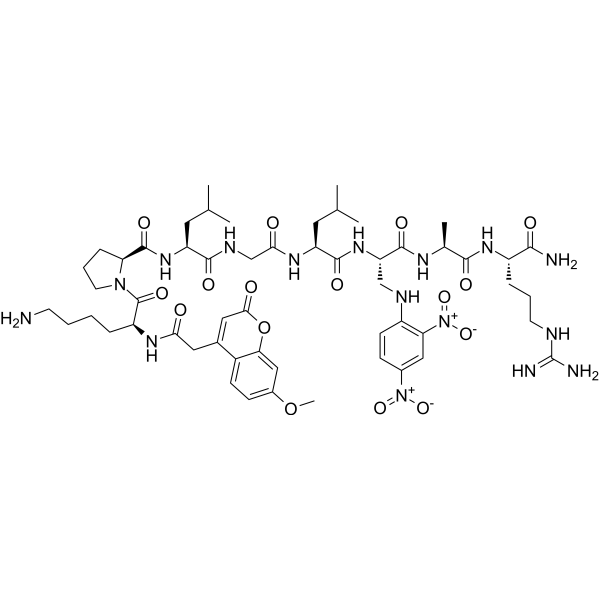 0 ImagesMca-Lys-Pro-Leu-Gly-Leu-Dap(Dnp)-Ala-Arg-NH2 (FS-6) is a fluorescent peptide that is a quenched MMP peptide substrate. Mca-Lys-Pro-Leu-Gly-Leu-Dap(Dnp)-Ala-Arg-NH2 can be used for real-time quantification of MMP enzymatic activity. Mca-Lys-Pro-Leu-Gly-Leu-Dap(Dnp)-Ala-Arg-NH2 is an elongated peptide of MMP substrate (FS-1) and is active against collagenases (MMP-1, MMP-8, MMP-13 ) and MT1-MMP with higher specificity constants than FS-1. (Ex/Em=325 nm/400 nm)
-
Apigenin-7-glucuronide
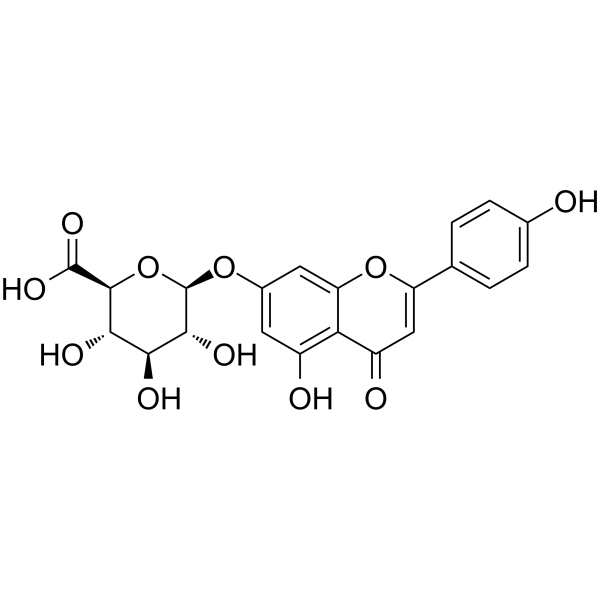 0 ImagesSynonyms: Apigenin 7-O-glucuronide
-
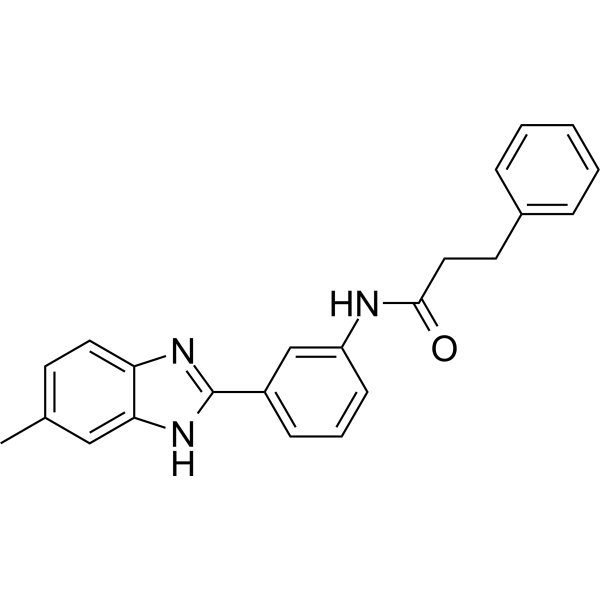
MMP-8 inhibitor-1
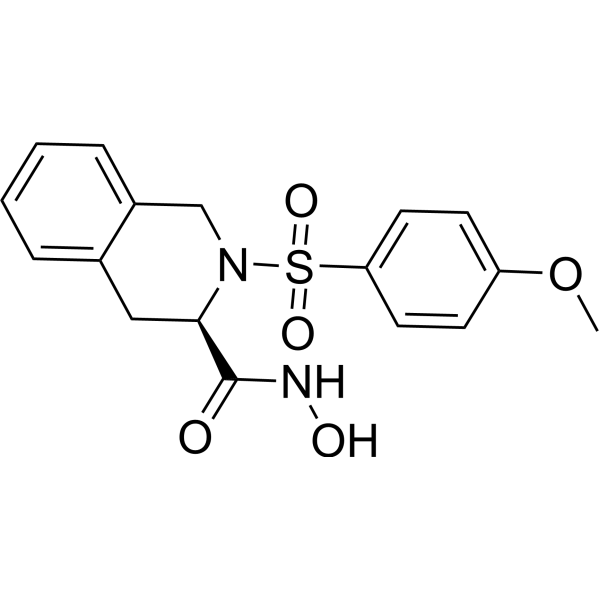 0 ImagesSynonyms: MMP8-I
-
Luteolin 7-O-glucuronide
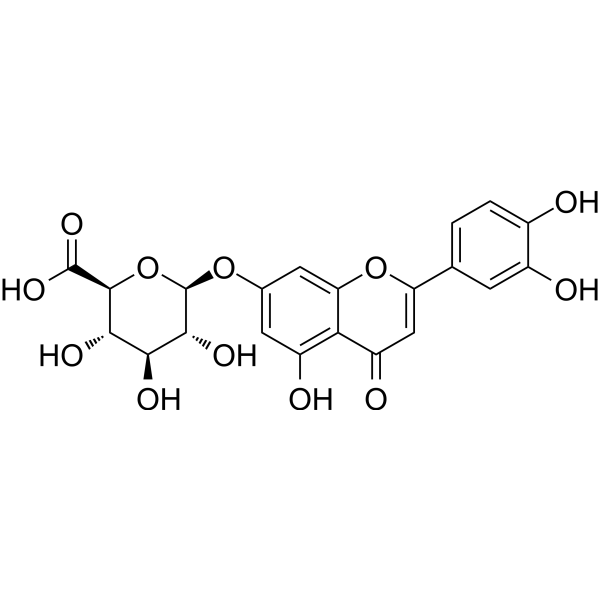 0 ImagesSynonyms: Luteolin 7-glucuronide
-
Licorisoflavan A
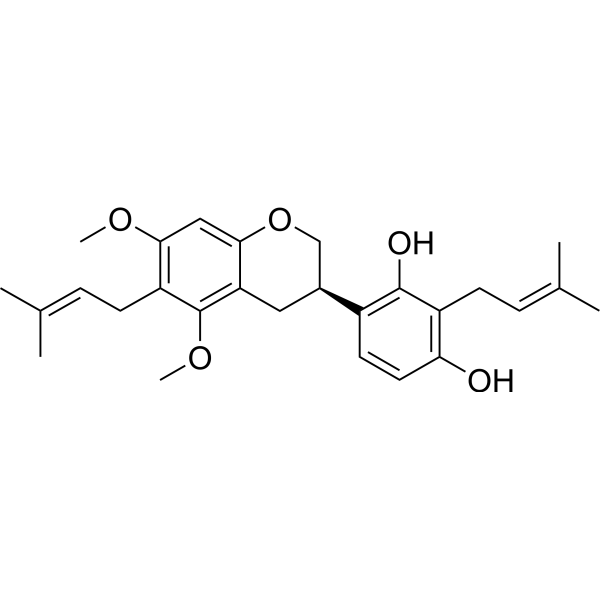 0 ImagesReferencia número: HY-N3385No. CAS: 129314-37-0Synonyms: 7-O-Methyllicorisoflavan BLicorisoflavan A (7-O-Methyllicorisoflavan B) is a isoflavan-quinone, that can be isolated from Glycyrrhiza uralensis. Licorisoflavan A exhibits anti-inflammatory and antimicrobial properties. It can inhibit the secretion of IL-6 and chemokines by LPS-stimulated macrophages in a concentration-dependent manner, and also suppress the secretion of MMP-7, MMP-8, and MMP-9 in macrophages. Licorisoflavan A exertes potent antidepressant-like effects involving BDNF-TrkB pathway and AMPA receptors.
-
Anti-inflammatory agent 121
 0 ImagesReferencia número: HY-137839No. CAS: 927827-98-3Anti-inflammatory agent 121 is a protease inhibitor, with IC50 values against different targets as follows: 1.3 μM (Staphylococcus aureus type I staphylokinase), 2.2 μM (Staphylococcus aureus type II staphylokinase), 2.3 μM (human MMP-1), 2.7 μM (human MMP-2), 1.4 μM (human MMP-8), 4.6 μM (human MMP-9), and 79 μM (human ADAM17). Anti-inflammatory agent 121 inhibits the activities of staphylococcal serine protease glutamyl endopeptidase (V8 protease) and cysteine protease staphylococcal protease B in Staphylococcus aureus cultures. Anti-inflammatory agent 121 inhibits protease activity in skin wash samples, metalloprotease (staphylokinase) activity in Staphylococcus aureus culture supernatants, and staphylokinase-mediated activation of pro-urokinase-type plasminogen activator (pro-uPA). Anti-inflammatory agent 121 can be used in the research of atopic dermatitis.
-
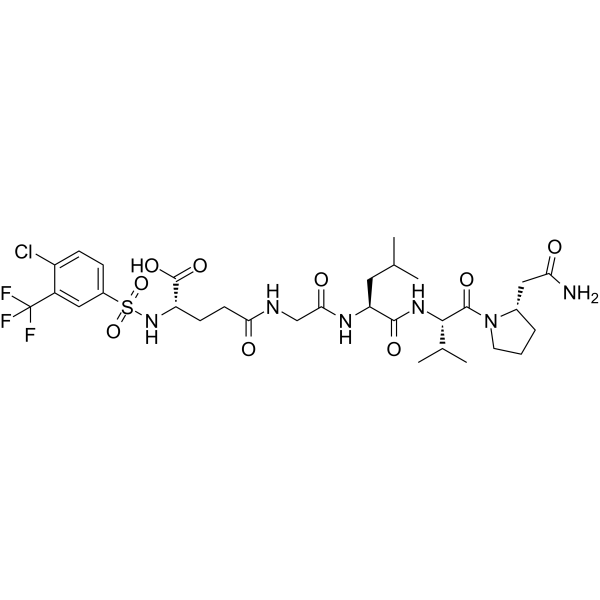
JG26
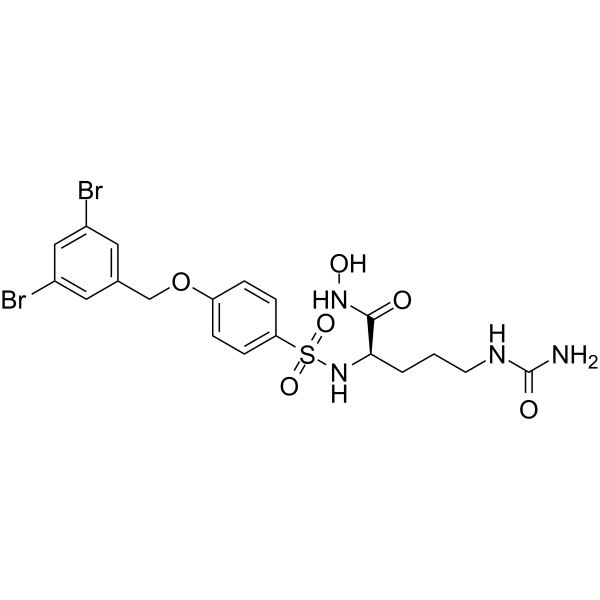 0 ImagesJG26 is an ADAM inhibitor with IC50 values of 12 nM, 1.9 nM, and 150 nM for ADAM8, ADAM17, and ADAM10, respectively. JG26 inhibits MMP-12 with an IC50 value of 9.4 nM. JG26 inhibits AngII (HY-13948)-induced EGFR transactivation and ERK activation. JG26 increases the expression of ACE2, inhibits the cleavage of CD23, reduces the infection of SARS-CoV-2. JG26 inhibits colorectal cancer metastasis. JG26 can be used for research on Hodgkin lymphoma and vascular diseases.
-
Tenidap
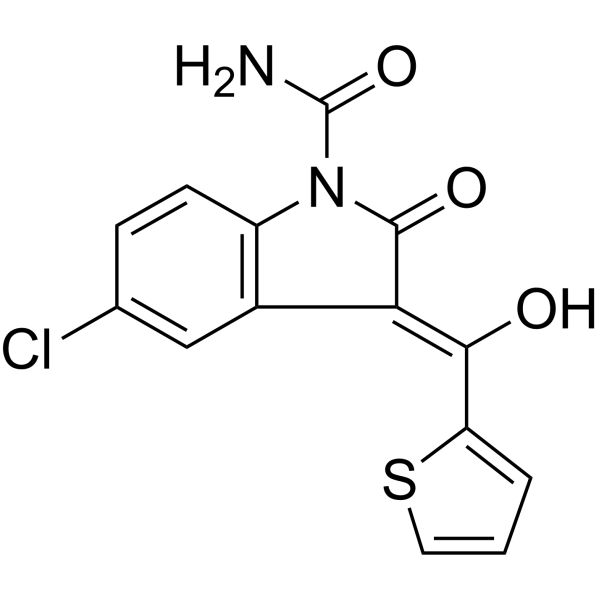 0 ImagesSynonyms: CP-66248Tenidap (CP-66248) is an orally active dual inhibitor of 5-LOX and COX with anti-inflammatory and immunomodulatory properties. Tenidap downregulates the expression of IL-1 receptors in chondrocytes, reduces the release of pro-inflammatory cytokines such as IL-1, IL-6 and TNF-α, and inhibits MMP production and cartilage degradation. Tenidap also blocks bone resorption and leukocyte adhesion to vascular endothelium, interferes with ion and pH changes associated with mouse sperm capacitation, and selectively enhances the activity of hKir2.3 channels (EC50=1.3 μM). Tenidap is applicable to research related to rheumatoid arthritis.
-
UK-370106
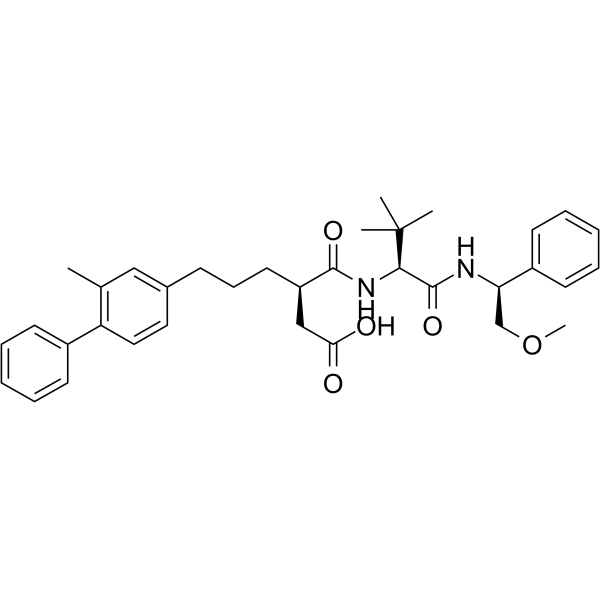 0 ImagesReferencia número: HY-107639No. CAS: 230961-21-4UK-370106 is a potent and highly selective MMP-3 (IC50 of 23 nM) and MMP-12 (IC50 of 42 nM) inhibitor with >1200-fold higher potency than MMP-1, MMP-2, MMP-9, and MMP-14, and about 100-fold than MMP-13 and MMP-8. UK-370106 potently inhibits cleavage of [3H]-fibronectin by MMP-3 (IC50 of 320 nM) and has little effect on keratinocyte migration in vitro.
-
Cipemastat
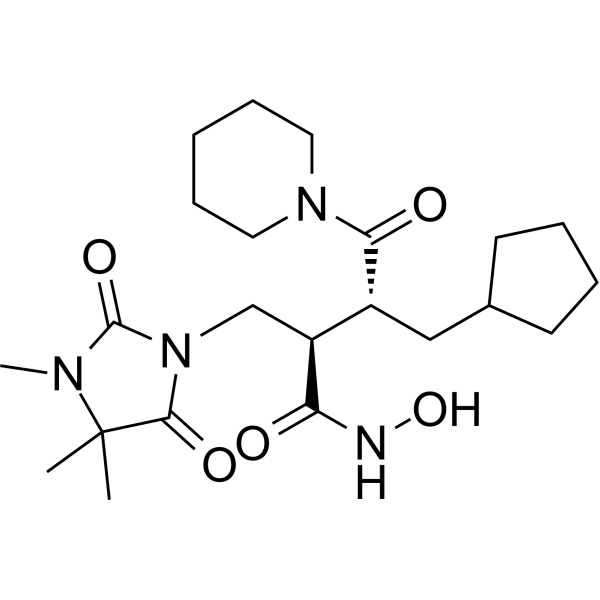 0 ImagesSynonyms: Ro 32-3555Cipemastat is a potent, competitive inhibitor of human collagenases 1, 2 and 3 with Kis of 3.0, 4.4 and 3.4 nM, respectively.
-
AGG-523
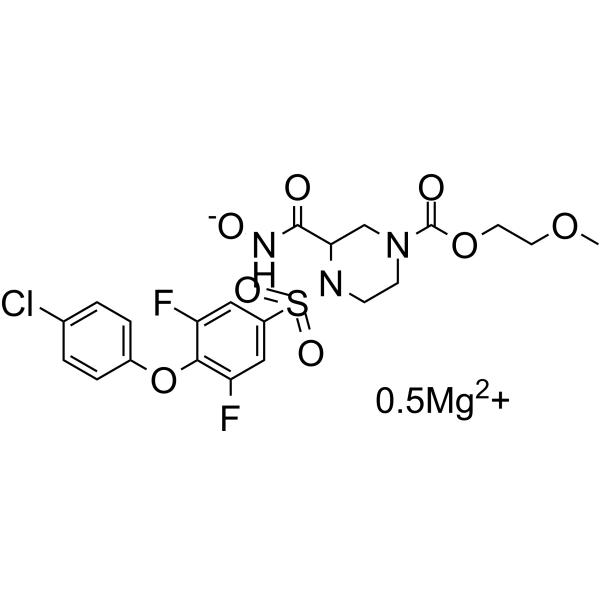
 0 ImagesSynonyms: PF-5212371AGG-523 (PF-5212371) is an orally active, reversible, non-hydroxamate, zinc-binding selective inhibitor of ADAMTS4 and ADAMTS5 with IC50 of <0.03 and 0.04 μM. AGG-523 also inhibits MMP-2, -8, 12 activity AGG-523 attenuates release of aggrecanase-generated ARG-aggrecan fragments into synovial fluid, reduces surgery-induced ARG-aggrecan release in rat joint models, and inhibits aggrecanase activity to slow cartilage degradation. AGG-523 can be used for the research of osteoarthritis.
-
CMC2.24
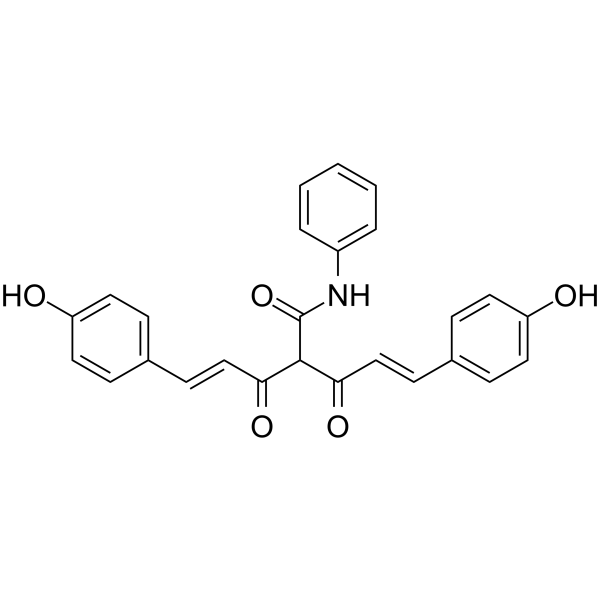 0 ImagesReferencia número: HY-120793No. CAS: 1255639-43-0Synonyms: TRB-N0224CMC2.24 (TRB-N0224), an orally active tricarbonylmethane agent, is effective against pancreatic tumor in mice by inhibiting Ras activation and its downstream effector ERK1/2 pathway. CMC2.24 is also a potent inhibitor of zinc-dependent MMPs with IC50s ranging from 2.0-69 μM. CMC2.24 alleviates osteoarthritis progression by restoring cartilage homeostasis and inhibiting chondrocyte apoptosis via the NF-κB/HIF-2α axis.
-
PF-00356231 hydrochloride
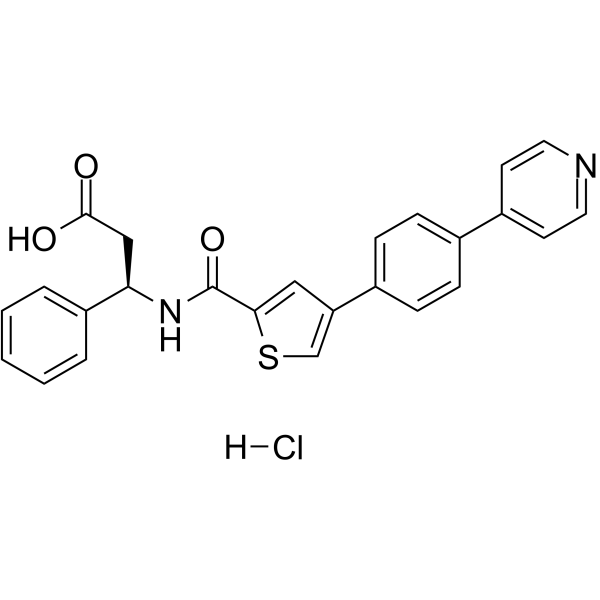 0 ImagesPF-00356231 hydrochloride is a specific, non-peptidic, non-zinc chelating ligand and inhibitor of matrix metalloproteinase MMP-12 (IC50=1.4 μM). PF-00356231 hydrochloride binds to MMP-12 and forms PF-00356231/MMP-12 complex. PF-00356231 hydrochloride shows potency against MMP-13, MMP-8, MMP-9, MMP-3 with IC50s of 0.00065, 1.7, 0.98, 0.39 μM, respectively.
-
Linvemastat
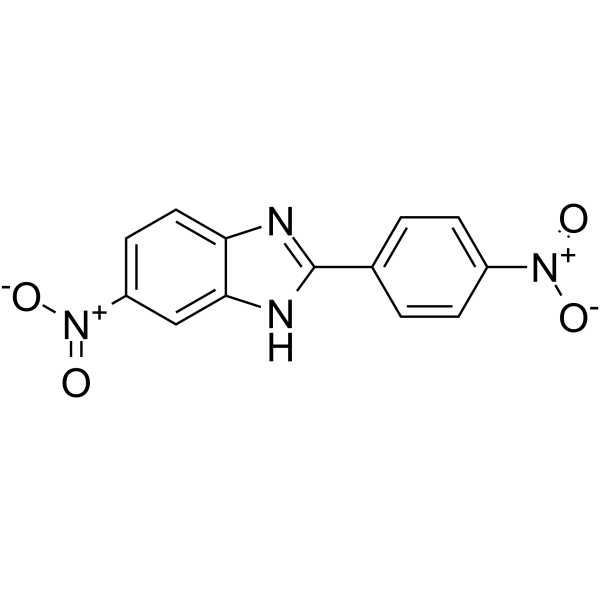
 0 ImagesSynonyms: FP-020Linvemastat (Compound FC-4) is an orally active MMP-12 inhibitor (IC50: < 10 nM) with high selectivity of MMP-1, -2, -3, -7, -9, -10 and -14. Linvemastat significantly attenuates lung fibrosis in Bleomycin (HY-108345) induced unilateral lung fibrosis mice model and potently reduces kidney damage, interstitial inflammation or fibrosis in kidney fibrosis model of unilateral ureteral occlusion. Linvemastat can be used for inflammatory diseases research, such as idiopathie pulmonary fibrosis (IPF), inflammatory bowel disease (IBD) and asthma.
- 1
- 2




