



Atopic Dermatitis
-
Atopic Dermatitis (70)

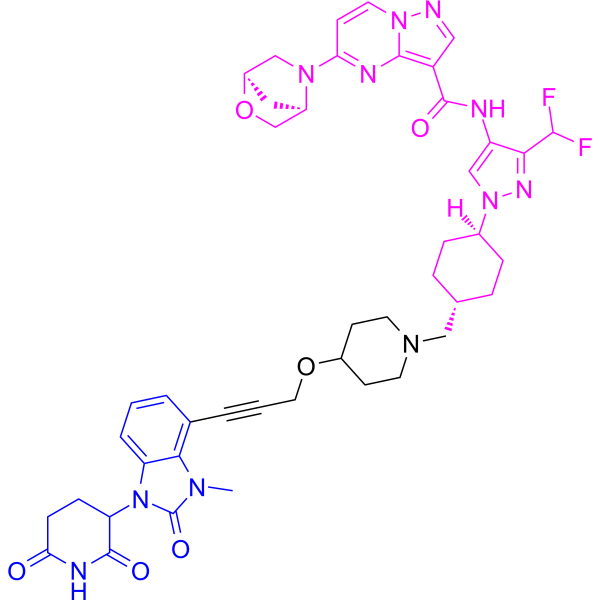
- Formula: C44H49F2N11O6
- Molecular Weight: 865.93
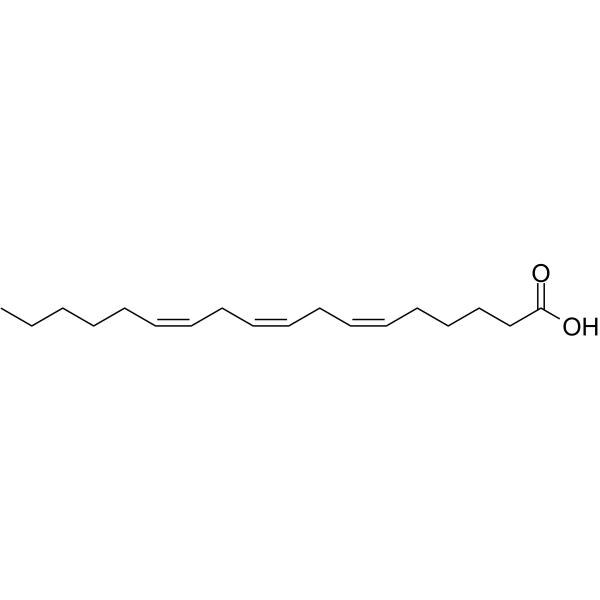
- Formula: C18H30O2
- Molecular Weight: 278.43
Gamma-linolenic acid (γ-Linolenic acid) is an orally active unsaturated fatty acid. Gamma-linolenic acid exerts anti-inflammatory effects by inhibiting the NF-κB pathway and the phosphorylation of ERK1/2 and JNK. At the same time, it exerts anticancer effects by inducing apoptosis (Apoptosis) in cancer cells. Additionally, Gamma-linolenic acid also has antioxidant and memory-improving effects. It holds promise for research in the fields of inflammation, neurology, and cancer diseases.

- Molecular Weight: 145.318 kDa
Lebrikizumab (TNX-650) is an IgG4 humanized anti-interleukin-13 (IL-13) mAb with anti-itch effects that specifically binds to IL-13 in a non-receptor binding domain and inhibits its function. Lebrikizumab inhibits the IL-13 driven Th2 inflammatory response and blocks the signaling of IL-4Rα/IL-13Rα1. Lebrikizumab can be used for the research of asthma, atopic dermatitis and neuroinflammatory diseases.

- Formula: C17H13N5O2S
- Molecular Weight: 351.38
EGR-1-IN-1 is a EGR-1 inhibitor with an IC50 of 1.86 μM. EGR-1-IN-1 binds to the zinc finger DNA-binding domain of EGR-1 and promotes the dissociation of the EGR-1-DNA complex. EGR-1-IN-1 reduces the mRNA expression levels of EGR-1-regulated inflammatory genes induced by TNFα. EGR-1-IN-1 alleviates atopic dermatitis-like lesions in the ear skin of mice. EGR-1-IN-1 serves as a lead compound for the development of targeted compounds for inflammatory skin diseases. EGR-1-IN-1 can be used in studies related to atopic dermatitis.
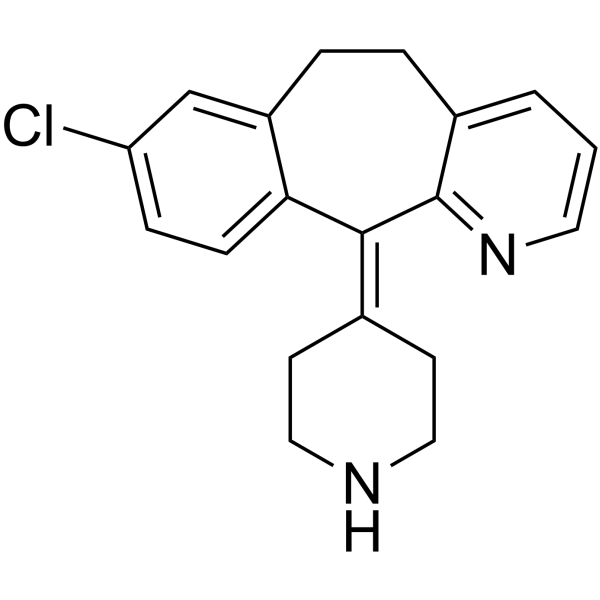
- Formula: C19H19ClN2
- Molecular Weight: 310.83
Desloratadine (Sch34117) is an orally active and selective H1 receptor antagonist (Ki=0.9 nM) with anti-inflammatory and anti-allergic activities. Desloratadine inhibits the release of histamine and LTC4 from human basophils and targets the regulatory signals of IL-4 and IL-13 production in basophils. Desloratadine significantly alleviates SAR symptoms in patients with concurrent asthma and can be used in the study of seasonal allergic rhinitis and chronic idiopathic urticaria.
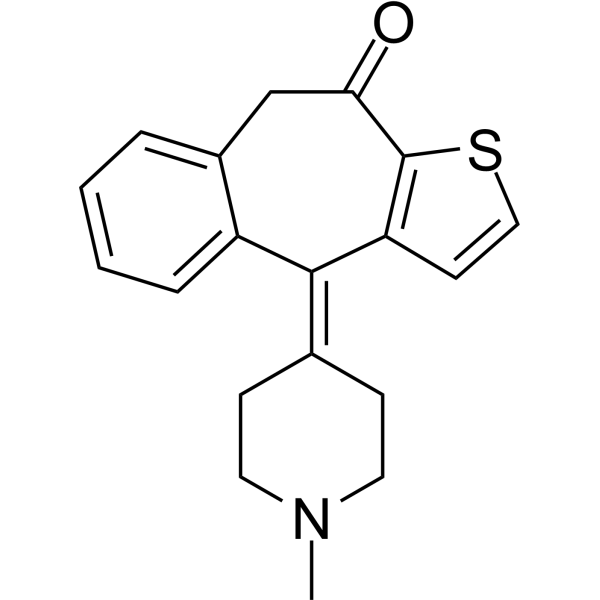
- Formula: C19H19NOS
- Molecular Weight: 309.43
Ketotifen (HC 20-511) is an orally active second-generation noncompetitive histamine 1 (H1) receptor blocker and mast cell stabilizer. Ketotifen can block 6-phosphogluconate dehydrogenase (PGD) in vitro. Ketotifen also has antiviral activity against SARS-CoV-2 and Influenza virus. Ketotifen can be used to the research of autoimmune encephalomyelitis (EAE) and asthma attack prevention.
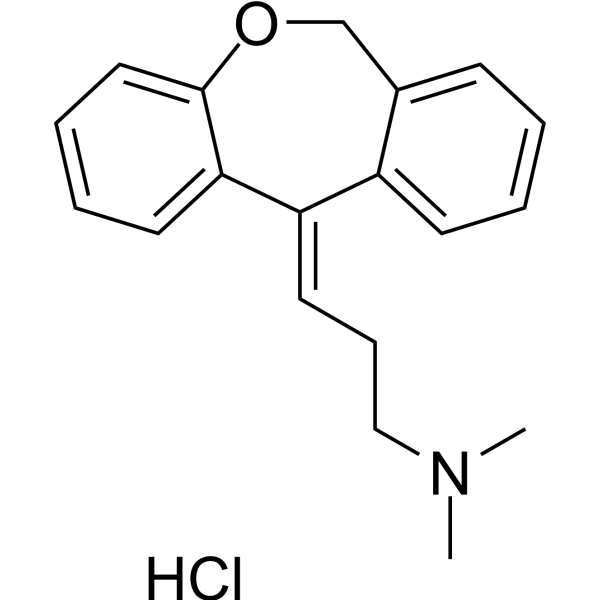
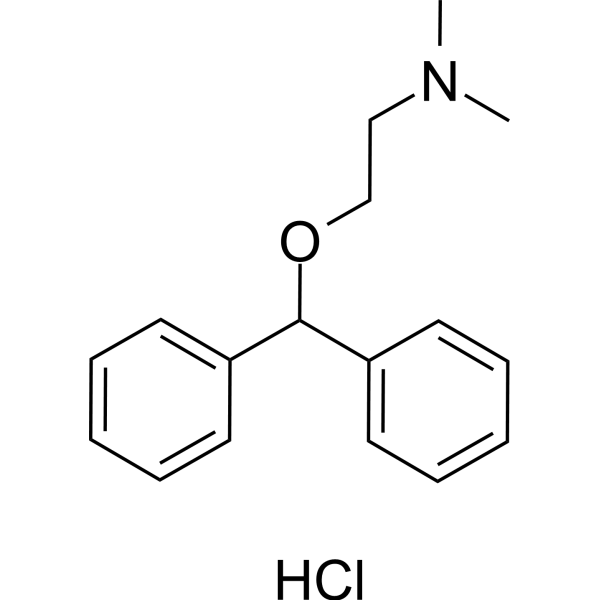
- Formula: C19H22ClNO
- Molecular Weight: 315.84
Doxepin Hydrochloride is an orally active, blood-brain barrier penetrant tricyclic antidepressant with multiple activities including hypnosis, sedation, analgesia and vasodilation. Doxepin Hydrochloride enhances the expression of PSD-95 and synapsin 1 via the PI3K/AKT/mTOR signaling pathway, and is metabolized to DesmethylDoxepin Hydrochloride in vivo. Doxepin Hydrochloride can be used in research related to various diseases such as depression, anxiety, obesity and atopic dermatitis.
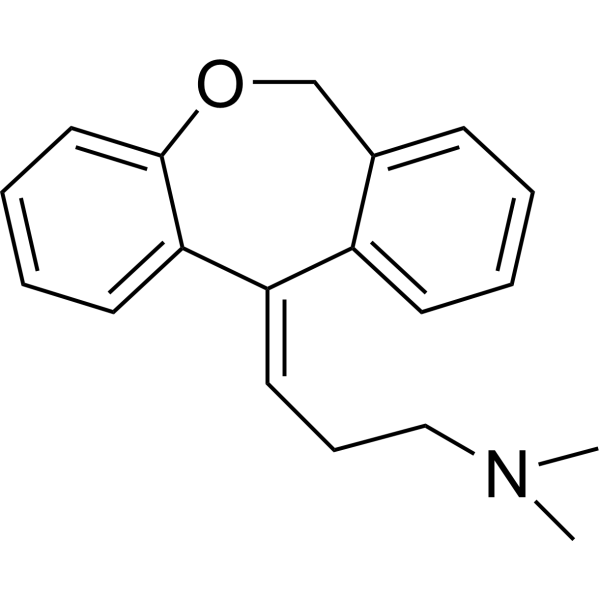
- Formula: C19H21NO
- Molecular Weight: 279.38
Doxepin is an orally active, blood-brain barrier penetrant tricyclic antidepressant with multiple activities including hypnosis, sedation, analgesia and vasodilation. Doxepin enhances the expression of PSD-95 and synapsin 1 via the PI3K/AKT/mTOR signaling pathway, and is metabolized to Desmethyldoxepin in vivo. Doxepin can be used in research related to various diseases such as depression, anxiety, obesity and atopic dermatitis.

- Molecular Weight: 145.042 kDa
Vixarelimab (KPL-716) is a human anti-oncostatin M (OSM) receptor β subunit monoclonal antibody. Vixarelimab inhibits IL-31 and OSM signalling. Vixarelimab can be used in studies of inflammatory skin diseases such as atopic dermatitis and itchy nodular rash.

- Formula: C20H23NO4
- Molecular Weight: 341.40
Naltrexone is an orally active, long-acting opioid receptor (opioid receptor) antagonist. Naltrexone blocks the euphoric effects of exogenous opioids and reduces alcohol craving by blocking opioid receptors (μ, κ, and δ) as well as opioid growth factor receptors. Low doses of Naltrexone are used to relieve chronic pain, treat inflammatory diseases and inhibit tumor growth, while high doses or continuous administration exert pro-inflammatory or pro-proliferative effects. Naltrexone relieves intractable pruritus caused by psoriasis, atopic dermatitis and other conditions, and its combination with Bupropion (HY-B0403) inhibits food craving, thereby reducing body weight.
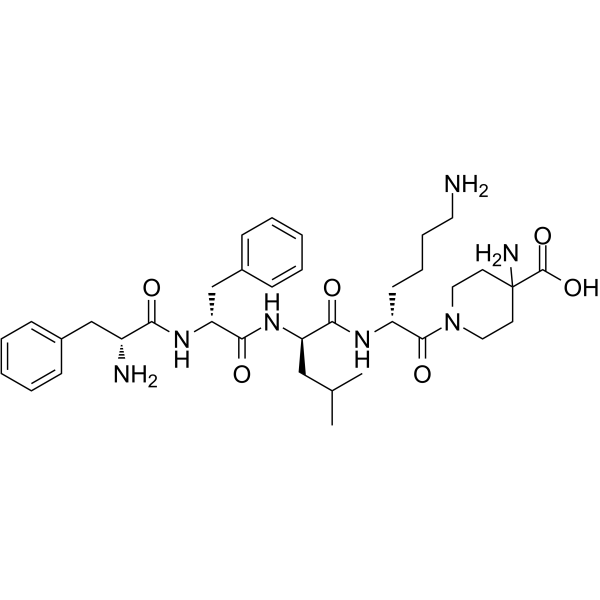
- Formula: C36H53N7O6
- Molecular Weight: 679.85
Difelikefalin (CR-845; FE-202845) is an orally active peripherally acting kappa opioid receptor agonist. Difelikefalin reduces acute kidney injury, decreases oliguria, maintains urine flow, inhibits cytokine expression, and improves survival in endotoxemia after ischemia/reperfusion. Difelikefalin suppresses pruritus signals and exhibits neuromodulatory antipruritic activity. Difelikefalin can be used in research related to acute kidney injury, chronic kidney disease-associated pruritus, and atopic dermatitis.

- Molecular Weight: 145.745 kDa
Bempikibart (ADX-914) is a fully human anti-IL-7Rα antibody that re-regulates adaptive immune function by blocking signaling mediated by both IL-7 and thymic stromal lymphopoietin (TSLP). Bempikibart can be used for the study of atopic dermatitis and alopecia areata.

- Molecular Weight: 142.08 kDa
Temtokibart (ARGX-112) is a monoclonal antibody and also an IL-22RA1 inhibitor. Temtokibart inhibits the signal transduction of IL-22, IL-20 and IL-24. Temtokibart reduces the expression levels of inflammatory proteins, chemokines, immune cell migration and markers of activated immune pathways. Temtokibart improves the expression of genes related to immunity and epidermal barrier function. Temtokibart is applicable to research on moderate-to-severe atopic dermatitis.

- Molecular Weight: 147.51 kDa
Lokivetmab (Anti-Canine IL31 Recombinant Antibody) is an anti-canine IL-31 monoclonal antibody. Lokivetmab inhibits IL-31-mediated activation of pruritogenic signals in peripheral sensory neurons and reduces TH2-weighted inflammation. Lokivetmab demonstrates long-term efficacy in controlling pruritus and improving skin lesions in dogs with canine atopic dermatitis (CAD). Lokivetmab can be used for the research of atopic dermatitis (AD) in dogs.
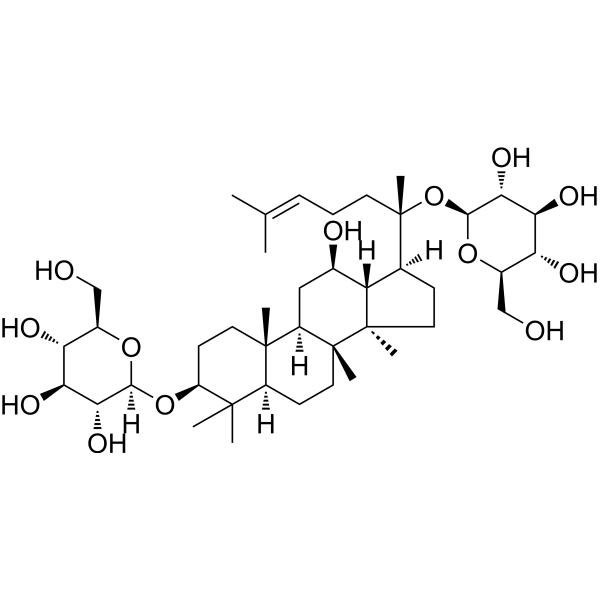
- Formula: C42H72O13
- Molecular Weight: 785.01
Ginsenoside F2 is an orally active bioactive compound that participates in the regulation of metabolism and inflammation. Ginsenoside F2 promotes the phosphorylation of AMPK and ACC, binds to PPARγ, inhibits the phosphorylation of MAPK, activates the PI3K/AKT/GSK-3β pathway, reduces GLRX expression, and regulates lipid metabolism. Ginsenoside F2 reduces ROS production and MDA levels, restores SOD activity in cells, and alleviates oxidative stress. Ginsenoside F2 induces cell apoptosis (Apoptosis) and increases the number of cleaved caspase-3-positive cells. Ginsenoside F2 reduces body weight gain, adipose tissue weight and serum lipid levels in obese mice, and activates the hepatic AMPK signaling pathway and the expression of antioxidant enzymes. Ginsenoside F2 alleviates atopic dermatitis in mice by inhibiting inflammation and reshaping the gut microbiota. Ginsenoside F2 is applicable to research related to insulin resistance, obesity, atopic dermatitis, liver cancer, glioblastoma and glioma.
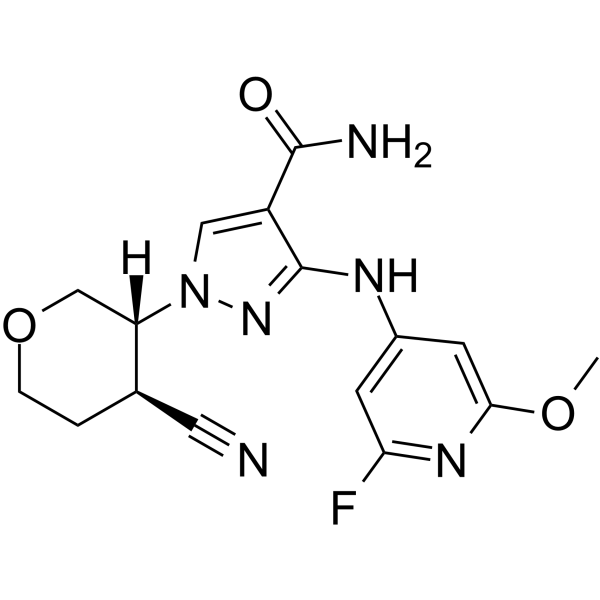
- Formula: C16H17FN6O3
- Molecular Weight: 360.34
Atinvicitinib is an orally active and selective JAK1 inhibitor. Atinvicitinib blocks signaling of JAK1-dependent pruritogenic and pro-inflammatory cytokines, including those in the IL-31, IL-4, and IL-13 pathways. Atinvicitinib can be used for the researches of pruritus associated with allergic dermatitis and canine atopic dermatitis.

- Molecular Weight: 145.2 kDa
Melrilimab (GSK 3772847; CNTO-7160) is a humanized IgG2σ monoclonal antibody that targets the IL-33 receptor ST2 and blocks the IL-33/ST2 signaling pathway by binding to the ST2 protein. Melrilimab is applicable to research related to asthma and atopic dermatitis.
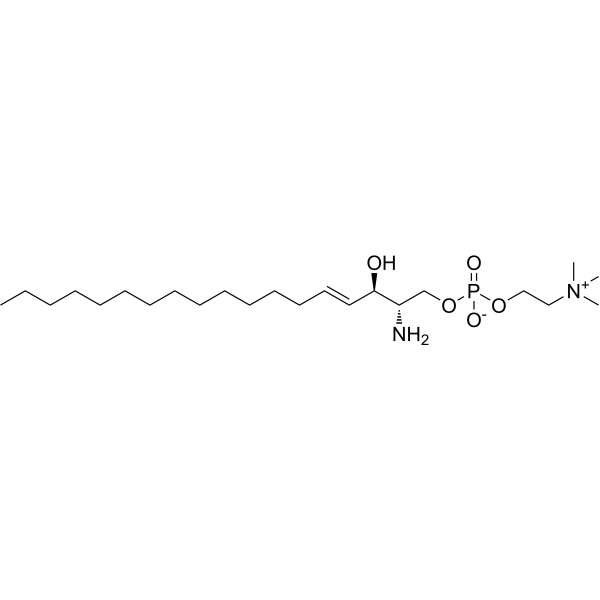
- Formula: C23H49N2O5P
- Molecular Weight: 464.62
Sphingosylphosphorylcholine is a bioactive lipid and a major component of plasma high-density lipoprotein that binds to OGR1 with a Kd of 33.3 nM. Sphingosylphosphorylcholine triggers delayed phosphorylation of Smad2, upregulates α-SMA expression, and activates TRPM3. Sphingosylphosphorylcholine reduces Apoptosis and upregulates the expression of uPA and its receptor uPA-R. Sphingosylphosphorylcholine exerts anti-apoptotic, anti-cardiac hypertrophy and pro-wound healing effects. Sphingosylphosphorylcholine induces scratching behavior in mice. Sphingosylphosphorylcholine is used in studies related to atopic dermatitis, promyelocytic leukemia, heart failure, myocardial ischemia/reperfusion injury, ovarian cancer, breast cancer, pancreatic cancer, and skin wound healing disorders in genetically impaired healing diabetes.
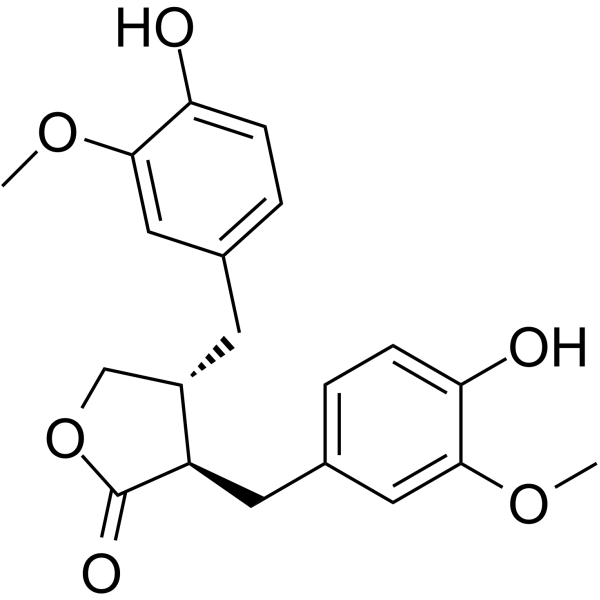
- Formula: C20H22O6
- Molecular Weight: 358.39
Matairesinol is an orally active bioactive compound with anti-inflammatory, antioxidant and anticancer activities. Matairesinol inhibits the phosphorylation of MAPK, JNK and NF-κB, downregulates RANKL-induced NFATc1 expression and activity, and suppresses the activation of the PI3K/AKT/FOXO1 pathway. Matairesinol can be used in research related to sepsis-mediated brain injury, osteoporosis, heart failure, atopic dermatitis and cancer.



