MMP-1
Matrix metalloproteinase-1 (MMP-1), also known as interstitial collagenase or collagenase-1, is a zinc-dependent extracellular matrix protease that cleaves fibrillar collagens, particularly types I, II, and III collagen[1][2]. MMP-1 initiates collagenolysis by disrupting the triple-helical structure of collagen, enabling subsequent extracellular matrix remodeling during tissue repair and pathological processes[2][3]. Mechanistically, MMP-1 activity is regulated at transcriptional and enzymatic levels, including control by signaling pathways such as AP-1-associated transcriptional regulation[4]. In disease models, increased MMP-1 expression contributes to extracellular matrix degradation in rheumatoid arthritis, tumor invasion, metastasis, and other destructive tissue remodeling conditions[1][4]. MMP-1 promotes keratinocyte migration by enabling movement across type I collagen matrices, demonstrating its role in wound repair models[3]. Compared with related collagenases such as MMP-8 and MMP-13, MMP-1 is broadly expressed by multiple cell types and preferentially functions as an interstitial collagenase involved in degradation of stromal collagens[1][2]. Unlike membrane-type MMPs such as MT1-MMP, MMP-1 is a secreted collagenase that primarily acts within extracellular matrix environments[1][5]. For experimental applications, MMP-1 activity is commonly investigated using genetic regulation studies, collagen degradation assays, and pharmacological inhibition approaches with broad-spectrum or selective metalloproteinase inhibitors[3][6]. MMP-1 inhibition strategies have been explored to study extracellular matrix remodeling mechanisms, although clinical translation of MMP inhibitors remains limited by specificity and safety challenges[2].
Verweise:
- [1]. Brinckerhoff CE, et al. Matrix metalloproteinases: a tail of a frog that became a prince. Nature Reviews Molecular Cell Biology. 2002;3(3):207-214. [Content Brief]
- [2]. Amar S, et al. Matrix metalloproteinase collagenolysis in health and disease. Biochim Biophys Acta Mol Cell Res. 2017 Nov;1864(11 Pt A):1940-1951. [Content Brief]
- [3]. Pilcher BK, et al. The Activity of Collagenase-1 Is Required for Keratinocyte Migration on a Type I Collagen Matrix. Journal of Cell Biology. 1997;137(6):1445-1457. [Content Brief]
- [4]. Sun Y, et al. p53 down-regulates human matrix metalloproteinase-1 (Collagenase-1) gene expression. Journal of Biological Chemistry. 1999;274(17):11535-11540. [Content Brief]
- [5]. Nagase H, et al. Matrix metalloproteinases. Journal of Biological Chemistry. 1999;274(31):21491-21494. [Content Brief]
- [6]. Pardo A, et al. MMP-1: the elder of the family. International Journal of Biochemistry Cell Biology. 2005;37(2):283-288. [Content Brief]
-
MMP-1 Verwandte Produkte (67)
Verwandte Produkte (67)

-
Recombinant Proteins (2)
-
Antibodies (1)
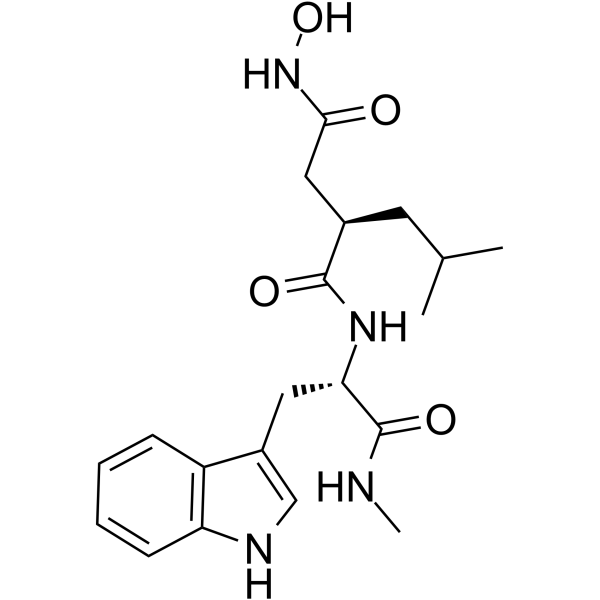
-
Cordycepin
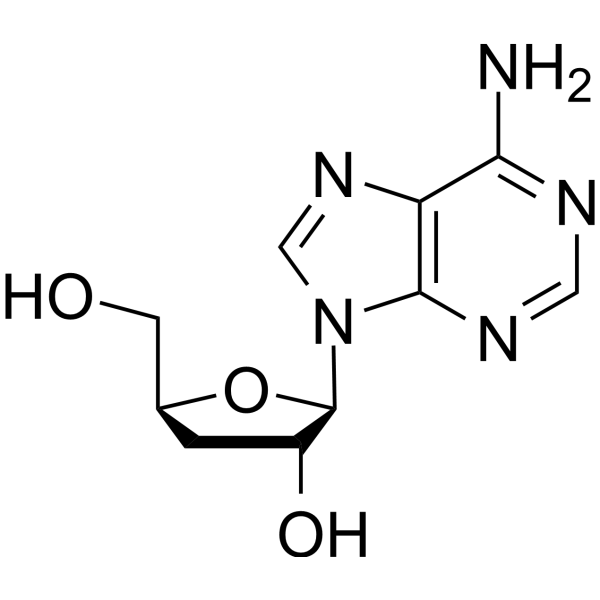 0 ImagesCordycepin (3'-Deoxyadenosine) is a nucleoside derivative and inhibits IL-1β-induced MMP-1 and MMP-3 expression in rheumatoid arthritis synovial fibroblasts (RASFs) in a dose-dependent manner. Cordycepin kills Mycobacterium tuberculosis through hijacking the bacterial adenosine kinase.
-
Marimastat
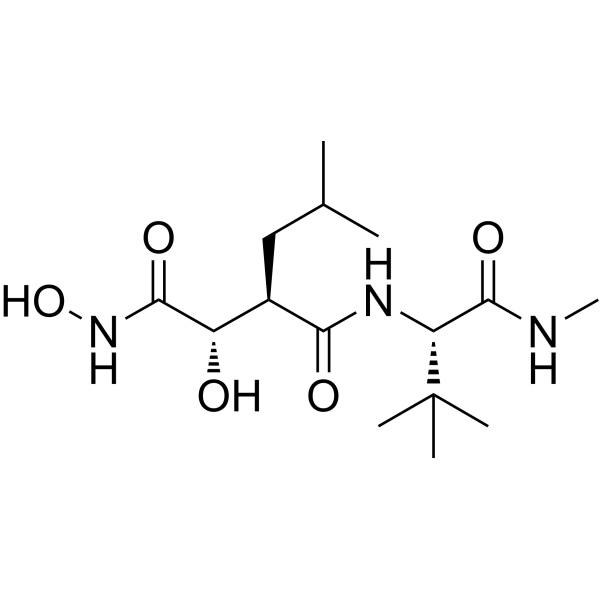 0 ImagesSynonyms: BB2516; TA2516Marimastat (BB2516) is a broad spectrum and orally bioavailable inhibitor of MMPs, with potent activity against MMP-9 (IC50=3 nM), MMP-1 (IC50=5 nM), MMP-2 (IC50=6 nM), MMP-14 (IC50=9 nM) and MMP-7 (IC50=13 nM), used in the treatment of cancer. Marimastat (BB2516) is an angiogenesis and metastasis inhibitor, which limits the growth and production of blood vessels. As an antimetatstatic agent it prevents malignant cells from breaching the basement membranes.
-
Chymotrypsin
 0 ImagesChymotrypsin (EC 3.4.21.1; Chymotrypsin A) is an orally effective inhibitor targeting molecules such as TLR4, NF-κB, MMP-1, TNF-α, IL-1β, and IL-6. Chymotrypsin downregulates the TLR4/NF-κB signaling pathway, inhibiting the release of inflammatory factors, reducing cell infiltration and tissue damage. It also reduces the expression of tumor cell adhesion molecules (such as CD44 and CD54) and can be specifically detected by fluorescent probes (such as NBD-3). Chymotrypsin has anti-inflammatory, hepatoprotective, joint damage-reducing, liver protection against lipotoxicity, and anti-tumor metastasis functions. It can be used in research on diseases such as rheumatoid arthritis, non-alcoholic fatty liver disease, and melanoma metastasis. Chymotrypsin can be used in studies of inflammation, edema, and expectoration.
-
DC-Y13-27
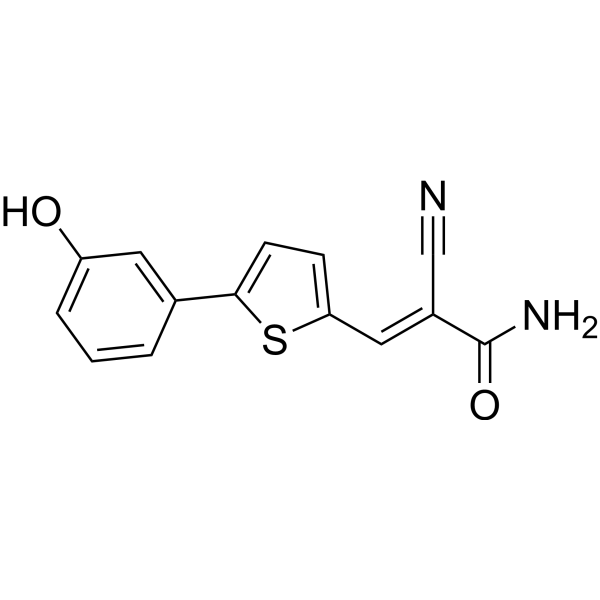 0 ImagesArt. -Nr.: HY-154919Reinheit: 98.56%DC-Y13-27 is a DC-Y13 derivative and YTHDF2 inhibitor (KD: 37.9 μM). DC-Y13-27 inhibits YTHDF2, restores FOXO3 and TIMP1 protein levels, and reduces MMP1/3/7/9 expression. DC-Y13-27 induces Pyroptosis and increases IL-1β secretion. DC-Y13-27 reduces intervertebral disc degeneration and enhances the response to radiotherapy in colon cancer and melanoma. DC-Y13-27 has antitumor activity against breast cancer.
-
Tranexamic acid
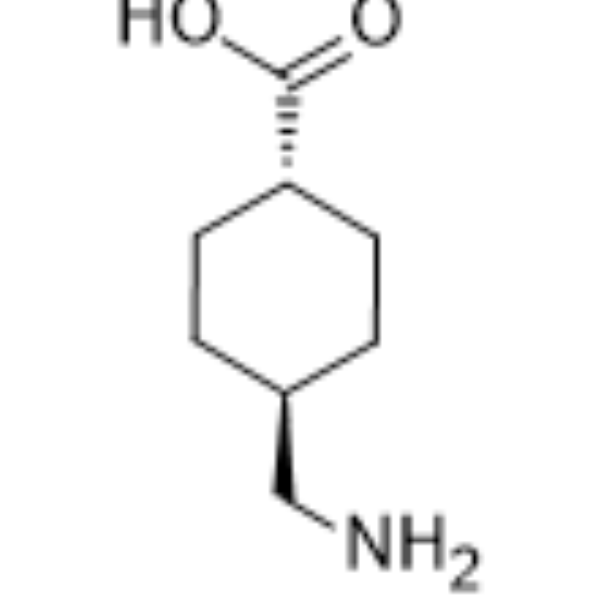 0 ImagesTranexamic acid (cyclocapron), a cyclic analog of lysine, is an orally active antifibrinolytic agent. Tranexamic acid attenuates the effects of severe trauma, inhibits urokinase plasminogen activator and ameliorates dry wrinkles. Tranexamic acid can used for the research of hemostasis. Tranexamic acid is a PROTAC linker. Tranexamic acid is used to synthesize PROTACs (e.g. LZ-07 (HY-172590)).
-
Chymotrypsin (MS grade)
 0 ImagesArt. -Nr.: HY-108910ACAS. Nr.: 9004-07-3Synonyms: EC 3.4.21.1 (MS grade); Chymotrypsin A (MS grade)Chymotrypsin (EC 3.4.21.1; Chymotrypsin A) (MS grade) is an orally effective inhibitor targeting molecules such as TLR4, NF-κB, MMP-1, TNF-α, IL-1β, and IL-6. Chymotrypsin (MS grade) downregulates the TLR4/NF-κB signaling pathway, inhibits the release of inflammatory factors, reduces cell infiltration and tissue damage, and also reduces the expression of tumor cell adhesion molecules (such as CD44 and CD54). It can also be specifically detected by fluorescent probes (such as NBD-3). Chymotrypsin (MS grade) has anti-inflammatory, hepatoprotective, joint damage-reducing, liver protection against lipotoxicity, and anti-tumor metastasis functions, and can be used in the research of diseases such as rheumatoid arthritis, non-alcoholic fatty liver disease, and melanoma metastasis. Chymotrypsin (MS grade) can be used in studies of inflammation, edema, and expectoration.
-
MMP-1/MMP-9 Substrate, Fluorogenic
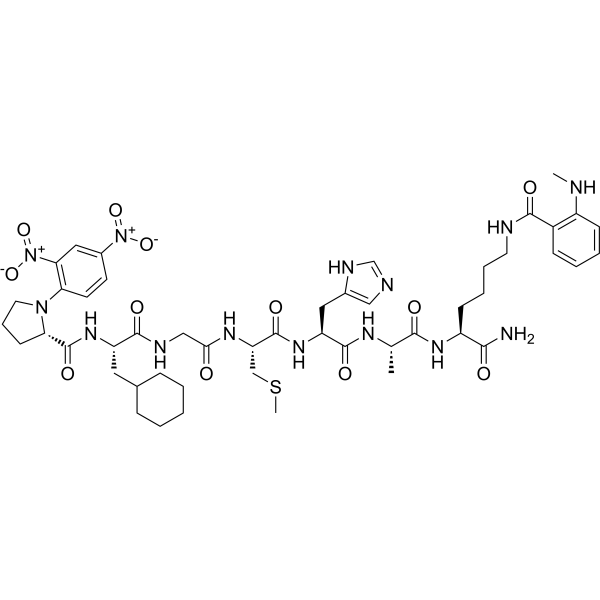 0 ImagesMMP-1/MMP-9 Substrate, Fluorogenic is a fluorogenic peptide substrate that can be cleaved by active MMP-1/9, thereby enabling measurement of their enzymatic activity. Ex/Em=340/440 nm.
-
Mca-KPLGL-Dap(Dnp)-AR-NH2
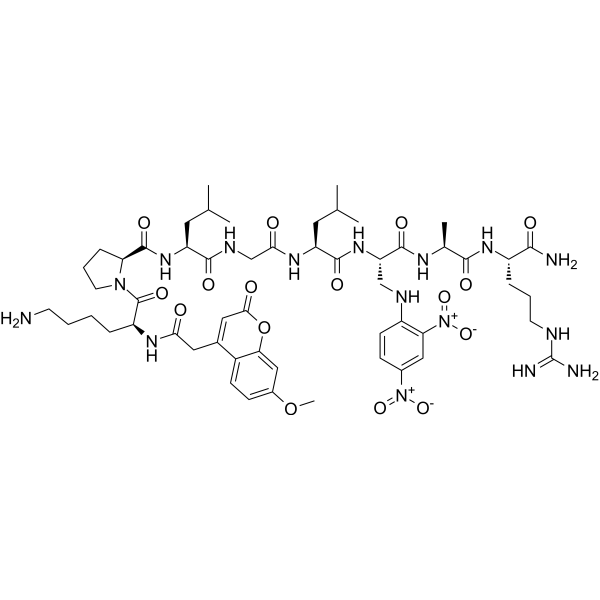 0 ImagesMca-Lys-Pro-Leu-Gly-Leu-Dap(Dnp)-Ala-Arg-NH2 (FS-6) is a fluorescent peptide that is a quenched MMP peptide substrate. Mca-Lys-Pro-Leu-Gly-Leu-Dap(Dnp)-Ala-Arg-NH2 can be used for real-time quantification of MMP enzymatic activity. Mca-Lys-Pro-Leu-Gly-Leu-Dap(Dnp)-Ala-Arg-NH2 is an elongated peptide of MMP substrate (FS-1) and is active against collagenases (MMP-1, MMP-8, MMP-13 ) and MT1-MMP with higher specificity constants than FS-1. (Ex/Em=325 nm/400 nm)
-
Lixisenatide
 0 ImagesLixisenatide is a glucagon-like peptide-1 (GLP-1) receptor agonist. Lixisenatide inhibits the inflammatory response through down regulation of pro-inflammatory cytokines, and suppresses of the Akt-MEK1/2 signaling pathway. Lixisenatide can inhibit oxidative stress, mitochondrial dysfunction and apoptosis. Lixisenatide can be used for the researches of inflammation, metabolic disease, neurological disease and cardiovascular disease, such as rheumatoid arthritis, diabetes, Alzheimer's disease and atherosclerosis.
-
ARP-100
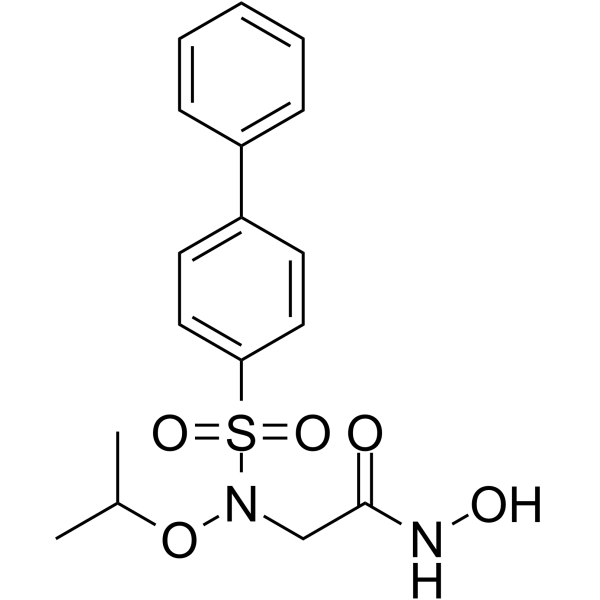 0 ImagesARP-100 is a potent and selective matrix metalloproteinase MMP-2 inhibitor (IC50=12 nM). ARP-100 interacts with S1' pocket of MMP-2 and shows anti-invasive properties in an in vitro model of invasion on matrigel. ARP-100 shows the less inhibitory activity towards MMP-1 (>50 μM), MMP-3 (4.5 μM), MMP-7 (>50 μM), and MMP-9 (0.2 μM).
-
Luteolin 7-O-glucuronide
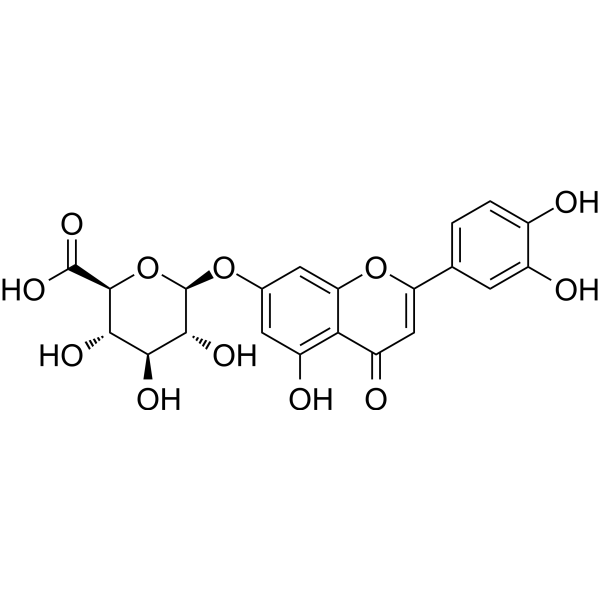 0 ImagesSynonyms: Luteolin 7-glucuronide
-
TMI-1
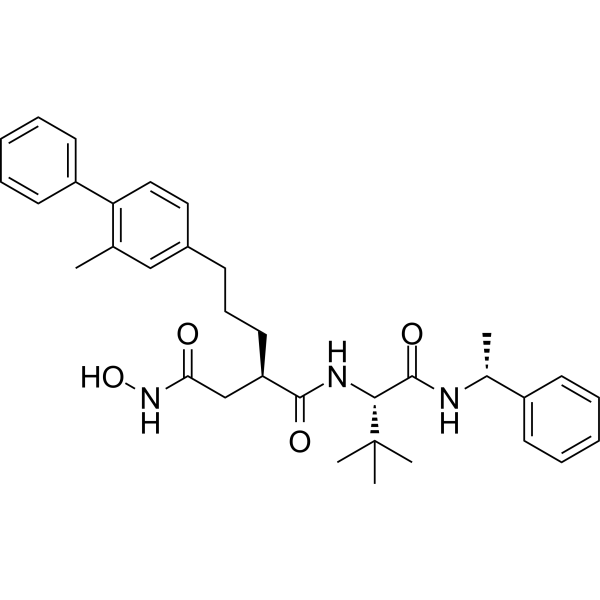
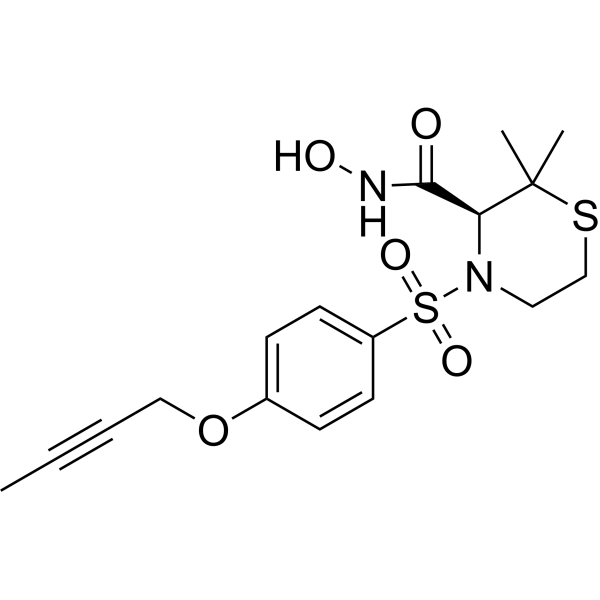 0 ImagesSynonyms: WAY-171318TMI-1 (WAY-171318) inhibits TNF converting enzyme (TACE) (IC50 of 8.4 nM), ADAM-TS-4, ADAM-17 and various MMPs with oral activity. TMI-1 significantly suppresses the secretion of TNF-α , alleviating collagen-induced arthritis in mice. TMI-1 inhibits cancer cell proliferation, induces apoptosis through a caspase-dependent pathway. TMI-1 also reverses TRPV1 upregulation and lowers the levels of inflammatory factors (TNF-α、IL-1β、IL-6) in nerve cells, protecting against paclitaxel-induced neurotoxicity. TMI-1 leads to changes in pro-atherogenic lipoprotein profiles, but does not affect the progression of early lesions.
-
α-Glucosylrutin
 0 ImagesArt. -Nr.: HY-164159CAS. Nr.: 130603-71-3α-Glucosylrutin, a flavonoid, is a potent antioxidant with free radical scavenging activity. α-Glucosylrutin reduces MMP-1 gene expression, protein expression, and enzyme activity, and reduces MMP-2 protein expression and enzyme activity in UVA-irradiated human dermal fibroblasts. α-Glucosylrutin prevents oxidative stress-induced intracellular tyrosine residue phosphorylation and counteracts intracellular thiol level depletion in human skin cells. α-Glucosylrutin is effective in the prevention of dermatologic diseases in which oxidative stress is of pathogenetic relevance, e.g. in polymorphous light eruption (PLE). α-Glucosylrutin can be used for the research of UV-induced skin photodamage/photoaging.
-
Prinomastat
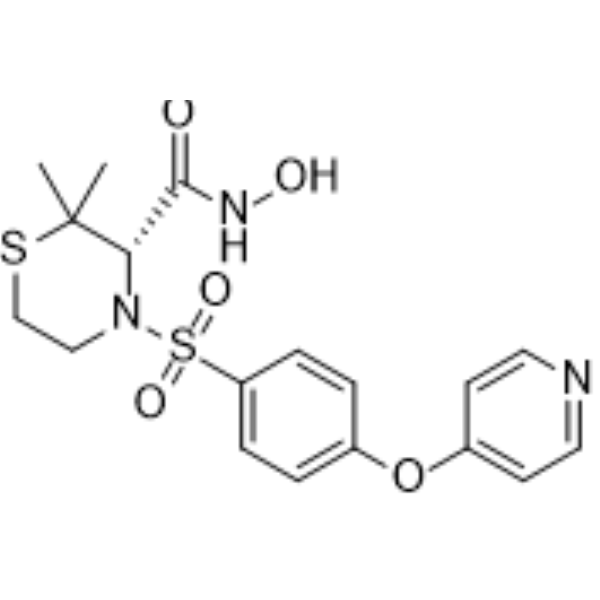 0 ImagesSynonyms: AG3340; KB-R9896Prinomastat (AG3340) is a broad spectrum, potent, orally active metalloproteinase (MMP) inhibitor with IC50s of 79, 6.3 and 5.0 nM for MMP-1, MMP-3 and MMP-9, respectively. Prinomastat inhibits MMP-2, MMP-3, MMP-13 and MMP-9 with Kis of 0.05 nM, 0.3 nM, 0.03 nM and 0.26 nM, respectively. Prinomastat crosses blood-brain barrier. Antitumor avtivity.