



TNFRSF5/CD40
TNFRSF5/CD40 is a tumor necrosis factor receptor family member expressed by B cells, professional antigen-presenting cells, non-immune cells, and tumors[1]. Mechanistically, CD40-CD40L/CD154 engagement regulates humoral and cellular adaptive immunity, including B-cell proliferation, immunoglobulin isotype switching, and germinal center formation[1][2]. CD40 signaling recruits TRAFs and activates NF-κB, with additional involvement of PI3K/AKT, MAPKs, and JAK3/STAT pathways[3]. In inflammatory disease models, CD40 ligation promotes cytokines, chemokines, matrix metalloproteinases, growth factors, adhesion molecules, and procoagulant responses in vascular and immune-associated cells[4][5]. Compared with related pathway forms, CD40 and CD40L both have membrane and soluble forms, and soluble CD40 may bind CD40L and reduce transmembrane CD40 receptor activation[3][6]. For experimental applications, CD40 agonistic antibodies and CD40L-based strategies require receptor clustering or trimerization, while antagonistic approaches target autoimmune disease, allograft rejection, and inflammatory pathology[3][7].
References:
- [1]. Elgueta R, et al. Molecular mechanism and function of CD40/CD40L engagement in the immune system. Immunol Rev. 2009 May;229(1):152-72. [Content Brief]
- [2]. Lougaris V, et al. Hyper immunoglobulin M syndrome due to CD40 deficiency: clinical, molecular, and immunological features. Immunol Rev. 2005 Feb;203:48-66. [Content Brief]
- [3]. Tang T, et al. Molecular basis and therapeutic implications of CD40/CD40L immune checkpoint. Pharmacol Ther. 2021 Mar;219:107709. [Content Brief]
- [4]. Chatzigeorgiou A, et al. CD40/CD40L signaling and its implication in health and disease. Biofactors. 2009 Nov-Dec;35(6):474-83. [Content Brief]
- [5]. Schönbeck U, et al. CD40 signaling and plaque instability. Circ Res. 2001 Dec 7;89(12):1092-103. [Content Brief]
- [6]. Lakshman N, et al. Microglia in the spinal cord stem cell niche regulate neural precursor cell proliferation via soluble CD40 in response to myelin basic protein. Stem Cells. 2025 Feb 12;43(2):sxae076. [Content Brief]
- [7]. Richards DM, et al. Concepts for agonistic targeting of CD40 in immuno-oncology. Hum Vaccin Immunother. 2020;16(2):377-387. [Content Brief]
-
TNFRSF5/CD40 Related Products (118)
Related Products (118)

-
R-7050
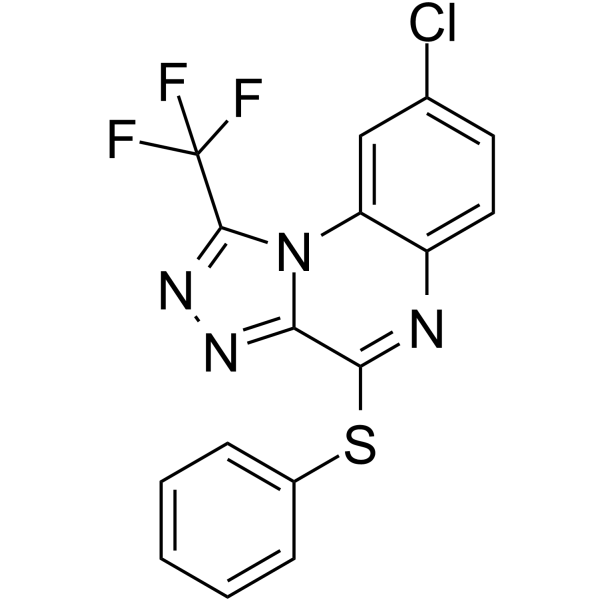 0 ImagesSynonyms: TNF-α Antagonist IIIR-7050 (TNF-α Antagonist III) is a tumor necrosis factor receptor (TNFR) antagonist with greater selectivity toward TNFα.
-
(-)-Isoproterenol hydrochloride
 0 ImagesSynonyms: Levisoprenaline hydrochloride; Proternol L hydrochloride(-)-Isoproterenol (Levisoprenalinel) hydrochloride is the R-isomer of Isoproterenol. (-)-Isoproterenol hydrochloride can reduce the cleavage of caspase 3 and TNFα levels in retinal endothelial cells (REC). (-)-Isoproterenol hydrochloride can be used for the study of diabetic retinopathy.
-
Golimumab
 0 ImagesSynonyms: CNTO-148Golimumab (CNTO-148) is a potent human IgG1 TNFα antagonist monoclonal antibody. Golimumab has anti-inflammation activitity and inhibits IL-6 and IL-1β production. Golimumab acts via targeting and neutralizing TNF to prevent inflammation and destruction of cartilage and bone. Golimumab has the anticancer activity and induces cell apoptosis. Golimumab can be used for rheumatoid arthritis, Crohn's disease and cancer research.
-
BIO8898
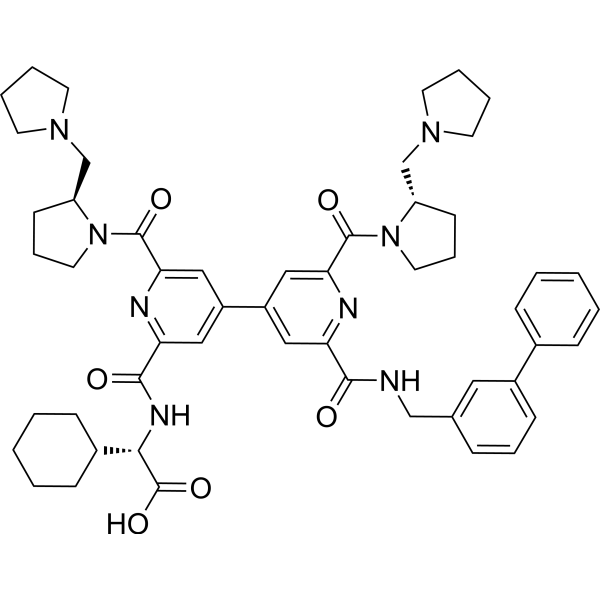 0 ImagesCat. No.: HY-122663APurity: 98.08%BIO8898 is a potent CD40-CD154 inhibitor. BIO8898 inhibits soluble CD40L binding to CD40-Ig with an IC50 value of 25 µM. BIO8898 inhibits CD40L-induced apoptosis.
-
TNF-α-IN-2
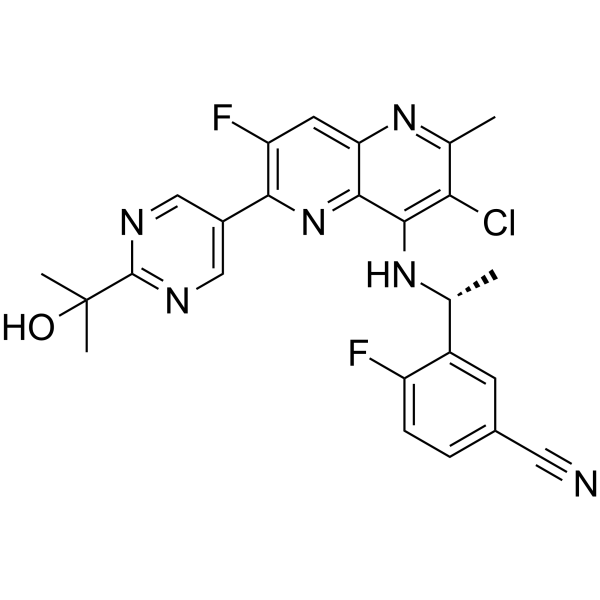 0 ImagesTNF-α-IN-2 is a potent and orally active inhibitor of tumor necrosis factor alpha (TNFα), with an IC50 of 25 nM in the HTRF assay. TNF-α-IN-2 distorts the TNFα trimer upon binding, leading to aberrant signaling when the trimer binds to TNFR1. TNF-α-IN-2 can be used for the research of rheumatoid arthritis.
-
Pexmetinib
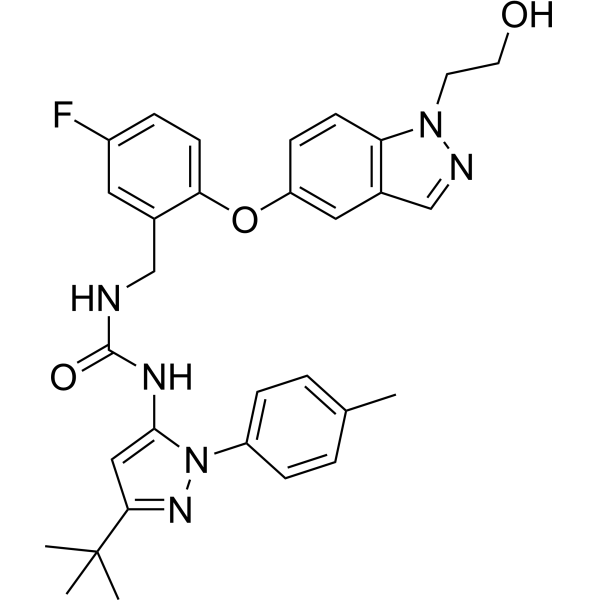 0 ImagesSynonyms: ARRY-614Pexmetinib (ARRY-614) is an orally active dual Tie-2 and p38 MAPK inhibitor. Pexmetinib binds to Tie-2 and p38 MAPK in a "DFG-out" conformation, attenuates the phosphorylation of p38, inhibits STAT3 activation, reduces the promoter-binding activity of NFATc1, and decreases the expression of MMPs. Pexmetinib inhibits leukemia cell proliferation, abrogates TNF-α-mediated myelosuppression of healthy hematopoietic stem cells, stimulates hematopoiesis in primary myelodysplastic syndrome (MDS) samples, inhibits RANKL-induced osteoclast formation and bone resorption, and suppresses migration, invasion and induced osteolysis of breast cancer cells. Pexmetinib can be used in research related to myelodysplastic syndrome, acute myeloid leukemia and breast cancer-induced osteolysis.
-
Carveol
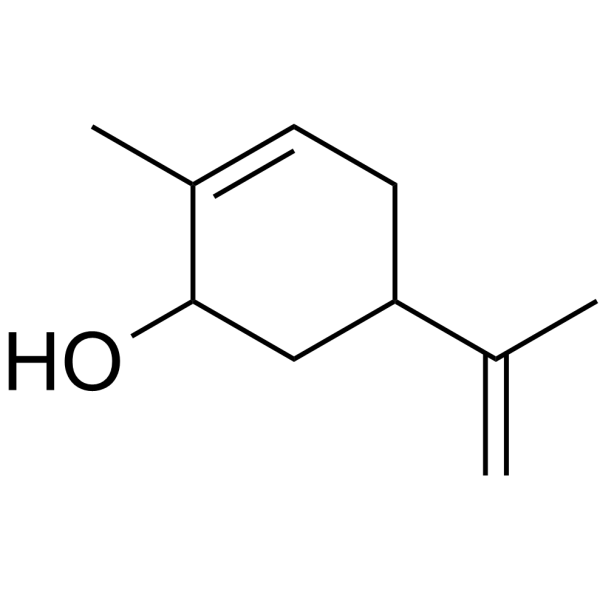 0 ImagesCarveol is an orally active monoterpenoid alcohol with neuroprotective, antioxidant, anti-inflammatory, anticonvulsant, antidiabetic, hypolipidemic and hepatoprotective activities. Carveol upregulates the expression of Bcl2, downregulates the expression of caspase-3, TNF-α, IL1β and IL6, activates the Nrf2/HO-1 antioxidant signaling pathway, inhibits the RAGE/NF-κB signaling pathway, and suppresses neuroinflammation and neuronal apoptosis. Carveol inhibits α-synuclein aggregation, improves cognitive ability, and inhibits α-amylase activity. Carveol exerts neuroprotective effects in a rat model of Parkinson's disease. Carveol exhibits antidiabetic effects in alloxan-induced diabetic rats. Carveol alleviates PTZ-induced seizures in rats. Carveol can be used in research related to Parkinson's disease, epilepsy, diabetes and ischemic stroke.
-
LZ-07
 0 ImagesCat. No.: HY-172590Purity: 98.27%LZ-07 is a selective IRAK4 PROTAC degrader with DC50 values of 1.14 nM (DOHH2) and 2.70 nM (TMD8). LZ-07 acts as a PI3Kδ kinase inhibitor with an IC50 of 92 nM. By bridging IRAK4 and the CRBN E3 ubiquitin ligase, LZ-07 induces IRAK4 degradation via the ubiquitin-proteasome system, ablates both its kinase and scaffold functions, and thereby blocks downstream inflammatory signal transduction. LZ-07 can be used in research related to autoimmune diseases.
-
Mitazalimab
 0 ImagesSynonyms: ADC-1013; JNJ-64457107; VanalimabMitazalimab (ADC-1013; JNJ-64457107) is FcγR-dependent CD40 agonist with tumor-directed activity. Mitazalimab activates antigen-presenting cells, e.g. dendritic cells (DC), to initiate tumor-reactive T cells. Therefore, Mitazalimab induces tumor-specific T cells to infiltrate and kill tumors. Mitazalimab remodels the tumor-infiltrating myeloid microenvironment.
-
Iscalimab
 0 ImagesSynonyms: CFZ-533; OM11-62MFIscalimab (CFZ-533) is a non-depleting IGg1 monoclonal antibody targeting CD40 (KD: 0.3 nM). Iscalimab can be used for research of Graves' hyperthyroidism and autoimmune diseases.
-
UCB-5307
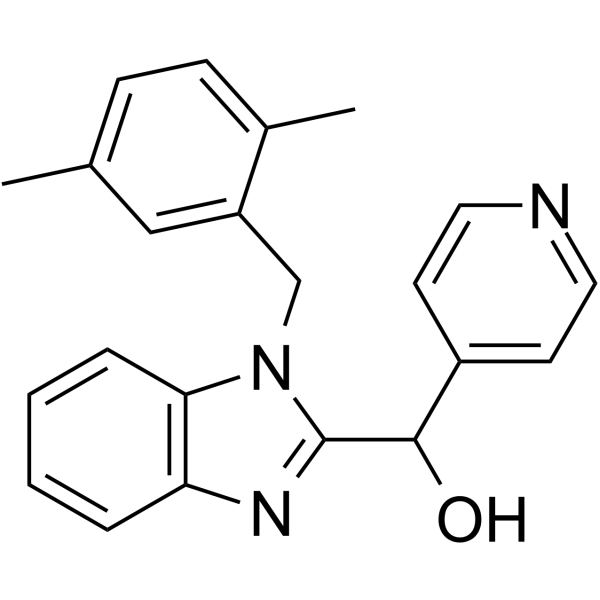 0 ImagesCat. No.: HY-147045CAS No.: 1515887-44-1UCB-5307 is a potent TNF signaling inhibitor with a KD of 9 nM for human TNFα. UCB-5307 can penetrate the preformed hTNF/hTNFR1 complex.
-
Tegoprubart
 0 ImagesSynonyms: AT-1501Tegoprubart (AT-1501) is a CD40 ligand inhibitor (EC50=100 ng/mL) and immunosuppressant that selectively inhibits the CD40 ligand, a co-stimulatory molecule involved in T cell activation. Tegoprubart suppresses immune rejection, prevents rejection in animal transplantation models, and reduces cell-mediated and antibody-mediated immune responses to create a more immunotolerant environment. Tegoprubart preserves renal function when combined with Mycophenolate (HY-B0421) and Corticosteroids, and maintains graft function in preclinical studies. Tegoprubart is applicable to research related to kidney transplantation and kidney transplant rejection.
-
4-Methoxybenzyl alcohol
 0 ImagesSynonyms: P-Methoxy-benzyl alcoho; (4-Methoxyphenyl)methanol4-Methoxybenzyl alcohol (P-Methoxy-benzyl alcoho; (4-Methoxyphenyl) methanol) is a naturally derived volatile aromatic compound. 4-Methoxybenzyl alcohol upregulates the phosphorylation level of PI3K/Akt pathway proteins, downregulates the expression of pro-inflammatory factors, increases the content of tight junction proteins occludin and claudin-5, and alleviates structural damage to the blood-brain barrier. 4-Methoxybenzyl alcohol improves the decrease in viability and NO level of cerebral microvascular endothelial cells induced by oxygen-glucose deprivation/reperfusion, and reduces the release of lactate dehydrogenase. 4-Methoxybenzyl alcohol serves as a substrate in the two-phase persulfate-mediated electro-oxidation system, where it is directionally oxidized to p-anisaldehyde. 4-Methoxybenzyl alcohol acts as a substrate for wild-type fungal aryl alcohol oxidase. 4-Methoxybenzyl alcohol can be used in studies related to ischemic stroke, as well as in research across various fields such as chemical synthesis, including the synthesis of fragrances and flavorings.
-
TREM-1 inhibitory peptide GF9
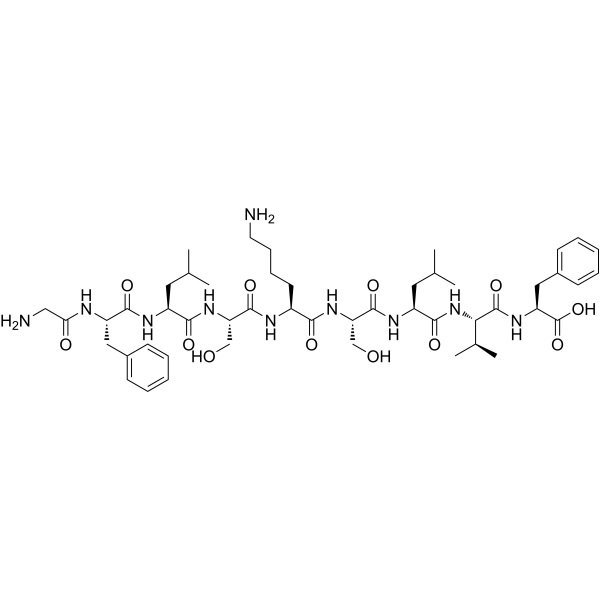 0 ImagesSynonyms: Human TREM-1(213-221)TREM-1 inhibitory peptide GF9 (Human TREM-1 (213-221)) is a TREM-1 inhibitor. TREM-1 inhibitory peptide GF9 blocks the TREM-1 signaling pathway via a ligand-independent mechanism, spontaneously inserts into the cell membrane to dissociate TREM-1 from DAP-12, and functions through the Signaling Chain Homooligomerization (SCHOOL) model. TREM-1 inhibitory peptide GF9 reduces the levels of TNFα, IL-1β, IL-6, and M-CSF. TREM-1 inhibitory peptide GF9 inhibits tumor growth, prolongs the survival of mice with pancreatic cancer models, ameliorates collagen-induced arthritis, and exerts protective effects on bone and cartilage simultaneously. TREM-1 inhibitory peptide GF9 can be used in research related to arthritis, pancreatic cancer, retinopathy, alcoholic liver disease, and liver cancer.
-
AQX-016A
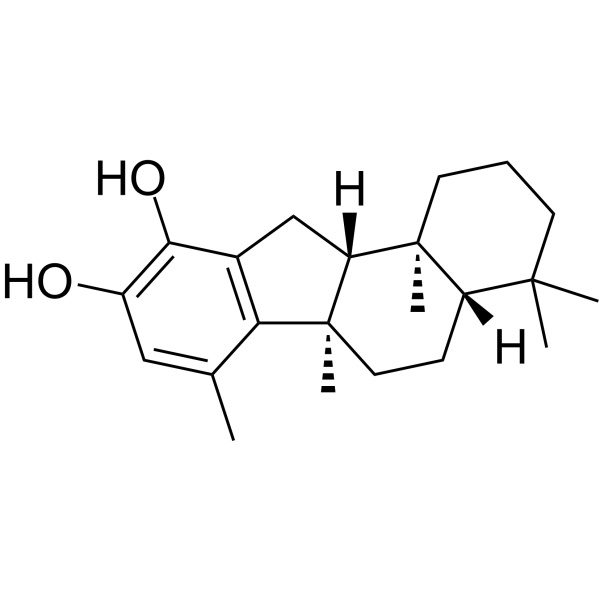 0 ImagesAQX-016A is an orally active and potent SHIP1 agonist. AQX-016A can activate recombinant SHIP1 enzyme in vitro and stimulate SHIP1 activity. AQX-016A also can inhibit the PI3K pathway and TNFa production, can be useful for various inflammatory diseases research.
-
Toralizumab
 0 ImagesSynonyms: IDEC-131; Anti-Human CD40 ligand Recombinant AntibodyToralizumab (IDEC-131) is a humanized monoclonal antibody (mAb) against CD40L (CD154) comprised of human gamma 1 heavy chains and human kappa light chains. Toralizumab binds specifically to human CD40L on T cells, thereby preventing CD40 signaling. Toralizumab is an immunosuppressive agent. Toralizumab can lead to increased thrombosis. Toralizumab can be studied in research for diseases such as multiple sclerosis, systemic lupus erythematosus (SLE), and Crohn’s disease.
-
Edpetiline
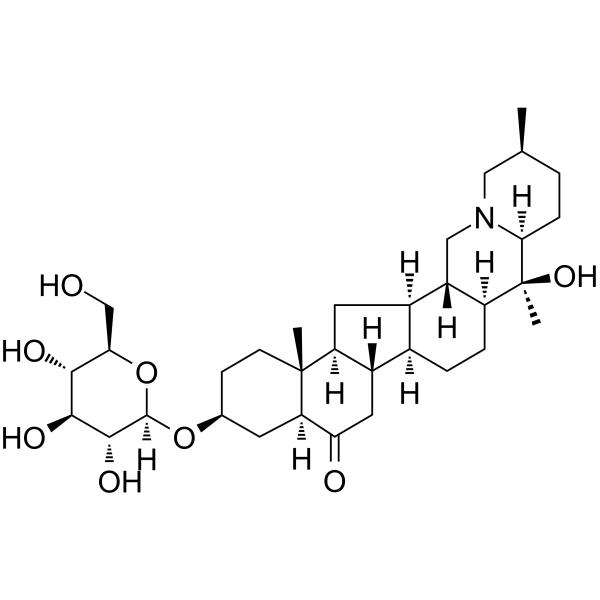 0 ImagesEdpetiline is an anti-inflammatory agent. Edpetiline inhibits the phosphorylation of IκB, nuclear transcription/translocation of NF-κB p65, as well as the phosphorylation of p38 MAPK and ERK MAPK. Edpetiline reduces intracellular ROS levels, inhibits the expression of TNF-α, IL-6, iNOS, COX-2, and promotes the expression of IL-4. Edpetiline is applicable to the research of diseases associated with inflammation and oxidative stress.

-
Lucatumumab
 0 ImagesSynonyms: HCD122Lucatumumab (HCD122) is a fully human anti-CD40 antagonist monoclonal antibody, which blocks CD40/CD40L-mediated signaling. Lucatumumab efficiently mediates antibody-dependent cell-mediated cytotoxicity (ADCC) and clearance of tumor cells, can be used for refractory lymphomas, CLL and multiple myeloma research.
-
FZ1 peptide
 0 ImagesCat. No.: HY-P11474Purity: 99.92%FZ1 peptide is a cyclic heptapeptide and also an integrin αvβ3 agonist. FZ1 peptide activates the FAK/PI3K-AKT/ERK pathway and upregulates VEGFC to promote angiogenesis. FZ1 peptide exhibits antibacterial activity in extracts of HA-c-FZ1 hydrogel; it inhibits LPS-induced proinflammatory cytokine secretion in RAW264.7 macrophages; it reduces H2O2-induced ROS levels; it increases the healing rate of scratch wounds. FZ1 peptide can be used in studies related to diabetic skin wounds.



