



TNFRSF5/CD40
TNFRSF5/CD40 is a tumor necrosis factor receptor family member expressed by B cells, professional antigen-presenting cells, non-immune cells, and tumors[1]. Mechanistically, CD40-CD40L/CD154 engagement regulates humoral and cellular adaptive immunity, including B-cell proliferation, immunoglobulin isotype switching, and germinal center formation[1][2]. CD40 signaling recruits TRAFs and activates NF-κB, with additional involvement of PI3K/AKT, MAPKs, and JAK3/STAT pathways[3]. In inflammatory disease models, CD40 ligation promotes cytokines, chemokines, matrix metalloproteinases, growth factors, adhesion molecules, and procoagulant responses in vascular and immune-associated cells[4][5]. Compared with related pathway forms, CD40 and CD40L both have membrane and soluble forms, and soluble CD40 may bind CD40L and reduce transmembrane CD40 receptor activation[3][6]. For experimental applications, CD40 agonistic antibodies and CD40L-based strategies require receptor clustering or trimerization, while antagonistic approaches target autoimmune disease, allograft rejection, and inflammatory pathology[3][7].
Verweise:
- [1]. Elgueta R, et al. Molecular mechanism and function of CD40/CD40L engagement in the immune system. Immunol Rev. 2009 May;229(1):152-72. [Content Brief]
- [2]. Lougaris V, et al. Hyper immunoglobulin M syndrome due to CD40 deficiency: clinical, molecular, and immunological features. Immunol Rev. 2005 Feb;203:48-66. [Content Brief]
- [3]. Tang T, et al. Molecular basis and therapeutic implications of CD40/CD40L immune checkpoint. Pharmacol Ther. 2021 Mar;219:107709. [Content Brief]
- [4]. Chatzigeorgiou A, et al. CD40/CD40L signaling and its implication in health and disease. Biofactors. 2009 Nov-Dec;35(6):474-83. [Content Brief]
- [5]. Schönbeck U, et al. CD40 signaling and plaque instability. Circ Res. 2001 Dec 7;89(12):1092-103. [Content Brief]
- [6]. Lakshman N, et al. Microglia in the spinal cord stem cell niche regulate neural precursor cell proliferation via soluble CD40 in response to myelin basic protein. Stem Cells. 2025 Feb 12;43(2):sxae076. [Content Brief]
- [7]. Richards DM, et al. Concepts for agonistic targeting of CD40 in immuno-oncology. Hum Vaccin Immunother. 2020;16(2):377-387. [Content Brief]
-
TNFRSF5/CD40 Verwandte Produkte (126)
Verwandte Produkte (126)

-
Phoxim
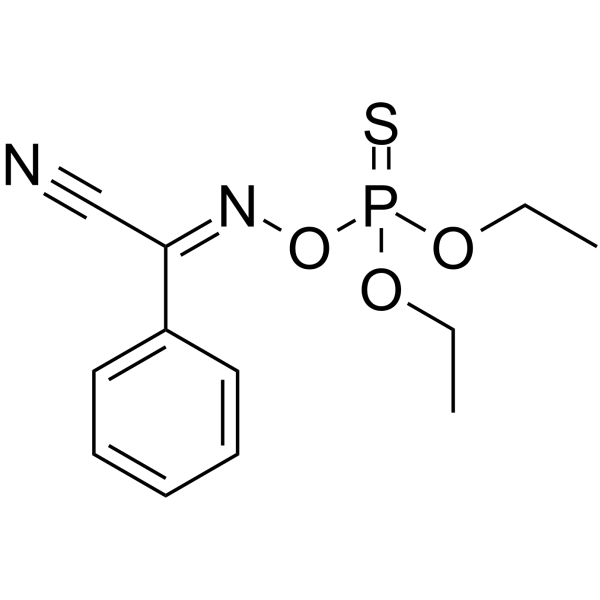 0 ImagesArt. -Nr.: HY-B0819CAS. Nr.: 14816-18-3Phoxim is an organophosphorus pesticide and an orally active inhibitor of cholinesterase and CYP3A, which induces neurotoxicity in Caenorhabditis elegans and causes nephrotoxicity characterized by glomerular atrophy and interstitial fibrosis. Phoxim induces inhibition of the autophagy pathway. Phoxim induces dopaminergic neuron degeneration and exacerbates Aβ-induced paralysis. Phoxim damages enterocytes and disrupts intestinal barrier integrity. Phoxim induces ROS accumulation. Phoxim induces mitochondrial apoptosis, involving upregulation of Bad, Bax, caspase-3, and caspase-9 and downregulation of Bcl-2. Phoxim inhibits mitochondrial functional enzymes (COX, Ca2+-Mg2+-ATPase, SDH). Phoxim upregulates Nrf2 mRNA expression in the jejunal mucosa. Phoxim increases TNF-α and decreases IL-6 and IL-8 in the intestinal mucosa. Phoxim alters gut microbial composition by increasing total bacteria and Escherichia coli and reducing Lactobacillus. Phoxim enhances energy metabolism in silver carp by upregulating key glycolytic and gluconeogenic enzymes. Phoxim is used in research on neurodegenerative diseases, nephrotoxicity, intestinal oxidative stress and barrier dysfunction, and bacterial sepsis.
-
DRI-C21041
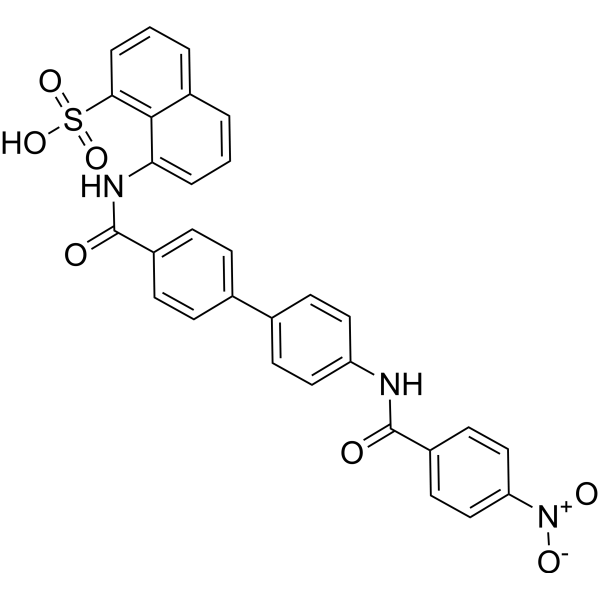 0 ImagesArt. -Nr.: HY-154821CAS. Nr.: 2101765-78-8DRI-C21041 is a CD40/CD40L interaction inhibitor, with an IC50 of 0.31 μM. DRI-C21041 inhibits the immune response induced by alloantigen.
-
SLP7111228 hydrochloride
 0 ImagesSLP7111228 hydrochloride is a selective sphingosine kinase 1 (SphK1) inhibitor and anti-inflammatory agent. SLP7111228 hydrochloride selectively inhibits SphK1 and reduces the production of sphingosine-1-phosphate. SLP7111228 hydrochloride decreases lipopolysaccharide-induced TNFα and IL-1β levels. SLP7111228 hydrochloride alleviates obliterative pulmonary arteriopathy, increases cardiac index and decreases total pulmonary vascular resistance index. SLP7111228 hydrochloride can be used in research related to neuroinflammatory diseases and pulmonary hypertension.
-
Maxadilan
 0 ImagesArt. -Nr.: HY-P3483CAS. Nr.: 135374-80-0Maxadilan is a specific irreversible PAC1 receptor agonist and a potent vasodilator peptide present in the salivary glands of sand flies. Maxadilan exhibits anti-apoptotic activity in hADSCs. Maxadilan inhibits pro-inflammatory cytokines (TNF-α) and enhances anti-inflammatory mediators (IL-10). Maxadilan can activate leukocytes and inhibit vascular permeability through PAC1 receptors. Maxadilan promotes neural differentiation of human adipose-derived stem cells. Maxadilan can be used to study endotoxin shock, atherosclerosis, and neurodegenerative diseases[1][2][3][4][5].
-
GPR84 antagonist 9
 0 ImagesArt. -Nr.: HY-161682CAS. Nr.: 2654791-96-3GPR84 antagonist 9 is an orally active GPR84 antagonist with an IC50 value of 12 nM. By antagonizing the GPR84 receptor, GPR84 antagonist 9 blocks immune cell migration, M1 polarization, and the release of inflammatory factors (IL1β/TNFα) induced by medium-chain free fatty acids (MCFFAs) and other substances, thereby comprehensively inhibiting inflammatory and fibrotic responses. GPR84 antagonist 9 can be used in the research of inflammation-driven pain disorders, including neuropathic pain disorders, Fabry disease, gout, and bladder pain syndrome.
-
PARP7-IN-27
 0 ImagesArt. -Nr.: HY-189217CAS. Nr.: 3051563-45-9PARP7-IN-27 is a blood-brain barrier-permeable and selective PARP7 inhibitor with an IC50 of 22.8 nM. PARP7-IN-27 alleviates neuroinflammation and astrocyte activation, mitigates autophagy-related alterations, reduces the levels of ischemia-associated pro-inflammatory factors, and maintains the expression of synaptic markers. PARP7-IN-27 can be used in studies related to ischemic stroke.
-
CIAC101
 0 ImagesArt. -Nr.: HY-179646CAS. Nr.: 3122563-80-5CIAC101 is a potent and brain-penetrant TLR4 antagonist with an IC50 of 17.0 nM in NO assay. CIAC101 blocks Lipopolysaccharides (HY-D1056) (LPS)-induced NF-κB activation and reduces the expression of pro-inflammatory mediators (iNOS, IL-1β, TNF-α, and IL-6). CIAC101 robust antineuroinflammatory activity with efficacy against drug-evoked neurobehavioral adaptations. CIAC101 can be used for the research of addiction and neurological disease.

-
Usenamine A
 0 ImagesArt. -Nr.: HY-N20711CAS. Nr.: 1428417-60-0Usenamine A is an orally active natural dibenzofuran compound with multiple biological activities such as anti-inflammatory and anticancer effects. Usenamine A inhibits the AKT/mTOR/STAT3/ID1 signaling axis and induces ubiquitin-proteasome degradation of ID1. Usenamine A targets the TNF-TNFR2 complex, inhibits RGS2, and interferes with Myosin-9/actin cytoskeleton remodeling. Usenamine A induces apoptosis, autophagy and ROS-mediated endoplasmic reticulum stress in cancer cells, inhibits cancer cell proliferation and invasion, and reduces the production of pro-inflammatory cytokines. Usenamine A alleviates arthritis-related symptoms. Usenamine A can be used in studies related to liver cancer, non-small cell lung cancer, rheumatoid arthritis and ankylosing spondylitis.
-
TRPM8 antagonist 4
 0 ImagesArt. -Nr.: HY-174825CAS. Nr.: 3107363-68-5TRPM8 antagonist 4 is a CB2R partial agonist (EC50=54.2 nM, Ki=3.2 μM) and TRPM8 antagonists (IC50=42.3 nM) with high functional selectivity and good physicochemical properties. TRPM8 antagonist 4 has significant anti-inflammatory and analgesic effects and good safety, reduces the mRNA expression of TNF-α, IL-6, and IL-1β.
-
JWX-A0108
 0 ImagesArt. -Nr.: HY-182707CAS. Nr.: 2055045-42-4JWX-A0108 is a selective human α7 nAChR positive allosteric modulator with an EC50 of 4.35 μM. JWX-A0108 potentiates α7 nAChR currents only in the presence of acetylcholine, with no direct activating effect or alteration of desensitization. JWX-A0108 enhances hippocampal GABAergic synaptic transmission by increasing spontaneous inhibitory postsynaptic currents. JWX-A0108 reduces the brain expression levels of IL-1β, TNF-α, and IL-6 by blocking the NF-κB signaling pathway, and reduces microglial activation by downregulating Iba1. JWX-A0108 effectively improves cognitive deficits, neuroinflammation, and hippocampal neuronal damage in mouse models of schizophrenia and Alzheimer's disease. JWX-A0108 can be used for research related to schizophrenia and Alzheimer's disease.
-
STING-IN-19
 0 ImagesArt. -Nr.: HY-187227STING-IN-19 is a STING inhibitor with a Kd value of 2.31 μM for human STING. STING-IN-19 inhibits the activation of TBK1 and IRF3 by binding to STING, thereby suppressing the activation of downstream signaling pathways. STING-IN-19 reduces the levels of key inflammatory cytokines IL-1β, IL-6 and TNF-α in colonic tissues and serum of mice with ulcerative colitis. STING-IN-19 can be used in studies related to ulcerative colitis.
-
Hordenine-d6 hydrochloride
 0 ImagesArt. -Nr.: HY-N0113BSSynonyms: Ordenina-d6 hydrochloride; Peyocactine-d6 hydrochlorideHordenine-d6 hydrochloride (Ordenina-d6 hydrochloride; Peyocactine-d6 hydrochloride) is the deuterated-labeled Hordenine hydrochloride (HY-N0113B). Hordenine hydrochloride (Ordenina hydrochloride; Peyocactine hydrochloride) is a multifunctional alkaloid with oral activity and blood-brain barrier penetration. Hordenine hydrochloride inhibits LPS-induced phosphorylation of p38, JNK, ERK1/2, p65, IκB, and AKT, prevents p65 nuclear translocation, and suppresses inflammatory cytokines and mediators. Hordenine hydrochloride inhibits melanin synthesis in melanocytes and reconstructed epidermis. Hordenine hydrochloride activates the Wnt/β-catenin signaling pathway. Hordenine hydrochloride activates DRD2, acts as a D3R partial agonist, α2A-AR full agonist, and 5-HT2A-R antagonist, and inhibits SERT and DAT. Hordenine hydrochloride inhibits α-synuclein accumulation and ameliorates motor deficits in Parkinson's disease models. Hordenine hydrochloride limits alcohol intake, reduces relapse drinking behavior. Hordenine hydrochloride can be used for research on mastitis, skin pigmentation, acute lung injury, foodborne diseases, hair loss, Parkinson's disease, bacterial infections, and alcohol use disorder.
-
Anti-inflammatory agent 17
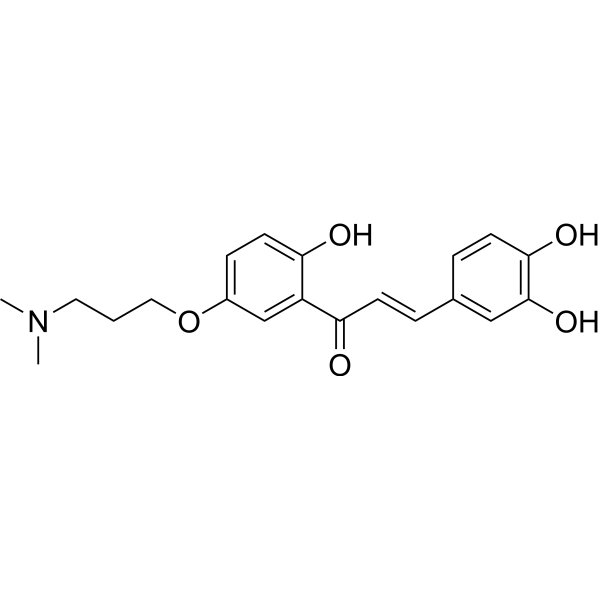 0 ImagesArt. -Nr.: HY-146547CAS. Nr.: 2763226-84-0Anti-inflammatory agent 17 is a potent and orally active anti-inflammatory agent. Anti-inflammatory agent 17 inhibits the release of IL-6 and TNF-α in vitro experiments without cytotoxicity. Anti-inflammatory agent 17 exhibits anti-inflammatory activity in vivo. Anti-inflammatory agent 17 has the potential for the research of Acute lung injury (ALI).
-
Phoxim-d5 (phenyl-d5) (mixture of isomers)
 0 ImagesArt. -Nr.: HY-W758414Phoxim-d5 (phenyl-d5) (mixture of isomers) is the deuterated-labeled Phoxim (HY-B0819). Phoxim is an organophosphorus pesticide and an orally active inhibitor of cholinesterase and CYP3A, which induces neurotoxicity in Caenorhabditis elegans and causes nephrotoxicity characterized by glomerular atrophy and interstitial fibrosis. Phoxim induces inhibition of the autophagy pathway. Phoxim induces dopaminergic neuron degeneration and exacerbates Aβ-induced paralysis. Phoxim damages enterocytes and disrupts intestinal barrier integrity. Phoxim induces ROS accumulation. Phoxim induces mitochondrial apoptosis, involving upregulation of Bad, Bax, caspase-3, and caspase-9 and downregulation of Bcl-2. Phoxim inhibits mitochondrial functional enzymes (COX, Ca2+-Mg2+-ATPase, SDH). Phoxim upregulates Nrf2 mRNA expression in the jejunal mucosa. Phoxim increases TNF-α and decreases IL-6 and IL-8 in the intestinal mucosa. Phoxim alters gut microbial composition by increasing total bacteria and Escherichia coli and reducing Lactobacillus. Phoxim enhances energy metabolism in silver carp by upregulating key glycolytic and gluconeogenic enzymes. Phoxim is used in research on neurodegenerative diseases, nephrotoxicity, intestinal oxidative stress and barrier dysfunction, and bacterial sepsis.
-
Oxoglaucine
 0 ImagesOxoglaucine (O-Methylatheroline) is a natural product with multiple activities including autophagy activation, anti-inflammation, antibacterial activity, and immunoregulation. Oxoglaucine inhibits the TRPV5/calmodulin/CAMK-II pathway, suppresses TGFβ-induced Smad2 phosphorylation by upregulating Smad7, blocks Ca2+ influx, activates autophagy, alleviates apoptosis and inflammation, inhibits ROS production and the expression of fibrosis markers in hepatocytes, and regulates immune cell populations and responses. Oxoglaucine protects against infections caused by Candida albicans and Klebsiella pneumoniae, and exerts effects on adjuvant-induced arthritis. Oxoglaucine can be used in studies related to arthritis, liver fibrosis, bacterial infections, and fungal infections.
-
COX-2/5-LOX-IN-8
 0 ImagesArt. -Nr.: HY-183764COX-2/5-LOX-IN-8 is an orally active dual COX-2/5-LOX inhibitor, with an IC50 of 6.30 μM against sheep-derived COX-2 and an IC50 of 8.09 μM against 5-LOX. COX-2/5-LOX-IN-8 acts as a membrane stabilizer that stabilizes erythrocyte membranes against hypotonicity-induced hemolysis. COX-2/5-LOX-IN-8 functions as a protein stabilizer that inhibits heat-induced denaturation of bovine serum albumin. COX-2/5-LOX-IN-8 reduces paw swelling, improves hind limb weight-bearing function, decreases serum levels of pro-inflammatory cytokines (TNF-α, IL-1β, IL-6, CRP), and lowers serum levels of cartilage degradation biomarkers (COMP, MMP-3, CTX-II). COX-2/5-LOX-IN-8 can be used in the research of osteoarthritis.
-
Neuroprotective agent 18
 0 ImagesArt. -Nr.: HY-184935Neuroprotective agent 18 is a potent neuroprotective agent. Neuroprotective agent 18 inhibits the activity of NF-κB thereby significantly downregulating the expression of downstream pro-inflammatory mediators (TNF-α, IL-6) and inflammatory enzymes (COX-2) in the hippocampus. Neuroprotective agent 18 binds to AChE thereby partially inhibiting it and modulating cholinergic neurotransmission. Neuroprotective agent 18 can be used in research on Alzheimer's disease.
-
CDX-1140
 0 ImagesArt. -Nr.: HY-P991510CDX-1140 is a fully human IgG monoclonal antibody and CD40 agonist, with a Kd value of 0.01 nM against human targets. The epitope of CDX-1140 locates at CD40 CRD1 and avoids the CD40L binding site. It activates DCs and B cells, drives NF-κB reporter gene activation, exhibits agonist activity independent of FcR cross-linking, and shows a synergistic effect with recombinant CD40L. CDX-1140 does not induce systemic cytokine release, exerts direct and immune-mediated anti-tumor activity in tumor xenografts, and has favorable safety profiles. When used as a local vaccine adjuvant in combination with 6MHP+mBRAF+poly-ICLC, CDX-1140 increases the number of DC-LAMP+ DCs and induces Th1 CD4+ responses in high-risk melanoma. CDX-1140 can be used in studies related to B-cell lymphoma, bladder cancer and high-risk melanoma.
-
Centella asiatica extract
 0 ImagesArt. -Nr.: HY-N18667CAS. Nr.: 84696-21-9Centella asiatica extract is an orally active herbal extract. Centella asiatica extract scavenges free radicals, increases stratum corneum hydration, improves epidermal barrier function, and reduces skin redness and skin pH. Centella asiatica extract inhibits pro-inflammatory cytokines, suppresses p38 MAPK phosphorylation, reduces mast cell infiltration, and decreases the expression of TNF-α, IL-4, IL-5, IL-6, IL-17, CXCL9, iNOS and COX-2. Centella asiatica extract upregulates the expression of BDNF and downregulates the expression of VGLUT1, and exhibits neuroprotective effects under hypoxic conditions. Centella asiatica extract inhibits pro-inflammatory M1 macrophage polarization and prevents adipose tissue senescence. Centella asiatica extract can be used in studies related to hypoxia-induced neurological dysfunction, atopic dermatitis, and obesity-induced insulin resistance.



