



Ischemic Stroke
-
Ischemic Stroke (79)

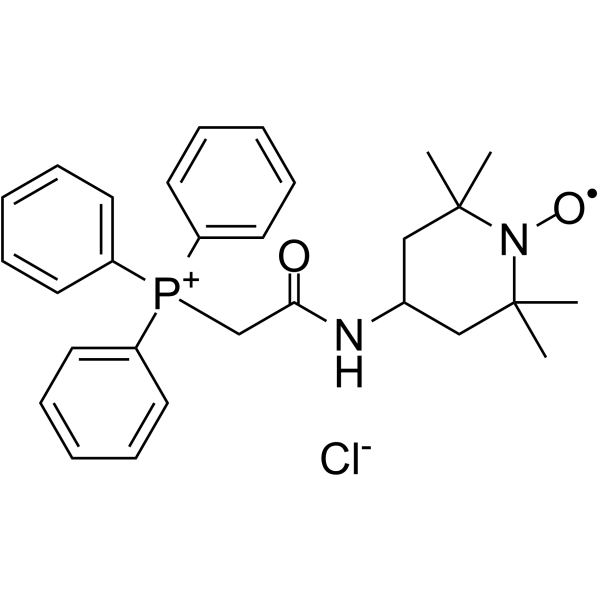
- Formula: C29H35ClN2O2P
- Molecular Weight: 510.03
Mito-TEMPO is a mitochondria-targeted antioxidant. Mito-TEMPO induces mitophagy by activating the PINK1/Parkin pathway, inhibits NLRP3 inflammasome activation, restores mitochondrial membrane potential, and improves renal function and podocyte injury. Mito-TEMPO regulates Ca2+ homeostasis, inhibits Bnip3 overexpression, shortens action potential duration, and exerts antiarrhythmic effects. Mito-TEMPO reverses premature senescence, reduces trabecular bone loss, and decreases cell apoptosis. Mito-TEMPO can be used in studies of chronic kidney disease, age-related cardiac dysfunction, postmenopausal osteoporosis, and ischemic stroke.
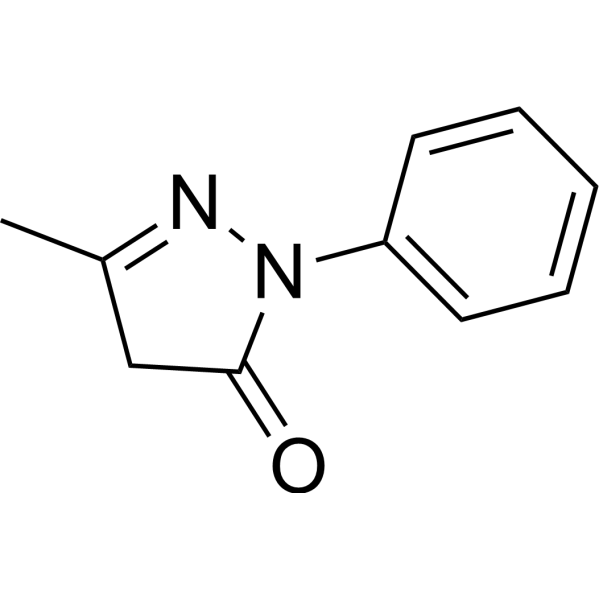
- Formula: C10H10N2O
- Molecular Weight: 174.20
Edaravone is a strong novel free radical scavenger, and inhibits MMP-9-related brain hemorrhage in rats treated with tissue plasminogen activator.
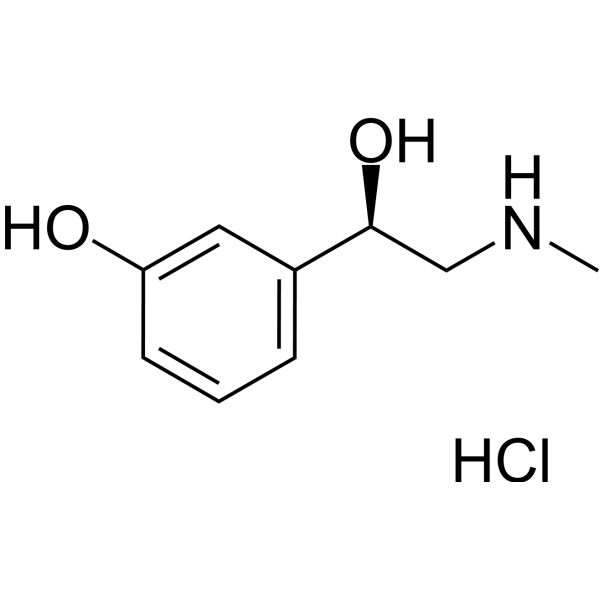
- Formula: C9H14ClNO2
- Molecular Weight: 203.67
(R)-(-)-Phenylephrine hydrochloride is a selective α1-adrenoceptor agonist with pKis of 5.86, 4.87 and 4.70 for α1D, α1B and α1A receptors respectively.
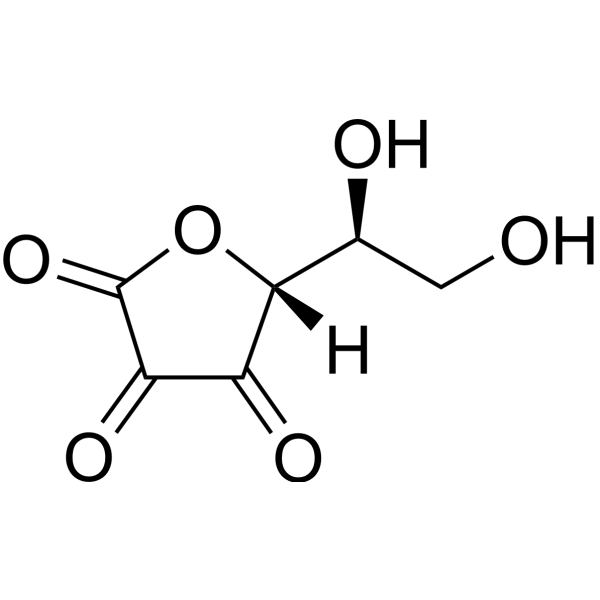
- Formula: C6H6O6
- Molecular Weight: 174.11
Dehydroascorbic acid is an oxidized form of vitamin C that can cross the blood-brain barrier (BBB). Dehydroascorbic acid clears cytotoxic reactive oxygen species (ROS) produced after ischemic stroke by converting to ascorbic acid (AA), thereby reducing neuronal and glial cell damage and stabilizing cerebral microvascular NO signaling to maintain perfusion in the ischemic area. Dehydroascorbic acid can be used in research on ischemic stroke.
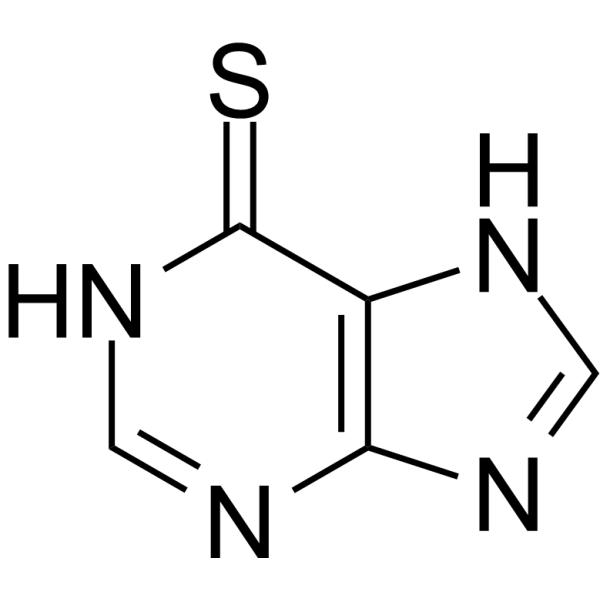

- Formula: C169H303N69O43
- Molecular Weight: 3989.65
TAT-CN21 is a potent CaMKII inhibitor with an IC50 of 77.2 nM. TAT-CN21 inhibits both calcium/calmodulin-dependent and autonomously activated CaMKII, blocks glutamate-induced translocation of CaMK IIα, and reverses the enhanced phosphorylation of CaMKII at Thr286 following excitotoxic injury. TAT-CN21 shows application potential in studies related to ischemic stroke by reducing neuronal excitotoxicity and exacerbating pre-existing long-term neuronal death prior to injury. TAT-CN21 improves definitive behaviors in rats with residual nerve injury without altering indicators such as mechanical/thermal hyperalgesia or spatial memory. TAT-CN21 can also be used in studies related to neuropathic pain.
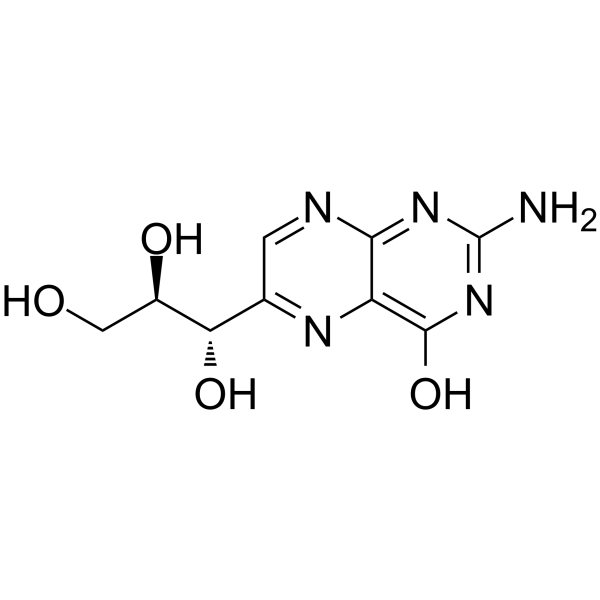
- Formula: C9H11N5O4
- Molecular Weight: 253.21
Neopterin is an immune system activator metabolized by GTP and can be produced by activated macrophages. Neopterin has the potential to resist vascular inflammation and atherosclerosis. Neopterin inhibits the phosphorylation of NF-κB and promotes the expression of PPAR-γ, thereby suppressing the inflammatory response of vascular endothelial cells, reducing the formation of macrophage foam cells, and regulating the migration and proliferation of vascular smooth muscle cells. Neopterin can be used in research fields such as cardiovascular diseases (such as atherosclerosis), inflammation-related diseases and tumor immunomonitoring.
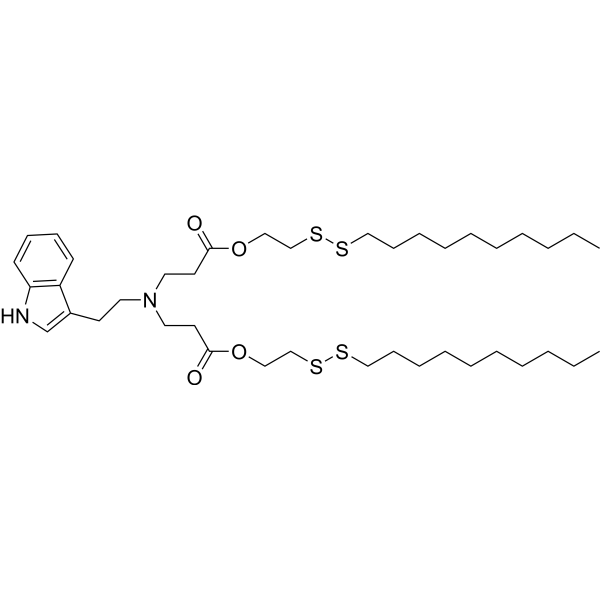
- Formula: C40H68N2O4S4
- Molecular Weight: 769.24
NT1-O14B is a tryptamine-derived lipidoid. NT1-O14B incorporates NT-lipidoid into BBB-impermeable lipid nanoparticles (LNPs), enabling the LNPs to cross the BBB. NT1-O14B enhances brain delivery via intravenous injection. NT1-O14B can be used in ischemic stroke research.
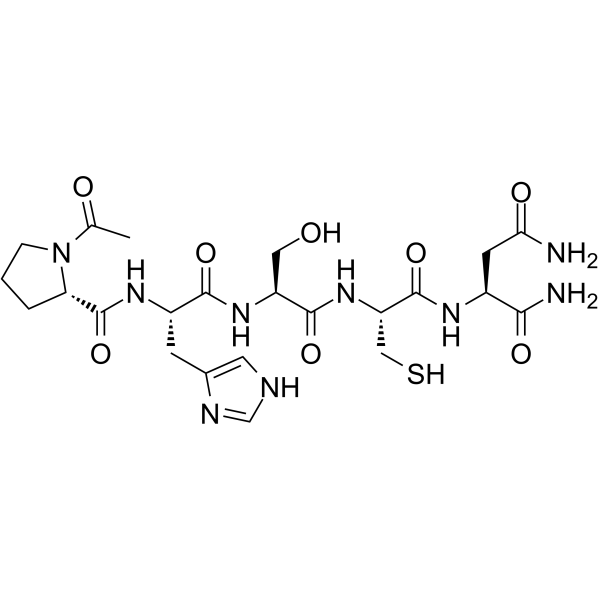
- Formula: C23H35N9O8S
- Molecular Weight: 597.64
ATN-161 is an antagonist of α5β1 integrin and αvβ3 integrin, as well as an inhibitor of fibrosis, an inhibitor of oxidative stress, a tight junction stabilizer, a mitochondrial integrity protector, an angiogenesis inhibitor and an antiviral agent. ATN-161 inhibits NLRP3, MAPK, and ROS. ATN-161 protects mice from SARS-CoV-2 infection. ATN-161 reduces infarct volume, alleviates edema, decreases immune cell infiltration, reduces the area of choroidal neovascularization lesions, lowers tumor microvessel density and viral load. ATN-161 can be used in research related to ischemic stroke, choroidal neovascularization, breast cancer, coronavirus disease 2019 (COVID-19), and liver metastasis of colorectal cancer.
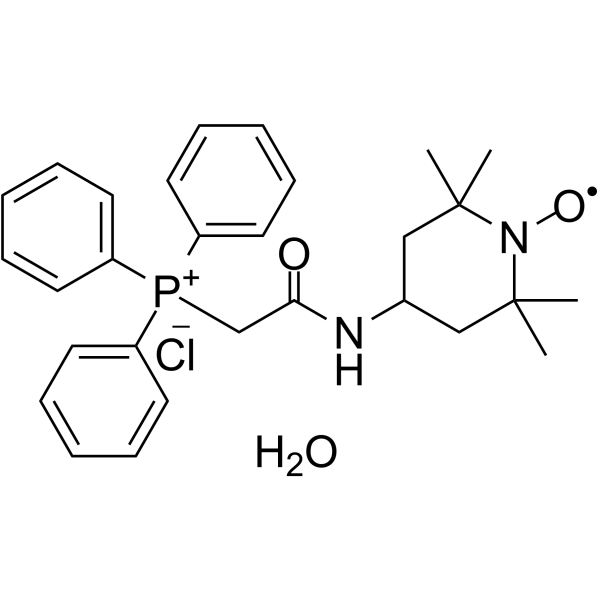
- Formula: C29H37ClN2O3P
- Molecular Weight: 528.04
MitoTEMPO hydrate is a mitochondria-targeted antioxidant. MitoTEMPO hydrate induces mitophagy by activating the PINK1/Parkin pathway, inhibits NLRP3 inflammasome activation, restores mitochondrial membrane potential, and improves renal function and podocyte injury. MitoTEMPO hydrate regulates Ca2+ homeostasis, inhibits Bnip3 overexpression, shortens action potential duration, and exerts antiarrhythmic effects. MitoTEMPO hydrate reverses premature senescence, reduces trabecular bone loss, and decreases cell apoptosis. MitoTEMPO hydrate can be used in studies of chronic kidney disease, age-related cardiac dysfunction, postmenopausal osteoporosis, and ischemic stroke.
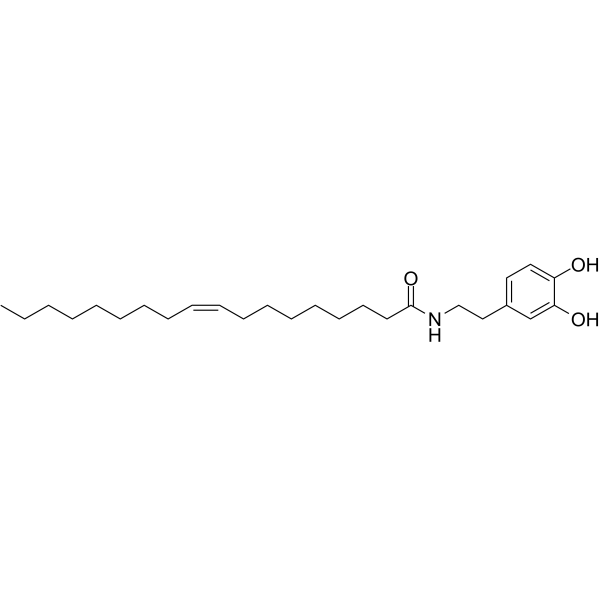
- Formula: C26H43NO3
- Molecular Weight: 417.62
N-Oleoyldopamine (OLDA) is an orally active TRPV1 activator and 5-LOX inhibitor with blood-brain barrier permeability. N-Oleoyldopamine excites histaminergic neurons in the tuberomammillary nucleus via a dopamine receptor mechanism, a process independent of TRPV1 and cannabinoid receptors. On one hand, N-Oleoyldopamine promotes the release of insulin and glucose-dependent insulinotropic polypeptide through a GPR119-dependent pathway to improve glucose tolerance; on the other hand, N-Oleoyldopamine improves left ventricular function and reduces myocardial infarction size by triggering the release of substance P and calcitonin gene-related peptide. N-Oleoyldopamine is used in studies related to glycemic abnormalities and myocardial ischemia-reperfusion injury.
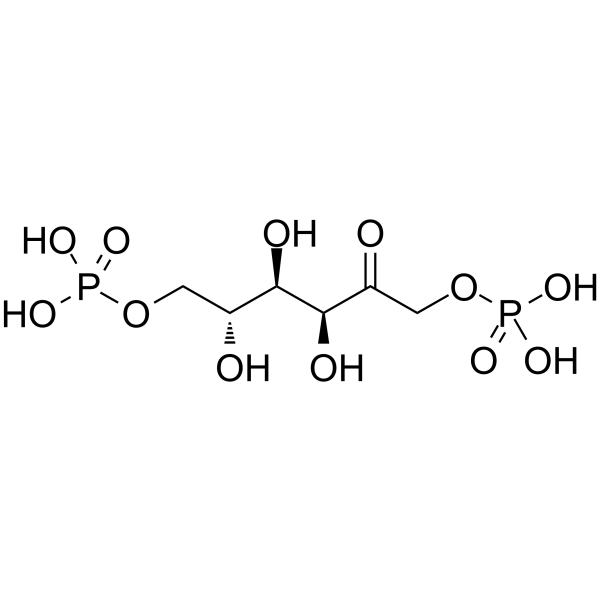
- Formula: C6H14O12P2
- Molecular Weight: 340.12
Fosfructose is an orally active cyclooxygenase-2 inhibitor and Toll-like receptor 4 modulator. Fosfructose reduces the expression of cyclooxygenase-2, thereby decreasing prostaglandin production. By inhibiting the Toll-like receptor 4 signaling pathway, Fosfructose downregulates LPS-induced adhesion molecule expression. Fosfructose is applicable to research related to ischemic stroke, epilepsy, sepsis, myocardial injury, osteoporosis, and ultraviolet B-induced skin damage.
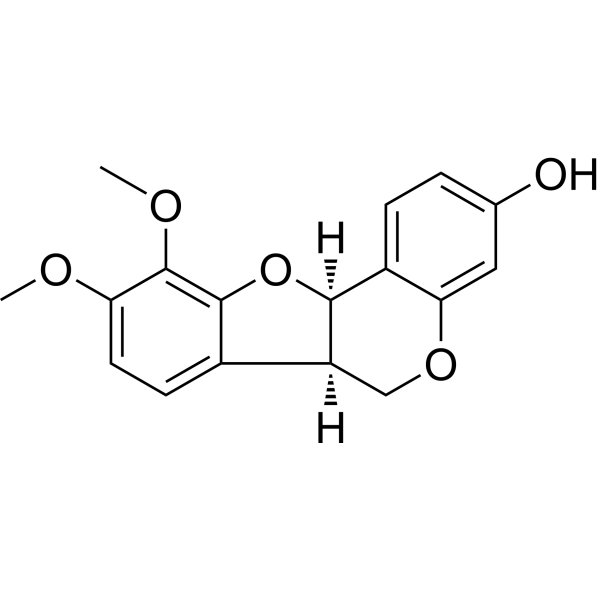
- Formula: C17H16O5
- Molecular Weight: 300.31
Methylnissolin (Astrapterocarpan) is an osteoclast inhibitor with anti-inflammatory, neuroprotective and antioxidant activities. Methylnissolin downregulates the activation of the MAPK and PI3K/AKT pathways, inhibits the phosphorylation of MAPK1 and AKT1, and blocks PDGF-BB-induced phosphorylation of ERK1/2. Methylnissolin reduces the expression and secretion of proinflammatory mediators, decreases intracellular ROS levels, upregulates antioxidant enzymes, and downregulates osteoclastogenesis markers. Methylnissolin is applicable to research related to ischemic stroke, osteoporosis, cardiovascular diseases, skin aging, etc.

- Formula: C24H22F3N3O3
- Molecular Weight: 457.44
T0080 is a central nervous system-penetrant FPR1 inhibitor. By functionally blocking the FPR1 signaling pathway, T0080 effectively reduces neutrophil infiltration into ischemic brain tissue and maintains the integrity of the blood-brain barrier. T0080 alleviates tPA-associated hemorrhagic transformation, inhibits demyelination responses and the expression of NOX2. T0080 also possesses anti-apoptotic (apoptosis) and anti-inflammatory properties, thereby protecting myelin and reducing neurological deficits. T0080 is widely used in studies related to ischemic stroke complicated by hemorrhagic transformation after tPA thrombolysis, as well as multiple sclerosis.
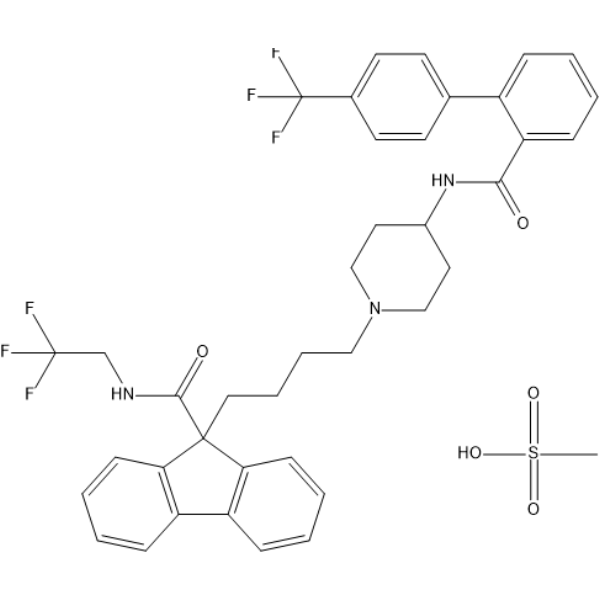
- Formula: C40H41F6N3O5S
- Molecular Weight: 789.83
Lomitapide (AEGR-733; BMS-201038) mesylate is an orally active microsomal triglyceride transfer protein (MTP) inhibitor and a selective mTORC1 inhibitor with lipid-lowering activity and BBB permeability. Lomitapide mesylate significantly reduces plasma LDL levels by blocking the assembly and secretion of very-low-density lipoprotein (VLDL). Lomitapide mesylate inhibits mTORC1 in an ATP-dependent manner, thereby inducing AMPK-independent autophagic cell death and suppressing cancer cell growth and apoptosis. Lomitapide mesylate also enhances tumor infiltration of CD8+ T cells. In addition, Lomitapide mesylate inhibits HDAC, improves endothelial function, effectively alleviates vascular inflammation and oxidative stress, and exerts neuroprotective effects in a cerebral ischemia/reperfusion injury model. Lomitapide mesylate can be used in research on related diseases such as colorectal cancer, breast cancer, melanoma, ischemic stroke, and familial hypercholesterolemia.
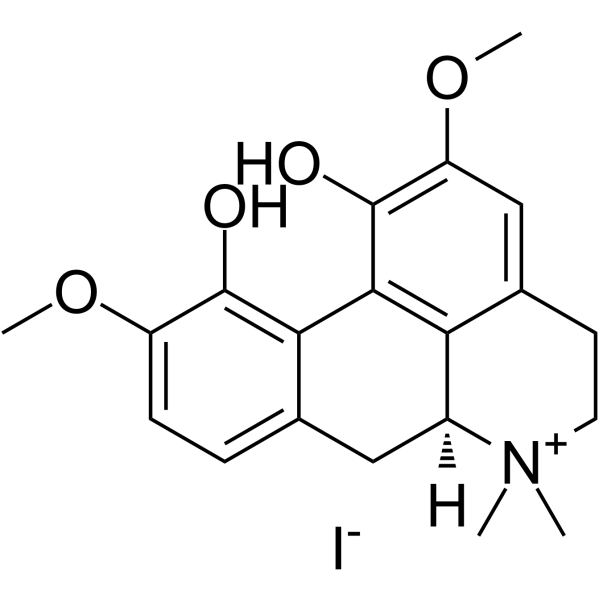
- Formula: C20H24INO4
- Molecular Weight: 469.31
(+)-Magnoflorine (α-Magnoflorine) iodide is an orally active aporphine alkaloid with multiple biological activities. (+)-Magnoflorine iodide promotes Parkin/PINK1 -mediated mitochondrial autophagy, inhibits the activation of NLRP3/Caspase-1 pathway, regulates the intestinal microbiota, and exhibits significant anti-inflammatory and immunomodulatory activities. (+)-Magnoflorine iodide inhibits JNK and TLR4/NF-κB signaling pathways, activates Sirt1/AMPK pathway, alleviates neuronal oxidative stress and apoptosis. Magnoflorine upregulates miR-410-3p, inhibits HMGB1/NF-κB pathway, and has anti-tumor activity. (+)-Magnoflorine iodide also has significant antifungal activity.
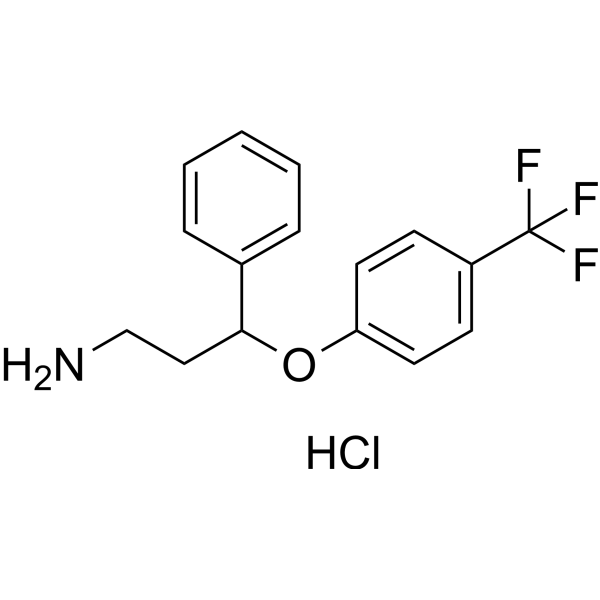
- Formula: C16H17ClF3NO
- Molecular Weight: 331.76
Norfluoxetine hydrochloride is the active metabolite of the antidepressant Fluoxetine (HY-B0102); it is also a TREK-2 K2P potassium channel inhibitor. Norfluoxetine hydrochloride exhibits neuroimmunological activity, induces apoptosis in primary microglial cells, and inhibits the release of pro-inflammatory factors. Norfluoxetine hydrochloride inhibits high-threshold voltage-gated Ca2+ currents in neurons with an EC50 of 20.4 μM. Norfluoxetine hydrochloride can be used in research related to depression, ischemic stroke, and epilepsy.
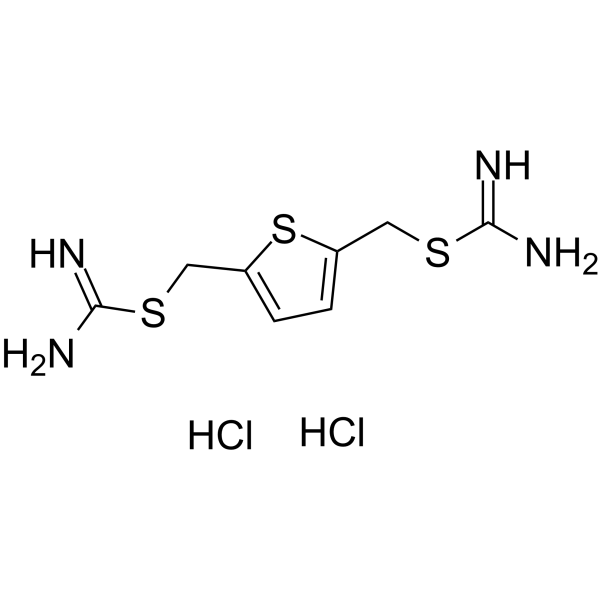
- Formula: C8H14Cl2N4S3
- Molecular Weight: 333.32
TPT-260 Dihydrochloride (NSC55712), a thiophene thiourea derivative, is a retromer complex stabilizer against thermal denaturation (Kd = ~5 µM). TPT-260 Dihydrochloride increases the levels of retromer proteins, shifts amyloid-precursor protein (APP) away from the endosome, and decreases the pathogenic processing of APP. TPT-260 Dihydrochloride inhibits TLR4 upregulation, IKKβ phosphorylation, NF-κB p65 nuclear translocation, and NLRP3 inflammasome formation. TPT-260 Dihydrochloride improves retromer-mediated cargo trafficking, reduces brain infarct area, and decreases amyloid plaque deposition. TPT-260 Dihydrochloride exhibits minimal cytotoxicity to primary microglia at tested concentrations. TPT-260 Dihydrochloride can be used for the research of inflammatory bowel disease, ischemic stroke and Alzheimer's disease.
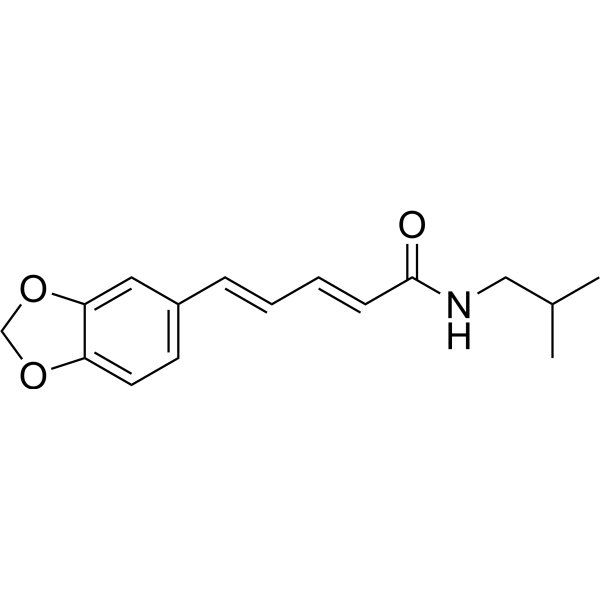
- Formula: C16H19NO3
- Molecular Weight: 273.33
Piperlonguminine is a cytochrome P450 (CYP450) inhibitor. Piperlonguminine also inhibits the growth of epimastigotes and intracellular amastigotes of Trypanosoma cruzi, with IC50 values of 53.8 and 33.9 μM, respectively. Piperlonguminine regulates HMGB1/TLR4-NF-κB/MAPK-related inflammatory responses, endothelial protein C receptor (EPCR) shedding, melanogenesis, glycolipid metabolism, ischemic brain injury and tumor growth. Piperlonguminine can be used in research on hyperlipidemia, sepsis, Chagas disease, ischemic stroke, sarcoma and severe acute pancreatitis-associated lung injury.

- Formula: C25H31ClN2O6
- Molecular Weight: 490.98
β-Funaltrexamine (β-FNA) hydrochloride is a blood-brain barrier-permeable, selective and irreversible μ-opioid receptor antagonist with immunomodulatory, anti-inflammatory and neuroprotective activities. β-Funaltrexamine hydrochloride inhibits p38 MAPK and TLR4 signaling by blocking μ-opioid receptors, and reduces the transcriptional activities of NF-κB, AP-1, CREB and Stat. Furthermore, β-Funaltrexamine hydrochloride inhibits iNOS activation and pro-inflammatory microglial polarization, converting microglia to an anti-inflammatory phenotype, thereby downregulating neuroinflammation and ameliorating neuronal degeneration. β-Funaltrexamine hydrochloride is widely applicable to research related to stroke, cerebral ischemia/reperfusion injury and neurodegenerative diseases.



