



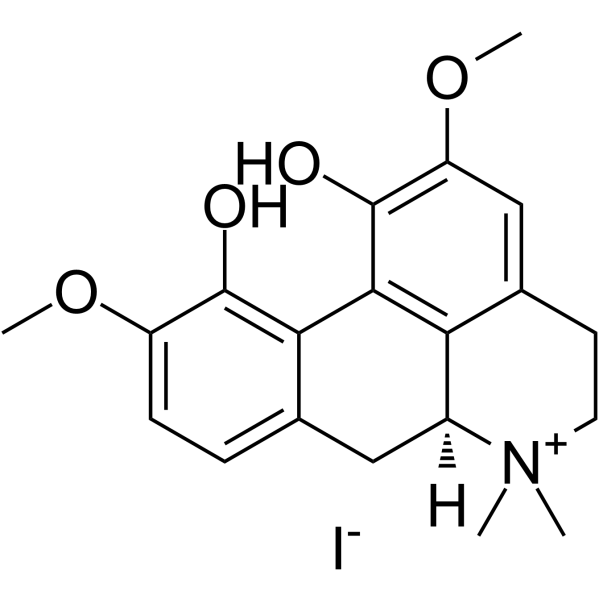
(+)-Magnoflorine iodide
Based on 2 publication(s) in Google Scholar
(+)-Magnoflorine (α-Magnoflorine) iodide is an orally active aporphine alkaloid with multiple biological activities. (+)-Magnoflorine iodide promotes Parkin/PINK1 -mediated mitochondrial autophagy, inhibits the activation of NLRP3/Caspase-1 pathway, regulates the intestinal microbiota, and exhibits significant anti-inflammatory and immunomodulatory activities. (+)-Magnoflorine iodide inhibits JNK and TLR4/NF-κB signaling pathways, activates Sirt1/AMPK pathway, alleviates neuronal oxidative stress and apoptosis. Magnoflorine upregulates miR-410-3p, inhibits HMGB1/NF-κB pathway, and has anti-tumor activity. (+)-Magnoflorine iodide also has significant antifungal activity.
Nur für Forschungszwecke. Wir verkaufen nicht an Patienten.
- Reinheit : 99.74%
- CAS. Nr.: 4277-43-4
- Formel: C20H24INO4
- Molecular Weight:469.31
-
Speicherung:
4°C, sealed storage, away from moisture and light
* In solvent : -80°C, 6 months; -20°C, 1 month (sealed storage, away from moisture and light)

To place orders, for customer services and technical support, please contact: MedChemExpress USA
Tel: 609-228-6898 E-mail: [email protected] [email protected]


-
 Biologische Aktivität
-
Chemical Information
-
Lösungsmittel & Löslichkeit
- Protokoll
- Reinheit & Dokumentation
- Verweise
-
 Help & FAQs


Publications Citing Use of MedChemExpress (MCE) (+)-Magnoflorine iodide
MoreAlle Caspase Isoform-spezifische Produkte anzeigen
MoreAlle AMPK Isoform-spezifische Produkte anzeigen
More

Biologische Aktivität
Beschreibung
Cellular Effect
|
Cell Line

|
Type | Value | Description | References |
|---|---|---|---|---|
| KB | IC50 |
>533 μM
Compound: magnoflorine iodide
|
Cytotoxicity against human KB cells after 72 hrs
Cytotoxicity against human KB cells after 72 hrs
|
[PMID: 11141105] |
In Vitro
(+)-Magnoflorine iodide has significant antifungal activities against Penicillium avellaneum UC-4376, T. rubrum and T. mentagrophyte with MIC values of 5 μg/disc, 62.5 μg/mL and 62.5 μg/mL, respectively[1][2].
(+)-Magnoflorine (5-80 μM, 24 h) iodide inhibit the proliferation, invasion and epithelial-mesenchymal transition process of MG-63 and U-2 OS cells[3].
(+)-Magnoflorine (10-40 μM, 24 h) iodide upregulates miR-410-3p and thereby inhibits the HMGB1/NF-κB pathway[3].
(+)-Magnoflorine (10 μM, 27 h) iodide significantly reverses the decline in PC12 cell viability caused by Aβ1-42and reduces the apoptosis rate[4].
(+)-Magnoflorine (10 μM, 27 h) iodide significantly reduces the increase in intracellular ROS levels caused by Aβ1-42, and restores the damaged mitochondrial membrane potential[4].
(+)-Magnoflorine (0-50 μM, 24 h) iodide inhibits the activation of the NLRP3 inflammasome in HK-2 cells by promoting Parkin-dependent mitochondrial autophagy[7].
MedChemExpress (MCE) has not independently confirmed the accuracy of these methods. They are for reference only. Further protocols information, click here.
-
Cell Line:MG-63 and U-2 OS cells
-
Concentration:10, 20 and 40 μM
-
Incubation Time:24 h
-
Result:Significantly reduced the number of MG-63 and U-2 OS cells passing through the matrix gel.
-
Cell Line:MG-63 and U-2 OS cells
-
Concentration:10, 20 and 40 μM
-
Incubation Time:24 h
-
Result:Upregulated the expression of E-cadherin in a dose-dependent manner, and downregulate the expressions of N-cadherin and Vimentin.
Dose-dependently down-regulates the mRNA expression of HMGB1.
Inhibited the activation of the NF-κB pathway resulting in a decrease in the levels of phosphorylated-p65 and phosphorylated-IκBα.
Significantly upregulated the expression of miR-410-3p in osteosarcoma cells.
-
Cell Line:MG-63 and U-2 OS cells
-
Concentration:10, 20 and 40 μM
-
Incubation Time:24 h
-
Result:Upregulated the expression of E-cadherin in a dose-dependent manner, and downregulate the expressions of N-cadherin and Vimentin.
Dose-dependently down-regulates the protein expression of HMGB1.
Inhibited the activation of the NF-κB pathway resulting in a decrease in the levels of phosphorylated-p65 and phosphorylated-IκBα.
Significantly upregulated the expression of miR-410-3p in osteosarcoma cells.
-
Cell Line:PC12 cells
-
Concentration:10 μM
-
Incubation Time:pre-treated for 3 h, and then add Aβ1-42 for co-culture for 24 h
-
Result:Significantly reduced the apoptosis rate caused by Aβ1-42.
Reduced the expression of pro-apoptotic proteins Bax and Cleaved Caspase-3, and increased the expression of anti-apoptotic protein Bcl-2.
In Vivo
(+)-Magnoflorine (10-20 mg/kg, i.g., once daily for 15 days) iodide has a protective effect on cerebral ischemia-reperfusion injury in rats[5].
(+)-Magnoflorine (10 mg/kg, i.g., once daily for 10 days) iodide relieves colitis induced by DDS (HY-116282C) in mice and the concurrent anxiety-like behaviors[6].
(+)-Magnoflorine (5-10 mg/kg, i.g., once daily for 12 weeks) iodide exhibits renal protective effects in a mouse model of chronic kidney disease induced by a high-fat and high-fructose diet[7].
MedChemExpress (MCE) has not independently confirmed the accuracy of these methods. They are for reference only.
-
Animal Model:AD model established in APP/PS1 (APPswe/PSEN1dE9) double-transgenic mice (8 months, 30-32 g, female)[4]
-
Dosage:1 and 10 mg/kg
-
Administration:Intraperitoneal injection (i.p.), once daily for a month
-
Result:Improved the learning and memory abilities of mice. Reduced the core pathological changes in the brain, including Aβ deposition, excessive phosphorylation of Tau protein, neuroinflammation and neuronal loss.
-
Animal Model:Middle cerebral artery occlusion (MCAO) models model established in male Sprague-Dawley rats (weighing 220 g)[5]
-
Dosage:10 and 20 mg/kg
-
Administration:Intragastric administration (i.g.), once daily for 15 days
-
Result:Significantly reduced the neurological deficit score, indicating that it improved motor, balance and sensory functions.
Significantly reduced the volume of cerebral infarction and decreased the brain water content. Reduced the number of damaged neurons shown by Nissl staining and increased the density of NeuN-positive neurons.
Reduced the upregulation of LC3 fluorescence intensity and the LC3-II/LC3-I ratio caused by cerebral ischemia, and increased the expression of p62, Sirt1 and p-AMPK proteins.
-
Animal Model:Colitis models model established in female C57BL/6 J mice (6-8 weeks old)[6]
-
Dosage:10 mg/kg
-
Administration:Intragastric administration (i.g.), once daily for 10 days
-
Result:Reduced the disease activity index, the length of the colon, the tissue pathological damage, and decreased the mRNA levels of pro-inflammatory cytokines (TNF-α, IL-1β, IL-6) in the colon tissue.
Significantly improved the anxiety-like behaviors induced by DSS. Inhibited the activation of microglia (IBA1+) in the hippocampus caused by DSS.
Reduced the mRNA levels of TNF-α, IL-1β, and IL-6 in the hippocampal tissue, and upregulated the expression of tight junction proteins ZO-1 and PV1 in the choroid plexus and blood-brain barrier.
Promoted the production of secondary bile acid HDCA by the microbiota.
-
Animal Model:Chronic kidney disease model established in male C57BL/6 J mice (20 g)[6]
-
Dosage:5 and 10 mg/kg
-
Administration:Intragastric administration (i.g.), once daily for 12 weeks
-
Result:Significantly reduced the levels of serum creatinine, urea nitrogen, uric acid and elevated urine protein.
Reduced the fatty degeneration of renal tubules, lipid deposition and tubular dilation. Reduced the collagen deposition in the kidneys, and downregulated the mRNA and protein expressions of fibrosis-related markers (TGF-β, α-SMA, COL-I, COL-III).
Reduced the levels of reactive oxygen species (ROS) and malondialdehyde (MDA) in the kidneys, and increased the activity of total superoxide dismutase (T-SOD).
Inhibited the activation of the NLRP3 inflammasome (reduced the expression of NLRP3, ASC, Cleaved Caspase-1, GSDMD-N and IL-1β).


Chemical Information
-
CAS. Nr. 4277-43-4
-
Appearance Solid
-
Molecular Weight 469.31
-
Formel C20H24INO4
-
Color White to light yellow
-
SMILES
C[N+]1(C)CCC2=CC(OC)=C(O)C3=C2[C@]1([H])CC4=CC=C(OC)C(O)=C34.[I-]
-
Synonyms
Magnoflorine iodide; α-Magnoflorine iodide; Thalictrine iodide
-
Structure Classification
-
Initial Source
-
Versand
Room temperature in continental US; may vary elsewhere.
-
Speicherung
4°C, sealed storage, away from moisture and light
* In solvent : -80°C, 6 months; -20°C, 1 month (sealed storage, away from moisture and light)


Publications (2)


Lösungsmittel & Löslichkeit
In Vitro:
DMSO : 62.5 mg/mL (133.17 mM; Need ultrasonic; Hygroscopic DMSO has a significant impact on the solubility of product, please use newly opened DMSO)
Please refer to the solubility information to select the appropriate solvent. Once prepared, please aliquot and store the solution to prevent product inactivation from repeated freeze-thaw cycles.
Storage method and period of stock solution: -80°C, 6 months; -20°C, 1 month (sealed storage, away from moisture and light). When stored at -80°C, please use it within 6 months. When stored at -20°C, please use it within 1 month.
Please refer to the solubility information to select the appropriate solvent. Once prepared, please aliquot and store the solution to prevent product inactivation from repeated freeze-thaw cycles.
Storage method and period of stock solution: -80°C, 6 months; -20°C, 1 month (sealed storage, away from moisture and light). When stored at -80°C, please use it within 6 months. When stored at -20°C, please use it within 1 month.
Konzentration (Stammlösung) × Volumen (Stammlösung) = Konzentration (Ziellösung) × Volumen (Ziellösung)
In Vivo:
Select the appropriate dissolution method based on your experimental animal and administration route.
- For the following dissolution methods, please ensure to first prepare a clear stock solution using an In Vitro approach and then sequentially add co-solvents:
- To ensure reliable experimental results, the clarified stock solution can be appropriately stored based on storage conditions. As for the working solution for In Vivo experiments, it is recommended to prepare freshly and use it on the same day.
- The percentages shown for the solvents indicate their volumetric ratio in the final prepared solution. If precipitation or phase separation occurs during preparation, heat and/or sonication can be used to aid dissolution.
Add each solvent one by one: 10% DMSO 40% PEG300 5% Tween-80 45% Saline
Solubility: ≥ 2.08 mg/mL (4.43 mM); Clear solution
This protocol yields a clear solution of ≥ 2.08 mg/mL (saturation unknown).
Taking 1 mL working solution as an example, add 100 μL DMSO stock solution (20.8 mg/mL) to 400 μL PEG300, and mix evenly; then add 50 μL Tween-80 and mix evenly; then add 450 μL Saline to adjust the volume to 1 mL.
Preparation of Saline: Dissolve 0.9 g sodium chloride in ddH₂O and dilute to 100 mL to obtain a clear Saline solution.
Add each solvent one by one: 10% DMSO 90% (20% SBE-β-CD in Saline)
Solubility: ≥ 2.08 mg/mL (4.43 mM); Clear solution
This protocol yields a clear solution of ≥ 2.08 mg/mL (saturation unknown).
Taking 1 mL working solution as an example, add 100 μL DMSO stock solution (20.8 mg/mL) to 900 μL 20% SBE-β-CD in Saline, and mix evenly.
Preparation of 20% SBE-β-CD in Saline (4°C, storage for one week): 2 g SBE-β-CD powder is dissolved in 10 mL Saline, completely dissolve until clear.
For the following dissolution methods, please prepare the working solution directly:
It is recommended to prepare fresh solutions and use them promptly within a short period of time.
The percentages shown for the solvents indicate their volumetric ratio in the final prepared solution. If precipitation or phase separation occurs during preparation, heat and/or sonication can be used to aid dissolution.
Add each solvent one by one: 50% PEG300 50% Saline
Solubility: 10 mg/mL (21.31 mM); Clear solution; Need ultrasonic and warming and heat to 60°C
In Vivo Dissolution Calculator
Please enter the basic information of animal experiments:
-
-
-
-
Recommended: Prepare an additional quantity of animals to account for potential losses during experiments.
Please enter your animal formula composition:
-
%DMSO +
Recommended: Keep the proportion of DMSO in working solution below 2% if your animal is weak.
-
%+
-
+%Tween-80 + +
-
%Saline +
The co-solvents required include: DMSO, . All of co-solvents are available by MedChemExpress (MCE). , Tween 80. All of co-solvents are available by MedChemExpress (MCE).
Working solution concentration: 0.22 mg/mL
Method for preparing stock solution: mg drug dissolved in μL DMSO. Stock solution concentration: mg/mL. * In solvent : -80°C, 6 months; -20°C, 1 month (sealed storage, away from moisture and light)
1. Take μL DMSO stock solution;
2. Add μL .
μL , mix evenly;
3. Then add μL Tween 80, mix evenly;
4. Then add μL
Please ensure that the stock solution in the first step is dissolved to a clear state, and add co-solvents in sequence. You can use ultrasonic heating (ultrasonic cleaner, recommended frequency 20-40 kHz), vortexing, etc. to assist dissolution.

Protokoll
-
Apoptosis
Apoptosis, also called programmed cell death, is generally characterized by distinct morphological characteristics.
-
TUNEL staining for apoptotic DNA fragmentation
TUNEL staining detects DNA strand breaks by using terminal deoxynucleotidyl transferase to add labeled nucleotides to exposed 3′-OH DNA termini, generating either microscopic staining in fixed cells or tissue sections, or fluorescence/cytometric signal in cell suspensions. TUNEL positivity reflects DNA fragmentation but should not be interpreted alone as definitive apoptosis, because TUNEL can also label necrotic, autolytic, mechanically damaged, or DNA-repair-associated DNA breaks.
-
Annexin V plus membrane-impermeant dye apoptosis staining
Annexin V-based apoptosis assays rely on the detection of phosphatidylserine (PS) externalization from the inner leaflet of the plasma membrane to the outer leaflet, an early biochemical hallmark of apoptosis. Fluorescently labeled Annexin V binds PS in a calcium-dependent manner, enabling identification of early apoptotic cells by flow cytometry or fluorescence microscopy. When combined with a membrane-impermeant DNA-binding dye (e. g. , propidium iodide), this approach allows discrimination between viable (Annexin V−/dye−), early apoptotic (Annexin V+/dye−), and late apoptotic or necrotic (Annexin V+/dye+) cell populations by assessing membrane integrity and PS exposure.
-
ROS/oxidative-stress fluorescent staining
ROS/oxidative-stress fluorescent staining uses cell-permeant fluorogenic probes that become fluorescent after oxidation inside cells or tissues; commonly used examples include DCFH-DA/DCFDA for broad cellular oxidant detection, DHE for superoxide-related signal detection, MitoSOX for mitochondrial superoxide-related signal detection, and CellROX probes for oxidative-stress-associated fluorescence readouts. The assay detects probe oxidation rather than a single ROS species unless the probe and analysis method have been chemically validated for that species. DCFH-DA enters cells, is deacetylated by intracellular esterases to DCFH, and produces fluorescent DCF after oxidation, so the readout is used as an operational measure of total cellular oxidative stress rather than a species-specific ROS measurement. DHE and MitoSOX can report superoxide-related oxidation, but red fluorescence alone can include non-specific ethidium-like oxidation products; HPLC or optimized spectral approaches are
-
Autophagy
Autophagy is a process in which eukaryotic cells use lysosomes to degrade their own cytoplasmic proteins and damaged organelles under the regulation of autophagy related gene (Atg). Microtubule-associated proteins light chain 3 (LC3) is recognized as autophagy marker, which transfers from cytoplasmic LC3 (LC3-I) to membrane type (LC3-II). LC3-II/I ratio could be detected by Western Blot and fluorescence microscopy.
-
Apoptosis Solutions
Apoptosis is a regulated, generally non-lytic cell-death pathway that removes unwanted, damaged, infected, or abnormal cells through coordinated morphological changes, caspase activation, DNA fragmentation, and membrane remodeling. The intrinsic apoptosis pathway is controlled mainly by mitochondrial outer membrane permeabilization, BCL-2 family proteins, cytochrome c release, apoptosome formation, caspase-9 activation, and downstream executioner caspase-3/7 activation. The extrinsic apoptosis pathway is initiated by death receptors such as Fas, TNFR, and TRAIL receptors, which recruit adaptor proteins and activate caspase-8 before engaging executioner caspases or mitochondrial amplification through BID cleavage. Apoptosis is linked to many phenotypes, including cancer cell killing, tissue homeostasis, immune regulation, neurodegeneration, infection response, and treatment-induced cytotoxicity; unresolved questions include how apoptosis interacts with necroptosis, pyroptosis, ferroptos
-
Research Protocol for Microbiome Analysis
Microbiome analysis characterizes microbial communities in biological or environmental samples by measuring community composition, diversity, taxonomic structure, functional potential, and associations with host or environmental phenotypes. 16S rRNA gene amplicon sequencing is commonly used for bacterial and archaeal taxonomic profiling, while shotgun metagenomics provides higher taxonomic resolution and direct functional information, including microbial genes, pathways, viruses, fungi, and antimicrobial-resistance genes when sequencing depth and host-DNA contamination are adequately controlled. Microbiome results are strongly affected by sample collection, storage, DNA extraction, contamination, sequencing method, reference database, and bioinformatic pipeline; therefore, standardized protocols, negative controls, mock communities, and transparent analysis workflows are required. Unresolved issues include low-biomass contamination, compositional-data bias, inconsistent species-level c
-
Lysosome and acidic-vesicle live-cell staining
Lysosome and acidic-vesicle live-cell staining detects acidic intracellular compartments by using membrane-permeant acidotropic probes that accumulate in low-pH vesicles, including lysosomes, late endosomes, autolysosomes, and acidic phagosomes. LysoTracker staining is commonly used as an intensity-based readout of acidic lysosomal compartment abundance or enlargement, while acridine orange produces green fluorescence in less concentrated compartments and red fluorescence after concentration-dependent accumulation in acidic vesicular organelles. Loss or reduction of acridine-orange red signal can be used as a readout of lysosomal membrane permeabilization or reduced acidic-vesicle integrity. This protocol is designed for live cultured cells and can be adapted for fluorescence microscopy, high-content imaging, plate-reader readout, or flow cytometry when the selected literature supports the readout. Because these dyes report acidotropic accumulation rather than lysosome identity alone,
-
Research Protocol for Inflammation-related Diseases
The NLRP3 inflammasome is a cytosolic innate immune signaling platform that integrates priming signals and danger-signal activation to promote caspase-1 activation, maturation of IL-1β and IL-18, and gasdermin D-mediated pyroptotic cell death. The core experimental logic is to determine whether inflammatory disease phenotypes are driven by increased NLRP3 expression, ASC-containing inflammasome assembly, caspase-1 cleavage, GSDMD cleavage, and extracellular release of IL-1β/IL-18 rather than by nonspecific cell injury alone. The pathway is strongly linked to inflammation-related disease phenotypes because monosodium urate crystals activate NALP3/NLRP3 inflammasome signaling in gout-like crystal inflammation, cholesterol crystals activate NLRP3 inflammasomes in atherogenesis models, and DSS-induced intestinal inflammation has been reported to involve NLRP3 inflammasome activity. However, experimental colitis studies also show context-dependent protective effects of NLRP3 inflammasome co
-
Mitophagy Solutions
Mitophagy is the selective autophagic degradation of mitochondria and functions as a mitochondrial quality-control pathway that removes damaged, depolarized, excess, or developmentally programmed mitochondria. The pathway links mitochondrial damage recognition, autophagosome recruitment, lysosomal delivery, and mitochondrial turnover to phenotypes such as mitochondrial homeostasis, oxidative-stress control, metabolic remodeling, differentiation, and neurodegeneration-related mitochondrial fidelity. The best-characterized damage-induced pathway is the PINK1-Parkin axis. Parkin is recruited selectively to impaired mitochondria and promotes their autophagic elimination, while mitochondrial depolarization stabilizes PINK1 on damaged mitochondria, recruits Parkin, and activates Parkin-dependent mitophagy. PINK1 also phosphorylates ubiquitin to activate Parkin E3 ubiquitin ligase activity, and PINK1-driven ubiquitin phosphorylation creates a feed-forward signal for recruiting autophagy machi
-
Macroautophagy Solutions
Macroautophagy is a conserved lysosome-dependent degradation pathway in which cytoplasmic material is sequestered into double-membrane autophagosomes and delivered to lysosomes for degradation and recycling. The pathway supports cellular homeostasis during nutrient limitation, organelle stress, protein-aggregate accumulation, infection, differentiation, and tissue remodeling by coupling cargo sequestration, autophagosome maturation, lysosomal fusion, and degradation of cargo-derived macromolecules. The core molecular sequence includes initiation by nutrient- and stress-regulated autophagy machinery, autophagosome nucleation, LC3/ATG8-family conjugation to autophagosomal membranes, cargo selection through receptors such as SQSTM1/p62, autophagosome-lysosome fusion, and lysosomal degradation. LC3 was identified as a mammalian homolog of yeast Atg8 that localizes to autophagosomal membranes after processing, and p62/SQSTM1 was shown to connect ubiquitinated cargo with autophagic degradati
-
Pyroptosis Solutions
Pyroptosis is a lytic inflammatory cell-death pathway executed by gasdermin pores, most classically through inflammasome-mediated activation of caspase-1, cleavage of gasdermin D, membrane pore formation, LDH release, and secretion of IL-1β and IL-18. The canonical pathway is commonly modeled by priming cells with an inflammatory signal such as LPS to induce pro-IL-1β and inflammasome components, followed by an activation signal such as ATP or nigericin to activate NLRP3, ASC speck formation, caspase-1 cleavage, GSDMD cleavage, cytokine release, and pyroptotic membrane rupture. The non-canonical pathway is triggered when cytosolic LPS activates mouse caspase-11 or human caspase-4/5, leading to GSDMD cleavage and pyroptosis, and this can secondarily activate NLRP3-dependent IL-1β release. Pyroptosis is linked to inflammatory injury, infection, cancer, liver disease, ocular disease, placental inflammation, and other disease phenotypes, but unresolved questions include which gasdermin fam


Reinheit & Dokumentation
-
Data Sheet (294 KB)
-
SDS (420 KB)
- English - EN (420 KB)
- Français - FR (420 KB)
- Deutsch - DE (420 KB)
- Norwegian - NO (420 KB)
- Español - ES (420 KB)
- Swedish - SV (420 KB)
- Italian - IT (420 KB)
- Korean - KR (420 KB)
- Portuguese - PT (420 KB)
-
Handling Instructions (2659 KB)
Verweise
[1]. Chen JH, et al. Aporphine alkaloids from Clematis parviloba and their antifungal activity. Arch Pharm Res. 2009 Jan;32(1):3-5. [Content Brief]
[2]. Luo N, et al. Antifungal activity and potential mechanism of magnoflorine against Trichophyton rubrum. J Antibiot (Tokyo). 2021 Mar;74(3):206-214. [Content Brief]
[3]. Wang Y, et al. Magnoflorine inhibits the malignant phenotypes and increases cisplatin sensitivity of osteosarcoma cells via regulating miR-410-3p/HMGB1/NF-κB pathway. Life Sci. 2020 Sep 1;256:117967. [Content Brief]
[4]. Zhong L, et al. Magnoflorine improves cognitive deficits and pathology of Alzheimer's disease via inhibiting of JNK signaling pathway. Phytomedicine. 2023 Apr;112:154714. [Content Brief]
[5]. Liang H, et al. Magnoflorine Attenuates Cerebral Ischemia-Induced Neuronal Injury via Autophagy/Sirt1/AMPK Signaling Pathway. Evid Based Complement Alternat Med. 2022 Sep 10;2022:2131561. [Content Brief]
[6]. Wang L, et al. Magnoflorine alleviates colitis-induced anxiety-like behaviors by regulating gut microbiota and microglia-mediated neuroinflammation. Microbiome. 2025 Jul 26;13(1):172. [Content Brief]
[7]. Cheng Y, et al. Magnoflorine Ameliorates Chronic Kidney Disease in High-Fat and High-Fructose-Fed Mice by Promoting Parkin/PINK1-Dependent Mitophagy to Inhibit NLRP3/Caspase-1-Mediated Pyroptosis. J Agric Food Chem. 2024 Jun 5;72(22):12775-12787. [Content Brief]


Complete Stock Solution Preparation Table
Please refer to the solubility information to select the appropriate solvent. Once prepared, please aliquot and store the solution to prevent product inactivation from repeated freeze-thaw cycles.
Storage method and period of stock solution: -80°C, 6 months; -20°C, 1 month (sealed storage, away from moisture and light). When stored at -80°C, please use it within 6 months. When stored at -20°C, please use it within 1 month.
| Optional Solvent | Concentration Solvent Mass | 1 mg | 5 mg | 10 mg | 25 mg |
|---|---|---|---|---|---|
| DMSO | 1 mM | 2.1308 mL | 10.6539 mL | 21.3079 mL | 53.2697 mL |
| 5 mM | 0.4262 mL | 2.1308 mL | 4.2616 mL | 10.6539 mL | |
| 10 mM | 0.2131 mL | 1.0654 mL | 2.1308 mL | 5.3270 mL | |
| 15 mM | 0.1421 mL | 0.7103 mL | 1.4205 mL | 3.5513 mL | |
| 20 mM | 0.1065 mL | 0.5327 mL | 1.0654 mL | 2.6635 mL | |
| 25 mM | 0.0852 mL | 0.4262 mL | 0.8523 mL | 2.1308 mL | |
| 30 mM | 0.0710 mL | 0.3551 mL | 0.7103 mL | 1.7757 mL | |
| 40 mM | 0.0533 mL | 0.2663 mL | 0.5327 mL | 1.3317 mL | |
| 50 mM | 0.0426 mL | 0.2131 mL | 0.4262 mL | 1.0654 mL | |
| 60 mM | 0.0355 mL | 0.1776 mL | 0.3551 mL | 0.8878 mL | |
| 80 mM | 0.0266 mL | 0.1332 mL | 0.2663 mL | 0.6659 mL | |
| 100 mM | 0.0213 mL | 0.1065 mL | 0.2131 mL | 0.5327 mL |


(+)-Magnoflorine iodide Related Classifications
HY-N0334A Related Classifications
 Powered by Bioz
Keywords