Sirtuin
Sirtuins are a conserved family of NAD+-dependent deacylases and class III histone deacetylases that couple cellular energy status to transcriptional and metabolic regulation, thereby influencing stress adaptation, genome maintenance, and cellular homeostasis[1][2]. Mechanistically, sirtuins respond to fluctuations in NAD+ availability and regulate pathways associated with oxidative stress resistance, mitochondrial function, DNA repair, and metabolic efficiency through deacylation of histone and non-histone protein targets[2][3][4]. These activities place sirtuins at the intersection of nutrient sensing and cellular responses to environmental and physiological perturbations, including fasting, caloric restriction, DNA damage, and redox imbalance[2][4]. In disease-relevant contexts and experimental models, altered sirtuin activity has been linked to aging-related functional decline, metabolic disorders, inflammation, and impaired mitochondrial homeostasis, making the family an important framework for mechanistic studies of age-associated pathophysiology[2][5]. Compared with related isoforms, mammalian SIRT1-SIRT7 display distinct subcellular localization and biological functions, with SIRT1, SIRT6, and SIRT7 enriched mainly in the nucleus, SIRT2 primarily localized in the cytoplasm, and SIRT3, SIRT4, and SIRT5 concentrated in mitochondria, supporting isoform-specific regulation of cellular processes[1][3]. For experimental applications, sirtuin-modulating compounds, including sirtuin-activating compounds and inhibitors such as nicotinamide, are widely used to investigate NAD+-dependent signaling networks and the contribution of individual sirtuin isoforms to metabolism, aging, and disease mechanisms[5][6].
References:
- [1]. Zhao L, et al. Sirtuins and their Biological Relevance in Aging and Age-Related Diseases. Aging Dis. 2020 Jul 23;11(4):927-945. [Content Brief]
- [2]. Imai S, et al. NAD+ and sirtuins in aging and disease. Trends Cell Biol. 2014 Aug;24(8):464-71. [Content Brief]
- [3]. Shahgaldi S, et al. A comprehensive review of Sirtuins: With a major focus on redox homeostasis and metabolism. Life Sci. 2021;282:119803.
- [4]. Imai S, et al. It takes two to tango: NAD+ and sirtuins in aging/longevity control. npj Aging Mech Dis. 2016;2:16017.
- [5]. Bonkowski MS, et al. Slowing ageing by design: the rise of NAD+ and sirtuin-activating compounds. Nat Rev Mol Cell Biol. 2016 Nov;17(11):679-690. [Content Brief]
- [6]. Wikipedia.
-
Sirtuin Related Products (152)
Related Products (152)

-
Selisistat
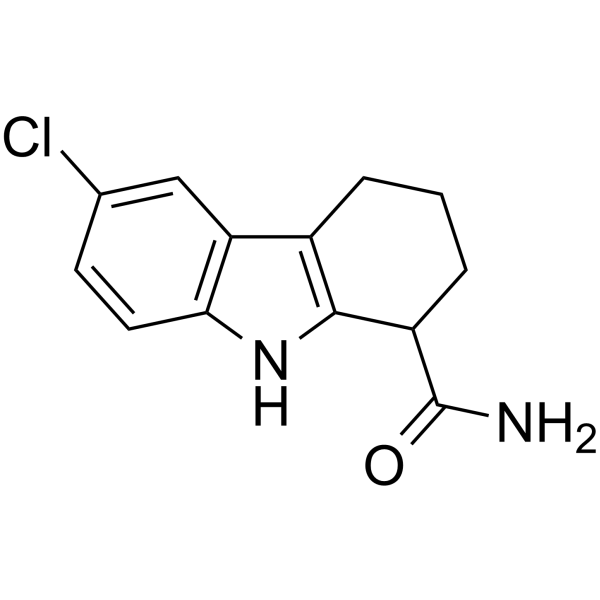 0 ImagesSynonyms: EX-527Selisistat (EX-527) is a potent and selective SirT1 (Sir2 in Drosophila melanogaster) inhibitor with an IC50 of 123 nM for SirT1. Selisistat alleviates pathology in multiple animal and cell models of Huntington's disease.
-
Fisetin
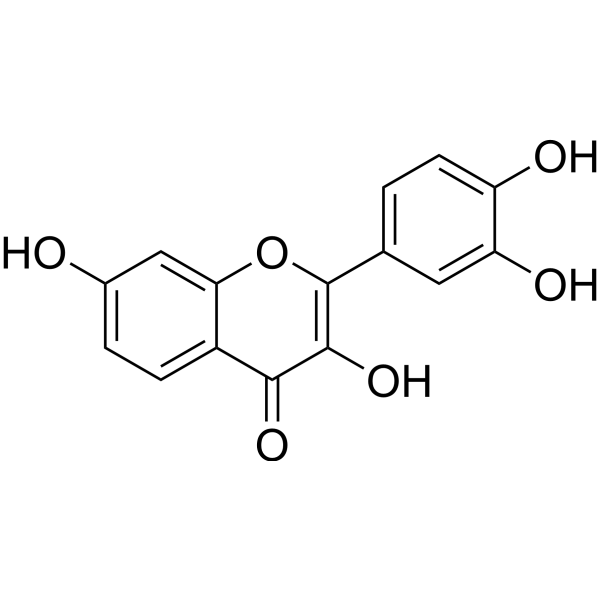 0 ImagesFisetin is a natural flavonol found in many fruits and vegetables with various benefits, such as antioxidant, anticancer, neuroprotection effects.
-
MC3138
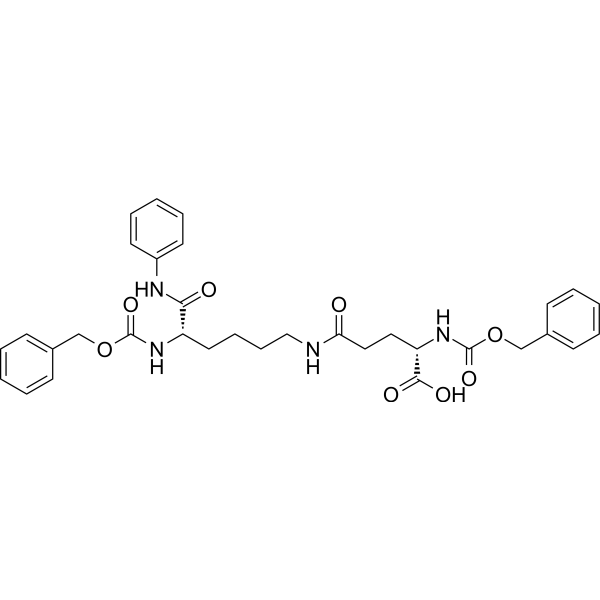
 0 ImagesMC3138 is a selective SIRT5 activator. MC3138 has antitumor activity on human PDAC cells, with IC50 values of 25.4-236.9 μM. MC3138 combined with Gemcitabine (HY-17026) significantly inhibits tumor growth in mice.
-
Croconic acid disodium
 0 ImagesSynonyms: NacrCroconic acid disodium (Nacr) is a lysine crotonylation (Kcr) activator and electroactive material. Croconic acid disodium reduces the expression of HDAC2, HDAC3, SIRT1, and SIRT3, and increases the expression of EP300, CITED1, ACSS2, DPF2, CDYL, MLLT3, and YEATS2. Croconic acid disodium elevates intracellular crotonyl-CoA content and global histone lysine crotonylation levels. Croconic acid disodium promotes the growth of bovine fibroblasts, regulates cell cycle progression, and inhibits bovine fibroblast apoptosis (apoptosis). Croconic acid disodium improves the blastocyst development efficiency of bovine somatic cell nuclear transfer embryos. Croconic acid disodium undergoes reversible lithium intercalation/deintercalation reactions via sodium-lithium ion exchange. Croconic acid disodium is applicable to research related to cell growth promotion.
-
Resveratrol (Standard)
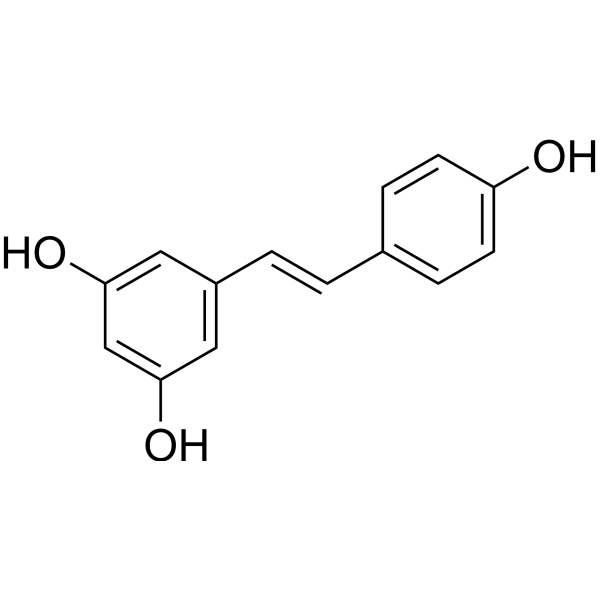 0 ImagesSynonyms: trans-Resveratrol (Standard); SRT501 (Standard)Resveratrol (Standard) is the analytical standard of Resveratrol. This product is intended for research and analytical applications. Resveratrol (trans-Resveratrol; SRT501), a natural polyphenolic phytoalexin that possesses anti-oxidant, anti-inflammatory, cardioprotective, and anti-cancer properties. Resveratrol (SRT 501) has a wide spectrum of targets including mTOR, JAK, β-amyloid, Adenylyl cyclase, IKKβ, DNA polymerase. Resveratrol also is a specific SIRT1 activator. Resveratrol is a potent pregnane X receptor (PXR) inhibitor. Resveratrol is an Nrf2 activator, ameliorates aging-related progressive renal injury in mice model. Resveratrol increases production of NO in endothelial cells.
-
Fisetin (Standard)
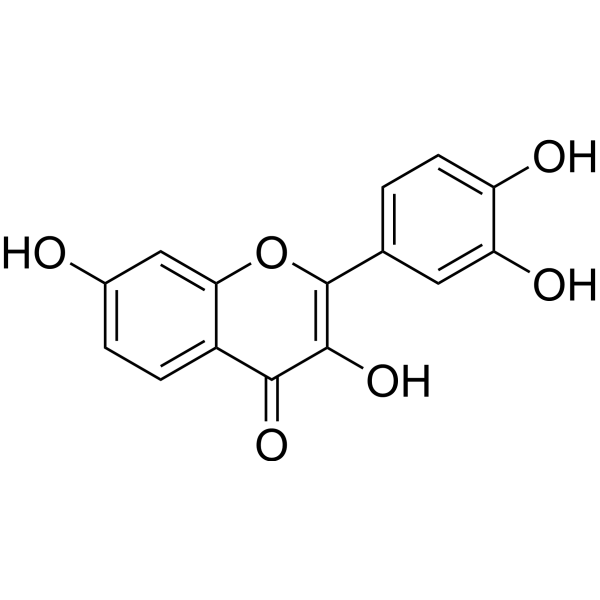 0 ImagesFisetin (Standard) is the analytical standard of Fisetin. This product is intended for research and analytical applications. Fisetin is a natural flavonol found in many fruits and vegetables with various benefits, such as antioxidant, anticancer, neuroprotection effects.
-
Tenovin-1
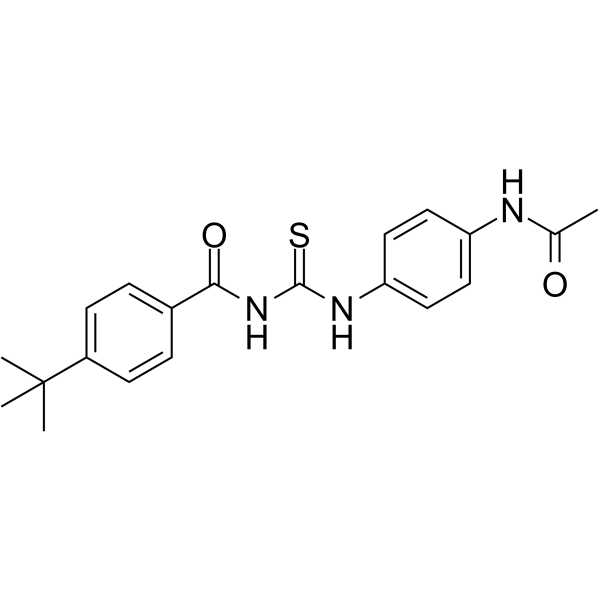 0 ImagesTenovin-1, a p53 activator, protects p53 from MDM2-mediated degradation. Tenovin-1 acts through inhibition of the protein-deacetylating activities of SirT1 and SirT2. Tenovin-1 is also a dihydroorotate dehydrogenase (DHODH) inhibitor.
-
Cholesteryl sulfate sodium
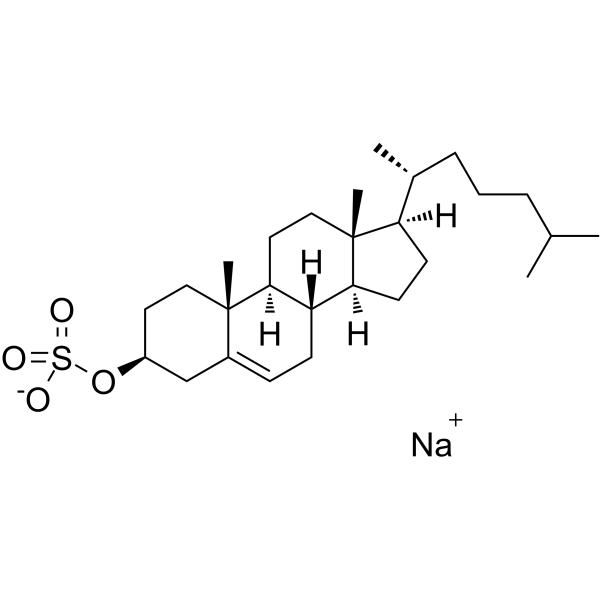 0 ImagesCholesterol sulfate sodium is a naturally occurring, orally active cholesterol derivative that is widely distributed in various tissues and body fluids. Cholesterol sulfate sodium acts as a DOCK2 inhibitor, with IC50 values of 2 μM and 2.9 μM against mouse and human targets, respectively. Cholesterol sulfate sodium restricts excessive neutrophil infiltration and alleviates intestinal inflammation and damage. Cholesterol sulfate sodium serves as an activator of protein kinase C (PKC), which promotes squamous cell differentiation and inhibits skin carcinogenesis. Cholesterol sulfate sodium regulates cholesterol homeostasis and cellular metabolism by activating the AMPK-Sirt1 pathway. Cholesterol sulfate sodium can be used in research related to actinic keratitis, ulcerative colitis, skin cancer, and other conditions.
-
Nicotinamide-d4
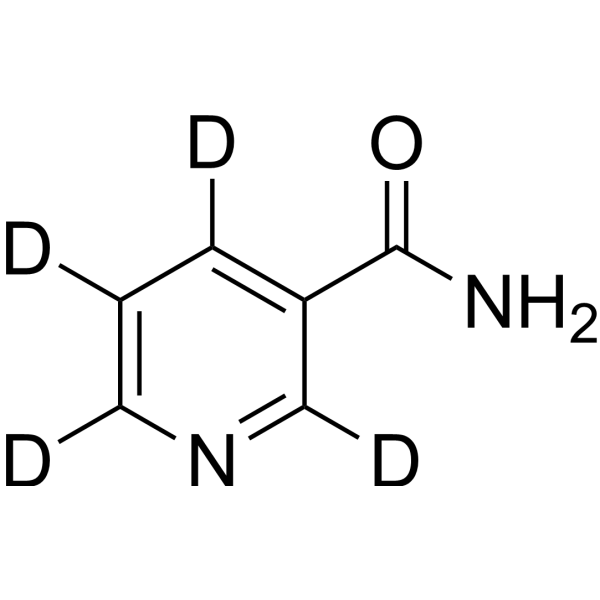 0 ImagesSynonyms: Niacinamide-d4; Nicotinic acid amide-d4Nicotinamide-d4 is the deuterium labeled Nicotinamide. Nicotinamide is a form of vitamin B3 that plays essential roles in cell physiology through facilitating NAD+ redox homeostasis and providing NAD+ as a substrate to a class of enzymes that catalyze non-redox reactions. Nicotinamide is an inhibitor of SIRT1.
-
(+)-Magnoflorine chloride
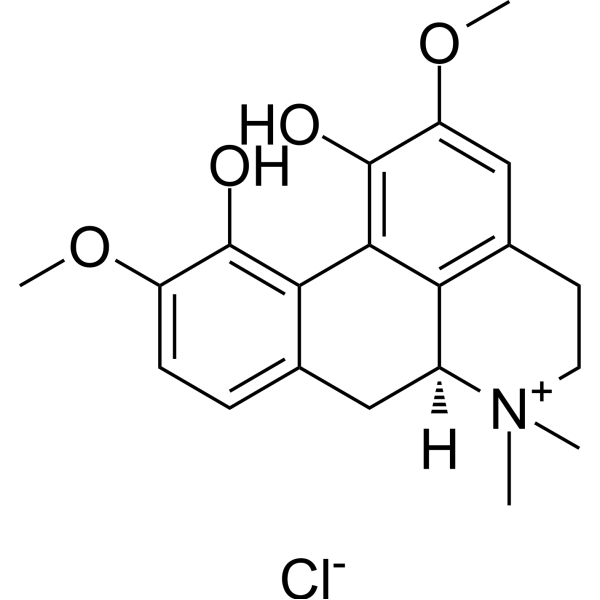 0 ImagesSynonyms: Magnoflorine chloride; α-Magnoflorine chloride; Thalictrine chloride(+)-Magnoflorine (α-Magnoflorine) chloride is an orally active aporphine alkaloid with multiple biological activities. (+)-Magnoflorine chloride promotes Parkin/PINK1-mediated mitochondrial autophagy, inhibits the activation of NLRP3/Caspase-1 pathway, regulates the intestinal microbiota, and exhibits significant anti-inflammatory and immunomodulatory activities. (+)-Magnoflorine chloride inhibits JNK and TLR4/NF-κB signaling pathways, activates Sirt1/AMPK pathway, alleviates neuronal oxidative stress and apoptosis. Magnoflorine chloride upregulates miR-410-3p, inhibits HMGB1/NF-κB pathway, and has anti-tumor activity. (+)-Magnoflorine chloride also has significant antifungal activity.
-
SIRT5 inhibitor 1
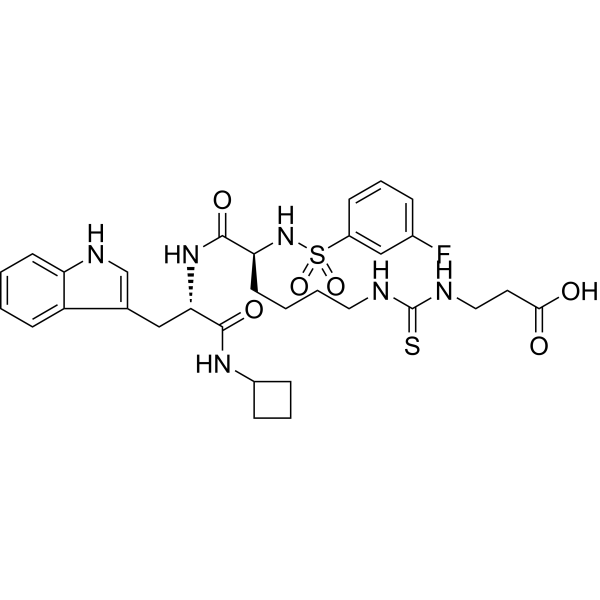 0 ImagesSIRT5 inhibitor 1 is a potent Human Sirtuin 5 deacylase inhibitor, with an IC50 of 0.11 μM.
-
Ponicidin
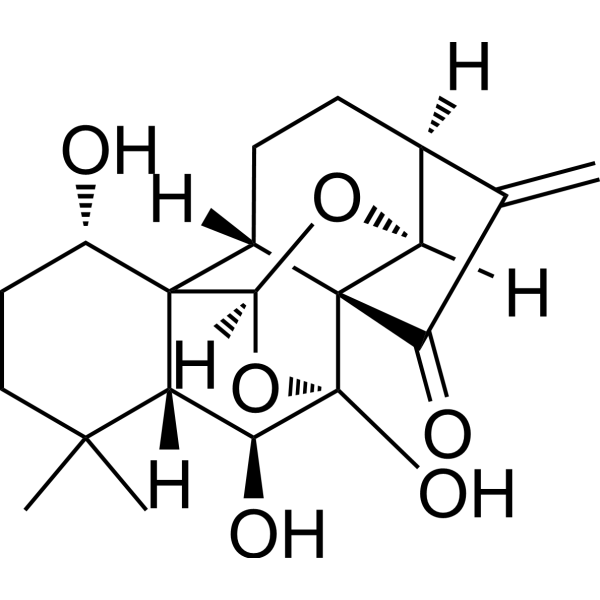 0 ImagesSynonyms: Rubescensine BPonicidin (Rubescensine B) is an orally active RIPK1 inhibitor with a Kd value of 135 nM. Ponicidin inhibits the JAK2/STAT3 pathway to induce apoptosis, activates the PI3K/Akt pathway, upregulates SIRT1 expression, alleviates oxidative stress, suppresses inflammatory responses and necroptosis, and blocks cell cycle progression. Ponicidin induces ROS production to exert antiproliferative and antiviral effects, while also improving cognitive function and reducing Aβ plaque deposition. Ponicidin can be used in studies related to hepatocellular carcinoma, Alzheimer's disease, and gastric cancer.
-
Rehmannioside D
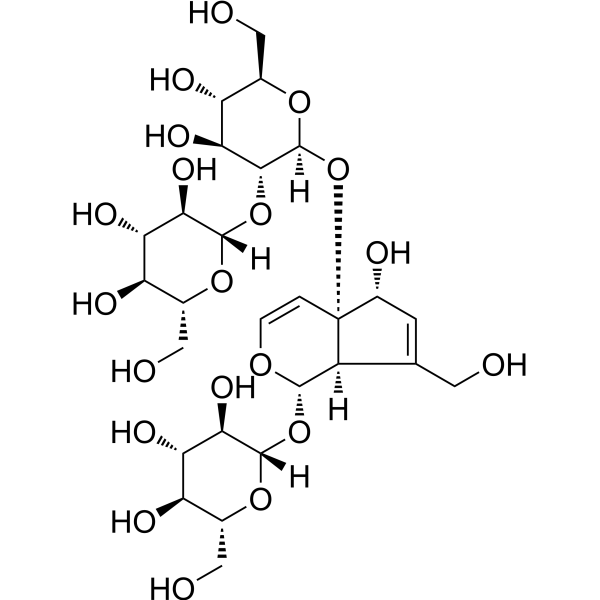 0 ImagesRehmannioside D is an orally active Sirt7 modulator. Rehmannioside D upregulates Sirt7 expression, inhibits the level of acetylated p53, and blocks the activation of the p53 signaling pathway. Rehmannioside D alleviates liver injury, inflammatory response, collagen deposition and hepatocyte apoptosis. Rehmannioside D is applicable to research related to liver fibrosis.
-
(+)-Magnoflorine iodide
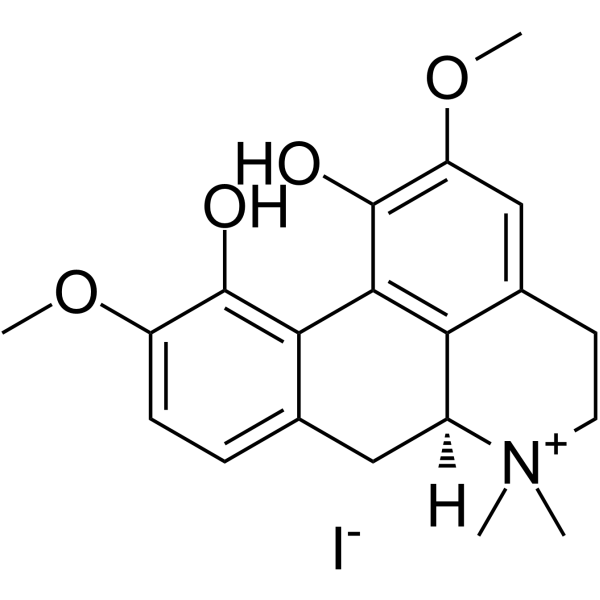 0 ImagesSynonyms: Magnoflorine iodide; α-Magnoflorine iodide; Thalictrine iodide(+)-Magnoflorine (α-Magnoflorine) iodide is an orally active aporphine alkaloid with multiple biological activities. (+)-Magnoflorine iodide promotes Parkin/PINK1 -mediated mitochondrial autophagy, inhibits the activation of NLRP3/Caspase-1 pathway, regulates the intestinal microbiota, and exhibits significant anti-inflammatory and immunomodulatory activities. (+)-Magnoflorine iodide inhibits JNK and TLR4/NF-κB signaling pathways, activates Sirt1/AMPK pathway, alleviates neuronal oxidative stress and apoptosis. Magnoflorine upregulates miR-410-3p, inhibits HMGB1/NF-κB pathway, and has anti-tumor activity. (+)-Magnoflorine iodide also has significant antifungal activity.
-
Nicotinic acid mononucleotide
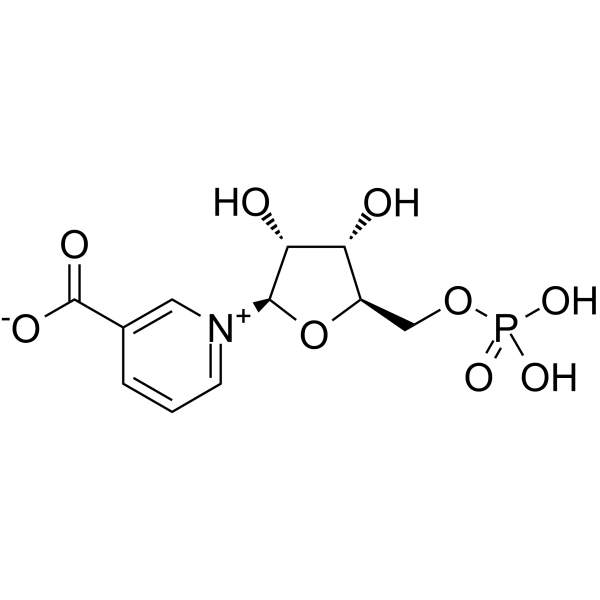 0 ImagesNicotinic acid mononucleotide acts as a SARM1 inhibitor and a NAD+ biosynthesis intermediate, with an IC50 value of 93.3 μM against SARM1. Nicotinic acid mononucleotide exerts axon-protective effects, delays axonal degeneration, elevates NAD+ levels, enhances Sirt1 activity, improves myocardial capillary density and alleviates myocardial fibrosis. Nicotinic acid mononucleotide reverses diabetic cardiomyopathy in diabetic mice by increasing myocardial NAD+ levels. Nicotinic acid mononucleotide is applicable to research related to cancer, multiple sclerosis, diabetic cardiomyopathy, neurodegenerative diseases and Huntington's disease.
-
PDRN
 0 ImagesCat. No.: HY-W250160CAS No.: 100403-24-5Synonyms: PolydeoxyribonucleotidePDRN (Polydeoxyribonucleotide) is a deoxynucleotide polymer mainly derived from the sperm of rainbow trout or salmon. PDRN inhibits pro-inflammatory factors and promotes VEGF expression via the cAMP-PKA pathway by activating the adenosine A2A receptor (A2AR), thereby driving angiogenesis and collagen deposition in fibroblasts. Degradation products of PDRN provide DNA raw materials for proliferating cells through the salvage synthesis pathway, accelerating re-epithelialization. PDRN reduces melanin synthesis and cell apoptosis by upregulating ERK/AKT phosphorylation and inhibiting the activities of MITF and tyrosinase, and resists skin aging by attenuating nuclear autophagy and blocking the interaction between LC3-SIRT1. PDRN is mainly used for wound repair, post-aesthetic surgery recovery and anti-aging research.
-
Nicotinamide riboside chloride (Standard)
 0 ImagesNicotinamide riboside (chloride) (Standard) is the analytical standard of Nicotinamide riboside (chloride). This product is intended for research and analytical applications. Nicotinamide riboside Chloride, an orally active NAD+ precursor, increases NAD+ levels and activates SIRT1 and SIRT3. Nicotinamide riboside Chloride is a source of vitamin B3 (niacin) and enhances oxidative metabolism, protection against high fat diet-induced metabolic abnormalities[1]. Nicotinamide riboside Chloride reduces cognitive deterioration in a transgenic mouse model of Alzheimer’s disease[2].