



SIRT3
SIRT3 is the major mitochondrial protein lysine deacetylase and regulates mitochondrial homeostasis by deacetylating proteins involved in energy metabolism, antioxidant defense, and redox adaptation[1][2]. Mechanistically, SIRT3 limits mitochondrial oxidative damage through targets including SOD2, PRDX3, COX4I2, and ALDH2, thereby linking lysine acetylation to reactive oxygen species control, respiratory-chain function, and aldehyde detoxification[3][4][5][6]. In disease models, SIRT3 deletion promotes endothelial dysfunction, vascular inflammation, vascular hypertrophy, and age-dependent hypertension, whereas SIRT3 overexpression reduces vascular oxidative stress and attenuates angiotensin II- and deoxycorticosterone acetate-salt-induced hypertension[3]. In intestinal ischemia/reperfusion injury, SIRT3-mediated PRDX3 deacetylation reduces mitochondrial oxidative damage and apoptosis; in osteoarthritis models, SIRT3 deacetylates COX4I2 to maintain mitochondrial respiratory-chain homeostasis and protect cartilage integrity[4][5]. Compared with related isoforms, SIRT3 differs experimentally because it localizes to mitochondria, whereas structurally similar SIRT1 and SIRT2 localize primarily to the nucleus and cytosol[1]. For experimental applications, honokiol activates SIRT3 in osteoarthritis models, while mitochondria-targeted SIRT3 inhibitors increase MnSOD acetylation with limited effects on known SIRT1 and SIRT2 targets[5][1].
Verweise:
- [1]. Troelsen KS, Bæk M, Nielsen AL, Madsen AS, Rajabi N, Olsen CA. Mitochondria-targeted inhibitors of the human SIRT3 lysine deacetylase. RSC Chem Biol. 2021 Feb 1;2(2):627-635. [Content Brief]
- [2]. Sack MN. The role of SIRT3 in mitochondrial homeostasis and cardiac adaptation to hypertrophy and aging. J Mol Cell Cardiol. 2012 Mar;52(3):520-5. doi: 10.1016/j.yjmcc.2011.11.004. Epub 2011 Nov 19. PMID: 22119802; PMCID: PMC3294048. et al. The role of SIRT3 in mitochondrial homeostasis and cardiac adaptation to hypertrophy and aging. J Mol Cell Cardiol. 2012 Mar;52(3):520-5. [Content Brief]
- [3]. Dikalova AE, et al. Mitochondrial Deacetylase Sirt3 Reduces Vascular Dysfunction and Hypertension While Sirt3 Depletion in Essential Hypertension Is Linked to Vascular Inflammation and Oxidative Stress. Circ Res. 2020 Feb 14;126(4):439-452. [Content Brief]
- [4]. Wang Z, et al. SIRT3-mediated deacetylation of PRDX3 alleviates mitochondrial oxidative damage and apoptosis induced by intestinal ischemia/reperfusion injury. Redox Biol. 2020 Jan;28:101343. [Content Brief]
- [5]. Zhang Y, et al. Reprogramming of Mitochondrial Respiratory Chain Complex by Targeting SIRT3-COX4I2 Axis Attenuates Osteoarthritis Progression. Adv Sci (Weinh). 2023 Apr;10(10):e2206144. [Content Brief]
- [6]. Harris PS, et al. Characterizing Sirtuin 3 Deacetylase Affinity for Aldehyde Dehydrogenase 2. Chem Res Toxicol. 2017 Mar 20;30(3):785-793. [Content Brief]
-
SIRT3 Verwandte Produkte (43)
Verwandte Produkte (43)

-
Antibodies (1)
-
Nicotinamide riboside chloride
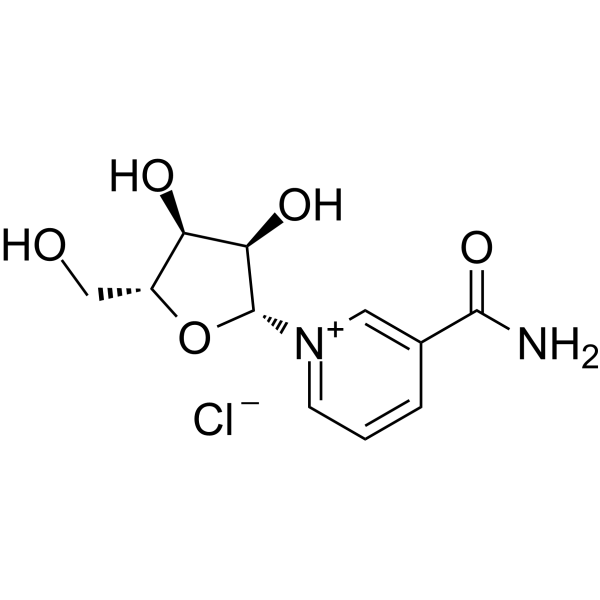 0 ImagesNicotinamide riboside Chloride, an orally active NAD+ precursor, increases NAD+ levels and activates SIRT1 and SIRT3. Nicotinamide riboside Chloride is a source of vitamin B3 (niacin) and enhances oxidative metabolism, protection against high fat diet-induced metabolic abnormalities. Nicotinamide riboside Chloride reduces cognitive deterioration in a transgenic mouse model of Alzheimer’s disease.
-
3-TYP
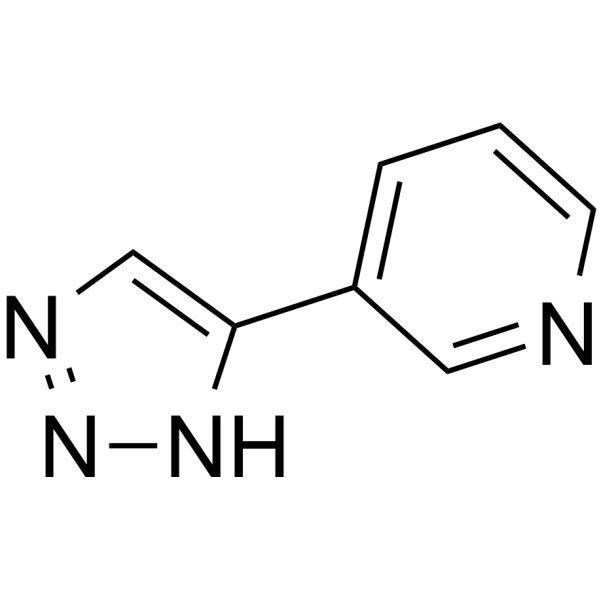 0 Images3-TYP is an inhibitor of SIRT3 (IC50of 38 μM) and an inhibitor of Methionine Adenosyltransferase (MAT) 2 and Indoleamine 2,3-Dioxygenase (IDO). There may be many off-target sites for 3-TYP that need to be examined, such as NAD-dependent enzymes, including dehydrogenases.
-
Gamma-glutamylcysteine
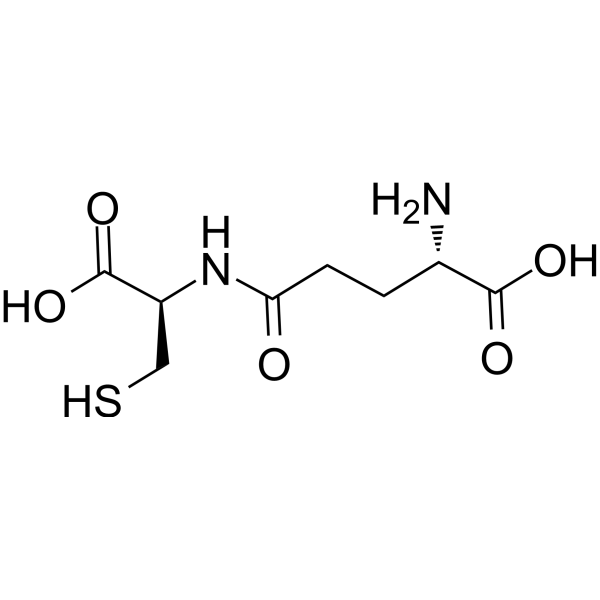 0 ImagesGamma-glutamylcysteine (γ-Glu-Cys) is an orally active, blood-brain barrier permeable dipeptide. Gamma-glutamylcysteine activates AMPK, SIRT1, IL-4/STAT6, AC/cAMP/PI3K, IGF-1R/IRS1/PI3K, and Nrf2 signaling pathways; it inhibits NF-κB, JAK1/STAT1/3, MAPKs, cadmium-induced p38 MAPK, JNK, and PI3K/Akt signaling pathways. Gamma-glutamylcysteine regulates macrophage polarization, modulates the trafficking of CD36 and GLUT4, induces glutathione synthesis, improves metabolic dysfunction, reduces lipid deposition, ameliorates glucose homeostasis, inhibits apoptosis (Apoptosis), stabilizes mitochondria, suppresses lipid peroxidation, iron accumulation and ferroptosis (Ferroptosis), reduces ds-HMGB1 levels, reverses mechanical hyperalgesia, and alleviates hepatic lipid droplet formation. Gamma-glutamylcysteine is applicable to research related to inflammatory bowel disease, type 2 diabetes, cadmium-induced neurotoxicity, Alzheimer's disease, cerebral ischemia/reperfusion injury, neuropathy, and alcoholic liver disease.
-
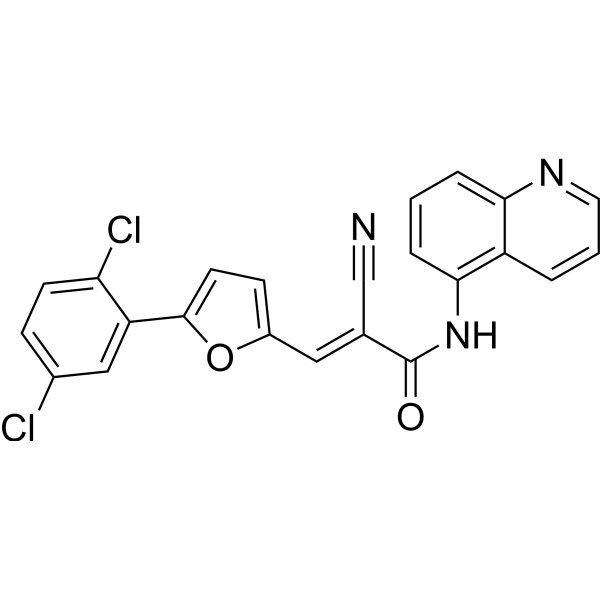
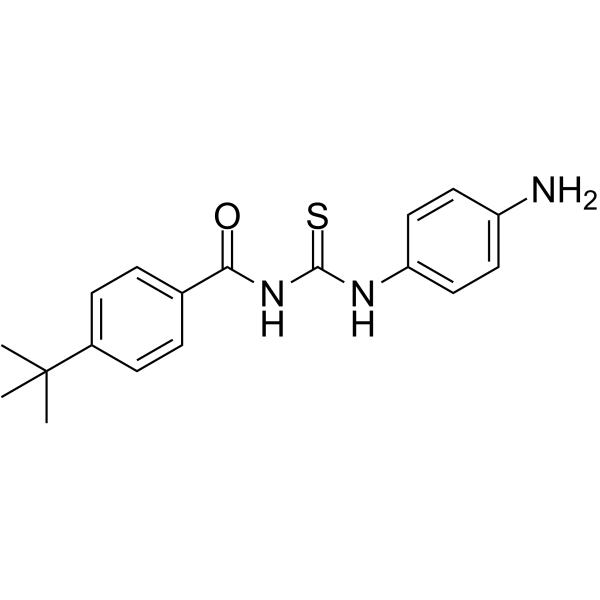
2-APQC
 0 Images2-APQC is an orally active and selective agonist of Sirtuin-3 (SIRT3) (Kd=2.756 μM), antagonizes Isoproterenol/ISO (HY-B0468)-induced cytotoxicity. 2-APQC activates the SIRT3-PYCR1 axis to enhance mitochondrial proline metabolism and inhibit the ROS-p38MAPK pathway by inhibiting signaling pathways such as mTOR-p70S6K, JNK, and TGF-β/Smad3. 2-APQC also activates the AMPK-Parkin axis to alleviate myocardial hypertrophy and fibrosis and protect cardiac function. 2-APQC can be used in the study of heart failure.

-
OXPHOS-IN-3
 0 ImagesArt. -Nr.: HY-184173OXPHOS-IN-3 is a mitochondria-targeted dual OXPHOS/glycolysis inhibitor. OXPHOS-IN-3 exhibits potent antiproliferative activity against pancreatic cancer cells. OXPHOS-IN-3 induces mitochondrial dysfunction, ferroptosis, and immunogenic cell death (ICD). OXPHOS-IN-3 shows potent antitumor activity in pancreatic ductal adenocarcinoma (PDAC) models.
-
Perindopril
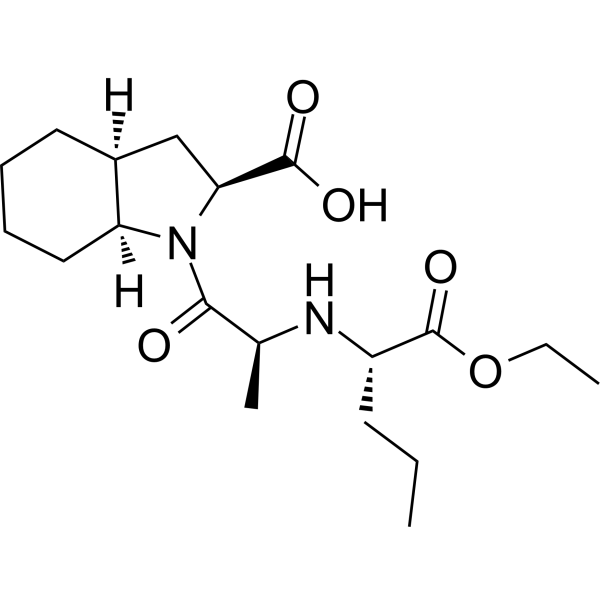 0 ImagesSynonyms: S-9490Perindopril erbumine is an angiotensin-converting enzyme inhibitor. Perindopril erbumine modulates NFκB and STAT3 signaling and inhibits glial activation and neuroinflammation. Perindopril erbumine can be used for the research of Chronic Kidney Disease and high blood pressure.
-
Tenovin-6
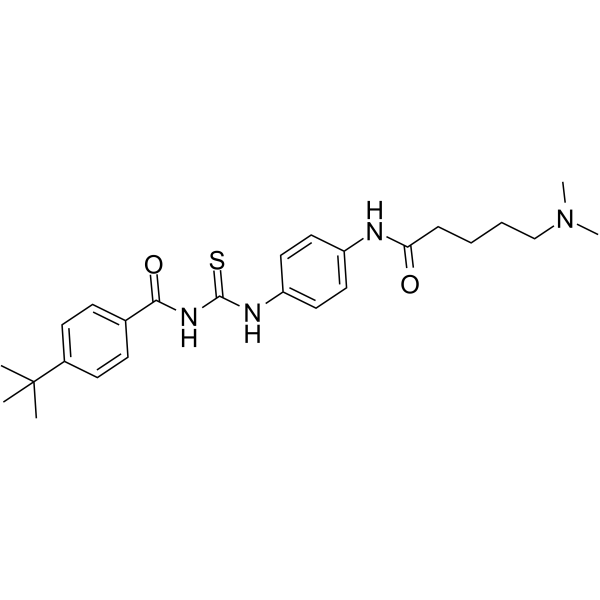 0 ImagesTenovin-6, an analog of Tenovin-1 (HY-13423), is an activator of p53 transcriptional activity. Tenovin-6 inhibits the protein deacetylase activities of purified human SIRT1, SIRT2, and SIRT3 with IC50s of 21 μM, 10 μM, and 67 μM, respectively. Tenovin-6 also inhibits dihydroorotate dehydrogenase (DHODH).
-
Ganoderic acid D
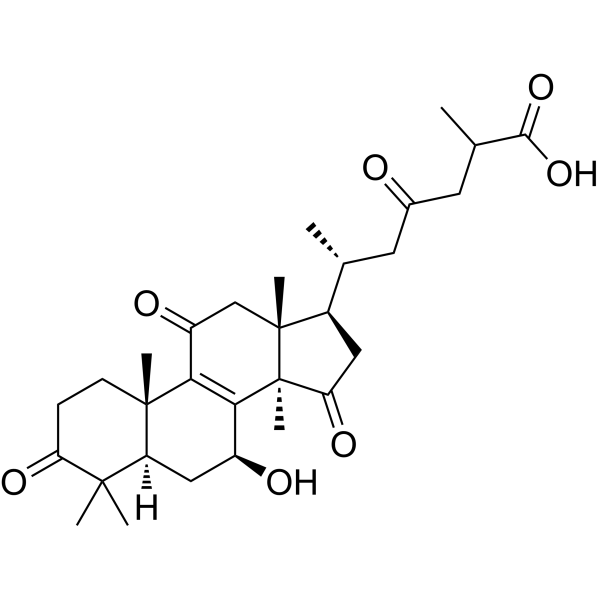 0 ImagesGanoderic acid D, a highly oxygenated tetracyclic triterpenoid, is the major active component of Ganoderma lucidum. Ganoderic acid D upregulates the protein expression of SIRT3 and induces the deacetylated cyclophilin D (CypD) by SIRT3. Ganoderic acid D inhibits the energy reprogramming of colon cancer cells including glucose uptake, lactate production, pyruvate and acetyl-coenzyme production in colon cancer cells. Ganoderic acid D induces HeLa human cervical carcinoma apoptosis.
-
Phellopterin
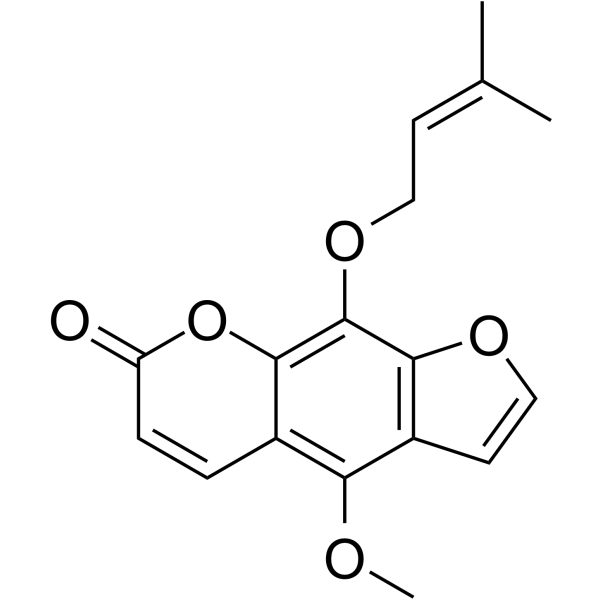 0 ImagesPhellopterin, an orally active furocoumarin with multiple biological activities. Phellopterin is a partial agonist of the central benzodiazepine receptors. Phellopterin exerts anti-inflammatory effects by upregulating SIRT1, downregulating ICAM-1 (reducing chronic inflammation, aiding diabetic ulcer healing), inhibiting STAT3 phosphorylation (easing atopic dermatitis inflammation), regulating Akt/PKC pathways (lowering TNF-α-induced VCAM-1 to block monocyte adhesion), and inhibiting TLR4/NF-κB pathway and macrophage M2 polarization (alleviating colitis-related cancers). Phellopterin suppresses ovarian cancer progression via inhibiting the PU.1/CLEC5A/PI3K-AKT loop (inducing cell cycle arrest, apoptosis, DNA damage). Phellopterin alleviates murine diabetes by promoting adipocyte differentiation and increasing PPARγ. Phellopterin also has anti-HSV-1 activity. Phellopterin can be used for studying anti-inflammation, anti-cancer (e.g., ovarian cancer, colitis cancer), blood glucose lowering, anti-diabetes, and anti-virus.
-
Tetramethyluric acid
 0 ImagesSynonyms: 1,3,7,9-Tetramethyluric acid; TheacrineTetramethyluric acid (1,3,7,9-Tetramethyluric acid) is an orally active purine alkaloid in Coffea species and Camellia kucha. Tetramethyluric acid exhibits antiviral, and anti-inflammatory activity. Tetramethyluric acid can be used for the research of inflammation disease, and influenza virus infection.
-
SIRT-IN-2
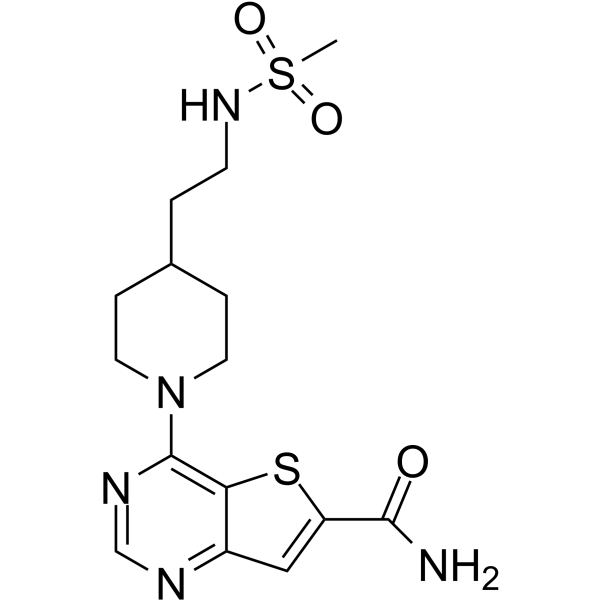 0 ImagesArt. -Nr.: HY-16616CAS. Nr.: 1431411-66-3SIRT-IN-2 is a potent inhibitor of SIRT1/2/3, with IC50s of 4, 4, 7 nM, respectively.
-
Perindopril erbumine
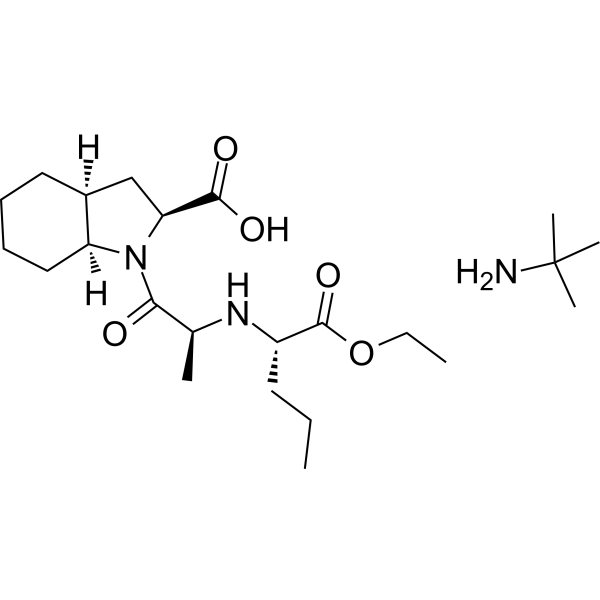 0 ImagesSynonyms: Perindopril (tert-butylamine salt); S-9490 erbuminePerindopril erbumine is an angiotensin-converting enzyme inhibitor. Perindopril erbumine modulates NF-κB and STAT3 signaling and inhibits glial activation and neuroinflammation. Perindopril erbumine can be used for the research of Chronic Kidney Disease and high blood pressure.
-
5-Heptadecylresorcinol
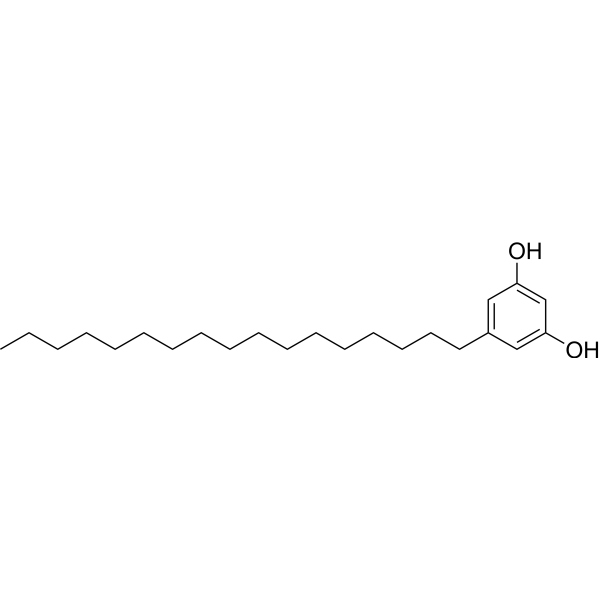 0 ImagesSynonyms: 5-n-Heptadecylresorcinol; AR-C175-Heptadecylresorcinol (AR-C17), a phenolic lipid component, is also an orally active mitochondrial protector. 5-Heptadecylresorcinol improves mitochondrial function via sirtuin3 signaling pathway, thus alleviates endothelial cell damage and apoptosis. 5-Heptadecylresorcinol induces sirtuin3-mediated autophagy. 5-Heptadecylresorcinol reduces the atherosclerotic plaques in the aortic root region of mice heart. 5-Heptadecylresorcinol can be used for research of atherosclerosis prevention and obesity.
-
SIRT6-IN-6
 0 ImagesSIRT6-IN-6 (compound 6d) is a potent and selective SIRT6 inhibitor with an IC50 of 4.93 μM and a Ki of ~10 μM. SIRT6-IN-6 shows selectivity against other members of the HDAC family (SIRT1-3 and HDAC1-11). SIRT6-IN-6 significantly increases the level of glucose transporter GLUT-1, thereby reducing blood glucose in a mouse model of type 2 diabetes. SIRT6-IN-6 can be used for type 2 diabetes research.
-
Spinacetin
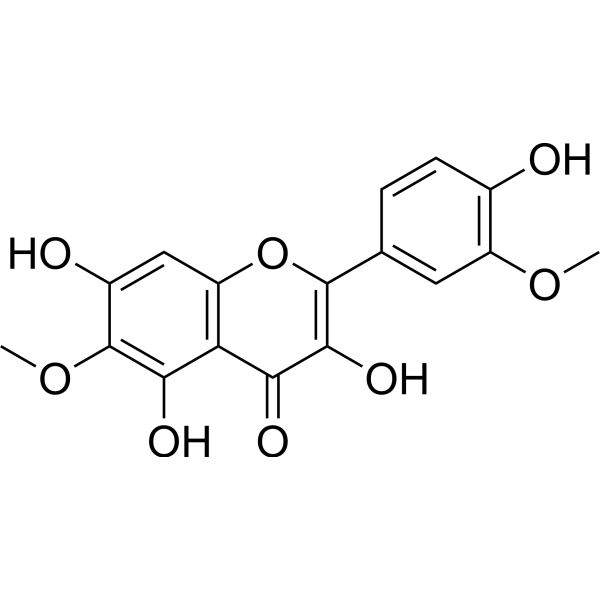 0 ImagesSpinacetin is an orally active flavonoid glycoside found in Inula japonica, with antioxidant and anti-inflammatory activities. Spinacetin inhibits major inflammatory signaling pathways such as Syk, MAPK, and NF-κB, and reduces Ca2+-dependent release of allergic mediators. Spinacetin induces protective autophagy and enhances antioxidant defense by upregulating SIRT3/SIRT1/PGC-1α, activating AMPK, and inhibiting mTOR and NF-κB, thereby exerting anti-apoptotic, cardioprotective, bladder-protective, and hepatoprotective effects. Spinacetin alleviates Doxorubicin (HY-15142A)-induced cardiotoxicity and reduces Cyclophosphamide (HY-17420)-induced hemorrhagic cystitis. Spinacetin can be used in research on allergic reactions, cardiotoxicity, cystitis, and cadmium-aggravated hepatic ischemia.
-
Tenovin-6 Hydrochloride
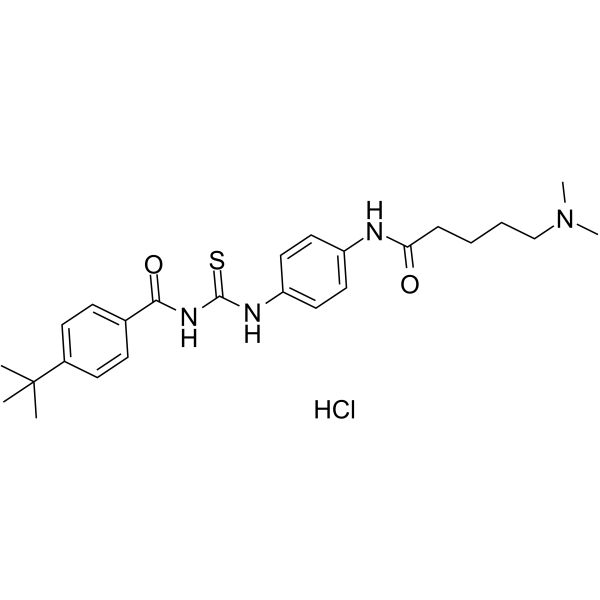 0 ImagesTenovin-6 Hydrochloride, an analog of Tenovin-1 (HY-13423), is an activator of p53 transcriptional activity. Tenovin-6 Hydrochloride inhibits the protein deacetylase activities of purified human SIRT1, SIRT2, and SIRT3 with IC50s of 21 μM, 10 μM, and 67 μM, respectively. Tenovin-6 Hydrochloride also inhibits dihydroorotate dehydrogenase (DHODH).




