



GLUT4
GLUT4 is the principal insulin-responsive glucose transporter mediating glucose uptake in skeletal muscle and adipose tissue, thereby supporting whole-body glucose homeostasis[1]. Mechanistically, insulin increases glucose uptake by regulating the trafficking of GLUT4-containing vesicles to the plasma membrane through insulin signaling, including PI3K/Akt-linked processes[2][3]. This trafficking process matters for metabolic disease because impaired insulin-stimulated GLUT4 translocation in muscle and adipose tissue underlies insulin resistance, a major risk factor for type 2 diabetes and other metabolic disorders[3][4]. In disease models, GLUT4 heterozygous knockout mice develop muscle insulin resistance and diabetes, supporting the experimental value of GLUT4 expression and trafficking models[5]. Compared with related isoforms, GLUT4 differs from GLUT1 because its intracellular targeting is isoform specific, and GLUT1 and GLUT4 contain sequence information that directs them to distinct cellular compartments[6][7]. For research applications, human GLUT4 structural analysis with cytochalasin B and endogenous GLUT4 translocation assays provide tools for studying transporter inhibition, trafficking regulation, and insulin resistance in cell models[8][9]. WZB117 also inhibits insulin-regulated GLUT4 more potently than GLUT1 or GLUT3, making isoform selectivity an important variable in inhibitor-based study design[10].
参考文献:
- [1]. Hoeffer CA, et al. Removal of FKBP12 enhances mTOR-Raptor interactions, LTP, memory, and perseverative/repetitive behavior. Neuron. 2008 Dec 10;60(5):832-45. [Content Brief]
- [2]. Leto D, et al. Regulation of glucose transport by insulin: traffic control of GLUT4. Nat Rev Mol Cell Biol. 2012 May 23;13(6):383-96. [Content Brief]
- [3]. van Gerwen J, et al. Insulin signalling and GLUT4 trafficking in insulin resistance. Biochem Soc Trans. 2023 Jun 28;51(3):1057-1069. [Content Brief]
- [4]. Shepherd PR, et al. Glucose transporters and insulin action--implications for insulin resistance and diabetes mellitus. N Engl J Med. 1999 Jul 22;341(4):248-57. [Content Brief]
- [5]. Stenbit AE, et al. GLUT4 heterozygous knockout mice develop muscle insulin resistance and diabetes. Nat Med. 1997 Oct;3(10):1096-101. [Content Brief]
- [6]. Haney PM, et al. Intracellular targeting of the insulin-regulatable glucose transporter (GLUT4) is isoform specific and independent of cell type. J Cell Biol. 1991 Aug;114(4):689-99. [Content Brief]
- [7]. Verhey KJ, et al. Distinct signals in the GLUT4 glucose transporter for internalization and for targeting to an insulin-responsive compartment. J Cell Biol. 1995 Sep;130(5):1071-9. [Content Brief]
- [8]. Yuan Y, et al. Cryo-EM structure of human glucose transporter GLUT4. Nat Commun. 2022 May 13;13(1):2671. [Content Brief]
- [9]. Diaz-Vegas A, et al. A high-content endogenous GLUT4 trafficking assay reveals new aspects of adipocyte biology. Life Sci Alliance. 2022 Oct 25;6(1):e202201585. [Content Brief]
- [10]. Ojelabi OA, et al. WZB117 (2-Fluoro-6-(m-hydroxybenzoyloxy) Phenyl m-Hydroxybenzoate) Inhibits GLUT1-mediated Sugar Transport by Binding Reversibly at the Exofacial Sugar Binding Site. J Biol Chem. 2016 Dec 23;291(52):26762-26772. [Content Brief]
-
GLUT4 関連製品 (31)
関連製品 (31)

-
抗体 (2)
- 1
- 2
-
BAY-876
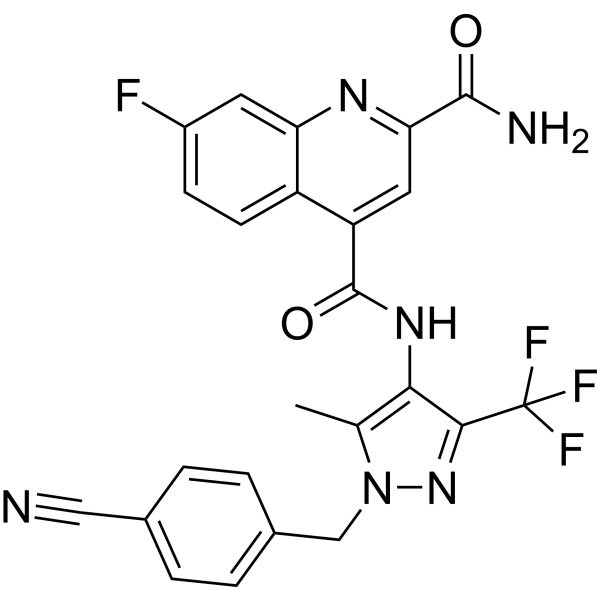 0 ImagesBAY-876, a chemical probe, is an orally active and selective glucose transporter 1 (GLUT1) inhibitor with an IC50 of 2 nM. BAY-876 is >130-fold more selective for GLUT1 than GLUT2, GLUT3, and GLUT4. BAY-876 is also a potent blocker of glycolytic metabolism and ovarian cancer growth. In addition, BAY-876 can induce the formation of disulfide bonds in actin cytoskeletal proteins, leading to the occurrence of cellular disulfidptosis.
-
KL-11743
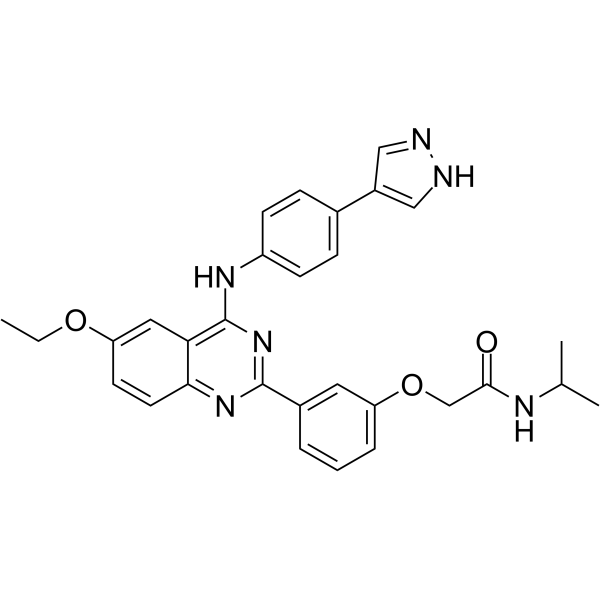 0 ImagesKL-11743 is a potent, orally active, and glucose-competitive inhibitor of the class I glucose transporters, with IC50s of 115, 137, 90, and 68 nM for GLUT1, GLUT2, GLUT3, and GLUT4, respectively. KL-11743 specifically blocks glucose metabolism. KL-11743 can synergize with electron transport inhibitors to induce cell death. In addition, KL-11743 can induce the formation of disulfide bonds in actin cytoskeletal proteins, leading to the occurrence of cellular disulfidptosis.
-
Rhoifolin
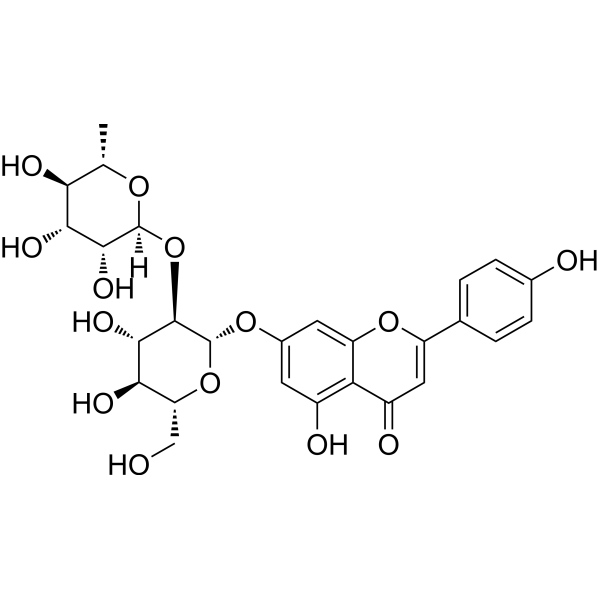 0 ImagesRhoifolin is a flavone glycoside can be isolated from Rhus succedanea. Rhoifolin has anti-diabetic effect acting through enhanced adiponectin secretion, tyrosine phosphorylation of insulin receptor-β and glucose transporter 4 (GLUT 4) translocation. Rhoifolin has an anti-inflammatory action via multi-level regulation of inflammatory mediators. Rhoifolin ameliorates titanium particle-stimulated osteolysis and attenuates osteoclastogenesis via RANKL-induced NF-κB and MAPK pathways. Rhoifolin also has cytotoxic activity against different cancer cell lines.
-
MOTS-c (human)
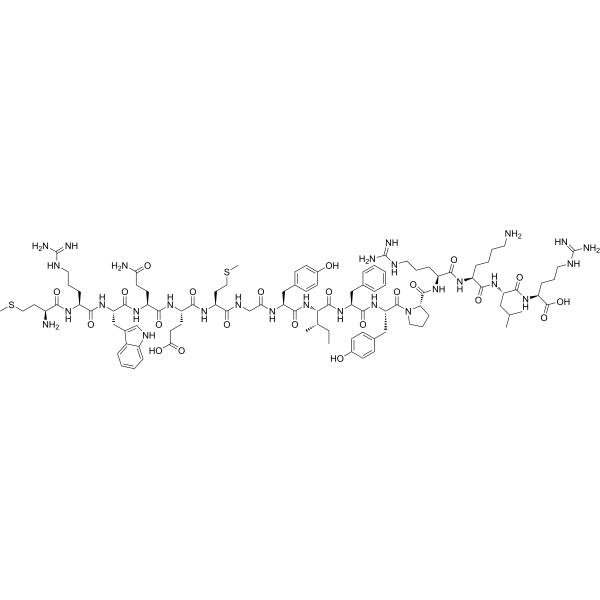 0 ImagesMOTS-c (human) is a mitochondrial-derived peptide that modulates the AMPK/PGC-1α pathway to enhance insulin sensitivity. MOTS-c (human) inhibits the folate cycle and de novo purine synthesis, increases AICAR levels to activate AMPK, and then regulates the Nrf2/Keap1 antioxidant pathway and inhibits the NF-κB inflammatory pathway, while promoting mitochondrial biogenesis and energy metabolism. MOTS-c (human) has the effects of improving glucose and lipid metabolism, anti-oxidative stress, anti-inflammatory and neuroprotection, and can be used in the study of type 2 diabetes, traumatic brain injury, inflammatory diseases and aging-related metabolic disorders.
-
MOTS-c(human) acetate
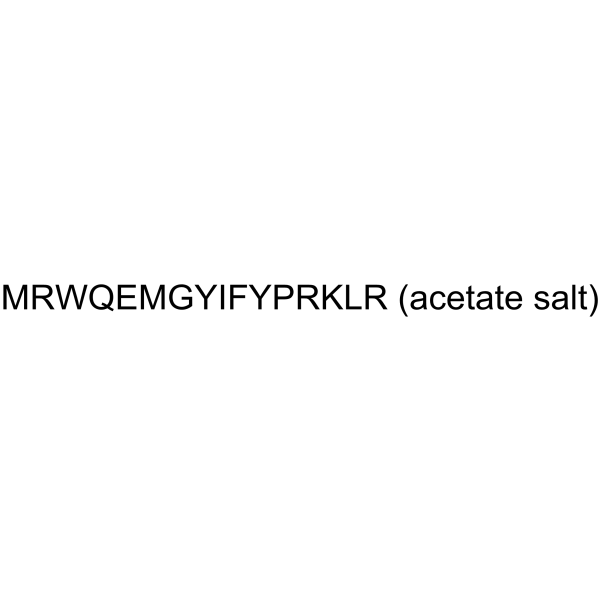 0 Images製品番号: HY-P2048A純度: 99.74%MOTS-c (human) acetate is a mitochondrial-derived peptide that modulates the AMPK/PGC-1α pathway to enhance insulin sensitivity. MOTS-c (human) acetate inhibits the folate cycle and de novo purine synthesis, increases AICAR levels to activate AMPK, and then regulates the Nrf2/Keap1 antioxidant pathway and inhibits the NF-κB inflammatory pathway, while promoting mitochondrial biogenesis and energy metabolism. MOTS-c (human) acetate has the effects of improving glucose and lipid metabolism, anti-oxidative stress, anti-inflammatory and neuroprotection, and can be used in the study of type 2 diabetes, traumatic brain injury, inflammatory diseases and aging-related metabolic disorders.
-
p-Synephrine
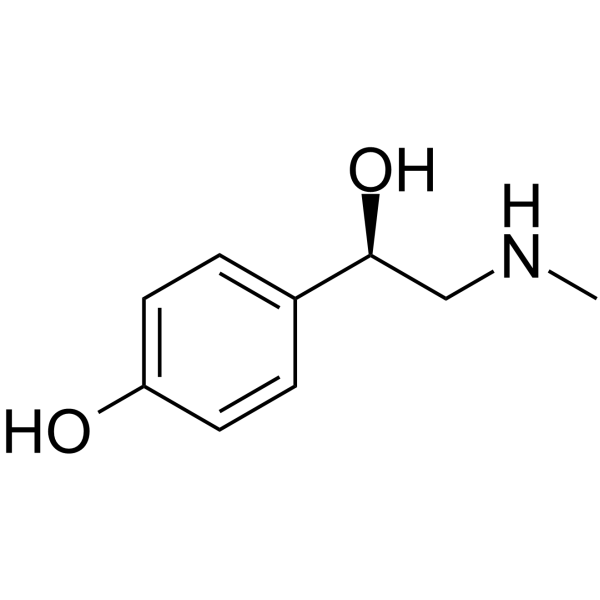 0 Imagesp-Synephrine is an orally active alkaloid dietary supplement without indirect sympathomimetic activity or cardiovascular stimulatory activity. p-Synephrine stimulates AMPK phosphorylation and mediates Glut4 translocation to increase glucose consumption and lactate production in skeletal muscle cells. p-Synephrine also downregulates the p38 MAPK and NF-κB signaling pathways to inhibit pro-inflammatory cytokine production and alter oxidative metabolism. p-Synephrine exhibits low subchronic toxicity in mice. p-Synephrine can be applied to research related to systemic inflammatory response syndrome, obesity, and type 2 diabetes.
-
D927
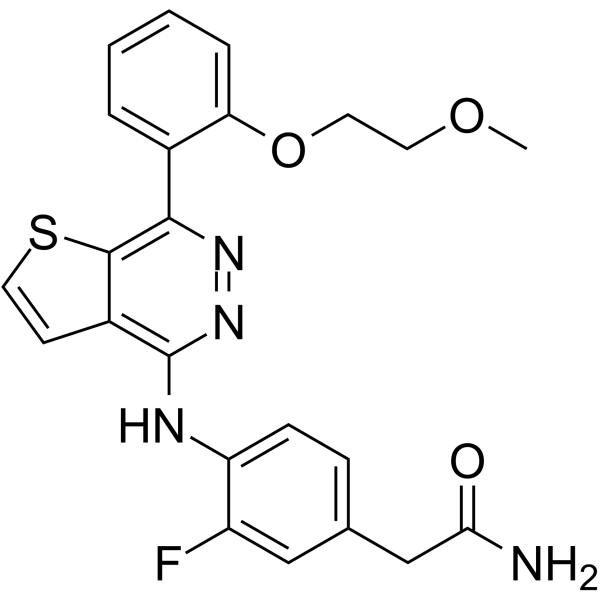 0 Images別名: DS11252927D927 (DS11252927) is an orally active glucose transporter type 4 (GLUT4) translocation activator with an EC50 of 0.14 μM. D927 enhances the binding affinity of PI3Kα catalytic subunit p110α to canonical RAS proteins (KRAS4A, KRAS4B) and RRAS, RRAS2, MRAS. D927 activates the PI3Kα-AKT pathway (increasing phosphorylation of AKT, p70S6 kinase) without affecting the RAF-ERK1/2 pathway. D927 improves hyperglycemia in type 1 and type 2 diabetes mice model. D927 can be used for the study of glucose homeostasis disorders and diabetes.
-
Fasentin
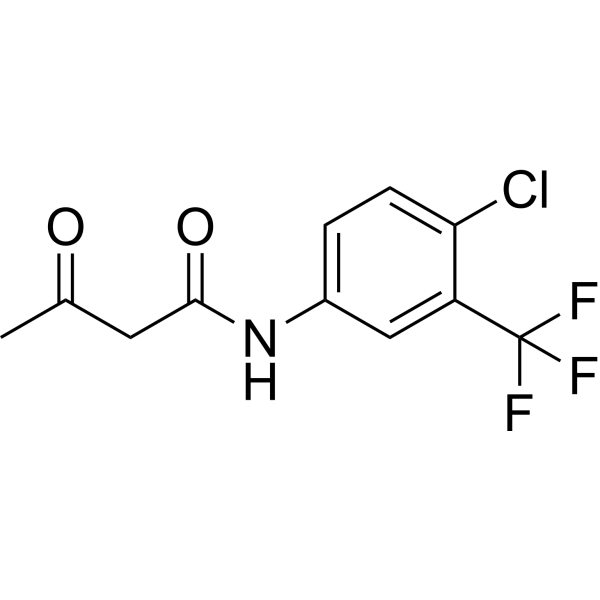 0 ImagesFasentin, a potent glucose uptake inhibitor, inhibits GLUT-1/GLUT-4 transporters. Fasentin preferentially inhibits GLUT4 (IC50=68 μM) over GLUT1. Fasentin is a death receptor stimuli (FAS) sensitizer and sensitizes cells to FAS-induced cell death. Fasentin is also a tumor necrosis factor (TNF) apoptosis-inducing ligand sensitizer. Fasentin blocks glucose uptake in cancer cell lines and has anti-angiogenic activity.
-
DS02312223
 0 Images別名: D223DS02312223 (D223) is a molecular glue that promotes the binding of RAS to PI3Kα, with a Kd of 0.76 μM for p110α. DS02312223 increases the binding affinity between GTP-bound KRAS (KRAS-GMPPNP) and p110α by nearly three orders of magnitude (KD = 0.017 μM). DS02312223 stimulates the translocation of GLUT4 to the plasma membrane. DS02312223 promotes glucose uptake in the absence of insulin. DS02312223 can be used in diabetes research.
-
Deoxyandrographolide
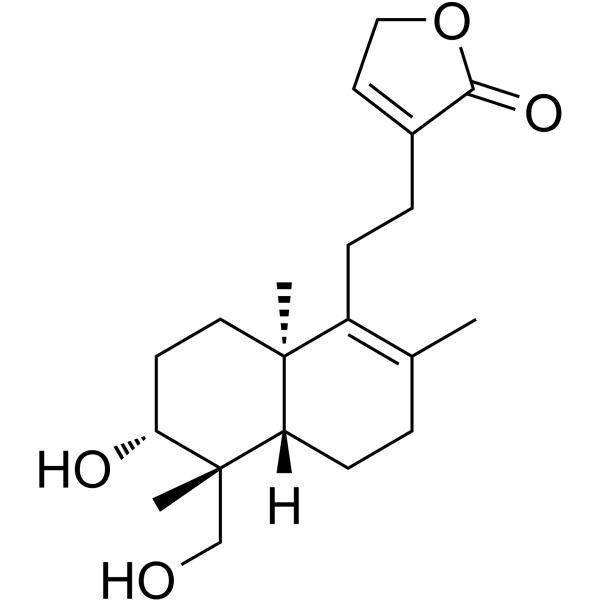 0 ImagesDeoxyandrographolide is an orally active lactone found in the Andrographis paniculata Nees. Deoxyandrographolide shows a KD of 38.4 μM of HDAC1. Deoxyandrographolide enhances GLUT4 plasma membrane translocation, activates PI3K and AMPK-dependent signaling pathways, suppresses fasting blood glucose, serum insulin, triglycerides, and LDL-cholesterol levels. Deoxyandrographolide enhances HDAC1 expression via inhibited ubiquitination degradation, represses H3K4me3, improves chromosome stability, and restrains aging biomarkers p16, p21, γH2A.X, p53 and ROS production. Deoxyandrographolide interacts with Foot-and-Mouth Disease Virus 3Cpro active site, inhibits protease and IFN-antagonist activity, derepresses ISG expression, and inhibits viral replication. Deoxyandrographolide can be used for the researches of type 2 diabetes mellitus, vascular senescence and virus infection.
-
1,2-Dipalmitoyl-sn-glycerol
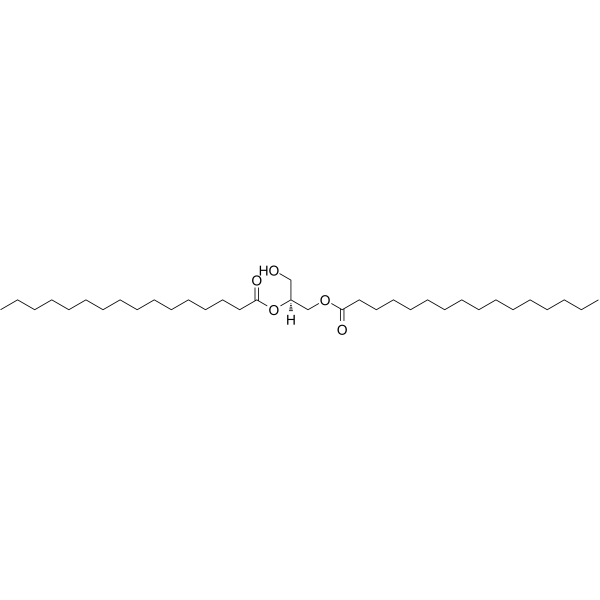 0 Images1,2-Dipalmitoyl-sn-glycerol is a diacylglycerol that activates PKC. 1,2-Dipalmitoyl-sn-glycerol promotes GLUT4 translocation to the cell surface and recruitment to the plasma membrane of adipocytes. 1,2-Dipalmitoyl-sn-glycerol can be used in research on type 2 diabetes.
-
Cichoriin
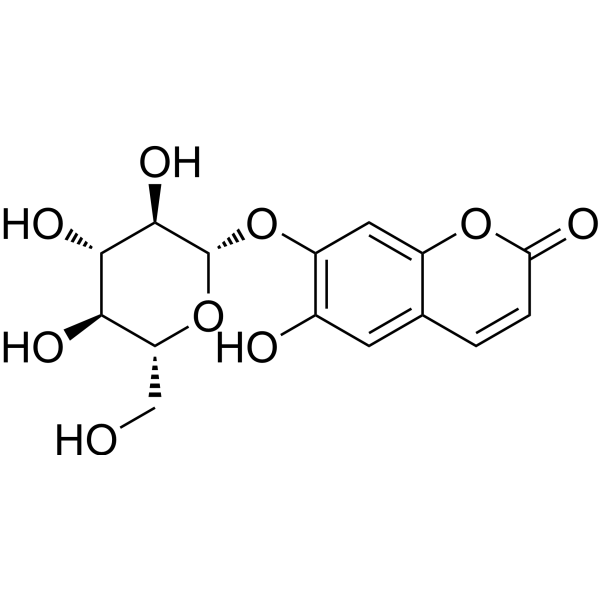 0 ImagesCichoriin is an orally active coumarin glycoside with broad biological activities. Cichoriin exhibits inhibitory activities against α-amylase, α-glucosidase, pancreatic lipase and DPP-IV, with IC50 values of 5.76, 2.94, 16.83 and 9.16 μg/mL, respectively. Cichoriin significantly improves metabolic dysfunction-associated steatohepatitis (MASH) in mice by activating the AMPK signaling pathway. Cichoriin upregulates PPAR-γ in adipose tissue and alleviates obesity and associated cardiorenal injury in rats. Cichoriin blocks monosodium urate crystal-induced activation of the NLRP3 inflammasome and cell pyroptosis by inhibiting P2Y14R (IC50 = 8.47 nM). In silico virtual screening reveals that Cichoriin has a strong binding affinity for SARS-CoV-2.
-
Pterosin A
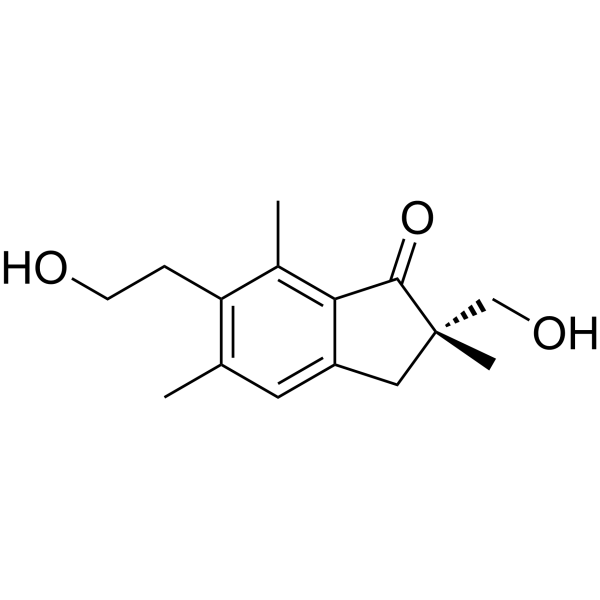 0 Images製品番号: HY-N7912CAS 番号: 35910-16-8別名: (2S)-Pterosin APterosin A ((2S)-Pterosin A) is a sesquiterpene compound. Pterosin A is an orally active AMPK activator with anti-diabetic effect. Pterosin A can promote glucose uptake, increase serum insulin, and improve hyperglycemia and glucose intolerance. Pterosin A can prevent insulin-secreting cells death and reduce ROS production. Pterosin A can be used for the research of metabolic disease, such as diabetes.
-
HK2-IN-3
 0 Images製品番号: HY-180805CAS 番号: 2679261-30-2HK2-IN-3 is a selective HK2 inhibitor with a human IC50 of 0.0564 μM (56.4 nM). HK2-IN-3 induces mitophagy in oral squamous cell carcinoma cells. HK2-IN-3 exerts anti-cancer activity in oral squamous cell carcinoma cells. HK2-IN-3 can be used for the research of oral squamous cell carcinoma.
-
Antidiabetic agent 9
 0 Images製品番号: HY-184703Antidiabetic agent 9 is an orally active antidiabetic agent. Antidiabetic agent 9 promotes the translocation of GLUT4 to the cell surface, activates the AMPK signaling pathway, and has no effect on the PI-3-K/AKT signaling pathway. Antidiabetic agent 9 reduces blood glucose levels in Streptozotocin (HY-13753)-induced diabetic rats. Antidiabetic agent 9 can be used in the research of diabetes.
-
1,2-Dipalmitoyl-sn-glycerol-d9
 0 Images製品番号: HY-W010736SCAS 番号: 1872379-48-01,2-Dipalmitoyl-sn-glycerol-d9 is the deuterated-labeled 1,2-Dipalmitoyl-sn-glycerol (HY-W010736). 1,2-Dipalmitoyl-sn-glycerol is a diacylglycerol that activates PKC. 1,2-Dipalmitoyl-sn-glycerol promotes GLUT4 translocation to the cell surface and recruitment to the plasma membrane of adipocytes. 1,2-Dipalmitoyl-sn-glycerol can be used in research on type 2 diabetes.
-
CM002
 0 Images製品番号: HY-184895CM002 is a circadian clock activator. CM002 inhibits the lineage commitment and terminal differentiation of preadipocytes by activating the circadian clock, thereby blocking the adipogenesis process driven by Wnt signaling-mediated transcriptional induction. CM002 attenuates lipid storage in a clock-dependent manner via inhibition of the lipogenic program in mature adipocytes. CM002 enhances circadian clock output across various adipose depots in both lean and obese mice through BMAL1/CLOCK-dependent metabolic reprogramming, inhibits adipocyte development and hypertrophy, and improves insulin sensitivity. CM002 can be used in research on obesity and type 2 diabetes.
- 1
- 2




